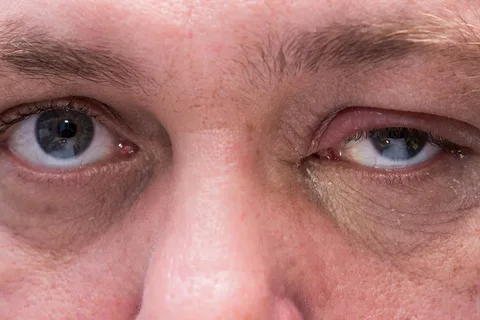
Waking up to red, itchy, and swollen eyes during allergy season is tough. Allergic conjunctivitis affects millions worldwide, hitting hard in spring and fall when pollen counts rise allergies affecting eyes.
At Liv Hospital, we get how allergy red eye affects your daily life. Our team offers trusted medical care with a caring touch. We help you find relief and clear vision.
Try a simple trick: apply a clean, cold washcloth to your closed eyes for 10-15 minutes. It can really help reduce swelling. We’ll look at more ways to tackle itchy and red eyes together.
Key Takeaways
- Understanding the causes of swollen eyes from allergies
- Simple remedies for immediate relief
- Comprehensive treatment options available
- The importance of a patient-centered approach
- Regaining comfort and clear vision
Understanding Allergic Eye Reactions
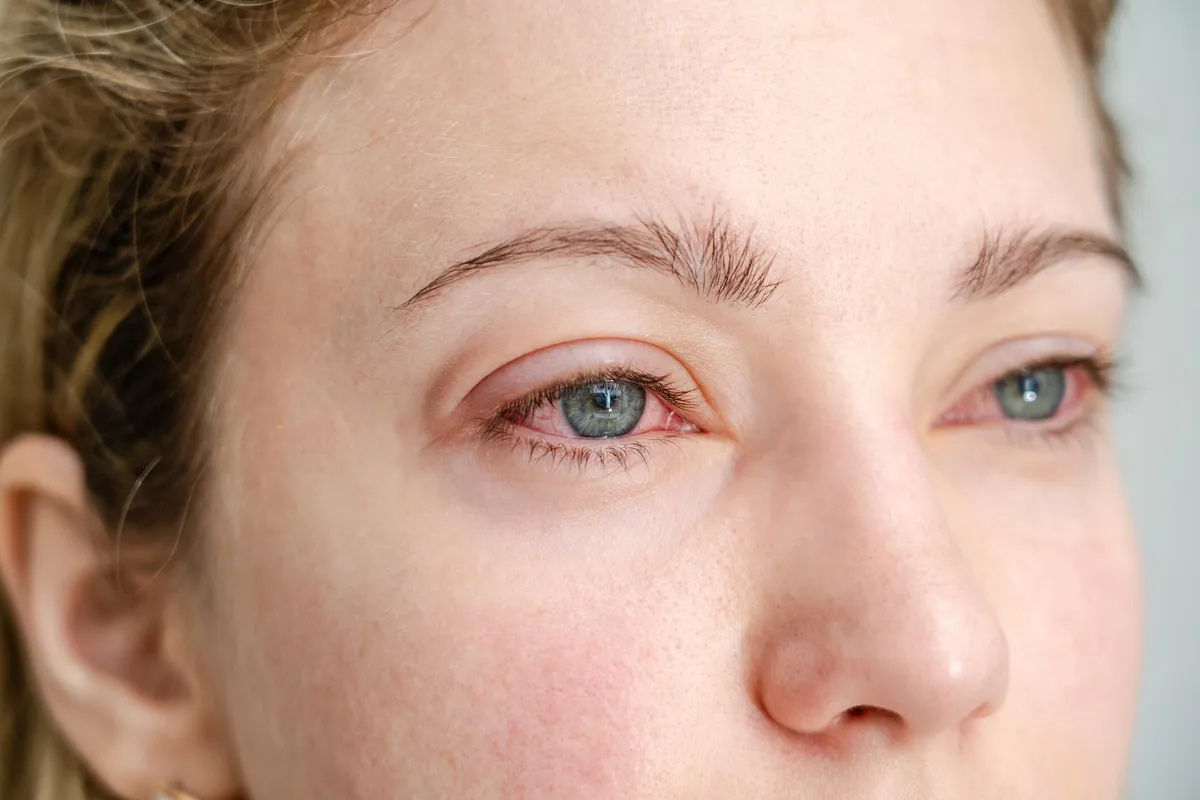
Allergic eye reactions, also known as allergic conjunctivitis, happen when eyes meet allergens. This triggers an immune response. Symptoms include redness, itchiness, and swelling.
The Immune Response Behind Eye Allergies
When allergens touch the eyes, they make mast cells release histamine and other inflammatory substances. This leads to swollen blood vessels in the eyes. As a result, eyes become red and itchy.
The immune system tries to protect us from threats. But with allergies, this protection causes discomfort.
Prevalence and Impact on Daily Life
Eye allergies affect millions globally. Seasonal allergic conjunctivitis is caused by pollen from trees, grasses, and weeds. It leads to symptoms at certain times of the year.
Eye allergies can really disrupt daily life. They cause discomfort and can get in the way of daily activities. Knowing what causes and symptoms are important for managing them.
What Causes Swollen Eyes from Allergies
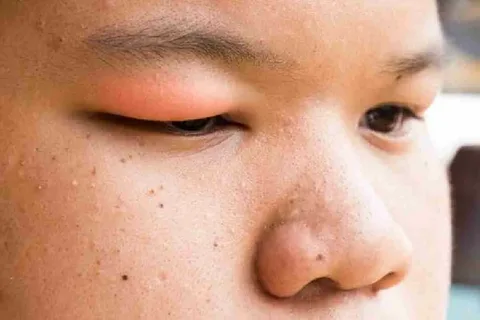
It’s important to know why allergies make our eyes swell. This knowledge helps us find relief. Allergies happen when our body reacts too strongly to something foreign, like pollen.
There are different types of allergens that can make our eyes swell. These include seasonal, perennial, and contact allergens. Each type triggers different reactions.
Seasonal Allergens: Pollen from Trees, Grasses, and Weeds
Seasonal allergens are a big problem for many people. Pollen from trees, grasses, and weeds is released in the air at certain times. This can make people’s eyes itchy, watery, and swollen.
A study in the Journal of Allergy and Clinical Immunology found that pollen from trees like oak, elm, and cedar is a big problem. Grasses and weeds also add to the pollen count, making symptoms worse.
Perennial Allergens: Dust Mites, Pet Dander, and Mold
Perennial allergens are around all year and can cause ongoing eye problems. Dust mites in our homes are a common allergen. Pet dander and mold in damp places also cause eye symptoms.
|
Allergen |
Common Sources |
Symptoms |
|---|---|---|
|
Dust Mites |
Bedding, carpets, upholstered furniture |
Itchy, swollen eyes |
|
Pet Dander |
Pets, like cats and dogs |
Watery, red eyes |
|
Mold |
Damp areas, like bathrooms and basements |
Swollen eyelids, itching |
Contact Allergens: Makeup, Eye Drops, and Contact Lenses
Swollen eyes can also be caused by products we use on our eyes. Makeup and makeup removers can have allergens. Some eye drops and contact lens solutions can irritate and swell our eyes.
“The key to managing allergic eye symptoms is identifying and avoiding the allergen. Whether it’s seasonal pollen or a product you’re using, understanding the cause is the first step towards relief.”
Knowing what causes swollen eyes from allergies helps us take steps to avoid them. This can help us feel better.
Recognizing Allergy Symptoms in the Eyes
Spotting signs of eye allergies is the first step to relief. Eye allergies aren’t contagious and usually hit both eyes. They cause a lot of discomfort and can mess up your daily life.
Primary Symptoms: Itching, Watering, Redness, and Swelling
The main signs of eye allergies are itching, watering, redness, and swelling. These happen because your body reacts to things like pollen, dust mites, or pet dander.
Itching is the worst symptom, making you want to rub your eyes. This can make things worse. Your eyes water to try to get rid of the allergen. Redness and swelling make your eyes look bloodshot and puffy.
Differentiating Eye Allergies from Other Eye Conditions
It’s key to tell eye allergies apart from other eye issues that look similar. Things like conjunctivitis or dry eye syndrome can look like eye allergies.
|
Condition |
Primary Symptoms |
Laterality |
|---|---|---|
|
Eye Allergies |
Itching, watering, redness, swelling |
Usually bilateral |
|
Conjunctivitis |
Redness, discharge, crusting |
Can be unilateral or bilateral |
|
Dry Eye Syndrome |
Dryness, irritation, blurred vision |
Usually bilateral |
Immediate Relief Strategies for Swollen Eyes
Swollen eyes from allergies can be treated with self-care and medical help. When allergies hit, eyes get swollen, itchy, and red. Luckily, there are ways to ease these symptoms quickly.
Cool Compresses: How They Reduce Inflammation
Using a cool compress is a simple way to fight swelling. Cold temperatures shrink blood vessels, which helps reduce swelling. To make one, wet a cloth with cold water, wring it out, and place it on your eyes for a few minutes. Do this several times a day as needed.
Artificial Tears and Lubricating Eye Drops
Artificial tears and eye drops are key for quick relief. They wash out allergens and add moisture, easing irritation. Choose drops without preservatives to avoid more irritation. Use them as directed, often several times a day, to keep your eyes moist and comfy.
Gentle Eye Massage Techniques
Gentle eye massage can also help. Use your ring finger to massage the eye area in circles. Be gentle, as the skin is delicate. This can boost circulation and lessen puffiness.
|
Relief Strategy |
Description |
Benefits |
|---|---|---|
|
Cool Compresses |
Applying a cold, wet cloth to closed eyes |
Reduces inflammation, constricts blood vessels |
|
Artificial Tears |
Using lubricating eye drops to flush out allergens |
Provides moisture, reduces irritation |
|
Gentle Eye Massage |
Massaging around the eyes in a circular motion |
Improves circulation, reduces puffiness |
By using these strategies, you can manage swollen eyes from allergies better. Cool compresses, artificial tears, and gentle eye massage are all effective ways to find relief.
Over-the-Counter Treatments for Allergic Eye Symptoms
Allergic eye symptoms can be managed with the right treatments. These treatments offer quick relief, letting you enjoy your day without discomfort.
Antihistamine Eye Drops: Options and Usage
Antihistamine eye drops are a top choice for allergic eye symptoms. They target histamines to reduce swelling, redness, and itching. Brands like Zaditor and Alaway provide fast relief. It’s important to follow the instructions to avoid rebound redness.
To use them effectively, tilt your head back and pull down your lower lid. Instill one drop into your eye. Close your eyes for a minute to let the medication spread.
Oral Antihistamines: Benefits and Limitations
Oral antihistamines can also help with allergic eye symptoms. They reduce the body’s allergic response, helping with eye symptoms. But, they might not work as well for eye symptoms alone and can cause side effects like dry mouth or drowsiness.
When picking an oral antihistamine, think about when you’ll take it. Non-drowsy formulas are good for daytime, while sedating ones are better at night.
Decongestant Eye Drops: When to Use Them
Decongestant eye drops can quickly reduce redness and swelling. But, use them carefully and for a short time. Long-term use can make symptoms worse.
It’s important to know the difference between decongestant and antihistamine eye drops. Decongestants reduce redness, while antihistamines tackle the allergy itself. Sometimes, using both is recommended, but only with a doctor’s advice.
|
Treatment |
Benefits |
Precautions |
|---|---|---|
|
Antihistamine Eye Drops |
Fast relief from itching and redness |
Avoid overuse to prevent rebound redness |
|
Oral Antihistamines |
Systemic relief from allergic reactions |
May cause drowsiness or dry mouth |
|
Decongestant Eye Drops |
Quick reduction in redness |
Use for short periods only to avoid rebound redness |
Prescription Medications for Severe Eye Allergies
When over-the-counter remedies don’t work, prescription medications can help. They are strong enough to tackle intense itching, redness, and swelling in the eyes.
Mast Cell Stabilizers and Their Mechanism
Mast cell stabilizers are eye drops that stop histamines from causing allergic reactions. They keep mast cells stable, preventing the allergic response. Examples include lodoxamide and cromolyn sodium, which are good for allergic conjunctivitis.
Corticosteroid Eye Drops: Efficacy and Safety Considerations
Corticosteroid eye drops are strong anti-inflammatory agents for severe allergies. They reduce inflammation, redness, and swelling. But, they can cause side effects like increased eye pressure and cataracts with long use. They are usually used for a short time and under a doctor’s close watch.
Immunotherapy for Chronic Allergy Sufferers
For those with chronic and severe eye allergies, immunotherapy might be suggested. It involves getting small amounts of the allergen through injections to build tolerance. It’s not a medication but a long-term approach to lessen allergic reactions, including eye symptoms. It’s a good choice for those who don’t get better with usual treatments.
In summary, prescription medications offer several ways to manage severe eye allergies. From mast cell stabilizers to corticosteroid eye drops and immunotherapy, these treatments can greatly improve life for those with severe eye allergy symptoms.
Environmental Modifications to Prevent Allergic Reactions
To ease swollen eyes from allergies, we need to change our environment. We should reduce our contact with allergens. This way, we can lower the chance of allergic reactions.
Creating an Allergen-Free Home Environment
Making our homes allergen-free is a smart move for eye allergy management. Using air purifiers can clear the air of allergens. Also, vacuuming with HEPA filters gets rid of dust mites and other allergens from our floors and furniture.
Washing our bedding in hot water is key to reducing allergen exposure. This method kills dust mites, a common allergen that worsens eye allergy symptoms.
Protective Measures During High Pollen Seasons
In high pollen seasons, we must take extra steps to manage eye allergies. Wearing sunglasses outdoors protects our eyes from pollen. It’s wise to keep windows and doors closed to keep pollen out of our homes.
- Use air conditioning to keep your home cool and pollen-free.
- Avoid outdoor activities during peak pollen hours.
- Shower and change clothes after being outdoors to remove pollen.
Proper Eye Hygiene Practices
Good eye hygiene is essential to prevent allergic reactions. Regularly cleaning the eyes with a gentle cleanser removes allergens. It’s also important to avoid rubbing the eyes to prevent further irritation.
Using artificial tears or lubricating eye drops keeps our eyes moist. This makes them more comfortable and reduces the risk of allergic reactions.
Natural Remedies and Lifestyle Changes
There are natural ways to help with eye allergy symptoms. Making these changes in our daily life can lessen allergic reactions. It also improves our eye health.
Dietary Adjustments to Reduce Allergic Responses
Changing what we eat can help with eye allergies. Eating foods rich in omega-3 fatty acids, like salmon and flaxseeds, can reduce inflammation. Foods high in antioxidants, such as berries and leafy greens, fight oxidative stress.
Here are some dietary tips:
- Eat more foods with omega-3 fatty acids
- Choose foods high in antioxidants
- Avoid foods that often cause allergies
Drinking plenty of water is also good. A balanced diet helps our body handle allergies better.
Herbal Supplements and Their Effectiveness
Some herbal supplements might help with allergies. Quercetin, found in fruits and veggies, has anti-inflammatory effects. Butterbur might also help, but more studies are needed.
When using herbal supplements, remember to:
- Talk to a healthcare professional first
- Choose trusted brands
- Take the right amount as suggested
Stress Management and Its Impact on Allergies
Stress can make allergies worse. Managing stress is key to controlling allergies. Activities like meditation, yoga, and deep breathing can help.
Here are ways to manage stress:
- Try mindfulness and meditation
- Stay active with exercise
- Get enough sleep
By using these natural methods and lifestyle changes, we can better manage eye allergies. This improves our overall health and well-being.
Conclusion: Managing Swollen Eyes for Long-Term Relief
Understanding why eyes swell from allergies is key. By using cool compresses, artificial tears, and eye drops, you can feel better. These steps help reduce swelling and discomfort.
Managing swollen eyes means more than just treating symptoms. It’s about avoiding allergens too. By keeping your space clean and following good eye care, you can lower your allergy risk. Eating right also helps.
We aim to give top-notch healthcare to everyone, including international patients. We teach you how to handle swollen eyes from allergies. This way, you can live better, with clearer and more comfortable days ahead. We’re here to help you find lasting relief.
FAQ
What are the common causes of swollen eyes from allergies?
Swollen eyes from allergies can be caused by many things. Seasonal allergens like pollen are common. Also, dust mites and pet dander are perennial allergens. Makeup and contact lenses can be contact allergens.
How can I relieve swollen eyes from allergies immediately?
To relieve swollen eyes from allergies, try a few things. Apply cool compresses to your eyes. Use artificial tears and lubricating eye drops. Also, gentle eye massage can help.
What are the primary symptoms of eye allergies?
Eye allergies often show as itching, watering, redness, and swelling. These symptoms can be uncomfortable.
Can allergies cause red and itchy eyes?
Yes, allergies can make your eyes red and itchy. They can also swell and water a lot.
What over-the-counter treatments are available for allergic eye symptoms?
For allergic eye symptoms, you can try antihistamine eye drops. Oral antihistamines and decongestant eye drops are also options.
When should I consider prescription medications for severe eye allergies?
If your eye allergy symptoms are severe and don’t get better with over-the-counter treatments, you might need prescription meds. Options include mast cell stabilizers, corticosteroid eye drops, and immunotherapy.
How can I prevent allergic reactions in my eyes?
To prevent eye allergies, keep your home allergen-free. Wear protective gear during high pollen seasons. Also, practice good eye hygiene.
Are there any natural remedies that can help manage eye allergies?
Yes, natural remedies and lifestyle changes can help with eye allergies. Try dietary adjustments, herbal supplements, and stress management.
Can stress management help alleviate eye allergy symptoms?
Yes, managing stress can help with eye allergy symptoms. Stress can make allergies worse.
How do I differentiate eye allergies from other eye conditions?
To tell if you have eye allergies, look for symptoms like itching, watering, and redness. If unsure, see a healthcare professional for a proper diagnosis.
References
National Center for Biotechnology Information. Allergic Conjunctivitis: Relieving Swollen, Itchy Eyes During Allergy Season. Retrieved from https://pmc.ncbi.nlm.nih.gov/articles/PMC5010431/