Allergic conditions in preschoolers are becoming more common. Nearly 27.2% of children are diagnosed with at least one allergic condition. It’s vital for parents to spot the signs early. Spotallergies in preschoolers easily. Learn the top 5 signs of environmental and food sensitivities in young children.
Studies show that 18.9% of children have seasonal allergies, 10.8% have eczema, and 5.8% have food allergies. Spotting these symptoms early can greatly improve a child’s life and stop serious problems.
At Liv Hospital, we know how important it is to find and manage allergies early. We aim to give top-notch healthcare and support to international patients.
Key Takeaways
- Allergic conditions are common in preschoolers, affecting nearly 27.2% of children.
- Seasonal allergies, eczema, and food allergies are common in kids.
- Finding allergy symptoms early is key to bettering a child’s life.
- Trusted healthcare providers are essential in managing and treating allergies in children.
- Comprehensive support is vital for international patients seeking advanced medical care.
The Growing Prevalence of Childhood Allergies
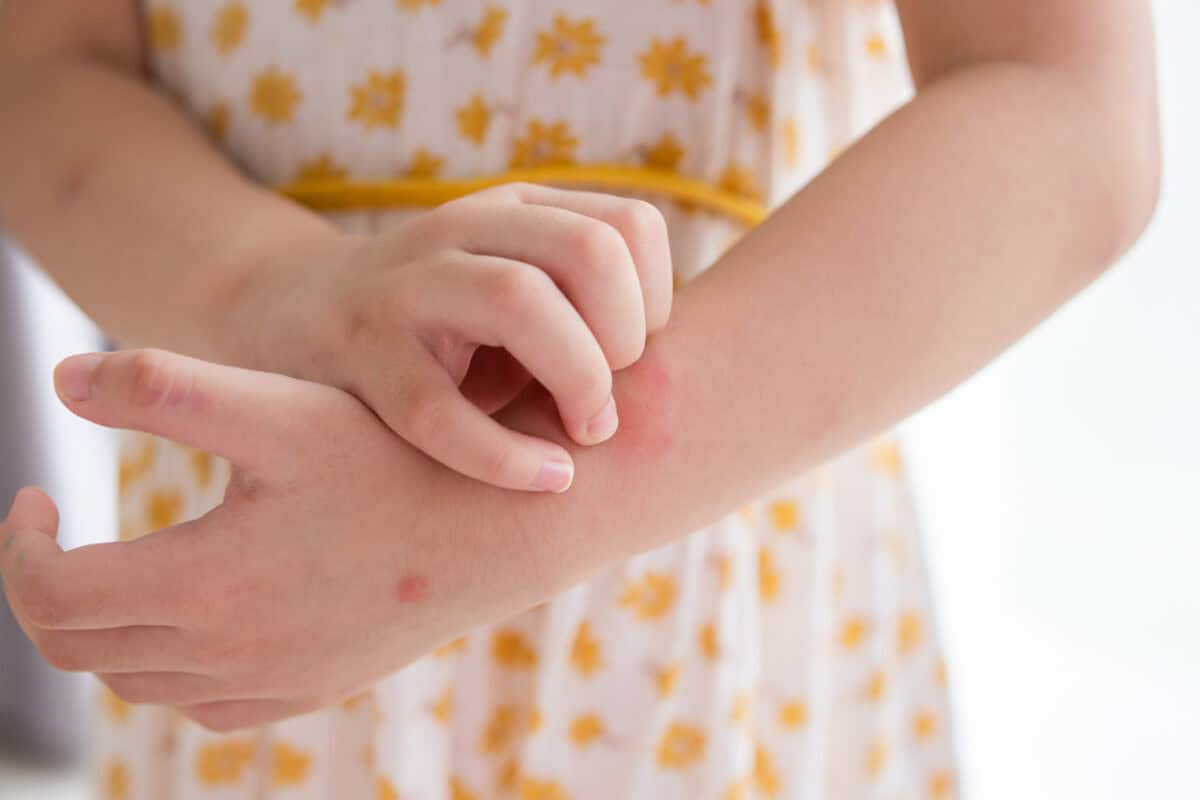
Allergies in children are becoming a big health problem. They affect their life quality and growth. More and more kids are getting allergies, which worries parents, doctors, and teachers.
Current Statistics on Pediatric Allergies
Allergic diseases hit 10 to 30% of the world’s population. In the U.S., about 8% of kids have food allergies. Up to 40% have allergic rhinitis. These numbers show how big of a problem childhood allergies are for health.
The increase in allergies in children is seen worldwide. Allergic conditions like asthma, eczema, and food allergies are getting more common. This trend is alarming and needs attention.
Why Preschoolers Are Particular Vulnerable
Preschoolers are more likely to get allergies because their immune systems are not fully developed. They are exposed to many allergens at home and in daycare. Changes in diet, lifestyle, and environment make them more at risk.
Also, preschoolers’ immune systems are not good at telling the difference between safe and harmful things. This makes them more likely to have allergic reactions. It’s important for parents and caregivers to be aware and take steps to prevent allergies.
Impact on Quality of Life and Development
Kid allergies can really affect a child’s life. They can make it hard for kids to do normal things, sleep well, and feel good overall. Symptoms like hives, itching, swelling, and breathing problems can be scary for kids and their families.
Also, symptoms of allergies in kids can slow down their growth. They can affect kids’ social, emotional, and thinking skills. Allergies can make kids miss school, not want to play with others, and feel very anxious.
Understanding Allergies in Preschoolers: Causes and Triggers
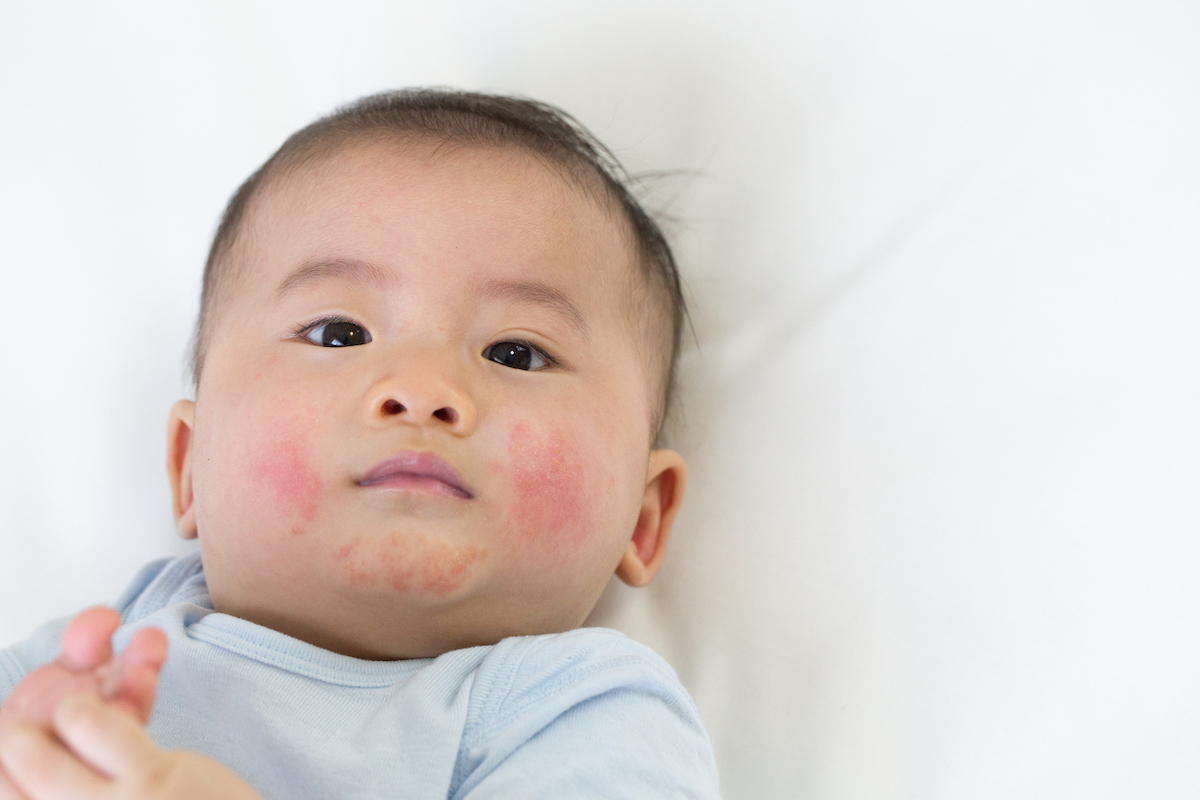
Allergies in young children come from a mix of genetics, environment, and how their immune system reacts. It’s key to know how these elements work together to impact a child’s health.
How the Immune System Responds in Young Children
In preschoolers, the immune system is not fully grown. This makes it more likely to overreact to allergens. When a child meets an allergen, their immune system might make too many IgE antibodies. This can cause a lot of symptoms, from mild to very serious.
A study in the Journal of Allergy and Clinical Immunology found that young children’s immune system reactions are complex. They involve genetics, environment, and immune factors.
“The hygiene hypothesis suggests that a lack of exposure to certain microorganisms in childhood may contribute to an increased risk of developing allergies.”
Common Environmental Triggers
Environmental factors are big in causing allergies in preschoolers. Common culprits include:
- Pollen from trees, grasses, and weeds
- Dust mites and their waste products
- Pet dander and saliva
- Mold and mildew
- Insect stings
These allergens can cause a range of symptoms. They can be as simple as sneezing or itching, or as serious as anaphylaxis.
Genetic Factors and Family History
Genetics also matter a lot in allergies in preschoolers. Kids with a family history of allergies are more likely to get them too. Studies show that if one parent has an allergy, their child is more at risk. This risk goes up if both parents have allergies.
|
Family History |
Risk of Developing Allergies |
|---|---|
|
Neither parent has allergies |
Low risk |
|
One parent has allergies |
Moderate risk |
|
Both parents have allergies |
High risk |
Knowing what causes and triggers allergies in preschoolers is key. It helps us find better ways to manage allergies and improve life for kids with them.
Recognizing Food Allergy Symptoms
It’s key to spot food allergy symptoms in young kids for their health. Food allergies happen when the body’s immune system reacts to certain foods. This can cause a range of symptoms, from mild to severe.
Immediate Reactions: Hives, Swelling, and Respiratory Issues
Some symptoms show up right after eating the allergenic food. These immediate reactions include:
- Hives or itchy skin
- Swelling, like in the face, lips, tongue, or throat
- Respiratory problems, like wheezing, coughing, or feeling short of breath
These symptoms can be scary and, in bad cases, very dangerous. Parents and caregivers need to know these signs and act fast.
Delayed Symptoms: Digestive Problems and Skin Changes
Not all symptoms show up right away. Some kids might have delayed symptoms, like:
- Digestive issues, such as diarrhea, stomach pain, or vomiting
- Skin changes, like eczema or atopic dermatitis
These delayed reactions can be hard to spot because they might not seem connected to the food.
Most Common Food Allergens: Milk, Eggs, Peanuts, and More
Some foods are more likely to cause allergies in kids. The most common allergens are:
|
Common Food Allergens |
Examples of Foods |
|---|---|
|
Milk |
Dairy products, cheese, yogurt |
|
Eggs |
Eggs in baked goods, mayonnaise, some pasta |
|
Peanuts |
Peanut butter, peanuts in snacks, some ethnic dishes |
|
Tree Nuts |
Almonds, walnuts, cashews, often in baked goods or snacks |
Knowing these common allergens helps parents and caregivers prevent and prepare for reactions.
Identifying Respiratory Allergy Signs
It’s key to know the signs of respiratory allergies in young kids. These allergies, like hay fever and asthma, are common. They can be set off by changes in the seasons and things inside.
Seasonal Allergy Symptoms: Sneezing, Congestion, and Itchy Eyes
Seasonal allergies in little ones can make them sneeze a lot, feel stuffy, and have itchy, watery eyes. These problems usually come from pollen in the air. Spotting these signs early is important for handling them well.
When pollen is high, kids might rub their noses or eyes a lot. This could mean they’re having an allergic reaction. Keeping a symptom diary helps track when symptoms happen and what might cause them.
Indoor Allergen Reactions: Dust Mites, Pet Dander, and Mold
Indoor allergens like dust mites, pet dander, and mold can also cause problems. These are often found in places like bedding, carpets, and furniture. Keeping things clean is key to avoiding these allergens.
Using special bedding and cleaning surfaces often can help get rid of dust mites and pet dander. Also, keeping the air from getting too damp can stop mold from growing. This helps lower the chance of allergic reactions.
The Allergy-Asthma Connection in Preschoolers
Allergies and asthma often go hand in hand in young kids. Allergies can make asthma worse, and controlling allergies is key to managing asthma. Staying away from things that trigger allergies can lessen asthma attacks.
Parents should team up with doctors to make a plan for handling allergies and asthma. This might include medicine, changes in how they live, and watching symptoms closely.
Spotting Skin Allergy Manifestations
It’s important to spot skin allergy symptoms in young kids early. This helps in managing their condition better. Skin allergies in preschoolers can show up in many ways. So, it’s key for parents and caregivers to know the different signs.
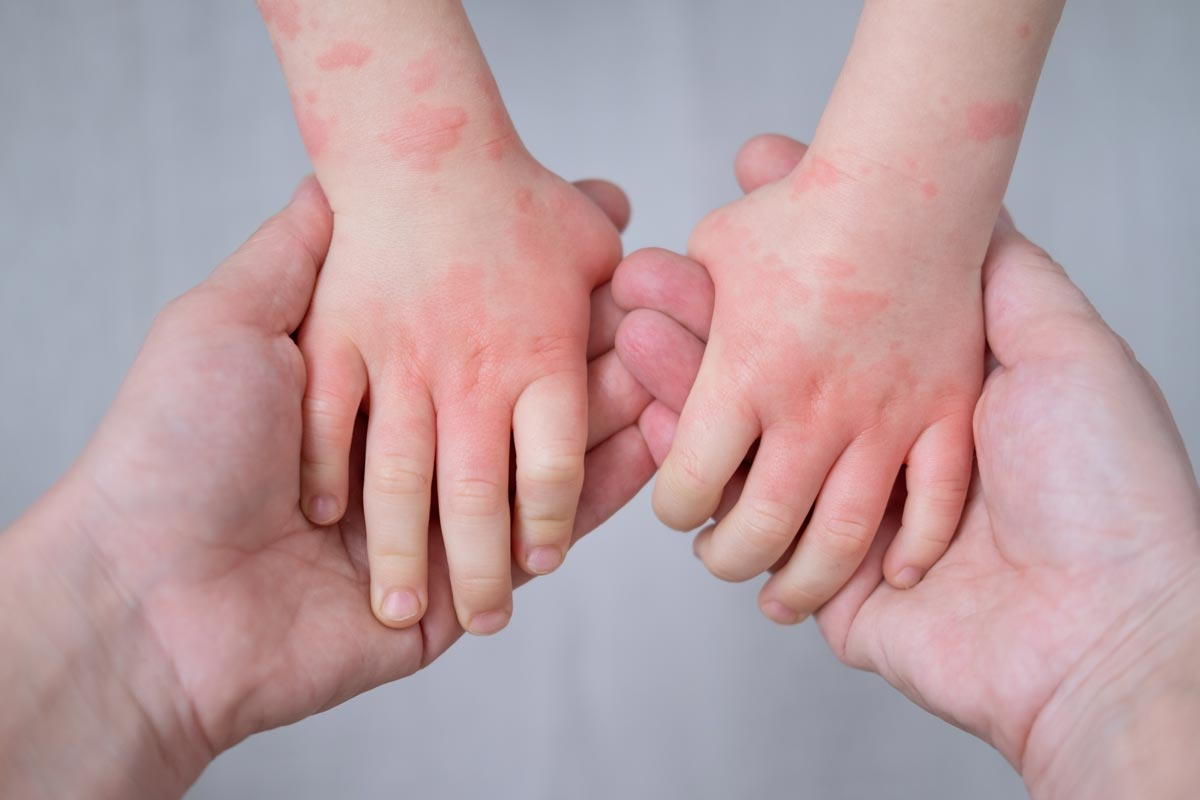
Eczema and Atopic Dermatitis: Red, Itchy, and Scaly Skin
Eczema, or atopic dermatitis, is a common skin issue. It makes the skin red, itchy, and scaly. In young kids, it often shows up on the face, behind the ears, and on the elbows and knees.
Symptoms to watch for: Look for dry skin, intense itching, redness, and scaly patches.
Contact Dermatitis: Localized Reactions to Irritants
Contact dermatitis happens when the skin reacts to something it shouldn’t. This can be due to soaps, detergents, or certain plants. It causes a reaction in a specific area.
Key characteristics: You’ll see redness, swelling, and blistering where the skin touched the irritant.
Hives and Angioedema: Sudden Swelling and Welts
Hives are itchy welts that can pop up anywhere on the body. They often happen because of an allergic reaction. Angioedema is a more serious version that makes the deeper layers of the skin swell.
Warning signs: Watch for sudden hives or swelling. If angioedema hits the face or throat, it can make breathing hard.
|
Condition |
Common Symptoms |
Typical Locations |
|---|---|---|
|
Eczema/Atopic Dermatitis |
Dry skin, itching, redness, scaly patches |
Face, behind ears, elbows, knees |
|
Contact Dermatitis |
Redness, swelling, blistering |
Areas exposed to irritants |
|
Hives/Angioedema |
Itchy welts, swelling, difficulty breathing (in severe cases) |
Anywhere on the body, face, throat |
Knowing these signs is the first step to managing skin allergies. By understanding the symptoms and causes, parents can work with doctors. Together, they can create a plan to keep their child’s skin safe and healthy.
Detecting Eye Allergy Indicators in Young Children
It’s important to spot eye allergy symptoms in young kids quickly. Eye allergies can really bother a child and affect their daily life. So, it’s key for parents and caregivers to know the signs.
Allergic Conjunctivitis: Redness, Tearing, and Rubbing
About 14.8% of preschoolers have allergic conjunctivitis. This condition shows as red eyes, lots of tears, and eye rubbing. These signs can really upset young children and might make things worse if not treated right.
When kids have allergic conjunctivitis, they might rub their eyes a lot. This rubbing can make things worse. It’s important to see it as an allergic reaction that needs the right care.
Differentiating Eye Allergies from Infections
Telling eye allergies from infections is key to treating them right. Both can have red eyes and tears, but they’re different. Eye allergies usually itch and have clear discharge, while infections have thick, colored discharge.
- Allergic reactions usually affect both eyes.
- Infections can start in one eye and potentially spread to the other.
- Allergies are often accompanied by other allergic symptoms like sneezing or a runny nose.
Knowing these differences helps figure out the right treatment. It might be antihistamines for allergies or antibiotics for infections.
When Eye Symptoms Connect to Other Allergic Reactions
Eye allergy symptoms often go hand in hand with other allergies. For example, kids with allergic conjunctivitis might also have seasonal allergies or atopic dermatitis. It’s important to see these connections to manage allergies well.
By understanding a child’s allergies in a bigger picture, parents and doctors can make a better treatment plan. This plan can help with all symptoms and make the child’s life better.
When to Seek Medical Help for Allergies in Preschoolers
It’s important for parents to know when their child needs medical help for allergies. Allergies can show up in different ways. Knowing when to get help is key for your child’s health.
Emergency Warning Signs That Require Immediate Attention
Some allergy symptoms in preschoolers are very serious and need quick medical help. These include:
- Severe difficulty breathing: If your child is having trouble breathing, wheezing, or is short of breath, get emergency care right away.
- Rapid swelling: Swelling in the face, lips, tongue, or throat is dangerous and needs quick attention.
- Dizziness or fainting: If your child gets dizzy or faints after being exposed to an allergen, it’s a serious sign.
- Abdominal pain, nausea, or vomiting: These can be signs of a food allergy or other allergic reaction that might need urgent care.
Symptoms That Warrant a Scheduled Doctor’s Visit
While some symptoms are emergencies, others need a doctor’s check-up. These include:
- Persistent or recurring symptoms: If your child keeps getting symptoms like sneezing, itching, or skin rashes.
- Uncertain diagnosis: If you’re not sure if your child’s symptoms are from an allergy or something else.
- Impact on daily life: If symptoms are making it hard for your child to do daily things, sleep, or feel good.
Preparing for an Allergy Appointment: What to Document
Before you go to the doctor, it’s good to write down your child’s symptoms and what might be causing them. This can include:
- A detailed list of symptoms, including when they happen and how long they last.
- A record of any foods eaten or products used around the time symptoms appeared.
- Any family history of allergies.
- A list of questions or concerns you have about your child’s symptoms.
Being prepared and knowing when to seek medical help is important. It helps make sure your child gets the right care for their allergies. Always talk to a healthcare professional for advice on managing your child’s allergies.
Diagnostic Approaches and Management Strategies for Preschooler Allergies
Getting the right diagnosis and managing allergies in preschoolers is key. It helps avoid serious reactions and boosts their life quality. Doctors use a mix of medical history, physical checks, and specific tests to find allergies in young kids.
Age-Appropriate Allergy Testing Methods
Allergy tests for preschoolers are designed for their age and health. Skin prick tests and blood tests are common. Skin prick testing works for kids as young as six months and shows results right away. Blood tests check for allergy-related antibodies in the blood.
A study in the Journal of Allergy and Clinical Immunology says skin prick tests are good for diagnosing allergies in kids. They are very sensitive and specific for detecting allergic reactions.
“The diagnosis of allergy in children requires a complete approach. This includes a detailed history, physical check, and diagnostic testing.”— American Academy of Allergy, Asthma, and Immunology
|
Testing Method |
Age Suitability |
Advantages |
|---|---|---|
|
Skin Prick Testing |
6 months and above |
Immediate results, high sensitivity |
|
Blood Tests |
Any age |
Measures allergy-related antibodies |
Creating an Allergy Action Plan for Daycare and Preschool
After a child is diagnosed with an allergy, making an allergy action plan is vital. This plan shows what to do in case of an allergic reaction. It might include giving epinephrine. Parents and caregivers need to work with healthcare providers and schools to make sure everyone knows the plan.
A good allergy action plan should have:
- Clear identification of the child’s allergies
- Symptoms to watch for
- Emergency contact information
- How to give medication
Medication Options and Considerations for Young Children
Medicine is key in managing allergies in preschoolers. Antihistamines help with mild to moderate symptoms. For serious reactions, epinephrine auto-injectors are used. It’s important for parents and caregivers to know how to use these medicines right.
The Food Allergy Research & Education group says having an epinephrine auto-injector ready and knowing how to use it can save lives in severe allergic reactions.
Conclusion: Supporting Your Child Through Allergy Challenges
Supporting kids with allergies is a big job. It needs a mix of education, management, and emotional support. This helps keep preschoolers safe and healthy.
Knowing what causes and triggers allergies is key. This way, we can spot symptoms early and get medical help fast. Making an allergy plan and looking into medicines are important steps.
We all need to help create a safe space for kids with allergies. This way, they can live happy, active lives without the worries of untreated allergies.
FAQ
What are the most common allergy symptoms in preschoolers?
Common symptoms in preschoolers include hives, itching, and swelling. They also have digestive issues and respiratory problems. Skin changes, sneezing, congestion, itchy eyes, and allergic conjunctivitis are seen too.
How do I know if my child has a food allergy or intolerance?
Food allergies cause quick reactions like hives or swelling. Intolerances might lead to digestive issues later. Always talk to a healthcare professional for a proper diagnosis and advice on managing food allergies.
Can allergies in preschoolers be outgrown?
Yes, some allergies can be outgrown. But, it’s important to work with a healthcare professional. Regular monitoring and allergy testing can show when an allergy is gone.
How can I prevent my child from developing allergies?
There’s no sure way to prevent allergies, but a diverse diet and breastfeeding help. A healthy environment also plays a role. Always get advice from a healthcare professional on reducing allergy risk.
What is the connection between allergies and asthma in preschoolers?
Allergies and asthma are closely related. Respiratory allergies can trigger asthma symptoms. Managing allergies well can help control asthma and improve breathing.
How do I create an allergy action plan for daycare or preschool?
Create an allergy action plan with your child’s healthcare provider. Identify their allergy needs and plan for emergencies. Make sure daycare or preschool staff understand the plan and know how to use medications like EpiPen or antihistamines.
What are the best ways to manage skin allergies in preschoolers?
To manage skin allergies, avoid triggers and use topical creams or ointments. Keeping skin clean is also important. For eczema, use gentle skincare and dress them in breathable clothes to reduce irritation.
How can I differentiate between eye allergies and infections in my child?
Eye allergies cause redness, itching, and tearing. Infections have discharge, crusting, or swelling. Always check with an eye care professional or pediatrician to find out what’s causing your child’s eye symptoms and get the right treatment.
What are the most effective treatments for respiratory allergies in young children?
Treatments include avoiding allergens and using nasal saline irrigation. Medications like antihistamines or corticosteroids may also be needed. Immunotherapy, or allergy shots, might be recommended for some children.
When should I seek emergency medical help for my child’s allergy symptoms?
Call for emergency help if your child has severe symptoms like trouble breathing, rapid heartbeat, or low blood pressure. Also, watch for severe swelling, abdominal cramps, or sudden symptoms.
References
National Center for Biotechnology Information. Evidence-Based Medical Guidance. Retrieved from https://pmc.ncbi.nlm.nih.gov/articles/PMC3764258/