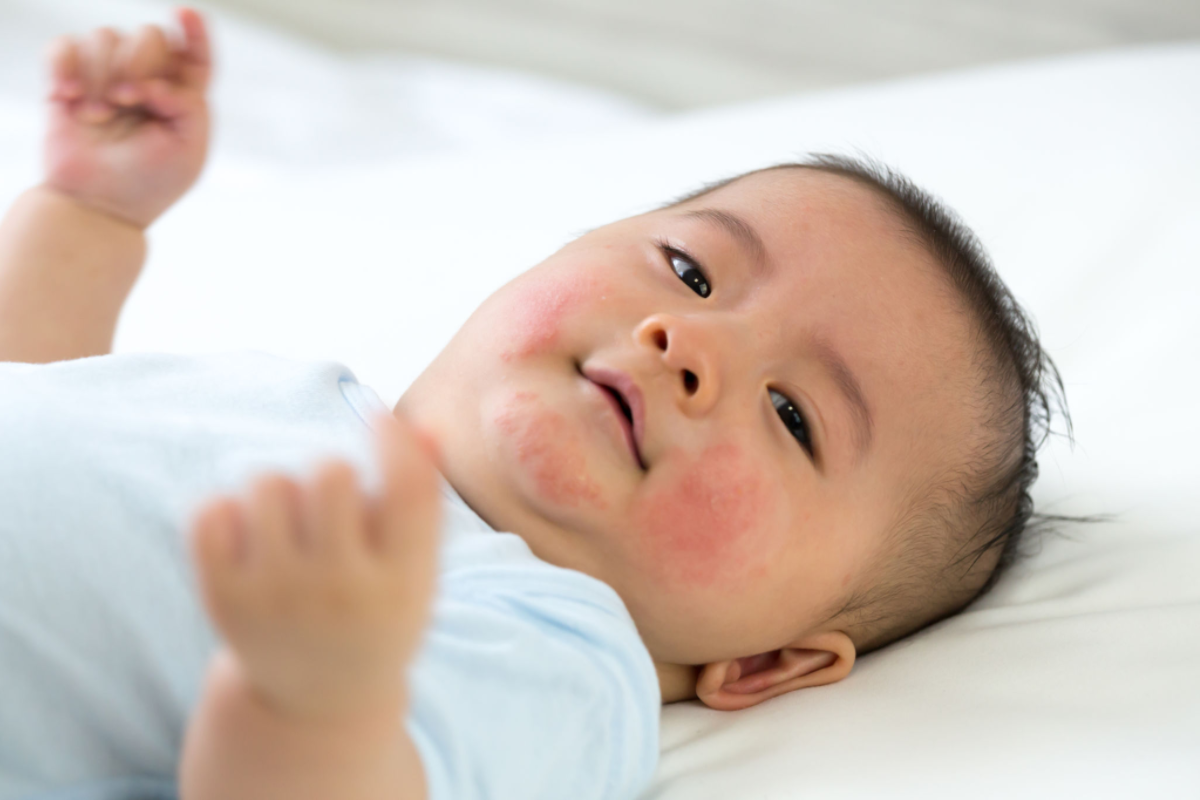
Newborn allergies are a big health issue for millions of kids around the world. By 2021, 5.8% of kids in the U.S. under 18 had a food allergy. This shows how important it is to know the signs and symptoms in infants. Does yourallergy infant need help? Learn 5 vital warning signs like rash, vomiting, or congestion that signal an issue.
It’s hard to tell if a newborn has an allergy because their symptoms are different from older kids and adults. Babies can’t talk about their pain, so parents need to watch for early signs.
At Liv Hospital, we know how much baby allergies affect families. Finding allergies early is key to managing them well. We’re here to give your baby the care and support they need to grow strong.
Key Takeaways
- Newborn allergies are a significant health concern worldwide.
- Early detection is key for managing allergies in infants.
- Symptoms of newborn allergies can differ from those in older children and adults.
- Understanding the signs and symptoms is vital for parents.
- Liv Hospital provides complete care for infants with allergies.
Understanding Infant Allergies: Prevalence and Impact
It’s key to spot and manage infant allergies early. Different ages show allergies in unique ways. This makes it hard for parents to know when to look for them.
Common Types of Allergies in Newborns
Newborns face many allergy types, with food allergies being top. Cow’s milk protein allergy is common, causing tummy troubles and skin issues. Soy, eggs, and peanuts are also common culprits.
Environmental allergies, like dust mites and pollen, also hit infants hard. These can cause breathing problems like stuffy noses and wheezing.
Statistics on Infant Allergies in the United States
About 1 in 13 kids in the U.S. have food allergies, studies show. This shows how important it is to know about and handle infant allergies. The high number of allergies means we need to be more aware and proactive.
Risk Factors for Developing Allergies
Some things make it more likely for an infant to get allergies. A family history of allergies is a big risk. So is introducing certain foods too early. Genetic predisposition and environmental factors like pollution also play a part.
Knowing these risk factors helps parents and caregivers prevent and watch for allergy signs early.
Common Signs and Symptoms of Allergies in Newborns
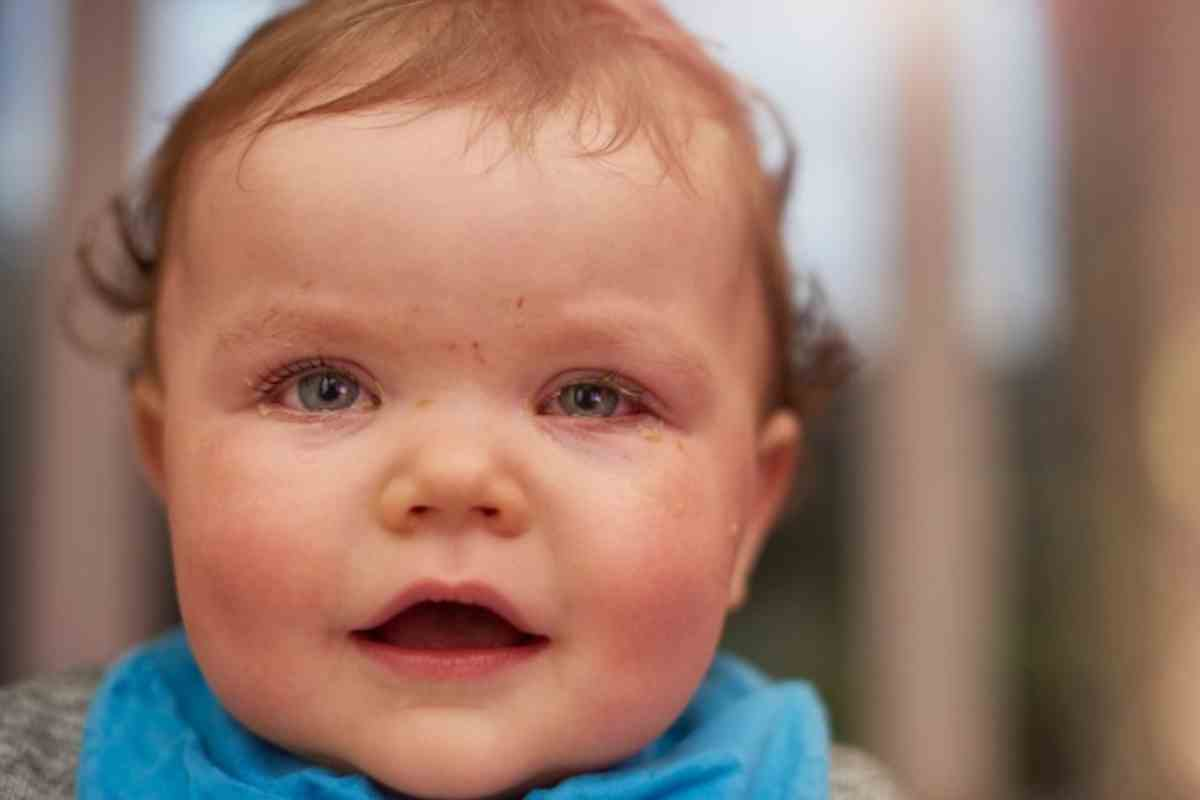
Signs of allergies in newborns can be hard to spot. They might look like other common issues. It’s important for parents to know what to look for.
Skin Manifestations: Rashes, Hives, and Eczema
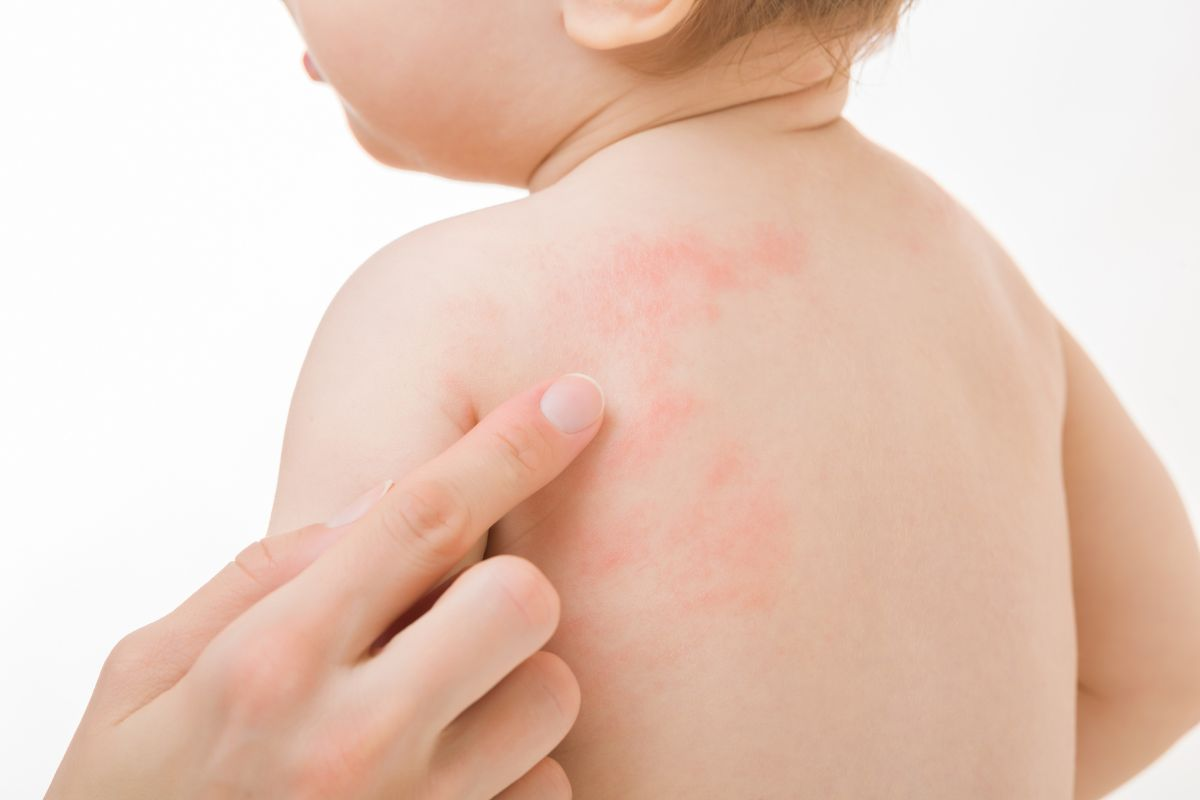
Skin problems are common in babies with allergies. These can be:
- Rashes: Red, itchy patches on the skin that can appear anywhere on the body.
- Hives: Raised, itchy welts that can vary in size and shape.
- Eczema: A chronic condition characterized by dry, itchy, and inflamed skin.
These skin issues can make a baby uncomfortable. Early treatment is key to easing symptoms and preventing damage.
Gastrointestinal Symptoms: Vomiting, Diarrhea, and Colic
Babies with allergies might also have stomach problems. These can include:
- Vomiting: Frequent or forceful vomiting after feeding.
- Diarrhea: Loose, watery stools that can lead to dehydration if not managed properly.
- Colic: Severe abdominal pain that can cause the infant to cry inconsolably.
These symptoms can upset both the baby and the parents. Seeing a pediatrician is important if you think your baby has an allergy.
Respiratory Indicators: Congestion, Wheezing, and Coughing
Respiratory symptoms can also point to allergies in newborns. These include:
- Congestion: Nasal stuffiness or difficulty breathing.
- Wheezing: A high-pitched whistling sound while breathing out.
- Coughing: Persistent coughing that can be dry or productive.
Respiratory issues in newborns are serious. Seeking medical help quickly is vital if you notice these signs.
Non-Classical Allergy Signs in Infants
Some babies show signs of allergies in ways that are not typical. These can be:
Irritability, fussiness, or restlessness, which can be indicative of an underlying allergic reaction.
Knowing about these signs can help parents catch allergies early. This ensures they get the right help fast.
Differentiating Allergies from Other Common Newborn Conditions
It’s important to know the difference between allergies and other conditions in newborns. This requires careful observation and understanding of symptoms. Newborns can show many symptoms, making it hard to tell if they have an allergy.
Allergies vs. Common Cold
Many people confuse allergy symptoms with those of a cold. Both can cause congestion and coughing. But, allergies don’t usually cause fever. A key difference is itchy, watery eyes in allergic reactions, which colds don’t have.
Allergies vs. Infant Reflux
Infant reflux, or GER, can look like an allergy, causing discomfort after feeding. But, reflux mainly means spitting up or vomiting. Allergic reactions might include skin rashes or breathing problems.
Allergies vs. Normal Newborn Skin Conditions
Newborns often have skin issues that look like allergies, like erythema toxicum or milia. These are usually harmless and go away by themselves. Allergic skin reactions, though, can be itchy and uncomfortable, unlike these harmless conditions.
When to Worry: Red Flags for Serious Reactions
Most allergic reactions are mild, but some signs are serious. Look out for trouble breathing, a fast heartbeat, or a drop in blood pressure. If your newborn shows these signs, get medical help right away.
|
Condition |
Common Symptoms |
Differentiating Factors |
|---|---|---|
|
Allergies |
Skin rashes, respiratory issues, itchy eyes |
Presence of itchy, watery eyes; symptoms persist without fever |
|
Common Cold |
Congestion, coughing, sometimes fever |
Fever presence; lack of itchy, watery eyes |
|
Infant Reflux |
Spitting up, vomiting, discomfort after feeding |
Primarily gastrointestinal symptoms; absence of skin or respiratory symptoms |
|
Normal Newborn Skin Conditions |
Rashes, bumps, or milia on the skin |
Generally harmless; resolve on their own; lack of itchiness or discomfort |
Food Allergies in Infants: The Most Common Culprits
Knowing the most common food allergens in infants is key to managing allergies. Food allergies happen when an infant’s immune system reacts to certain foods. This can cause mild symptoms or serious reactions.
Cow’s Milk Protein Allergy: Prevalence and Symptoms
Cow’s milk protein allergy is common in infants. It happens when an infant’s immune system reacts to cow’s milk proteins. Symptoms include digestive issues, skin rashes, and severe reactions like anaphylaxis. It’s important for parents to spot these signs early.
Common symptoms of cow’s milk protein allergy are:
- Diarrhea or bloody stools
- Vomiting
- Abdominal pain or colic
- Skin rashes or eczema
Soy and Egg Allergies in Newborns
Soy and egg allergies are also common in infants. Soy allergy often goes hand in hand with cow’s milk protein allergy. Introducing these foods early, with pediatric guidance, may lower allergy risk.
Symptoms of soy and egg allergies include:
- Hives or itchy skin
- Swelling, like in the face, lips, or tongue
- Respiratory issues, such as wheezing or coughing
Other Common Food Allergens
Infants can also be allergic to peanuts, tree nuts, fish, shellfish, and wheat. It’s best to introduce these foods one at a time. Watch for any bad reactions.
Allergies Through Breast Milk
Even though breast milk is usually safe, allergens can pass through it. Changing the mother’s diet can help manage symptoms in breastfed babies.
Studies show that introducing allergenic foods early can lower allergy risk. But, this should be done carefully, with a pediatrician’s guidance.
Environmental Allergy Triggers for Newborns
Environmental allergy triggers are key in infant allergies. Knowing them helps parents prevent allergies. We’ll look at common allergens and irritants that affect newborns.
Household Allergens: Dust, Pet Dander, and Mold
Household allergens are a big worry for newborns. Dust mites, pet dander, and mold are common. They can cause mild to severe allergic reactions.
To reduce exposure, parents can:
- Regularly clean and dust with a damp cloth.
- Use allergen-proof bedding and mattress covers.
- Keep pets out of the nursery and off furniture.
- Control humidity to stop mold growth.
Seasonal Allergies and Pollen
Seasonal allergies are a big issue for newborns. Pollen from trees, grasses, and weeds can cause allergic reactions. While avoiding pollen is hard, parents can:
- Keep windows closed during peak pollen seasons.
- Use air purifiers to filter out pollen.
- Avoid outdoor activities during peak pollen times.
Chemical Irritants and Fragrances
Chemical irritants and fragrances in household products can also cause allergic reactions in newborns. Parents should be careful with:
- Strong cleaning products.
- Perfumes and scented lotions.
- Air fresheners and fragranced candles.
Choosing fragrance-free and hypoallergenic products can help avoid allergic reactions.
Identifying Your Baby’s Specific Triggers
Finding out what triggers allergic reactions in newborns can be tough. Keeping a symptom journal can help track symptoms and possible triggers.
|
Common Allergy Triggers |
Symptoms |
Prevention Strategies |
|---|---|---|
|
Dust mites |
Skin rashes, respiratory issues |
Use allergen-proof bedding, regular cleaning |
|
Pet dander |
Respiratory issues, skin irritation |
Keep pets out of the nursery, frequent grooming |
|
Mold |
Respiratory issues, skin irritation |
Control humidity, fix leaks promptly |
|
Pollen |
Respiratory issues, sneezing |
Keep windows closed, use air purifiers |
|
Chemical irritants |
Skin irritation, respiratory issues |
Use fragrance-free products, avoid strong chemicals |
Allergy Infant Development: How Symptoms Change with Age
It’s important to know how allergy symptoms change as infants grow. Their immune systems get stronger, and how they react to allergens changes. This makes it sometimes hard to diagnose allergies, but knowing these changes helps parents care better.
Newborn to 2-Month-Old Allergy Presentations
Newborns often show allergy symptoms like skin rashes or eczema. They might also have colic or trouble feeding. It’s key for parents to watch for these signs and talk to their doctor.
3 to 5-Month-Old Allergy Manifestations
By 3-5 months, allergy symptoms can get clearer. Infants might start wheezing or coughing a lot. They could also have worse eczema. Parents should keep an eye on these signs and talk to their doctor.
7-Month-Old Allergy Symptoms and Challenges
By 7 months, infants might have stomach problems like diarrhea or vomiting after eating. Starting solid foods can lead to new allergies. It’s important to watch how they react to new foods and talk to a pediatrician.
Allergies in 18-Month-Old Infants
At 18 months, infants might have breathing issues like asthma or rhinitis. They could also have skin allergies like eczema or hives. Knowing these symptoms and working with a doctor is key to managing allergies.
A study says, “Allergy symptoms in infants change as they grow. This means we need to keep watching and adjust how we manage allergies.”
“Early recognition and proper management of allergy symptoms in infants are vital to avoid long-term health problems.”
Diagnosing Allergies in Newborns: What to Expect
Starting to figure out if your newborn has an allergy is the first step. It’s about noticing early signs and talking to a pediatrician. Finding out if your baby has an allergy is a detailed process. It includes looking at their medical history, doing a physical check, and running tests.
As a parent, it’s key to work with doctors to understand your baby’s health.
When to Consult a Pediatrician
If you think your newborn might have an allergy, see a pediatrician right away. Early action can lead to finding the allergy and starting treatment. Keep a log of your baby’s symptoms to share with the doctor.
Common Diagnostic Tests for Infant Allergies
There are several tests to find out if an infant has an allergy. These include:
- Skin Prick Test: A common method used to diagnose allergies, where a small amount of the suspected allergen is placed on the skin.
- Blood Tests: Measures the level of allergy-related antibodies in the blood.
- Elimination Diet: Involves removing suspected allergenic foods from the diet and monitoring for improvements in symptoms.
Each test is used based on the baby’s symptoms and medical history.
The Role of Allergy Specialists in Infant Care
At times, doctors might send families to see allergy specialists. These specialists can do a full check and make a treatment plan for the baby.
Keeping a Symptom Journal: What to Track
Keeping a symptom journal is very helpful. It’s important to track:
|
Symptom |
Description |
Frequency |
|---|---|---|
|
Rash/Hives |
Description of the rash or hives |
How often it occurs |
|
Gastrointestinal Issues |
Details of vomiting, diarrhea, or colic |
Frequency and duration |
|
Respiratory Symptoms |
Congestion, wheezing, coughing details |
How often and when they occur |
This info helps doctors understand the baby’s health and make a correct diagnosis.
Managing and Treating Infant Allergies
Knowing how to manage and treat infant allergies is key for parents. It ensures their baby stays healthy and comfortable. This involves making dietary changes, using safe medical treatments, and knowing how allergies show up at different ages.
Dietary Adjustments for Breastfeeding Mothers
For breastfeeding moms, changing their diet is a big step in managing allergies. Common allergens like cow’s milk, eggs, fish, shellfish, nuts, and soy can get into breast milk. This can cause allergic reactions in babies.
Mothers should avoid these foods if their baby shows allergy symptoms. Keeping a food diary can help spot allergens. Always talk to a healthcare provider or a registered dietitian for advice.
Hypoallergenic Formula Options
For formula-fed babies with allergies, hypoallergenic formulas are a good choice. These formulas are made to be less likely to cause an allergic reaction.
|
Formula Type |
Description |
Benefits |
|---|---|---|
|
Extensively Hydrolyzed Formula (EHF) |
Proteins are broken down into smaller pieces |
Reduced risk of allergic reaction |
|
Amino Acid-Based Formula (AAF) |
Made from individual amino acids |
Ideal for severe allergies or when EHF is not tolerated |
Safe Medications and Treatments
When treating allergic reactions in newborns, safety is the top priority. Antihistamines and topical corticosteroids might be used with a pediatrician’s guidance.
Parents should work closely with their healthcare provider. This helps find the best treatment for their infant’s allergy needs.
Managing Allergies Across Different Ages
As infants grow, how allergies show up can change. It’s important to monitor and adjust the management strategy based on the infant’s age and symptoms.
Newborns (0-2 months) and older infants (7 months and beyond) may have different symptoms. Knowing these differences is key to proper care.
Preventing Allergic Reactions in Your Newborn
Preventing allergies in newborns starts with a safe home. A proactive approach can greatly lower allergy risks. It’s key to understand this early on.
Creating an Allergy-Friendly Home Environment
To keep your newborn safe, follow a few steps. Reducing exposure to common allergens is vital. Here’s how:
- Regularly clean and dust, focusing on your baby’s favorite spots.
- Choose hypoallergenic bedding and keep pets away from your baby’s room.
- Ensure good air flow to cut down on mold and mildew.
These steps can help a lot in preventing allergic reactions in your newborn.
Introduction of Solid Foods and Allergen Exposure
When you start your baby on solid foods, it’s a big step. It’s also a chance to lower allergy risks. Research shows that introducing allergenic foods early might help. Here’s what to do:
- Start with single-ingredient purees to watch for any bad reactions.
- Slowly add common allergens like peanuts, eggs, and fish.
- Talk to your pediatrician to make a plan for introducing solid foods.
Current Research on Allergy Prevention
New studies are helping us learn how to prevent allergies. They show that maternal diet during breastfeeding affects infant allergies. We’ll look at the latest research and how it guides us in preventing allergies.
|
Research Focus |
Key Findings |
|---|---|
|
Maternal Diet |
Influences allergy development in breastfed infants |
|
Early Introduction of Allergens |
May reduce the risk of developing allergies |
Monitoring and Tracking Possible Reactions
Even with prevention, watching your baby for signs of allergies is important. Keeping a symptom journal helps track any unusual signs. Here’s how to do it:
- Write down the date, time, and details of any symptoms.
- Mark any changes in diet, environment, or exposure to allergens.
- Share this info with your pediatrician to help with advice and treatment.
Being proactive and careful can help prevent and manage allergies in your newborn.
Conclusion: Supporting Your Infant Through Allergies
Supporting infants with allergies needs a full plan. This includes knowing, managing, and staying alert. Spotting allergy signs in newborns early is key for good care.
Handling infant allergies means making food changes, keeping a safe space, and watching for signs of trouble. We talked about how moms can change their diet to help. Also, special formulas can help with common allergies.
With the right care, babies with allergies can be healthy. It’s important for parents to team up with doctors and allergy experts. This way, we can make a plan that fits each baby’s needs.
Understanding and acting early on infant allergies helps a lot. Good management not only makes life better for babies but also eases worries for families.
FAQ
What are the common signs of allergies in newborns?
Newborns with allergies might show skin issues like rashes or eczema. They could also have tummy troubles like vomiting or diarrhea. Respiratory symptoms like congestion or coughing are other signs.
How do I know if my newborn has allergies or a common cold?
Telling allergies from a cold can be tricky. Allergies often cause skin and tummy problems. A cold usually brings fever and breathing issues. Always check with a doctor for sure.
Can breastfeeding prevent allergies in infants?
Breastfeeding might help protect against allergies, but it’s not a sure thing. It’s best when started early and solid foods are delayed. More research is needed to understand this link.
What are the most common food allergens for infants?
Infants often react to cow’s milk, soy, eggs, and nuts. Fish and shellfish are also common culprits. Introducing these foods slowly can help spot allergies.
How are allergies diagnosed in newborns?
Doctors use a few methods to find allergies in newborns. They look at the baby’s history and do tests like skin prick tests. Keeping a journal of symptoms can also help.
What are the treatment options for infant allergies?
Treating infant allergies means changing what they eat or drink. For breastfeeding moms, this might mean avoiding certain foods. There are also special formulas and safe medicines for babies.
How can I create an allergy-friendly home environment?
Make your home safe from allergens like dust and pet dander. Use HEPA filters and avoid carpets. Less clutter helps too.
At what age do allergy symptoms typically change in infants?
As infants grow, their allergy symptoms can change. Newborns and 2-month-olds might show different signs than older babies. Knowing these changes is key to managing allergies.
Can I prevent allergies in my newborn?
While you can’t guarantee no allergies, some steps might help. Introducing solid foods carefully and keeping a healthy gut can reduce risks. Avoiding common allergens also helps.
When should I consult a pediatrician about my newborn’s allergy symptoms?
See a pediatrician if you think your baby has allergies. This is true for severe or ongoing symptoms. Early treatment can make a big difference.
References
National Center for Biotechnology Information. Pink Eye or Allergies: Differential Diagnosis of Conjunctivitis. Retrieved from https://pubmed.ncbi.nlm.nih.gov/24107343/