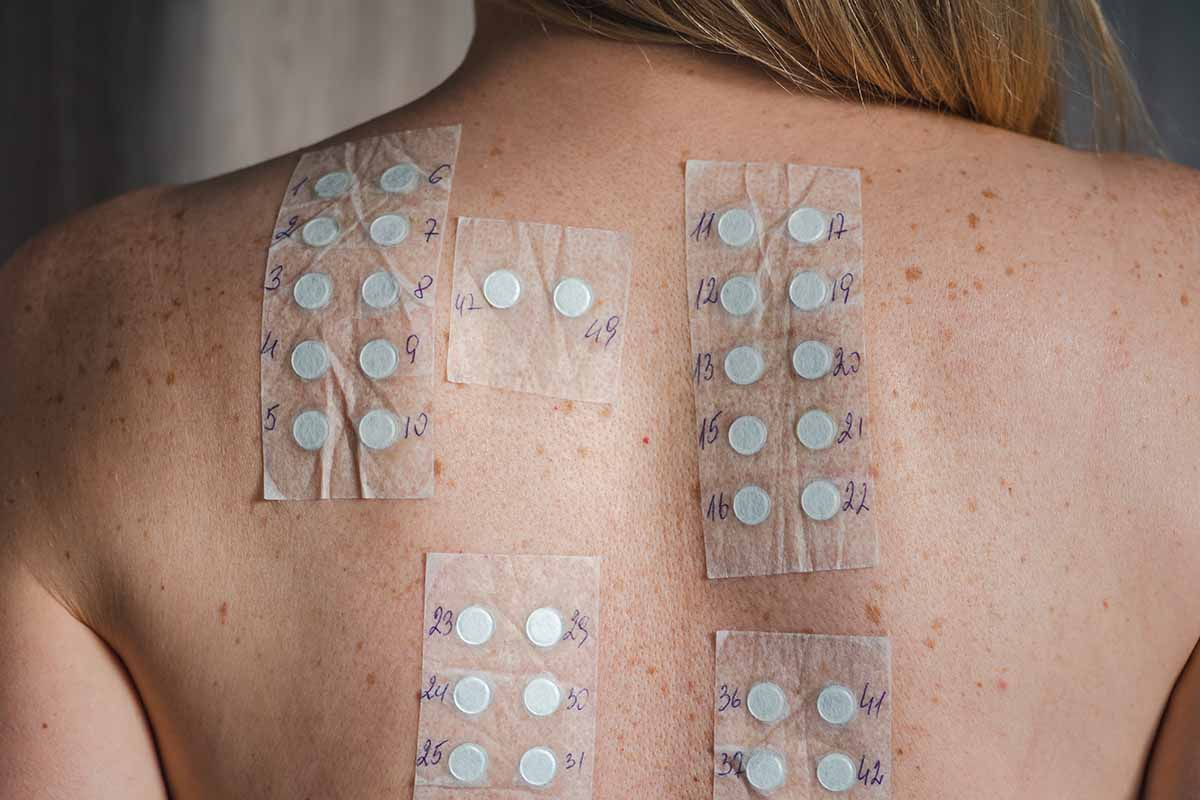
It’s important to know how to read allergy patch test results on your back. This helps find out what causes allergic reactions. It also helps manage your symptoms better. Learn to read your allergy patch test results. Use this best guide to interpret back swelling and find your specific triggers.
At Liv Hospital, we use patch testing to find allergic contact dermatitis. This is a type IV hypersensitivity reaction. We apply patches with suspected allergens to your back for 48 hours.
About 61.3% of our patients react positively to at least one allergen. This shows how key this test is. We help you understand the process, from start to finish. We also share information on common allergens and how to stay away from them.
Key Takeaways
- Patch testing is a critical diagnostic method for detecting allergic contact dermatitis.
- Understanding your test results is essential for managing symptoms effectively.
- Liv Hospital provides expert guidance throughout the patch testing process.
- Common allergens can be identified through patch testing, helping you avoid future reactions.
- Interpreting test results requires professional expertise for accurate diagnosis.
What You Need to Know Before Your Allergy Patch Test
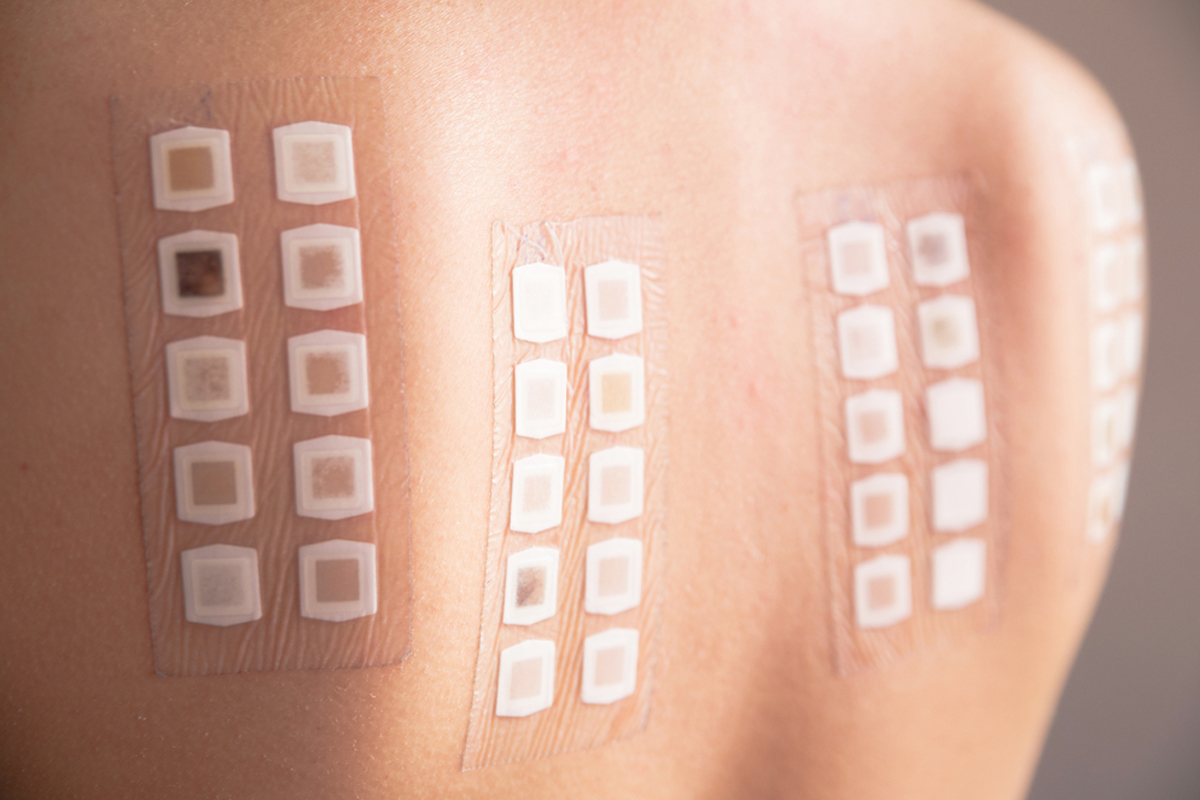
Learning about patch testing can greatly improve your experience. As you get ready for this important test, we’ll walk you through the key steps and information you need.
Purpose and Benefits of Patch Testing
Patch testing helps find out what causes allergic reactions on your skin. It aims to identify the substance causing your skin issue. This test lets you avoid specific allergens, helping to manage your symptoms.
The International Contact Dermatitis Research Group has set up a system to classify patch test reactions. They range from no reaction to extreme positive (3+). This helps understand how severe your reaction is.
Preparing Your Back for Testing
Before the test, it’s important to get your skin ready. Avoid certain medicines and don’t expose the test area to sunlight. Also, don’t use moisturizers or other products on your back. These steps help make sure your test results are accurate.
What to Expect During the Procedure
During the test, small patches with different allergens are applied to your back. They stay on for 48 hours. Then, they’re removed, and your skin is checked for reactions.
You might need to come back for more checks at 72-96 hours. This is to see if there are any late reactions. Knowing what to expect can make you feel more at ease during the test.
The Complete Allergy Patch Test Process

The allergy patch test process has several steps. These include applying patches and then reading the results. Knowing these steps helps you understand your test results better.
Application of Allergens to Your Back
A healthcare professional will put patches on your back at the start. These patches have different allergens that might be causing your skin issues. They use special tape that is gentle but keeps the patches in place.
Key aspects of the application process include:
- Choosing the right allergens to test based on your history and symptoms
- Putting the patches on a clean, dry part of your back
- Making sure the patches stay on well
The 48-Hour Waiting Period
After the patches go on, you need to keep them for 48 hours. Try to avoid activities that might make the patches fall off. Also, don’t shower or bathe, as this could mess up the test.
Tips for the waiting period:
- Don’t lift heavy or bend a lot to avoid moving the patches
- Keep the area dry and avoid too much heat
- Wear loose clothes to reduce irritation
Follow-up Readings at 72-96 Hours
After taking off the patches at 48 hours, your doctor will check your skin again. They will do this at 48, 72, and sometimes 96 hours. This helps find both quick and slow reactions.
|
Time |
Action |
Purpose |
|---|---|---|
|
0 Hours |
Application of patches |
To introduce allergens to the skin |
|
48 Hours |
Removal of patches |
To assess initial reactions |
|
72-96 Hours |
Follow-up readings |
To detect delayed reactions |
Understanding the allergy patch test process helps you make sense of your results. This way, you and your doctor can create a plan to manage your allergies.
Understanding the Standardized Classification System
To understand your allergy patch test results, you need to know the standardized system used by dermatologists. This system helps identify the allergens causing your skin reactions.
International Contact Dermatitis Research Group Criteria
The International Contact Dermatitis Research Group (ICDRG) Criteria are key in classifying reactions to allergens. They categorize reactions into several types, including negative, doubtful, weak positive, strong positive, and extreme positive reactions.
“The ICDRG Criteria provide a standardized framework for interpreting patch test results, allowing dermatologists to consistently diagnose allergic contact dermatitis,” says Dr. [Last Name], a renowned dermatologist. This consistency is vital for developing effective treatment plans.
Negative Results: What No Reaction Means
A negative result means no reaction was seen at the patch test site. It suggests the specific allergen tested is unlikely to cause your skin issues. But, remember, a negative result for one allergen doesn’t mean you’re not sensitive to others.
Doubtful Reactions: The Gray Area
Doubtful reactions are not clearly positive but show some irritation signs. These reactions are considered “inconclusive” and may need more testing or observation to understand their importance.
Positive Reactions: Weak (1+) to Extreme (3+)
Positive reactions range from weak (1+) to extreme (3+). A weak positive reaction (1+) shows mild redness and swelling. A strong positive reaction (2+) has more redness, swelling, and small vesicles. An extreme positive reaction (3+) has intense redness, significant swelling, and often large blisters or bullae.
Knowing these classifications is key to understanding your allergy patch test results. It helps in making a plan to avoid identified allergens.
How to Visually Identify Reactions on Your Back
Start by looking at the test sites on your back. This is the first step to find out what might be causing your skin issues.
The Importance of Black Marking for Test Sites
The test sites are marked with a permanent pen. This black mark helps doctors find the test areas later. Don’t wash off these marks until the final check.
Recognizing Redness, Swelling, and Blisters
There are different ways your body might react to the test. You might see:
- Redness or erythema
- Swelling or edema
- Blisters or vesicles
- In some cases, a positive patch test may also result in itching or burning sensations
These signs mean your body is reacting to something in the test. The reaction can be mild or more serious, like blisters.
Distinguishing Irritant Reactions from Allergic Responses
Not all reactions are allergies. Some are irritant reactions. It’s important to tell them apart for a correct diagnosis:
|
Characteristics |
Irritant Reaction |
Allergic Response |
|---|---|---|
|
Onset |
Typically occurs within hours |
Usually delayed, appearing after 48-72 hours |
|
Appearance |
Often appears as a burn or mild redness |
Can include redness, swelling, blisters, or vesicles |
|
Distribution |
Usually confined to the area of application |
May spread beyond the test site |
Knowing the difference is key to understanding your skin patch allergy testing results. If you’re not sure, talk to your dermatologist for help.
Interpreting Your Allergy Patch Test Results Step-by-Step
Understanding your allergy patch test results is a key step. We’ll guide you through it to help you get the most from your test.
Reading the Test Panel Map
The first step is to understand the test panel map. This map shows where the allergens were placed on your back. It helps you know which allergens were tested and where.
Key elements to look for on the test panel map include:
- The number and type of allergens tested
- The location of each allergen on your back
- Any control patches used for comparison
Understanding Delayed Reactions
Delayed reactions are important in allergy patch testing. Some reactions may not show up until after the first 48 hours. That’s why follow-up readings are key.
It’s critical to note that approximately 13.5% of positive reactions are missed at 48 hours. This shows why it’s important to go to all follow-up appointments for accurate results.
Why 13.5% of Positive Reactions Are Missed at 48 Hours
Some reactions are missed at 48 hours because they happen later. This is why a second reading at 72-96 hours is important.
This shows how complex allergic responses can be. It highlights the need for thorough testing.
Correlating Results with Your Symptoms
After getting your test results, you need to link them to your symptoms. This means figuring out which allergens caused reactions and how they affect your daily life.
To correlate your results effectively:
- Review your test results with your dermatologist
- Identify possible sources of the allergens in your environment
- Talk about ways to avoid or reduce exposure to these allergens
By following these steps and understanding your test results, you can manage your allergies better. This can greatly improve your quality of life.
Most Common Allergens Found in Patch Testing
Patch testing shows some allergens are more common than others. Knowing these can help manage allergies better. When we test for allergies on our back, we look for reactions to different substances. The results often show a few key allergens that cause most reactions.
Nickel Sulfate: The 19% Leader in Positive Reactions
Nickel sulfate is the most common allergen worldwide, with a 19% positive reaction rate. It’s found in many items, like jewelry and coins. Because of this, some countries have laws to limit nickel in products.
Fragrance Mix: Hidden in Many Products
Fragrance mix is another common allergen, found in personal care items, perfumes, and some industrial products. “Fragrance mix” means a mix of different scents that can cause allergic reactions. These reactions can include skin irritation, redness, and itching. It’s important to know which products contain this allergen.
Preservatives and Their Prevalence
Preservatives are used in many products, like cosmetics and pharmaceuticals, to prevent growth. But, some preservatives can cause allergic reactions. It’s key to understand how preservatives work and their role in contact dermatitis.
Emerging Allergens to Watch For
New allergens are appearing due to changes in products and practices. It’s important for doctors and patients to stay updated on these new allergens. This helps us manage and avoid allergic reactions better.
Determining the Clinical Relevance of Your Results
Understanding your allergy patch test results is key to managing your skin. After getting your results, it’s important to see how they fit into your daily life and surroundings.
Why Only 48.6% of Positive Results Show Definite Relevance
Only 48.6% of positive patch test results are directly related to your skin issues. This means nearly half might not be connected to your current skin problems. We need to understand why this is to make sense of your results.
The reasons include:
- Allergens not in your environment
- Cross-reactivity between allergens
- Higher allergen concentration in tests than in your environment
|
Relevance Category |
Description |
Percentage |
|---|---|---|
|
Definite Relevance |
Allergen is directly related to current skin issues |
48.6% |
|
Probable Relevance |
Allergen is likely related to current skin issues |
25.1% |
|
Possible Relevance |
Allergen may be related to current skin issues |
15.3% |
|
No Relevance |
Allergen is not related to current skin issues |
11.0% |
Connecting Test Results to Your Daily Environment
To understand your patch test results, we need to link them to your daily life. This means:
- Looking at your job, hobbies, and daily activities
- Checking the products you use, like cosmetics and soaps
- Examining your workplace and home for allergens
By making these connections, we can find and avoid allergens in your life.
Working with Your Dermatologist to Interpret Findings
Understanding patch test results needs your dermatologist’s help. We work with your doctor to:
- Understand each positive result’s importance
- See how the results apply to your situation
- Make a plan to avoid allergens
Together, we ensure you get care that fits your needs.
Creating Your Allergen Avoidance Plan After Testing
Creating a good plan to avoid allergens is key to managing your allergies. After finding out what allergens bother you through patch testing, we can help you stay away from them. This will make your life better.
Identifying Hidden Sources of Your Allergens
Many allergens hide in everyday things. For example, nickel sulfate, a common allergen, is in jewelry, buckles, and some cosmetics. Knowing where these allergens are is important to avoid them.
- Check your jewelry and accessories for nickel or other metals.
- Be cautious with fragrances in personal care products.
- Read labels carefully on cosmetics and household items.
Reading Product Labels Effectively
Understanding product labels is key to avoiding allergens. Look for ingredients that match your allergy patch test. Manufacturers use different names for ingredients, so knowing these is important.
Some tips for reading labels include:
- Check for ingredient lists on product packaging.
- Familiarize yourself with common allergens and their alternative names.
- Be aware of “fragrance mix” or “preservatives” that could contain your specific allergens.
Finding Safe Alternative Products
After finding products with allergens, look for safe alternatives. You might need to switch to hypoallergenic or “allergen-friendly” products. Try different brands and products to find what works for you.
Some strategies for finding safe products include:
- Researching online for product recommendations.
- Consulting with your dermatologist for advice.
- Reading reviews from other consumers with similar allergies.
Managing Unavoidable Exposures
Sometimes, you can’t avoid certain allergens. For example, if you’re allergic to nickel, you might need to use certain tools or wear specific items. In these cases, we can find ways to reduce your exposure.
Strategies for managing unavoidable exposures include:
- Using barrier creams or protective coatings.
- Wearing protective clothing or gloves.
- Limiting the duration of exposure.
By following these steps and working with your healthcare provider, you can make a good plan to avoid allergens. This will greatly improve your life.
Conclusion
Understanding your allergy patch test results is key to managing allergies well. Our guide has shown you how to read these results on your back. This includes everything from getting ready to understanding the reactions.
By correctly reading your allergy patch test results, you can find out what allergens are causing your problems. This info helps you make smart choices in your daily life. It’s about the products you use and the places you go.
The patch test on your back is a great tool for finding out what you’re allergic to. With help from a dermatologist, it shows the way to manage your allergies. You can now avoid certain products or be more careful in certain situations.
Good allergy testing patch test methods, like the ones in our guide, help find the main causes of your allergies. With this info, you can work with doctors to create a plan to avoid allergens. This plan helps reduce your exposure to them.
By taking charge of your skin patch allergy testing results, you’re not just dealing with allergies. You’re improving your life. We urge you to use this knowledge to make good changes and get help when you need it.
FAQ
What is an allergy patch test, and how does it work?
An allergy patch test helps find out what causes skin allergies. You apply small amounts of possible allergens to your back with patches. Then, after a few days, the patches are checked for any reactions.
How do I prepare my back for an allergy patch test?
Before the test, don’t put any creams, lotions, or oils on your back. Also, tell your dermatologist about any medicines you’re taking. Some can affect the test results.
What are the common allergens found in patch testing?
Common allergens include nickel sulfate, fragrance mix, and preservatives. These are often in jewelry, cosmetics, and personal care items.
How do I interpret the results of my allergy patch test?
Understanding your test results means knowing the classification system. It shows reactions from negative to extreme (3+). Your dermatologist will explain the results and how they relate to your symptoms.
What does a positive reaction to an allergy patch test mean?
A positive reaction means you’re allergic to the tested substance. The severity of the reaction is graded, with higher grades showing more severe reactions.
How do I create an allergen avoidance plan after testing?
To avoid allergens, identify their sources and read product labels well. Find safe alternatives. Your dermatologist can help create a plan for you.
Can I stil react to an allergen even if the patch test is negative?
Yes, you can react to an allergen even with a negative test. This might happen if the allergen’s concentration is low or the reaction isn’t immediate. Your dermatologist will consider other factors and might do more testing.
How do I distinguish between irritant reactions and allergic responses on my patch test?
To tell the difference, look closely at the reaction. Allergic reactions are red, swollen, or blistered. Irritant reactions are mild redness or irritation. Your dermatologist will help figure out the cause.
What is the clinical relevance of my patch test results?
The clinical relevance shows how the allergens affect your daily life and symptoms. Your dermatologist will explain how the test results relate to your environment. This helps you avoid allergens.
How do I manage unavoidable exposures to my identified allergens?
To manage unavoidable exposures, take steps to reduce contact with the allergen. Wear protective clothing or use barrier creams. Your dermatologist can guide you on how to minimize reactions.
References
National Center for Biotechnology Information. Evidence-Based Medical Guidance. Retrieved from https://pmc.ncbi.nlm.nih.gov/articles/PMC10715380/