
Chronic obstructive pulmonary disease (COPD) affects about 32 million people in the United States. It’s the third leading cause of death worldwide. We need to manage acute respiratory symptoms well in these patients. Comprehensive guidelines for copd exacerbation treatment, including the use of steroids, antibiotics, and bronchodilators.
At Liv Hospital, we know treating COPD exacerbations well is key. We use a mix of patient care and the latest medical research. Our aim is to help you understand COPD, its symptoms, and how to manage them.
Key Takeaways
- Understanding COPD exacerbation is key to managing it well.
- Acute respiratory symptoms worsen in less than 14 days.
- Liv Hospital’s approach combines patient care with the latest research.
- Good COPD management can lower hospital stays.
- Current guidelines focus on complete care for better patient results.
Understanding COPD Exacerbations
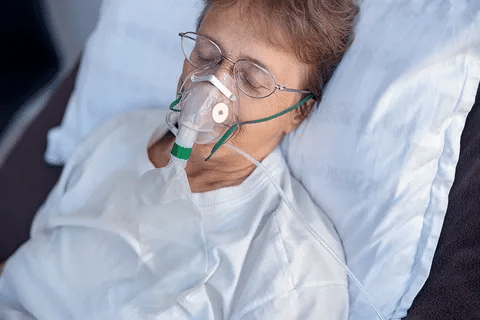
It’s key to grasp the details of COPD exacerbations to manage them well. These events are when symptoms get worse than usual. They can happen suddenly and affect a person’s health.
Definition and Clinical Presentation
An exacerbation of COPD is when breathing gets harder and coughing gets worse. This happens in less than 14 days. Symptoms can include wheezing and feeling tight in the chest.
Doctors often start with short-acting beta2-agonists and anticholinergics to help symptoms. This treatment aims to ease breathing and improve lung function.
Impact on Patient Health and Quality of Life
COPD exacerbations can really hurt a person’s health and life quality. They can make breathing even harder and increase the chance of needing to go to the hospital. Sadly, they can even lead to death.
|
Impact |
Description |
|---|---|
|
Lung Function Decline |
Frequent exacerbations accelerate the decline in lung function. |
|
Hospitalization Risk |
Increased risk of hospitalization due to severe exacerbations. |
|
Mortality |
Higher mortality rates associated with frequent and severe exacerbations. |
Knowing how these exacerbations affect people is vital. It helps in creating better ways to manage them. This way, we can improve patients’ lives and health outcomes.
Epidemiology and Burden of COPD Exacerbations

It’s important to know about COPD exacerbations to manage them well. COPD affects millions of people around the world.
Exacerbations add a lot to the disease’s burden. They affect patients’ health, quality of life, and healthcare systems. We’ll look at how common COPD is in the U.S. and its global impact.
Prevalence in the United States
In the U.S., COPD affects about 32 million people. This shows we need good management and treatment plans to reduce exacerbation impact.
COPD costs the U.S. a lot, mainly because of hospital stays for exacerbations. Data shows that COPD exacerbations lead to a lot of healthcare use, like emergency visits and hospital stays.
- COPD affects about 15% of adults over 40 in the U.S.
- It’s more common in older adults and those who have smoked.
Global Impact and Mortality
Worldwide, COPD is a big problem for health and death. Before COVID-19, it was the third leading cause of death. About 12% of adults over 30 have COPD globally.
COPD exacerbations have a big impact on health. They lead to more illness, death, and lower quality of life. It’s key to manage exacerbations well to help patients.
- COPD will keep being a big health challenge.
- We need global efforts to tackle COPD exacerbations.
Understanding COPD exacerbations helps us create better prevention, diagnosis, and treatment plans. This will improve patient care and outcomes.
Recognizing COPD Exacerbation: Signs and Symptoms
Spotting COPD exacerbations early is key to better health. These are times when symptoms get worse, like breathing harder, making more sputum, or sputum turning yellow or thick.
Cardinal Symptoms
The main signs of a COPD flare-up are:
- Increased dyspnea (shortness of breath)
- Increased sputum volume
- Increased sputum purulence (change in color or thickness)
These signs often show up together and can be different in how bad they are. Spotting these signs early is very important for quick action and better managing COPD flare-ups.
Severity Assessment Criteria
It’s vital to figure out how bad a COPD flare-up is. This helps decide the right care level. The severity depends on symptoms, medical history, and how well treatment works.
Here’s how to judge the severity of COPD flare-ups:
- Level of dyspnea: Severe shortness of breath means a worse flare-up.
- Presence of comorbidities: Patients with big health issues need more care.
- Response to initial treatment: Not getting better with first treatment means it’s worse.
Knowing the main symptoms and how severe a flare-up is helps doctors make treatment exacerbation COPD plans. These plans are made just for each patient, leading to better health in COPD exacerbation management.
COPD Exacerbation Treatment: Current Guidelines
Recent updates in COPD exacerbation treatment guidelines reflect the latest clinical evidence. They provide healthcare professionals with the most effective management strategies. The Global Initiative for Chronic Obstructive Lung Disease (GOLD) and the European Respiratory Society/American Thoracic Society (ERS/ATS) are key organizations that issue guidelines for COPD exacerbation management.
GOLD 2024 Recommendations
The GOLD 2024 guidelines recommend using short-acting beta2-agonists (SABA) with or without short-acting anticholinergics (SAMA) as initial therapy for acute COPD exacerbations. This approach is based on evidence showing improved lung function and symptom relief.
Also, the GOLD guidelines stress the importance of assessing exacerbation severity. They recommend systemic corticosteroids in moderate to severe cases. The guidelines also discuss the role of antibiotics in managing exacerbations, mainly in patients with increased sputum purulence.
European Respiratory Society/American Thoracic Society Guidelines
The ERS/ATS guidelines provide detailed recommendations on COPD exacerbation management. They include the use of non-invasive ventilation (NIV) in patients with acute respiratory failure. NIV is recognized for its ability to reduce the need for invasive mechanical ventilation and improve patient outcomes.
Both GOLD and ERS/ATS guidelines stress the importance of a thorough patient assessment. This includes evaluating comorbidities and the need for oxygen therapy. They also highlight the need for personalized treatment plans. These plans should consider the patient’s history, symptom severity, and response to previous treatments.
Bronchodilator Therapy for Acute Exacerbations
Bronchodilator therapy is key in treating acute COPD exacerbations. It aims to ease bronchospasm and boost airflow. This helps reduce symptoms and improves life quality for patients.
Guidelines suggest starting with short-acting bronchodilators for acute COPD. We’ll look at Short-Acting Beta2-Agonists (SABA) and Short-Acting Anticholinergics (SAMA) in this context.
Short-Acting Beta2-Agonists (SABA)
SABAs are a first choice for acute COPD exacerbations. They work fast by opening up the airways.
Benefits of SABAs:
- Quickly improves FEV1 (Forced Expiratory Volume in 1 second)
- Easy to use with inhalers or nebulizers
- Safe and well-tolerated
Short-Acting Anticholinergics (SAMA)
SAMAs are also vital in treating acute COPD exacerbations. They relax the airways by blocking certain receptors.
Benefits of SAMAs:
- Helps ease bronchospasm
- Works well with SABAs for better results
- Generally safe and well-tolerated
Using SABAs and SAMAs together can offer more benefits. It can lead to better bronchodilation and outcomes.
|
Characteristics |
SABA |
SAMA |
|---|---|---|
|
Mechanism of Action |
Stimulates beta2 receptors |
Blocks muscarinic receptors |
|
Onset of Action |
Rapid |
Rapid |
|
Primary Benefit |
Rapid improvement in FEV1 |
Effective bronchospasm relief |
In conclusion, using SABAs and SAMAs is essential in managing acute COPD exacerbations. Understanding their benefits and how they work together helps healthcare providers tailor treatment. This improves outcomes and quality of life for patients.
Corticosteroid Therapy in COPD Exacerbations
Corticosteroids are key in treating COPD exacerbations because they fight inflammation. They help improve lung function and oxygen levels. This shortens recovery time and hospital stays. We follow guidelines for using them in COPD exacerbations.
Benefits and Mechanisms of Action
Corticosteroids work by reducing airway inflammation, a big part of COPD exacerbations. They lessen inflammation, which improves lung function and reduces symptoms. This is vital in managing COPD exacerbations.
Optimal Duration and Dosing
Research has shown the best time and amount for corticosteroids in COPD exacerbations. Guidelines suggest a short course, usually 5 days, is effective. The exact dose depends on how severe the exacerbation is and the patient’s health.
Here’s a table with recommended corticosteroid regimens:
|
Corticosteroid |
Dose |
Duration |
|---|---|---|
|
Prednisone |
40 mg daily |
5 days |
|
Methylprednisolone |
32 mg daily |
5 days |
Potential Side Effects and Precautions
Corticosteroids are effective but can have side effects. These include high blood sugar, trouble sleeping, and stomach issues. Long-term use can cause serious problems like bone loss and adrenal gland issues. It’s important to consider the benefits and risks and watch patients closely.
To avoid side effects, stick to the recommended doses and treatment lengths. Teaching patients about possible side effects and the importance of following treatment plans is key. This helps manage COPD exacerbations well.
Antibiotic Management for COPD Exacerbations
Managing antibiotics is key in treating COPD exacerbations, mainly when a bacterial infection is suspected. The choice to start antibiotics depends on the patient’s symptoms and specific needs.
Indications for Antibiotic Therapy
Antibiotics are used for COPD exacerbations caused by bacteria. They are needed when there’s more sputum, it’s thicker, and breathing gets harder. Starting antibiotics early can help patients recover faster, avoid relapse, and cut down hospital stays.
A study found that antibiotics can make COPD exacerbations less severe and shorter.
“The use of antibiotics in COPD exacerbations is supported by evidence showing improved outcomes in patients with increased sputum purulence and other markers of bacterial infection.”
Selecting Appropriate Antibiotics
Choosing the right antibiotic is important. It depends on local resistance, patient allergies, and past antibiotic use. Common antibiotics for COPD include:
|
Antibiotic Class |
Examples |
Considerations |
|---|---|---|
|
Fluoroquinolones |
Levofloxacin, Moxifloxacin |
Effective against common respiratory pathogens; consider resistance patterns |
|
Beta-lactam antibiotics |
Amoxicillin-clavulanate |
Useful for patients with less severe exacerbations; consider allergy history |
|
Macrolides |
Azithromycin, Clarithromycin |
Effective against atypical bacteria; consider resistance |
Duration of Treatment
The right length of antibiotic treatment for COPD varies. It depends on how severe the exacerbation is, how the patient responds, and the antibiotic used. Usually, 5-7 days is recommended. But, some guidelines suggest shorter treatments might work too.
In summary, managing antibiotics is a critical part of treating COPD exacerbations. Knowing when to use them, picking the right ones, and how long to use them helps improve patient care and lowers the chance of complications.
Home-Based vs. Hospital Management
Choosing between home care and hospital care for COPD exacerbations is important. The severity of symptoms and the patient’s health are key factors. Also, any complicating factors play a role in this decision.
Criteria for Hospitalization
Patients with severe COPD exacerbations should go to the hospital. This is true for those with severe breathing problems or other serious conditions. Key criteria for hospitalization include:
- Severe breathing problems that don’t get better with initial treatment
- Confusion or changes in mental status
- Other serious health issues, like heart disease or pneumonia
- Need for breathing support
The Global Initiative for Chronic Obstructive Lung Disease (GOLD) says, “Patients with severe exacerbations, including those with respiratory failure, need hospital care or emergency department evaluation.”
“Patients with severe exacerbations, including those with respiratory failure, need hospital care or emergency department evaluation.” GOLD Guidelines
Oxygen Therapy and Ventilatory Support
Oxygen therapy is very important for managing COPD exacerbations, mainly in severe cases. Some patients might need breathing support, either without or with a tube, to handle severe breathing failure.
|
Therapy Type |
Indications |
Benefits |
|---|---|---|
|
Oxygen Therapy |
Hypoxemia |
Improved oxygen levels, lower death rates |
|
Non-Invasive Ventilation (NIV) |
Respiratory acidosis, severe breathing trouble |
Less need for tube insertion, better survival chances |
|
Invasive Mechanical Ventilation |
Severe breathing failure, NIV not working |
Essential for survival, supportive care |
Patient Education and Self-Management Strategies
Teaching patients about COPD management is critical. They need to know how to spot early signs of worsening, use their medications right, and when to get medical help. This can greatly improve their health outcomes.
Key components of patient education include:
- Understanding COPD and its management
- Spotting early signs of worsening
- Correct use of inhalers
- Plans for handling exacerbations
By teaching patients how to manage their condition, we can enhance their quality of life. This also reduces the chance of future worsening episodes.
Conclusion: Preventing Future COPD Exacerbations
Stopping future COPD attacks is key to better health for patients. We stress the need for a complete plan. This includes quitting smoking, getting vaccinated, doing pulmonary rehab, and using the right medicines.
Healthcare providers must keep up with the latest COPD guidelines, like GOLD 2024. Knowing how to spot and treat COPD attacks early is critical. This helps lower the chance of more attacks.
Using a detailed plan that follows the latest COPD advice can greatly help patients. Regular check-ups, teaching patients, and helping them manage their own care are all important. These steps can make a big difference in a patient’s life.
FAQ
What is a COPD exacerbation?
A COPD exacerbation is when COPD symptoms get worse suddenly. This can happen due to infections or air pollutants. Symptoms include shortness of breath, cough, and sputum production.
What are the cardinal symptoms of a COPD exacerbation?
The main symptoms of a COPD exacerbation are shortness of breath and more sputum. You might also notice a change in sputum color or consistency. Coughing and wheezing often come with these symptoms.
How is the severity of a COPD exacerbation assessed?
The severity of a COPD exacerbation is judged by how bad the symptoms are. It also depends on if you need to go to the hospital and if you have other health issues. The GOLD guidelines help with this.
What is the role of bronchodilators in managing COPD exacerbations?
Bronchodilators help with COPD exacerbations by relaxing the airways. This makes it easier to breathe. They include SABAs and SAMAs.
When are corticosteroids used in COPD exacerbation treatment?
Corticosteroids are used for moderate to severe COPD exacerbations. They reduce inflammation and improve lung function. They are given orally or through an IV.
Are antibiotics necessary for all COPD exacerbations?
No, antibiotics are not needed for all COPD exacerbations. They are used when there’s a bacterial infection, like when sputum is more purulent. They are also used for severe cases needing hospital care.
What are the indications for hospitalization in COPD exacerbation management?
Going to the hospital is needed for severe cases with a lot of breathing trouble. It’s also for those with low oxygen levels or high carbon dioxide levels. Or if you have other health problems or don’t get better with outpatient care.
How can future COPD exacerbations be prevented?
To prevent future COPD exacerbations, a good plan is needed. This includes quitting smoking, getting vaccinated, and doing pulmonary rehab. Sticking to your medication and avoiding pollutants and irritants also helps.
What is the role of patient education in COPD exacerbation management?
Teaching patients about COPD is key. It helps them spot early signs of an exacerbation. They learn about their treatment options and how to manage their condition better.
How do GOLD guidelines recommend managing COPD exacerbations?
The GOLD guidelines suggest a step-by-step approach for managing COPD exacerbations. This includes checking how severe it is, starting the right treatment, and deciding if hospital care is needed.
What is the significance of oxygen therapy in COPD exacerbation management?
Oxygen therapy is very important for severe COPD exacerbations. It helps increase oxygen in the blood. This reduces the heart’s workload and makes breathing easier.
References
National Center for Biotechnology Information. Evidence-Based Medical Guidance. Retrieved from https://pmc.ncbi.nlm.nih.gov/articles/PMC12097743/