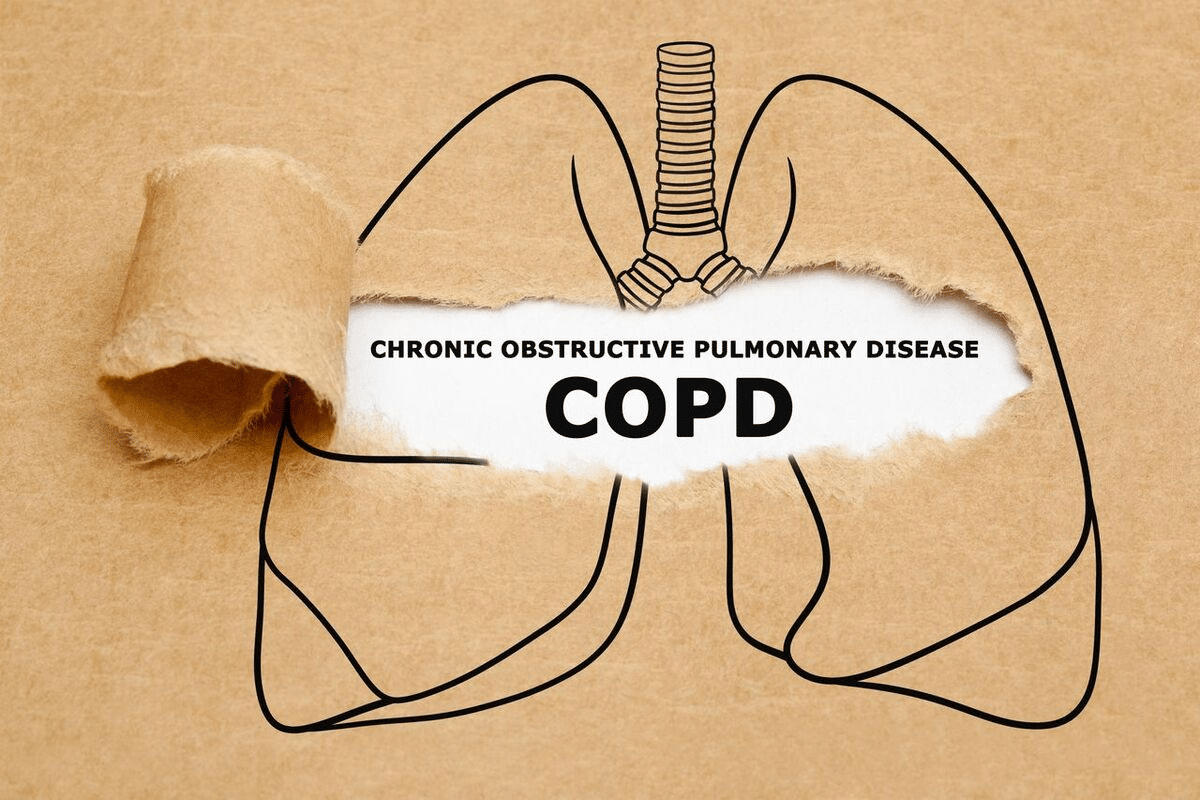
Chronic bronchitis is a long-term condition that makes it hard to breathe. It’s marked by a cough that lasts at least 3 months each year for 2 years in a row. This condition makes everyday tasks tough for those who have it.chronic bronchitis diseasePediatric Pulmonology: Best Care Guide
Understanding the causes and treatment options is key to managing it well. Smoking and environmental exposures are big reasons why it happens. Starting treatment early can stop serious problems from happening.
Top healthcare places are using new ways to find and treat chronic bronchitis. We’ll look at these new methods and talk about how to help patients get better.
Key Takeaways
- Chronic bronchitis is defined by a persistent productive cough lasting at least 3 months annually over 2 consecutive years.
- Smoking and environmental exposures are primary causes of the condition.
- Early intervention is key to prevent serious complications.
- Modern diagnostic approaches and multidisciplinary treatment protocols are being used to manage chronic bronchitis.
- Comprehensive management strategies can greatly improve patient outcomes.
What Is Chronic Bronchitis Disease
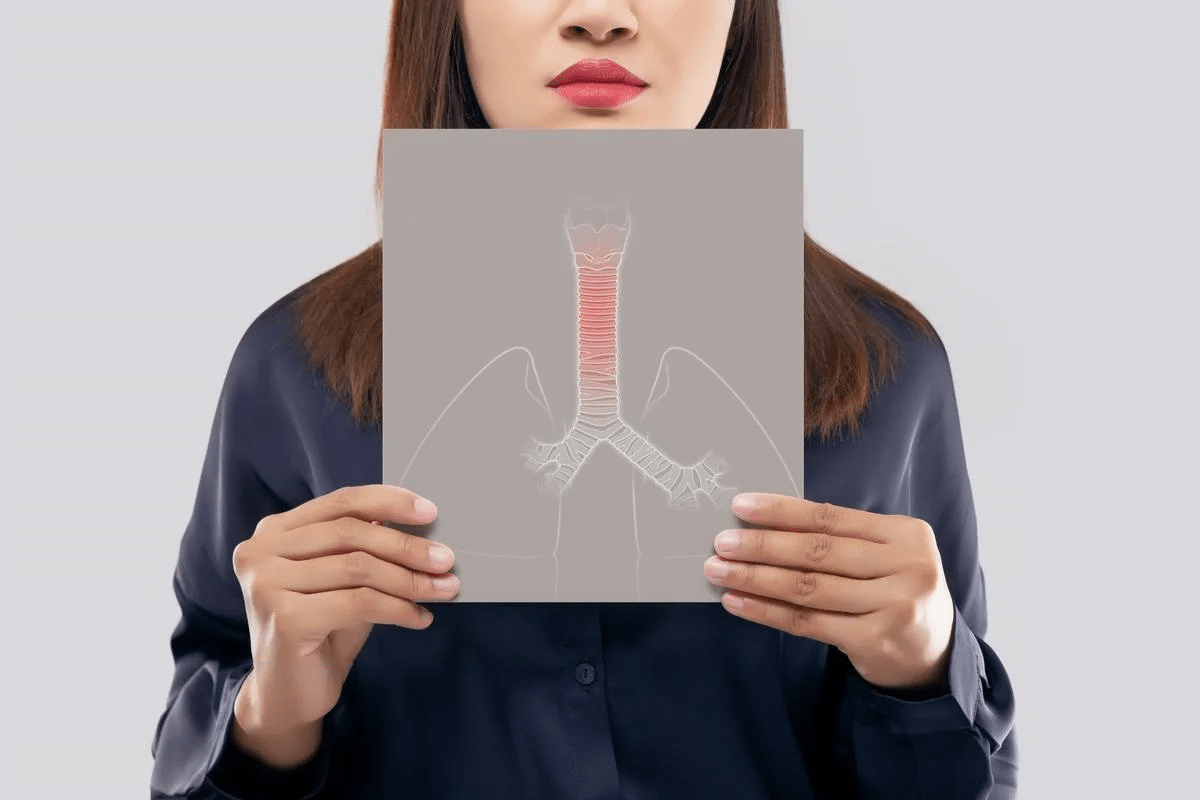
Chronic bronchitis is a lung condition that causes inflammation and too much mucus in the airways. It’s known for a long-lasting cough that brings up mucus. Other symptoms like wheezing and shortness of breath often come with it.
We will look into what chronic bronchitis is and how it’s diagnosed. We’ll also see how it connects to Chronic Obstructive Pulmonary Disease (COPD).
Definition and Diagnostic Criteria
Chronic bronchitis is a cough that lasts for at least three months in two years. Doctors use a cough history and lung function tests to diagnose it. Lung function tests, like spirometry, help measure how well air moves through the lungs.
|
Diagnostic Criteria |
Description |
|---|---|
|
Chronic Productive Cough |
Presence of cough with sputum production for at least 3 months in 2 consecutive years |
|
Pulmonary Function Tests |
Spirometry showing airflow limitation, typically with a post-bronchodilator FEV1/FVC ratio |
Relationship to COPD
Chronic bronchitis is a part of COPD, which includes emphysema and sometimes asthma. COPD is a lung disease that makes it hard to breathe. Chronic bronchitis is a big part of COPD for many people.
It’s key to understand the link between chronic bronchitis and COPD for better treatment. We’ll dive deeper into causes, symptoms, and how to manage chronic bronchitis next.
The Prevalence and Impact of Chronic Bronchitis
[Add image here]
It’s important to know how common and impactful chronic bronchitis is. This condition affects many people worldwide. It causes a lot of health problems and costs a lot of money.
Statistics in the United States
In the U.S., about 10 million people have chronic bronchitis. It hits older adults and smokers the hardest.
This shows we need to focus on preventing and managing this condition.
Global Prevalence Rates
Chronic bronchitis is found in different amounts around the world. It ranges from 3.4% to 22.0% in general populations. This difference comes from various factors like air pollution, smoking, and how it’s diagnosed.
Places with more air pollution and smoking have more cases of chronic bronchitis.
Economic and Social Burden
Chronic bronchitis costs a lot, both directly and indirectly. In the U.S., it’s estimated to cost billions of dollars each year.
|
Region |
Prevalence Rate (%) |
Estimated Annual Cost |
|---|---|---|
|
United States |
4-6 |
$billions |
|
Global |
3.4-22.0 |
$tens of billions |
Chronic bronchitis also affects people’s lives and increases healthcare use.
To manage chronic bronchitis well, we need to prevent it, diagnose it early, and treat it right.
Primary Causes of Chronic Bronchitis
Knowing what causes chronic bronchitis is key to managing it well. This condition is influenced by many things. These include lifestyle choices, what we’re exposed to, and our genes.
Cigarette Smoking as the Leading Cause
Cigarette smoking is the biggest risk for chronic bronchitis, causing 85-90% of cases. Tobacco smoke damages the bronchial tubes. This leads to chronic inflammation and mucus buildup. Quitting smoking is a big step in managing the disease.
Smoking damages the bronchial tubes in several ways:
- Smoke irritates the bronchial tubes.
- It makes more mucus.
- It harms cilia, causing mucus to build up.
- It causes chronic inflammation and can block airways.
Environmental and Occupational Exposures
Smoking isn’t the only risk. Environmental and job-related hazards also play a big part. These include:
- Air pollution, like particulate matter and nitrogen dioxide.
- Job-related exposures, like dust, chemicals, and fumes.
People in jobs like mining, construction, or manufacturing face higher risks. We suggest using protective gear and improving ventilation to reduce exposure.
Genetic Predisposition
Genetics also play a role in chronic bronchitis. Those with a family history of COPD or alpha-1 antitrypsin deficiency are at higher risk. We’re learning more about how genes affect our response to environmental factors and our risk of chronic bronchitis.
Important genetic factors include:
- Alpha-1 antitrypsin deficiency, which affects lung function.
- Other genetic variations that affect airway responsiveness and inflammation.
Knowing about these genetic factors helps in early detection and management of chronic bronchitis.
Recognizing Chronic Bronchitis Symptoms
It’s important to know the signs of chronic bronchitis early. This condition is marked by a long-lasting cough that brings up mucus. It often comes with other breathing problems.
Persistent Productive Cough
A key sign of chronic bronchitis is a cough that never goes away. This cough is productive, meaning it brings up mucus or phlegm. It can be very strong and gets worse in the morning.
People with this condition often make a lot of mucus. This mucus can be clear, white, yellow, or green. A lasting productive cough is a main sign of chronic bronchitis.
Other Common Symptoms
Chronic bronchitis also brings other symptoms. These include:
- Dyspnea (shortness of breath)
- Wheezing
- Chest tightness or discomfort
- Frequent respiratory infections
These symptoms can make daily life hard. They can affect how well you can do everyday things.
When to Seek Medical Attention
If you have any of these symptoms, see a doctor right away. This is important if:
- Your symptoms get worse
- The color or texture of your mucus changes
- You have trouble breathing or feel short of breath even when sitting
- You have chest pain or a fever
If you notice any of these signs, talk to a healthcare professional. They can help figure out what’s wrong and how to treat it.
Spotting chronic bronchitis symptoms early and getting help quickly can make a big difference. It can improve your health and how well you live your life.
Understanding Recurrent Bronchitis and Its Progression
It’s important to understand how recurrent bronchitis progresses. This condition involves repeated episodes of bronchitis. If not managed well, it can turn into chronic bronchitis.
Differences Between Acute and Chronic Bronchitis
Acute bronchitis is a short-term inflammation of the bronchial tubes. It’s often caused by a viral infection. Chronic bronchitis, on the other hand, is a long-term condition with persistent inflammation and irritation.
Acute bronchitis usually gets better on its own within a few weeks. Chronic bronchitis, though, needs ongoing care because it’s a serious condition.
How Recurrent Episodes Lead to Chronic Disease
Recurring acute bronchitis can turn into chronic bronchitis. This is true for people exposed to harmful substances like cigarette smoke or pollutants. Each episode can damage the bronchial tubes more, making them prone to chronic inflammation.
Over time, this repeated inflammation can cause permanent damage. This leads to the chronic cough and mucus production seen in chronic bronchitis.
Why Some People Get Bronchitis Frequently
Some people are more likely to get bronchitis often. Cigarette smoking is a big risk factor. It harms the lungs and makes it hard to clear mucus and fight infections.
- Exposure to air pollution and occupational dusts also increases the risk of recurrent bronchitis.
- Genetic factors can make some people more likely to get respiratory infections and conditions.
- Having health conditions like asthma or COPD can also raise the risk of bronchitis and its recurrence.
Knowing these factors is key to preventing and managing recurrent bronchitis and its progression to chronic disease.
Diagnosing Chronic Bronchitis
Diagnosing chronic bronchitis involves a detailed clinical evaluation and specific tests. We will explain the steps to diagnose this condition.
Clinical Evaluation
The first step is a thorough clinical evaluation. This includes a detailed medical history and physical exam. We look for symptoms like a persistent cough, mucus, and shortness of breath.
During the physical exam, we might use a stethoscope. This helps us listen for abnormal lung sounds. Sounds like wheezing or crackles can show airway problems.
Pulmonary Function Tests
Pulmonary function tests, like spirometry, are key in diagnosing chronic bronchitis. Spirometry measures how much air you can exhale and how fast. These tests help us see how well your lungs are working.
|
Pulmonary Function Test |
Normal Value |
Chronic Bronchitis Value |
|---|---|---|
|
FEV1 (Forced Expiratory Volume in 1 second) |
>80% predicted | |
|
FVC (Forced Vital Capacity) |
>80% predicted |
Variable |
|
FEV1/FVC Ratio |
>0.7 |
Imaging Studies
Imaging studies like chest X-rays or CT scans may be used. They help rule out other conditions with similar symptoms. While not definitive, they give valuable insights into lung health.
By using clinical evaluation, pulmonary function tests, and imaging studies, we can accurately diagnose chronic bronchitis. This helps us create an effective treatment plan.
Conventional Medical Treatments
Medical treatments are key in easing symptoms and slowing down chronic bronchitis. The main goal is to lessen symptoms, boost quality of life, and avoid serious problems.
Bronchodilators and Inhalers
Bronchodilators open up airways, making breathing easier. They come in inhalers and nebulizers. Short-acting bronchodilators offer quick relief, while long-acting bronchodilators manage symptoms over time. We prescribe these to help manage symptoms and improve lung function.
Anti-inflammatory Medications
Anti-inflammatory meds, like corticosteroids, reduce airway inflammation. They can be taken orally or inhaled. Inhaled corticosteroids are great at cutting down on flare-ups. We might use combination therapy, mixing corticosteroids with bronchodilators for better results.
Antibiotics for Exacerbations
Antibiotics are given when a bacterial infection is thought to cause a flare-up. It’s important to use antibiotics wisely to prevent resistance. We usually only give antibiotics when a bacterial infection is confirmed.
Oxygen Therapy
Oxygen therapy is vital for advanced chronic bronchitis, mainly when patients have low blood oxygen. It helps reduce shortness of breath, improves exercise ability, and boosts quality of life. We often suggest oxygen therapy for those with severe disease.
Treatment plans for chronic bronchitis are tailored to each patient. We consider symptom severity, comorbidities, and overall health. By combining these treatments, we can manage chronic bronchitis effectively and improve patient outcomes.
- Bronchodilators help open up the airways.
- Anti-inflammatory medications reduce inflammation.
- Antibiotics are used for bacterial infections.
- Oxygen therapy is critical for advanced cases.
Lifestyle Management Strategies
Changing your lifestyle is key to managing chronic bronchitis. By adopting healthy habits and avoiding harmful exposures, you can improve your quality of life.
Smoking Cessation Programs
Quitting smoking is the best way to slow down chronic bronchitis. Smoking cessation programs provide support and resources to help you overcome nicotine addiction. These programs use counseling, medication, and behavioral therapy for the best results.
“Quitting smoking is not easy, but with the right support, it is achievable,” says a healthcare professional. “Smoking cessation programs can greatly increase a patient’s chances of success.”
Avoiding Environmental Triggers
It’s also important to avoid environmental triggers for chronic bronchitis. This means reducing exposure to air pollution, dust, and chemical fumes. Using air purifiers and wearing masks can help filter out harmful particles.
- Stay indoors when air quality is poor
- Use air conditioning to filter out pollutants
- Avoid strong chemical odors and fumes
Exercise and Pulmonary Rehabilitation
Pulmonary rehabilitation programs help improve lung function and overall health for those with chronic bronchitis. These programs include exercise training, education, and support to manage symptoms and improve quality of life.
Regular exercise, as part of a pulmonary rehabilitation program, can increase endurance and reduce shortness of breath. It’s important to work with a healthcare provider to develop a safe and effective exercise plan.
Stress Management Techniques
Managing stress is also vital for those with chronic bronchitis. Stress can make symptoms worse, so finding effective stress management techniques is important. Techniques like meditation, deep breathing exercises, and yoga can help reduce stress and improve well-being.
“Incorporating stress management into daily routines can make a significant difference in managing chronic bronchitis,” notes a healthcare expert.
Nutritional Approaches for Respiratory Health
Managing chronic bronchitis is not just about medicine. It also involves good nutrition for the lungs. Eating right can make symptoms better, improve lung function, and boost overall health.
Anti-inflammatory Diet
An anti-inflammatory diet is key for those with chronic bronchitis. It focuses on foods that lower body inflammation. This can help ease bronchitis symptoms.
- Omega-3 rich foods: Foods like salmon and flaxseeds are good for reducing inflammation.
- Antioxidant-rich foods: Foods high in antioxidants, such as berries and leafy greens, fight oxidative stress.
- Whole grains: Foods like brown rice and quinoa are full of fiber and nutrients, supporting health.
Hydration and Mucus Management
Drinking enough water is vital for thinning mucus. This makes it easier to cough up, which is key for bronchitis sufferers.
- Drink lots of water all day to stay hydrated.
- Eat hydrating foods like watermelon and cucumbers.
- Avoid caffeinated and sugary drinks that dry out the body.
Beneficial Supplements and Vitamins
Some supplements can help with respiratory health in bronchitis.
- N-Acetylcysteine (NAC): NAC helps thin mucus and supports lung health.
- Vitamin D: Keeping vitamin D levels up is important for immune function.
- Probiotics: Probiotics help gut health, which is linked to immune function and well-being.
In summary, nutrition is a big help in treating chronic bronchitis. Eating anti-inflammatory foods, staying hydrated, and taking the right supplements can manage symptoms. This improves lung health.
Preventing and Managing Exacerbations
Stopping exacerbations is key to managing chronic bronchitis well. These episodes can make symptoms worse and lower quality of life. We’ll look at ways to prevent and handle these flare-ups.
Vaccination Recommendations
Vaccines are a top way to stop exacerbations. The influenza vaccine and pneumococcal vaccine are best for those with chronic bronchitis. The flu vaccine fights off flu, which can be serious for those with lung issues. The pneumococcal vaccine guards against pneumococcal disease, like pneumonia, a big risk for those with chronic bronchitis.
Early Intervention for Respiratory Infections
Acting fast when you get a respiratory infection is key. Spotting signs early, like more coughing or sputum color change, means you can get help quickly. Prompt treatment with the right meds can stop the infection from getting worse and prevent an exacerbation.
Air Quality Management at Home and Work
Keeping air clean is important to stop flare-ups. Stay away from pollutants like smoke, dust, and strong smells. Use air purifiers at home and make sure places are well-ventilated. At work, follow health rules and wear protective gear when needed.
Action Plans for Flare-ups
Having a plan for flare-ups is vital. Know when to get medical help, have emergency numbers ready, and know how to change meds as told by your doctor. As an expert says, “A clear plan for flare-ups can greatly help those with chronic bronchitis.”
“Having a clear plan for managing exacerbations can significantly improve outcomes for individuals with chronic bronchitis.”
Long-term Complications and Prognosis
Chronic bronchitis can cause serious health problems if not treated well. Understanding the risks and how they affect patients’ lives is key. This helps us manage the condition better.
Progression to Severe COPD
Chronic bronchitis can turn into severe COPD (Chronic Obstructive Pulmonary Disease). COPD makes breathing hard. It’s a big problem worldwide, leading to many deaths.
Respiratory Failure Risks
People with chronic bronchitis are more likely to face respiratory failure. This is when the lungs can’t get enough oxygen. Signs include hard breathing, confusion, and cyanosis (blue skin).
Impact on Quality of Life
Chronic bronchitis greatly affects a person’s life. Symptoms like coughing and shortness of breath make daily tasks hard. They also hurt mental health.
“Managing chronic bronchitis needs a full plan,” say doctors. This includes changing lifestyle and getting medical help. We aim to improve life quality through rehab and stress management.
Life Expectancy Considerations
How long someone with chronic bronchitis lives depends on many things. These include how bad the disease is, if they smoke, and if they have other health issues. Early treatment is key to fight severe COPD and its dangers.
Conclusion
Managing chronic bronchitis well needs a full plan. This includes knowing the causes, symptoms, and how to treat it. Working with doctors helps patients make a plan that improves their life.
Handling chronic bronchitis means using medicine, changing lifestyle, and eating right. We talked about how bronchodilators, anti-inflammatory drugs, and oxygen help. These steps control symptoms and slow the disease.
A summary on chronic bronchitis shows the importance of patient action. Patients should avoid bad environments, join pulmonary rehab, and get all vaccines. This approach lowers the chance of getting worse and boosts health.
We stress the need for patients and doctors to work together. This teamwork makes managing chronic bronchitis better. It helps people with this condition live better lives.
FAQ
What is chronic bronchitis?
Chronic bronchitis is a lung disease. It causes a long-lasting cough and swelling in the airways.
What causes chronic bronchitis?
Smoking is the main cause. But, other things like work or home pollution and genes can also play a part.
How is chronic bronchitis diagnosed?
Doctors use tests and scans to check the lungs. They look for signs of the disease and rule out other issues.
What are the symptoms of chronic bronchitis?
Symptoms include a long cough, wheezing, and trouble breathing. You might also get sick more often.
How is chronic bronchitis treated?
Treatment includes medicines to open airways and reduce swelling. Antibiotics help during bad episodes. Oxygen and quitting smoking are also key.
Can chronic bronchitis be prevented?
Some risks can’t be changed. But, quitting smoking and avoiding pollution can help. Getting flu shots is also important.
How does chronic bronchitis affect quality of life?
It can make daily life hard. It limits what you can do and affects your mood. It can even lead to serious problems like not being able to breathe.
What is the prognosis for someone with chronic bronchitis?
How well you do depends on the disease’s severity and how well you respond to treatment. With the right care, you can live better.
Why do some people get bronchitis frequently?
Some get it often because of pollution, a weak immune system, or other health issues. These things make it easier to catch infections.
What lifestyle changes can help manage chronic bronchitis?
Quitting smoking and avoiding pollution are key. Regular exercise, rehab, and managing stress also help manage the disease.
Are there any nutritional approaches that can support respiratory health in chronic bronchitis?
Eating right, staying hydrated, and taking certain supplements can help. They support lung health and ease symptoms.
How can exacerbations of chronic bronchitis be managed?
Manage flare-ups by getting vaccinated, treating infections early, and controlling air quality. Having a plan for bad episodes is also important.
References
National Center for Biotechnology Information. Evidence-Based Medical Guidance. Retrieved from https://www.ncbi.nlm.nih.gov/books/NBK179276/