What is the amnesia definition? This essential guide explains the meaning, types, and causes of memory loss.
Amnesia is a medical condition where people forget their past or can’t make new memories. The word amnesia is spelled A-M-N-E-S-I-A.
Those with amnesia usually know who they are. But, they might find it hard to learn new things or remember new events. This is much more than just forgetting where you put your keys.
At Liv Hospital, we know how hard amnesia can be. Our team focuses on each patient, giving them the best care for this tough condition.
Key Takeaways
- Amnesia is when you forget important things, like facts and experiences.
- The word “amnesia” is spelled A-M-N-E-S-I-A.
- People with amnesia know who they are but struggle to remember new things.
- Getting the right care for amnesia is key.
- Liv Hospital offers special care for those with amnesia.
The Complete Amnesia Definition in Medical Science
In medical science, amnesia is a deep loss of memory. It happens due to brain damage or psychological trauma. This is different from just forgetting things and affects a person’s ability to remember past events or make new memories.
Amnesia comes in different forms, each with its own signs. We will look into these to understand the complexity of amnesic disorders.
Clinical Characterization of Memory Loss
Understanding the extent and nature of memory loss is key in amnesia. “Amnesia is not just a minor memory lapse; it’s a condition that can significantly impact an individual’s daily life,” says Medical Expert, a leading neurologist. Memory loss can range from trouble remembering recent events to forgetting one’s identity and past.
We categorize amnesia based on the type of memory loss. For example, retrograde amnesia is when you forget memories before the amnesia started. Anterograde amnesia is when you can’t make new memories after it starts.
Distinguishing Amnesia from Everyday Forgetfulness
It’s important to tell amnesia apart from normal forgetfulness. While we all forget things, amnesia is a deeper and lasting memory loss. The
American Psychological Association says amnesia is ‘a condition that involves a loss of memory that is more extensive than normal forgetfulness’
Knowing the difference between normal memory slips and amnesia is key for correct diagnosis and treatment. We will explore more about how to diagnose it in the next sections.
How Do You Spell Amnesia? Pronunciation and Word Origins
To talk about amnesia, you first need to know how to spell and say it right. The word “amnesia” comes from ancient Greek. Knowing where it comes from helps us understand what it means.
Correct Spelling and Pronunciation Guide
The word is spelled A-M-N-E-S-I-A. Saying it right might take some practice, but it’s am-NEE-zhuh. Here’s a simple way to remember it:
- Spelling: A-M-N-E-S-I-A
- Pronunciation: am-NEE-zhuh
Getting the spelling and pronunciation right is key. It helps in both medical talks and everyday chats.
Greek Etymology and Historical Context
The word “amnesia” comes from Greek. ‘A’ means without, and ‘mnesis’ means memory. So, amnesia is about forgetting or losing memory.
“The term amnesia, derived from Greek roots, signifies a condition characterized by the loss or impairment of memory.”
For a long time, people have talked about amnesia in medicine and stories. It shows how important memory is in our lives and in science.
Here’s a quick summary of “amnesia” in a table:
|
Aspect |
Description |
|---|---|
|
Spelling |
A-M-N-E-S-I-A |
|
Pronunciation |
am-NEE-zhuh |
|
Etymology |
Derived from Greek words ‘a’ (without) and ‘mnesis’ (memory) |
Learning about the spelling, saying, and roots of “amnesia” helps us understand memory loss better. It shows how it affects people.
The Neuroscience of Memory Formation and Loss
Memory formation is a complex process in the brain. It can be affected by injury or disease, leading to memory loss. Knowing how memory works is key to understanding amnesia.
How Healthy Memory Systems Function
Healthy memory systems use many brain areas to store and recall information. The first step is encoding, where new info is linked to old memories. Then, it moves to short-term or long-term memory through brain pathways.
The hippocampus and surrounding areas are vital for making new memories. The hippocampus helps move info from short-term to long-term memory.
“The hippocampus is key for creating new autobiographical memories, which shape our identity.” – Medical Expert, Nobel Laureate in Physiology or Medicine
Brain Structures Involved in Amnesia
Amnesia often comes from damage to key memory areas. The limbic system, including the hippocampus, amygdala, and hypothalamus, is often affected.
|
Brain Structure |
Function |
Impact of Damage |
|---|---|---|
|
Hippocampus |
Formation of new memories |
Difficulty in forming new memories (Anterograde Amnesia) |
|
Amygdala |
Emotional processing |
Impaired emotional memory |
|
Temporal Lobe |
Processing and storing auditory and visual information |
Varied memory impairments depending on the specific area damaged |
Damage can come from many sources, like head injuries, infections, or diseases. Knowing which brain areas are affected helps in finding treatments.
Amnesia impacts people in different ways, based on the cause and damage. By studying memory, we can improve how we diagnose and treat amnesia.
Primary Types of Amnesia and Their Manifestations
Amnesia comes in two main types: retrograde amnesia and anterograde amnesia. Retrograde amnesia makes it hard to remember past events. Anterograde amnesia stops you from making new memories. Both types change how you remember the past and learn new things.
Retrograde Amnesia: Loss of Pre-existing Memories
Retrograde amnesia means you can’t remember things you knew before it started. How much you forget can vary. Some people might lose memories from a certain time, while others forget their whole past.
- Characteristics: Trouble remembering past events, people, and experiences.
- Causes: Often linked to head injuries, brain damage, or certain diseases.
- Impact: It can really affect who you are and how you live your day-to-day life.
Anterograde Amnesia: Inability to Create New Memories
Anterograde amnesia makes it hard to make new memories after it starts. People with this can remember the past but can’t learn new things or remember recent events.
- Hard to learn new stuff or skills.
- Can’t recall recent talks or events.
- Often, they use notes or calendars to help remember because they can’t make new memories.
Both types of amnesia show how complex and fragile memory is. Knowing about these conditions helps us find better ways to support and treat people with amnesia.
Medical and Psychological Causes of Amnesia
Understanding amnesia means looking at both medical and psychological sides. It happens when the brain can’t make, keep, or get back memories.
Traumatic Brain Injuries and Physical Trauma
Traumatic brain injuries (TBI) are a big reason for amnesia. When the brain gets hurt, it can forget things because of damage to memory-making parts. How much someone forgets depends on how bad and where the injury is.
Neurological Diseases and Conditions
Many neurological diseases and conditions cause amnesia. Alzheimer’s disease is one, where forgetting things is a key sign. Other brain diseases and things like stroke can also hurt memory by damaging brain areas.
Substance-Related Memory Impairment
Using too much alcohol can really mess with memory. Drinking a lot over time can cause Wernicke-Korsakoff syndrome, a serious memory problem. Other drugs can also mess with memory by changing how the brain works.
Psychological Trauma and Dissociative States
Psychological trauma can cause amnesia where people forget important things about themselves or events after a big shock. This shows how emotional shock can affect memory.
Knowing all these causes helps us figure out how to treat amnesia better. We can make treatments that fit the specific reasons for memory loss.
Transient Global Amnesia: Temporary Memory Disruption
Transient global amnesia is a sudden memory loss that lasts less than 24 hours. It’s not caused by a known brain disorder. We’ll look into its symptoms, how long it lasts, and what might cause it.
Symptoms and Duration of Transient Episodes
The main sign is not being able to make new memories. People might also seem confused and keep asking the same questions. They usually stay awake and can respond.
An episode can last from 2 to 8 hours, but it can go up to 24 hours. Knowing how long it lasts helps doctors figure out what’s happening.
Risk Factors and Possible Triggers
We don’t know for sure why it happens, but some things increase the risk. These include:
- Age: Most cases are in people over 50.
- History of migraines or vascular diseases.
- Physical or emotional stress.
- Certain medical procedures or conditions.
Knowing these risk factors helps us spot who might get it.
|
Risk Factor |
Description |
|---|---|
|
Age |
Most cases occur in individuals over 50 |
|
Migraine History |
Linked to increased risk of transient global amnesia |
|
Vascular Disease |
Presence of vascular disease may contribute to risk |
We keep studying transient global amnesia to understand it better. By looking at symptoms, how long it lasts, and risk factors, we can help those affected more.
Diagnostic Approaches for Amnesic Disorders
Healthcare professionals use many methods to diagnose amnesia. They do medical checks and cognitive tests. These steps help find the cause and how to treat it.
Medical Evaluation and Neuroimaging
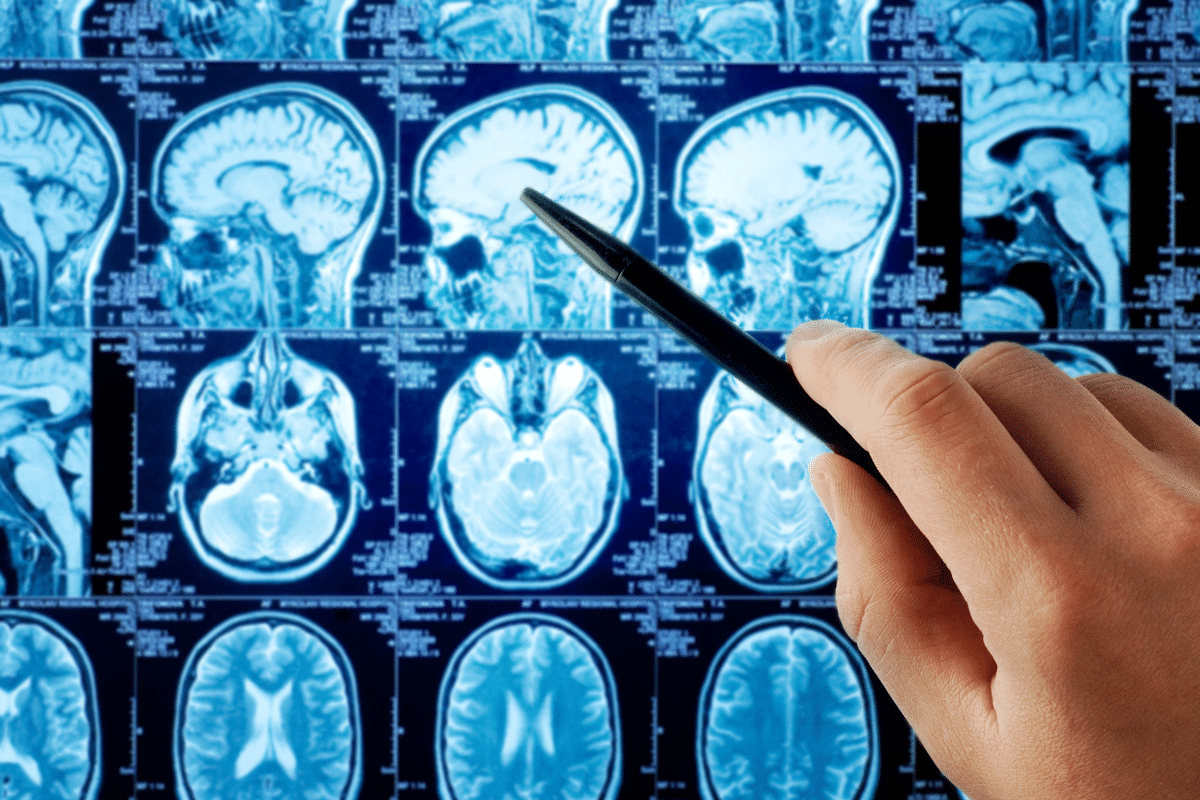
A detailed medical check is key in diagnosing amnesia. They look at the patient’s health history and do physical exams. They also use neuroimaging techniques like MRI or CT scans to see if the brain has any problems.
Neuroimaging is very important. It helps find out why someone might have memory loss. This could be due to injuries, tumors, or infections in the brain. These scans show the brain’s structure and any issues.
Cognitive Assessment and Memory Testing
Cognitive tests and memory assessments are vital. They check how well someone can remember and solve problems. This helps doctors understand how much memory loss there is.
Tools like memory tests and neuropsychological evaluations are used. They help doctors see what cognitive strengths and weaknesses a patient has. This information helps create a good treatment plan.
|
Diagnostic Tool |
Description |
Purpose |
|---|---|---|
|
Medical History Review |
Examining the patient’s past medical conditions and history. |
To identify possible causes of amnesia. |
|
Neuroimaging (MRI/CT) |
Using imaging techniques to see the brain’s structure. |
To find any damage or abnormalities. |
|
Cognitive Assessment Tests |
Checking memory, attention, and problem-solving skills. |
To see how much cognitive function is affected. |
Treatment Strategies and Living with Amnesia
Managing amnesia well needs a mix of medical interventions and cognitive rehabilitation. There’s no cure for amnesia itself. But fixing the cause can really help.
Medical Interventions for Underlying Conditions
It’s key to treat the cause of amnesia. For example, if it’s from a vitamin lack, taking that vitamin can help. If it’s from a brain issue, managing it with meds can boost memory.
Every person’s case is different. So, treatments are made just for them.
Cognitive Rehabilitation and Memory Techniques
Cognitive rehab is very important for those with amnesia. It teaches them memory techniques to make new memories and remember old ones.
- Using memory aids like calendars and reminders
- Implementing organizational strategies to simplify daily tasks
- Engaging in cognitive training programs designed to improve memory
These methods help patients and their families too. They learn how to support each other better.
Support Systems and Adaptive Strategies
Having a strong support system is vital for living with amnesia. Family, friends, and caregivers are key. They help daily life go smoothly.
Support groups for both patients and families offer great help. They provide advice and emotional support.
By using medical care, cognitive rehab, and support, we can give full care to those with amnesia.
Conclusion: Understanding the Impact of Amnesia
Amnesia can greatly affect how we live our daily lives. It’s important to know what causes it, its types, and how to treat it. People with amnesia need a lot of support, including medical care, therapy, and ways to adapt.
We’ve looked into many parts of amnesia. We’ve talked about what it is, its causes, and how to treat it. Knowing more about amnesia helps us support those who have it. This support is key to helping them regain their independence and feel better overall.
The effects of amnesia on people and their families are huge. We must be kind and understanding when dealing with it. This way, we can help create a supportive space for recovery and learning to adapt.
FAQ
What is amnesia?
Amnesia is a condition where people forget past events. It can happen due to brain damage, trauma, or other reasons.
How do you spell amnesia?
The correct spelling is A-M-N-E-S-I-A.
What is the definition of amnesia in medical science?
In medicine, amnesia means a big loss of memory. It’s more than just forgetting things. It often comes from brain damage or certain diseases.
What are the primary types of amnesia?
There are two main types. Retrograde amnesia is when people forget old memories. Anterograde amnesia is when they can’t make new ones.
What causes amnesia?
Amnesia can come from many things. This includes head injuries, diseases, drugs, and even psychological issues.
What is transient global amnesia?
Transient global amnesia is a short-term memory loss. It usually lasts a few hours. The cause is unknown, but stress or certain health issues might trigger it.
How is amnesia diagnosed?
Doctors use tests and scans to find out what’s causing amnesia. They check the brain and how well someone remembers things.
What are the treatment strategies for amnesia?
Treatment includes fixing the cause if possible. It also means using memory exercises and getting support. This helps people adjust and deal with their memory loss.
What is the etymology of the word amnesia?
The word comes from Greek. “Amnesia” means forgetfulness. It’s made from “a-” (without) and “mnasthai” (to remember).
How is amnesia pronounced?
You say it as am-NEE-zhuh.
References
National Health Service (NHS). Amnesia: Definition, Memory Loss, and Patient Awareness. Retrieved from https://www.nhs.uk/conditions/amnesia/