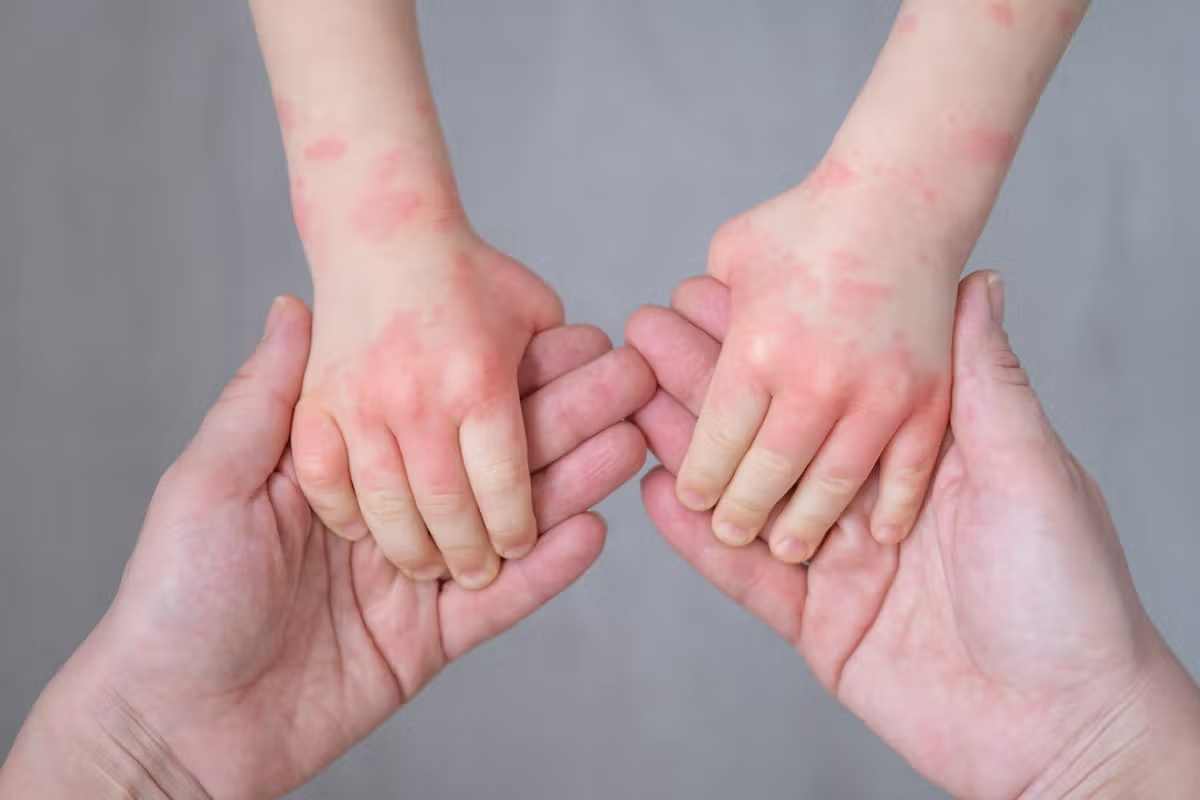
Every second counts when allergic reactions turn into anaphylaxis. Knowing how fast these dangerous reactions happen is key. It can mean the difference between life and death.
At Liv Hospital, we use the latest medical knowledge and care for each patient. We quickly spot and treat anaphylaxis signs. This way, we help those at risk get the help they need fast.
Allergic reactions can happen fast. It’s important to know when do allergic reactions start. This helps us manage and treat them better. We stress the need for quick medical help in these situations.
Key Takeaways
- Anaphylaxis can occur within minutes of allergen exposure.
- Prompt medical attention is key for effective management.
- Liv Hospital offers quick, caring help for those at risk.
- Understanding how fast allergic reactions happen is vital for survival.
- Spotting anaphylaxis signs early can save lives.
Understanding Allergic Reactions and Their Onset

When an allergen enters the body, the immune system can react in many ways. This reaction can be mild or severe, causing different allergic reactions. These reactions happen when the immune system overreacts to something it sees as a threat, like pollen or certain foods.
The Immune System’s Role in Allergic Responses
The immune system is key in fighting off harmful invaders. But, in allergic reactions, it mistakenly sees a harmless substance as a threat. This leads to the release of chemicals like histamine, causing blood vessels to widen and muscles to tighten.
This process is complex, involving many cells and signals. Knowing how it works helps us understand why allergic reactions can be so dangerous.
Differentiating Between Mild, Moderate, and Severe Reactions
Allergic reactions can vary a lot in how severe they are. Mild reactions might just cause skin rashes or itching. Moderate reactions can affect more areas, like the stomach or breathing. Severe reactions, known as anaphylaxis, are very dangerous and need quick medical help.
|
Reaction Severity |
Symptoms |
Timeline |
|---|---|---|
|
Mild |
Skin rashes, itching |
Variable, often delayed |
|
Moderate |
Gastrointestinal distress, respiratory issues |
Typically within minutes to hours |
|
Severe (Anaphylaxis) |
Airway constriction, rapid heartbeat, dizziness |
Usually within minutes |
Research shows that many anaphylactic reactions start quickly. About 70% happen in under 20 minutes after exposure. This fast start is why it’s so important to act fast when someone has a severe allergic reaction.
“Anaphylaxis usually develops within minutes of contact with an allergen, but sometimes the reaction can happen up to 4 hours later.” This shows how important it is to watch people closely after they’ve been exposed to allergens.
Understanding how the immune system reacts to allergens helps us manage these reactions better. Knowing the difference between mild, moderate, and severe reactions is key. The quick onset of anaphylaxis means we must act fast to avoid serious problems.
The Timeline of Allergic Reaction Development

Allergic reactions can happen fast or slow. Knowing when they start is key to handling allergies well.
Immediate Hypersensitivity Reactions
Immediate hypersensitivity reactions happen quickly, often in minutes. They can be very serious and even life-threatening. Common causes include insect stings, peanuts, and tree nuts.
Food allergies can trigger reactions fast, sometimes in seconds or minutes. It’s important to seek medical help right away for these quick reactions.
The body’s immune system reacts fast to an allergen. When an allergen gets in, IgE antibodies recognize it. This leads to histamine release and symptoms like hives, itching, and swelling.
Delayed Allergic Responses
Not all reactions are quick. Delayed allergic responses can take hours or days to show up. These are often seen in contact dermatitis or drug reactions.
For example, touching certain metals like nickel can cause a delayed skin reaction. This leads to dermatitis.
Knowing the difference between quick and slow reactions is important. Quick reactions need fast care, while slow ones might need a different plan. This plan focuses on avoiding the allergen and managing symptoms over time.
Both quick and slow allergic reactions need their own handling. Understanding these differences helps us treat allergies better. This improves how well we can help patients.
How Quickly Do Common Allergic Reactions Manifest?
Knowing how fast allergic reactions happen is key for quick treatment. These reactions can be mild or severe. How fast they start depends on the allergen and how sensitive a person is.
Food Allergy Reaction Times
Food allergies are common, hitting kids and young adults hard. Symptoms can pop up in minutes to hours after eating. Usually, they show up in 30 minutes to 2 hours.
It’s not always clear how severe a reaction will be. Some people might start with mild symptoms that quickly get worse. Anaphylaxis tongue swelling is a sign of a serious reaction that needs quick help.
Medication Allergy Onset
Medication allergies can pop up anytime, even after using the same drug before without issue. Symptoms can start in 1-2 hours after taking the drug. Some reactions, like skin issues, might show up days later.
It’s important to watch patients closely after giving them new meds. The timing of reactions can be hard to predict. Some meds can cause severe reactions, like anaphylaxis, so staying alert is key.
Insect Sting and Venom Reaction Timing
Insect sting allergies are common, peaking in summer. Symptoms can appear fast, in 15-30 minutes. Sometimes, they can happen right away, leading to anaphylaxis.
Insect venom can cause swelling or bigger problems. Knowing what an allergic reaction feels like in the throat is important. Throat tightness is a sign of anaphylaxis. Quick action is needed to avoid serious issues.
Recognizing Anaphylaxis Signs and Their Rapid Progression
It’s key to spot anaphylaxis signs fast to avoid serious issues. Anaphylaxis is a severe allergic reaction that can happen quickly after being exposed to an allergen.
Defining Anaphylaxis as a Medical Emergency
Anaphylaxis is always a medical emergency. Symptoms start quickly and can include trouble breathing, a tight throat, and a fast heartbeat. Prompt treatment with epinephrine is vital to avoid serious problems.
Symptoms of anaphylaxis can vary but often affect many body systems. Common signs include hives, itching, swelling, stomach cramps, diarrhea, and vomiting.
The Critical Window for Intervention
Anaphylaxis can start within minutes of exposure, but it can take hours in some cases. The first 15-30 minutes are the most critical. In this time, using an auto-injector like an EpiPen is often the first step.
Knowing how fast anaphylaxis can progress and being ready to act quickly is very important. We stress the need to know the signs and how to respond to an anaphylactic reaction.
The Speed of Anaphylactic Reactions: What Research Shows
Anaphylactic reactions happen fast and can be deadly. They start within minutes of being exposed to an allergen. Research helps doctors and patients know how to act quickly in emergencies.
70% of Reactions Begin Within 20 Minutes
Most anaphylactic reactions start quickly. About 70% of them begin within 20 minutes of being exposed to an allergen. This shows why it’s so important to act fast to avoid serious harm.
90% Occur Within 40 Minutes of Exposure
More research shows that about 90% of reactions happen within 40 minutes of exposure. This time frame is key for quick action and treatment.
Variations Between Different Allergen Types
Reaction times can vary based on the allergen. For example, food allergies might start a bit differently than reactions from insect stings. Knowing these differences helps doctors and patients prepare better.
|
Allergen Type |
Typical Reaction Time |
Percentage of Reactions |
|---|---|---|
|
Food |
15-30 minutes |
80% |
|
Insect Sting/Venom |
5-20 minutes |
85% |
|
Medication |
10-30 minutes |
75% |
Understanding how fast anaphylactic reactions happen helps doctors and patients. It leads to better treatment plans and teaches the importance of quick action in emergencies.
Throat and Tongue Symptoms: Critical Indicators of Severe Reactions
Throat and tongue symptoms are key signs of a severe allergic reaction. They need quick attention. These signs can mean anaphylaxis, a serious condition that needs fast medical help.
What an Allergic Reaction Feels Like in the Throat
An allergic reaction can make the throat feel tight or constricted. It’s like something is stuck there. Swelling can make it hard to swallow or speak.
In bad cases, the airway can get blocked, making it hard to breathe. The throat might feel swollen or lumpy, even if you can’t see it. Some people feel tingling or itching, which can be scary and might mean worse symptoms are coming.
Anaphylaxis Tongue Swelling: Progression and Danger Signs
Tongue swelling is a big warning sign of anaphylaxis. As the reaction gets worse, the tongue can swell up. This can happen fast, in just a few minutes after being exposed to the allergen.
Look out for big swelling that makes it hard to talk or breathe. A bluish skin color (cyanosis) or feeling really scared or anxious are also danger signs. It’s important to spot these signs and act fast.
|
Symptom |
Description |
Danger Sign |
|---|---|---|
|
Throat Constriction |
Feeling of tightness or lump in the throat |
Difficulty breathing or swallowing |
|
Tongue Swelling |
Visible swelling of the tongue |
Impaired speech or breathing |
|
Tingling or Itching |
Sensation of tingling or itching in the throat or tongue |
Precedes more severe symptoms |
Knowing these symptoms and how they can get worse is key to acting fast. If you or someone else has these signs, get medical help right away.
Respiratory System Involvement in Rapid-Onset Anaphylaxis
Rapid-onset anaphylaxis often affects the respiratory system. This causes symptoms that need quick medical help. The airways can get severely blocked, leading to serious breathing problems.
From Throat Clearing to Breathing Difficulty
Respiratory symptoms in anaphylaxis can quickly get worse. At first, people might feel like they need to clear their throat or have a lump. Then, they might start to feel short of breath and wheeze.
These signs mean the airways are getting narrower. It becomes harder to breathe. This can cut down oxygen intake, making things even more serious.
Wheezing and Airway Compromise
Wheezing is a common sign of anaphylaxis. It happens when the airways narrow. This can also cause stridor, a high-pitched sound when you breathe in, showing upper airway blockage.
The table below lists key respiratory symptoms and signs in anaphylaxis. It also explains what they mean for your health.
|
Symptom/Sign |
Description |
Clinical Implication |
|---|---|---|
|
Shortness of Breath |
Difficulty breathing, feeling winded |
Airway constriction, possible hypoxia |
|
Wheezing |
High-pitched sound during breathing |
Narrowing of lower airways |
|
Stridor |
High-pitched sound during inhalation |
Upper airway obstruction |
These severe symptoms need quick medical help. Knowing how anaphylaxis affects the respiratory system is key for proper treatment.
Food-Induced Anaphylaxis: Timing and Progression
It’s key to know how food-induced anaphylaxis develops. Food allergies can lead to anaphylaxis, a severe reaction, on first exposure or after many times. The timing of these reactions can vary a lot.
Common Food Triggers and Their Reaction Speeds
Some foods are more likely to cause anaphylaxis. The speed of the reaction depends on the allergen. Foods like peanuts, tree nuts, fish, shellfish, milk, eggs, wheat, and soy are common culprits. Reactions to these foods can happen in seconds to minutes.
|
Food Trigger |
Typical Reaction Time |
Severity |
|---|---|---|
|
Peanuts |
Within 5-30 minutes |
High |
|
Tree Nuts |
Within 5-30 minutes |
High |
|
Fish and Shellfish |
Within 15-60 minutes |
High |
|
Milk and Eggs |
Within 30 minutes to 2 hours |
Variable |
Why Some Food Reactions Develop More Slowly
While many reactions happen fast, some take longer. The amount of food, the food’s form (raw vs. cooked), and how sensitive someone is can affect this.
Biphasic Reactions in Food Allergies
Biphasic reactions can happen in food-induced anaphylaxis. Symptoms may seem to get better or go away, then come back. This shows why it’s vital to watch closely and be ready for more treatment.
We need to watch for biphasic reactions. People at risk should be closely monitored after a first reaction.
Injection and Sting-Related Anaphylaxis Timeline
Allergic reactions to injections or insect stings can happen fast. It’s key to get medical help right away. Knowing how fast these reactions come on helps doctors give the right care quickly.
Venom and Medication Reaction Patterns
Insect venom can cause anaphylaxis in some people. The reaction to venom or certain medicines can be different. But, most anaphylactic reactions start quickly after exposure.
About 70% of anaphylactic reactions start within 20 minutes of being exposed. Around 90% happen within 40 minutes. This shows how fast you need to see a doctor if you think you’re having an allergic reaction.
Why These Reactions Often Progress More Rapidly
Anaphylaxis can get worse fast because the allergen goes straight into your blood or tissues. This quick entry triggers a strong immune response. This response leads to the symptoms of anaphylaxis.
Doctors say, “The speed of the reaction is key to how bad it gets.”
“Quick action and treatment are key to avoiding serious problems.”
It’s important for both patients and doctors to know about these reactions. This knowledge helps in preventing and treating anaphylaxis from injections or stings.
Key factors that make anaphylaxis happen fast include:
- The way you’re exposed to the allergen (e.g., injection vs. eating it)
- The amount and type of allergen
- How likely you are to have an allergic reaction
By understanding these factors and the usual timeline of anaphylactic reactions, we can handle and treat these serious conditions better.
Epidemiology of Anaphylaxis: Frequency and Mortality Rates
Understanding anaphylaxis is key for public health and personal safety. It’s a severe allergic reaction that can happen fast after exposure to an allergen.
Anaphylaxis is common worldwide, affecting many people. We’ll look at how often it happens, its death rates, and who’s most at risk.
Occurrence Rate of Anaphylaxis
Research shows anaphylaxis happens to about 30 people per 100,000 each year. This means a lot of people face this severe reaction every year.
It’s thought that 0.05–2% of the world’s population will have anaphylaxis at some point. This range shows how different reports can vary, making exact numbers hard to find.
Understanding Mortality Rates
Anaphylaxis is deadly for 1 to 2 percent of those who get it. Though it seems low, it’s a big number because anaphylaxis is common.
Most deaths from anaphylaxis happen because of slow or wrong treatment. This highlights the importance of quick and right action.
High-Risk Populations
Some groups face a higher risk of anaphylaxis. These include people with allergies, and those who have had anaphylaxis before.
Young people, and those with food allergies, are also at high risk. Knowing who’s most at risk helps in preventing and managing anaphylaxis.
|
Population Group |
Risk Level |
Common Allergens |
|---|---|---|
|
Individuals with history of allergies |
High |
Food, insect stings, medications |
|
Young people |
High |
Food, specially peanuts and tree nuts |
|
General population |
Low to Moderate |
Various, including food and insect stings |
Knowing the signs of anaphylaxis is vital. Symptoms like trouble breathing, fast heart rate, and low blood pressure appear quickly. This is why fast action is so important.
The Critical 15-Minute Window in Anaphylaxis Management
The first 15 minutes are key in managing anaphylaxis. Anaphylaxis is a severe allergic reaction that can happen fast. It can go from mild to life-threatening in just 15 minutes.
From First Symptoms to Life-Threatening Complications
Anaphylaxis can get worse fast. Symptoms start with a swollen tongue and hives. If not treated quickly, it can cause serious problems like breathing issues and heart failure.
Key symptoms to watch for during the initial 15-minute window include:
- Difficulty breathing
- Rapid heartbeat
- Dizziness or fainting
- Confusion or loss of consciousness
- Swollen tongue or throat
The Importance of Immediate Epinephrine Administration
Epinephrine is the main treatment for anaphylaxis. Giving epinephrine quickly can help by stopping symptoms and giving time to get medical help.
|
Timeframe |
Symptoms |
Action |
|---|---|---|
|
0-5 minutes |
Mild symptoms: hives, itching |
Administer epinephrine |
|
5-15 minutes |
Progressing symptoms: swollen tongue, difficulty breathing |
Call emergency services, prepare for possible escalation |
It’s vital to be ready for anaphylactic emergencies. Have epinephrine auto-injectors and know how to use them. Quick action is key to avoiding serious problems.
Conclusion: Being Prepared for Rapid-Onset Allergic Emergencies
Knowing when allergic reactions start is key to managing them well. We’ve looked at how fast allergic reactions can happen. We’ve also talked about the signs of anaphylaxis, a serious condition.
Knowing how long it takes for an allergic reaction to start can save lives. Anaphylaxis is a medical emergency that needs quick action. Being ready and knowing the signs can make a big difference.
Allergic reactions can happen fast. Most start within 20 minutes, and 90% within 40 minutes of exposure. This shows how important quick action is.
Understanding how fast allergic reactions can occur helps us act quickly. This knowledge lets us give epinephrine when needed and get medical help fast.
FAQ
How quickly do allergic reactions occur?
Allergic reactions can happen fast or slow. They can start right away or take hours or days. It depends on the allergen and how sensitive you are.
Do allergic reactions happen immediately?
Yes, some allergic reactions start right away. These are called immediate hypersensitivity reactions. But, others might take longer, even days.
How long does anaphylaxis take to occur?
Anaphylaxis is a serious reaction that can happen fast. It usually starts within minutes of being exposed to the allergen. Studies show 70% of cases start in 20 minutes, and 90% in 40 minutes.
What are the signs of anaphylaxis?
Signs of anaphylaxis include trouble breathing and a fast heartbeat. You might also feel dizzy, confused, or have a drop in blood pressure. Look out for throat swelling, wheezing, and airway problems too.
How long does it take for an allergic reaction to start?
The time it takes for an allergic reaction to start varies. It can happen right away or take hours or days. It depends on the allergen and how sensitive you are.
What does an allergic reaction feel like in the throat?
An allergic reaction in the throat can feel like a lump or tightness. It can make swallowing or breathing hard. You might also feel like your throat is constricting or swelling.
How soon do allergic reactions occur?
Allergic reactions can happen fast or slow. Some start right away, while others take hours or days. It depends on the allergen and how sensitive you are.
What finding most clearly indicates anaphylaxis?
Signs of anaphylaxis include trouble breathing and throat or tongue swelling. Wheezing and a drop in blood pressure are also critical. These symptoms need immediate medical help.
How long does it take for anaphylaxis to start?
Anaphylaxis usually starts within minutes of being exposed to the allergen. Most reactions happen in 20 to 40 minutes.
What is the critical window for anaphylaxis intervention?
The critical window for anaphylaxis is within 15 minutes of the first symptoms. Quick action with epinephrine is key to prevent serious complications.
How quickly does an allergic reaction occur after exposure to an allergen?
The speed of an allergic reaction after exposure varies. Some happen right away, while others take longer. It depends on the allergen and your sensitivity.
What are the symptoms of anaphylaxis tongue swelling?
Anaphylaxis tongue swelling is when your tongue swells fast. This can make speaking, swallowing, or breathing hard. It’s a sign of a serious reaction.
How long for an allergic reaction to start?
The time it takes for an allergic reaction to start varies. It can happen right away or take hours or days. It depends on the allergen and your sensitivity.
How soon does an allergic reaction happen?
Allergic reactions can happen fast or slow. They can start right away or take hours or days. It depends on the allergen and your sensitivity.
References
National Center for Biotechnology Information. Evidence-Based Medical Guidance. Retrieved from https://pubmed.ncbi.nlm.nih.gov/25680923/