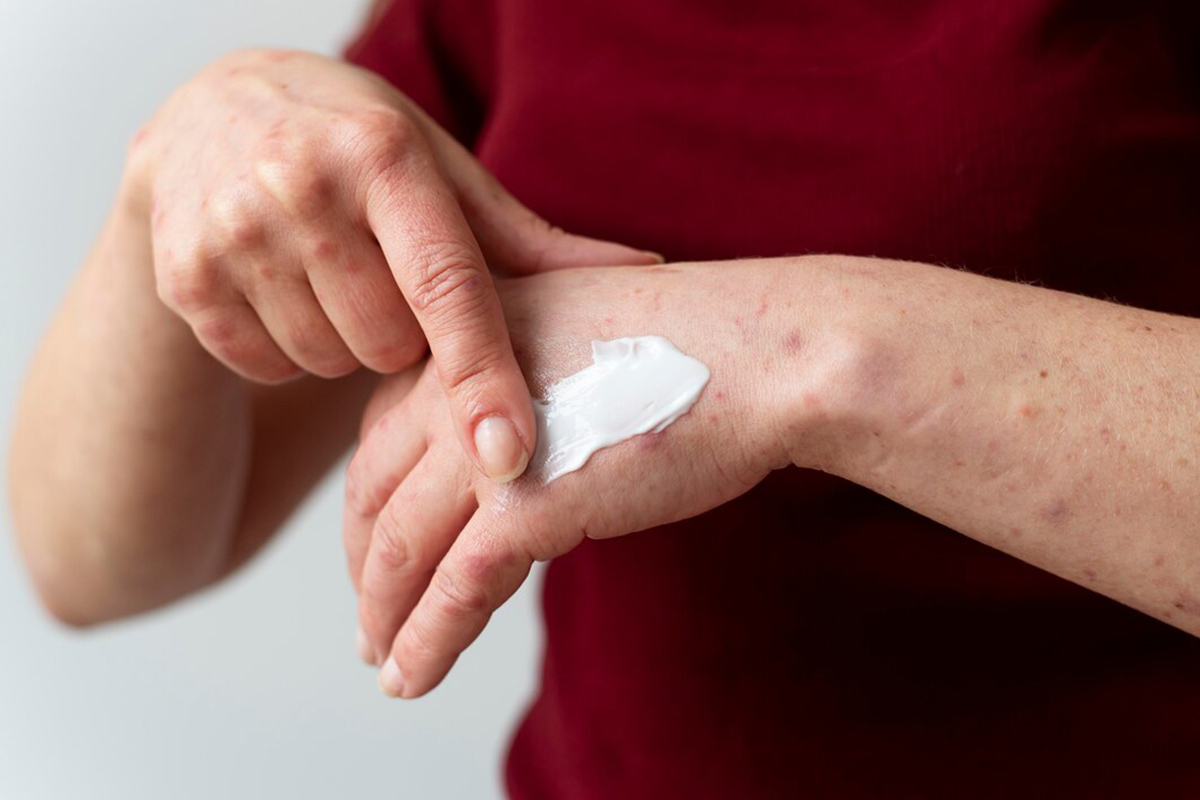
Millions suffer from itchy skin due to allergies. This discomfort can ruin your day and night. Effective relief is available, from creams to antihistamines.
Board-certified cosmetic dermatologist Michele Green says, “Hydrocortisone and antihistamines are top choices. They calm the immune system to ease symptoms.” Finding the right treatment for your condition is key.
At Liv Hospital, we focus on you. Our care is based on solid evidence to treat your skin allergies well.
Find the bestanti itch medication for skin allergies. Review 5 top pills and creams for fast, safe relief from hives and rashes.
Key Takeaways
- Antihistamines are a first-line therapy for allergic skin conditions.
- Topical steroids are effective in managing allergic skin reactions.
- Understanding your specific condition is critical for the right treatment.
- Liv Hospital offers a patient-centered approach to treating skin allergies.
- Evidence-based care is essential for effective treatment of skin allergies.
Understanding Skin Allergies and Itching

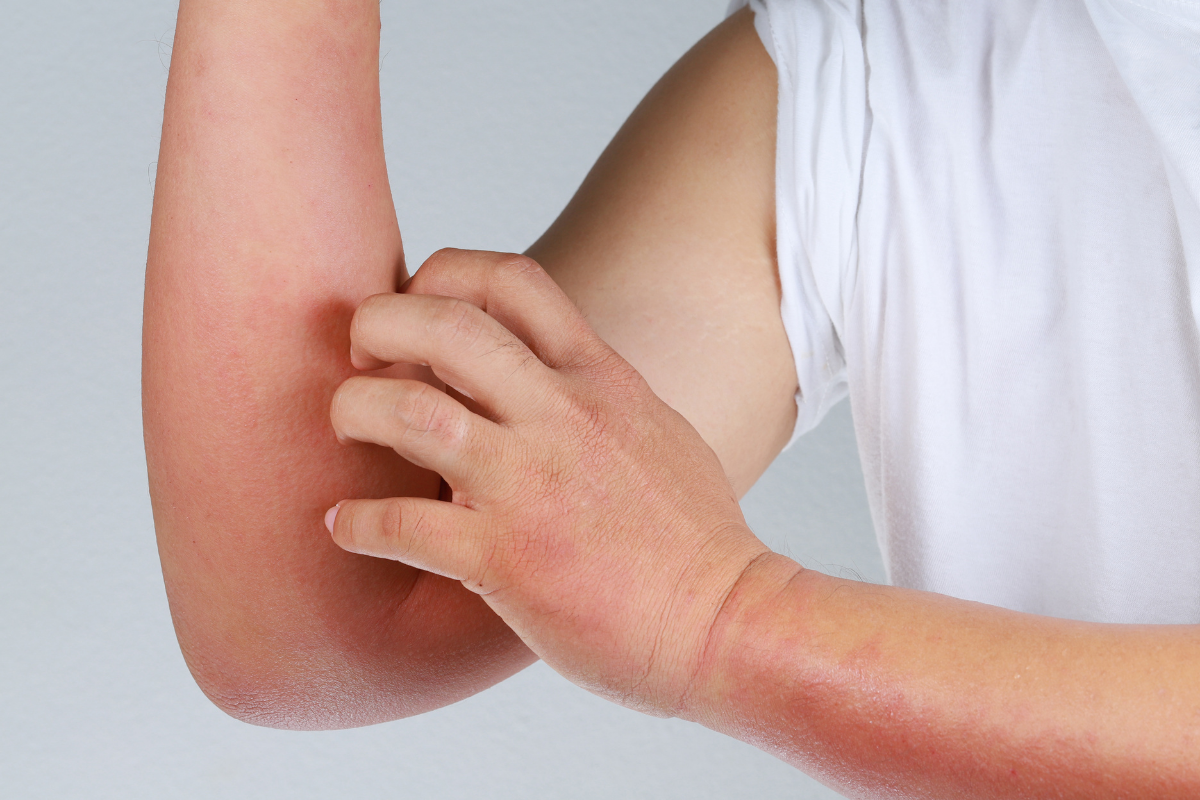
It’s important to know what causes skin allergies and itching. Skin allergies happen when our body reacts to something it doesn’t like. This reaction leads to inflammation and discomfort. Itching, or pruritus, is a common symptom of these reactions.
Many things can cause allergic skin reactions. It’s key to find and avoid these triggers to manage symptoms well.
Common Triggers for Allergic Skin Reactions
Several factors can trigger allergic skin reactions. For example, in the summer, sweat, saltwater, pool chlorine, and UV radiation can harm the skin. This can cause rashes, bug-bite reactions, and eczema flare-ups.
- Insect bites and stings
- Poison ivy, oak, or sumac
- Certain metals like nickel
- Skincare and cosmetic products containing allergens
Knowing these triggers is the first step to prevent allergic reactions and itching.
The Itch-Scratch Cycle and Its Impact
The itch-scratch cycle is a vicious cycle. Itching leads to scratching, and scratching irritates the skin, causing more itching. This cycle can damage the skin, lead to infection, and make healing take longer.
Breaking the itch-scratch cycle is key to managing skin allergies. Using anti-itch medications, moisturizing the skin, and reducing stress can help. Stress can make itching worse.
By understanding triggers and the itch-scratch cycle, we can manage our skin allergies better. This reduces the discomfort of itching.
How Anti Itch Medication Works in the Body
To understand how anti-itch medications work, we need to look at how they affect the body’s immune response and histamine release. These medications aim to ease the discomfort caused by skin allergies and itching.
The Role of Histamine in Allergic Reactions
Histamine is a chemical that plays a big role in the body’s immune response. It’s involved in allergic reactions. When an allergen enters the body, histamine is released, causing itching, redness, and swelling. Antihistamines work by countering histamine’s effects, reducing itching and inflammation.
We’ll dive into how histamine causes allergic reactions and how antihistamines help. Histamine’s release sets off a chain of reactions, including:
- Increased blood flow to the affected area
- Release of other chemical mediators that enhance the allergic response
- Activation of nerve endings, causing itching and discomfort
Topical vs. Oral Anti-Itch Treatments
Anti-itch treatments are mainly topical or oral. Topical treatments are applied directly to the skin, providing localized relief. They often include hydrocortisone to reduce inflammation or antihistamines to fight itching.
Oral anti-itch medications are taken by mouth and work throughout the body to relieve itching. Antihistamines like diphenhydramine (Benadryl) and cetirizine (Zyrtec) are used to manage allergic reactions and itching.
Choosing between topical and oral treatments depends on several factors. These include the itching’s severity, the area affected, and the person’s health. Here are some key points to consider:
|
Treatment Type |
Advantages |
Disadvantages |
|---|---|---|
|
Topical |
Localized relief, fewer side effects |
Limited to specific areas, possible skin irritation |
|
Oral |
Systemic relief, effective for widespread itching |
Potential for drowsiness, interactions with other medications |
Diphenhydramine (Benadryl): First-Generation Anti-Itch Relief
Diphenhydramine, also known as Benadryl, is a common antihistamine for itching from skin allergies. It’s a well-known medication for many looking to ease allergic skin reactions.
Overview of Benadryl Formulations
Benadryl comes in different strengths to meet various needs. The Original Strength has 1% diphenhydramine hydrochloride, while Extra Strength has 2%. This variety helps users pick the right strength for their symptoms.
Benadryl offers options for different preferences and needs. These include:
- Topical creams and sprays for localized relief
- Oral medications for systemic relief
- Differences in active ingredient concentrations
Pros of Using Benadryl for Skin Allergies
Benadryl is known for its quick relief from itching. Fast-acting relief is key for those with severe itching that interferes with daily life or sleep.
The benefits of Benadryl include:
- Rapid onset of action
- Wide availability in various formulations
- Effective for multiple types of allergic reactions
Cons and Side Effects to Consider
While Benadryl is generally safe, it can have side effects. Common ones are drowsiness, dry mouth, and dizziness. It’s important to follow the recommended dosage to avoid these effects.
Some people might experience more serious side effects like confusion or rapid heartbeat. If you notice any unusual symptoms, talk to a healthcare professional.
Features and Best Uses
Benadryl is best for sudden itching from allergic reactions. It works well for symptoms from insect bites, contact dermatitis, and other allergic skin issues.
To get the most from Benadryl, consider these tips:
- Use it as directed on the label or as advised by a healthcare professional
- Be aware of possible interactions with other medications
- Watch for side effects and adjust use as needed
Cetirizine (Zyrtec): Second-Generation Antihistamine for Chronic Relief
Chronic skin itching can really get in the way of your day. But, Cetirizine (Zyrtec) can help without making you feel sleepy. It’s a second-generation antihistamine that lasts a long time to help with itching from skin allergies.
Overview of Cetirizine Products
Cetirizine comes in tablets, liquid gels, and syrups. This makes it easy for people of all ages to find a form they like. It’s known for being good at treating allergy symptoms like itching, redness, and swelling.
Here’s a look at different Cetirizine products to help you understand them better:
|
Product Form |
Dosage |
Age Recommendation |
|---|---|---|
|
Tablets |
10mg |
6 years and older |
|
Liquid Gels |
10mg |
6 years and older |
|
Syrup |
1mg/mL |
2 years and older |
Pros of Cetirizine for Skin Itching
Cetirizine has many good points for people with chronic skin itching. It doesn’t make you sleepy, so you can keep doing your daily things. It also helps a lot with allergy symptoms like itching and hives.
“Cetirizine has been a game-changer for my patients with chronic skin allergies. Its efficacy and safety profile make it an ideal choice for long-term management.”Medical Expert, Allergist
Cons and Possible Drawbacks
Even though Cetirizine is usually safe, some people might feel dry mouth, tiredness, or dizziness. Always talk to a doctor before starting it. They can check for any problems with other medicines and find the right dose for you.
Features and Ideal Usage Scenarios
Cetirizine is great for people with long-term skin conditions like atopic dermatitis or urticaria. It’s easy to take once a day, which helps people stick to it. This makes it a good choice for managing skin itching over time.
In short, Cetirizine (Zyrtec) is a top pick for chronic itch relief. It’s safe and works well, making it a good choice for many people.
Hydrocortisone: Topical Steroid for Anti-Inflammatory Relief
Hydrocortisone is a common topical steroid used for skin allergies. It helps reduce inflammation and itching. You can find it over-the-counter in creams, ointments, and lotions.
Overview of Hydrocortisone Products
Hydrocortisone products aim to lessen inflammation and itching from skin allergies. They come in different strengths, from 0.5% to 1% hydrocortisone. You can choose from creams, ointments, and lotions, depending on your skin type.
- Creams: Good for most skin types, creams moisturize and are easy to apply.
- Ointments: Thicker, ointments are best for dry skin, keeping it moist.
- Lotions: Light and non-greasy, lotions are great for big areas or those who don’t like mess.
Pros of Topical Steroid Treatment
Using hydrocortisone as a topical steroid has many benefits. It quickly reduces itching and inflammation. It also has fewer side effects compared to oral steroids because it’s applied directly to the skin.
- Rapid Relief: Hydrocortisone quickly eases itching and inflammation.
- Localized Treatment: Applying it directly to the skin reduces systemic side effects.
- Variety of Formulations: There are many types to fit different skin needs.
Cons and Usage Limitations
While hydrocortisone is safe for short-term use, there are downsides. Long-term use can cause skin thinning. It’s not always safe for the face without a doctor’s advice.
- Skin Thinning: Long-term use can make the skin thinner and more damaged.
- Limited Use on Sensitive Areas: Be careful when using it on sensitive areas like the face, under a doctor’s guidance.
Features and Application Guidelines
To get the most out of hydrocortisone, follow the right application steps. Use a thin layer on the affected area and rub it in until it’s fully absorbed. Don’t use bandages or wraps without a doctor’s say-so.
Always talk to a healthcare professional before starting hydrocortisone, if you have sensitive skin or are unsure about your condition.
Best Anti Itch Medication: Loratadine (Claritin) for Non-Drowsy Relief
Loratadine (Claritin) is great for those who want to stop itching without feeling sleepy. It’s perfect for keeping you comfortable and focused all day, even with skin allergies.
Overview of Loratadine Products
Loratadine, also known as Claritin, comes in tablets, oral solutions, and rapidly dissolving tablets. This variety makes it easy to find the right form for your needs.
Pros for Daytime Itch Management
Loratadine is known for its non-drowsy effect. This makes it great for fighting itchiness during the day. You can stay active and focused without feeling tired.
- Effective relief from itching caused by skin allergies
- Non-drowsy formula suitable for daytime use
- Available in various formulations to suit different needs
Cons and Effectiveness Considerations
While loratadine is usually safe, some people might get dry mouth or headache. It might not work for everyone, like those with very bad itching. Always talk to a doctor to see if it’s right for you.
Features and Comparison with Other Antihistamines
Loratadine is special because it doesn’t make you sleepy. Unlike some other antihistamines, it helps with itching without making you tired. This is great for people who need to stay alert during the day.
Fexofenadine (Allegra): Fast-Acting Systemic Relief
For those with acute itching from skin allergies, Fexofenadine (Allegra) is a quick fix. We look into how it works and its benefits for fast itch relief.
Overview of Fexofenadine Products
Fexofenadine is a second-generation antihistamine that fights allergic reactions and itching. It comes in tablets and oral suspension, fitting different needs.
Key Features: Fast-acting relief, available in multiple formulations.
Pros of Fexofenadine for Acute Itching
Fexofenadine offers many benefits for acute itching. It works fast, improving life for those with itchy skin.
- Quick onset of action
- Effective in reducing itching associated with allergic reactions
- Less sedating compared to first-generation antihistamines
Cons and Food/Drug Interactions
Fexofenadine is mostly safe but has side effects and interactions. Always follow the dosage and talk to a doctor, even with other meds.
Common Side Effects: Headache, dizziness, and nausea.
|
Medication |
Onset of Action |
Sedation Level |
|---|---|---|
|
Fexofenadine (Allegra) |
Fast |
Low |
|
Diphenhydramine (Benadryl) |
Fast |
High |
|
Loratadine (Claritin) |
Fast |
Low |
Features and Best Candidates for Use
Fexofenadine is great for those needing quick itch relief without drowsiness. It’s best for chronic skin allergy management.
Knowing Fexofenadine (Allegra)’s benefits and drawbacks helps make better choices for skin allergy itching treatment.
Choosing the Right Anti-Itch Treatment for Different Skin Conditions
Finding the right treatment for itchy skin starts with knowing the cause. Each skin condition needs a unique approach to find relief.
Matching Symptoms to the Appropriate Medication
To treat itchy skin, we must first find the cause. Conditions like eczema, psoriasis, and dermatitis have unique symptoms. These symptoms help us choose the right treatment.
For example, mild to moderate eczema often responds to hydrocortisone cream. But, severe cases might need oral antihistamines like diphenhydramine or cetirizine.
|
Skin Condition |
Common Symptoms |
Recommended Treatment |
|---|---|---|
|
Eczema |
Dry, itchy, inflamed skin |
Hydrocortisone cream, oral antihistamines |
|
Psoriasis |
Thick, scaly patches |
Topical steroids, oral medications like methotrexate |
|
Dermatitis |
Red, itchy, swollen skin |
Avoiding triggers, topical corticosteroids |
Special Considerations for Children and Seniors
When treating itchy skin in children and seniors, we must be extra careful. Children’s skin is more sensitive. Seniors may have other health issues and take many medications.
For kids, we prefer gentle treatments. Topical creams and ointments are usually the first choice. Oral medications are used less often.
Seniors might need different doses of medication because of their age. We also need to watch for drug interactions with their other medications.
When to Combine Oral and Topical Treatments
In some cases, using both oral and topical treatments works best. For example, combining hydrocortisone cream with an oral antihistamine can help with severe itching.
But, we must think about the side effects and interactions of these treatments. Always talk to a healthcare professional before starting a new treatment plan.
Conclusion: Finding Effective Relief for Skin Allergies
Managing skin allergies well means knowing the treatment options and picking the right anti-itch medication. We’ve looked at treatments like Diphenhydramine (Benadryl), Cetirizine (Zyrtec), Hydrocortisone, Loratadine (Claritin), and Fexofenadine (Allegra). Each has its own good points and things to watch out for.
To find good relief for skin allergies, we need to match the right medicine to the condition and person. It’s smart to talk to healthcare experts to figure out the best plan. Knowing about different anti-itch medicines helps us handle skin allergies better and live better lives.
The best way to get relief is to take a full approach that looks at the person’s health and allergy needs. We suggest that readers team up with their healthcare providers to find the best anti-itch medicine for their skin allergies.
FAQ
What is the best pill for itchy skin?
The best pill for itchy skin varies based on the cause. Antihistamines like diphenhydramine (Benadryl) and cetirizine (Zyrtec) are good for skin allergies.
Are there different types of Benadryl for skin allergies?
Yes, Benadryl comes in many forms. You can find it as capsules, creams, or solutions. Each type helps with different symptoms like itching and hives.
What is the best antihistamine for itching skin?
The best antihistamine for itching skin depends on your needs and health history. Cetirizine (Zyrtec) and loratadine (Claritin) are good because they don’t make you sleepy. But diphenhydramine (Benadryl) might make you drowsy.
Can I use hydrocortisone cream for skin allergies?
Yes, hydrocortisone cream can help with skin allergies. It reduces inflammation and itching. But, always follow the instructions and talk to a doctor before using it for a long time.
What is the best over-the-counter (OTC) medicine for skin rash?
The best OTC for a skin rash depends on the rash’s cause and how bad it is. Antihistamines like diphenhydramine (Benadryl) and cetirizine (Zyrtec) can help with itching. Hydrocortisone cream can also reduce inflammation.
Can I take antihistamines and use topical creams together?
Yes, taking antihistamines with topical creams can help manage skin allergy symptoms. But, it’s important to talk to a doctor first. They can help avoid any bad reactions or side effects.
Are there any creams that can relieve itching due to allergies?
Yes, there are creams that can help with itching from allergies. Hydrocortisone cream is one, as it reduces inflammation. Antihistamine creams or calamine lotion can also soothe itchy skin.
What should I consider when choosing an anti-itch treatment for children or seniors?
When picking an anti-itch treatment for kids or seniors, think about their needs and health history. Always talk to a doctor to find the right treatment and dosage.
Reference
Government Health Resource. Evidence-Based Medical Guidance. Retrieved from https://nationaleczema.org/treatments/over-the-counter/