
Erectile Dysfunction Blood Pressure MedsReview 7 best anti itch meds for fast relief. Learn about powerful antihistamines and topical steroids to stop severe itching now.
Itchy skin is a big problem for millions around the world. It makes people very uncomfortable and can really mess up their day. Finding quick and good ways to stop itchy skin is key to feeling better.
Dealing with itchy skin can be tough because there are so many ways to treat it. Medical Expert, a cosmetic dermatologist, says that Hydrocortisone and antihistamines are often best for reducing itching. They work by calming down the immune system to ease the itch. At Liv Hospital, we use our medical know-how and new ways to treat itchy skin. We aim to help our patients feel better with care that focuses on them.
Key Takeaways
- Effective relief from itchy skin is key for a good life.
- Hydrocortisone and antihistamines are often recommended for itching.
- Liv Hospital offers complete care for managing itchy skin.
- Knowing why your skin itches helps pick the right treatment.
- There are many ways to treat itchy skin, like creams and pills.
Understanding Itchy Skin: Causes and Impact
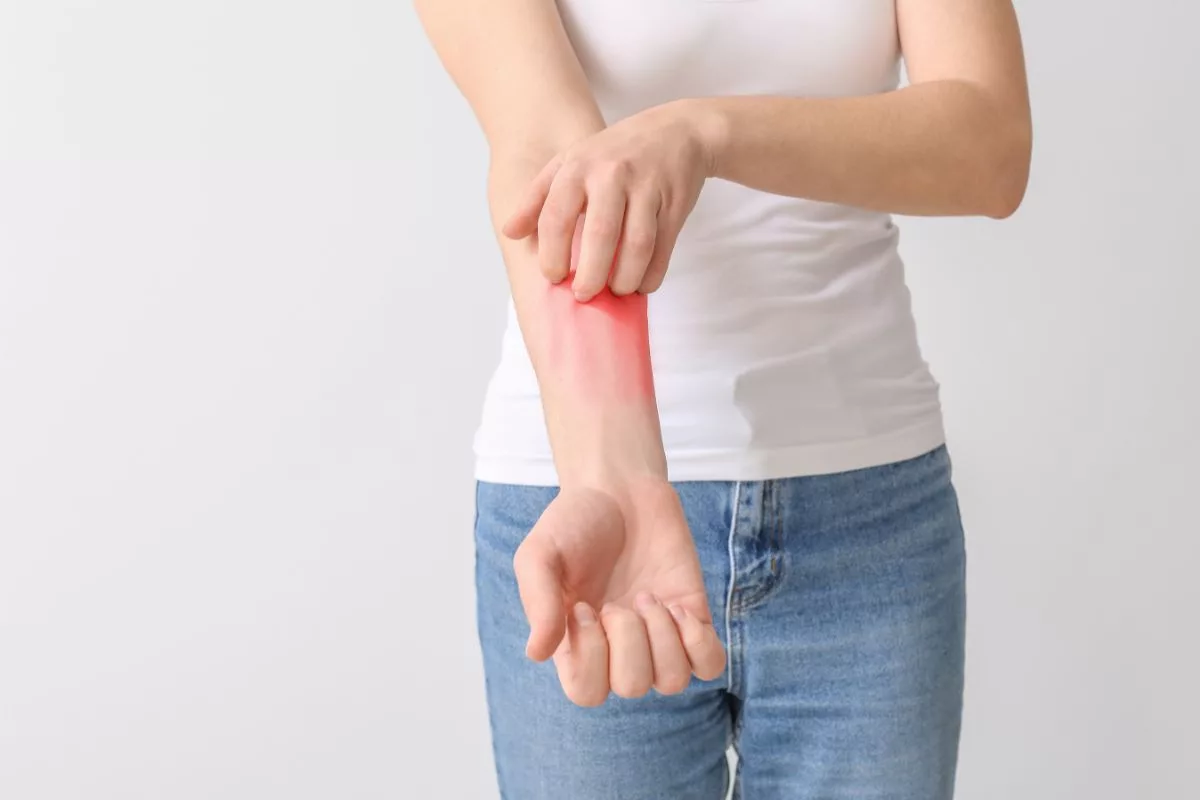
It’s important to know why skin gets itchy. Itchy skin, or pruritus, can come from dry skin, allergies, or conditions like eczema.
Common Causes of Skin Itching
Itching can happen in one spot or all over. Many things can make skin itch, including:
- Dry skin, which lacks moisture and can become irritated
- Allergic reactions to substances such as pollen, dust mites, or certain chemicals
- Skin conditions like eczema, psoriasis, or dermatitis
- Insect bites or stings
Doctors say, “The key to managing itchy skin lies in identifying and addressing its underlying cause.”
“Pruritus is a complex condition that can significantly impact a person’s quality of life, making it essential to approach treatment comprehensively.”
How Itching Affects Quality of Life
Itching can really mess with your daily life. It can make you uncomfortable, disrupt sleep, and change your mood. The urge to scratch can be embarrassing, making you feel isolated.
|
Impact on Daily Life |
Effects of Itching |
|---|---|
|
Sleep Disturbances |
Itching can disrupt sleep patterns, leading to fatigue. |
|
Mood Changes |
Constant itching can cause irritability and mood swings. |
|
Social Embarrassment |
The need to scratch can be embarrassing, affecting social interactions. |
Oral antihistamines are a main treatment for itchy skin. First-generation agents like diphenhydramine and second-generation options such as cetirizine and
How Anti Itch Meds Work to Stop Itching
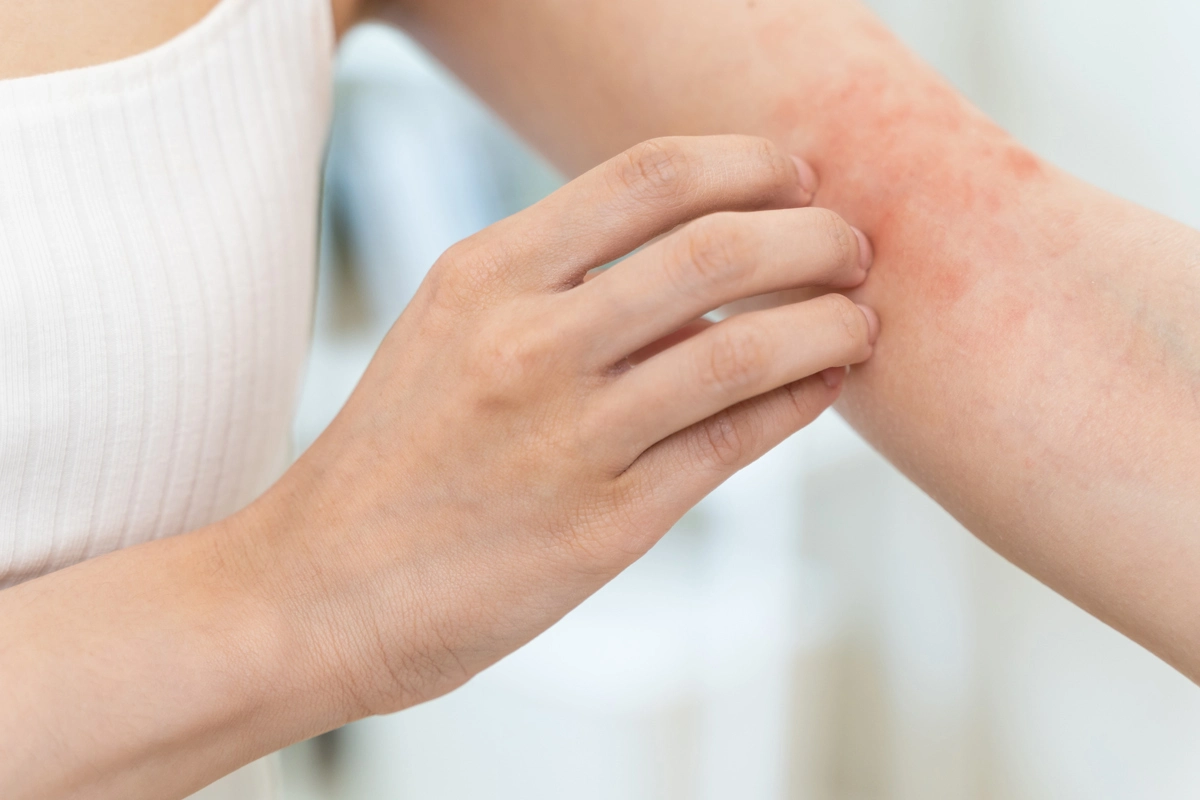
Anti-itch medications aim to ease itchy skin by tackling the root causes. Itching can really disrupt life, affecting both skin and overall well-being. So, it’s important to know how these meds work.
These medications mainly use two ways to stop itching: blocking histamine receptors and cutting down inflammation. Blocking histamine receptors is key for easing itching caused by allergies.
Blocking Histamine Receptors
Oral antihistamines like diphenhydramine and cetirizine help by blocking histamine receptors. “Histamine is a chemical in your immune system,” they explain. “When it binds to its receptors, it can cause itching and other allergic symptoms.” By blocking these receptors, antihistamines stop histamine from causing itching.
Reducing Inflammation Pathways
Corticosteroids, on the other hand, fight itching by reducing inflammation. They calm down the immune system’s response, which helps lessen inflammation and itching. This dual approach makes for a well-rounded treatment plan that meets individual needs.
Knowing how anti-itch medications work helps us pick the best treatment for itchy skin. Whether it’s blocking histamine receptors or reducing inflammation, these meds bring relief and enhance life for those with itchy skin.
Diphenhydramine (Benadryl): The Classic Anti-Itch Solution
Benadryl, or diphenhydramine, is a well-known medicine for itching skin. It’s a first-generation antihistamine that blocks histamine receptors. This helps relieve itching.
Overview
Diphenhydramine is known for making you sleepy. It’s great for OTC for itching at night. It helps you sleep well, even with itchy skin. But, it can make you feel tired during the day.
For pills for itching, diphenhydramine is often the first choice. It fights histamine, which causes itching and swelling. Taking diphenhydramine can greatly reduce itching, making life better.
Diphenhydramine is one of the best meds for itchy skin. Many people trust it. But, always take the right dose and talk to a doctor if the itching doesn’t go away.
In short, diphenhydramine (Benadryl) is a trusted anti-itch medicine. It works fast and is good for nighttime use. Its effectiveness makes it a top pick for itchy skin relief.
Cetirizine (Zyrtec): Non-Drowsy Relief for Chronic Itching
Cetirizine, or Zyrtec, is a second-generation antihistamine. It’s known for its non-drowsy relief from itchy skin. It’s a top choice for managing chronic itching, loved by both patients and doctors.
Efficacy in Relieving Itching
Cetirizine works well for itching caused by allergies and skin conditions. It blocks histamine receptors, which helps reduce itching. This makes it great for people with chronic itching from allergies or eczema.
Key Benefits:
- Non-drowsy formula, ideal for daytime use
- Effective in relieving itching associated with allergies and skin conditions
- Less likely to cause drowsiness compared to first-generation antihistamines
A medical expert says, “Cetirizine is a game-changer for patients with chronic itching. Its non-drowsy formula lets patients stay active all day.”
“Cetirizine has been a reliable option for managing itching in patients with allergic conditions.” – Medical Expert, Allergy Specialist
To show cetirizine’s benefits, let’s compare it with other antihistamines:
|
Antihistamine |
Drowsiness Effect |
Efficacy in Itching Relief |
|---|---|---|
|
Cetirizine (Zyrtec) |
Low |
High |
|
Diphenhydramine (Benadryl) |
High |
High |
|
Loratadine (Claritin) |
Low |
Moderate |
Cetirizine’s non-drowsy relief is perfect for those who want to manage itching without affecting their day. Always talk to a healthcare professional to find the best treatment for you.
In summary, cetirizine (Zyrtec) is a great choice for non-drowsy itching relief. It’s effective for allergies and skin conditions, and it’s safe. Both patients and doctors prefer it.
Fexofenadine (Allegra): Fast-Acting Relief with Minimal Side Effects
Fexofenadine, also known as Allegra, is a top pick for quick relief from itchy skin. It’s an oral anti-itch medication known for fast relief and few side effects. This makes it perfect for those with itchy skin.
Overview
Fexofenadine is a second-generation antihistamine that fights itching from allergies. It starts working quickly and has little to no drowsiness. This makes it a favorite among patients and doctors.
It’s great for people who need to stop itching without slowing down their day.
Looking for the best medicine for itchy skin? Fexofenadine is often suggested because it’s safe and works well. It blocks histamine receptors to lessen itching. This makes it a top choice for many.
Loratadine (Claritin): Long-Lasting Itch Control
Loratadine (Claritin) is a great choice for those with itchy skin. It works well and lasts a long time. This helps to ease the discomfort and stress of itchy skin.
Loratadine is a type of antihistamine. It’s good at stopping itchiness from allergies and some skin problems. Its long action makes it easy to use for long relief.
Overview of Loratadine
Loratadine blocks histamine receptors to stop itching. It’s effective for itching from allergies and some skin issues. This makes it a good choice for many people.
One big plus of Loratadine is its long-lasting relief. It helps keep itchy skin under control all day. You don’t need to take it often.
|
Medication |
Duration of Action |
Primary Use |
|---|---|---|
|
Loratadine (Claritin) |
Long-lasting (up to 24 hours) |
Relief from itching associated with allergies and skin conditions |
|
Cetirizine (Zyrtec) |
Long-lasting (up to 24 hours) |
Relief from itching and allergic reactions |
|
Fexofenadine (Allegra) |
Long-lasting (up to 24 hours) |
Relief from itching and allergic reactions |
The table shows Loratadine is like other antihistamines in action and use. But, how it works for each person can be different. This makes it a special choice for some.
Choosing an anti-itch medicine needs careful thought. Loratadine is usually safe, but always follow the dose and talk to a doctor if you’re worried.
Hydroxyzine (Atarax): Prescription-Strength for Severe Itching
When over-the-counter anti-itch medications don’t work, hydroxyzine (Atarax) is often prescribed. It’s a strong antihistamine that helps with severe itching. This is due to skin conditions or allergic reactions.
Efficacy and Use
Hydroxyzine is known for its strong relief of itching that other treatments can’t fix. It’s great for people with chronic itching from skin issues or allergies. It works by blocking histamine receptors, which reduces itching.
Key Benefits:
- Effective for severe itching not relieved by OTC medications
- Provides relief for itching associated with skin conditions and allergic reactions
- Blocks histamine receptors to reduce itching
To understand hydroxyzine’s effectiveness, let’s compare it with other antihistamines. We’ll look at their sedative effects and itch relief.
|
Medication |
Sedative Effect |
Itch Relief |
|---|---|---|
|
Hydroxyzine (Atarax) |
High |
Strong |
|
Cetirizine (Zyrtec) |
Moderate |
Effective |
|
Loratadine (Claritin) |
Low |
Effective |
The table shows hydroxyzine has a high sedative effect. This can help those whose itching keeps them awake. But, it’s something to think about when prescribing, as it might not be right for everyone.
In conclusion, hydroxyzine (Atarax) is a strong antihistamine for severe itching. It’s effective for itching from skin conditions and allergies. It’s a good option for those who haven’t found relief with over-the-counter medications.
Levocetirizine (Xyzal): Powerful Nighttime Anti Itch Meds
Levocetirizine, known as Xyzal, is a strong antihistamine. It helps with itching at night. It works well for those with allergy-related itching and some skin issues.
Efficacy and Benefits
Itching at night can mess up your sleep and life. Levocetirizine (Xyzal) blocks histamine receptors. This reduces itching.
Key Benefits of Levocetirizine (Xyzal):
- Effective relief from itching associated with allergies and skin conditions
- Fast-acting formula for quick relief
- Specifically designed for nighttime use to improve sleep quality
To see how Levocetirizine compares, let’s look at a comparison table:
|
Medication |
Primary Use |
Onset of Action |
Duration of Relief |
|---|---|---|---|
|
Levocetirizine (Xyzal) |
Nighttime itching relief |
Within 1 hour |
Up to 24 hours |
|
Cetirizine (Zyrtec) |
Allergy relief |
Within 1 hour |
Up to 24 hours |
|
Loratadine (Claritin) |
Allergy relief |
Within 3 hours |
Up to 24 hours |
The table shows Levocetirizine (Xyzal) starts working fast and lasts long. It’s great for nighttime itch relief.
In summary, Levocetirizine (Xyzal) is a strong antihistamine for nighttime itching. Its quick action and long relief make it a top pick for those with allergy and skin condition itching.
Chlorpheniramine (Chlor-Trimeton): Budget-Friendly Itch Relief
Looking for a cheap way to stop itchy skin? Chlorpheniramine, or Chlor-Trimeton, is a budget-friendly choice. It helps ease the discomfort and frustration of itchy skin. We aim to offer effective, affordable treatments.
Key Benefits
Chlorpheniramine is an over-the-counter (OTC) antihistamine that works well for itching from allergies. It’s easy to get because you don’t need a doctor’s prescription. This makes it a great option for quick relief.
One big plus of Chlorpheniramine is its affordability. It’s cheaper than many other antihistamines. This makes it a good choice for those on a tight budget with itchy skin.
We suggest Chlorpheniramine for itchy skin because it’s both effective and affordable. Always follow the dosage instructions and talk to a doctor if your symptoms don’t go away.
Conclusion: Selecting the Right Anti-Itch Medication for Your Specific Needs
Choosing the right anti-itch medication depends on several things. These include the cause of itching, how severe the symptoms are, and what you prefer in terms of how it’s taken and possible side effects. We’ve looked at different anti itch meds. Each has its own good points and things to watch out for, to help you make a smart choice.
Looking for the best anti itch medicine? Think about the kind of itching you have. Oral antihistamines like diphenhydramine (Benadryl) and cetirizine (Zyrtec) work fast for itchy skin. Topical corticosteroids and other treatments are also good for itchy skin.
To find out what medicine stops itching fast, talk to your doctor. They can help based on your needs and health history. Knowing about the different anti-itch medicines helps you choose the best one for you. This way, you can get quick relief from itchy skin.
FAQ
What is the best medicine for severe itching?
The best medicine for severe itching varies by cause. Hydroxyzine (Atarax) and levocetirizine (Xyzal) are often used for severe cases.
What are the best anti-itch medications available over-the-counter?
Over-the-counter options include diphenhydramine (Benadryl), cetirizine (Zyrtec), and fexofenadine (Allegra). Loratadine (Claritin) and chlorpheniramine (Chlor-Trimeton) are also good choices.
How do oral antihistamines work to relieve itching?
Oral antihistamines block histamine receptors. This reduces itching. They’re good for allergy-related itching and some skin issues.
What is the best anti-itch medicine for itchy skin caused by allergies?
For allergy-related itching, second-generation antihistamines are best. Cetirizine (Zyrtec), fexofenadine (Allegra), and loratadine (Claritin) are top picks.
Are there any anti-itch medications that are non-drowsy?
Yes, second-generation antihistamines like cetirizine (Zyrtec), fexofenadine (Allegra), and loratadine (Claritin) are less likely to cause drowsiness. They’re great for daytime use.
Can I take anti-itch medication with other medications?
Always check with a healthcare professional before mixing anti-itch meds with other drugs. This avoids bad interactions.
How long does it take for anti-itch medications to start working?
The time it takes for anti-itch meds to work varies. Most start within a few hours, depending on the drug and how your body reacts.
What are the possible side effects of anti-itch medications?
Side effects can include drowsiness, dry mouth, and dizziness. But not all meds cause these issues.
Are there any natural or alternative remedies for itchy skin?
Natural remedies like moisturizing and oatmeal baths can help. Some herbal supplements might also ease itchy skin. But they shouldn’t replace medical treatment.
When should I consult a doctor for itchy skin?
See a doctor if itchy skin doesn’t get better, gets worse, or comes with other symptoms. A healthcare professional can provide the right treatment.
References
National Center for Biotechnology Information. Evidence-Based Medical Guidance. Retrieved from https://pmc.ncbi.nlm.nih.gov/articles/PMC9223628/



 Departments
 Related Videos
 Our Doctors
 News
News