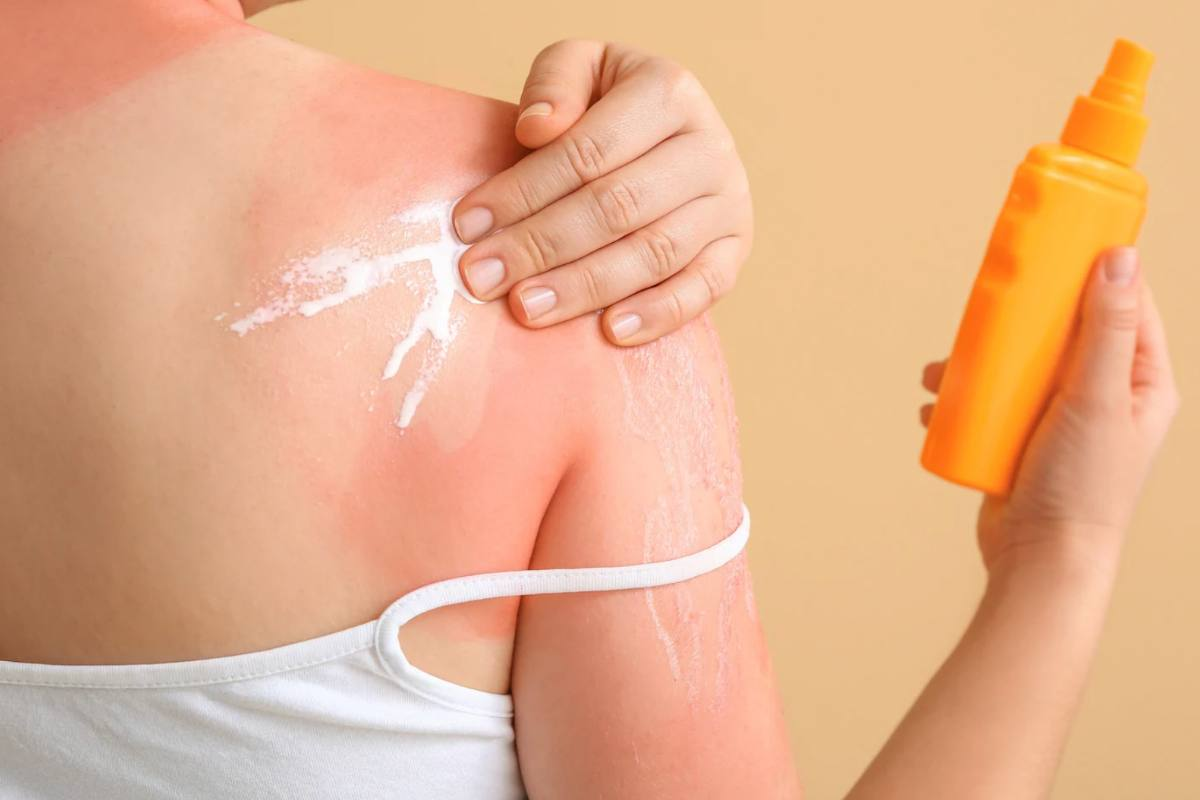
When hives hit, finding quick relief is key to feeling better. Benadryl anti-itch cream is a fast-acting solution. It targets itching and irritation right where it hurts.
Hives can be really uncomfortable. Benadryl cream, with diphenhydramine hydrochloride and zinc acetate, helps manage these issues. It eases itching from bites and minor skin problems.
Knowing how to use Benadryl cream can help control symptoms. We’ll look into how it works to ease hives. This will give you the knowledge you need to feel better.
Does Petechiae Itch? Causes ExplainedUse antihistamine anti itch cream effectively. Learn the best way to apply Benadryl to hives for immediate, safe relief from pain.
Key Takeaways
- Benadryl anti-itch cream provides fast relief from itching and irritation caused by hives.
- The cream contains diphenhydramine hydrochloride and zinc acetate.
- It is used to manage hives and various skin conditions.
- Correct application of Benadryl cream can help manage symptoms effectively.
- Benadryl cream is a trusted over-the-counter topical solution.
Understanding Hives and Their Causes
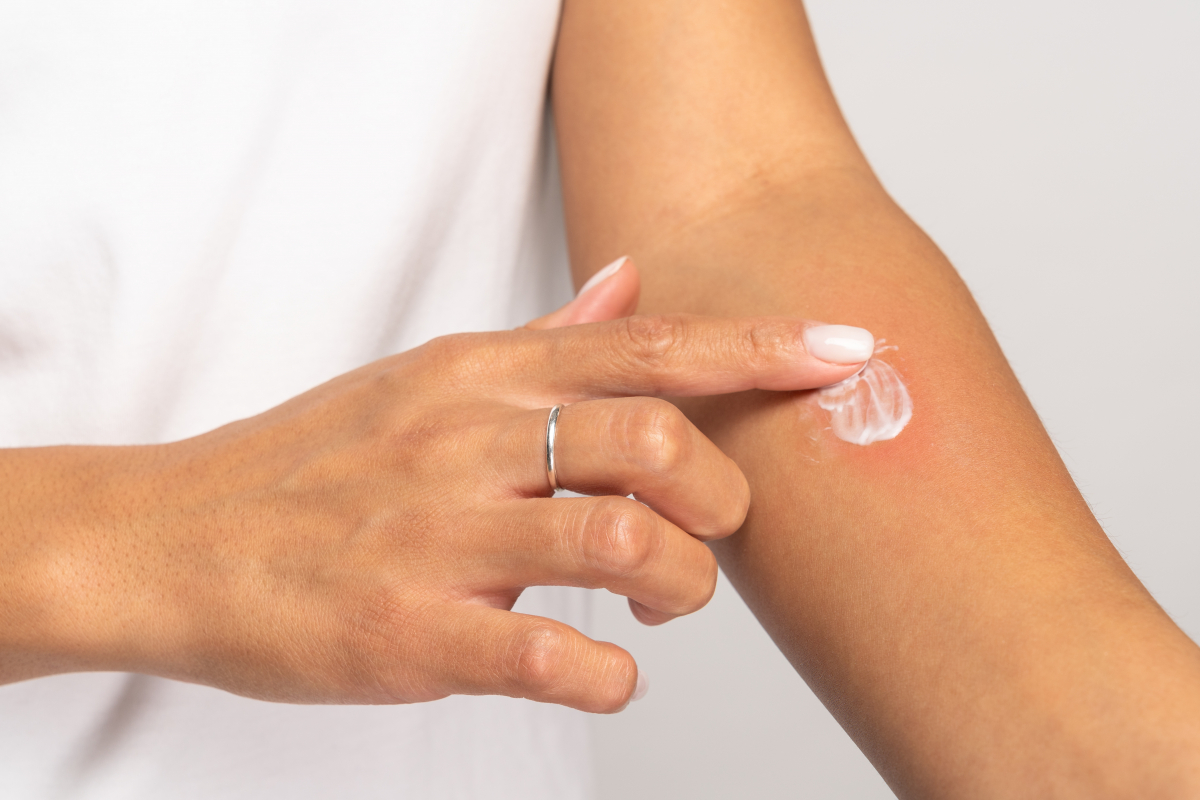
Hives, also known as urticaria, are itchy, raised welts that can appear anywhere on the body. They can vary in size and merge to form larger areas. Knowing the causes and symptoms of hives is key to managing and treating them effectively.
What Are Hives and How Do They Develop?
Hives are a common skin condition caused by the release of histamine and other chemical mediators from mast cells. This release makes blood vessels more permeable, leading to fluid leakage into the skin. This results in swelling and itching.
Many factors can trigger hives, including allergic reactions, infections, and environmental factors. The exact mechanism involves complex interactions between immune cells and the release of chemical mediators.
Common Triggers for Hive Outbreaks
Several factors can trigger hive outbreaks. Common triggers include:
- Allergic reactions to foods, medications, or insect bites
- Infections such as viral or bacterial infections
- Environmental factors like heat, cold, or sunlight
- Physical stimuli such as pressure or friction on the skin
- Stress and emotional factors
Identifying and avoiding these triggers is a key step in managing hives.
|
Trigger |
Description |
Examples |
|---|---|---|
|
Allergic Reactions |
Immune response to perceived threats |
Foods (nuts, shellfish), medications (antibiotics), insect bites |
|
Infections |
Viral or bacterial infections |
Common cold, urinary tract infections |
|
Environmental Factors |
Physical conditions that trigger hives |
Heat, cold, sunlight, water |
Recognizing Symptoms of Hives
The symptoms of hives can vary but usually include itchy, raised welts on the body. These welts can be red or skin-colored and may have a red flare around them. Hives can also be accompanied by swelling, which is more common in allergic reactions.
“Hives can be a challenging condition to manage, but understanding their causes and symptoms is the first step towards effective treatment.” – Medical Expert
Recognizing the symptoms of hives is essential for choosing the right treatment. Using Benadryl anti-itch cream can help relieve itching and reduce the severity of welts.
What Is Benadryl Anti-Itch Cream?
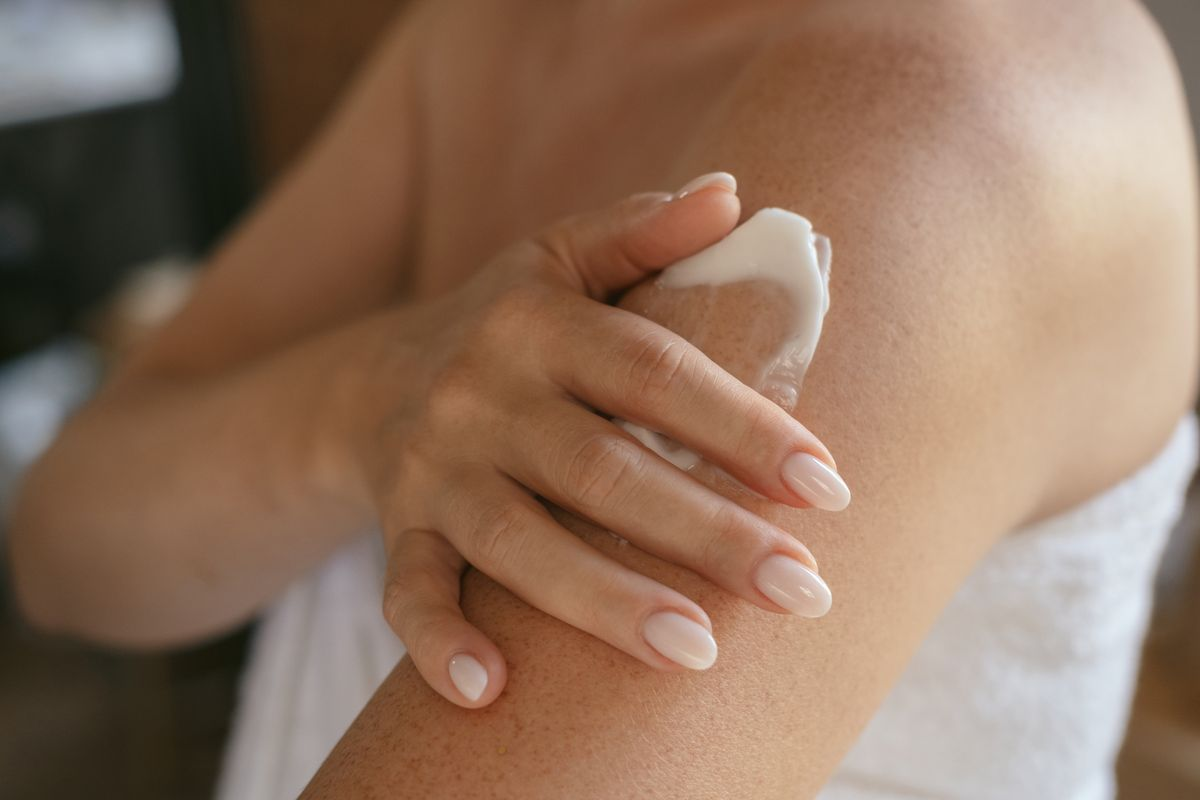
Benadryl Anti-Itch Cream is a special cream for people with hives and skin irritations. It’s made to help with itching and swelling from different skin problems.
Active Ingredients and Their Functions
The cream has two main ingredients: diphenhydramine hydrochloride and zinc acetate. Diphenhydramine is an antihistamine that blocks histamine receptors. This reduces itching and swelling. Zinc acetate helps soothe the skin and calm irritated areas.
Together, these ingredients help fight itching and skin irritation. They give users quick and lasting relief.
Different Formulations Available
Benadryl Anti-Itch Cream comes in various forms to meet different needs. The main ingredients stay the same, but the cream might have different strengths or extra ingredients for specific skin issues.
- Original formula for general itching and skin irritation
- Extra strength formula for more severe itching
- Formulations with additional soothing ingredients for sensitive skin
How Benadryl Cream Differs from Oral Benadryl
Topical Benadryl Cream and oral Benadryl both have diphenhydramine, but they’re used differently. Topical Benadryl Cream is for direct skin relief. Oral Benadryl is for body-wide relief, like for allergies and itching all over.
Benadryl Cream works faster for skin itching and irritation than oral Benadryl. It also has fewer side effects because it’s applied directly to the skin.
How Antihistamine Anti-Itch Creams Work
Antihistamine anti-itch creams, like Benadryl cream, help with itching and skin irritation. They target the main cause of discomfort. These creams give fast and effective relief from itchy skin, including hives.
The Science Behind Topical Antihistamines
Topical antihistamines block histamine receptors in the skin. This action reduces itching and inflammation from hives and allergic reactions. When applied to the skin, these creams deliver their active ingredients right where they’re needed, providing targeted relief.
How Diphenhydramine Blocks Histamine Receptors
Diphenhydramine, found in Benadryl cream, is an antihistamine. It works by blocking histamine at receptor sites on the skin. This blocks itching and inflammation caused by histamine release in allergic reactions.
The Role of Zinc Acetate in Skin Relief
Zinc acetate is another important ingredient in Benadryl cream. It has anti-inflammatory properties that soothe irritated skin and aid in healing. The mix of diphenhydramine and zinc acetate in Benadryl cream offers a two-way approach to managing itching and skin irritation.
Preparing to Use Benadryl Cream
Using Benadryl cream for hives and skin irritations requires proper preparation. We need to know when to use it, how to test it, and what supplies we need.
When to Use Topical Benadryl for Hives
Benadryl cream helps with itching and reduces hive severity. Use it when you see hives as the main issue. It’s key to tell hives apart from other skin problems that need different treatments. If hives come with serious symptoms like trouble breathing, get medical help right away.
Patch Testing Before Full Application
Do a patch test before using Benadryl cream on the whole area. Apply a small amount to a hidden spot, like behind the ear or on the wrist. Wait 24 hours for any bad reactions, like redness or swelling. If you see irritation, stop using it and look for other options.
Gathering Necessary Supplies
To use Benadryl cream right, gather a few things. You’ll need the cream, a clean cloth or cotton swab, and any extra items like cool compresses. Having these ready makes applying the cream easier.
By taking these steps, we can safely and effectively use Benadryl cream for hives and skin issues.
Step-by-Step Application Guide
To get the most out of Benadryl Anti-Itch Cream, follow our step-by-step guide. Proper application is key for relief from hives and skin irritations.
Cleaning the Affected Area
Before using Benadryl Anti-Itch Cream, clean and dry the area first. Wash with mild soap and lukewarm water. Then, dry it with a clean towel.
This step removes dirt and bacteria that can make things worse.
Proper Application Technique
Apply Benadryl topical ointment with a gentle, massaging motion. Spread a thin layer over the affected area. Make sure to cover all irritated spots.
Gently rub the cream into the skin until it’s fully absorbed. This helps the ingredients work better.
Recommended Amount to Use
The recommended amount of Benadryl Anti-Itch Cream varies by area size. A thin layer is usually enough. Overusing can increase side effects without extra benefits.
For adults and kids over 6, apply 3-4 times a day. Or follow what a healthcare professional says. Always check the label and ask a doctor if you’re unsure.
Frequency and Duration of Use
Knowing how often and for how long to use Benadryl cream is key to managing hives. These guidelines help avoid overuse and ensure safe use.
How Often to Apply Benadryl Cream
Benadryl Extra Strength Itch Stopping Cream can be used up to three or four times a day. It’s important to stick to the recommended frequency to avoid side effects.
Apply the cream as needed, but don’t use it more than the maximum daily amount. Here’s a general guide:
- Apply a thin layer to the affected area
- Gently rub it in until absorbed
- Repeat as necessary, up to three or four times daily
Maximum Daily Applications
It’s important not to overuse Benadryl cream. The maximum daily use should not be more than four times in 24 hours.
|
Application Frequency |
Maximum Daily Applications |
|---|---|
|
Up to 3-4 times a day |
4 applications in 24 hours |
When to Stop Using the Cream
Keep an eye on your symptoms and stop using the cream when they get better. If symptoms don’t improve or get worse, talk to a healthcare professional.
Signs to stop using Benadryl cream:
- Symptoms have resolved
- No improvement after several days
- Worsening of symptoms
- Adverse reactions occur
Using Benadryl Cream for Different Types of Hives
Hives can appear in different ways. Knowing how to use Benadryl cream for each type is key. It helps manage hives by reducing itching and discomfort.
Acute Hives Treatment
Acute hives start suddenly and last less than six weeks. Benadryl cream can quickly ease itching and reduce symptoms. Always follow the application guidelines and talk to a doctor if symptoms don’t improve.
“Topical antihistamines like Benadryl cream can greatly improve life for those with acute hives,” says a dermatology expert. “They reduce itching and inflammation, preventing further irritation and infection from scratching.”
Chronic Hives Management
Chronic hives last over six weeks and need ongoing care. Benadryl cream can help manage chronic hives by providing regular relief. It’s best to use it with other treatments and lifestyle changes for better results.
When treating chronic hives with Benadryl cream, watch your condition closely. Adjust your treatment plan as needed. Regular use helps keep symptoms under control and improves skin comfort.
Pressure Urticaria and Contact Hives
Benadryl cream is also good for pressure urticaria and contact hives. Pressure urticaria is hives caused by skin pressure. Contact hives happen from skin contact with certain substances. Benadryl cream can soothe these hives.
For both, it’s important to avoid triggers. Benadryl cream helps manage symptoms while you work on avoiding triggers.
In summary, Benadryl cream is a versatile and effective treatment for many hives types. By understanding each condition and using Benadryl cream correctly, patients can find relief and improve their quality of life.
Additional Applications of Benadryl Cream
Benadryl cream is great for many skin problems. It’s not just for hives. Its soothing and antihistamine effects help with other skin issues too.
Treating Insect Bites and Stings
Benadryl cream quickly eases itching and swelling from insect bites and stings. Its diphenhydramine fights allergic reactions. This makes bites and stings less uncomfortable and helps them heal faster.
Managing Poison Ivy, Oak, and Sumac Reactions
Benadryl cream helps with poison ivy, oak, and sumac too. It eases itching and swelling from urushiol oil. Using it often can really help and aid in healing.
Relief for Minor Burns and Sunburn
Benadryl cream is also good for minor burns and sunburn. It cools the skin and reduces discomfort. Its antihistamine helps with itching and supports healing.
Using on Skin Rashes and Irritations
Benadryl cream works well on general skin rashes and irritations. It’s good for allergic reactions, skin conditions, or other causes. It reduces itching, redness, and swelling, making the skin feel better and helping it heal.
Potential Side Effects and Precautions
It’s important to know the side effects of Benadryl Anti-Itch Cream for safe use. It’s usually safe when used right, but there are things to watch out for.
Common Side Effects to Watch For
Most people do well with Benadryl Anti-Itch Cream. But, some might get side effects. You might see redness, itching, or burning where you applied it. It’s key to watch your skin and change how you use it if needed.
When to Discontinue Use
If side effects get worse or last too long, stop using it and talk to a doctor. You should stop if you see:
- More redness or swelling
- Severe itching or burning
- Rash or hives
- Hard time breathing (this is serious)
Special Considerations for Sensitive Skin
If your skin is sensitive, do a patch test first. Put a little on a hidden spot and wait 24 hours to see if it’s okay.
|
Skin Type |
Precaution |
|---|---|
|
Normal Skin |
Follow instructions; watch for side effects |
|
Sensitive Skin |
Patch test; start with small amounts |
|
Dry or Damaged Skin |
Don’t use on very dry or damaged skin |
Avoiding Cross-Contamination
To stop germs from spreading, don’t share your Benadryl Anti-Itch Cream. Also, wash your hands before and after using it.
Knowing about these side effects and taking steps to avoid them helps you use Benadryl Anti-Itch Cream safely. It can help with hives and itchy skin.
When to Seek Medical Attention
Knowing when to get medical help is key for dealing with severe hives. Benadryl anti-itch cream helps many people with hives. But, there are times when you need to see a doctor.
Signs That Hives Require Professional Treatment
Some symptoms mean you need more than just over-the-counter cream. Look out for:
- Difficulty breathing or swallowing
- Swelling of the face, lips, tongue, or throat
- Hives with a fever
- Hives that don’t go away in a few days or keep coming back
- Severe and widespread hives
If you see any of these, get medical help fast. Severe allergic reactions can be life-threatening and need quick action.
Allergic Reactions to Benadryl Cream
Some people might be allergic to Benadryl cream. Look for:
- Increased redness or itching where you applied it
- Swelling or blistering
- A rash or hives spreading beyond where you applied it
If you see these signs, stop using Benadryl cream right away. Then, talk to a doctor.
When to Consider Prescription Alternatives
If Benadryl cream doesn’t work, or if your hives are bad and last a long time, you might need something stronger. A doctor can suggest:
- Stronger topical corticosteroids
- Oral corticosteroids for a short time
- Prescription antihistamines or other meds for your hives
Always listen to your doctor about prescription treatments. They know what’s best for your hives.
In short, Benadryl cream helps many with hives. But, knowing when to see a doctor is important for serious cases. By watching for signs that need a doctor, knowing about allergic reactions, and when to try prescription meds, you can get the right care.
Combining Benadryl Cream with Other Treatments
For hives, a good plan might include Benadryl cream and other treatments. This mix can help control symptoms better.
Using with Oral Antihistamines
Using Benadryl cream with oral antihistamines can help more. Oral antihistamines block histamine receptors all over. The cream helps where it’s applied. This combo works well for big or bad hives.
Key benefits of combining Benadryl cream with oral antihistamines include:
- Enhanced symptom relief
- Targeted treatment for localized itching
- Systemic relief for widespread hives
Complementary Home Remedies
Benadryl cream can be paired with home remedies for more relief. Some options are:
- Oatmeal baths to soothe irritated skin
- Cold compresses to reduce itching and inflammation
- Aloe vera gel to calm and moisturize the skin
These can help with Benadryl cream for better comfort and healing.
Cooling Techniques to Enhance Relief
Cooling methods can make Benadryl cream work better. A cold compress or cooling pad can lessen itching and swelling. A cool bath or a fan can also help.
Adding these cooling methods to your treatment can lessen hives’ severity. It can also make you feel more comfortable.
Understanding the importance of proper use and precautions is key for managing hives and skin conditions. By following the guidelines in this article, we can use Benadryl anti-itch cream safely and effectively. This approach helps people manage their symptoms with confidence and success.
Knowing how to use Benadryl anti-itch cream right is vital for managing hives and skin issues. By following the guidelines in this article, we can ensure safe and effective use of Benadryl anti-itch cream.
Benadryl anti-itch cream, with diphenhydramine, helps relieve itching and reduces discomfort from hives. When used as directed, it’s a helpful tool for managing skin conditions.
We stress the need for patch testing, proper application, and sticking to recommended use to avoid side effects. Combining Benadryl cream with other treatments, like oral antihistamines or home remedies, helps manage symptoms effectively.
Being informed and careful lets us use Benadryl anti-itch cream to ease the discomfort of hives and skin irritations. This improves our overall skin health.
FAQ
What is Benadryl anti-itch cream used for?
Benadryl anti-itch cream helps with itching and swelling from allergies. This includes hives, bug bites, and skin irritations.
How does Benadryl cream work to alleviate itching?
Benadryl cream uses diphenhydramine to block histamine. This reduces itching and swelling. Zinc acetate also helps with skin relief.
Can I use Benadryl cream for acute hives treatment?
Yes, Benadryl cream can treat acute hives. It quickly relieves itching and skin irritation from allergies.
How often should I apply Benadryl cream?
How often you apply Benadryl cream depends on your symptoms. Follow the package directions or your doctor’s advice.
What are the possible side effects of using Benadryl cream?
Side effects might include skin irritation, dryness, or allergic reactions. If you notice these, stop using it or talk to a doctor.
Can Benadryl cream be used on sensitive skin?
Benadryl cream is okay for sensitive skin. But, do a patch test first to avoid any bad reactions.
Is Benadryl cream suitable for treating insect bites and stings?
Yes, Benadryl cream helps with itching and swelling from bug bites and stings.
Can I combine Benadryl cream with oral antihistamines?
Yes, using Benadryl cream with oral antihistamines can help more. But, always check with a doctor first.
How do I store Benadryl cream properly?
Keep Benadryl cream at room temperature. Store it away from sunlight and moisture. Keep it out of children’s reach.
When should I seek medical attention for hives?
See a doctor for severe allergic reactions or if hives get worse. Also, if you have an allergic reaction to Benadryl cream.
Can Benadryl cream be used for minor burns and sunburn?
Yes, Benadryl cream can help with minor burns and sunburn. It reduces itching and swelling.
What are the active ingredients in Benadryl anti-itch cream?
Benadryl anti-itch cream has diphenhydramine and sometimes zinc acetate. Together, they offer relief from itching and skin issues.
References
National Center for Biotechnology Information. Evidence-Based Medical Guidance. Retrieved from https://pmc.ncbi.nlm.nih.gov/articles/PMC11404102/