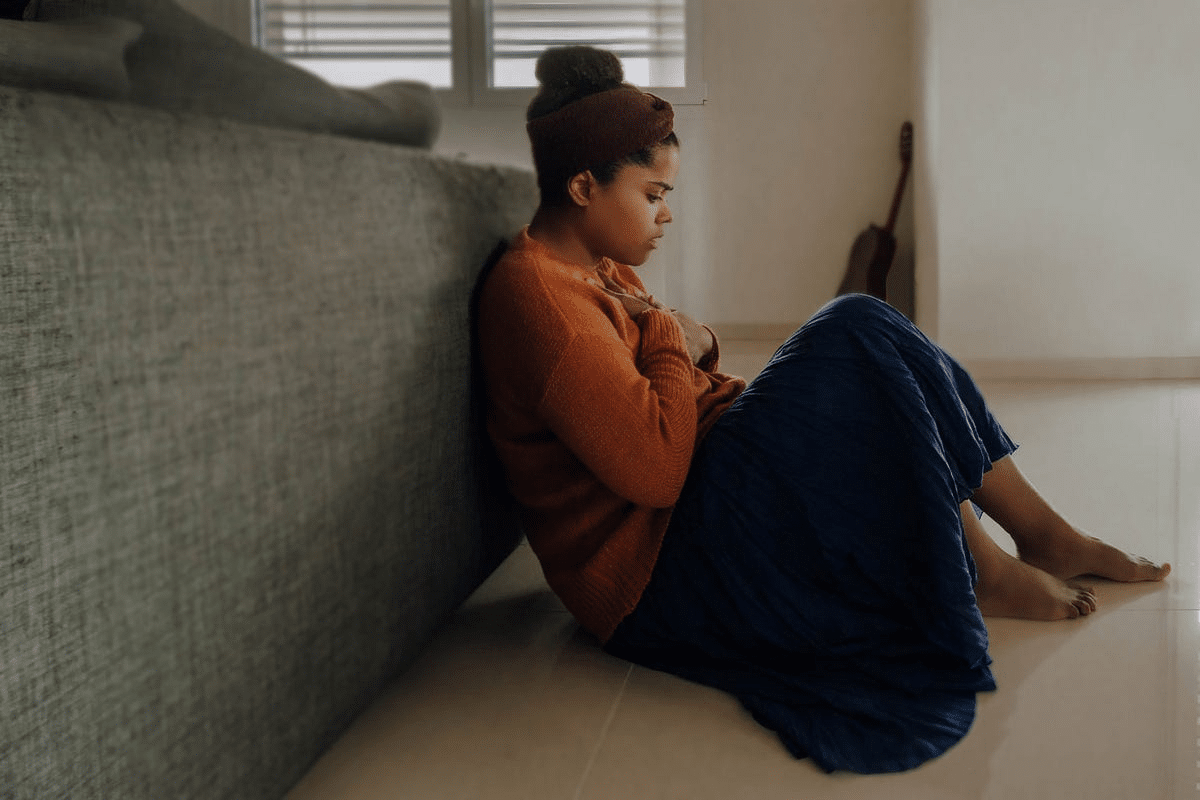
Anxiety disorders are a big mental health issue for older adults. They can really hurt their quality of life and happiness. About 14-17% of adults over 65 have an anxiety disorder. But, only a small number get the help they need.
At Liv Hospital, we know older adults with anxiety need special care. Many older people are affected, so it’s important to help them with kindness and expert advice. Anxiety can show up in different ways in older adults, making it hard to diagnose and treat.
We know that severe anxiety can really mess up daily life. Our treatment plans are based on solid research and are made just for older adults.
Key Takeaways
- Anxiety disorders are common among older adults, affecting 14-17% of those aged 65 and older.
- Getting the right treatment is key to better quality of life and happiness.
- Liv Hospital offers special care for anxiety disorders in older adults.
- Our treatment plans are based on research and fit each person’s needs.
- Being kind and caring is very important when helping older adults with anxiety.
Anxiety Disorders in Older Adults: Prevalence and Impact
Anxiety disorders are becoming more common among older adults. They affect a big part of the elderly population worldwide. As we get older, different factors can make anxiety worse. This makes it very important for healthcare providers to tackle this issue.anxiety disorders in older adultsNormal RR Rate in Adults Explained
Statistics and Scope of the Problem
Research shows that anxiety disorders hit a lot of older adults. About 10% to 15% of them deal with anxiety disorders. But, this number might change based on who is studied and how they are diagnosed.
Many cases of anxiety in seniors go unnoticed and untreated. It’s key to make healthcare professionals and the public more aware of this.
The Critical Treatment Gap
Despite how common anxiety disorders are in older adults, many don’t get the help they need. Only one-third of those with anxiety disorders see a professional. This gap is due to several reasons.
Healthcare providers might not always recognize anxiety. There’s also stigma around mental health issues. And, getting the right care can be hard.
Health Consequences of Untreated Anxiety
Not treating anxiety can lead to serious health problems for older adults. It can make depression worse, harm the heart, and hurt brain function. Anxiety also affects daily life.
It makes it hard to do everyday tasks and keep up with friends and family. So, it’s vital to spot and treat anxiety in older adults quickly and well.
How Anxiety Manifests Differently in Seniors
Seniors face anxiety in unique ways, often showing physical symptoms that can be mistaken for other age-related issues. This makes it hard for doctors to spot and treat anxiety in older adults.
Physical Symptoms vs. Psychological Worry
Older adults might report physical symptoms like a racing heart, shortness of breath, or stomach issues instead of feeling worried. These symptoms can be so strong that they hide the true anxiety, making it key to look at both physical and mental signs.
Key physical symptoms include:
- Tremors or shaking
- Sweating
- Nausea or abdominal distress
- Rapid heartbeat or palpitations
As one study pointed out, “Anxiety disorders in older adults are often characterized by somatic symptoms, which can complicate diagnosis and treatment.” (
This shows the need for a full check-up that looks at both physical and mental symptoms.
)
Unique Presentation in Geriatric Populations
Anxiety in older adults can be shaped by many factors, like other health issues, memory loss, and life events. For example, seniors might show anxiety through agitation or restlessness, which can be mistaken for dementia or other conditions.
It’s important to remember that:
- Anxiety shows up differently at different ages.
- Older people often have more physical symptoms.
- A detailed check-up is vital for the right diagnosis.
Distinguishing Anxiety from Other Age-Related Conditions
It’s key to tell anxiety apart from other age-related issues to give the right care. Conditions like heart disease, diabetes, and dementia can look similar, making it hard to tell them apart.
To correctly diagnose anxiety in seniors, doctors should:
- Take a detailed medical history.
- Do a physical exam.
- Use special tools to check for anxiety.
By understanding how anxiety shows up in seniors and taking a detailed approach to diagnosis, we can offer better care for older adults with anxiety.
Common Types of Anxiety Disorders in the Elderly
Anxiety in older adults includes several disorders, like generalized anxiety disorder and obsessive-compulsive disorder. As we get older, many factors can lead to anxiety, such as health changes, losing loved ones, and feeling isolated. It’s important to know about these conditions to help care for them.
Generalized Anxiety Disorder (GAD)
Generalized Anxiety Disorder (GAD) is common in older adults. It’s when you worry too much about everyday things without a good reason. Symptoms include feeling restless, on edge, and having trouble concentrating. GAD can make everyday tasks hard.
Panic Disorder and Panic Attacks
Panic Disorder affects older adults with intense fear or discomfort episodes. These episodes can include fast heart rate, sweating, and fear of losing control. Panic Disorder can make people avoid activities they enjoy.
Specific Phobias
Specific phobias are intense fears of certain objects or situations. They can be tough for older adults because of mobility issues. Common phobias include fear of heights, enclosed spaces, and certain animals. These phobias can cause a lot of distress and limit daily activities.
Obsessive-Compulsive Disorder
Obsessive-Compulsive Disorder (OCD) includes unwanted thoughts and repetitive behaviors. In older adults, OCD can be different, sometimes due to stress or health concerns. Symptoms can include excessive cleaning or arranging. OCD can be hard to diagnose in older adults because it might look like other health issues.
Understanding these anxiety disorders helps us provide better care for older adults. This can improve their quality of life.
Recognizing Severe Anxiety in Older Adults
It’s important to spot severe anxiety in older adults to help them. They might show signs that are different from younger people. This makes it hard to notice.
Physical Indicators and Somatic Complaints
Older adults with severe anxiety often have physical symptoms. These are called somatic complaints. They might feel:
- Muscle tension and pain
- Gastrointestinal issues
- Headaches
- Fatigue
- Sleep disturbances
These signs can be scary because they might be mistaken for other health issues. This can delay getting the right help.
Behavioral and Mood Changes
Anxiety can also change how older adults act and feel. They might:
- Get irritable easily
- Feel restless and agitated
- Avoid certain activities
- Stay away from social events
These changes can really hurt their quality of life and how they connect with others.
Cognitive Symptoms and Worry Patterns
Severe anxiety can also affect their thinking. They might worry a lot about things like:
- Health, money, or safety
- Have trouble focusing
- Forget things
- Keep thinking about the same worries
These thoughts can make them feel even more anxious.
When to Seek Immediate Help
If an older adult shows signs of severe anxiety, get help right away. Look for:
- Suicidal thoughts or actions
- Extreme agitation or aggression
- Big problems with daily tasks
|
Signs of Severe Anxiety |
Description |
Action Required |
|---|---|---|
|
Suicidal thoughts or behaviors |
Expressing a desire to harm oneself |
Immediate medical attention |
|
Severe agitation or aggression |
Displaying violent or aggressive behavior |
Urgent medical evaluation |
|
Significant impairment in daily functioning |
Inability to perform daily tasks |
Consult a healthcare professional |
Spotting and acting on severe anxiety early is key to helping older adults.
Medical Assessment and Diagnosis Process
For older adults, a detailed geriatric evaluation is key to diagnosing anxiety disorders. This process looks at physical, emotional, and cognitive health.
Comprehensive Geriatric Evaluation
A geriatric evaluation looks at many health aspects. It includes medical history, current symptoms, and how well someone functions. This helps doctors find the root of anxiety and create a good treatment plan.
- Medical history review
- Physical examination
- Laboratory tests
- Cognitive and functional assessments
Ruling Out Physical Health Causes
Older adults often have many health issues that can cause anxiety. It’s important to check for these through a detailed medical check-up. This might include lab tests, imaging, or other tests.
Medication Review and Drug Interactions
Many older adults take several medications. These can interact or cause anxiety. A close look at medications is needed to fix any problems.
“A careful review of medications is a critical step in assessing anxiety in older adults, as certain medications can cause or exacerbate anxiety symptoms.” Source: Expert Clinical Guidelines
Cognitive Assessment Tools
Tools for cognitive assessment help doctors check mental function. They look for any mental issues that might be linked to anxiety. Tools like the Mini-Mental State Examination (MMSE) and the Montreal Cognitive Assessment (MoCA) are often used.
With these steps, doctors can accurately diagnose and create a treatment plan. This plan meets the older adult’s specific needs.
Pharmacological Treatments and Considerations
For older adults with severe anxiety, medicine can be a key part of their treatment. It’s important to think about their unique needs and health when choosing medication.
Selective Serotonin Reuptake Inhibitors (SSRIs)
SSRIs are often used for anxiety in older adults. They have fewer side effects than older antidepressants. Examples include sertraline, escitalopram, and fluoxetine. These drugs help by increasing serotonin in the brain, which lowers anxiety.
- They are usually the first choice because they are safe and work well.
- It may take a few weeks to see the full effect.
- Side effects can include nausea, headaches, and problems with sex.
Benzodiazepines: Benefits and Risks
Benzodiazepines, like alprazolam and lorazepam, quickly help with anxiety. But, they are not often used in older adults because of risks. These risks include cognitive problems, falls, and addiction.
- They are only used for short periods or when anxiety is very severe.
- They need to be watched closely because of the risk of addiction and withdrawal.
- Older adults may need smaller doses because they are more sensitive.
Age-Related Medication Adjustments
Older adults often need different doses of medicine because of changes in their body. Starting with lower doses and gradually increasing them helps avoid side effects and makes the medicine more effective.
Managing Side Effects in Older Adults
It’s very important to watch for side effects when giving medicine for anxiety to older adults. Common side effects include dizziness, stomach problems, and changes in appetite or sleep. Regular check-ups help make sure the treatment is working right.
- Keep an eye on kidney function and electrolytes.
- Check for any drug interactions.
- Teach patients to recognize and report side effects.
Evidence-Based Psychotherapy Approaches
Psychotherapy methods based on solid evidence help older adults with anxiety. These methods are backed by research and work well for seniors with anxiety disorders.
Cognitive Behavioral Therapy Adaptations for Seniors
Cognitive Behavioral Therapy (CBT) is a top choice for treating anxiety. For seniors, CBT is tailored to fit their unique needs. Adaptations include a slower pace and involving family members in therapy.
CBT helps seniors change negative thoughts and learn to cope better. It’s even more effective when combined with relaxation and education on managing anxiety.
Relaxation Training and Breathing Techniques
Relaxation and breathing techniques are key for managing anxiety in seniors. They help reduce symptoms like a fast heartbeat and shortness of breath. Techniques include progressive muscle relaxation and diaphragmatic breathing.
Practicing these techniques daily can improve emotional control and lower anxiety. It’s advised for seniors to practice even when not feeling anxious to build resilience.
Mindfulness-Based Interventions
Mindfulness-based interventions are becoming more popular for anxiety management. They focus on being present and accepting thoughts and feelings without judgment. Mindfulness practices help seniors relax and reduce worries about the past or future.
Mindfulness programs for seniors include gentle stretches and meditation. These programs have been shown to reduce anxiety and improve well-being.
Problem-Solving Therapy
Problem-Solving Therapy (PST) is another effective approach for older adults with anxiety. PST helps identify and solve problems that cause anxiety. This therapy gives seniors a sense of control and helps them manage anxiety better.
PST is great for addressing issues like health problems, loss, and social isolation. It improves problem-solving skills, helping seniors cope with stress and reduce anxiety.
Lifestyle Modifications to Reduce Anxiety Symptoms
Simple changes in lifestyle can greatly help reduce anxiety in seniors. By adding healthy habits to their daily lives, older adults can manage anxiety better. This improves their overall well-being.
Age-Appropriate Physical Activity Recommendations
Regular exercise is key for managing anxiety in older adults. It releases endorphins, boosts mood, and helps sleep. We recommend low-impact activities for seniors, like:
- Brisk walking
- Swimming or water aerobics
- Yoga or tai chi
- Cycling on a stationary bike
Always talk to a healthcare provider before starting any new exercise, even for seniors with health issues.
Nutrition and Hydration Strategies
Eating right is important for managing anxiety. We suggest:
- Eating a variety of fruits and vegetables
- Incorporating whole grains and lean proteins
- Avoiding too much caffeine and sugar
- Drinking plenty of water
|
Nutrient |
Food Sources |
Benefits for Anxiety |
|---|---|---|
|
Omega-3 fatty acids |
Salmon, walnuts, chia seeds |
Supports brain health |
|
Magnesium |
Dark leafy greens, nuts, seeds |
Relaxes muscles, improves sleep |
|
Complex carbohydrates |
Whole grains, fruits, vegetables |
Stabilizes blood sugar, promotes serotonin production |
Sleep Hygiene Practices for Older Adults
Good sleep habits are essential for managing anxiety. We recommend:
- Keeping a regular sleep schedule
- Creating a calming bedtime routine
- Avoiding screens and stimulating activities before bed
- Making the sleep environment comfortable
Routine and Structure Importance
Having a daily routine helps reduce anxiety. It gives a sense of stability and control. We suggest:
- Setting a regular daily schedule
- Doing activities that bring joy and fulfillment
- Using a planner or calendar to stay organized
By making these lifestyle changes, older adults can manage their anxiety better. This improves their quality of life.
Building Social Support Networks
Creating a strong social support network is key for older adults with anxiety. As we get older, our social ties greatly affect our mental health. A good support system offers emotional comfort, practical help, and a sense of belonging. These are all important for managing anxiety.
Family Education and Involvement
Family members are vital in supporting older adults with anxiety. Teaching them about anxiety disorders and how to help can make a big difference. It’s good to involve them in therapy sessions to improve communication and understanding.
Learning about mental health can also reduce stigma and encourage open talks about anxiety. This way, family members can offer more empathetic and supportive care to their loved ones.
Peer Support Groups
Peer support groups are a great way for older adults with anxiety to connect with others. These groups are a safe place to share experiences, get support, and learn coping strategies from peers who get it.
Being part of these groups can help reduce feelings of loneliness and isolation. It also helps build a sense of community and belonging, which is key for mental health.
Community Resources and Senior Programs
Community resources and senior programs offer valuable support for older adults with anxiety. Many communities have programs for seniors, including social activities, educational workshops, and mental health services. These programs help seniors stay engaged, build connections, and get the support they need.
We suggest older adults and their families check out local resources like senior centers, retirement communities, and mental health organizations. These places offer counseling, support groups, and more.
Technology-Based Support Options
In today’s world, technology-based support is becoming more important for older adults with anxiety. Online support groups, teletherapy, and mental health apps make it easier to get help without leaving home.
Technology helps those who are isolated or have mobility issues. It brings support right to their homes. We recommend looking into different tech options to find what works best for each person.
Managing Anxiety During Major Life Transitions
Dealing with big life changes is key for older adults to manage anxiety. As people get older, they face big changes that affect their mental health. These changes include retirement, coping with loss, moving to new places, and health issues.
Retirement Adjustment Strategies
Retirement is a big change that can be both good and bad. It lets you do things you love, but it can also make you feel lost. To feel better, try:
- Staying busy with hobbies or helping others
- Keeping in touch with friends through activities or groups
- Maybe working part-time or using your skills to help others
Planning ahead is very important. Having a plan for retirement that includes money and happiness can make you feel more secure.
Coping with Loss and Grief
When you lose someone close, it can be very hard and make you anxious. It’s important to have support and ways to deal with your feelings. You can:
- Let yourself feel sad and express your feelings
- Get help from friends, family, or groups for support
- Do things to remember and honor the person you lost
It’s important to accept your pain and find ways to keep living a good life.
Adapting to Changes in Living Situation
When you move or change where you live, it can be scary. To make it easier, try:
- Visiting your new place before you move
- Make your new home feel like home with things you love
- Stay in touch with loved ones by talking or texting often
Make your new place feel like home to feel less anxious and adjust better.
Health Transitions and Medical Anxiety
When your health changes, it can make you anxious. To feel better, try:
- Learn about your health and treatment options
- Have a team of doctors, family, and friends to support you
- Do things that help you relax, like meditation or yoga
Understanding and managing your health can help you feel less anxious about medical issues.
Integrative and Complementary Approaches
Integrative and complementary therapies are great for older adults with anxiety. They treat the whole person – body, mind, and spirit. This helps improve well-being and lower anxiety.
Gentle Movement Therapies: Yoga and Tai Chi
Yoga and tai chi help reduce anxiety in older adults. They mix physical movement with deep breathing and meditation. This combo relaxes and lowers stress.
Benefits of Yoga and Tai Chi:
- Improved flexibility and balance
- Reduced stress and anxiety
- Enhanced overall physical and mental well-being
Meditation and Mindfulness Practices
Meditation and mindfulness help older adults with anxiety. They focus on the present, not past or future worries.
Mindfulness techniques can be used in daily life. This makes them more effective.
Art and Music Therapy Benefits
Art and music therapies are creative ways to express feelings and lower anxiety. They’re great for older adults who find it hard to talk about their feelings.
|
Therapy Type |
Benefits |
|---|---|
|
Art Therapy |
Enhances self-expression, reduces stress |
|
Music Therapy |
Promotes relaxation, improves mood |
Pet Therapy and Animal Companionship
Pet therapy and animal companionship help with anxiety in older adults. They reduce stress, encourage social interaction, and boost well-being.
Research shows pet ownership can lower anxiety and depression in older adults.
Conclusion: Creating a Personalized Treatment Plan
Creating a personalized treatment plan is key for managing anxiety in older adults. It should include medicine, therapy, and lifestyle changes. This helps meet each person’s unique needs.
We’ve talked about different treatments like medicine, therapy, and lifestyle changes. Mixing these can help healthcare providers make a care plan that fits older adults with anxiety.
A good treatment plan considers the person’s health history, thinking skills, and social support. This way, healthcare providers can make treatment better and improve the quality of life for older adults with anxiety.
By using a detailed and personalized approach, we can help older adults manage their anxiety. This improves their overall well-being.
FAQ
What are the most common types of anxiety disorders affecting older adults?
Older adults often face Generalized Anxiety Disorder (GAD), panic disorder, specific phobias, and Obsessive-Compulsive Disorder (OCD). It’s key to understand these to offer the right care.
How does anxiety manifest differently in seniors compared to younger populations?
Seniors tend to show anxiety through physical symptoms like headaches and muscle tension. This can be tricky to spot because it might look like other health issues of aging.
What are the signs and symptoms that indicate severe anxiety in older adults?
Signs of severe anxiety in seniors include fast heart rate and shaking. They might also avoid certain situations and feel constant worry or fear.
How is anxiety diagnosed in older adults?
Diagnosing anxiety in seniors requires a detailed check-up. It involves checking for physical health issues, looking at medications, and using special tests to understand their mental state.
What pharmacological treatments are available for anxiety disorders in older adults?
Treatments include SSRIs and benzodiazepines. These are chosen carefully to fit the senior’s needs and avoid side effects.
Are there non-pharmacological treatments effective for anxiety disorders in older adults?
Yes, non-medical treatments like adapted Cognitive Behavioral Therapy (CBT) and relaxation techniques work well. So do mindfulness and problem-solving therapy.
How can lifestyle modifications help reduce anxiety symptoms in older adults?
Changes like regular exercise, healthy eating, and good sleep can help. Staying consistent and structured also helps reduce anxiety.
What role do social support networks play in managing anxiety disorders in older adults?
Social support is vital. It includes family help, peer groups, and community resources. Technology can also offer support and emotional connection.
How can older adults manage anxiety during major life transitions?
Managing anxiety during big changes like retirement or loss involves specific strategies. This includes adjusting to new situations and coping with grief.
Are there integrative and complementary approaches to managing anxiety in older adults?
Yes, gentle exercises like yoga, meditation, and art therapy can help. So can pet therapy, which offers comfort and companionship.
Why is creating a personalized treatment plan important for older adults with anxiety disorders?
A tailored plan is essential. It meets each person’s unique needs, using a mix of treatments for complete care.
References
World Health Organization. Evidence-Based Medical Guidance. Retrieved from
https://www.who.int/news-room/fact-sheets/detail/mental-health-of-older-adults



 Departments
 Related Videos
 Our Doctors
 News
News