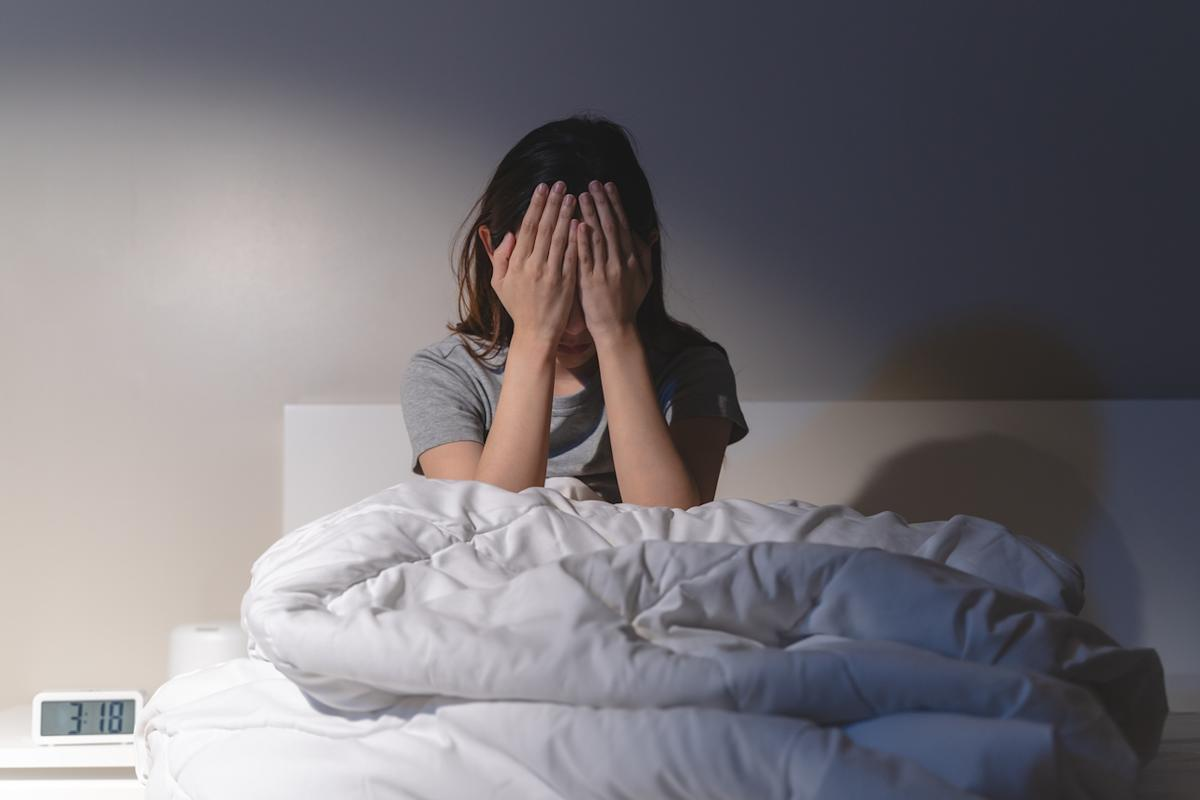
Sleep is key to our mental health and emotional balance. Yet, for millions, anxiety turns the bedroom into a place of endless worries and sleepless nights. This problem affects about 5 to 9 times more people than those with sleep disorders alone. It creates a vicious cycle where fear of not sleeping makes it harder to rest, and lack of sleep increases anxiety.anxiety induced insomnia8 Key Signs of Brain Tumor Anxiety (Vs. Anxiety Disorder)
At Liv Hospital, we understand this complex link. We offer detailed, team-based care for those fighting insomnia triggered by anxiety. With nearly 275 million people worldwide dealing with anxiety, and 60 million Americans facing sleep issues, our goal is to stop this cycle of worry and lack of sleep.
Key Takeaways
- Anxiety-induced insomnia is a big problem affecting millions globally.
- The link between anxiety and insomnia is complex and keeps going in a cycle.
- Comprehensive care is needed to tackle the many sides of anxiety-induced insomnia.
- There are treatments to help manage and beat insomnia caused by anxiety.
- Liv Hospital provides team care for those with sleep issues linked to anxiety.
The Prevalence and Impact of Anxiety-Induced Insomnia
Anxiety-induced insomnia affects millions globally, linking mental health to sleep quality. Anxiety can make it hard to sleep, and not sleeping well can make anxiety worse. This creates a cycle that’s hard to break.
Global Statistics and Epidemiology
Anxiety disorders are common, affecting about 20% of American adults. People with anxiety are more likely to have trouble sleeping. Studies show a strong link between anxiety and insomnia, showing the need for mental health support.
Worldwide, the need for good treatments for anxiety-induced insomnia is clear. Some groups face more risks from anxiety’s impact on sleep. This makes it important to understand and help these groups.
The Burden on Mental and Physical Health
Anxiety-induced insomnia affects more than just sleep. It can make anxiety worse, creating a hard-to-break cycle. It also harms physical health, like the heart and immune system. This shows why we need to act quickly.
The effects of anxiety-induced insomnia go beyond individual suffering. It also costs society and strains healthcare resources. This highlights the need for effective solutions.
Risk Factors and Vulnerable Populations
Some groups face higher risks of anxiety-induced insomnia. This includes those with mental health issues, chronic stress, and limited access to mental health services. Knowing these risks helps us create better treatments.
By focusing on vulnerable groups and the link between anxiety and insomnia, we can improve treatment plans. This will help meet the unique needs of these groups.
Understanding the Bidirectional Relationship
It’s key to grasp how anxiety and insomnia are linked. They feed into each other, creating a cycle that’s hard to break. This cycle affects how we sleep and feel anxious.
Studies show that about 12.5% of people deal with both anxiety and insomnia. This number can go up to 50% in some cases. It shows we need to tackle both issues at the same time.
How Anxiety Triggers Sleep Disturbances
Anxiety can make it tough to fall asleep or stay asleep. It messes with the brain’s calm signals, like GABA. This makes it hard to relax and sleep well.
Also, anxiety keeps the mind busy, even when we try to sleep. This makes it hard to get into a relaxed state needed for sleep.
How Poor Sleep Amplifies Anxiety
Poor sleep can make anxiety worse. It messes with how we handle stress and emotions. This can start a cycle where bad sleep makes anxiety worse, and anxiety makes sleep worse.
Bad sleep also messes with our stress hormones. This can make sleep even harder and increase anxiety.
Breaking the Cycle of Anxiety and Insomnia
To stop this cycle, we need to tackle both anxiety and insomnia at once. This might include therapy, relaxation, and changes in our lifestyle. These steps can help reduce anxiety and improve sleep.
Understanding how anxiety and insomnia are connected is the first step. With the right mix of therapy and self-care, we can overcome this cycle. This leads to better overall health and well-being.
The Biological Mechanisms of Anxiety-Induced Insomnia
It’s important to know how anxiety affects sleep. Anxiety-induced insomnia is more than a racing mind at night. It involves both physical and mental factors.
Hyperarousal and the Nervous System
Hyperarousal is a key factor in anxiety-induced insomnia. When we’re anxious, our body’s “fight or flight” response kicks in. This releases stress hormones like cortisol and adrenaline.
This state makes it hard to relax and sleep. The nervous system is also involved. It can mess up our sleep-wake cycle, causing insomnia. Relaxation techniques and stress management can help.
Stress Hormones and Sleep Architecture
Stress hormones, like cortisol, affect sleep. High levels can mess up sleep stages, causing poor quality sleep and insomnia.
|
Stress Hormone |
Effect on Sleep |
Impact on Insomnia |
|---|---|---|
|
Cortisol |
Disrupts normal sleep stages |
Increases likelihood of insomnia |
|
Adrenaline |
Increases arousal |
Makes it hard to fall asleep |
Neurotransmitter Imbalances
Imbalances in neurotransmitters like serotonin and GABA also play a role. Serotonin helps control sleep, while GABA calms the nervous system. Imbalances can mess up sleep.
Knowing these biological factors is key to treating anxiety-induced insomnia. By tackling hyperarousal, stress hormones, and neurotransmitter imbalances, we can improve sleep.
Identifying Symptoms and Seeking Professional Help
It’s important to know the signs of anxiety-induced insomnia to get the right help. Spotting these signs is the first step to managing your condition well.
Common Signs of Anxiety-Induced Insomnia
Anxiety-induced insomnia shows up in various ways. Some common signs are:
- Having trouble falling or staying asleep because of racing thoughts or worries
- Lying awake for a long time, feeling anxious or on edge
- Waking up often during the night and finding it hard to fall back asleep
- Feeling tired, groggy, or irritable when you wake up
- Having trouble concentrating or making decisions because of lack of sleep
If you often see these symptoms, it might be insomnia due to anxiety. Paying attention to your thoughts and feelings can help spot patterns that mess with your sleep.
When to Consult a Healthcare Provider
If you’re dealing with anxiety disorder insomnia, knowing when to get help is key. You should see a healthcare provider if:
- Your sleep problems last more than a few weeks
- Your anxiety and insomnia are affecting your daily life or relationships
- You’ve tried relaxation techniques or sleep hygiene practices but they didn’t work
A healthcare provider can figure out why you have insomnia from anxiety. They’ll create a treatment plan just for you.
What to Expect During Assessment
At your first visit, your healthcare provider will likely:
- Do a full medical history and physical check-up
- Ask about your sleep patterns, anxiety symptoms, and lifestyle
- Check your mental status and overall health
By understanding your situation, your healthcare provider can suggest the best treatments for your not sleeping due to anxiety.
Medical Treatments for Anxiety-Induced Insomnia
Anxiety-induced insomnia can be managed with various medical treatments. These treatments aim to address both the underlying anxiety and the sleep disturbances.
Prescription Sleep Medications
Prescription sleep medications are often used for anxiety-induced insomnia. They can provide short-term relief from sleep disturbances. But, they are usually recommended for short-term use due to dependence and side effects risks.
Common Prescription Sleep Medications:
- Zolpidem (Ambien)
- Eszopiclone (Lunesta)
- Ramelteon (Rozerem)
Anti-Anxiety Medications
Anti-anxiety medications, mainly benzodiazepines, can reduce anxiety symptoms that lead to insomnia. But, their long-term use is limited due to dependence and withdrawal risks.
Examples of Anti-Anxiety Medications:
- Alprazolam (Xanax)
- Clonazepam (Klonopin)
- Diazepam (Valium)
Antidepressants with Sleep-Promoting Effects
Certain antidepressants can improve sleep quality and are prescribed for anxiety-induced insomnia. These medications address depression and anxiety symptoms, which often accompany insomnia.
|
Antidepressant |
Sleep-Promoting Effects |
|---|---|
|
Trazodone |
Known for its sedating properties, often used off-label for insomnia |
|
Mirtazapine |
Can improve sleep quality due to its sedative effects |
|
Doxepin |
Approved for the treatment of insomnia at lower doses |
It’s important to work closely with a healthcare provider to find the right medical treatment for anxiety-induced insomnia. Cognitive behavioral therapy is also a highly effective treatment for anxiety disorders, including anxiety-induced insomnia.
Cognitive Behavioral Therapy Approaches
Cognitive behavioral therapy (CBT) is a top choice for treating anxiety-induced insomnia. It uses various methods to tackle both anxiety and sleep issues. By focusing on the thoughts that lead to insomnia, CBT helps people overcome the cycle of anxiety and sleep problems.
CBT-I (Cognitive Behavioral Therapy for Insomnia)
CBT-I is a special type of CBT for insomnia. It includes sleep education, sleep restriction, and cognitive restructuring. CBT-I has been shown to greatly improve sleep quality and reduce insomnia symptoms. Research shows it can significantly boost sleep efficiency and quality, and cut down on sleep latency.
Anxiety-Focused CBT Techniques
Anxiety-focused CBT techniques are also helpful for those with anxiety-induced insomnia. These include cognitive restructuring, exposure therapy, and mindfulness-based stress reduction. Cognitive restructuring helps people challenge negative thoughts that fuel anxiety. Exposure therapy gradually exposes individuals to anxiety triggers, helping them become less reactive over time.
Sleep Restriction and Stimulus Control
Sleep restriction and stimulus control are key parts of CBT-I. Sleep restriction limits bed time to actual sleep, boosting sleep efficiency. Stimulus control helps regulate the body’s internal clock by setting a consistent sleep schedule and creating a sleep-friendly environment.
Finding Qualified Therapists and Programs
It’s vital to find qualified therapists and programs for CBT. Look for therapists certified in CBT-I and experienced with anxiety-induced insomnia. You can find certified therapists through professional organizations or get referrals from your healthcare provider.
|
Therapy Component |
Description |
Benefits |
|---|---|---|
|
CBT-I |
A specific form of CBT for insomnia, including sleep education, sleep restriction, and stimulus control. |
Improves sleep quality, reduces symptoms of insomnia. |
|
Anxiety-Focused CBT |
Techniques to address underlying anxiety, including cognitive restructuring and exposure therapy. |
Reduces anxiety, improves coping mechanisms. |
|
Sleep Restriction |
Limiting time in bed to actual sleep time to increase sleep efficiency. |
Improves sleep efficiency, reduces sleep latency. |
Lifestyle Modifications to Improve Sleep Quality
Making lifestyle changes can greatly help those with insomnia caused by anxiety. Simple changes in daily routines can improve sleep and lessen anxiety symptoms.
Creating a Consistent Sleep Schedule
Having a regular sleep schedule is key to better sleep. Go to bed and wake up at the same time every day, even on weekends. This helps your body’s internal clock, making it easier to sleep.
- Set a specific bedtime and wake-up time.
- Gradually adjust your sleep schedule if needed.
- Avoid napping during the day if it affects nighttime sleep.
Dietary Considerations and Timing
What you eat affects your sleep. Eating a balanced diet with sleep-promoting foods is helpful. Also, watch when you eat to avoid discomfort at night.
Key dietary tips:
- Avoid heavy meals close to bedtime.
- Include foods rich in tryptophan, magnesium, and melatonin.
- Limit caffeine and alcohol intake, specially before bed.
Exercise and Physical Activity Guidelines
Regular exercise is good for health and sleep. But, when and how much you exercise matters.
- Engage in moderate-intensity exercise during the day.
- Avoid vigorous exercise within a few hours of bedtime.
- Incorporate relaxation techniques, such as yoga or stretching, before bed.
By making these lifestyle changes, you can improve your sleep and manage anxiety-induced insomnia.
Relaxation Techniques and Stress Management
To fight anxiety-induced insomnia, add relaxation and stress management to your daily life. These practices calm your mind and body. They make it easier to fall asleep and stay asleep.
Progressive Muscle Relaxation
Progressive Muscle Relaxation (PMR) is a method to relax. It involves tensing and relaxing muscles in your body. This reduces stress and anxiety, leading to better sleep.
- Start by tensing the muscles in your toes and then release.
- Work your way up through the body, tensing and relaxing each muscle group in turn.
- Finish with the muscles in your face and head.
Deep Breathing and Meditation Practices
Deep breathing and meditation lower stress and anxiety. They calm your mind and body. You can pick what works best for you.
Deep Breathing Techniques:
- Diaphragmatic Breathing: Focus on expanding the belly, not the chest.
- 4-7-8 Breathing: Inhale for 4 seconds, hold for 7, and exhale for 8.
Meditation Practices:
- Guided Meditation: Use recordings to guide you.
- Mindfulness Meditation: Stay present, focusing on breath or body sensations.
Mindfulness for Anxiety and Sleep
Mindfulness helps manage anxiety. It teaches you to stay present, not worrying about the past or future.
You can use mindfulness in daily activities. It’s also great for sleep.
Journaling and Worry Time Techniques
Journaling helps process thoughts and emotions. It clears your mind before bed. Setting a “worry time” during the day also helps manage anxiety.
- Keep a journal beside your bed to jot down thoughts before sleep.
- Set aside 10-15 minutes each day as “worry time,” writing down concerns and solutions.
By adding these relaxation and stress management techniques to your routine, you can fight anxiety-induced insomnia. This improves your overall well-being.
Creating an Optimal Sleep Environment
Creating a sleep-friendly bedroom is key to managing insomnia from anxiety. A well-set-up bedroom can greatly improve sleep and lessen anxiety symptoms.
Bedroom Design and Organization
A bedroom designed for sleep is vital. It should be cool, dark, and quiet. Choose a comfy mattress and pillows. Decluttering the bedroom also helps reduce stress and anxiety.
Temperature, Light, and Sound Optimization
Adjusting the bedroom’s temperature, light, and sound can greatly affect sleep. Keep the room cool, use blackout curtains, and consider earplugs or a white noise machine.
Digital Detox and Screen Time Management
Limiting digital use before bed can help. Avoid screens for at least an hour before bed. Use blue light filtering glasses or apps.
Sleep-Promoting Products and Tools
There are many tools to help create a sleep-friendly environment. Some include:
- Weighted blankets
- Essential oil diffusers
- White noise machines
- Sleep masks
|
Product/Tool |
Description |
Benefits |
|---|---|---|
|
Weighted Blankets |
Provide a calming, gentle pressure |
Reduces anxiety, promotes relaxation |
|
Essential Oil Diffusers |
Release calming scents into the air |
Promotes relaxation, improves mood |
|
White Noise Machines |
Creates a constant, soothing sound |
Masks background noise, improves sleep quality |
Conclusion: Developing a Personalized Treatment Plan
Treating insomnia caused by anxiety needs a full approach. This includes lifestyle changes, medical treatments, and therapy. Understanding the link between anxiety and insomnia helps us find effective ways to manage it.
Creating a treatment plan that fits each person is key. It’s important to work with a healthcare provider to find the right treatment. This might include cognitive behavioral therapy, relaxation techniques, and good sleep habits.
Changing your lifestyle can also help a lot. This means setting a regular sleep schedule, eating right, and exercising. By using these methods together, people can handle their anxiety-induced insomnia better. This improves their overall health and happiness.
FAQ
Can anxiety cause insomnia?
Yes, anxiety can lead to insomnia. Studies show that anxiety can stop the brain from releasing calming neurotransmitters. This makes it hard to fall or stay asleep.
How does anxiety trigger sleep disturbances?
Anxiety can disrupt sleep by causing hyperarousal. This changes sleep patterns and leads to insomnia. Stress hormones like cortisol and adrenaline also affect sleep quality.
What are the common signs of anxiety-induced insomnia?
Signs of anxiety-induced insomnia include trouble falling or staying asleep. People might also have racing thoughts and feel more anxious. They may feel restless, irritable, and have trouble concentrating during the day.
When should I consult a healthcare provider for anxiety-induced insomnia?
See a healthcare provider if you can’t sleep well or if anxiety affects your daily life. They can find the cause of your insomnia and create a treatment plan.
What medical treatments are available for anxiety-induced insomnia?
Treatments include sleep and anti-anxiety medications, and antidepressants. A healthcare provider will decide the best treatment for you.
Can cognitive behavioral therapy help with anxiety-induced insomnia?
Yes, cognitive behavioral therapy (CBT) can help. CBT-I and other techniques can improve sleep by addressing anxiety.
What lifestyle modifications can improve sleep quality?
To sleep better, keep a regular sleep schedule and avoid stimulating activities before bed. Try relaxation techniques like progressive muscle relaxation and deep breathing.
How can I create an optimal sleep environment?
For better sleep, design your bedroom well and keep it cool, dark, and quiet. Avoid screens before bed to create a relaxing environment.
Can anxiety cause trouble sleeping?
Yes, anxiety can make it hard to sleep. It increases alertness and arousal, making it tough to fall or stay asleep.
Is insomnia caused by anxiety treatable?
Yes, anxiety-induced insomnia is treatable. A mix of medical treatments, CBT, and lifestyle changes can help manage it.
Can anxiety cause sleeplessness?
Yes, anxiety can cause sleeplessness. It increases stress and arousal, making it hard to fall or stay asleep.
How to treat insomnia caused by anxiety?
Treating insomnia caused by anxiety requires a full approach. This includes medical treatments, CBT, and lifestyle changes. Working with a healthcare provider is key to finding the right treatment.
References
National Center for Biotechnology Information. Evidence-Based Medical Guidance. Retrieved from https://pubmed.ncbi.nlm.nih.gov/36041459/