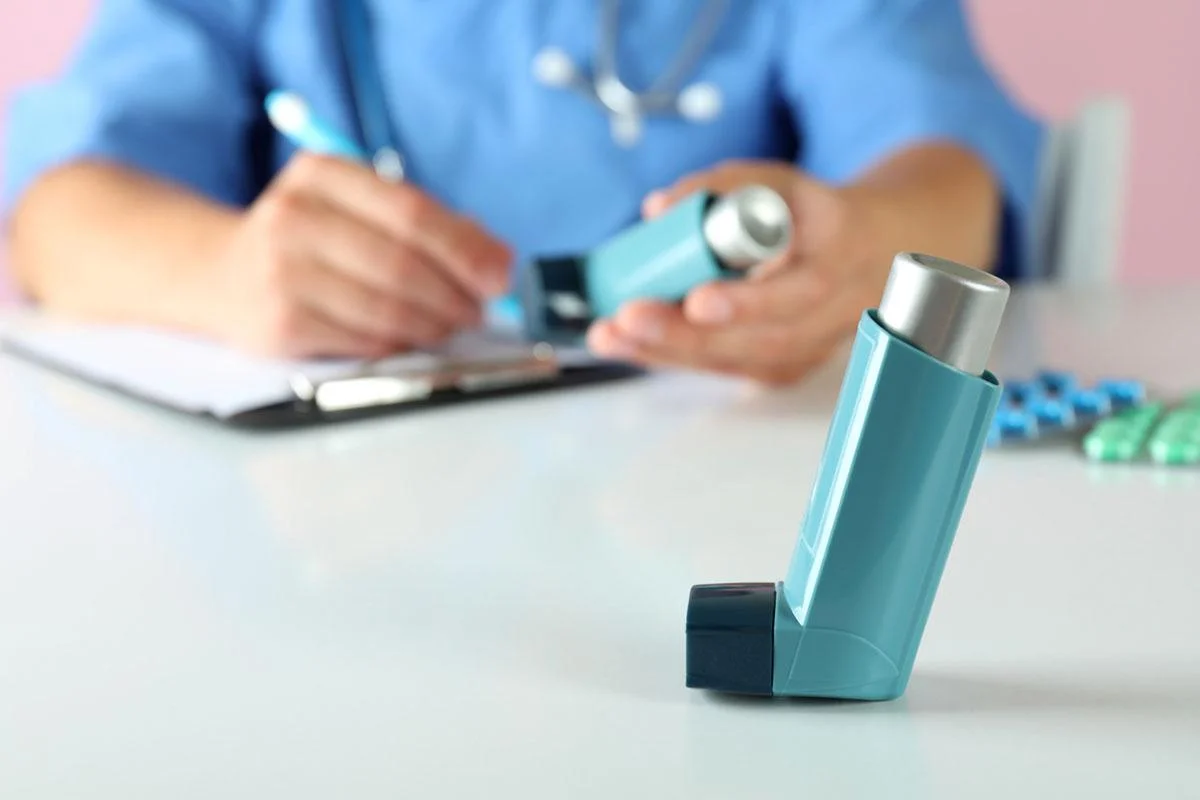
Have an asthma attack no inhaler solution? Learn urgent steps and proven breathing techniques to manage the crisis until help arrives.
Having an asthma attack without your rescue medication can be scary. But, knowing what to do can really help manage your symptoms.
Being prepared is very important. Stay calm, sit upright, and avoid things that can trigger an attack. Drinking caffeine can also help by opening your airways a bit.
Immediate interventions and management strategies can help when you’re without your inhaler. We’ll share effective techniques like breathing exercises and environmental adjustments to help you cope with your condition.
Key Takeaways
- Stay calm during an episode to manage symptoms effectively.
- Sitting upright can help improve breathing.
- Avoiding triggers is key to preventing symptoms from getting worse.
- Caffeine may offer temporary relief by opening up airways.
- Breathing techniques and environmental adjustments can help alleviate symptoms.
Understanding Asthma and Attack Severity
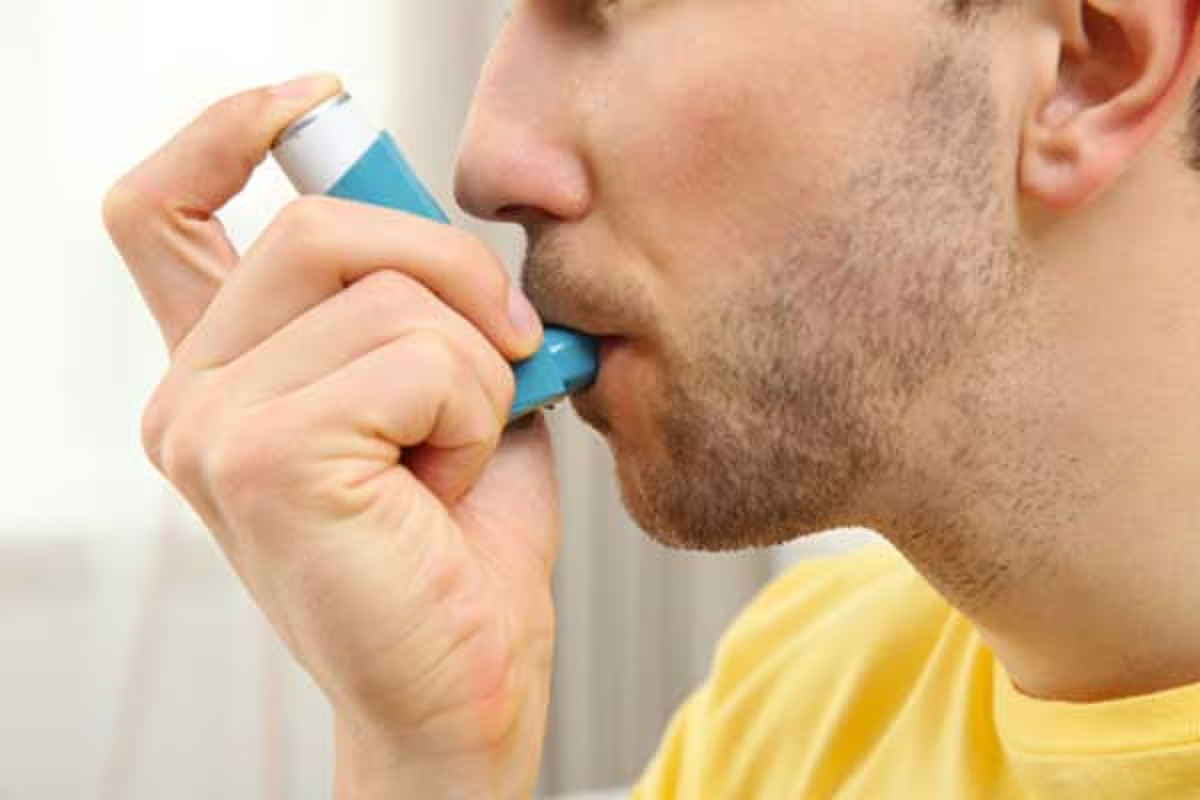
It’s key to know about asthma and how severe it can be to manage it well. Asthma causes the airways to swell and narrow. This leads to wheezing, chest tightness, shortness of breath, and coughing.
What Happens in Your Airways During an Attack
When you have an asthma attack, your airways get inflamed and narrow. This makes it hard for air to get through. The severity of an asthma attack depends on how much the airways narrow and how well treatment works.
Recognizing Early Warning Signs
Knowing the early signs of an asthma attack is important. Look out for increased coughing, wheezing, shortness of breath, and chest tightness. Some people might also feel tired, have a tight chest, or have trouble sleeping because of breathing issues. Spotting these signs early helps take action to lessen the attack’s impact.
Differentiating Mild, Moderate, and Severe Attacks
Asthma attacks can vary from mild to severe. Mild attacks might show slight wheezing or coughing and a bit of shortness of breath. Moderate attacks have more noticeable symptoms like wheezing, coughing, and shortness of breath, but you can speak in sentences. Severe attacks have intense wheezing, a lot of shortness of breath, and you can’t speak in full sentences. Knowing these differences helps figure out the right response.
Understanding asthma and recognizing attack severity helps manage the condition. It also helps know when to get medical help.
When Facing an Asthma Attack No Inhaler Situation

When an asthma attack hits without an inhaler, knowing what to do is vital. These attacks can happen anytime. Being ready is essential for managing them well.
Common Scenarios Where Inhalers Are Unavailable
Inhalers might not be available for many reasons. You might be at work or school without your meds. Or, you could be traveling and forget your inhaler. Sometimes, your inhaler at home might be empty or not working right.
Knowing these reasons helps you plan other ways to handle an attack.
The Critical First 5 Minutes of Response
The first 5 minutes of an asthma attack are very important. Staying calm is key because panic can make things worse. Sit upright to keep your airways open.
Take slow, deep breaths. Loosen tight clothes to make breathing easier.
Try to find and avoid any triggers like strong smells or allergens. If you’re with someone, ask them to help you find a safe place.
When to Call 911 Immediately
If you have severe symptoms like trouble speaking or blue lips, call 911 right away. If your symptoms don’t get better with initial steps, call 911 too. Other signs include a peak flow reading in the red zone (less than 50% of your personal best) and no rescue meds available.
When you call 911, tell them where you are, what your symptoms are, and what you’ve done so far. Stay on the line until they tell you to hang up.
Immediate Actions to Control Breathing
Asthma attacks can be scary, but there are steps to control your breathing. Stay calm and act fast to ease symptoms.
Finding the Optimal Sitting Position
Sitting upright is a first step in managing an asthma attack. This position opens your airways, making breathing easier. Sit with your back straight and feet on the ground. Avoid slouching or leaning forward, as it can make breathing harder.
Removing Yourself from Triggers
If you find a trigger like dust or strong smells, get away from it fast. Going to a cleaner, fresher place can help ease symptoms.
The “Stay Calm” Technique for Preventing Panic
Panic can make asthma worse by making you breathe faster. To avoid this, use the “stay calm” technique. Breathe slowly in through your nose and out through your mouth. Focus on relaxing your body and calming your mind.
|
Action |
Description |
Benefit |
|---|---|---|
|
Sit Upright |
Back straight, feet on ground |
Opens airways, eases breathing |
|
Remove Triggers |
Move away from allergens or irritants |
Reduces exposure to asthma triggers |
|
Stay Calm |
Slow, deep breaths; relax body and mind |
Prevents panic, reduces symptom severity |
By taking these steps, you can control your breathing better during an asthma attack. This might also make the attack less severe.
The Buteyko Breathing Method for Asthma Relief
The Buteyko breathing method is a promising way to ease asthma symptoms. It was created by Konstantin Buteyko. It teaches people to breathe consciously to better their lung function.
Mechanisms Behind Buteyko Breathing for Asthma
This method encourages slow, nasal breathing. It keeps the airways warm and moist. This can lower inflammation and improve breathing, helping to ease asthma symptoms.
Using the Buteyko technique might help people need less medicine. It also improves lung health. The focus on nasal breathing makes breathing easier by warming and humidifying the air.
Practicing Buteyko Breathing: A Step-by-Step Guide
To start with the Buteyko breathing method, follow these steps:
- Sit comfortably with your back straight and relax your shoulders.
- Close your mouth and breathe in gently through your nose.
- Exhale slowly through your nose, allowing your body to relax further.
- Repeat this process, focusing on maintaining a calm and relaxed state.
Regular practice of the Buteyko method helps people notice and change their breathing. This can improve lung function.
Adapting Buteyko Breathing During an Asthma Attack
During an asthma attack, staying calm and using the Buteyko breathing method is key. If you’re having an attack, try to:
- Stop any activity and sit down in a comfortable position.
- Apply the Buteyko breathing technique, focusing on slow, nasal breaths.
- If symptoms persist or worsen, seek medical attention.
Adding the Buteyko breathing method to your asthma care plan can offer more relief. It can also help you better manage your asthma.
Pursed Lip and Diaphragmatic Breathing Techniques
Breathing techniques like pursed lip and diaphragmatic breathing can really help asthma patients. They make breathing easier and help control symptoms better.
Executing Proper Pursed Lip Breathing
Pursed lip breathing keeps airways open longer. This makes breathing easier. Here’s how to do it:
- Breathe in slowly through your nose.
- Pucker your lips as if you’re going to whistle.
- Breathe out slowly through your pursed lips.
- Repeat this process several times.
Mastering Diaphragmatic Breathing Under Stress
Diaphragmatic breathing uses your diaphragm to breathe better. Here’s how to do it:
- Lie on your back with your knees bent and head supported.
- Place one hand on your belly and the other on your chest.
- Inhale slowly through your nose, letting your belly rise while your chest stays the same.
- Exhale through your mouth, letting your belly fall.
Combining Techniques for Maximum Effectiveness
Using both pursed lip and diaphragmatic breathing together can be even better. Start with diaphragmatic breathing to fill your lungs, then use pursed lip breathing to slow down your exhale. This mix can lessen asthma symptoms by improving lung function and reducing stress.
Adding these breathing techniques to your daily routine can help manage your asthma. It also improves your breathing overall.
Caffeinated Beverages as Emergency Bronchodilators
Caffeine in drinks can help during asthma attacks. It acts like a bronchodilator. This makes caffeinated drinks useful when an inhaler is not around.
Mechanism of Action: How Caffeine Mimics Asthma Medication
Caffeine relaxes airway muscles, improving lung airflow. It’s like asthma meds that open airways. The bronchodilatory effect of caffeine helps during attacks, but it’s not a replacement for prescribed meds.
Optimal Amounts and Types of Caffeine for Asthma Relief
The right amount of caffeine varies by person. Studies say 200 to 300 milligrams (1-2 cups of coffee) might help. But, watch what you drink because some have extra stuff that might make asthma worse.
- Coffee: Brewed coffee is a common source of caffeine, but be cautious of additives like cream and sugar.
- Tea: Certain teas, like black tea, have a lot of caffeine.
- Energy Drinks: These can be high in caffeine but often contain other ingredients that may not be beneficial for asthma sufferers.
Duration of Relief and Limitations
Caffeine’s effect can last up to four hours. It can help during an attack. But, caffeine is not a replacement for medical treatment. People with asthma should keep using their meds and see a doctor if symptoms get worse.
In summary, caffeinated drinks can help during asthma attacks. But, they should be used carefully and with, not instead of, regular asthma care.
Additional Natural Remedies for Symptom Relief
There are many natural remedies that can help with asthma symptoms. These can be used along with regular treatments to offer more relief.
Honey for Throat Phlegm Reduction
Honey has been used for centuries to help with respiratory issues like asthma. It can soothe the throat and help reduce phlegm. Here’s how to use honey:
- Take 1-2 teaspoons of pure, raw honey every day.
- Mix honey with warm water or herbal tea for a soothing drink.
- Don’t give honey to kids under one year because of botulism risk.
Warm Liquids and Their Soothing Effects
Warm liquids can relax airway muscles and help clear mucus. Some good options are:
- Herbal teas like ginger or chamomile, which have anti-inflammatory effects.
- Warm broth to stay hydrated and soothe the throat.
- Warm water with lemon to loosen mucus.
Drinking warm liquids often can help manage asthma symptoms. It keeps airways moist and reduces inflammation.
Steam Inhalation Techniques
Steam inhalation is a simple way to loosen mucus and ease congestion. Here’s how to do it:
- Boil water and pour it into a large bowl.
- Add a few drops of eucalyptus oil or menthol for their decongestant effects.
- Lean over the bowl, cover your head with a towel to trap the steam, and breathe deeply.
Steam inhalation can be done several times a day as needed. But be careful not to burn yourself and keep a safe distance from the hot water.
Creating a Rescue Environment at Home and Away
Asthma sufferers can greatly benefit from making their environment asthma-friendly. By doing so, we can lessen the chances and severity of asthma attacks.
Humidity Adjustments for Easier Breathing
Keeping the right humidity levels is key for managing asthma. Low humidity can dry out airways, while high humidity can lead to mold growth, both of which can worsen asthma symptoms. It’s wise to use a humidifier or dehumidifier to keep humidity between 30-50%.
To manage humidity well, follow these steps:
- Use a hygrometer to check humidity levels.
- Run a humidifier in dry places.
- Use a dehumidifier in humid areas.
Removing Airborne Irritants Quickly
Dust, pollen, and pet dander can make asthma worse. Regular cleaning and air purifiers can cut down on these irritants. Vacuum with a HEPA-filter vacuum and use air purifiers with HEPA filters in rooms you use a lot.
|
Method |
Description |
Benefits |
|---|---|---|
|
HEPA-filter vacuum |
Vacuuming with a HEPA-filter to remove dust and allergens |
Reduces airborne irritants, improves air quality |
|
Air purifiers with HEPA filters |
Using air purifiers to clean the air |
Removes allergens and pollutants, eases breathing |
Portable Solutions for Public Spaces
It’s important to have portable solutions for managing asthma when you’re out. Carrying a portable air purifier or wearing a mask can filter out irritants in public areas. Also, look up asthma-friendly places before you go.
Some good portable solutions are:
- Portable air purifiers.
- Asthma-friendly masks.
- Looking up asthma-friendly places before visiting.
By using these strategies, people with asthma can make their environment better at home and in public. This can greatly improve their life quality.
Relaxation Methods to Reduce Attack Severity
Relaxation methods are key in lessening asthma attack severity. They work alongside traditional treatments. By using these methods, people can cut down on how often and how bad their attacks are.
Progressive Muscle Relaxation During an Attack
Progressive muscle relaxation (PMR) is a method to release tension. It involves tensing and relaxing muscles. During an asthma attack, it can help lower stress and make breathing easier.
- Start by tensing the muscles in your toes and hold for a few seconds.
- Release the tension in your toes and move up through the body, tensing and relaxing each muscle group in turn.
- Focus on your breathing as you progress, trying to slow down your respiratory rate.
Guided Visualization for Airway Opening
Guided visualization uses your mind to relax and reduce stress. It can help asthma by imagining airways opening and breathing getting easier.
Imagine yourself in a calm, safe environment, like a beach or forest. Feel completely relaxed. See air filling your lungs and then leaving, taking away tension.
Pressure Point Techniques for Respiratory Relief
Some pressure points on the body can help with breathing issues, including asthma. Gently pressing these points may ease symptoms during an attack.
- Locate the spot on the chest, about an inch below the collarbone, and gently press with your fingertips.
- Apply pressure to the base of the neck, on either side of the spine, to potentially ease constriction.
- Massage the area between the shoulder and neck to help relax the upper body.
Learning these relaxation techniques can help people with asthma manage their condition better. It can make attacks less severe and improve life quality.
Conclusion: Building Your Personal Asthma Emergency Plan
Having a good asthma emergency plan is key to managing asthma attacks well. We’ve looked at ways to handle an asthma attack without an inhaler. This includes quick actions to control breathing and relaxation methods to lessen attack severity.
Using the Buteyko breathing method, pursed lip breathing, and diaphragmatic breathing daily can help manage asthma better. Also, setting up a rescue environment at home and away, and using natural remedies like caffeinated drinks and steam inhalation, can offer relief.
It’s vital to create a personal asthma emergency plan. This plan should include knowing your triggers, recognizing early signs, and knowing when to get medical help. By making this plan fit your needs, you’ll feel more ready and confident to handle asthma attacks.
Begin making your personal asthma emergency plan today. Go over the strategies from this article and talk to your healthcare provider. Together, you can make a plan that suits you well.
FAQ
What to do during an asthma attack without an inhaler?
Stay calm and sit upright. Try to slow down your breathing. Remove yourself from any triggers.
Use techniques like pursed lip breathing or the Buteyko method.
How to calm down an asthma attack without an inhaler?
Use relaxation techniques. Try progressive muscle relaxation, guided visualization, or pressure point methods. These can help manage symptoms and reduce anxiety.
What are some natural remedies that can help alleviate asthma symptoms?
Honey can help reduce throat phlegm. Warm liquids can be soothing. Steam inhalation techniques can help loosen mucus.
Caffeinated beverages may also provide temporary relief.
How can I create an asthma-friendly environment?
Adjust humidity levels to make breathing easier. Quickly remove airborne irritants. Consider using portable solutions when in public spaces.
Can caffeinated beverages help during an asthma attack?
Caffeine can mimic the effects of some asthma medications. It provides temporary relief. But, consume it in moderation and not rely solely on it for treatment.
What is the Buteyko breathing method, and how can it help with asthma?
The Buteyko method is a breathing technique. It helps open airways and reduce asthma symptoms. It involves slow, controlled breathing exercises that can be practiced regularly or during an attack.
How to help someone having an asthma attack without an inhaler?
Encourage the person to stay calm and sit upright. Try relaxation techniques. Help them remove themselves from triggers.
Consider seeking medical help if symptoms worsen.
What are the early warning signs of an asthma attack?
Common signs include wheezing, coughing, shortness of breath, and chest tightness. Recognizing these symptoms early can help you take prompt action to manage your asthma.
How to differentiate between mild, moderate, and severe asthma attacks?
Mild attacks may involve slight wheezing or coughing. Moderate attacks can cause more pronounced symptoms. Severe attacks are characterized by intense wheezing, difficulty breathing, and potentially life-threatening symptoms.
When should I call 911 during an asthma attack?
Call 911 immediately if you experience severe symptoms. This includes intense wheezing, difficulty breathing, or if your symptoms worsen despite trying other management techniques.
How to build a personal asthma emergency plan?
Create a plan that includes your triggers, symptoms, and management techniques. Identify when to seek medical help. Make sure to have a rescue plan in place, including knowing what to do during an attack without an inhaler.
References
World Health Organization. Evidence-Based Medical Guidance. Retrieved from https://www.who.int/news-room/feature-stories/detail/dont-let-asthma-hold-you-back-5-ways-to-make-sure-that-you-are-in-control-of-your-asthma



 Departments
 Related Videos
 Our Doctors
 News
News