
Can asthma hives breakout? Learn the critical symptom link between breathing issues and skin reactions like chronic urticaria.
At Liv Hospital, we know that asthma and urticaria are different health issues. They are connected through allergic and immune reactions. Studies show that people with asthma are more likely to get hives than others.
About 23.6% of asthma patients get acute urticaria. This shows a strong connection between the two. We look into how allergies and immune responses cause symptoms in both the lungs and skin.
Key Takeaways
- Asthma patients are at a higher risk of developing hives.
- Allergic reactions and immune responses link asthma and urticaria.
- Seasonal exacerbations can trigger both respiratory and skin symptoms.
- Understanding this connection is key for better patient care.
- Liv Hospital’s team helps patients with complex conditions.
The Complex Relationship Between Respiratory and Skin Conditions
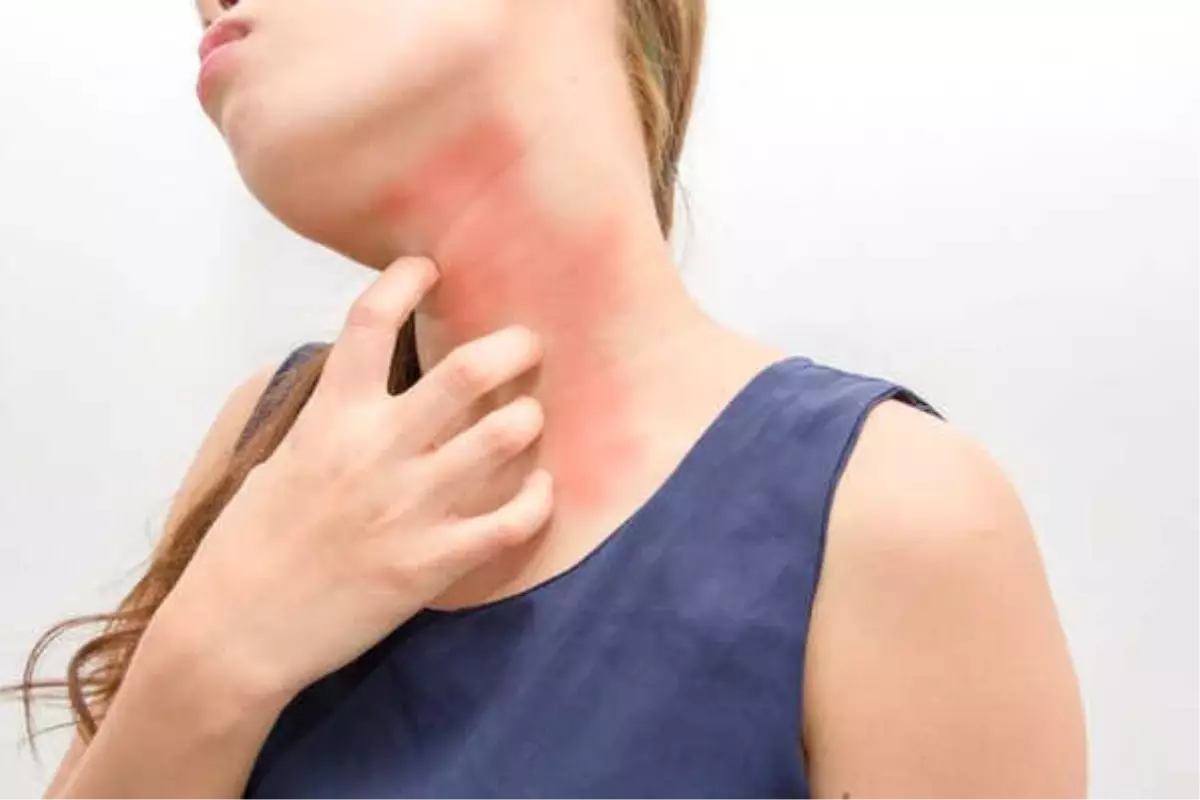
Learning about the link between respiratory health and skin issues can help manage asthma and hives. At first, it might seem like asthma and hives are unrelated. But, they both involve the body’s immune response.
How Respiratory Issues May Manifest on the Skin
Respiratory problems, like asthma, can show up on the skin as hives or urticaria. This happens because the same allergens that cause airway inflammation can also affect the skin. For example, reactions to pollen, dust mites, or certain foods can lead to both asthma symptoms and skin rashes.
“The skin and respiratory tract are both barrier organs that are constantly exposed to the environment, making them susceptible to similar triggers.” This connection is why some people get both respiratory symptoms, like wheezing, and skin symptoms, like hives, at the same time.
The Immune System Connection
The immune system links respiratory and skin conditions. When an allergen enters the body, it triggers an immune response. This response can affect both the respiratory and skin systems.
The release of histamine and other inflammatory mediators is key. It leads to symptoms like itching, redness, and swelling on the skin. It also causes wheezing and shortness of breath in the respiratory tract.
As Medical Expert, an allergist, notes,
“The connection between asthma and skin conditions like hives is not coincidental. It’s a reflection of the complex interplay between our immune system, environmental triggers, and individual susceptibility.”
Understanding this connection is key to developing effective treatments for both conditions.
By recognizing the shared mechanisms behind asthma and skin rashes, healthcare providers can offer more complete care. This approach helps manage symptoms and prevent worsening by identifying and avoiding common triggers.
What Are Hives (Urticaria)?
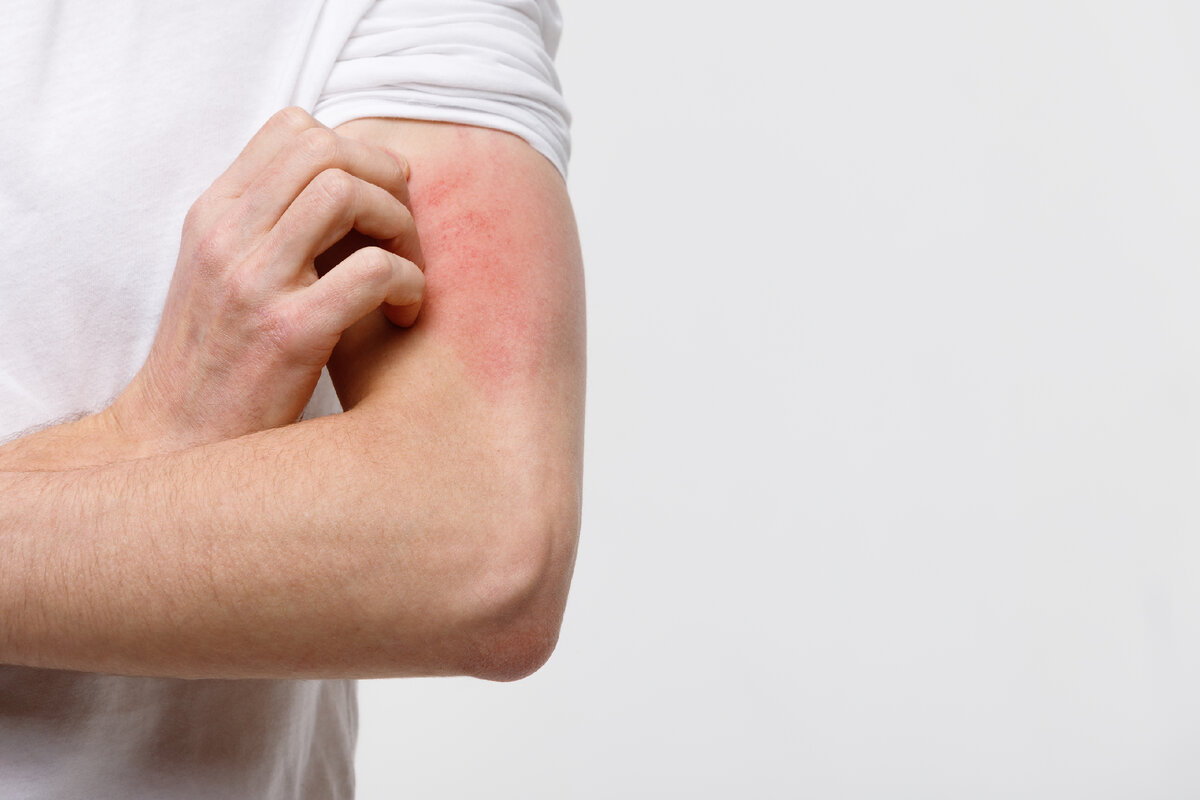
Hives, also known as urticaria, are a common skin condition. They can appear suddenly and are itchy. These welts can be different sizes and show up anywhere on the body. Knowing about hives helps in managing and treating them well.
Identifying Symptoms and Characteristics
The main sign of hives is itchy, raised welts on the skin. These welts can be red or the same color as your skin. They can be small or big, and can pop up anywhere on your body.
Acute symptoms come on fast and can be linked to allergies, infections, or other health issues. Hives can change over time, with new ones showing up as old ones go away.
Acute vs. Chronic Urticaria
Urticaria is divided into two types: acute and chronic. Acute urticaria lasts less than six weeks and is often linked to allergies or infections. Chronic urticaria lasts more than six weeks and can be caused by many things, like autoimmune disorders or thyroid disease.
Knowing if you have acute or chronic urticaria is key to finding the right treatment.
Common Causes of Hives
Hives can be caused by many things. Some common causes include:
- Allergic reactions to foods, medications, or insect bites
- Viral or bacterial infections
- Autoimmune disorders
- Physical stimuli such as pressure, cold, or heat
- Stress and other emotional factors
Finding out what causes your hives is important for managing them. This might involve allergy tests, looking at your medical history, or other tests.
Understanding Asthma: Beyond Breathing Difficulties
Asthma is more than just a breathing problem. It affects the body in many ways. People often think of asthma as just making it hard to breathe. But it has a bigger impact on health.
Pathophysiology of Asthma
Asthma’s pathophysiology is complex. It involves genetics, environment, and the immune system. At its heart, asthma causes chronic inflammation in the airways. This leads to airway sensitivity and breathing problems.
People with asthma have airways that react easily to triggers. These triggers can cause inflammation, constriction, and mucus buildup. This makes breathing hard.
Common Triggers and Symptoms
Knowing asthma triggers is key to managing it. Common triggers include:
- Allergens like pollen, dust mites, and pet dander
- Respiratory infections
- Air pollutants like smoke and ozone
- Physical activity, specially in cold or dry air
- Certain medications
Asthma symptoms vary but often include wheezing, coughing, and shortness of breath. Symptoms can be mild or severe and may get worse at night or with triggers.
Systemic Effects of Asthma
Asthma’s effects go beyond the lungs. It can lead to conditions like heart disease, obesity, and mental health issues. Managing asthma can stress the body and affect overall health.
Studying asthma’s links to other health issues, like hives, shows its wide impact. Understanding asthma’s broader effects is vital for effective care.
Does Asthma Directly Cause Hives?
To figure out if asthma causes hives, we need to look closely at medical studies. Asthma is mainly a lung problem, while hives are a skin issue. Yet, both involve the immune system and can be set off by similar things.
Examining the Causal Relationship
Let’s dive into how asthma and hives work together. Asthma makes airways inflamed, causing wheezing and breathing trouble. Hives, on the other hand, are itchy welts on the skin from allergies.
Even though both can be caused by allergens, it’s not clear if asthma directly leads to hives. Studies show people with asthma might get hives more often because of their sensitive immune systems.
Statistical Evidence and Research Findings
Research shows a strong link between asthma and hives. For example, about 23.6% of asthma patients get acute urticaria. This number shows hives are common in asthma patients but doesn’t prove a direct cause.
“The presence of asthma increases the likelihood of developing chronic urticaria, suggesting a complex interplay between respiratory and skin manifestations of allergic diseases.”
A study in a top medical journal found severe asthma patients are more likely to get chronic hives. This shows asthma’s severity might play a role in getting urticaria.
Why the Confusion Exists
There are a few reasons why people think asthma might cause hives. Both can be set off by the same things, making it hard to say what causes hives in asthma patients. Also, having one condition can make the other worse, making things more complicated.
Both asthma and hives have inflammation in common, which might explain why hives are more common in asthma patients. This doesn’t mean asthma directly causes hives, but they often happen together because of shared causes.
In summary, while asthma and hives are linked, the exact cause and effect is complex. More research is needed to understand how these two conditions are connected.
The Science Behind Asthma Hives: Shared Mechanisms
To understand the connection between asthma and hives, we must explore their shared causes. Both involve complex immune reactions. These reactions can cause both conditions to appear together in some people.
Histamine Release and Mast Cell Activation
Histamine release from mast cells is a key factor in both asthma and hives. When an allergen or irritant is present, mast cells are triggered. They release histamine and other substances into the tissue. This leads to symptoms like wheezing in asthma and itchy welts in hives.
Inflammatory Mediators in Both Conditions
Both asthma and hives are driven by inflammation. This is caused by various molecules like cytokines, chemokines, and leukotrienes. These substances attract inflammatory cells to the airways in asthma and the skin in hives. This makes symptoms worse for both conditions.
|
Inflammatory Mediator |
Role in Asthma |
Role in Hives |
|---|---|---|
|
Histamine |
Bronchoconstriction, increased mucus production |
Vasodilation, increased vascular permeability |
|
Cytokines (e.g., IL-4, IL-13) |
Promote IgE production, eosinophilic inflammation |
Enhance mast cell activation, promote inflammation |
|
Leukotrienes |
Potent bronchoconstrictors, increase mucus secretion |
Increase vascular permeability, promote inflammation |
Genetic Predispositions
Genetics also play a big role in asthma and hives. People with a family history of allergies are more likely to get these conditions. Certain genes can affect how the immune system works. This can increase the chance of getting asthma, hives, or both.
Knowing how asthma and hives are connected helps doctors treat both conditions better. They can create plans that address both at the same time.
Prevalence and Risk Factors
Asthma and hives often go hand in hand. But what causes this? Knowing the risk factors for both is key to better treatment.
Statistics on Comorbidity Rates
Studies show asthma patients are more likely to get hives. About 23.6% of those with asthma will have acute urticaria. This risk is highest in severe asthma cases.
|
Condition |
Prevalence of Urticaria |
|---|---|
|
Mild Asthma |
15.2% |
|
Moderate Asthma |
20.5% |
|
Severe Asthma |
30.1% |
Who Is Most Susceptible to Both Conditions
Some groups are more likely to get both asthma and hives. This includes people with a family history of allergies or atopic diseases.
Key risk factors include:
- Family history of allergies or atopic diseases
- Presence of other allergic conditions such as atopic dermatitis
- Environmental exposures to allergens and irritants
Severe Asthma and Increased Hive Risk
Those with severe asthma are more likely to get hives. They also face a higher risk of severe urticaria episodes. This shows why managing asthma well is important to lower the risk of hives.
“The link between severe asthma and increased risk of urticaria highlights the need for complete treatment strategies that tackle both respiratory and skin issues.”
Understanding the link between asthma and hives helps doctors create better treatment plans. This approach improves patient care for both conditions.
Common Triggers for Both Asthma and Urticaria
Asthma and urticaria share common triggers. Knowing these is key to managing both conditions well.
Environmental Allergens
Environmental allergens are big triggers for both asthma and urticaria. Common ones include:
- Pollen from trees, grasses, and weeds
- Dust mites found in household dust
- Pet dander from cats and dogs
- Mold spores
These allergens can cause airway inflammation, leading to asthma. They can also trigger histamine release, causing hives.
Food Sensitivities and Allergies
Food sensitivities and allergies are common triggers for both conditions. Certain foods can cause allergic reactions. This may show up as asthma symptoms or hives. Common culprits include:
- Nuts, like peanuts and tree nuts
- Shellfish and fish
- Dairy products, like milk, in those with lactose intolerance
- Eggs
- Wheat and other gluten-containing grains
It’s important to avoid these foods to manage asthma and urticaria.
Medication Reactions
Some medications can trigger both asthma and urticaria. NSAIDs and aspirin are known culprits. Other medications that may cause issues include:
- Beta-blockers used to treat high blood pressure and heart conditions
- Certain antibiotics, such as penicillin
People with asthma and urticaria should tell their doctors about any medications they’re taking.
Stress and Physical Factors
Stress and physical factors can also trigger both conditions. Stress can make asthma symptoms worse and cause hives. Physical factors like:
- Temperature extremes
- Exercise
- Pressure on the skin
can also trigger symptoms.
|
Trigger |
Asthma Symptoms |
Urticaria Symptoms |
|---|---|---|
|
Environmental Allergens |
Wheezing, shortness of breath |
Hives, itching |
|
Food Sensitivities |
Coughing, chest tightness |
Hives, swelling |
|
Medication Reactions |
Shortness of breath, wheezing |
Hives, itching |
|
Stress and Physical Factors |
Exacerbation of symptoms |
Outbreaks of hives |
Knowing these common triggers can help manage asthma and urticaria. It can improve life quality.
“The key to managing asthma and urticaria lies in identifying and avoiding triggers. By understanding what causes these conditions to flare up, individuals can take proactive steps to prevent symptoms and improve their overall health.”— Medical Expert, Allergist
Seasonal Allergies: The Primary Link Between Respiratory and Skin Symptoms
Seasonal allergies are a big reason why people get asthma and hives. Knowing about seasonal allergies is key to handling both respiratory and skin issues well.
How Seasonal Changes Affect Both Conditions
When seasons change, different allergens appear. In spring and fall, pollen from trees, grasses, and weeds is in the air. This pollen makes allergic reactions happen in people who are sensitive.
This pollen can make airways swell, making asthma worse. It can also cause hives on the skin.
Key Seasonal Allergens
Here are some common seasonal allergens:
- Tree pollen (spring): Trees like oak, maple, and birch release pollen that can travel far and wide, affecting many people.
- Grass pollen (late spring to early summer): Various grass species contribute to the pollen count, exacerbating allergies.
- Weed pollen (fall): Ragweed is a notorious allergen, causing big problems for those with seasonal allergies.
Knowing these allergens helps people get ready for and deal with their symptoms during peak seasons.
About 73% of asthmatics with hives test positive for seasonal allergens. This shows how important these allergens are for both conditions.
Managing Seasonal Exacerbations
Managing seasonal problems needs a few steps. We suggest:
- Monitoring pollen counts: Knowing local pollen levels helps plan activities.
- Using protective measures: Wearing masks and keeping windows closed cuts down on allergen exposure.
- Adhering to medication regimens: For those with asthma and hives, sticking to treatment plans is key during allergy seasons.
By following these steps, people can manage their symptoms better. This helps lessen the effects of seasonal allergies on their daily lives.
Bronchitis and Hives: Another Respiratory-Skin Connection
To understand bronchitis and hives, we need to look at what causes both. Bronchitis is when the bronchial tubes get inflamed. It mainly affects the lungs but can also impact the skin, leading to hives.
Can Bronchitis Cause Hives?
The link between bronchitis and hives is complex. Bronchitis itself might not directly cause hives. But, the body’s fight against the infection can lead to skin reactions like hives. Inflammation and immune system activation are key in this process.
When you have bronchitis, your immune system works hard to fight the infection. This effort can release inflammatory mediators that can affect the skin and cause hives. Also, some bronchitis treatments, like antibiotics, can cause allergic reactions that show up as hives.
Differentiating Between Asthma and Bronchitis Skin Reactions
Asthma and bronchitis can both cause hives, but the reasons and triggers are different. Asthma is a long-term condition often linked to allergies, making hives more likely. Bronchitis, being an acute condition, usually has skin reactions tied to the infection or the body’s response to it.
|
Condition |
Common Triggers for Hives |
Treatment Approaches |
|---|---|---|
|
Asthma |
Allergens, stress, certain medications |
Asthma medications, antihistamines, avoiding triggers |
|
Bronchitis |
Infection, medication reactions |
Treating the underlying infection, antihistamines, corticosteroids |
Treatment Approaches for Bronchitis-Related Skin Issues
To manage hives from bronchitis, treat the infection and the skin reaction. Antihistamines help with hives, and corticosteroids are used for severe cases. It’s also important to find and handle any medication-related hives.
In summary, bronchitis can affect the skin, causing hives. Knowing how bronchitis and hives are connected is key to treating both effectively.
Diagnosis and Testing Methods
Diagnosing asthma and urticaria involves several steps. We look at the patient’s medical history and perform physical exams. We also use specific tests to find the cause.
Allergy Testing Procedures
Allergy tests are key in finding out what causes asthma and hives. We use different methods to find out what allergens might be causing problems. These include:
- Skin prick testing
- Intradermal testing
- Patch testing
- Blood tests (e.g., RAST or ELISA)
These tests help us understand what allergens might be causing symptoms. This way, we can find the best treatment.
Identifying Shared Triggers
After the tests, we look at the results to find common triggers. These can be things in the environment, food, or even some medicines. Knowing these triggers helps us create a better plan to manage symptoms.
Specialist Referrals and Collaborative Care
In some cases, we might need to refer patients to specialists. We work with allergists, dermatologists, and pulmonologists. This team approach makes sure we cover all aspects of the patient’s health.
|
Specialty |
Role in Diagnosis and Management |
|---|---|
|
Allergist |
Conducts allergy testing and develops allergy management plans |
|
Dermatologist |
Provides expertise in managing skin manifestations of urticaria |
|
Pulmonologist |
Specializes in the diagnosis and treatment of respiratory conditions like asthma |
By working together, we can give our patients the best care for their asthma and hives.
Treatment Strategies for Patients with Asthma and Skin Rashes
When asthma and skin rashes happen together, we need a detailed plan. This plan must tackle both respiratory and skin issues. It’s important to manage both conditions well.
Medications That Address Both Conditions
There are medicines for both asthma and skin rashes. Antihistamines help with hives and itching. Corticosteroids reduce inflammation in asthma. Leukotriene modifiers treat asthma and allergic rhinitis, helping skin symptoms too.
|
Medication Class |
Asthma Treatment |
Skin Rash Treatment |
|---|---|---|
|
Antihistamines |
Rarely used |
Commonly used |
|
Corticosteroids |
Frequently used |
Frequently used |
|
Leukotriene Modifiers |
Used |
Indirectly beneficial |
Specialized Treatments for Severe Cases
For severe cases, biologic therapies might be needed. Omalizumab helps with severe asthma and chronic urticaria. Dupilumab treats atopic dermatitis, often found with asthma.
Emerging Therapies and Research
New treatments are being studied for asthma and skin issues. JAK inhibitors might treat atopic dermatitis and asthma. CRTH2 antagonists could manage allergic inflammation in both conditions.
Prevention Strategies
To prevent worsening of asthma and skin rashes, avoid triggers. This includes allergen avoidance and a healthy lifestyle. Sticking to medication and knowing early symptoms is key.
With a detailed treatment plan, lifestyle changes, and prevention, patients can control symptoms better. This improves their quality of life.
Conclusion: Living Well with Asthma and Hives
It’s key to understand how asthma and hives are connected. This knowledge helps us manage both conditions better. We can create detailed plans to tackle these health issues together.
Managing asthma and hives means using medicine, making lifestyle changes, and avoiding things that can trigger them. It’s important to have a team of healthcare providers. They work together to make a treatment plan that fits each person’s needs.
By using these methods, people with asthma and hives can see big improvements in their lives. We urge patients to stay informed and work closely with their healthcare team. This way, they can reach the best health outcomes.
When asthma and hives are well-managed, people can live active and healthy lives. These conditions won’t stop them from doing what they love every day.
FAQ
Can asthma cause hives?
Asthma and hives are different, but they’re linked. About 23.6% of people with asthma get hives. This shows a strong connection between breathing and skin issues.
What are the common triggers for both asthma and hives?
Both conditions can be triggered by many things. These include things in the environment, food, medicine, and stress. Knowing these triggers helps manage both conditions better.
How do seasonal allergies affect asthma and hives?
Seasonal allergies can make both asthma and hives worse. Pollen is a big culprit. It can make symptoms in people who are sensitive.
Can bronchitis cause hives?
Bronchitis mainly affects the lungs, but it can also cause hives. The exact reason is not clear. It might be because of inflammation in the body.
How are asthma and hives diagnosed?
Doctors use history, physical checks, and tests to diagnose both. They look for common triggers to treat both conditions well.
What treatment strategies are available for patients with both asthma and hives?
Treatments include medicines like antihistamines and steroids. For severe cases, there are special treatments. New research is also finding better ways to manage these conditions.
Are there any genetic predispositions to developing both asthma and hives?
Yes, genes play a big part. If your family has allergies, you’re more likely to get both asthma and hives.
How can patients manage seasonal exacerbations of asthma and hives?
To handle seasonal problems, avoid allergens and use preventive meds. Work with your doctor to make a plan. Keep an eye on symptoms and adjust treatments as needed.
What is the role of the immune system in the connection between asthma and hives?
The immune system is key in linking asthma and hives. Histamine and mast cells play a big role. Inflammation and genes also contribute to this connection.
References
National Center for Biotechnology Information. Evidence-Based Medical Guidance. Retrieved from https://www.ncbi.nlm.nih.gov/pmc/articles/PMC9712803/