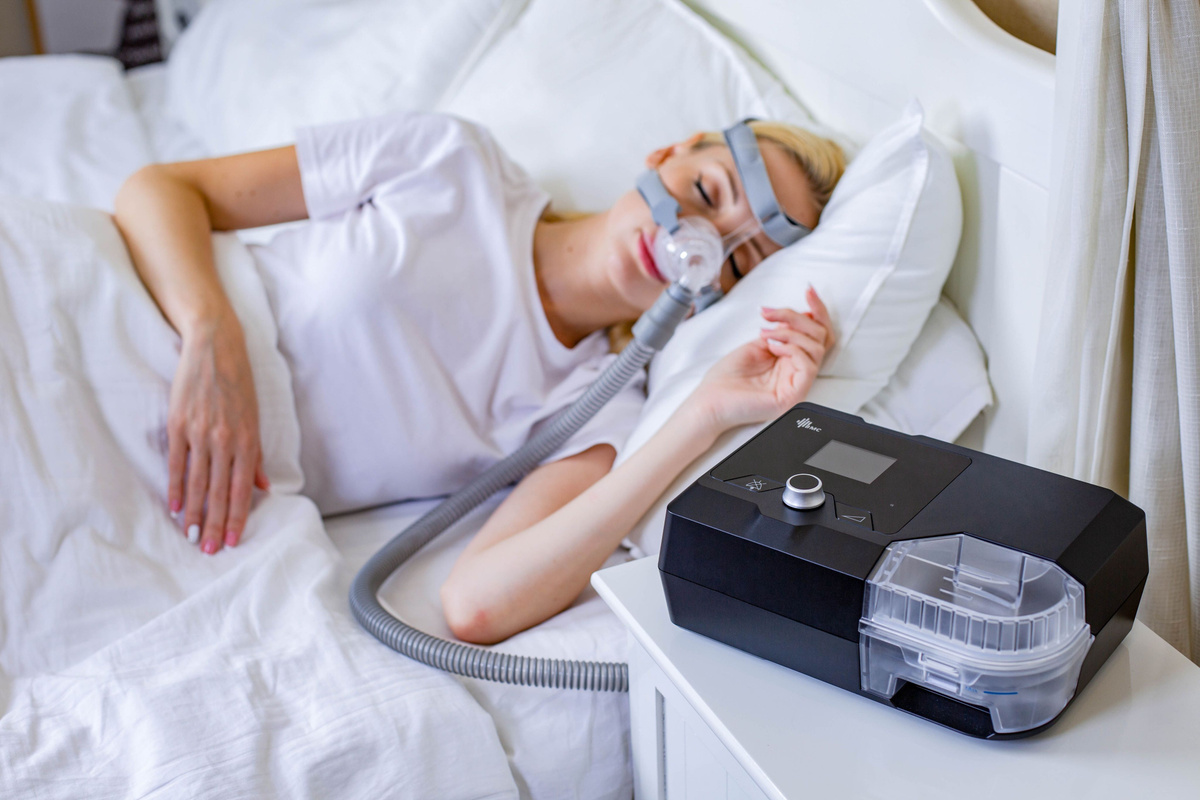
Choosing the right auto CPAP machine is key for treating sleep apnea. At Liv Hospital, we know how vital it is to have the latest tech for managing obstructive sleep apnea (OSA).
CPAP therapy is the top choice for OSA. Auto CPAP tech is a big step up in comfort and results. These machines adjust pressure as you breathe, making your sleep better.
By picking the best auto CPAP machine, you can sleep better and feel less tired. We’re here to help international patients get the best medical care.
Key Takeaways
- Auto CPAP machines automatically adjust pressure throughout the night.
- CPAP therapy is the gold standard for managing obstructive sleep apnea.
- Choosing the right auto CPAP machine is key for effective treatment.
- Advanced technology improves sleep quality and reduces symptoms.
- Liv Hospital provides complete support for international patients.
Understanding Sleep Apnea and Its Impact
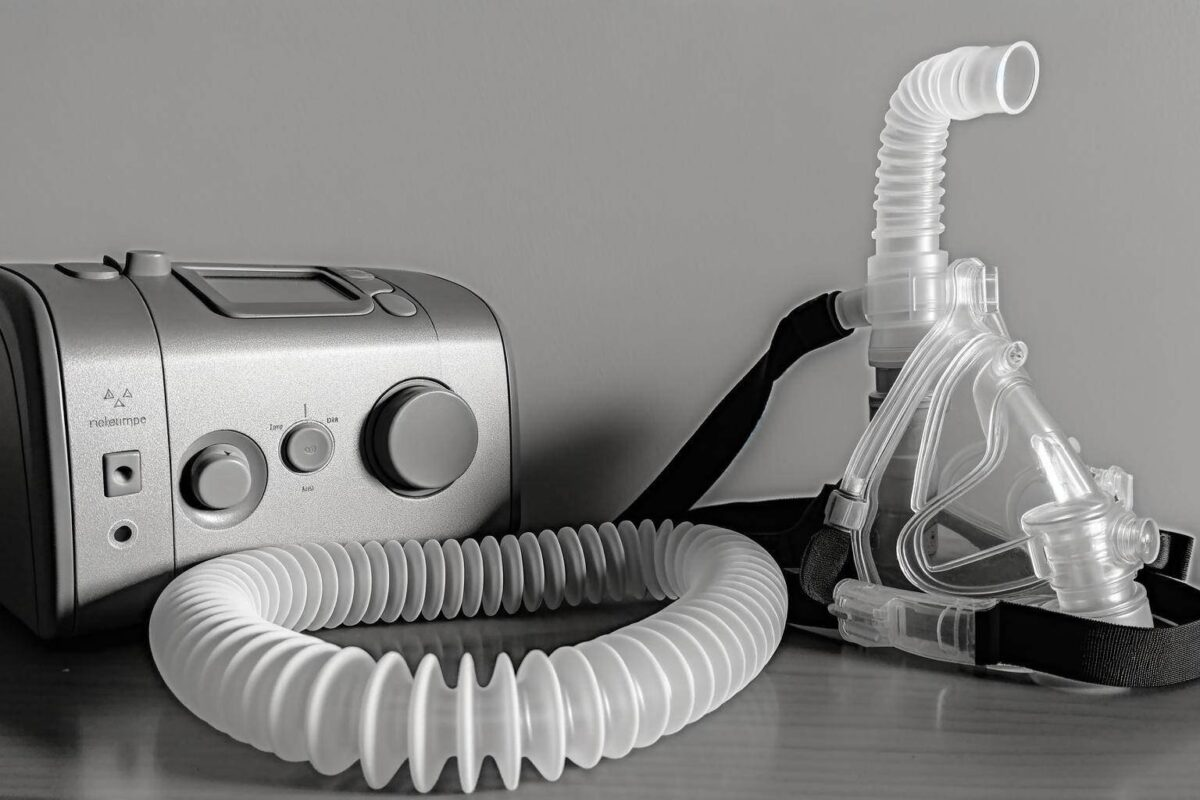
Sleep apnea is a condition where breathing stops during sleep. It’s more common than you might think. It affects sleep quality and has wider health issues if not treated.
What is Obstructive Sleep Apnea?
Obstructive Sleep Apnea (OSA) is the most common type. It happens when throat muscles relax, narrowing the airway. This can happen many times at night, disrupting sleep.
Prevalence and Health Consequences
About one in four American adults has OSA, but many don’t know. Untreated OSA can lead to serious health problems. These include heart disease, diabetes, and brain issues. It can also cause daytime tiredness, affecting daily life and work.
Some major health issues include:
- Cardiovascular disease
- Diabetes
- Cognitive impairment
- Daytime fatigue
Signs You May Need CPAP Therapy
If you snore loudly, stop breathing during sleep, or wake up with a dry mouth or headache, you might need CPAP therapy. CPAP therapy uses a mask to send air to keep the airway open during sleep.
“CPAP therapy is a game-changer for many patients with obstructive sleep apnea, significantly improving their quality of life.”
It’s important to recognize signs and get medical help. A doctor can diagnose sleep apnea and suggest treatment. This might include lifestyle changes, CPAP therapy, or other treatments.
What is an Auto CPAP Machine?
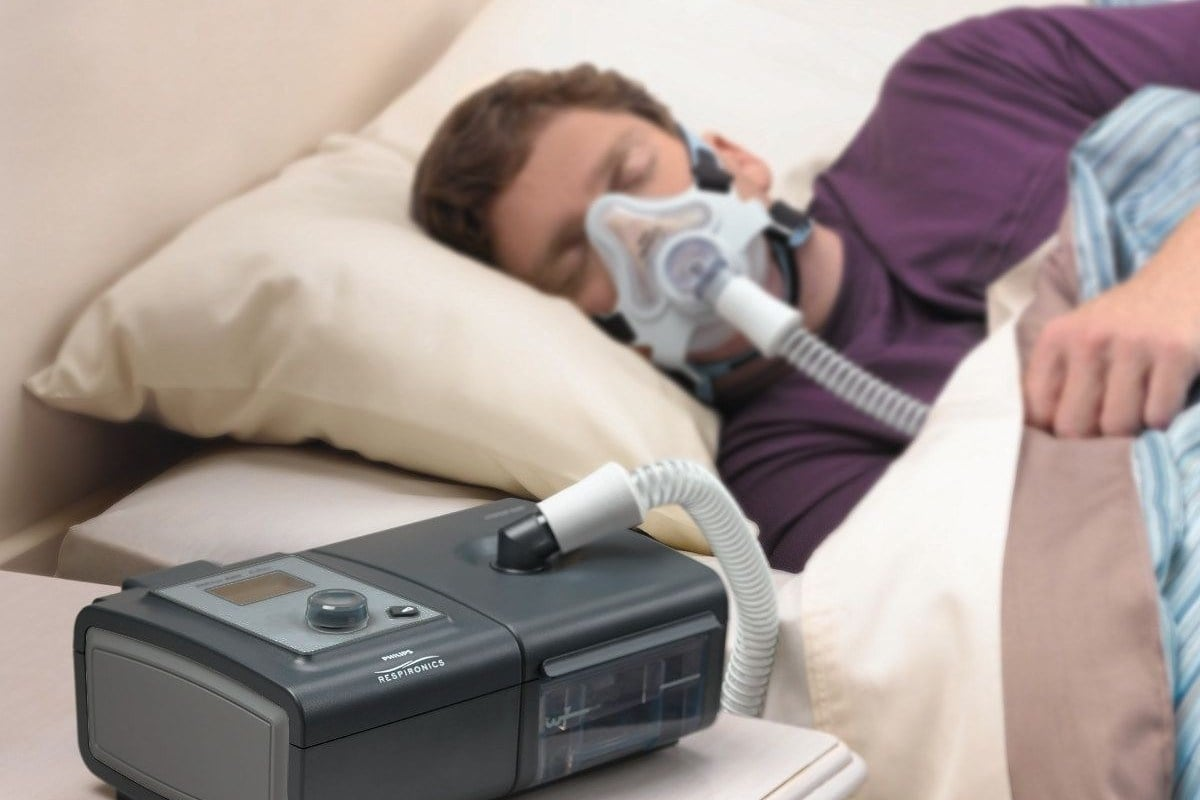
Auto CPAP machines are a big step forward in treating sleep apnea. They adjust the air pressure automatically throughout the night. This gives a more personalized way to handle sleep disorders.
Auto CPAP vs. Standard CPAP Machines
Auto CPAP machines and standard CPAP machines differ in how they adjust air pressure. Standard CPAP machines have a fixed air pressure set by a doctor. Auto CPAP machines, on the other hand, change the pressure based on how you breathe.
This adjustment is great for people whose breathing needs change a lot during the night. It also works for those who sleep in different positions.
How Auto-Adjusting Technology Works
Auto CPAP machines use smart tech to watch your airway. They look for signs of blockage or irregular breathing. If they find one, they increase the air pressure to keep your airway open.
When your breathing gets back to normal, they lower the pressure. This makes you more comfortable and helps keep the pressure down at night.
Responding to Different Sleep Events
Auto CPAP machines handle different sleep issues, like apneas and hypopneas. They adjust the pressure as needed. This keeps the air flowing well and stops sleep apnea from disrupting your rest.
|
Feature |
Auto CPAP |
Standard CPAP |
|---|---|---|
|
Pressure Adjustment |
Automatic, based on breathing patterns |
Fixed, set manually |
|
Response to Sleep Events |
Real-time adjustments for apneas, hypopneas |
No adjustments; constant pressure |
|
Comfort Level |
Enhanced due to variable pressure |
May be less comfortable due to fixed pressure |
Knowing how auto CPAP machines work helps both patients and doctors make better choices for treating sleep apnea.
The Benefits of Auto CPAP Therapy for Sleep Apnea
Auto CPAP therapy has changed how we treat sleep apnea. It offers many benefits for those who have it. Auto-adjusting CPAP machines are key in managing this condition well.
Clinical Effectiveness Based on Research Studies
Studies show auto CPAP therapy works well for sleep apnea. It helps reduce sleep disruptions and improves sleep quality. For example, a study in the Sleep Medicine journal found it greatly reduced apnea events in patients.
Clinical trials have consistently supported the efficacy of auto CPAP therapy. These studies show auto CPAP machines adapt to patients’ needs during sleep. This makes treatment more tailored than standard CPAP machines.
Improvements in Daytime Symptoms
Auto CPAP therapy also improves daytime symptoms of sleep apnea. Patients feel more alert and have less daytime fatigue. This is important for staying productive and improving quality of life.
Auto CPAP machines help manage sleep apnea well. This reduces the risk of health problems like heart issues and brain problems. It leads to better rest and recovery, helping with daytime functioning.
Reduction in Apnea-Hypopnea Index
The apnea-hypopnea index (AHI) shows how severe sleep apnea is. Auto CPAP therapy lowers AHI, meaning fewer sleep disruptions. This shows the therapy is effective in managing sleep apnea.
Auto CPAP machines adjust pressure levels automatically. This ensures patients get the right therapy all night. This is great for patients whose sleep apnea changes or who have different sleep events.
How Auto CPAP Machines Detect and Respond to Breathing Events
Auto CPAP machines use advanced algorithms to spot breathing issues and adjust pressure. They watch over breathing events all night to treat sleep apnea well.
Detection of Flow Limitation and Hypopneas
Auto CPAP machines are great at finding flow limitation and hypopneas. Flow limitation is when airway obstruction reduces airflow. Hypopneas are shallow breaths that disrupt sleep. These machines adjust pressure to keep airways open.
They keep an eye on breathing patterns all the time. This lets them tell normal breathing from events needing help. It’s key for therapy that fits the user’s needs all night.
Response to Body Position Changes
Auto CPAP machines also adjust for body position changes. Sleeping position affects breathing, with some positions causing more issues. When you move, the machine tweaks pressure to keep airways open.
This is a big help for those with positional sleep apnea. It ensures therapy works well, no matter how you sleep.
Adjustments Based on Sleep Stages
Advanced auto CPAP machines adjust for sleep stages too. Sleep has different stages, each with its own traits. These machines detect these stages and adjust pressure for the best therapy.
|
Sleep Stage |
Characteristics |
Auto CPAP Response |
|---|---|---|
|
REM Sleep |
Rapid eye movements, vivid dreams, increased brain activity |
Pressure adjustments to compensate for increased airway resistance |
|
Non-REM Sleep |
Slower brain waves, lessened muscle activity |
Pressure adjustments to maintain airway patency |
Understanding and acting on sleep stages, auto CPAP machines offer a more personalized treatment. This makes therapy more effective.
Key Features to Consider When Choosing an Auto CPAP
Starting your journey to better sleep means understanding an auto CPAP machine’s key features. When picking an auto CPAP, several important factors help ensure you get the best therapy for sleep apnea.
Pressure Range and Adjustment Capabilities
The pressure range and how it adjusts are critical for an auto CPAP machine. It should adjust pressures to fit your needs, giving you the best pressure all night.
- Minimum and Maximum Pressure Settings: Choose a machine with a wide range of pressure settings. This is important for different sleep positions and stages.
- Auto-Adjusting Technology: Make sure the machine has advanced auto-adjusting tech. It should detect breathing changes and adjust pressure as needed.
Noise Level and Operating Sound
The noise level of an auto CPAP machine is key, as it can impact your sleep and your partner’s. Modern machines are quieter, but some are noisier than others.
When evaluating noise levels, consider:
- Decibel Rating: Machines with lower decibel ratings are generally quieter.
- Noise Reduction Features: Some machines have features like mufflers or silent modes to reduce noise.
Size, Weight, and Portability
For many, an auto CPAP machine’s portability is vital, mainly for those who travel often. A smaller, lighter machine can make a big difference.
Consider the following when assessing portability:
- Dimensions and weight of the machine.
- Availability of a travel case or bag.
- Battery options for powering the machine on the go.
By carefully looking at these key features, you can pick an auto CPAP machine that fits your needs. This will improve your sleep therapy and overall life quality.
Essential Auto CPAP Components and Accessories
Choosing the right auto-adjusting CPAP machine is key for managing sleep apnea. Knowing the essential parts and accessories is vital. They can make your therapy more comfortable and effective.
Built-in and Detachable Humidifiers
Humidifiers are important for auto CPAP machines. They prevent dryness and discomfort in your nasal passages and throat. Built-in humidifiers save space and are convenient. Detachable humidifiers are easier to clean and offer more flexibility.
Look for a CPAP machine with a humidifier that you can adjust. This way, you can set the humidity to your liking.
Mask Types and Compatibility
The mask is essential because it delivers the air. There are many types, like nasal masks, full-face masks, and nasal pillows. Nasal masks cover just the nose. Full-face masks cover both nose and mouth. Nasal pillows are small and fit in your nostrils.
|
Mask Type |
Description |
Best For |
|---|---|---|
|
Nasal Mask |
Covers the nose |
Users who breathe mainly through their nose |
|
Full-Face Mask |
Covers both nose and mouth |
Users who breathe through their mouth at night |
|
Nasal Pillows |
Small cushions that fit into the nostrils |
Users who prefer less facial coverage |
Tubing Options and Filters
Tubing connects the CPAP machine to your mask. There are heated and non-heated options. Heated tubing prevents condensation, which can be uncomfortable.
Filters keep your CPAP machine clean. There are disposable and washable filters. Replacing filters regularly is important for hygiene and effectiveness.
Understanding and choosing the right components and accessories for your auto CPAP machine can greatly improve your sleep apnea therapy. It makes your treatment more comfortable and effective.
Top Auto CPAP Machine Brands and Models in 2023
In 2023, auto CPAP technology has made big strides. Several top brands have come to the forefront. We’ll look at the best auto CPAP machine brands and models. We’ll cover their features, benefits, and what users say to help you choose wisely.
ResMed AirSense 11 AutoSet
The ResMed AirSense 11 AutoSet is a leading auto adjusting CPAP machine. It offers comfort and advanced features. It has a built-in humidifier, climate control, and wireless connectivity for tracking data. Users like its quietness and easy-to-use interface.
Key Features:
- Advanced auto-adjusting technology
- Built-in humidifier and climate control
- Wireless connectivity for data tracking
- Quiet operation
Philips Respironics DreamStation 2 Auto CPAP
The Philips Respironics DreamStation 2 Auto CPAP is also highly praised. It has a sleek design, integrated humidifier, and smart algorithms for pressure adjustment. Users find it comfortable and easy to use.
Notable Features:
- Modern and compact design
- Integrated humidifier
- Advanced pressure adjustment algorithms
- User-friendly interface
Fisher & Paykel SleepStyle Auto
The Fisher & Paykel SleepStyle Auto stands out for its auto-adjusting CPAP tech and design focus on users. It has a built-in humidifier, optional heated tubing, and an easy-to-use interface. Patients enjoy its comfort and effectiveness.
Key Benefits:
- Innovative auto-adjusting technology
- Built-in humidifier and optional heated tubing
- User-friendly interface
- Enhanced comfort and efficacy
When picking an auto CPAP machine, think about comfort, features, and what others say. The ResMed AirSense 11 AutoSet, Philips Respironics DreamStation 2 Auto CPAP, and Fisher & Paykel SleepStyle Auto are top picks for 2023. Each offers unique benefits and cutting-edge tech.
Advanced Features of Modern Auto CPAP Machines
Today’s auto CPAP machines have cool features that make therapy better. These features help users feel more comfortable and stick to their treatment. They also give insights into sleep patterns.
Data Tracking and Sleep Reports
Modern auto CPAP machines track sleep data. Users can see how well their therapy is working. They record things like apnea-hypopnea index (AHI), mask leak, and how long they use the machine.
Key data tracked by auto CPAP machines includes:
- Apnea-Hypopnea Index (AHI)
- Mask leak rates
- Usage hours per night
- Sleep quality metrics
|
Feature |
Description |
Benefit |
|---|---|---|
|
AHI Tracking |
Monitors the number of apnea and hypopnea events per hour |
Helps assess therapy effectiveness |
|
Mask Leak Detection |
Detects air leaks around the mask |
Improves mask fit and comfort |
|
Usage Tracking |
Records the number of hours the device is used per night |
Encourages adherence to therapy |
Ramp Features and Comfort Settings
Auto CPAP machines now have cool features like ramps and comfort settings. The ramp feature helps users start with low pressure, making it easier to fall asleep.
Comfort settings include:
- Adjustable ramp time
- Customizable pressure relief
- Humidification settings
Smart Connectivity and Mobile Apps
Many auto CPAP machines now connect to smartphones. Users can track their sleep data through apps. These apps give insights into sleep quality and offer tips for better sleep.
Benefits of smart connectivity include:
- Remote monitoring of sleep data
- Personalized therapy adjustments
- Improved communication with healthcare providers
When picking an auto CPAP machine, think about the price. Prices vary based on features, brand, and model. It’s important to find a balance between cost and the features you need.
Travel Considerations for Auto CPAP Users
Auto CPAP users face unique challenges when traveling. But with the right preparation, they can keep their therapy going. Traveling, whether for work or fun, needs careful planning to keep sleep apnea treatment going.
Travel-Specific Auto CPAP Models
Some auto CPAP machines are made for travel. They are small, light, and have features perfect for on-the-go use. For example, the ResMed AirMini is great for travelers because it’s tiny and can run on a battery.
When picking a travel auto CPAP, look for these features:
- Compact and lightweight design
- Battery operation or external battery pack compatibility
- Universal power supply for international travel
- Simple, intuitive interface for easy operation
Battery Options and Power Requirements
Auto CPAP users need a reliable power source, even when traveling. Many machines have battery options or can use external packs. Knowing your device’s power needs is key.
Consider these points:
- Check the battery life to see if it fits your travel needs
- Bring a portable power bank for extra battery
- Know the power needs for different places (like planes or hotels)
TSA Guidelines and International Travel
Going through airport security with an auto CPAP can be tough. But knowing TSA rules can make it easier. The TSA lets CPAP machines in carry-ons, but tell TSA officers and be ready for extra checks.
Tips for International Travel:
- Find out the power standards and adapters needed in your destination
- Bring a universal power adapter for charging
- Check with your airline for CPAP machine rules
- Keep your device and accessories organized for security checks
Understanding these travel tips helps auto CPAP users enjoy their trips. Whether you’re going near or far, being ready with the right device and knowledge keeps your treatment going.
Cost Considerations and Insurance Coverage
Knowing the costs of auto CPAP therapy is key for managing sleep apnea. The price of auto CPAP machines varies a lot. This depends on the brand, features, and if it comes with a humidifier or other advanced features.
Price Ranges for Auto CPAP Machines
Auto CPAP machines range in price from $500 to $2,000. The cost can change based on features like a built-in humidifier, data tracking, and smart connectivity. For example, a basic auto CPAP without a humidifier is cheaper. But, a model with more features, like a humidifier, costs more.
Insurance Requirements and Documentation
Many insurance plans cover auto CPAP machines. But, you need a doctor’s prescription and proof of sleep apnea diagnosis. It’s important to check with your insurance to see what’s covered. Some plans might cover just the basic machine, while others might also cover extra features like a heated humidifier.
Rental vs. Purchase Options
You can rent or buy an auto CPAP machine. Renting is a good short-term option, great for beginners or travelers. Buying means you own it long-term and might save money in the long run. When buying, remember to factor in the cost of masks, filters, and possibly a replacement humidifier chamber later.
By looking at these options and understanding insurance, patients can make smart choices. This ensures they get the right treatment while keeping costs in check.
Maintenance and Cleaning of Auto CPAP Machines
Keeping your auto CPAP machine clean is key to its performance. A clean device lasts longer and works better. This means you get the best treatment for sleep apnea.
Daily and Weekly Cleaning Routines
Every day, clean the mask, tubing, and water chamber with mild soap and warm water. Dry them well to avoid moisture. This stops bacteria and other harmful germs.
- Wipe the auto CPAP machine with a damp cloth.
- Follow the maker’s guide for cleaning the mask and headgear.
- Check and clean the tubing for blockages or moisture.
Weekly, soak the mask and parts in warm soapy water, then rinse well. Clean and dry the water chamber to stop bacteria.
Replacement Schedule for Components
Replacing parts of your auto CPAP machine is important for hygiene and therapy effectiveness. Here’s when to replace them:
- Change the CPAP filter every 1-3 months, based on use and maker’s advice.
- Swap the water chamber every 6-12 months.
- Update the mask and headgear every 6 months to 1 year, as the maker suggests.
Always follow the maker’s advice for replacements. This ensures your auto CPAP machine works its best.
Troubleshooting Common Issues
Even with regular care, problems can happen with your auto CPAP machine. Here are some common issues and how to fix them:
- Clogged or dirty filters: Check and replace the filters as needed.
- Leaks in the mask or tubing: Look for wear or damage and replace if needed.
- Machine not turning on: Make sure the power cord is plugged in and the outlet works.
By following these tips, your auto CPAP machine will keep working well. This means you get the best treatment for sleep apnea.
Conclusion: Making the Right Auto CPAP Choice for Your Needs
Choosing the right auto CPAP machine is key for treating sleep apnea. Auto CPAP machines have advanced features and flexibility for different sleep needs. Look at pressure range, noise level, and data tracking when picking one.
Top brands like ResMed, Philips Respironics, and Fisher & Paykel make high-quality auto CPAP machines. Think about your needs, like travel and insurance, to make a good choice.
Understanding auto CPAP therapy benefits can help you manage sleep apnea. The right machine can improve your sleep, reduce daytime symptoms, and boost your overall health. Choose a machine that feels comfortable and easy to use for the best results.
FAQ
What is an auto CPAP machine and how does it work?
An auto CPAP machine adjusts air pressure at night to fit your needs. It changes pressure based on your breathing to keep your airway open. This helps treat sleep apnea effectively.
How does an auto CPAP machine differ from a standard CPAP machine?
Auto CPAP machines adjust pressure in real-time. They respond to changes in sleep events, like body position or breathing. This makes therapy more comfortable and effective.
What are the benefits of using an auto CPAP machine?
Auto CPAP machines improve therapy effectiveness and comfort. They adjust pressure automatically. Studies show they can also improve daytime symptoms and quality of life.
How do I choose the right auto CPAP machine for my needs?
Consider pressure range, noise level, and portability when choosing. Make sure it fits your mask and accessories. A healthcare professional can help you decide.
What are the key features to look for in an auto CPAP machine?
Look for data tracking, ramp features, and smart connectivity. Some machines have auto-adjusting humidifiers and comfort settings.
Can I travel with my auto CPAP machine?
Yes, many auto CPAP machines are portable. Look for travel models. Consider battery options and TSA guidelines when traveling.
How much do auto CPAP machines cost, and are they covered by insurance?
Prices vary from a few hundred to several thousand dollars. Many insurance plans cover them. Check with your insurance to understand their policies.
How do I maintain and clean my auto CPAP machine?
Clean and maintain your machine regularly. Follow the manufacturer’s guidelines for cleaning. Replace parts as needed.
What are the most popular auto CPAP machine brands and models?
Top brands include ResMed AirSense 11 AutoSet, Philips Respironics DreamStation 2 Auto CPAP, and Fisher & Paykel SleepStyle Auto. They offer advanced features and good user reviews.
Can I rent an auto CPAP machine instead of buying one?
Yes, many suppliers offer rentals. This can be a cost-effective option, great for those new to CPAP therapy or unsure about insurance.