
Learn the average lifespan of COPD patient. Discover vital prognosis facts based on disease stage and severity for better planning. Chronic Obstructive Pulmonary Disease (COPD) is a lung condition that gets worse over time. It affects life expectancy differently based on the disease stage.
Knowing the stages of COPD is key for patients and their caregivers. It helps manage symptoms and plan for the future. COPD has four stages, each with its own symptoms and impact on patient care.
At Liv Hospital, we believe in making informed choices for COPD care. Studies show that COPD life expectancy changes a lot with each stage. Mild cases barely cut down on life span, but severe cases can greatly reduce it.
Key Takeaways
- COPD is a progressive lung disease with four distinct stages.
- Understanding COPD stages is essential for effective symptom management.
- Life expectancy varies significantly depending on the COPD stage.
- Mild COPD cases have minimal impact on lifespan, while severe cases significantly reduce survival.
- Informed decision-making is key for the best COPD care.
Understanding COPD as a Progressive Lung Disease
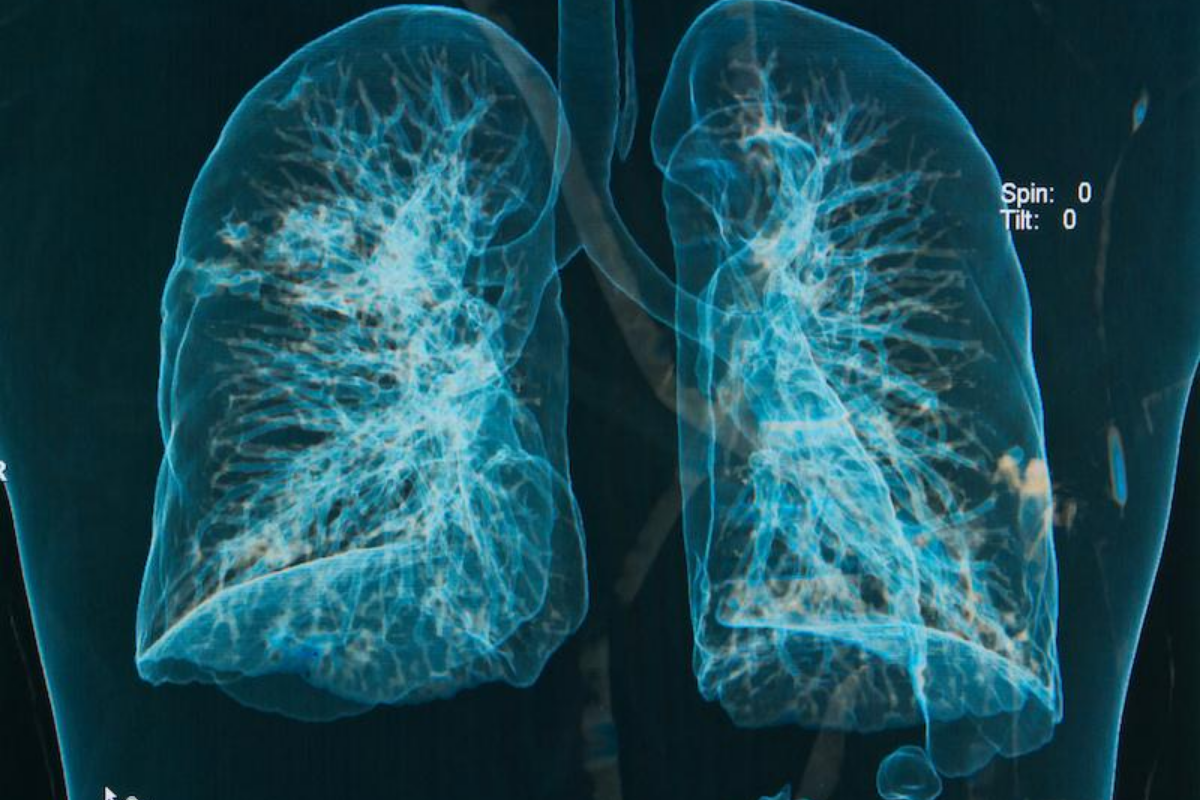
COPD, or chronic obstructive pulmonary disease, is a lung condition that gets worse over time. It makes breathing harder. We’ll dive into what this means for our health.
Definition and Pathophysiology of COPD
COPD is a lung disease that makes it hard to breathe. It’s caused by long-term exposure to harmful gases or particles, often from smoking. The disease damages lung tissue and causes inflammation and airway blockage.
The symptoms of COPD include wheezing, coughing, and shortness of breath. These can greatly affect a person’s life quality.
Prevalence and Global Impact
COPD is a big health problem worldwide. It affects nearly 400 million people, leading to a lot of sickness and death. The number of people with COPD is expected to grow as more people are exposed to harmful substances and age.
COPD also has a big economic impact. It costs a lot for healthcare and lost work. The World Health Organization (WHO) has called COPD a major health issue. Efforts to fight it are underway.
“COPD is a major public health challenge that requires a broad approach to prevention and management,” say global health experts.
Smoking, air pollution, work-related exposures, and genetics are key factors in COPD. Knowing these helps us find ways to prevent and manage the disease.
- Smoking is the biggest risk for COPD.
- Being exposed to air pollution, indoors and outdoors, also increases the risk.
- Workplace exposure to dust and chemicals can cause COPD.
- Genetics, like alpha-1 antitrypsin deficiency, play a role in some cases.
The Four Stages of COPD and Their Characteristics
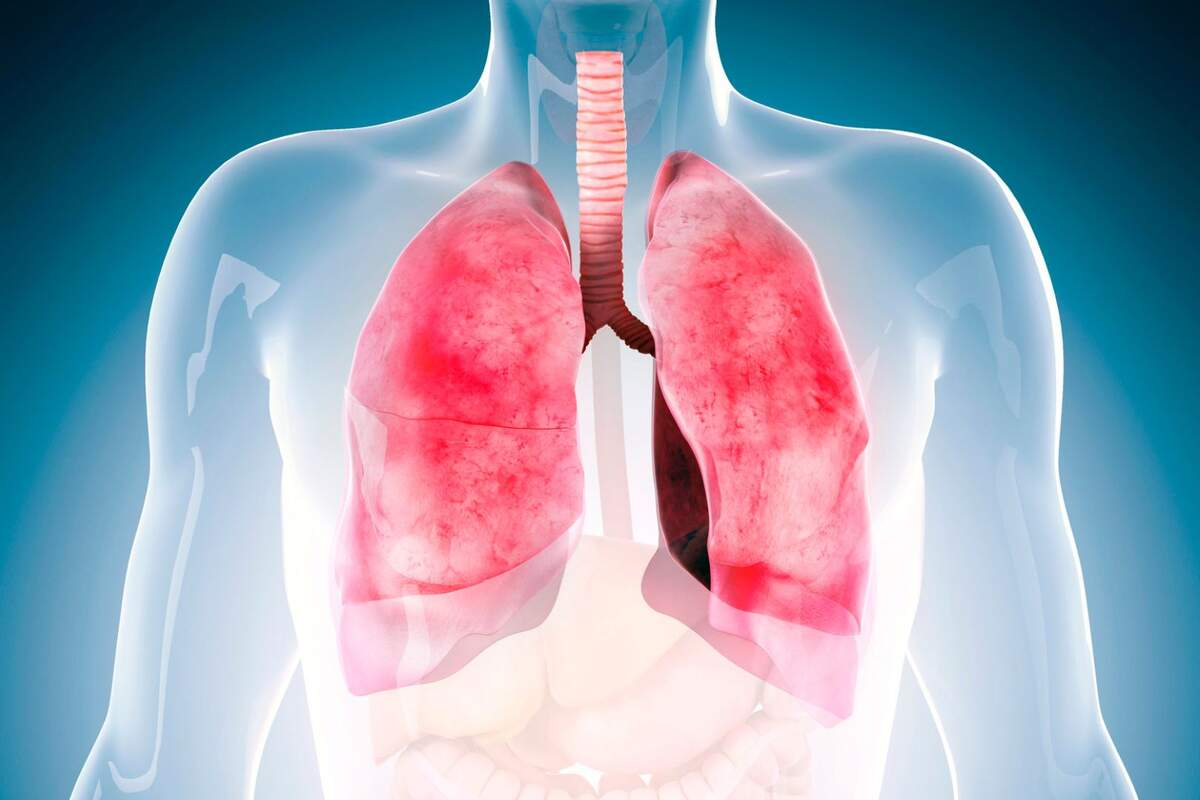
Knowing the four stages of COPD is key for patients and caregivers. It helps them prepare for the disease’s progression. Doctors use a breathing test called spirometry to find out the stage. This test looks at lung function by checking forced expiratory volume (FEV1).
This way, doctors can make treatment plans that fit each patient’s needs.
Mild COPD: Stage 1
Stage 1 COPD is mild. Patients might not feel symptoms like shortness of breath unless they’re very active. Lung function is mostly okay, with an FEV1 of 80% or more.
We stress the importance of catching COPD early. Early action can slow down the disease.
Moderate COPD: Stage 2
Stage 2 COPD is moderate. Patients breathe harder, even when not very active. The FEV1 is between 50% and 79% of normal.
They might have symptoms more often. Treatment includes medicines and changes in lifestyle.
Severe COPD: Stage 3
Stage 3 COPD is severe. Even small efforts make breathing hard. The FEV1 is 30% to 49% of normal.
Life quality drops a lot. Patients need stronger treatments, like pulmonary rehab.
Very Severe COPD: Stage 4
Stage 4 is the worst. Lung function is very low. Patients have an FEV1 of less than 30% or less than 50% with chronic respiratory failure.
Symptoms are very bad. The risk of not being able to breathe is high. We focus on making life better with palliative care.
How fast someone moves through these stages can vary. It depends on smoking, what they’re exposed to, and their genes. Knowing the stages helps plan the right care.
|
COPD Stage |
FEV1 Value (% predicted) |
Characteristics |
|---|---|---|
|
Stage 1: Mild |
≥80% |
Mild symptoms, occasional shortness of breath during strenuous activities |
|
Stage 2: Moderate |
50-79% |
More pronounced shortness of breath, even during physical activities |
|
Stage 3: Severe |
30-49% |
Significant shortness of breath even during minimal exertion |
|
Stage 4: Very Severe |
Severe symptoms, high risk of respiratory failure |
Managing COPD well means understanding its stages. Knowing the stage helps doctors give the right treatment. This can improve how patients do.
Diagnosing and Staging COPD: Medical Criteria
Getting a correct COPD diagnosis is key to managing the disease well. We use a mix of medical history, physical checks, and specific tests to find out if someone has COPD and how severe it is.
To diagnose COPD, we mainly look at pulmonary function tests (PFTs). These tests check how well the lungs work. The FEV1 test is the most important for COPD diagnosis.
Pulmonary Function Tests and FEV1 Values
Pulmonary function tests, like spirometry, are very important for diagnosing and figuring out how severe COPD is. Spirometry measures how much air you can breathe out after a deep breath. It gives us important numbers like FEV1 and FVC.
The FEV1 value helps us know how bad the airflow problem is. We use it to decide how severe COPD is by comparing it to a predicted value.
|
COPD Severity |
FEV1/FVC Ratio |
FEV1 % Predicted |
|---|---|---|
|
Mild |
< 0.7 |
≥ 80% |
|
Moderate |
< 0.7 |
50-79% |
|
Severe |
< 0.7 |
30-49% |
|
Very Severe |
< 0.7 |
< 30% |
GOLD Criteria and Other Classification Systems
The Global Initiative for Chronic Obstructive Lung Disease (GOLD) criteria are often used to classify COPD. They divide COPD into four stages based on symptoms, spirometry results, and risk of getting worse.
We use the GOLD criteria to help decide treatment and predict how a patient will do. Other systems might also be used to get a full picture of COPD severity.
By accurately diagnosing and staging COPD, we can make treatment plans that really help each patient.
Average Lifespan of COPD Patients: Research Findings
The life expectancy of patients with Chronic Obstructive Pulmonary Disease (COPD) is complex. It depends on many factors like disease severity and smoking history. Knowing these factors is key for both patients and doctors to manage the disease well.
Research shows that life expectancy drops with COPD stage and smoking status. People with very severe COPD might live from a few months to a few years. On average, they might live about 2 to 5 years.
Recent Clinical Studies on COPD Mortality
Recent studies have given us important insights into COPD mortality. They’ve found that:
- The stage of COPD at diagnosis greatly affects life expectancy.
- Smoking status is very important for COPD prognosis.
- Early treatment and management can improve patient outcomes.
A study in a top medical journal showed that Stage 4 COPD patients have a much shorter life expectancy. This is compared to those diagnosed at earlier stages.
Statistical Methods for Estimating Life Expectancy
Statistical methods help estimate life expectancy in COPD patients. These include:
- Pulmonary function tests, like FEV1 values, which show airflow limitation severity.
- The GOLD criteria, which classify COPD into four stages based on symptoms, spirometry results, and risk of exacerbations.
These methods help doctors predict patient outcomes. They make informed decisions about treatment plans. By knowing the statistical chance of disease progression, healthcare providers can give more tailored care.
Key factors influencing COPD life expectancy include:
- Disease stage at diagnosis
- Smoking status and history
- Presence of comorbidities
- Effectiveness of treatment and management strategies
Life Expectancy for Stage 1 COPD Patients
Patients with Stage 1 COPD often wonder about their life expectancy. They also want to know how early intervention can help. At this stage, the disease is mild, but it can affect life expectancy.
Statistical Reduction in Life Expectancy
Studies show that Stage 1 COPD patients live about 0.3 years less than others. This difference is small compared to more severe stages. But, it’s important to remember that this is just an average. Many factors can affect how long someone lives, like their health, lifestyle, and treatment.
Early Intervention and Its Impact on Prognosis
Acting early can greatly improve a COPD patient’s outlook. By making healthy lifestyle choices and following treatment plans, patients can slow the disease’s progress. This can make life better and might even add years to their life. Quitting smoking is a big step for smokers, as it can really slow COPD down.
Early action also lets doctors keep a close eye on the disease. They can adjust treatments as needed. This helps manage symptoms better and can lead to better results for Stage 1 COPD patients.
Life Expectancy for Stage 2 COPD Patients
Patients with Stage 2 COPD need to know how it affects their life expectancy. At this stage, symptoms start to impact daily life. But, there are ways to change the disease’s course.
Average Life Expectancy Reduction
Studies show Stage 2 COPD patients live about 2.2 years less than others. This highlights the need for early and effective treatment. Early diagnosis and the right treatment are key to reducing this loss.
Effective Treatment Strategies
Several treatments can slow COPD’s progress in Stage 2 patients. Quitting smoking is critical, as smoking speeds up COPD. Pulmonary rehabilitation programs also improve lung function and quality of life.
Using bronchodilators and inhaled corticosteroids helps manage symptoms and reduce flare-ups. Personalized treatment plans are vital. They consider the patient’s condition, lifestyle, and preferences.
By managing Stage 2 COPD proactively, patients can slow its progression. It’s important for healthcare providers to work with patients to create effective care plans.
Life Expectancy for Stage 3 COPD Patients
Knowing how long Stage 3 COPD patients can live is key to managing the disease well. At this stage, the disease has grown a lot. It affects the patient’s life quality and how long they can live.
Statistical Life Expectancy Reduction
Studies show that Stage 3 COPD patients lose about 5.8 years of life. This shows how serious the disease is at this point. It also highlights the need for strong management plans.
Factors Influencing Life Expectancy include the patient’s health, if they smoke, and if they follow their treatment. To manage COPD well at this stage, a mix of strategies is needed.
Managing Severe COPD to Improve Outcomes
Dealing with severe COPD means using medicine, pulmonary rehab, and changing lifestyle habits. Pulmonary rehabilitation is key. It helps patients get stronger and learn to handle their symptoms better.
|
Management Strategy |
Description |
Benefits |
|---|---|---|
|
Medication |
Use of bronchodilators and corticosteroids |
Reduces symptoms, slows disease progression |
|
Pulmonary Rehabilitation |
Exercise training, education, and support |
Improves physical conditioning, enhances symptom management |
|
Lifestyle Changes |
Smoking cessation, healthy diet, regular exercise |
Improves overall health, slows disease progression |
By using these methods, Stage 3 COPD patients can live better and maybe longer. It’s vital to have a treatment plan that fits each patient’s needs.
Life Expectancy for Stage 4 COPD Patients
People with Stage 4 COPD face a tough prognosis. Their life expectancy is usually between 2 to 5 years. This depends on their health, lifestyle, and treatment success.
At Stage 4, the focus shifts to palliative care. This means managing symptoms and improving comfort. It’s about making life better, not curing the disease. Knowing the life expectancy helps families plan for the future.
Every person with COPD is different, and Stage 4 is no exception. They need a lot of support and care. Healthcare teams can help by providing the right treatment and emotional support.
FAQ
What is the life expectancy for someone diagnosed with COPD?
Life expectancy for someone with COPD depends on the disease stage, overall health, and if they smoke. We go into detail about life expectancy by stage in our analysis.
How does COPD progress, and how does its stage affect life expectancy?
COPD gets worse over time. The stage of COPD greatly affects life expectancy. Early stages have less impact, while later stages reduce life expectancy more.
What are the four stages of COPD, and how are they characterized?
COPD has four stages: mild, moderate, severe, and very severe. Each stage is based on symptom severity and lung function decline, mainly through FEV1 values.
How is COPD diagnosed and staged using medical criteria?
Doctors use pulmonary function tests, like FEV1 values, and systems like the GOLD criteria to diagnose and stage COPD. These help determine how severe the disease is.
What is the average lifespan of COPD patients according to recent clinical studies?
Studies show that COPD patients’ life expectancy varies by stage. For example, Stage 1 might reduce life expectancy by about 0.3 years. Stage 4 can significantly reduce it.
Can COPD kill you, and what is the life expectancy for Stage 4 COPD patients?
Yes, COPD can be fatal, mainly in advanced stages. Stage 4 patients face big challenges. Their life expectancy is greatly reduced, showing the need for palliative care.
How does smoking status affect the life expectancy of COPD patients?
Smoking status greatly affects COPD patients’ life expectancy. Smoking makes the disease worse and shortens life. Quitting can slow the disease’s progression.
What is the statistical reduction in life expectancy for Stage 1 and Stage 3 COPD patients?
Stage 1 COPD reduces life expectancy by about 0.3 years. Stage 3 can reduce it by around 5.8 years. This highlights the importance of early treatment.
What treatment strategies can help slow disease progression in COPD patients?
Strategies like quitting smoking, medication, pulmonary rehab, and lifestyle changes can slow disease progression. They improve outcomes for COPD patients.
How does early intervention impact the prognosis for COPD patients?
Early treatment can greatly improve COPD patients’ prognosis. It slows disease progression, improves symptoms, and enhances quality of life.
What is the importance of palliative care for end-stage COPD patients?
Palliative care is vital for end-stage COPD patients. It focuses on relieving symptoms and stress, improving quality of life for patients and their families.
Reference
National Health Service (NHS). Evidence-Based Medical Guidance. Retrieved from
https://www.nhs.uk/conditions/chronic-obstructive-pulmonary-disease-copd/