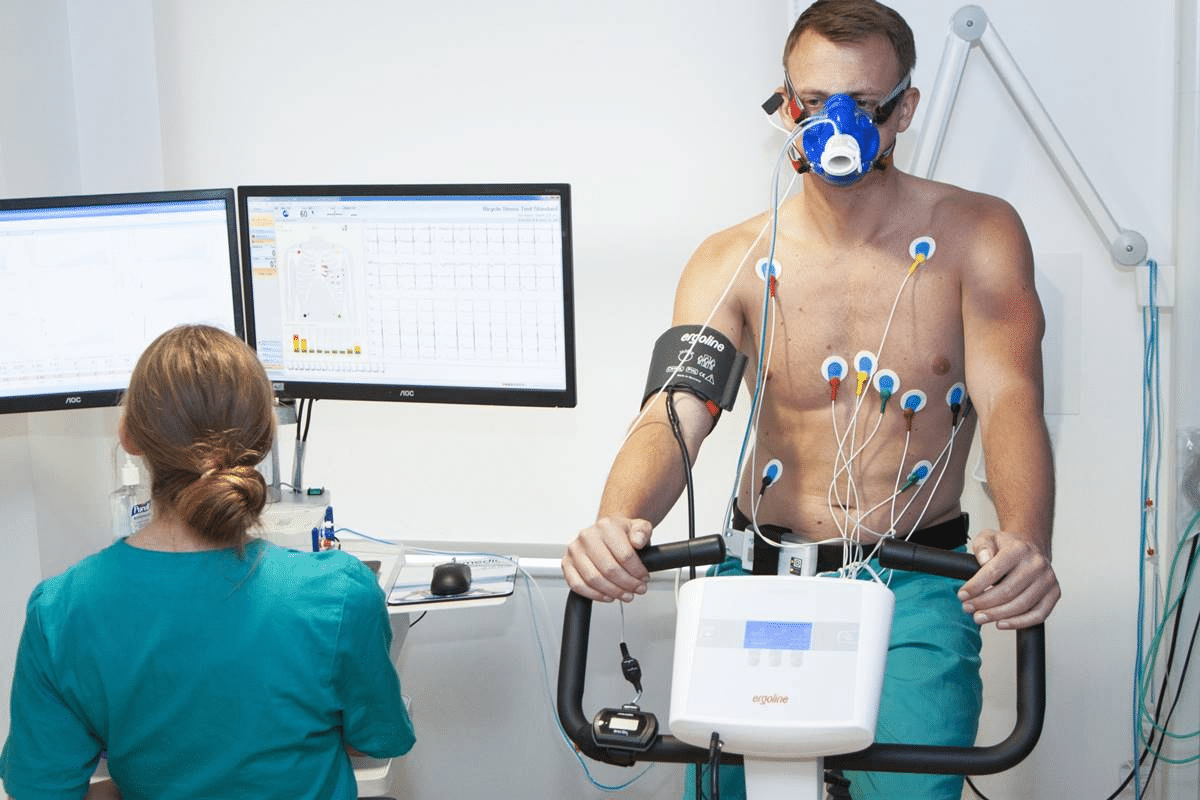
Do these balance exercises at home. This essential guide covers safe and effective routines to improve stability without a gym.
Keeping balance and coordination is key as we get older. Falls are a big health risk for seniors. Studies show that simple home-based exercises can lower fall risk and boost physical function in the elderly.
We know how vital top-notch healthcare is, including support for international patients. Adding balance training to daily routines can greatly enhance seniors’ strength, coordination, and confidence in everyday tasks.
Key Takeaways
- Home-based exercises can reduce fall risk in older adults.
- Targeted balance training improves strength and coordination.
- Simple exercises can be incorporated into daily routines.
- Comprehensive support is available for international patients.
- Improving balance enhances confidence in daily activities.
The Importance of Balance and Coordination for Healthy Aging
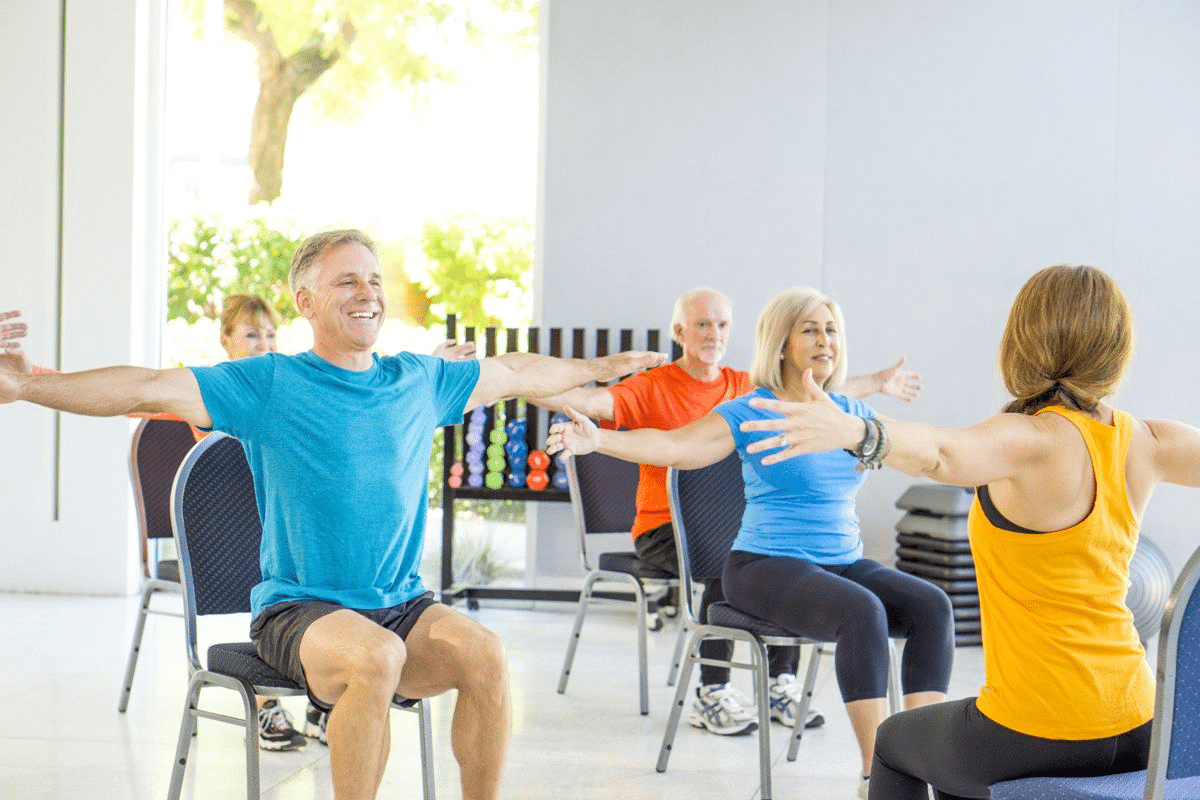
As we get older, keeping our balance and coordination is key for staying healthy and independent. These skills are not just about physical movement. They help us do everyday tasks and keep our quality of life high.
Understanding Balance as a Critical Health Factor
Balance is a complex skill that involves many body systems. It includes the visual, vestibular, and proprioceptive systems. Good balance lets us move safely and confidently, lowering the chance of falls and injuries. Studies show that balance training in older adults improves physical function and lowers fall risk.
Home-based balance exercises are great for older adults. For example, tai chi, a gentle exercise, boosts balance and cuts down falls in the elderly. It not only makes us more stable but also improves our overall well-being.
The Connection Between Balance and Fall Prevention
Falls are a big worry for older adults, causing serious injuries, loss of independence, and lower quality of life. The link between balance and preventing falls is clear, with balance training key in fall prevention programs. Better balance means a lower risk of falling.
|
Exercise Program |
Reduction in Fall Risk |
Improvement in Balance |
|---|---|---|
|
Tai Chi |
35% |
Significant |
|
Balance Training |
25% |
Moderate |
|
Physical Therapy |
40% |
Significant |
By adding balance exercises to their daily routine, older adults can stay independent and improve their health. We suggest talking to healthcare professionals to create a balance training plan that fits you.
Understanding Balance Decline: Causes and Risk Factors
Many things can cause balance decline, like age and medical conditions. As we get older, our bodies change in ways that affect balance and coordination.
Age-Related Changes Affecting Balance
Age is a big factor in losing balance. Muscle mass and strength decrease with age, making it harder to stay balanced. Vision changes, like seeing less clearly, also play a role. The vestibular system, key for balance, gets affected by aging too.
The somatosensory system, which helps us know where our body is, also gets worse with age. This makes it harder for older adults to keep their balance.
Medical Conditions That Impact Coordination
Many medical conditions can mess with coordination and balance. Neurological disorders like Parkinson’s disease and stroke can mess with the brain’s balance control. Diabetes can cause numbness in the feet and hands, making balance harder.
Arthritis can also cause pain and stiffness in joints, making balance harder. It’s important to manage these conditions well to keep balance.
Medication Side Effects on Balance
Some medicines can affect balance. For example, sedatives and antidepressants can make you dizzy or lightheaded. This increases the risk of falls. Medicines that change blood pressure can cause dizziness and balance problems.
It’s key for people, and older adults in particular, to talk to their doctor about their medicines. This helps understand how they might affect balance and coordination.
Research-Backed Benefits of Balance Training
Recent studies show that balance training is key to better physical skills and fall prevention. As we get older, our balance can get worse, raising the chance of falls. But, research proves that balance training can really help lower these risks.
Recent Studies on Home-Based Balance Programs
A 2025 study found that home exercises for strength and balance improved a lot. These improvements were in balance, walking, and overall physical ability. This study shows that you can get better without needing fancy equipment or places.
Some important findings from recent studies are:
- Big improvements in Berg Balance Scale scores
- Better overall physical function
- Less chance of falls for seniors
Measurable Improvements in Physical Function
Studies prove that balance exercises make older adults move better and stronger. These benefits aren’t just in balance but also in how well they can move around. For example, a study on home balance training showed big improvements in doing daily tasks with more ease and confidence.
|
Study |
Improvement Area |
Outcome |
|---|---|---|
|
2025 RCT |
Balance |
Significant improvement |
|
Home-Based Program |
Physical Function |
Enhanced mobility and strength |
Reduction in Fall Risk Statistics
Balance training is also great for lowering fall risk. Studies show that those who do balance training fall less than those who don’t. For example, a big study on balance training found fewer falls, showing it’s really good at preventing injuries from falls.
- Fall risk reduction through balance training
- Improved balance and coordination
- Enhanced overall physical capability
Adding balance training to your routine can greatly lower your fall risk. This helps keep you independent and living well.
Assessing Your Current Balance Abilities
First, you need to check how well you balance. This helps find areas to improve and makes a plan for exercises. Knowing your balance skills is key to staying stable and avoiding falls.
Simple Self-Assessment Tests
At home, you can do simple tests to see how balanced you are. The Single-Leg Stance Test is one. It’s about standing on one leg for as long as you can.
- Stand on one leg, holding onto a chair for support if needed.
- Hold the position for as long as you can, up to 30 seconds.
- Repeat the test on the other leg.
The Tandem Walk Test is another good one. It’s about walking in a straight line, with one foot right in front of the other’s toes.
- Find a clear path to walk along.
- Place your heel directly in front of your toes, walking along the line.
- Count the number of steps you can take without losing your balance.
Understanding Balance Assessment Metrics
Balance tests use different metrics to measure your skills. These include:
|
Metric |
Description |
Normal Performance |
|---|---|---|
|
Single-Leg Stance Time |
Time spent standing on one leg |
30 seconds or more |
|
Tandem Walk Steps |
Number of steps taken without losing balance |
10 steps or more |
These metrics give insights into your balance and show how you’re improving.
When to Consult a Healthcare Professional
If you find the tests hard or worry about your balance, see a healthcare expert. They can do a full check and suggest exercises or treatments.
“A thorough balance assessment by a healthcare professional can identify underlying issues and help prevent falls.”
— National Institute on Aging
Also, if you’ve fallen before, feel dizzy, or have a condition that affects balance, get professional help. It’s very important.
Creating a Safe Exercise Environment at Home
A safe home exercise area is key for better balance. We must focus on several important aspects. These help avoid injuries and make our balance training more effective.
Setting Up a Proper Exercise Space
First, find a good spot in your home without obstacles or distractions. This area should be big enough for you to move freely. A yoga mat adds padding and grip, lowering the chance of slipping.
It’s important to keep the area clean and free of clutter. Remove any rugs, cords, or other hazards to ensure a safe space for exercising.
Essential Safety Equipment
Having the right safety gear is also important for safe balance exercises at home. Some essential items include:
- Non-slip mats or grip-enhancing products for flooring
- Support bars or handrails for stability
- A phone or other communication device nearby in case of emergencies
|
Safety Equipment |
Purpose |
|---|---|
|
Non-slip mats |
Prevent slipping on the floor |
|
Support bars |
Provide stability during exercises |
|
Phone or communication device |
Allow for quick emergency contact |
Emergency Preparedness for Solo Exercise
Exercising alone at home requires being ready for emergencies. Make sure someone knows when you’re exercising and can check on you. Also, have a plan for emergencies, like knowing how to call for help or carrying a personal alarm.
By setting up a safe exercise space and using safety equipment, we can lower risks. This lets us focus on improving our balance at home.
Balance Exercises at Home for Beginners
Improving balance at home is easy and effective. Start with simple exercises made for beginners. They can be done right in your own space.
Seated Balance Exercises for Limited Mobility
Seated balance exercises are perfect for those with limited mobility. They help improve balance without too much strain.
- Seated marching: Lift your legs one at a time as if marching.
- Seated leg lifts: Slowly lift one leg off the floor, hold for a few seconds, and then lower it.
- Seated arm raises: Raise your arms above your head, then lower them.
These exercises can be done while seated in a sturdy chair. This ensures safety and support.
Supported Standing Exercises for Seniors
Supported standing exercises are great for seniors who need extra help. Using a chair or wall for support can prevent falls.
- Chair-assisted squats: Stand up and sit down slowly while holding onto a chair.
- Supported single-leg stance: Stand on one leg while holding onto a chair or wall.
- Heel raises: Stand on your tiptoes and then lower back down while holding support.
These exercises boost strength and balance. They make daily activities easier.
Proper Form and Technique Guidelines
Proper form and technique are key for balance exercises. Here are some tips to follow:
- Engage your core: Keep your abdominal muscles tight to support your body.
- Keep your posture straight: Maintain a straight back and avoid leaning forward or backward.
- Look ahead: Keep your eyes focused on a point in front of you.
By following these tips, you can get the most out of your balance exercises. This also helps avoid injuries.
Progressive Standing Balance Exercises for Intermediates
If you’ve got the basics down, it’s time to try more challenging exercises. These will push your balance to new heights and make you more stable.
Single-Leg Stance Variations
Single-leg stances are great for boosting balance. Here are some ways to make them harder:
- Try to hold the stance for 30 seconds or more.
- Stand on one leg with your eyes closed to focus on balance.
- Practice on different surfaces, like a soft cushion or a balance board.
Dynamic Balance Movements
Dynamic movements keep you balanced while you move. Try these:
- Walk in a straight line, placing one heel in front of the other’s toes.
- Do slow, controlled movements like lifting your arms or bending.
- Try turning or changing direction while walking.
Incorporating Everyday Activities into Balance Training
Make balance training fun by adding daily activities. Here’s how:
- Stand on one leg while doing everyday tasks like brushing teeth or washing dishes.
- Walk on different surfaces, like grass or uneven pavement, to test your balance.
- Do balance exercises during daily tasks, like waiting in line or at a bus stop.
By adding these exercises to your daily life, you’ll get better at staying balanced. This can also lower your risk of falling.
Walking Balance Exercises to Improve Stability
Walking exercises can help improve balance and coordination. They are great for older adults or those with mobility issues. These exercises can be adjusted to fit different fitness levels.
Heel-to-Toe Walking Techniques
Heel-to-toe walking, or tandem walking, is a balance exercise. It involves walking in a straight line, with one heel in front of the other’s toes. This exercise challenges your body’s balance and stability.
To practice heel-to-toe walking:
- Start by standing with your feet together, holding onto a stable object if necessary.
- Take a step forward, placing the heel of one foot directly in front of the toes of the other foot.
- Continue walking in a straight line, focusing on precise foot placement.
Directional Change Exercises
Directional change exercises help improve balance and reaction time. They mimic real-life situations where you might need to quickly change direction.
To practice directional change exercises:
- Begin walking in a straight line.
- Upon a signal or at a predetermined point, change direction by turning 90 or 180 degrees.
- Continue walking in the new direction, maintaining your balance.
Gait Training for Better Coordination
Gait training involves practicing different walking patterns. This improves coordination and balance. By changing your gait, you strengthen walking muscles and adapt to various conditions.
Some examples of gait training exercises include:
- Walking with a narrower base of support.
- Walking on different surfaces, such as carpet, hardwood, or uneven terrain.
- Incorporating stops and starts into your walking routine.
Adding these walking balance exercises to your daily routine can greatly improve stability. Start slowly and increase difficulty as you get better.
Strength Training to Support Better Balance
Strength training is key to better balance and physical stability. It targets specific muscles to improve balance and lower fall risks.
Working on lower body and core muscles is vital. These exercises boost stability and coordination.
Lower Body Strengthening Exercises
Lower body exercises are essential for balance. Some great ones include:
- Squats: Strengthens the quadriceps, hamstrings, and glutes.
- Lunges: Targets the quadriceps, hamstrings, and glutes, improving balance.
- Leg Press: Strengthens the quadriceps, hamstrings, and glutes.
|
Exercise |
Muscle Group |
Benefits |
|---|---|---|
|
Squats |
Quadriceps, Hamstrings, Glutes |
Improves balance and strength |
|
Lunges |
Quadriceps, Hamstrings, Glutes |
Enhances balance and coordination |
|
Leg Press |
Quadriceps, Hamstrings, Glutes |
Strengthens lower body |
Core Stability Workouts
Core stability is vital for balance. Core exercises improve overall stability.
Effective core workouts include:
- Planks: Strengthens the core muscles.
- Bridges: Targets the glutes and lower back.
- Russian twists: Strengthens the obliques.
“A strong core is the foundation of good balance and overall physical stability.”
— Fitness Expert
Resistance Training for Balance Improvement
Resistance training helps improve balance. It strengthens muscles with bands or weights.
Effective exercises include:
- Resistance band leg curls: Strengthens the hamstrings.
- Weighted squats: Enhances lower body strength.
- Resistance band shoulder rotations: Improves shoulder stability.
Adding strength training to our routine boosts balance and stability. Start with exercises that fit our level and gradually increase the challenge.
Tracking Progress and Measuring Balance Improvements
To make sure you’re on the right track, it’s key to check your balance often. As you go through your balance training, checking yourself regularly helps spot what you’re getting better at. This makes your balance better and boosts your confidence in everyday tasks.
Weekly Assessment Techniques
Checking yourself regularly is key to seeing how you’re doing. The Berg Balance Scale is a good tool for this. It tests your balance with different tasks. Weekly checks let you see how you’re getting better and catch any problems early.
- Do the Berg Balance Scale test every week to track your score.
- Keep a log of your scores to see how far you’ve come.
- Change your exercises based on what your tests show.
Setting Realistic Balance Goals
Setting goals that you can reach is key to a good balance training plan. Realistic goals keep you motivated and give you a clear plan. Think about how good you are at balancing now and any limits you might have.
- Check how good you are at balancing with simple tests.
- Set specific, measurable goals, like improving your Berg Balance Scale score.
- Plan out when you want to reach your goals, breaking them down into smaller steps.
Adapting Exercises as You Improve
As you get better at balancing, you need to make your exercises harder. This could mean making your current exercises more challenging or trying new ones. Changing your routine keeps your training fun and helps you keep getting better.
|
Current Level |
Adapted Exercises |
|---|---|
|
Beginner |
Supported standing exercises, seated balance exercises |
|
Intermediate |
Single-leg stance variations, dynamic balance movements |
|
Advanced |
Complex dynamic balance exercises, incorporating everyday activities |
Conclusion: Maintaining Long-Term Balance and Coordination
Keeping balance and coordination is key for our health, more so as we get older. Regular balance exercises help improve balance and lower fall risks. We’ve looked at different exercises to do at home, from seated ones for those with limited mobility to standing exercises for those who are more advanced.
Adding coordination exercises to your daily life is vital for lasting balance. This way, you can stay active and independent for longer. We suggest trying new exercises and changing your routine as your balance gets better.
Sticking to balance training can greatly reduce fall risks and injuries. We urge you to prioritize balance, using the exercises and tips we’ve shared. This will help you on your path to better balance and health.
FAQ
What are the most effective balance exercises for seniors?
Effective balance exercises for seniors include seated and standing exercises. Single-leg stances and dynamic movements are also good. These can be adjusted to fit your fitness level and mobility.
How often should I practice balance exercises at home?
We suggest doing balance exercises 2-3 times a week. Aim for daily practice for the best results. Consistency is key to better balance and less risk of falls.
Can balance training really reduce the risk of falls?
Yes, research shows balance training can lower fall risk in older adults. It improves balance and coordination, helping you move safely and respond to challenges.
What safety precautions should I take when doing balance exercises at home?
To stay safe, clear your space of tripping hazards. Use a sturdy chair or wall for support when needed. A non-slip mat or soft surface is also helpful. Always have a phone nearby for emergencies.
How can I assess my current balance abilities?
Try simple tests like standing on one leg or walking heel-to-toe. These can show your balance level. For a detailed assessment, talk to a healthcare professional.
Are there any specific balance exercises that can be done while walking?
Yes, walking exercises like heel-to-toe walking and changing direction can improve balance. These can be part of your daily walks.
How does strength training support better balance?
Strength training, focusing on the lower body and core, boosts balance. It makes your body more stable and coordinated.
What are some tips for tracking progress in balance training?
To track progress, set achievable balance goals and check your abilities weekly. As you get better, adjust the exercises to keep challenging yourself.
Can I improve my balance if I have a medical condition that affects my coordination?
Yes, many exercises can be adapted for different needs. Talk to a healthcare professional to create a balance program that works for you.
How long does it take to see improvements in balance and coordination?
With regular practice, you’ll see balance and coordination improvements in weeks to months. Keep practicing to enjoy long-term benefits.
References
World Health Organization. Evidence-Based Medical Guidance. Retrieved from https://www.who.int/publications/i/item/9789240015128



 Departments
 Related Videos
 Our Doctors
 News
News