Download our balance exercises for seniors PDF. This essential guide provides a printable list of strength and gait training moves.
Falls among seniors are a big worry, causing thousands of deaths each year. But, evidence-based balance exercises can cut fall risk by up to 36%. At Liv Hospital, we focus on geriatric care to help older adults avoid injuries. We use proven strength and gait training programs.
Research shows that one-third of people over 65 fall every year. Our guide has 15 key strength and gait training exercises for seniors. You can print them out and follow the steps to boost mobility and lower fall risk.
Key Takeaways
- Balance exercises can reduce fall risk by up to 36% in seniors.
- Liv Hospital offers patient-centered expertise in geriatric care.
- Our guide provides 15 printable balance exercises for seniors.
- Strength and gait training programs improve mobility and reduce fall risk.
- Regular exercise can help older adults maintain independence.
The Critical Importance of Balance Training for Seniors
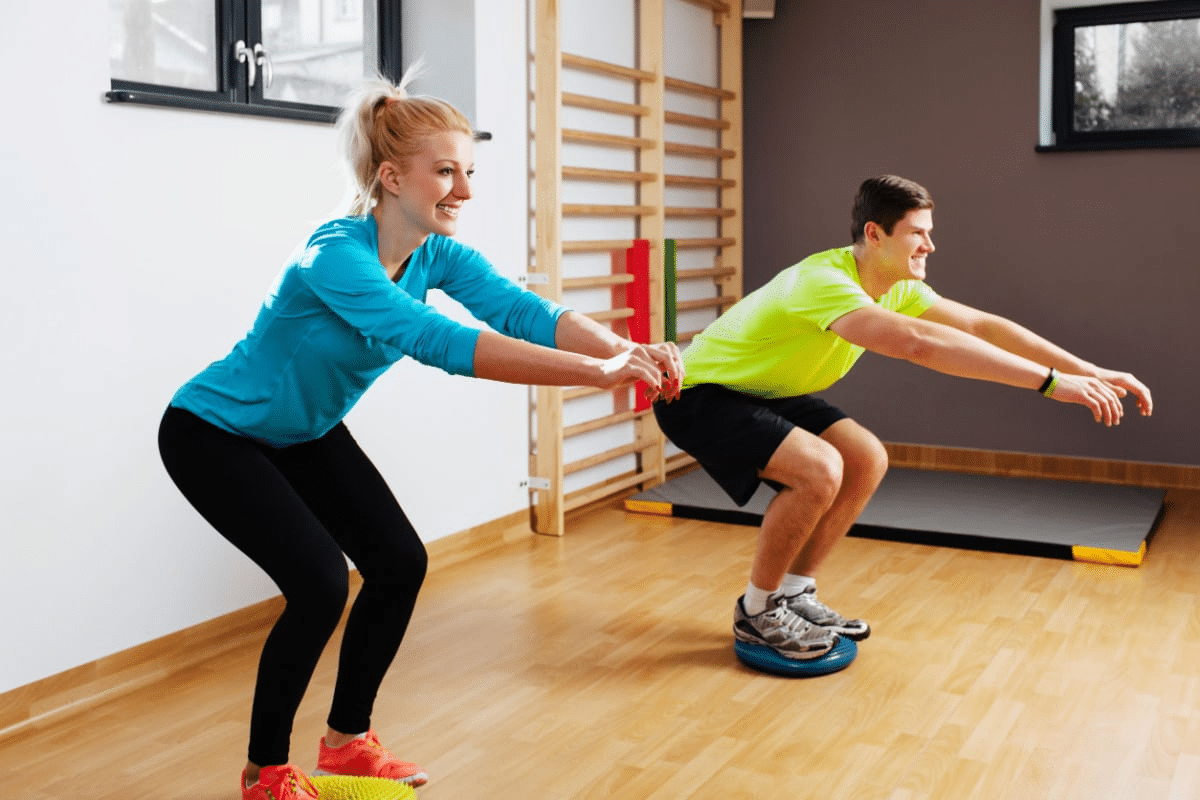
Balance exercises are key for seniors to avoid falls and stay independent. As we age, our risk of falling goes up. This is because we lose muscle strength, balance, and some medications can also affect us. Balance training is a must for preventing falls.
Understanding Fall Statistics Among Older Adults
Falls are a big worry for older adults. They are the second biggest cause of unintentional injury deaths worldwide. In the U.S., millions of seniors visit emergency rooms each year for fall injuries. These injuries can be very serious, causing broken bones, head injuries, and even death.
Studies show that exercise, like balance training, can really help. It makes seniors less likely to fall and get hurt.
How Balance Exercises Reduce Fall Risk
Balance exercises help keep the body stable. They do this by making the legs stronger and improving how muscles and nerves work together. Regular balance training also makes reflexes better and helps recover balance faster.
Balance exercises offer many benefits for seniors. They improve muscle strength and flexibility. They also make balance and coordination better. Seniors feel more confident and mobile.
By doing balance exercises every day, seniors can prevent falls and keep their independence.
Benefits of Regular Balance and Strength Training
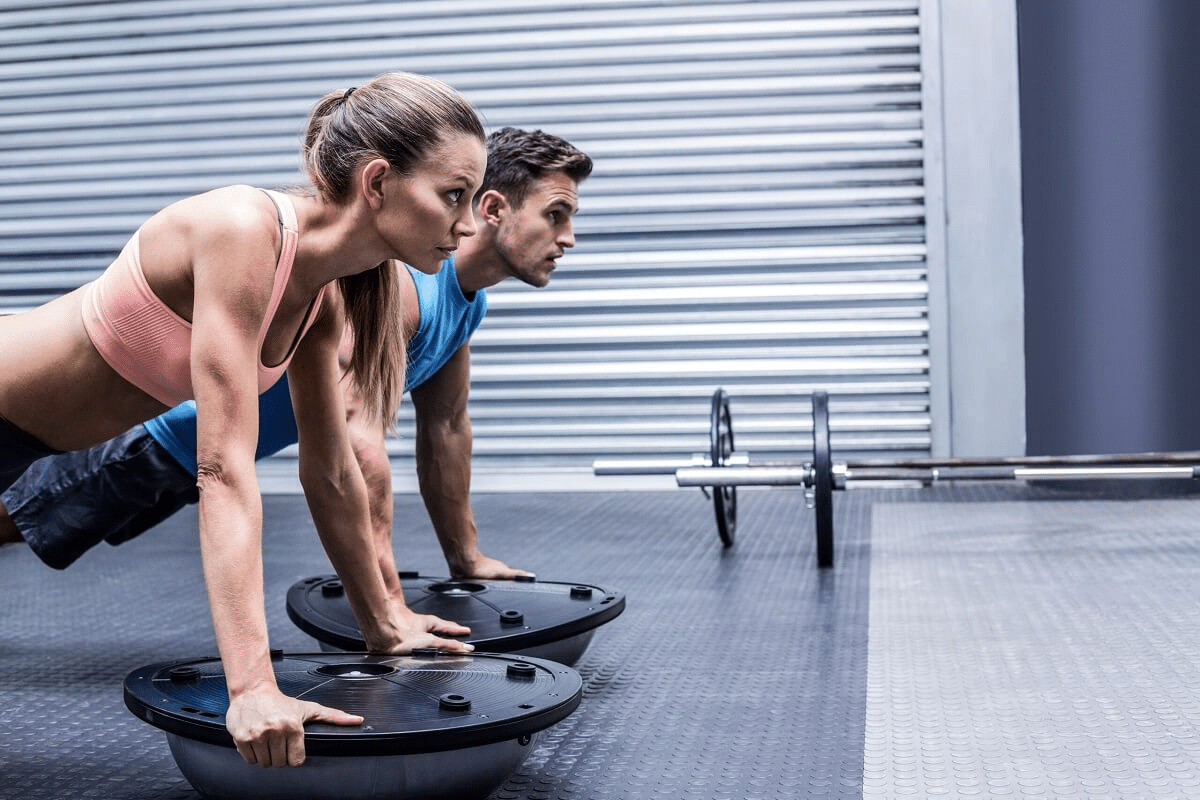
Balance training, when backed by science, is great for older adults. It boosts their health in many ways. Seniors see better physical function and mental health.
Physical Benefits for Aging Bodies
Strength and balance exercises are key for seniors. They keep muscles strong, improve flexibility, and boost stability. Regular workouts can also prevent diseases like dementia, heart disease, and diabetes.
|
Physical Benefit |
Description |
|---|---|
|
Improved Muscle Mass |
Strength training keeps or grows muscle, vital for moving around and staying independent. |
|
Enhanced Flexibility |
Balance exercises make daily tasks easier and lower injury risk. |
|
Better Physical Stability |
Balance and strength training together make seniors more stable, reducing fall risks. |
Experts say exercise is key for healthy aging. It’s good for both body and mind.
“The right exercise program can significantly reduce the risk of falls and related injuries, maintaining older adults’ independence.”
Mental and Emotional Advantages
Balance training also boosts mental and emotional health. Regular exercise cuts anxiety and depression, lifts mood, and sharpens the mind. Balance exercises for the elderly improve their life quality, letting them stay active and independent.
Seniors gain mental and emotional benefits from strength and balance exercises. They live a more fulfilling, independent life.
Getting Started: Safety Precautions and Equipment
To start balance training safely and effectively, you need to take some steps. Balance exercises help seniors avoid falls and keep their independence. But, it’s important to be careful.
Essential Safety Guidelines Before Beginning
Before you start, remember a few key safety tips. First, make sure you have enough space to move without tripping or slipping. It’s also a good idea to exercise with a partner for help if you need it.
Also, wear the right clothes and shoes. Choose clothes that don’t get in the way and shoes with good grip. If you have health issues, talk to a doctor before starting any new exercise.
Simple Equipment for Enhanced Results
While you can do many balance exercises without equipment, some tools can make them safer and more effective. A strong chair or wall can offer support. For example, holding onto a chair can help you balance while doing leg lifts or standing exercises.
Other simple tools include balance aids like balance boards or BOSU balls. They can make balance exercises more challenging and help improve stability. But, use them with caution, and under supervision, if you’re just starting out.
By following these safety tips and using the right equipment, seniors can get the most out of their balance training. This way, they can enjoy the benefits while staying safe.
5 Seated Balance Exercises for Beginners
For seniors new to balance training, seated exercises are a great start. They can be done while sitting in a sturdy chair. This makes them perfect for those with mobility issues or just starting out.
We will show you five seated balance exercises that are easy to follow. You can also adjust them to fit your needs.
Seated Leg Lifts
Seated leg lifts are simple yet effective. Sit upright in a chair with your feet flat on the floor. Lift one leg straight up, hold for a few seconds, and then lower it back down.
Repeat on the other side. Start with 5-10 repetitions on each leg and increase as you get stronger.
Chair Marches
Chair marches are great for balance and coordination. Sit and lift your legs off the ground one at a time, like marching in place. Keep your back straight and engage your core for the best results.
Begin with 5-10 marches on each leg and increase as you get more comfortable.
Seated Ankle Rotations
Seated ankle rotations improve ankle mobility and balance. Sit with your feet flat on the floor and lift one foot off the ground. Rotate your ankle in both directions.
Do 5 rotations in each direction before switching to the other foot. This is great for those with reduced ankle mobility.
Chair Twists
Chair twists target the core and improve balance. Sit with your feet flat on the floor and your hands on your hips. Twist your torso to one side, keeping your feet and hips facing forward, and then return to the starting position.
Repeat on the other side. Perform 5-10 twists on each side, breathing naturally throughout.
To track your progress and make these exercises more engaging, consider using a simple table to log your daily or weekly activities:
|
Exercise |
Repetitions |
Date |
|---|---|---|
|
Seated Leg Lifts |
10 |
02/01/2023 |
|
Chair Marches |
15 |
02/01/2023 |
|
Seated Ankle Rotations |
5 |
02/01/2023 |
|
Chair Twists |
10 |
02/01/2023 |
By adding these seated balance exercises to your daily routine, you can improve your balance and reduce fall risks. Always talk to a healthcare professional before starting any new exercise program.
5 Standing Balance Exercises for Intermediate Level
Standing balance exercises are a step up from seated ones. They help improve balance and reduce the risk of falls. These exercises also strengthen muscles and boost confidence in standing and moving.
Single Leg Stance
Stand on one leg, holding onto a chair or wall if needed. Hold for 10-30 seconds and switch legs. This improves balance and strengthens the ankles.
Heel-to-Toe Walk
Walk along a straight line, placing the heel of one foot in front of the toes of the other. This enhances balance and stability by challenging the body’s sense of position.
Side Leg Raises
Stand with feet hip-width apart and raise one leg out to the side, keeping it straight. Lower it back down without touching the floor and repeat on the other side. This strengthens the hip abductors and improves balance.
Toe Stands
Stand on both feet and slowly raise up onto your tiptoes, then lower back down. This strengthens the calf muscles and improves ankle stability.
When doing these exercises, make sure to stay safe. Have a support person nearby or hold onto something stable. As you get better, you can reduce support and make the exercises harder.
5 Dynamic Balance Exercises for Advanced Seniors
Dynamic balance exercises are great for advanced seniors to boost their balance. They help improve stability, agility, and physical function. Adding these exercises to your routine can help you balance better and lower fall risks.
Walking Lunges
Walking lunges are a dynamic exercise that challenges balance, strength, and coordination. To do walking lunges:
- Stand with your feet hip-width apart.
- Take a large step forward with one foot.
- Lower your body until your back knee almost touches the ground.
- Push back to the starting position and repeat with the other leg.
Stepping Over Objects
Stepping over objects helps improve balance and agility by mimicking real-life scenarios. To do this exercise:
- Place a small object, such as a book or cone, on the floor.
- Stand beside the object.
- Step over the object with one foot and then return to the starting position.
- Repeat with the other foot.
Grapevine Step
The grapevine step is a lateral movement that challenges balance and coordination. To do the grapevine step:
- Stand with your feet together.
- Take a step to the side with one foot.
- Bring the other foot to meet the first foot.
- Continue moving sideways, alternating feet.
Backward Walking
Backward walking is an effective exercise for improving balance and strengthening the legs. To do backward walking:
- Stand with your feet hip-width apart.
- Take small steps backward, keeping your knees slightly bent.
- Continue walking backward for a few steps, then return to the starting position.
Strength Training Exercises to Support Balance
To improve balance and lower fall risks, strength training exercises are key. These workouts boost muscle strength and stability, mainly in the lower body and core.
Lower Body Strengthening
Strengthening the lower body is essential for better balance and stability. Exercises focusing on the legs and hips work best. Here are some examples:
- Squats: Strengthens the quadriceps, hamstrings, and glutes.
- Lunges: Targets the quadriceps, hamstrings, and glutes, while also improving balance.
- Leg Press: Strengthens the quadriceps, hamstrings, and glutes.
|
Exercise |
Muscles Targeted |
Benefits |
|---|---|---|
|
Squats |
Quadriceps, Hamstrings, Glutes |
Improves balance and strengthens lower body |
|
Lunges |
Quadriceps, Hamstrings, Glutes |
Enhances balance and strengthens lower body |
|
Leg Press |
Quadriceps, Hamstrings, Glutes |
Strengthens lower body muscles |
Core Stability Exercises
Core stability exercises are also key for balance. A strong core helps keep the body stable, making it easier to stand up straight and avoid falls. Here are some core exercises:
- Planks: Strengthens the abdominal muscles and improves posture.
- Russian twists: Targets the obliques and improves rotational strength.
- Bicycle crunches: Strengthens the abdominal muscles and improves core stability.
Adding these strength training exercises to a balance program can greatly improve stability and lower fall risks for seniors.
Gait Training Exercises for Improved Walking Patterns
Gait training is key for balance, focusing on better walking and less falls. As we get older, our walking can change, making special exercises important. These help keep us moving and independent.
Understanding Gait Mechanics
Gait mechanics are how we walk, using muscles, bones, and nerves. Knowing about gait mechanics helps find areas to improve. Good gait mechanics mean walking smoothly and safely. Age, muscle weakness, and health issues can make walking harder and increase fall risk.
To better our gait, we need to work on balance, strength, and flexibility. We’ll look at exercises that help with these, tailored for everyone’s needs.
Practical Gait Improvement Exercises
Here are some great exercises for better walking:
- Heel-To-Toe Walking: Walk straight, putting one heel right in front of the other’s toes. It boosts balance and stability.
- Single-Leg Stance: Stand on one leg, holding something stable for support. It’s great for balance and gait.
- Toe Walking: Walking on tiptoes strengthens foot and ankle muscles. This helps with better walking.
- Walking with Head Turns: Walk while turning your head. It improves balance and lowers fall risk.
Adding these exercises to your routine can make walking safer and better. Start slow and increase as you get stronger. It’s important to do these exercises safely and right.
Always talk to a doctor before starting new exercises, even more so if you have health issues. With regular practice and the right guidance, these exercises can greatly improve life for seniors.
Balance Exercises for Seniors PDF: How to Use Our Printable Guide
To start with our balance exercises, download and print our guide made for seniors.
Downloading and Printing Instructions
Our guide is easy to get. Just click the download link on this page. Then, print it with your preferred settings.
Steps to Download and Print:
- Click on the download link to save the PDF to your device.
- Open the PDF file using a PDF reader application.
- Adjust your printer settings as needed and print the guide.
Weekly Exercise Schedule Template
The guide has a weekly schedule to keep you on track. It’s flexible, so you can adjust exercises to fit your comfort.
|
Day |
Exercise |
Repetitions |
|---|---|---|
|
Monday |
Seated Leg Lifts |
10 |
|
Tuesday |
Chair Marches |
15 |
|
Wednesday |
Rest Day |
– |
|
Thursday |
Seated Ankle Rotations |
12 |
|
Friday |
Chair Twists |
10 |
Progressing Safely Through Difficulty Levels
It’s important to move at your own pace. Start with beginner exercises and move up as you get better.
Tips for Progressing Safely:
- Begin with lower repetitions and increase as you become more comfortable.
- Listen to your body and rest when needed.
- Consult with a healthcare professional if you experience any discomfort or pain.
Tracking Progress and Measuring Balance Improvements
Seniors need to keep track of their balance training progress. This helps them see if their exercises are working. They can then adjust their training as needed.
At-home tests can help seniors measure how well they’re balancing. These tests show if their training is effective.
Simple At-Home Assessment Methods
There are easy ways to check balance at home. These include:
- Timed Up and Go (TUG) test: Measures the time taken to stand up from a chair, walk a short distance, and return to the chair.
- Single-Leg Stance test: Assesses the ability to stand on one leg, which is a strong indicator of balance capability.
- Heel-To-Toe Walk test: Evaluates the ability to walk in a straight line, which requires balance and coordination.
By doing these tests regularly, seniors can see how they’re improving.
When to Advance to More Challenging Exercises
It’s time to try harder exercises when you’re consistently doing well. Seniors should move up when they:
- Can do current exercises easily and confidently.
- See big improvements in their at-home tests.
- Feel they’re not being challenged enough.
It’s important to move up slowly. New exercises should be tough but not too hard. This keeps motivation up and injury risk down.
Knowing when to move up and how to track progress helps seniors get the most from their balance training. This improves their stability and lowers fall risk.
Conclusion: Maintaining Independence Through Regular Balance Training
Regular balance training is key for seniors to stay independent. It helps them avoid falls and keeps them able to do daily tasks.
We’ve given you a detailed guide on balance exercises. This includes a printable PDF for seniors. It’s meant to help them start balance training safely.
By sticking to balance training, seniors can boost their balance and lower fall risks. They can also keep their independence. We urge seniors to take charge of their balance and begin training now. This way, they can live a healthier, more independent life.
FAQ
What are the benefits of balance exercises for seniors?
Balance exercises help seniors move better and stay independent. They also lower the chance of falls.
How can I get started with balance exercises if I’m a beginner?
Start with seated exercises like leg lifts and ankle rotations. They’re easy and can be adjusted for you.
What safety precautions should I take when performing balance exercises?
Always have a chair nearby and wear comfy clothes. Make sure your floor is slip-resistant.
Can I download a printable balance exercises guide?
Yes, our guide has a PDF with 15 balance exercises. It also has a weekly schedule to keep you on track.
How often should I perform balance exercises?
Do balance exercises 2-3 times a week. Try harder exercises as you get better.
What are some simple at-home assessment methods to measure balance improvements?
Try standing on one leg and walking heel-to-toe. Use timed tests to see how you’re doing.
Are there any dynamic balance exercises for advanced seniors?
Yes, try walking lunges and stepping over things. These exercises are for those who are more advanced.
How can strength training exercises support balance training?
Strength training, like working your legs and core, boosts balance. It makes you more stable and less likely to fall.
Can gait training exercises improve walking patterns?
Yes, gait training helps your walking. It focuses on the right way to walk and can lower fall risk.
References
National Center for Biotechnology Information. Evidence-Based Medical Guidance. Retrieved from https://www.ncbi.nlm.nih.gov/pmc/articles/PMC10435089/