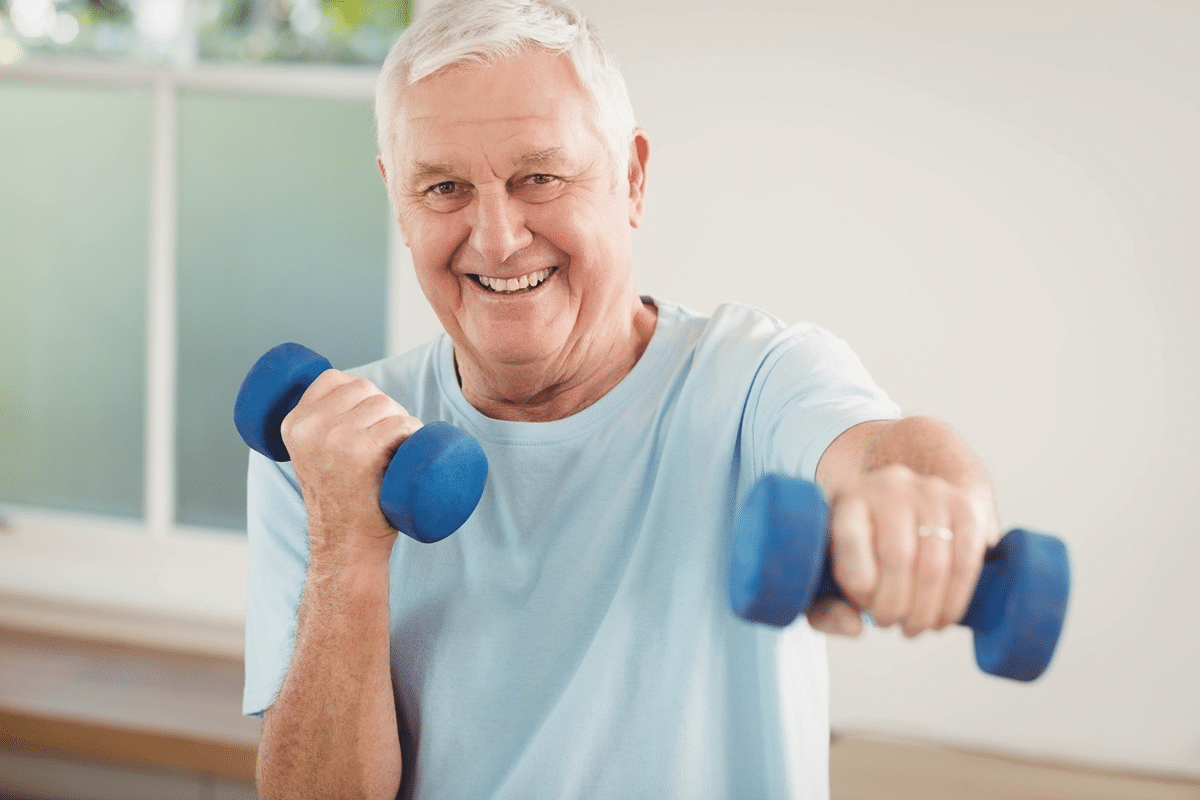
Falls are a big worry for older adults in the U.S. Over 3 million end up in the emergency room each year. Balance training is a special kind of physical therapy. It helps keep you steady and lowers the chance of falling.
At Liv Hospital, we know how key effective balance exercises are. They help stop falls and injuries. Our physical therapy balance training aims to boost stability, confidence, and freedom at any age.
Adding a balance training program to your therapy can really boost your health. It doesn’t matter if you’re 45, 65, or 95. It’s always a good time to start.
Key Takeaways
- Balance training is key to preventing falls in older adults.
- Good PT exercises can make you feel steadier and more confident.
- You can customize a balance training program to fit your needs and age.
- Liv Hospital has detailed physical therapy balance training programs.
- Getting better at balance can greatly improve your health and freedom.
The Science and Benefits of Balance Training
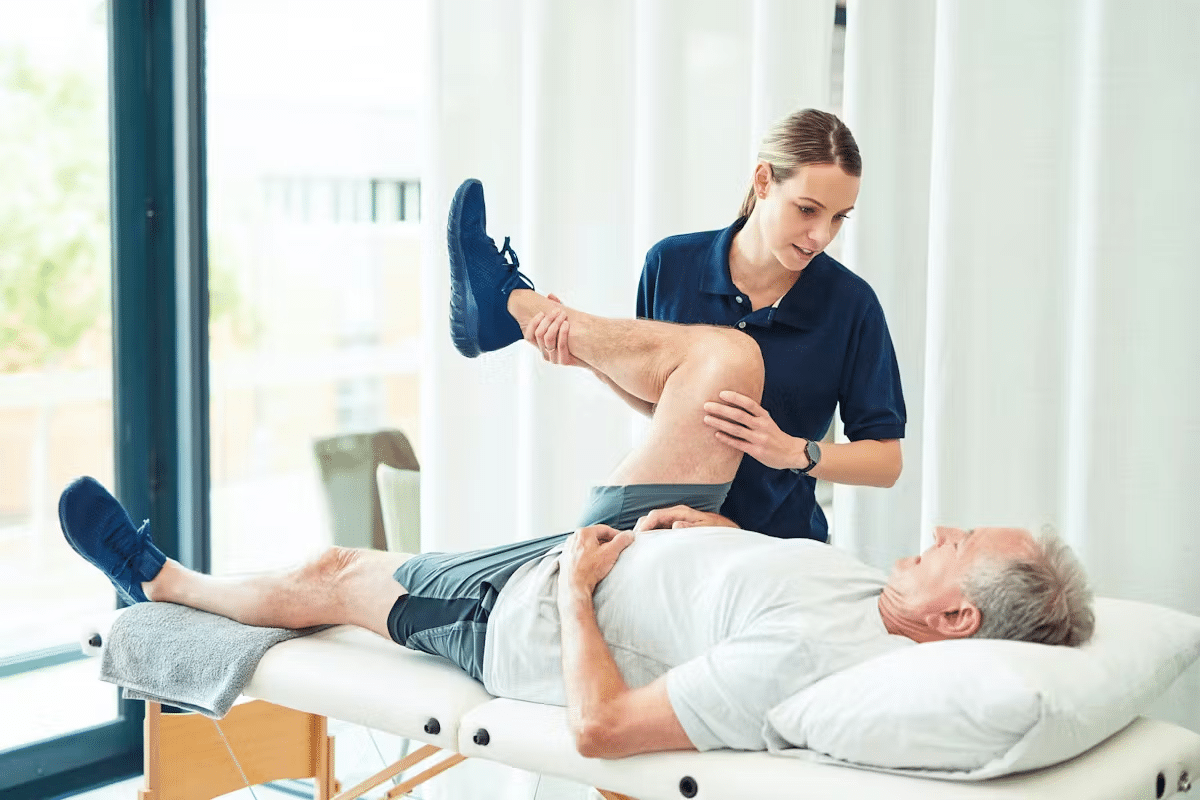
Balance training has a big impact on our health. It’s not just for athletes. It’s important for everyone, no matter their age or fitness level.
What Balance Training Means for Physical Health
Balance training includes exercises that help us stay steady. It enhances proprioception, or our sense of body position. It also strengthens muscles for better posture and to prevent falls.
Adding balance training to our workouts can greatly improve our health. We’ll feel more stable, coordinated, and less likely to get hurt during daily activities or sports.
Research-Backed Effectiveness (16-42% Improvement)
Research shows balance training can improve balance by 16 to 42 percent. This proves that balance exercises are effective in making us more stable and reducing fall risks.
- Improved balance control through specific training exercises
- Enhanced proprioception and muscular strength
- Significant reduction in fall risk, specially among older adults
Fall Prevention and Risk Reduction
Balance training is key in preventing falls. It makes us steadier, which is very important for older adults. Just a few minutes of balance exercises each day can make us feel more confident and stable.
Exercises that boost balance can lower fall risks. They do this by strengthening muscles, improving proprioception, and increasing physical stability.
How Balance Training Works Physiologically
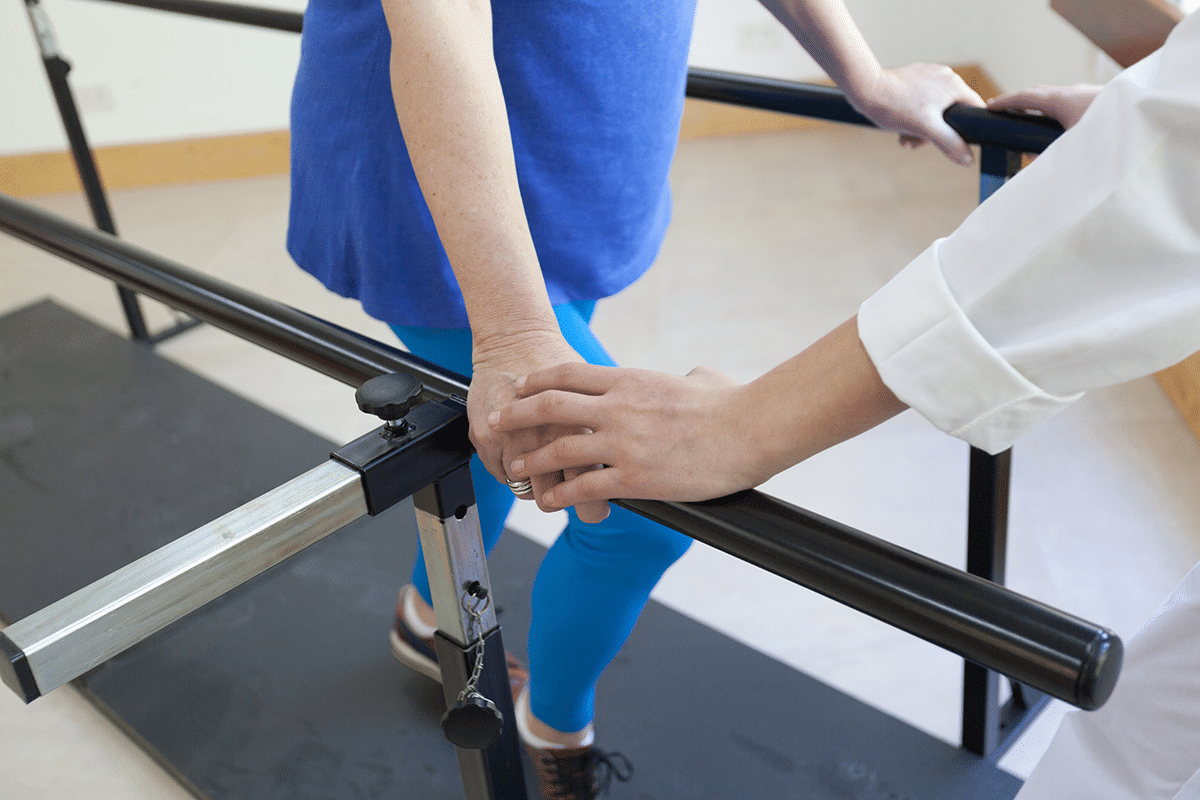
Balance training works by using different parts of our body. It helps us stay stable. By understanding how these parts work together, we see the full benefits of balance training.
The Vestibular System’s Role
The vestibular system is in our inner ear. It helps us keep our balance. It notices when our head moves or changes direction. Effective balance training exercises help this system work better, leading to better balance.
Proprioception and Body Awareness
Proprioception is knowing where our body is and how it moves. It’s key for balance and smooth movements. Balance training makes our body better at adapting to new positions and movements. This improves body awareness.
Muscular Control and Coordination
Muscles are important for balance. Balance training makes our muscles stronger, mainly in our legs and core. This helps us make small adjustments to stay balanced. Muscular control gets better with practice, making us more stable.
Balance training uses many parts of our body, like the vestibular system, proprioception, and muscles. It’s a complete way to improve balance and prevent falls. Being able to move well, stay strong, and balance easily boosts our confidence and health as we get older.
Assessing Your Balance Needs
Knowing what you need to work on is key to a good balance training plan. We check where you’re strong and where you need help. This lets us make a plan just for you.
Professional PT Assessment Tools
Physical therapists have special tools to check your balance. They might use:
- The Berg Balance Scale, which tests balance through tasks you can do
- The Timed Up and Go test, to see how fast you can stand up, walk, and sit down again
- Balance boards and other gear to test your balance in different ways
These tools give us a clear picture of your balance skills. This helps us make a training plan that fits you perfectly.
Self-Assessment Techniques
You can also check your balance on your own. Try standing on one leg while holding onto something stable. See if you can stay balanced for 10-30 seconds. Do the same with the other leg.
Another way is to walk in a straight line, placing your heel right in front of the other foot’s toes. This “tandem walking” shows us how balanced you are.
Identifying Balance Deficits and Weaknesses
By using both professional tools and your own checks, we find out what you need to work on. This info is vital for making a balance training plan that really helps.
|
Balance Deficit |
Possible Causes |
Training Strategies |
|---|---|---|
|
Poor single-leg stance |
Weakness in ankle or hip stabilizers |
Single-leg exercises, balance boards |
|
Difficulty with tandem walking |
Impaired proprioception, vestibular issues |
Tandem walking exercises, eyes-closed balance training |
|
Instability on uneven surfaces |
Poor adaptability to changing environments |
Training on various surfaces, balance boards |
To begin your training, figure out which leg is your dominant one. Start with your non-dominant leg first. This makes the exercises easier for your dominant leg.
By knowing what you need to work on, we can make a balance training plan that really helps. It will make you more stable and lower your fall risk.
Static Balance Exercises for Foundational Stability
Foundational stability is key to physical fitness. Static balance exercises are the best way to build it. They help you stay stable for more complex movements. This improves your physical performance and lowers injury risk.
Standing Exercises with Varied Foot Positions
Standing exercises with different foot positions are essential for better balance. We start with simple stances, like standing with feet hip-distance apart. Then, we move to harder positions.
- Stand with your feet together, then try standing with your feet shoulder-width apart.
- Try standing on different surfaces, like a firm floor or a soft mat.
- Next, stand on a slight incline or decline to test your balance.
Single-Leg Stance Progressions
Single-leg stance exercises boost balance and stability. We start with basic stances and move to more dynamic ones.
- Stand on one leg, holding onto something stable if you need to.
- Hold the stance for up to 30 seconds, then switch legs.
- Make it harder by lifting your arms or closing your eyes.
For example, stand with your feet hip-distance apart, lift your arms, and stretch them out. Lift one foot off the ground and bend your knee to bring your heel towards your bottom. Hold for up to 30 seconds.
Modified Yoga Poses for Balance
Modified yoga poses can greatly improve balance. They challenge your stability and improve your sense of body position. We adjust traditional yoga poses to focus on balance.
- Try a modified Tree Pose by standing on one leg and resting the other foot on your inner thigh.
- Practice a modified Warrior Pose by standing with your feet wide apart and your back foot turned slightly inward.
- Use blocks or straps for support if you find a pose hard.
By adding these static balance exercises to your routine, you’ll boost your foundational stability. This will improve your balance, reduce your risk of falls, and enhance your overall physical performance.
Dynamic Balance Training Exercises
Dynamic balance training exercises challenge your balance while moving. They help you stay stable during activities and daily tasks.
Walking Exercises with Balance Challenges
Walking exercises that test your balance can boost your stability. Try walking in a straight line by placing one heel in front of the other’s toes.
To do this, stand with your right foot in front of your left, with your left toes touching your right heel. Move your left foot forward, keeping your heel-to-toe connection. Repeat this for several steps.
Functional Movement Patterns
Functional movements are key for daily tasks and can be made more challenging. Examples include:
- Step-ups: Use a stair or step to practice stepping up and down.
- Sideways walking: Walk sideways to challenge your lateral balance.
- Backward walking: Carefully walk backward to improve balance in different directions.
Transitional Movements for Daily Activities
Transitional movements, like standing up or bending, require balance. Practicing these can enhance your dynamic balance.
For instance, try standing up from a seated position without using your hands. This simple change can greatly challenge your balance and strengthen your muscles.
|
Exercise |
Description |
Benefit |
|---|---|---|
|
Heel-to-Toe Walking |
Walk in a straight line placing the heel of one foot directly in front of the toes of the other foot. |
Improves balance and stability. |
|
Step-Ups |
Use a stair or step to practice stepping up and down. |
Enhances functional movement and balance. |
|
Sideways Walking |
Walk sideways to challenge your lateral balance. |
Improves balance in different directions. |
Balance Training Equipment and Tools
Many tools and devices help with balance training. They make exercises more challenging and effective. This helps people get better at staying stable and boosts their fitness.
Balance Boards and Wobble Cushions
Balance boards and wobble cushions are great for improving balance. Balance boards make a surface that’s hard to stay on. This forces you to use your core and leg muscles to keep your balance.
Wobble cushions can be used on a chair or the floor. They make a surface that’s hard to balance on. They’re good for sitting or standing exercises.
“The use of balance boards and wobble cushions can significantly enhance the effectiveness of balance training by challenging the body’s balance control systems.” – Physical Therapy Journal
Stability Balls and Foam Rollers
Stability balls are great for balance training and strengthening your core. Sitting or standing on them makes you use your core muscles. This improves your balance and stability.
Foam rollers can make a surface that’s hard to balance on. They’re also good for training your body to feel its position. This helps improve your body awareness.
|
Equipment |
Primary Use |
Benefits |
|---|---|---|
|
Balance Boards |
Standing Exercises |
Improves balance, stability, and leg strength |
|
Wobble Cushions |
Seated or Standing Exercises |
Enhances balance, core strength, and proprioception |
|
Stability Balls |
Core Strengthening, Balance Training |
Improves core strength, balance, and flexibility |
|
Foam Rollers |
Proprioceptive Training, Balance Challenges |
Enhances proprioception, balance, and body awareness |
Everyday Objects for Home Balance Training
If you prefer training at home, you can use everyday objects. A yoga mat can help with slipping. You can also adjust poses to fit your fitness level.
- A sturdy chair can be used for support during standing exercises.
- A broom handle or cane can be used to challenge balance.
- Steps or a small bench can be used for step-up exercises.
Using these tools and objects in your balance training can improve your stability. It can also lower the risk of falls and boost your fitness.
Creating a Progressive Balance Training Program
A good balance training program helps people get better at staying balanced. We start with simple exercises and then make them harder as they get more confident.
Our program is designed for all levels. We begin with basic exercises and add more challenges as people get better.
Beginning Level: Building Foundations (Weeks 1-4)
In the first weeks, we focus on the basics. We use simple exercises to improve balance and stability.
- Single-leg stance with support
- Heel-to-toe walking
- Standing on a firm surface with eyes closed
These exercises are easy and help people feel more confident in their balance.
Intermediate Level: Adding Complexity (Weeks 5-8)
As people get better, we add harder exercises to keep improving their balance.
- Single-leg stance on a soft surface
- Heel-to-toe walking on a balance beam
- Standing on a balance board
These exercises need more skill and coordination, making balance even better.
Advanced Level: Mastering Dynamic Stability (Weeks 9-12)
In the last weeks, we focus on exercises that mimic real-life movements.
- Balance exercises with movement (e.g., squats, lunges)
- Reaction training (e.g., responding to external perturbations)
- Functional balance training (e.g., balancing during daily activities)
These exercises help people master balance in everyday life, making falls less likely.
|
Level |
Weeks |
Example Exercises |
|---|---|---|
|
Beginning |
1-4 |
Single-leg stance with support, heel-to-toe walking |
|
Intermediate |
5-8 |
Single-leg stance on a soft surface, standing on a balance board |
|
Advanced |
9-12 |
Balance exercises with movement, reaction training |
By following this program, people can greatly improve their balance and lower the risk of falls. It’s important to stay consistent and patient, as balance training takes time.
Special Considerations for Elderly Balance Training
The elderly face unique balance challenges due to aging. They lose muscle, flexibility, and sensory functions. These changes make balance harder.
Age-Related Balance Challenges
As people age, they face several balance issues. These include:
- Loss of muscle mass and strength
- Decreased flexibility and joint mobility
- Impaired proprioception (the sense of the relative position of one’s own parts of the body)
- Vision and hearing impairments
- Neurological changes, such as slower reaction times
These changes make it harder for seniors to stay balanced. This increases their risk of falling.
Safety Modifications for Seniors
To keep seniors safe while training, some changes can be made:
|
Safety Modification |
Description |
Benefit |
|---|---|---|
|
Use of Supportive Devices |
Utilizing canes, walkers, or balance aids |
Enhanced stability and confidence |
|
Exercise Area Preparation |
Clearing clutter, ensuring non-slip flooring |
Reduced risk of falls and injuries |
|
Supervised Training |
Having a professional or caregiver present |
Immediate assistance available if needed |
Building Confidence and Reducing Fear of Falling
It’s important to build confidence in balance for seniors. This can be done by:
- Gradual progression of balance exercises
- Positive reinforcement and encouragement
- Education on fall prevention strategies
By tackling the fear of falling and boosting confidence, seniors can live better lives. They can stay independent and enjoy their daily activities more.
Integrating Balance Strategies into Daily Life
To get the most out of balance training, we should make it a part of our daily life. This way, we can improve our balance and lower the chance of falling.
Balance Opportunities Throughout the Day
Our daily tasks are full of chances to work on balance. Simple things like standing on one leg while brushing teeth or choosing the stairs over the elevator can help a lot. We can also add balance exercises to our day, like standing on a balance board or wobble cushion for a few minutes each day.
Being mindful of how we stand and sit can also boost our balance. For example, keeping good posture while standing or sitting works our core muscles and makes us more stable.
Environmental Modifications for Safety
Changing our surroundings to make them safer is key to daily balance. This means removing things that could trip us up, improving the lighting, and putting handrails in key spots. A safer space lets us feel more secure and balanced.
Also, knowing what could cause us to fall helps us stay alert and balanced. For example, we can clear clutter from walkways and make sure floors are not slippery.
Maintaining Balance During Functional Activities
Activities like walking, reaching, and bending need balance and coordination. To stay balanced, we can use slow and controlled movements, keep our core muscles active, and maintain good posture.
Adding balance training to our daily life helps us get better at balancing during these activities. For example, practicing standing on one leg or walking heel-to-toe can make us more balanced and stable.
By making balance a part of our daily lives, we can greatly improve our balance and lower the risk of falls. This approach to balance training helps us stay stable and confident in our daily activities.
Conclusion: Measuring Success and Maintaining Balance Health
Maintaining balance health is key for long-term benefits. To measure success, watch your progress and tweak your training as needed. Being active helps keep balance, as sitting too much can harm your body’s connection.
Keep practicing and track your progress to stay balanced. Add balance exercises to your daily routine and adjust them as you get better. This way, you’ll see your success and enjoy better health.
Focus on balance health to stay independent and avoid falls. Make balance training a long-term goal for a healthier, more balanced life.
FAQ
What is balance training, and why is it important for older adults?
Balance training is a set of exercises to improve balance. It’s key for older adults to prevent falls and injuries. It also helps them stay independent in daily life.
How does balance training work physiologically?
It enhances the body’s ability to balance. This includes the vestibular system, proprioception, and muscle control. These help the body adjust to stay balanced.
What are some effective static balance exercises?
Good static balance exercises are standing on one leg and using a balance board. Yoga poses like Tree Pose also help. These exercises build stability by keeping the body steady.
What is dynamic balance training, and how does it differ from static balance training?
Dynamic balance training involves moving while keeping balance. Examples are walking on a balance beam or squats on a board. It’s different from static training, which keeps you steady without moving.
What equipment can be used for balance training?
You can use balance boards, wobble cushions, and stability balls for training. Even everyday items like a BOSU ball or pillow can help challenge balance.
How can I create a progressive balance training program?
Start with simple exercises and make them harder as you get better. You can change the exercises or use different equipment. Adding more complex movements also helps.
Are there any special considerations for elderly balance training?
Yes, elderly training needs special care. Consider age-related challenges and safety. It’s important to work with a healthcare professional to create a program that fits your needs.
How can I integrate balance strategies into my daily life?
Add balance exercises to your daily routine. Make your environment safer and maintain balance during daily activities. Simple actions like standing on one leg while brushing teeth can help.
How can I measure the success of my balance training program?
Track your progress and see if you’re getting better. Regular checks with a healthcare professional can show if your program is working. This helps make any needed changes.
What is the role of physical therapy in balance training?
Physical therapy is key in balance training. It provides personalized plans and guides you through exercises. This helps improve balance and reduce fall risks.
How often should I practice balance exercises?
Practice balance exercises 2-3 times a week. As you get better, you can do them more often. This helps improve your balance.
References
National Center for Biotechnology Information. Evidence-Based Medical Guidance. Retrieved from https://pubmed.ncbi.nlm.nih.gov/26130704/