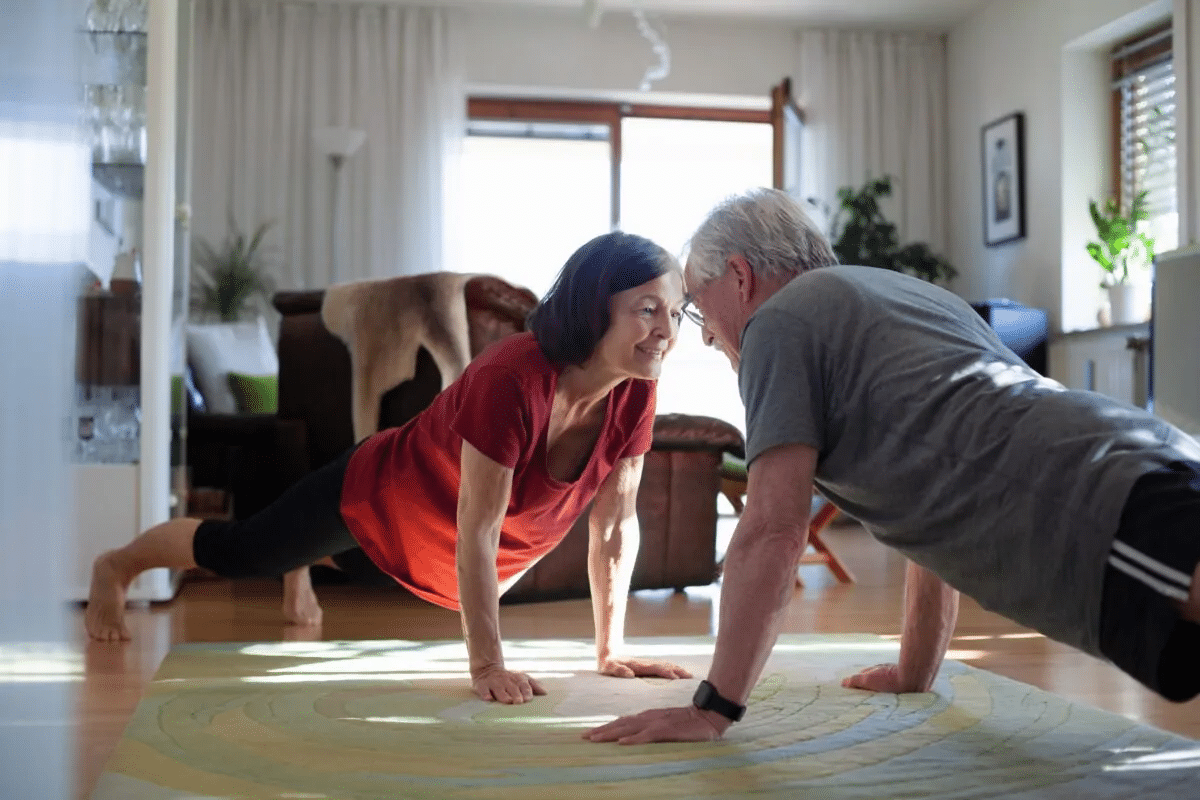
Learn the benefits of exercise for elderly people. This essential guide explains 4 ways active living improves health and happiness.
Staying active in your golden years is more than just keeping fit. It’s a key to living longer, staying independent, and feeling great. At Liv Hospital, we see regular physical activity as a big investment in your life quality. We mix patient care with proven practices to help seniors live their best lives.
Studies show that older adults who exercise regularly have fewer health problems. They also feel better mentally, think clearer, and live longer. Exercise helps manage or prevent common health issues in seniors, like heart disease, high blood pressure, diabetes, osteoporosis, and arthritis.
Key Takeaways
Regular physical activity reduces chronic health conditions in older adults.
Exercise improves mental health outcomes and decreases cognitive decline.
Physical activity reduces mortality rates among seniors.
Exercise helps manage chronic conditions like heart disease and diabetes.
Regular activity improves overall quality of life for older adults.
The Aging Process and Physical Activity
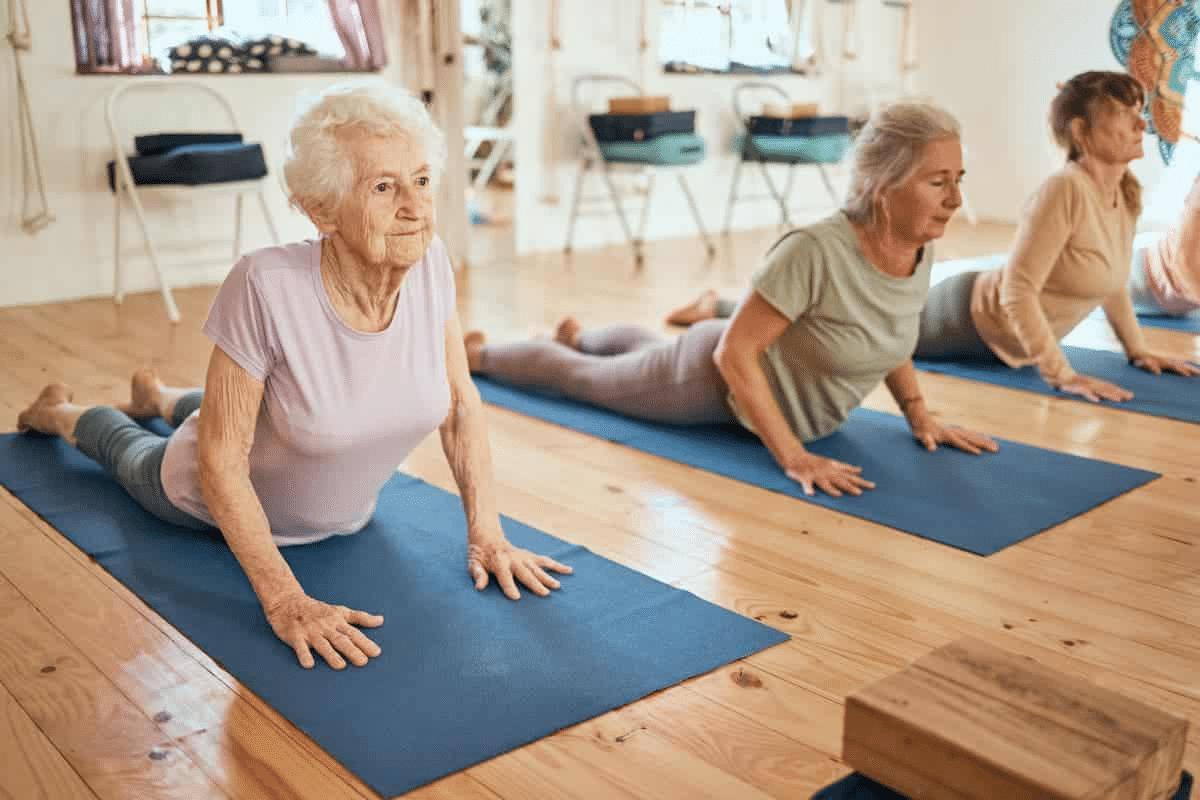
The aging process changes our bodies in many ways. These changes can affect our health and how independent we are. As we get older, our bodies naturally go through changes that impact our physical abilities and health.
Age-Related Physical Changes
Aging leads to physical changes like less muscle, weaker bones, and less flexibility. These changes can make it harder to move around and do everyday tasks.
Key age-related physical changes include:
Loss of muscle mass and strength
Reduced bone density
Decreased flexibility and range of motion
Impaired balance and coordination
Why Staying Active Matters More with Age
Staying active is key as we age. It helps fight off the effects of aging on our health. Exercise boosts our physical and mental health, keeping us independent.
Regular physical activity can:
Improve muscle strength and function
Enhance bone density
Increase flexibility and mobility
Reduce the risk of chronic diseases
Adding physical activity to our lives can greatly improve our health. It helps us stay independent and enjoy life as we age.
The Benefits of Exercise for Elderly People
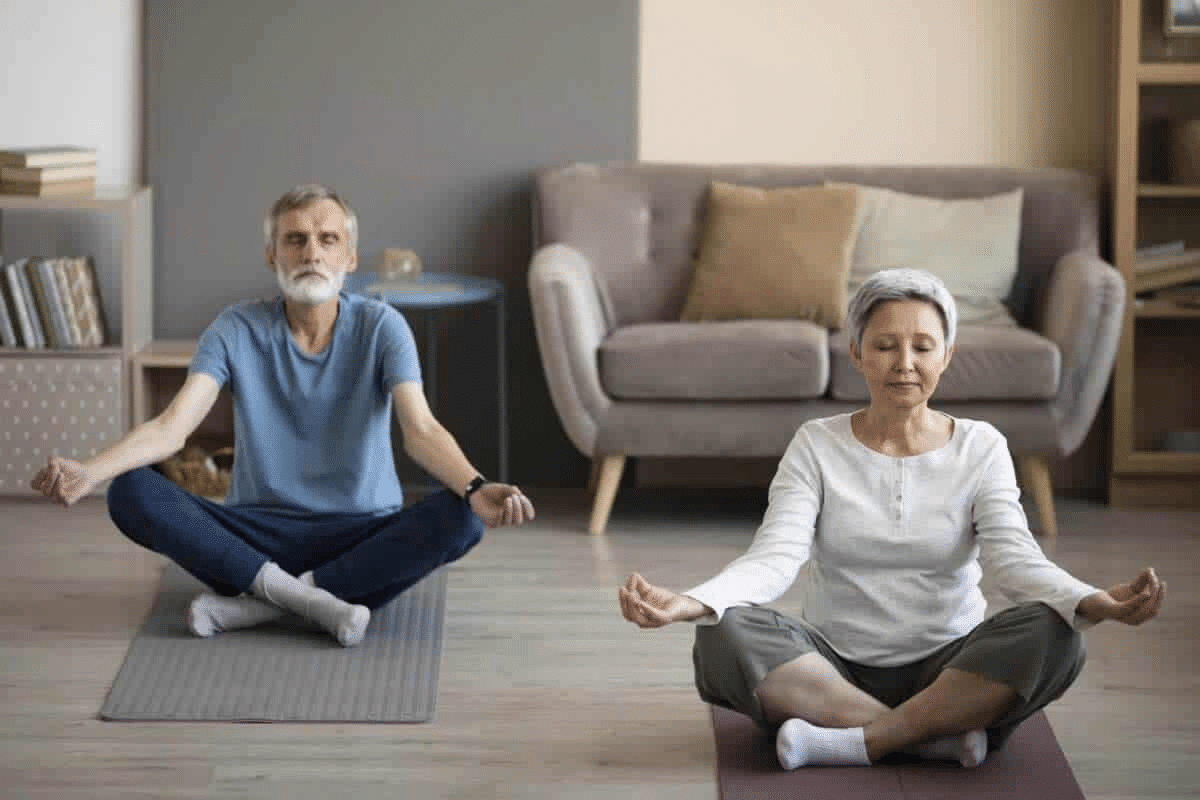
Physical activity is key for older adults, boosting physical, mental, and emotional health. As we age, our bodies change, affecting our well-being. Regular exercise can greatly reduce these effects, improving our life quality and helping us stay independent.
What Research Reveals About Exercise in Later Years
Studies show that exercise in older adults lowers chronic health issues and boosts mental health. It can slow or prevent cognitive decline and dementia, when done with mental and social activities. Exercise also helps regulate sleep, making it easier to sleep well at night.
Exercise is not just for physical health; it also boosts mental well-being. Older adults who exercise regularly see less depression and anxiety. This leads to better mental health overall.
How Physical Activity Can Slow Aging by Up to Ten Years
Moderate to intense exercise can slow aging by about ten years. It does this by improving heart health, increasing muscle strength, and bettering balance. By exercising regularly, older adults can delay age-related diseases, keeping their health and independence longer.
Improved cardiovascular health through regular aerobic exercise
Enhanced muscle mass and strength via resistance training
Better balance and coordination through flexibility and balance exercises
Benefit #1: Improved Physical Function and Mobility
Regular physical activity is key for older adults. It boosts their physical function and mobility. As we age, our bodies change, affecting strength, balance, and mobility. But, with regular exercise, seniors can stay independent and do daily tasks more easily.
Enhanced Strength and Muscle Mass
Exercise, like resistance training, helps older adults keep muscle mass and strength. This is vital for everyday tasks like carrying groceries or climbing stairs. Resistance exercises can be tailored to fit most seniors’ fitness levels.
Research shows that regular strength training can greatly improve muscle mass and strength in seniors. This reduces the risk of becoming frail and related health problems.
Better Balance and Reduced Fall Risk
Exercise also improves balance in older adults. Activities like tai chi or balance training programs can lower fall risks. Falls are a big worry for seniors, often causing serious injuries and loss of independence.
Exercise Type | Benefits for Seniors | Examples |
|---|---|---|
Resistance Training | Improved strength and muscle mass | Weightlifting, resistance bands |
Balance Exercises | Reduced risk of falls | Tai chi, balance training programs |
Aerobic Exercises | Enhanced cardiovascular health | Brisk walking, cycling, swimming |
Increased Independence in Daily Activities
Exercise helps older adults stay independent in daily tasks. Simple chores like bathing or managing the house become easier. This improves their quality of life.
Encouraging seniors to be active can greatly improve their well-being and independence. It’s important to make exercise programs fit each person’s health and preferences. This way, they can enjoy the most benefits and stick with it.
Benefit #2: Strengthened Cardiovascular Health
Exercise is key for elderly people to keep their hearts strong. It makes the heart work better, lowering heart rate and blood pressure. It also boosts how much oxygen the body uses.
Decreased Resting Heart Rate and Blood Pressure
Exercise boosts blood flow and lowers blood pressure. It also cuts down the risk of heart disease and stroke. Walking is a great choice for older adults.
Regular aerobic exercise can lower heart rate and blood pressure. This is important to prevent heart diseases and keep the heart healthy.
Improved Stroke Volume and Oxygen Uptake
Exercise makes the heart pump more blood with each beat. It also helps the body use oxygen better during activity.
This means older adults can do daily tasks with more energy. It’s key for staying independent and enjoying life.
Reduced Risk of Heart Disease and Stroke
Exercise is vital for reducing heart disease and stroke risk in the elderly. Adding physical activity to their day can greatly lower these risks.
We suggest that older adults do at least 150 minutes of moderate exercise or 75 minutes of vigorous exercise weekly. Or a mix of both for best heart health.
Cardiovascular Benefit | Description | Impact on Elderly Individuals |
|---|---|---|
Decreased Resting Heart Rate | Regular exercise lowers the heart rate at rest | Reduces risk of heart disease |
Improved Stroke Volume | Increased efficiency of heart’s pumping action | Enhances overall cardiovascular function |
Reduced Blood Pressure | Exercise helps to lower blood pressure | Lowers risk of stroke and heart disease |
Knowing how exercise helps the heart, elderly people can choose to be more active. This improves their health and well-being.
Benefit #3: Enhanced Mental Health and Cognitive Function
Exercise does more than just keep us fit. It greatly improves our mental health and brain function. This makes life more enjoyable and fulfilling as we get older.
Depression Prevention and Mood Improvement
Exercise boosts our mood by releasing endorphins. These are natural mood boosters. For older adults, this can help fight off depression and anxiety.
Key findings include:
Regular exercise reduces symptoms of depression and anxiety.
Physical activity improves overall mood and emotional well-being.
Exercise can be as effective as medication for some individuals in managing depression.
Anxiety Reduction and Stress Management
Exercise is great for managing stress and anxiety. It lowers stress hormones and helps us sleep better. Both are key for good mental health.
“Exercise is a potent tool for reducing stress and anxiety. By incorporating physical activity into their daily routine, older adults can better manage stress and improve their overall mental health.”
Slowing Cognitive Decline and Dementia Risk
Regular exercise can lower the risk of cognitive decline and dementia. It boosts blood flow to the brain, improving thinking skills and slowing down age-related brain decline.
Cognitive Benefit | Description |
|---|---|
Improved Blood Flow | Exercise enhances blood flow to the brain, supporting cognitive health. |
Neuroplasticity | Physical activity promotes neuroplasticity, the brain’s ability to adapt and change. |
Reduced Dementia Risk | Regular exercise has been associated with a lower risk of dementia. |
In conclusion, exercise is a game-changer for older adults’ mental health and brain function. It boosts mood, reduces stress and anxiety, and may slow down brain aging.
Benefit #4: Reduced Risk of Chronic Diseases
Physical activity can greatly lower the risk of chronic diseases in older years. It’s a key part of a healthy lifestyle for seniors. By adding physical activity to their daily lives, seniors can lower their risk of many chronic health issues.
Managing Diabetes and Blood Sugar Levels
Exercise is key in managing diabetes and keeping blood sugar levels in check. It helps improve how well the body uses insulin, making glucose enter cells better. This can lead to better blood sugar control and lower the risk of type 2 diabetes.
Regular physical activity also helps manage diabetes symptoms, improving health for those with the condition. A mix of aerobic, strength, and flexibility exercises can bring these benefits to seniors.
Arthritis Relief and Joint Health
Exercise is good for people with arthritis, improving joint health and reducing pain. Gentle exercises like yoga, swimming, or cycling are best because they’re easy on the joints.
Gentle stretching and strengthening exercises help keep joints mobile and reduce stiffness. This makes it easier for seniors to do daily tasks. Regular exercise can also lower the risk of osteoarthritis.
Cancer Prevention and Improved Outcomes
Research shows that regular exercise can lower the risk of some cancers, like colon, breast, and uterine cancer. It can also improve life for cancer survivors, boosting their quality of life.
Seniors can enjoy these benefits by adding physical activity to their lives. It’s important to find enjoyable and fitting exercises to keep a regular routine.
Economic Advantages: Healthcare Cost Savings
Physical activity brings many benefits to seniors, including lower healthcare costs. Regular exercise helps older adults save money on medical bills. This makes healthcare more affordable for everyone.
Reduced Medical Expenditures ($1,400-$2,400 Annually)
Research shows that exercise can save seniors $1,400 to $2,400 a year on healthcare. This is because active seniors have fewer chronic diseases. They also need fewer hospital visits and treatments.
Regular physical activity lowers the risk of expensive chronic diseases. This means less strain on the healthcare system. Seniors can stay healthy and save money at the same time.
Decreased Prescription Drug Needs
Exercise also means fewer prescription drugs for seniors. By managing chronic conditions with exercise, they need less medication. This cuts down on healthcare costs.
Exercise has been shown to help with chronic conditions. It improves health and reduces the need for drugs. This benefits both the individual and the healthcare system.
Encouraging physical activity in older adults can save a lot on healthcare costs. It also improves their health. This supports our goal of providing top-notch healthcare and support for international patients.
Effective Exercise Options for Older Adults
Regular physical activity is key for older adults to stay healthy and independent. As we age, our bodies change, affecting our health and mobility. The right exercises can greatly benefit older adults.
Low-Impact Aerobic Activities
Low-impact aerobic activities are great for older adults. They improve heart health without straining joints. Examples include:
Brisk walking
Swimming or water aerobics
Cycling on a stationary bike
Dancing
These activities boost heart health and reduce disease risk. Older adults should aim for 150 minutes of moderate activity weekly.
Strength Training for Seniors
Strength training is essential for older adults. It helps keep muscles and bones strong. This can be done through:
Resistance band exercises
Light weightlifting
Bodyweight exercises
Resistance machine exercises at the gym
Strengthening muscles improves balance and reduces fall risk. Older adults should do muscle-strengthening activities two or more times a week.
Balance and Flexibility Exercises
Balance and flexibility exercises prevent falls and keep mobility. Activities like:
Tai Chi
Yoga
Simple balance exercises (e.g., standing on one foot)
Stretching exercises
improve balance and flexibility. These exercises can be adjusted for different fitness levels.
Finding the Right Exercise Program
Older adults should find an exercise program that’s fun, safe, and fits their needs. It’s wise to consult a healthcare provider before starting. Many communities offer classes for seniors, providing a supportive environment.
By mixing aerobic, strength, balance, and flexibility exercises, older adults can improve their health and independence. Regular physical activity is a key component of healthy aging. We encourage older adults to explore different exercises to find what suits them best.
Conclusion: Embracing an Active Lifestyle for Healthy Aging
Regular physical activity greatly improves health and well-being in older adults. It offers many benefits, like better physical function and lower disease risk. It also boosts mental health and brain function.
Older adults can lead healthier, more active lives by exercising daily. They gain better mobility, balance, and strength. This also lowers the risk of falls and other health problems.
An active lifestyle is key for healthy aging. We urge older adults to try different exercises. This includes low-impact activities, strength training, and balance exercises.
By doing this, they can enjoy a better quality of life. They also stay independent as they get older.
FAQ
What are the benefits of exercise for older adults?
Regular exercise boosts physical function and mobility. It strengthens the heart and improves mental health. It also lowers the risk of chronic diseases, leading to better health and quality of life.
How can exercise help manage chronic conditions in older adults?
Exercise helps manage diabetes and improves joint health. It reduces cancer risk and eases arthritis symptoms. This improves overall health outcomes.
What types of exercise are suitable for older adults?
Low-impact aerobic activities, strength training, and balance exercises are good for older adults. The right program meets individual needs and preferences.
Can exercise reduce healthcare costs for older adults?
Yes, regular physical activity can cut down medical costs. It also reduces the need for prescription drugs, leading to significant savings.
How can older adults get started with an exercise program?
Older adults should first talk to their healthcare provider. Then, find enjoyable and safe activities. Gradually increase the intensity and duration of their workouts.
What are the benefits of physical activity for seniors?
Physical activity boosts overall health and well-being. It reduces chronic disease risk and enhances quality of life. This supports healthy aging.
How does exercise impact age-related physical changes?
Exercise helps maintain physical function and reduces fall risk. It slows down age-related physical changes. This supports independence and mobility.
Can exercise slow cognitive decline in older adults?
Yes, exercise can slow cognitive decline and lower dementia risk. It supports mental health and cognitive function.
Reference
National Center for Biotechnology Information. Exercise Benefits for Elderly: Longevity, Independence, Wellbeing. Retrieved from https://pmc.ncbi.nlm.nih.gov/articles/PMC7858023/



 Departments
 Related Videos
 Our Doctors
 News
News