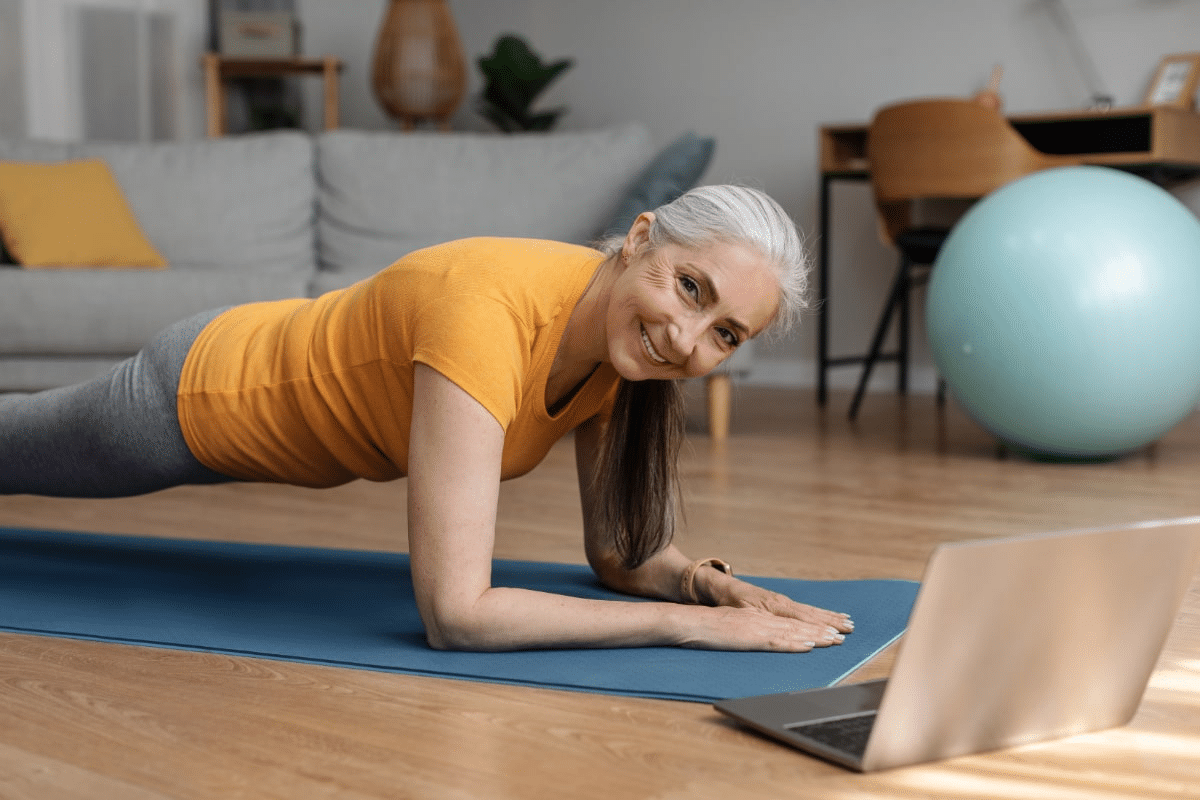
Explore the benefits of physical activity in elderly adults. This essential guide explains how moving more improves health now.
Regular physical activity is key for healthy aging. It brings big health benefits backed by strong research. At Liv Hospital, we know how vital an active lifestyle for seniors is. That’s why we offer full support for international patients looking for top medical care.
We stress the need for regular exercise for elderly individuals. It helps lower anxiety, blood pressure, and boosts sleep. Our team is all about caring and sharing wisdom on aging well. We make sure every older adult gets care that’s just right for them.
Key Takeaways
- Regular physical activity reduces mortality risk by up to 31%.
- Exercise enhances cardiovascular health, cognitive function, and mental well-being.
- Liv Hospital partners with seniors to implement proven exercise programs.
- Personalized care is tailored to each older adult’s needs.
- Healthy aging practices are supported by robust research evidence.
The Importance of Staying Active as We Age
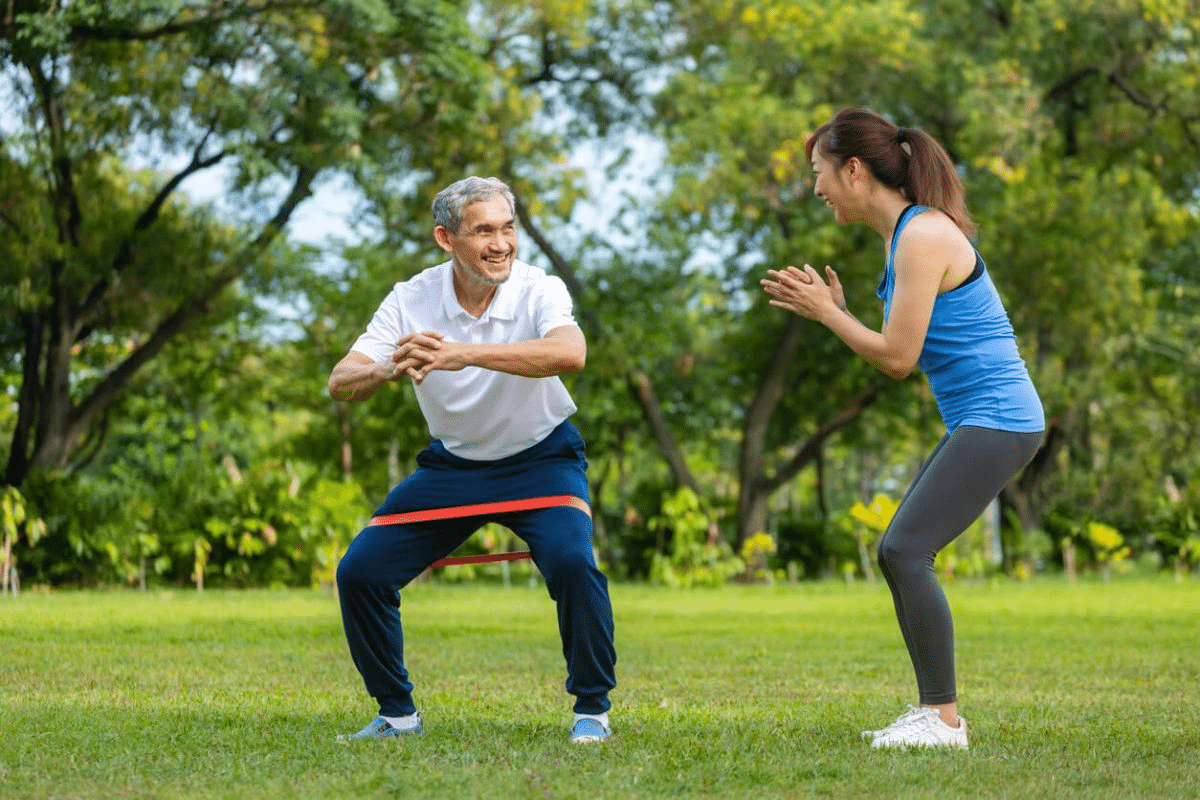
As we get older, our bodies change a lot. These changes can affect how well we move, balance, and feel overall. Our healthcare team helps older adults find the best exercise plans for them.
Age-Related Physical Changes
Aging brings physical changes like less muscle, thinner bones, and trouble balancing. These can raise the risk of falls and other health problems. Regular physical activity can help lessen these effects.
Studies show that older adults who stay active have lower heart disease rates. They also keep their physical function and balance better. This is key for staying independent and enjoying life as we age.
How Activity Counteracts Aging Effects
Regular exercise can prevent diseases common in older adults, like heart disease and diabetes. Exercise and physical activity are vital for keeping physical function and avoiding age-related health issues.
We suggest older adults mix different types of physical activities into their lives. This includes cardio, strength training, and flexibility exercises. Doing so can boost overall health and improve life quality as we age.
Understanding Physical Activity Requirements for Older Adults

Physical activity is key for healthy aging. It’s important to know what older adults need. As we get older, our bodies change, affecting our health. The right exercise can help manage these changes and enhance our life quality.
Studies show that 150 minutes of moderate physical activity each week can lower death risk by 31 percent compared to no activity. This highlights the vital role of regular exercise for seniors.
Recommended Exercise Guidelines for Seniors
Older adults should do various exercises. These include aerobic, muscle-strengthening, and balance activities. They need 150 minutes of moderate activity weekly or 75 minutes of vigorous activity. Also, muscle-strengthening activities should be done two or more days a week.
“Regular physical activity is one of the most important things you can do for your health. It can help keep you healthy and independent as you age.”
Different Types of Physical Activity for Elderly
Several exercises are good for older adults. These include:
- Aerobic exercises, such as brisk walking, cycling, or swimming, which improve cardiovascular health.
- Muscle-strengthening activities, such as weight training or bodyweight exercises, which help maintain muscle mass and bone density.
- Balance exercises, such as tai chi or standing on one foot, which reduce the risk of falls.
- Flexibility exercises, such as stretching, which improve range of motion.
|
Type of Exercise |
Benefits |
Examples |
|---|---|---|
|
Aerobic |
Improves cardiovascular health, reduces risk of chronic diseases |
Brisk walking, cycling, swimming |
|
Muscle-strengthening |
Maintains muscle mass and bone density |
Weight training, bodyweight exercises |
|
Balance |
Reduces risk of falls |
Tai chi, standing on one foot |
|
Flexibility |
Improves range of motion |
Stretching exercises |
We aim to educate patients on exercise guidelines. We help them create a personalized exercise plan. By following these guidelines, older adults can greatly improve their health and well-being.
Benefits of Physical Activity in Elderly: Research Evidence
Physical activity is key for older adults. It helps counteract age-related changes, improving health and quality of life. Regular exercise leads to better health outcomes.
Statistical Evidence of Improved Health Outcomes
Many studies show physical activity’s benefits for older adults. It can prevent cognitive decline and dementia. The Physical Activity Guidelines for Americans support this, highlighting its role in preventing dementia.
Staying active also boosts physical function, reduces fall risks, and improves heart health. Here are some key statistics:
- Reduced Risk of Chronic Diseases: Regular exercise lowers heart disease, diabetes, and cancer risks.
- Improved Mental Health: Exercise helps reduce depression and anxiety in older adults.
- Enhanced Physical Function: It keeps strength, flexibility, and balance, making daily tasks easier.
- Lower Healthcare Costs: It can save money on medical bills by preventing chronic diseases.
Cost Savings on Medical Expenditures
Physical activity also saves money for older adults. It reduces chronic disease risks and improves health. This leads to lower medical costs and less financial burden on healthcare systems.
For instance, a study might show that active older adults have fewer hospital visits and complications. This results in cost savings for both individuals and healthcare systems.
Benefit #1: Enhanced Cardiovascular Health
Exercise is key for seniors to keep their hearts healthy. It helps prevent heart diseases. Regular activity is vital for a strong heart.
As we get older, our hearts change. But, exercise can make our hearts work better. It boosts our overall health.
How Exercise Strengthens the Heart
Exercise makes the heart muscle stronger. It helps the heart pump blood better. This is how it works:
- Increased cardiac output: Regular exercise makes the heart pump more blood.
- Improved vascular function: Exercise makes blood vessels more flexible and functional.
- Enhanced aerobic capacity: Physical activity boosts how well the body uses oxygen, improving fitness.
Reduced Risk of Heart Disease and Stroke
Regular exercise lowers the risk of heart disease and stroke. These are big killers for older adults. The World Health Organization (WHO) says:
“regular physical activity can reduce the risk of coronary heart disease and stroke by 35% and the risk of cardiovascular disease by 30%.”
Here are some stats on how exercise helps the heart:
|
Condition |
Risk Reduction with Regular Exercise |
|---|---|
|
Coronary Heart Disease |
30-40% |
|
Stroke |
25-35% |
|
High Blood Pressure |
20-30% |
Older adults can greatly improve their heart health with regular exercise. We suggest activities like brisk walking, swimming, or cycling. These help keep the heart strong.
Benefit #2: Improved Bone Density and Muscle Mass
Exercise is key for older adults to boost bone density and muscle mass. This helps prevent health problems. As we get older, our bones and muscles naturally weaken. This can lead to osteoporosis and sarcopenia.
Combating Age-Related Muscle Loss
Older adults face a big challenge with age-related muscle loss, or sarcopenia. It affects their strength, mobility, and life quality. Regular exercise, like resistance training, can fight this. Activities like weight lifting, resistance bands, and body-weight exercises are great for muscle and strength.
Research shows that exercise in care facilities improves physical function. The best results come from about 170 minutes of exercise a week. This shows the need for consistent, tailored workouts for seniors.
Strengthening Bones and Preventing Osteoporosis
Osteoporosis makes bones weak, leading to fractures. Physical activity, like weight-bearing and resistance exercises, is vital. These exercises strengthen bones and prevent osteoporosis. Activities like walking, jogging, and dancing are good for bone density.
|
Exercise Type |
Benefits |
Examples |
|---|---|---|
|
Resistance Training |
Improves muscle mass and strength |
Weight lifting, resistance bands, body-weight exercises |
|
Weight-Bearing Exercises |
Enhances bone density |
Walking, jogging, dancing, stair climbing |
Healthcare professionals help create a personalized exercise plan for patients. This plan ensures they get the most from their workouts. By mixing weight-bearing and resistance exercises, older adults can boost their bone density and muscle mass. This reduces the risk of osteoporosis and fractures.
“Exercise is a critical component of healthy aging. By incorporating regular physical activity into their lifestyle, older adults can maintain their independence, improve their quality of life, and reduce their risk of chronic diseases.”
Benefit #3: Better Balance and Reduced Fall Risk
Physical activity is key for older adults to improve balance and lower fall risk. Falls are a big problem for seniors, leading to serious injuries.
We suggest adding specific exercises to their daily routine. Balance exercises are very helpful as they strengthen muscles and boost physical function.
Balance Exercises for Seniors
Balance exercises help seniors stay steady and prevent falls. Examples include:
- Standing on one foot
- Heel-to-toe walking
- Tai Chi exercises
These exercises can be adjusted for different fitness levels. Beginners can start with support from a chair.
How Physical Activity Improves Coordination
Physical activity makes coordination better by improving how the brain, muscles, and nervous system work together. Regular exercise:
- Strengthens muscles
- Increases flexibility
- Boosts neuromuscular control
This means older adults can do daily tasks more safely and effectively. Improved coordination also lowers fall risk by helping them react better to slips and trips.
A study in the Journal of Aging Research found that regular physical activity, including balance exercises, greatly reduces fall risk in older adults. It’s important to mix different exercises in one’s routine.
“Exercise is a critical component of fall prevention strategies for older adults. By improving balance, strength, and flexibility, exercise can significantly reduce the risk of falls.”
To show the effect of balance exercises, here’s a table comparing fall risk factors before and after a 12-week program:
|
Fall Risk Factor |
Before Program |
After Program |
|---|---|---|
|
Balance Confidence |
60% |
85% |
|
Number of Falls |
5 (per month) |
1 (per month) |
|
Muscle Strength |
Moderate |
Strong |
By adding balance exercises and other physical activities to their daily routine, older adults can greatly reduce fall risk and injuries. We encourage seniors to talk to their healthcare providers to create a safe and effective exercise plan.
Benefit #4: Enhanced Mental Health and Cognitive Function
Exercise is key for seniors’ mental health and brain function. It helps lower depression and anxiety, making them feel better. We know how important exercise is for older adults’ mental and brain health.
Exercise and Depression in Older Adults
Depression is a big worry for older people. But, regular exercise can help. It changes the brain’s chemistry, releasing happy hormones and reducing stress. We suggest older adults find fun physical activities to help with depression.
Key benefits of exercise for depression in older adults include:
- Improved mood through the release of endorphins
- Reduced stress and anxiety
- Enhanced overall mental well-being
Physical Activity’s Impact on Memory and Cognitive Decline
Exercise is not just good for the mind but also for the brain. It helps keep the brain sharp and can prevent memory loss and dementia. We help create exercise plans that boost brain health.
The benefits of physical activity on cognitive function include:
- Improved memory and cognitive processing
- Reduced risk of dementia and Alzheimer’s disease
- Enhanced neuroplasticity
Regular exercise can greatly improve mental health and brain function in older adults. We’re dedicated to helping seniors achieve better health through exercise.
Getting Started: Safe Exercise Programs for Seniors
It’s key for older adults to start their exercise journey with a good plan. This helps them get the best results and stay safe. Starting a new exercise program can seem scary, but with the right help, seniors can begin their path to better health.
Before starting any new exercise program, consulting with healthcare providers is a must. This step is important to know about any health issues or physical limits. Healthcare providers can give advice that fits an individual’s health and abilities.
Consulting Healthcare Providers Before Beginning
A healthcare provider can check a senior’s health and suggest safe exercises. They look at heart health, muscle strength, flexibility, and balance. This helps create a plan that meets a senior’s needs and goals.
It’s important to talk about any health conditions during the consultation. This includes diabetes, heart disease, or joint problems. Healthcare providers can also guide on how to track progress and change the plan if needed.
Gradual Progression for Optimal Results
After talking to a healthcare provider and making a plan, the next step is gradual progression. Start slow and gradually increase the workout’s intensity, frequency, and duration. This prevents injuries and keeps seniors on track with their exercise.
Slowly getting used to new exercises helps improve heart health, muscle strength, and flexibility. It’s also vital to include exercises that help with balance, coordination, and function.
By exercising safely and gradually, seniors can see big health benefits. They can live better, stay independent, and enjoy a more active life. We’re here to support older adults in their journey to a healthier lifestyle.
Overcoming Barriers to Physical Activity in Older Age
Older adults often face many challenges when trying to stay active. As we age, physical, psychological, and social factors can make it hard to exercise regularly. But, with the right support and strategies, these barriers can be overcome.
Addressing Common Concerns and Limitations
Many seniors worry about safety, injury, or worsening health when exercising. Healthcare providers are key in addressing these worries. They educate patients on exercise benefits and help create safe plans.
Common issues include chronic health problems, mobility issues, and lack of motivation. We help patients find ways to beat these challenges. For example, gentle exercises like yoga or tai chi are great for those with mobility issues. Group fitness classes can boost motivation.
Creating Sustainable Exercise Habits
Building lasting exercise habits is essential. We help patients set achievable goals and find routines that fit their lives. This might mean starting with short, easy sessions and gradually increasing them.
We also stress the importance of variety and enjoyment in physical activity. Whether it’s walking, swimming, or dancing, finding fun activities makes sticking to a routine easier. Having a support system, like family or a fitness group, also helps with motivation and accountability.
By tackling common worries, creating tailored exercise plans, and building a supportive community, we help older adults stay active. This leads to many benefits of exercise for older people, including better health and well-being.
Conclusion
Regular physical activity is key for healthy aging. It brings many benefits to older adults. These include better heart health, stronger bones, improved balance, and a happier mind.
By adding physical activity to their lives, older adults can see big health gains. They can also enjoy a better quality of life.
We urge older adults to live an active life. This can be through gentle exercises or more intense activities. An active lifestyle helps seniors stay healthy and independent.
Working with healthcare providers, older adults can make exercise plans that fit their needs. This ensures a safe and effective path to a healthier, more active life.
FAQ
What are the benefits of physical activity for older adults?
Regular physical activity is great for older adults. It boosts heart health, strengthens bones and muscles, and improves balance. It also helps reduce the risk of falls and enhances mental health and brain function.
What types of physical activity are recommended for seniors?
We suggest a mix of activities. This includes aerobic exercises, muscle-strengthening, and balance exercises. These help improve health and function.
How can older adults get started with a safe and effective exercise program?
First, talk to your doctor before starting any new exercise. Then, start slowly and gradually increase your efforts for the best results.
What are some common barriers to physical activity in older age, and how can they be overcome?
Common barriers can be overcome by working with healthcare professionals. They can help create exercise plans that fit your lifestyle.
How does physical activity improve cardiovascular health in older adults?
Regular exercise makes the heart stronger. It lowers the risk of heart disease and stroke, improving heart health.
What is the impact of physical activity on bone density and muscle mass in older adults?
Exercises like weight-bearing and resistance training help fight muscle loss and strengthen bones.
How does physical activity reduce the risk of falls in older adults?
Adding balance exercises to your routine can improve coordination. This reduces the chance of falls.
Can physical activity improve mental health and cognitive function in older adults?
Yes, regular exercise can help reduce depression and anxiety. It also supports mental well-being and brain function.
What are the benefits of exercise for elderly people in terms of cost savings?
Regular physical activity can save money on medical costs. It reduces the risk of chronic diseases and improves health outcomes.
How can older adults maintain a physically active lifestyle?
By working with healthcare professionals to create a personalized exercise plan, older adults can stay active. Creating sustainable exercise habits is key.
References
World Health Organization. Evidence-Based Medical Guidance. Retrieved from https://www.who.int/publications/i/item/9789240015128