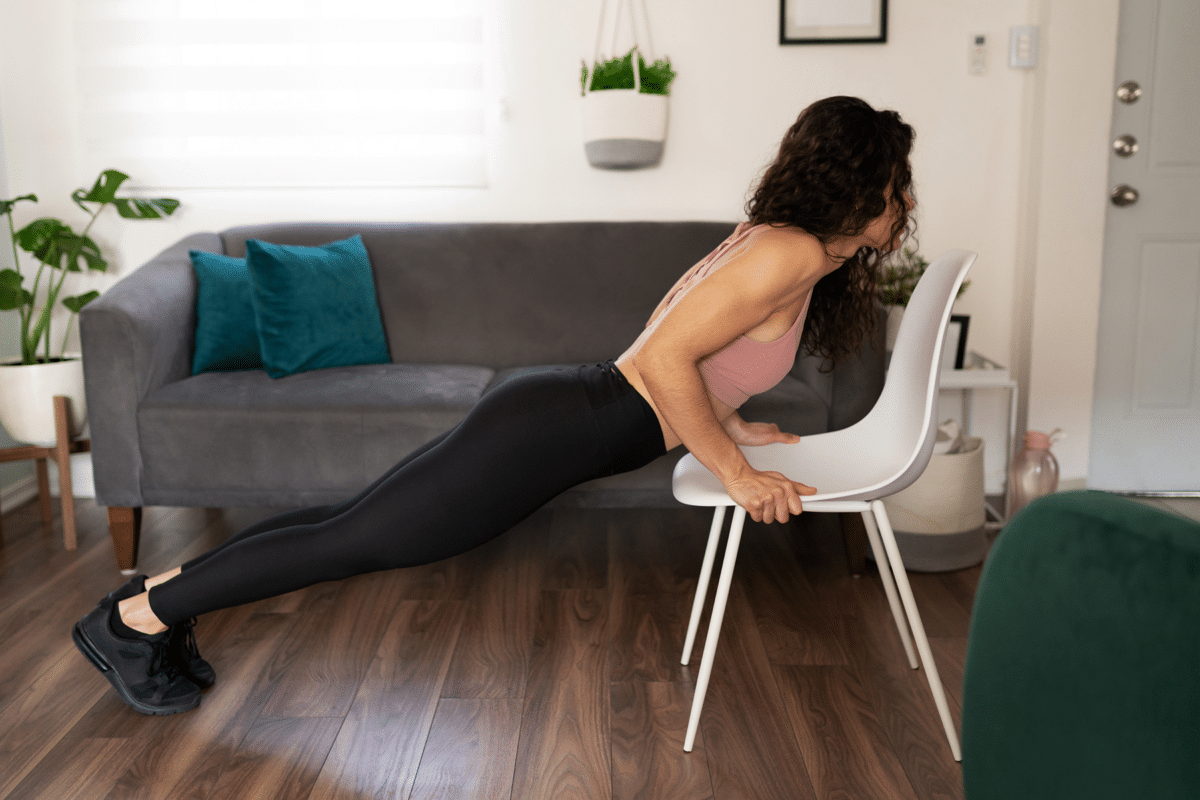
The best chair workouts for seniors are here. Find the top rated routines to ensure vital health and mobility without gym equipment.
As we get older, keeping our bodies strong and independent is key. Chair exercises are a proven way to do this. They help improve balance, walking speed, and hand strength in older adults.
At Liv Hospital, we know how vital it is for seniors to stay fit. That’s why we offer safe and effective exercises you can do at home. You don’t need any special gear or a gym membership.
Our guide to the best chair workouts helps seniors stay mobile and active. These simple exercises are great for those with mobility problems or recovering from injuries. They’re a gentle way to keep fit and healthy.
Key Takeaways
- Chair exercises can improve balance and reduce the risk of falls.
- Regular chair workouts can enhance grip strength and overall physical function.
- These exercises are low-impact and suitable for seniors with mobility issues.
- No special equipment or gym membership is required.
- Chair fitness can be done anywhere, anytime, making it a convenient option.
The Benefits of Chair Exercises for Seniors

Chair exercises offer many benefits for seniors, like better physical function and mobility. As we get older, our bodies change, affecting strength, flexibility, and balance. Chair exercises are a safe, effective way to fight these changes, improving health and well-being.
Evidence-Based Physical Improvements
Research shows chair exercises greatly improve physical health in older adults. Seniors see gains in strength, flexibility, and balance. Regular chair exercises lead to a more active, independent life.
Key physical improvements include:
- Increased muscular strength
- Enhanced flexibility and range of motion
- Better balance and coordination
Accessibility for Those with Mobility Constraints
Chair exercises are very accessible. They’re perfect for seniors with mobility issues or balance concerns. This safety is key for keeping physical function and health, even with limited mobility.
Adapting exercises for a seated position allows seniors to stay active without worsening mobility problems. This makes chair exercises great for those who find traditional exercise hard.
Research on Functional Capacity Enhancement
Studies prove chair exercises boost functional capacity in older adults. Functional capacity is the ability to do daily tasks and stay independent. Chair exercises improve strength, flexibility, and balance, helping seniors stay independent and confident.
Research shows chair exercise programs enhance daily activity skills, like walking and dressing. This boost in functional capacity is vital for a good quality of life as we age.
Safety Guidelines Before Starting Chair Workouts

Exploring chair workouts for seniors means first knowing safety rules. A safe place to exercise is key. It helps get the most from chair workouts and keeps risks low.
Consulting Healthcare Providers
Always talk to a doctor before starting any new workout. This is even more important for seniors with health issues. It helps figure out any health concerns that need attention during exercise.
Setting Up Your Exercise Space
Having a safe area to work out is essential. Choose a strong, armless chair without wheels. Make sure it’s on a non-slip surface or against a wall for extra safety. This setup prevents falls and keeps you safe while exercising.
Choosing the Right Chair
The right chair is vital for safe workouts. It should be stable, sturdy, and have a wide base to avoid tipping. Stay away from chairs with wheels or that are too light. They can move during exercises, leading to injuries.
By sticking to these safety tips, seniors can safely enjoy chair workouts. It’s about making exercise safe, fun, and effective.
Best Chair Workouts for Seniors: Upper Body Strength Exercises
Chair workouts can boost upper body strength for seniors, improving daily life. This strength is key for tasks like carrying groceries or dressing. We’ll look at seated exercises that are easy for seniors to do.
Seated Arm Raises
Seated arm raises are great for the shoulders and arms. Sit up straight with feet on the floor. Lift one arm out to the side until it reaches shoulder height, then lower it. Do the same with the other arm. Keep switching arms until you’ve done enough reps.
Benefits: Boosts shoulder and arm strength.
Chair Push-Ups
Chair push-ups are a seated version of regular push-ups. Hold the armrests and push up, straightening your arms. Then, slowly lower back down. This works the chest, shoulders, and triceps.
Tips: Make sure the chair is stable while doing this.
Seated Shoulder Rolls
Seated shoulder rolls ease shoulder tension and boost flexibility. Sit with feet flat on the floor. Roll your shoulders forward and then backward in a circle. Do this several times.
|
Exercise |
Repetitions |
Benefits |
|---|---|---|
|
Seated Arm Raises |
10-15 |
Improves shoulder mobility and arm strength |
|
Chair Push-Ups |
5-10 |
Strengthens chest, shoulders, and triceps |
|
Seated Shoulder Rolls |
10-15 |
Relaxes shoulder muscles and improves posture |
Lower Body Strengthening Chair Exercises
Keeping the lower body strong is key for seniors to do daily tasks. As we get older, our lower body strength helps us stay mobile and avoid falls. We’ll look at chair exercises that boost lower body strength.
Seated Leg Lifts
Seated leg lifts are great for leg muscle strength. Sit in a chair with your back straight and lift one leg straight up. Hold for a few seconds, then lower it back down. Do the same with the other leg. This exercise boosts muscle strength and flexibility.
Chair Squats
Chair squats are good for strengthening the lower body. Stand behind a chair and hold the backrest for support. Slowly sit down, then stand up again. This exercise works many muscles and can be adjusted for different fitness levels.
Ankle Rotations
Ankle rotations improve ankle mobility and strength. Sit down and lift one foot off the floor. Rotate your ankle in a circle first clockwise, then counterclockwise. This exercise can lessen stiffness and enhance balance.
Adding these chair exercises to your routine can greatly improve mobility and lower fall risks. Start slow and increase repetitions as you get more comfortable.
Core-Strengthening Chair Workouts
As we get older, our core strength becomes more important. A strong core helps us stay upright, lowers back pain risks, and makes daily tasks easier. Chair workouts are a safe and effective way for seniors to build core strength.
Seated Torso Twists
Seated torso twists are great for strengthening and flexing the core. Sit in your chair with feet on the floor. Hold your hands together or on your knees. Twist your torso to one side, keeping your feet and hips straight.
Hold for a few seconds, then twist to the other side. Do this several times, breathing naturally.
Chair Leg Extensions
Chair leg extensions focus on the lower abs, key for core strength. Sit upright with feet flat. Lift one leg straight up, hold, then lower without touching the floor.
Do the same with the other leg. Keep switching legs for many reps.
Seated Pelvic Tilts
Seated pelvic tilts strengthen the lower back and abs. Sit straight with feet on the floor. Move your pelvis up and then back, repeating.
This exercise boosts flexibility and eases lower back stiffness.
Adding these core-strengthening chair workouts to your day can greatly boost your core strength. It also helps prevent back pain and keeps you upright. Start slow and add more reps as you get better.
Balance-Improving Chair Exercises for Elderly
As we get older, keeping our balance is key for staying independent. Chair exercises can help lower the risk of falls. They are safe, effective, and can be done at home.
Seated Marching
Seated marching is a simple yet effective exercise. It involves lifting your legs one at a time while seated. Here’s how to do it:
- Sit comfortably with your feet flat on the floor.
- March in place, lifting your legs about 4-6 inches off the ground.
- Continue for 30 seconds to 1 minute, rest, and then repeat.
Single-Leg Balance Hold
The single-leg balance hold is another great exercise. It’s called a “single-leg balance hold,” but when seated, it’s about lifting one leg and holding it. Here’s how to do it:
- Sit with your back straight and feet flat on the floor.
- Lift one leg off the ground, keeping it straight.
- Hold for 5-10 seconds, then lower it back down.
- Repeat with the other leg.
Weight Shifts
Weight shifts help improve balance and stability. They involve moving your weight from one side of the chair to the other. Here’s how to do it:
- Sit with your feet shoulder-width apart on the floor.
- Slowly shift your weight to one side, lifting the opposite foot slightly off the ground.
- Hold for a moment, then shift back to the center.
- Repeat on the other side.
Adding these balance-improving chair exercises to your daily routine can greatly reduce fall risks. Start slow and gradually increase the intensity and duration as you get more comfortable.
Flexibility and Mobility Chair Workouts
As we get older, keeping our flexibility and mobility is key for staying healthy and independent. Chair workouts are a safe and effective way to do this. They help prevent stiffness and injury. We’ll look at chair exercises that help seniors keep their range of motion and improve their well-being.
Seated Hamstring Stretch
The seated hamstring stretch is great for the back of the legs. Sit straight with your legs out in front. Slowly lean forward, trying to touch your toes, and hold for 15-30 seconds. Remember to breathe deeply and avoid bouncing. This stretch can help loosen tight muscles and improve flexibility.
Upper Back Stretch
This stretch improves flexibility and reduces stiffness in the upper back. Sit straight and clasp your hands in front of you. Stretch your arms forward and down, rounding your upper back. Hold for 15-30 seconds and release. Repeat as needed. It can help improve your posture and reduce discomfort.
Neck and Shoulder Stretches
Neck and shoulder stretches are vital for keeping these areas flexible and relaxed. Sit straight and slowly tilt your head to the right, bringing your ear towards your right shoulder. Hold for 15-30 seconds and then repeat on the left side. You can also roll your shoulders forward and backward to relax the muscles.
Adding these chair workouts to your daily routine can help you stay flexible and mobile. Regular exercise can also help prevent injuries and improve overall health.
Chair Cardio Exercises for Heart Health
Chair cardio exercises are a great way for seniors to boost their heart health at home. They can be adjusted to fit different fitness levels. This makes them perfect for those who have trouble moving around.
Doing cardio regularly is key to keeping your heart healthy. It helps lower the risk of serious diseases like heart disease and diabetes. Chair cardio workouts are a safe and effective way to do this.
Seated Jumping Jacks
Seated jumping jacks are a fantastic cardio exercise you can do sitting down. Sit with your feet flat on the floor or on the footrest of your chair. Then, lift your arms and legs out to the sides while keeping your back straight.
Benefits: It boosts your heart health, increases your metabolism, and improves your fitness.
Chair Marching
Chair marching is marching in place while sitting. It’s great for raising your heart rate and improving blood flow. Sit with your back straight and lift your legs off the floor, marching in place.
Tip: To make it harder, lift your legs higher or march faster.
Seated Knee Lifts
Seated knee lifts are another effective chair cardio exercise. Sit with your feet flat on the floor and lift one knee towards your chest. Then, lower it back down and repeat with the other knee.
Benefits: It improves your heart fitness, coordination, and strengthens your leg muscles.
|
Exercise |
Repetitions |
Benefits |
|---|---|---|
|
Seated Jumping Jacks |
30 seconds |
Improves cardiovascular health |
|
Chair Marching |
1 minute |
Boosts circulation |
|
Seated Knee Lifts |
20 repetitions per leg |
Strengthens leg muscles |
Adding these chair cardio exercises to your daily routine can greatly improve your heart health and overall well-being. Start with shorter sessions and increase the time as you get fitter.
Creating an Effective Chair Exercise Routine
To get the most out of chair exercises, it’s key to create a routine that fits your needs. Every senior has different fitness goals and health needs. A good chair exercise routine can greatly improve their health.
Sample 15-Minute Workout Plan
A 15-minute workout is great for seniors starting out or with little time. Here’s a simple routine:
- Seated Marching: 3 minutes
- Seated Arm Raises: 3 sets of 10 repetitions
- Chair Squats: 3 sets of 5 repetitions
- Seated Shoulder Rolls: 3 sets of 10 repetitions
- Seated Leg Lifts: 3 sets of 10 repetitions
Sample 30-Minute Workout Plan
If you have more time, a 30-minute routine offers a fuller workout. Here’s an example:
- Warm-up (5 minutes): Seated marching or seated leg lifts
- Upper Body (10 minutes): Seated arm raises, chair push-ups, and seated shoulder rolls
- Lower Body (10 minutes): Chair squats, seated leg lifts, and ankle rotations
- Cool-down (5 minutes): Seated hamstring stretch and upper back stretch
Progression and Adaptation Tips
As you get better at chair exercises, it’s time to make them harder. Here’s how:
- Increase the number of repetitions or sets
- Add more challenging exercises
- Improve the duration of the workout
Tracking Progress and Setting Goals
Keeping track of your progress and setting goals is vital. Use a workout journal or fitness app to monitor your progress. Setting goals, like doing more reps or workouts, keeps you motivated.
Addressing Common Challenges in Senior Chair Fitness
Chair exercises are great for seniors, but they face challenges like joint pain and different mobility levels. It’s key to tackle these issues and offer practical solutions as we guide them.
Modifications for Joint Pain
Joint pain often stops seniors from doing chair exercises. We can make exercises easier on the joints. For example, instead of straight leg lifts, bending knees slightly can help.
Changing exercises to ease joint pain is vital for a good workout.
Another tweak is to lessen the movement in exercises. For example, if shoulder rolls hurt, start with small rolls and slowly increase them.
Adapting Exercises for Different Mobility Levels
Seniors have different mobility levels, and exercises need to match. For those with little mobility, even small movements help. Encourage them to use their core and make the most of their range.
For those who can move more, we can add more active exercises. Chair squats, for example, are great for leg strength. But, it’s important to teach proper form to avoid injuries. Guidance and supervision are essential for safe exercise adaptation.
Staying Motivated with Chair Workouts
Keeping motivated is a big challenge for seniors. Setting goals and tracking progress helps. Celebrating small wins, like doing more workouts or going longer, boosts motivation.
Incorporating Chair Exercises into Daily Life
Making chair exercises part of daily life helps. Suggest doing exercises during TV commercials or while waiting for food. Turning chair exercises into a daily habit boosts adherence and motivation.
By tackling common challenges and adapting exercises, we can help seniors keep up with their fitness journey. This improves their health and well-being.
Conclusion
We’ve looked at how chair workouts help seniors. They improve physical function, independence, and health. These exercises help seniors stay mobile and avoid chronic diseases.
Chair exercises are safe and effective for seniors of all mobility levels. We suggest seniors talk to their doctors first. Then, start with simple exercises and get more challenging as they get better.
Chair workouts can greatly improve a senior’s life. They boost strength, flexibility, and balance. We encourage seniors to try different chair exercises and find what works best for them.
FAQ
What are the benefits of chair exercises for seniors?
Chair exercises boost strength, balance, and flexibility. They make daily tasks easier and lower injury risk. They’re great for those with mobility issues and can be done at home.
How do I choose the right chair for chair exercises?
Pick a sturdy, stable chair with a wide base and no wheels. It should be the right height for you, so your feet are flat or on a footrest.
Can chair exercises help improve balance and reduce the risk of falls?
Yes, exercises like seated marching and single-leg balance hold can improve balance. They help lower the risk of falls.
Are chair exercises suitable for seniors with joint pain?
Yes, you can modify chair exercises for joint pain. Gentle moves like seated arm raises and leg lifts are low-impact.
How often should I do chair exercises?
Aim for 2-3 times a week, 30 minutes each session. Start short and increase time as you get more comfortable.
Can chair exercises help improve cardiovascular health?
Yes, exercises like seated jumping jacks and knee lifts boost heart health. They help prevent chronic diseases.
How do I stay motivated with chair workouts?
Set goals, track progress, and make chair exercises part of your daily routine. Exercising with a friend adds motivation.
Are chair exercises suitable for seniors with different mobility levels?
Yes, you can adjust chair exercises for any mobility level. Modify to fit your needs and consult a healthcare provider if needed.
Can I do chair exercises if I have a medical condition?
Always talk to your healthcare provider before starting any exercise program, even more so with a medical condition. They’ll guide you on safe exercises.
How do I create an effective chair exercise routine?
Mix exercises that work different muscle groups, set goals, and track your progress. A healthcare provider or fitness expert can offer guidance.
Reference
National Center for Biotechnology Information. Chair Exercises Improve Strength and Balance in Older Adults. Retrieved from https://pmc.ncbi.nlm.nih.gov/articles/PMC4039312/