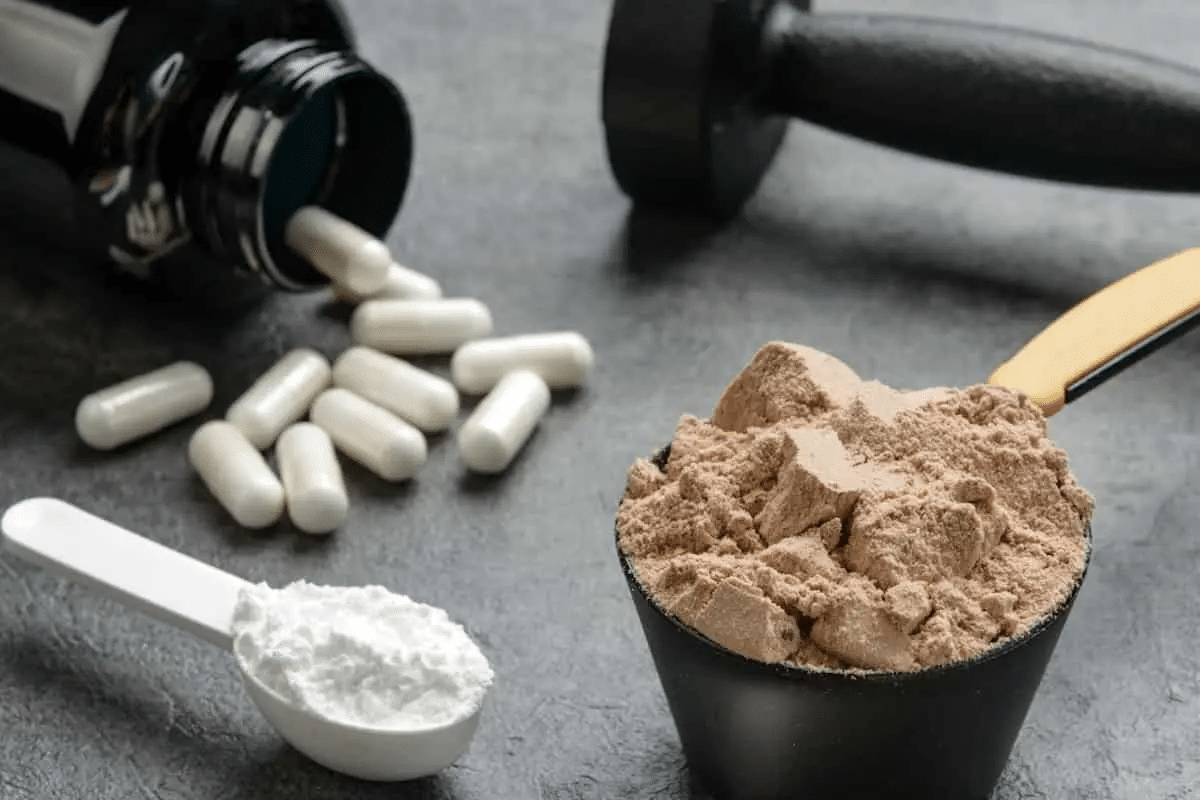
What is the best supplement for bone loss? We analyze the top clinically proven products to halt decay and rebuild your density effectively. Millions worldwide face the silent threat of bone loss and weakened skeletal health as they age. Research shows that calcium and vitamin D work together to keep bones strong. This is key for overall health.
The CDC says nearly 60% of adults have pain in three months. This shows how important good bone health is. As people get older, bone density becomes a big worry. But, making smart choices and taking the right supplements can really help slow down bone loss.
Key Takeaways
- Calcium and vitamin D are key for strong bones.
- Aging makes bone loss and osteoporosis more likely.
- Right supplements can slow or stop bone loss.
- Good lifestyle choices are vital for bone health.
- Getting medical advice is key for managing bone health.
The Science of Bone Health and Density
Knowing about bone health is key to staying well, as we get older. Bone density is very important for strong bones and avoiding osteoporosis. It’s vital to understand how bones grow and stay strong.
Bones are always changing, which helps them stay strong. This change involves two main types of cells: osteoclasts and osteoblasts. Calcium is essential for this, as it makes bones strong and dense.
How Bones Develop and Maintain Strength
Bones grow and stay strong through many factors. In kids and teens, bones get longer and denser. As adults, bones keep their strength by constantly being remade. Getting enough calcium and vitamin D helps this process.
The Bone Remodeling Process
The bone remodeling process is always happening. It removes old bone and makes new one. This keeps bones healthy and strong. Osteoporosis dietary supplements help by adding important nutrients like calcium and vitamin D.
Learning about bone remodeling helps us keep bones healthy. Using bone building supplements can also help keep bones strong and healthy.
Understanding Osteoporosis and Bone Loss
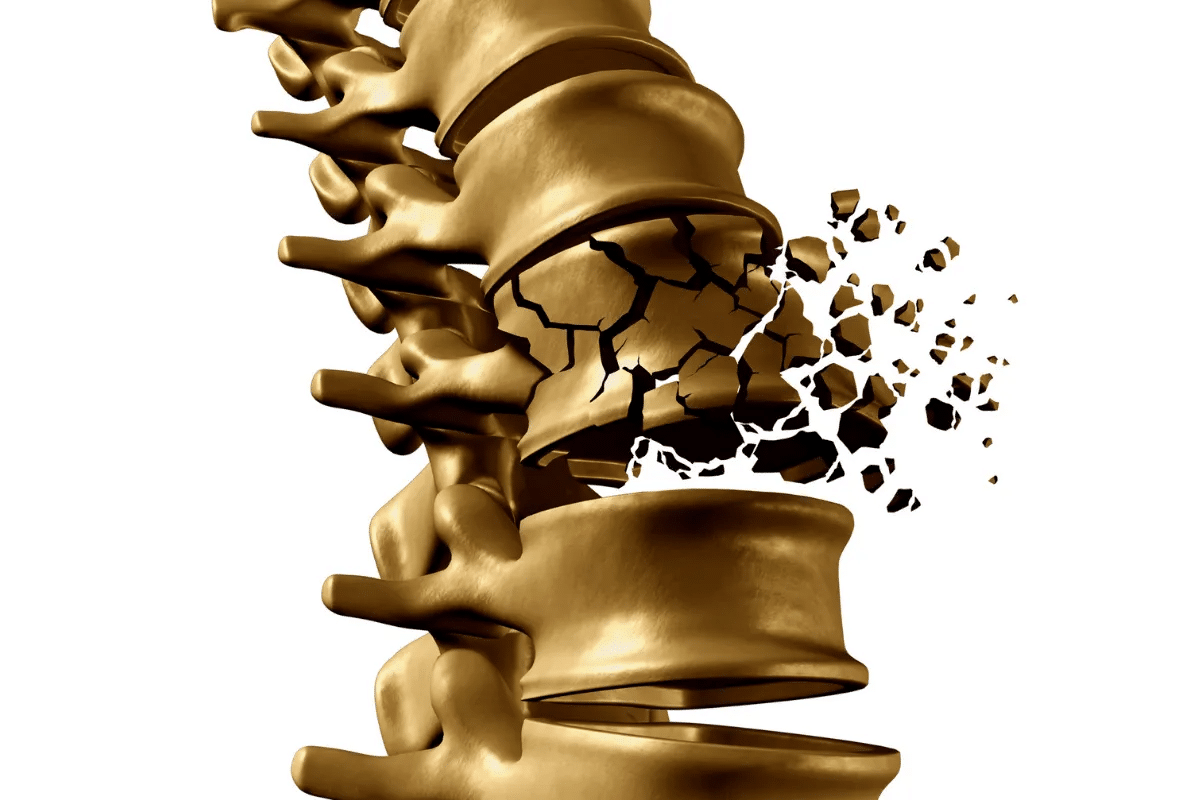
Osteoporosis and bone loss are big issues as the world gets older. They make bones weak, leading to more breaks. Knowing the risks and early signs is key to stopping and managing them.
Global Impact and Statistics
Osteoporosis hits millions worldwide, affecting health and economies. The International Osteoporosis Foundation says about 200 million people have it. It causes over 8.9 million breaks every year, with many women and men over 50 getting fractures.
The cost of osteoporosis is huge, with over $100 billion spent in the U.S. each year. As more people get older, these costs will go up. We need good ways to prevent and treat it.
Key Risk Factors for Accelerated Bone Loss
Several things can make bone loss worse and lead to osteoporosis. These include:
- Age: Bones get weaker with age, raising the risk of osteoporosis.
- Gender: Women, after menopause, are more at risk because of less estrogen.
- Family History: If your family has osteoporosis or breaks, you’re more likely to too.
- Lifestyle Factors: Smoking, too much alcohol, and not moving enough hurt bones.
- Nutritional Deficiencies: Not getting enough calcium and vitamin D is a big risk.
|
Risk Factor |
Description |
Impact on Bone Health |
|---|---|---|
|
Age |
Increased age |
Bone density decreases |
|
Gender |
Female, post-menopause |
Higher risk due to estrogen decline |
|
Family History |
History of osteoporosis or fractures |
Increased risk |
Early Warning Signs to Watch For
Spotting early signs is important for acting fast. Look out for:
- Back pain: It can be from fractures or bone wear.
- Loss of height: Fractures can make you shorter.
- Stooped posture: Fractures can curve your spine.
- Fractures: They happen with little effort, like a fall from standing.
Knowing these signs and risks helps you protect your bones. Using bone density supplements and living healthy are key to avoiding osteoporosis and managing bone loss.
How Nutritional Supplements Support Bone Structure
Keeping bones strong often needs more than just a good diet. Nutritional supplements can help fill the gap. Even with a balanced diet, it’s hard to get all the nutrients needed for strong bones.
The Limitations of Diet Alone
Eating foods rich in calcium and vitamin D is key for bones. But, our diets often lack these nutrients. Soil depletion, food processing, and our individual needs can cause gaps in our diet.
Nutritional supplements can help bridge this gap. They ensure our bodies get the right building blocks for bone health. Supplements offer concentrated doses of vitamins and minerals vital for bone repair.
“The use of dietary supplements can help prevent deficiencies and support overall health, particular in populations with increased nutritional needs or restricted diets.”
How Supplements Enhance Bone Metabolism
Supplements boost bone metabolism by adding essential nutrients. These nutrients are key for the bone-building and bone-resorbing process. Calcium, vitamin D, magnesium, and vitamin K are vital for this process.
|
Nutrient |
Role in Bone Health |
Supplement Form |
|---|---|---|
|
Calcium |
Essential for bone structure |
Calcium Citrate, Calcium Carbonate |
|
Vitamin D |
Enhances calcium absorption |
Vitamin D3 (Cholecalciferol) |
|
Magnesium |
Involved in bone mineralization |
Magnesium Glycinate, Magnesium Citrate |
By adding these nutrients to our diet, we can support bone health. This might lower the risk of bone disorders. It’s important to pick high-quality supplements that our bodies can easily absorb.
Calcium with Vitamin D: The Essential Foundation
Calcium and vitamin D are key for strong bones. They help keep bones dense and strong. Together, they make bones resilient.
Optimal Forms of Calcium for Absorption
There are many types of calcium, like calcium citrate and calcium carbonate. Calcium citrate is better absorbed, great for those with low stomach acid. Calcium carbonate is cheaper and works well with food.
Choosing the right calcium depends on your body and what you eat. Taking calcium with vitamin D helps your body use it better.
How Vitamin D Enhances Calcium Utilization
Vitamin D helps your body use calcium. It controls genes that help bones. Without enough vitamin D, bones can weaken.
Vitamin D3 (cholecalciferol) is best because it’s natural and works well for bones.
Recommended Dosages by Age and Gender
How much calcium and vitamin D you need changes with age and gender. Adults need about 1,000 mg of calcium daily. Postmenopausal women and older adults need 1,200 mg.
Vitamin D needs are around 600-800 IU daily for adults. Some research says more might be better for bones.
- Adults under 50 need 1,000 mg of calcium and 600 IU of vitamin D.
- Adults over 50 should get 1,200 mg of calcium and 800 IU of vitamin D.
Talking to a doctor is key to finding the right supplements for you.
Magnesium: The Critical Mineral for Bone Mineralization
Magnesium is key for strong bones and good skeletal health. It helps keep bones dense and prevents loss. This makes it essential for bone health.
Mechanisms of Action for Bone Health
Magnesium affects bone health in many ways. It helps control bone cells that build and break down bones. It also plays a role in calcium metabolism, which is vital for bone strength.
Magnesium’s role in bone health is complex. It supports bone structure and helps manage hormones that affect bone density.
Best Forms of Magnesium Supplements
Choosing the right magnesium supplement is important. Different types have different absorption rates. Here are some of the best:
- Magnesium glycinate: It’s easily absorbed and gentle on the stomach.
- Magnesium citrate: It’s well-absorbed and good for digestion.
- Magnesium oxide: It has a lot of magnesium but is less absorbed.
Ideal Calcium-to-Magnesium Ratios
The right balance between calcium and magnesium is key for bone health. A good ratio is between 2:1 and 1:1. This ensures both minerals work well together.
Keeping this balance is important. Too much calcium without enough magnesium can harm bone health.
The daily magnesium need is 310 mg to 420 mg, based on age and gender. Getting enough magnesium is vital for bone health and overall well-being.
Vitamin K2: Directing Calcium to Your Bones
Vitamin K2 is key for directing calcium to bones, not arteries. This is vital for strong bones and heart health. It works with other nutrients to boost bone density.
Vitamin K2 plays a big role in bone health. It helps proteins use calcium to build bone density. This supports bone remodeling. There are two main types: MK-4 and MK-7.
MK-4 vs. MK-7: Choosing the Right Form
MK-4 comes from animal products and is quickly absorbed. MK-4 is known for its fast use by the body. MK-7, from fermented foods, lasts longer and supports bones for a longer time.
Both forms have benefits, but the right choice depends on your health. MK-7 might be better for long-term bone health because it lasts longer.
Clinical Evidence for Bone Density Improvement
Many studies have looked at Vitamin K2’s effect on bones.
“Vitamin K2 supplements improve bone density in postmenopausal women, a group at high osteoporosis risk.”
Research shows Vitamin K2 boosts bone health, best with calcium and vitamin D.
A study in a top journal found Vitamin K2 greatly improved bone density. It shows promise for treating osteoporosis.
Effective Dosing Protocols
Finding the right Vitamin K2 dose is important. The recommended dose is 45 to 180 mcg per day for MK-7. Higher doses might help some people. Always talk to a doctor to find the best dose for you.
- Start with a low dose and watch for side effects.
- Consider taking Vitamin K2 with calcium and vitamin D for bones.
- Check and change your dose as needed.
In summary, Vitamin K2 is essential for bone health. Knowing about its forms and how to take it can help support strong bones.
Collagen Peptides: Rebuilding Bone Matrix
As we get older, our body makes less collagen. This makes collagen peptides a great supplement for fixing the bone matrix. Collagen is key for bone structure, helping minerals stick together to make bones strong.
Types of Collagen for Skeletal Health
There are many types of collagen, but Types I, II, and III are most important for bones. Type I collagen is the most common in bones, giving them strength. Type II collagen is in cartilage, which protects joints. Type III collagen helps blood vessels and muscles.
- Type I collagen is key for bone strength and density.
- Type II collagen keeps joints healthy by protecting cartilage.
- Type III collagen is important for muscle and blood vessel structure.
Research on Fracture Prevention
Studies show collagen peptides help prevent fractures. They improve the bone matrix, making bones denser and less likely to break.
“Research shows collagen peptides can boost bone density and strength, lowering fracture risk.”
Combining Collagen with Mineral Supplements
Adding collagen peptides to mineral supplements like calcium and magnesium boosts bone health. Collagen gives bones structure, while minerals make them hard and dense.
|
Supplement |
Benefit |
|---|---|
|
Collagen Peptides |
Rebuilds bone matrix |
|
Calcium |
Enhances bone density |
|
Magnesium |
Supports bone mineralization |
Knowing how collagen peptides help bones and pairing them with minerals is key. This approach helps keep bones strong and prevents them from getting weaker.
Boron: The Best Supplement for Bone Loss Prevention
Boron is becoming key in stopping bone loss. Research shows it helps keep bones strong. It affects how our body uses calcium and hormones, which are important for bones.
Research Supporting 3mg Daily Dosage
Studies found that 3mg of boron a day might help bones. It’s thought to improve how our body uses calcium and magnesium. This is good for bone health.
How Boron Influences Hormone Balance for Bone Health
Boron also affects hormone levels, which is good for bones. It helps with estrogen and testosterone, keeping bones strong. This can stop bone loss caused by hormonal changes.
Food Sources vs. Supplementation
You can get boron from foods like nuts, legumes, and fruits. But, getting enough from food can be hard. That’s why supplements are often used to get the right amount of boron.
In short, boron is a trace element that helps prevent bone loss. Taking 3mg a day might offer benefits. It’s important to eat foods rich in boron and consider supplements to meet your needs.
Ipriflavone: Clinically Proven for Elderly Bone Support
Ipriflavone is a synthetic isoflavone that helps support bones in the elderly. It’s known for keeping bone density strong. This is key in preventing osteoporosis in older adults.
Efficacy of 200mg Daily Dosage
Research has looked into ipriflavone’s effects on bone health, focusing on a 200mg daily dose. This amount seems to help keep bone density strong in the elderly.
- A study in the Journal of Bone and Mineral Research showed ipriflavone helps reduce bone loss in postmenopausal women.
- Another study found that adding ipriflavone to calcium boosts bone mineral density in the elderly.
Mechanism of Action in Preventing Bone Resorption
Ipriflavone works by affecting bone remodeling. It might slow down bone loss. This is important for older adults, as bone loss can lead to osteoporosis.
Key mechanisms include:
- It stops osteoclasts from breaking down bones.
- It might also help osteoblasts build bones.
Safety Profile and Contraindications
Ipriflavone is usually safe, but there are some things to watch out for. Always talk to a healthcare professional before starting it, if you have health issues or take other medicines.
Notable safety considerations:
- It might interact with medications like anticoagulants.
- Some people might experience stomach problems.
In summary, ipriflavone is a good option for supporting bones in the elderly. The 200mg daily dose has shown promise in studies. Knowing how it works and its safety can help people decide if it’s right for them.
Blackcurrant Supplements: 2024 Research for Menopausal Women
The 2024 research on blackcurrant supplements is a big deal. It shows how they can help keep bones strong in menopausal women. This is important because menopause can weaken bones, leading to osteoporosis.
Breakthrough Findings on Whole-Body Bone Mineral Density
Studies have found that blackcurrant supplements boost bone density in women going through menopause. This is thanks to anthocyanins, which are antioxidants in blackcurrants.
A study with 120 post-menopausal women showed great results. Those who took blackcurrant extract had better bone density than those who didn’t. The study lasted a year, with participants getting either 500 mg of blackcurrant extract or a placebo every day.
How Anthocyanins Support Bone Formation
Anthocyanins in blackcurrants are key for bone health. They fight off oxidative stress and inflammation, which harm bones.
Research shows anthocyanins boost bone-building cells and slow down bone-dissolving cells. This balance is good for keeping bones healthy.
Recommended Protocol for Peri- and Post-Menopausal Women
Women going through menopause should take 500 mg to 1 g of blackcurrant extract daily. It’s important to pick a supplement with lots of anthocyanins and has been tested to work.
|
Dosage |
Duration |
Expected Outcome |
|---|---|---|
|
500 mg – 1 g daily |
12 months |
Significant improvement in whole-body bone mineral density |
Always talk to a doctor before starting blackcurrant supplements. This is true for anyone with health issues or taking medicine.
Conclusion: Building Your Personalized Bone Health Regimen
Creating a personalized bone health regimen is key to keeping bones strong. Nutrients and supplements like calcium and vitamin D are vital. The right supplement for bone loss depends on your needs, but calcium, vitamin D, magnesium, and vitamin K2 are good choices.
When picking supplements, think about your age, gender, and health. Talking to a healthcare professional can help find the best supplements for you. This ensures you get the best support for your bones.
A good supplement plan can lower the risk of osteoporosis and bone loss. Knowing how different nutrients and supplements work helps you make smart choices. This way, you can take care of your bones and keep them strong.
FAQ
What are the best supplements for bone health?
The top supplements for bone health are calcium, vitamin D, and magnesium. Also, vitamin K2, collagen peptides, boron, and ipriflavone are key. They all help strengthen bones.
How does calcium support bone health?
Calcium is key for strong bones. It’s the main mineral in bones and teeth. Taking enough calcium helps prevent bone loss and osteoporosis.
What is the role of vitamin D in bone health?
Vitamin D helps bones stay strong. It makes sure calcium is used right. This supports bone mineralization.
Why is magnesium important for bone health?
Magnesium is vital for bone health. It helps bone cells work right. It also helps with calcium use.
What is the difference between MK-4 and MK-7 forms of vitamin K2?
MK-4 and MK-7 are vitamin K2 types. MK-7 is better for bones because it lasts longer. It’s more easily used by the body.
Can collagen peptides help rebuild bone matrix?
Yes, collagen peptides are important for bones. Types I, II, and III provide amino acids for bone growth. They can also boost bone density.
How does boron support bone health?
Boron helps with hormone balance, like estrogen and testosterone. These hormones are key for strong bones. Taking 3mg of boron daily can help bone health.
What is ipriflavone, and how does it support bone health?
Ipriflavone is a synthetic isoflavone. It stops bone breakdown. Taking 200mg daily can help prevent bone loss, mainly in older people.
Are blackcurrant supplements beneficial for menopausal women?
Yes, blackcurrant supplements are good for menopausal women. They have anthocyanins that help bone formation. This can improve bone density.
How can I create a personalized bone health regimen?
To make a bone health plan, talk to a healthcare expert. They’ll help pick the right supplements and amounts for you. This will depend on your health and risk for bone loss.
What is the ideal calcium-to-magnesium ratio?
The best calcium-to-magnesium ratio is 2:1. This balance ensures both minerals work well together for bone health.
Can dietary supplements alone prevent osteoporosis?
Supplements can help bone health, but they’re not enough to prevent osteoporosis. A good plan includes a healthy diet, exercise, and a healthy lifestyle.
Reference
Government Health Resource. Supplements for Bone Loss and Strength: Calcium & Vitamin D. Retrieved from https://www.nap.edu/catalog/13050/dietary-reference-intakes-for-calcium-and-vitamin-d