
Discover the best weight loss plan for women over 60. This essential guide explains nutrition and exercises that work for you.
Reaching 60 doesn’t mean you have to accept weight gain. Losing weight after 60 comes with its own set of challenges. These include changes in metabolism, hormones, and muscle loss. At Liv Hospital, we know that losing weight for women over 60 needs more than just general tips.
We focus on you, the patient, using the latest research and proven methods. About 41.5 to 43.3 percent of women over 60 are obese. This is a big public health issue. We’re dedicated to top-notch healthcare and support for patients from around the world.
Key Takeaways
- Understanding the physiological challenges of weight loss after 60
- Importance of a patient-centered approach for mature women
- Integrating the latest research and proven methods for successful weight management
- Addressing the substantial public health concern of obesity in women over 60
- Comprehensive support for international patients at Liv Hospital
Understanding Weight Loss Challenges for Women Over 60
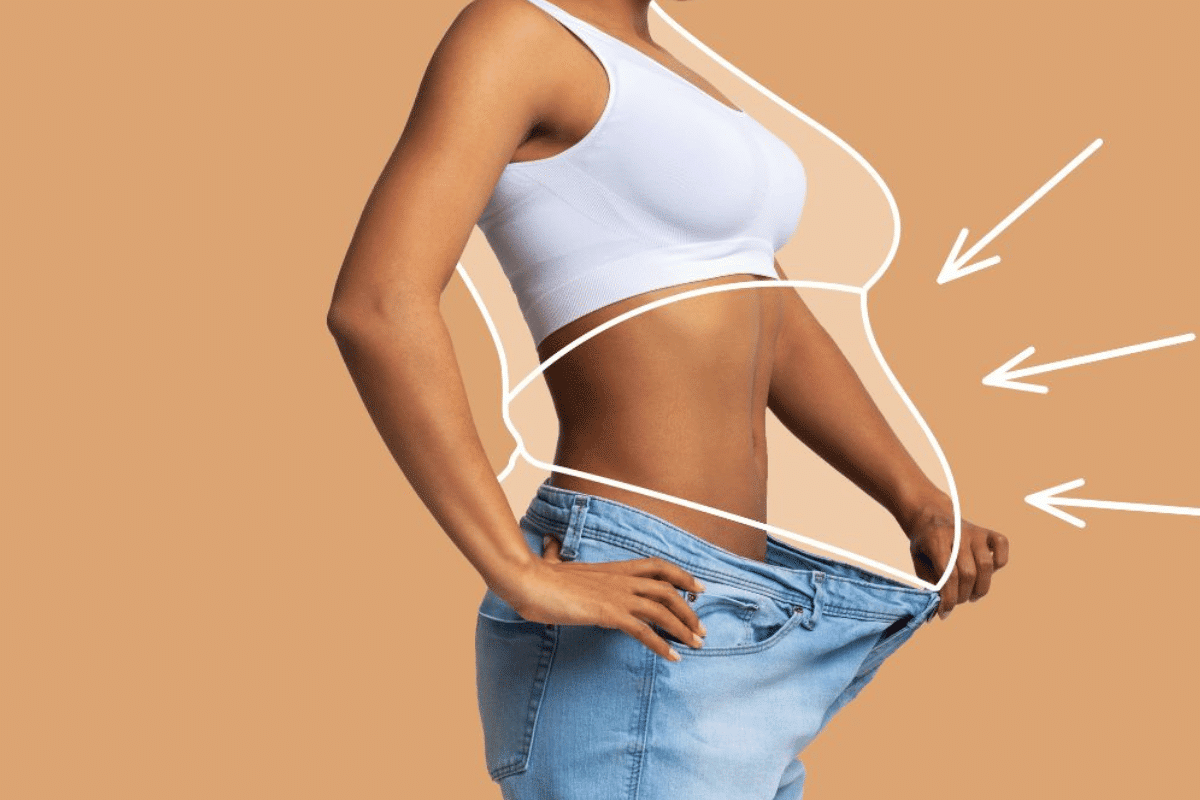
Women over 60 face many challenges when trying to lose weight. Our bodies change with age, affecting our weight and health. These changes can make losing weight harder.
Age-Related Metabolic Changes
Metabolic changes are a big challenge for weight loss after 60. Our metabolism slows down, making it harder to lose and keep off weight. Older women need to adjust their diet and exercise to lose weight like younger women.
Hormonal Shifts Post-Menopause
Hormonal changes, like those during and after menopause, lead to weight gain. Lower estrogen levels cause more body fat, often around the belly. Knowing about these changes helps in finding effective weight loss plans.
Muscle Loss and Its Impact on Weight
Muscle loss, or sarcopenia, affects weight loss in older women. Less muscle means a lower resting metabolic rate, making weight loss harder. Adding strength training to your routine can help keep muscle and aid in weight loss.
Current Statistics on Obesity in Older Women
Obesity is a big issue for older women. Many are overweight or obese, which increases health risks. Studies show that older adults can lose weight successfully with the right guidance.
Understanding these challenges helps tailor weight loss plans for women over 60. A balanced diet, proper exercise, and lasting lifestyle changes are key.
The Science Behind Weight Gain After 60

As we age, our bodies change in many ways. This includes how we store fat, our metabolism, and where fat is stored. Understanding these changes is key to losing weight effectively.
Why Fat Redistributes to the Abdominal Area
Women over 60 often see fat move to their stomachs. This is mainly because of hormonal changes, like lower estrogen levels after menopause. With less estrogen, fat tends to build up in the belly more than in hips and thighs.
Visceral fat is fat around organs. It’s bad because it can increase heart disease and diabetes risks. This fat is active and can cause inflammation and more health problems.
How Metabolism Slows with Age
Our metabolism slows down as we get older. This is due to losing muscle, being less active, and hormone changes. It means we need fewer calories to stay the same weight, making it easier to gain weight if we eat too much.
To fight this, we need to eat better and move more. Adding strength training exercises can help build muscle. This can also boost our metabolism.
The Role of Sarcopenia in Weight Management
Sarcopenia is losing muscle and strength with age. It affects how we manage our weight. Less muscle means a slower metabolism, making it harder to lose and keep off weight.
Resistance training helps fight sarcopenia. Regular strength exercises can keep muscle, improve metabolism, and help manage weight better.
Research on Weight Loss Success in Older Adults
Studies show that adults over 60 can lose weight with the right approach. They found that older adults who change their diet and exercise more can lose weight and keep it off.
|
Study |
Intervention |
Weight Loss Outcome |
|---|---|---|
|
Study A |
Dietary changes + strength training |
Average loss of 10% body weight over 6 months |
|
Study B |
Comprehensive lifestyle modification |
Sustained weight loss of 8% over 1 year |
|
Study C |
Combination of diet, exercise, and behavioral therapy |
Average weight loss of 12% over 9 months |
These studies show that older adults can lose weight with the right plan. They offer hope and help for women over 60 looking to improve their health.
Setting Realistic Weight Loss Goals for Your Sixties
Starting a healthier life in your sixties means setting the right weight loss goals. Our bodies change with age, affecting our weight and health. Understanding these changes helps create a weight loss plan that works and lasts.
Determining Your Healthy Weight Range
Finding your healthy weight range is the first step. It’s based on age, height, and body type. For women over 60, it’s not just about looking good. It’s about staying healthy and avoiding age-related problems. Consulting with a healthcare provider can help find this range and start your weight loss journey.
Creating Achievable Milestones
After finding your healthy weight range, set achievable milestones. Break down your big goal into smaller, easier targets. Losing 1-2 pounds a week is better than trying to lose too much too fast. Consistency is key for losing weight after 60.
- Set specific, measurable goals
- Create a timeline for achieving these goals
- Regularly review and adjust your milestones as needed
Tracking Progress Beyond the Scale
The scale is useful for tracking weight loss, but it’s not everything. Body measurements, health markers, and energy levels are also important. Tracking progress beyond the scale shows a full picture of your health and can motivate you.
A 7-day meal plan can help you reach your weight loss goals. It provides a balanced diet. By eating healthy and setting realistic goals, women over 60 can succeed in their weight loss journey.
Nutrition Fundamentals for Women Over 60
Women over 60 need to rethink their diet because their bodies change. They need to eat in a way that keeps them healthy and helps with weight. This means choosing foods that are good for them.
Caloric Needs and Adjustments
Women over 60 often need fewer calories because they have less muscle and move less. But it’s not just about how many calories they eat. It’s about eating foods that are full of nutrients. They should eat less but make sure they get all the nutrients they need.
The number of calories a woman over 60 needs depends on how active she is and her health. Sedentary women might need about 1,600 calories a day. Active women might need up to 2,000 calories or more.
Essential Nutrients for Aging Women
Women over 60 need more of some nutrients. Calcium and vitamin D are key for strong bones. Protein helps keep muscles strong, which gets weaker with age. Fiber is also important for a healthy gut.
- Calcium: Supports bone health, with recommended daily intake of 1,200 mg.
- Vitamin D: Essential for calcium absorption and bone health, with a recommended daily intake of 600-800 IU.
- Protein: Helps maintain muscle mass, with a recommended daily intake of 1.0-1.2 grams per kilogram of body weight.
- Fiber: Supports digestive health, with a recommended daily intake of 21-25 grams.
Meal Timing Strategies
Eating at the right times can help with nutrition and weight. Eating smaller meals often can keep hunger away and energy up. Starting with a good breakfast and having a protein-rich dinner can also help.
Foods to Emphasize and Limit
Women over 60 should eat foods that are full of nutrients. This includes fruits, veggies, whole grains, lean proteins, and healthy fats. They should also avoid processed foods, foods high in sugar, and saturated fats.
Some key foods to emphasize include:
- Leafy greens and colorful vegetables for vitamins and minerals.
- Fatty fish like salmon for omega-3 fatty acids.
- Nuts and seeds for healthy fats and protein.
- Whole grains like quinoa and brown rice for fiber and nutrients.
Foods to limit include:
- Sugary drinks and snacks.
- Processed meats.
- Foods high in saturated fats.
By focusing on these nutritional basics, women over 60 can improve their health and reach their weight loss goals.
The Best Weight Loss Plan for Women Over 60
Women over 60 face unique challenges when trying to lose weight. A good plan must consider their changing bodies. It should focus on a balanced diet for lasting weight loss.
Balanced Macronutrient Approach
Women over 60 need a balanced diet. This means the right mix of carbs, proteins, and fats. Eat lots of fruits, veggies, whole grains, lean proteins, and healthy fats. A study in the Journal of the American Medical Association shows whole foods help older adults lose and keep off weight.
“A balanced diet tailored to each person is key,” says Medical Expert. “Focus on whole foods and avoid processed, high-calorie ones. This helps women over 60 reach a healthy weight and feel better overall.”
Protein Requirements for Muscle Preservation
Protein is vital for muscle in women over 60. As they age, they lose muscle, which slows down metabolism and makes weight loss harder. Eat 1.0 to 1.2 grams of protein per kilogram of body weight daily to keep muscles strong and healthy.
Portion Control Techniques
Controlling portions is key for women over 60 trying to lose weight. It helps manage calorie intake and reach a healthy weight. Use a food scale or measuring cups for portion sizes. Eat smaller, more frequent meals.
- Use a food diary to track eating habits
- Eat slowly and mindfully
- Avoid eating in front of screens
Meal Planning for Success
Meal planning is helpful for women over 60 aiming to lose weight. It ensures a balanced diet and avoids unhealthy foods. Make a weekly meal plan with a variety of whole foods. Try to cook at home most nights.
- Plan meals around seasonal produce
- Make a grocery list to avoid impulse buys
- Prepare meals in advance to save time
Exercise Strategies That Work After 60
Exercise is key for healthy aging, and women over 60 can greatly benefit from it. It helps with weight loss and improves health. It also lowers the risk of chronic diseases and boosts mental well-being.
Strength Training to Combat Muscle Loss
Strength training is vital for women over 60 to fight muscle loss. It helps keep muscle mass, boosts metabolism, and supports bone health.
Examples of strength training exercises include:
- Weightlifting
- Resistance band exercises
- Bodyweight exercises like squats and lunges
Low-Impact Cardio Options
Low-impact cardio exercises are great for women over 60. They offer heart health benefits without harming joints. Examples include:
- Brisk walking
- Swimming
- Cycling
- Elliptical trainer workouts
Flexibility and Balance Exercises
Flexibility and balance exercises are key for staying mobile and preventing falls. Yoga, Pilates, and tai chi improve flexibility, balance, and physical function.
Creating a Safe and Effective Workout Schedule
When planning a workout schedule, consider health, fitness level, and personal likes. A good routine mixes strength training, cardio, and flexibility exercises.
|
Exercise Type |
Frequency |
Examples |
|---|---|---|
|
Strength Training |
2-3 times per week |
Weightlifting, resistance bands |
|
Low-Impact Cardio |
3-4 times per week |
Brisk walking, swimming, cycling |
|
Flexibility and Balance |
2-3 times per week |
Yoga, Pilates, tai chi |
By adding these exercises to their daily routine, women over 60 can see big health gains. They can lose weight, move better, and feel better overall.
Working With Healthcare Providers
Before starting any weight loss program, women over 60 should talk to their healthcare providers. This is key to ensure a safe and effective journey. It helps understand your health status and any risks with weight loss.
When to Consult Your Doctor Before Starting
It’s important to talk to your doctor if you have health conditions or are taking medications. Your healthcare provider can give you personalized advice. They can also help you avoid health risks.
A study in the Journal of the American Medical Association shows talking to a healthcare provider before starting a weight loss program helps. It makes successful weight loss more likely for older adults.
“A healthcare provider can help you create a weight loss plan that is tailored to your specific needs and health status, ensuring a safe and effective journey.”
Nutrition and Your Health: Dietary Guidelines for Americans
Medical Tests to Consider
Certain medical tests can give valuable insights into your health. They help your healthcare provider tailor a weight loss plan. These tests may include:
- Blood glucose tests to assess diabetes risk
- Lipid profiles to evaluate cholesterol levels
- Thyroid function tests to check for hypothyroidism
- Complete blood counts to identify any underlying conditions
|
Test |
Purpose |
Benefit for Weight Loss |
|---|---|---|
|
Blood Glucose Test |
Assess diabetes risk |
Helps in creating a diet plan that manages blood sugar levels |
|
Lipid Profile |
Evaluate cholesterol levels |
Guides dietary choices to improve heart health |
|
Thyroid Function Test |
Check for hypothyroidism |
Identifies if thyroid issues are contributing to weight gain |
Finding Specialists for Age-Specific Weight Loss
You might need to see specialists like endocrinologists or nutritionists for older adults. They can give you targeted advice and treatment plans.
Insurance Coverage for Weight Management Programs is also important. Many insurance plans cover weight management programs, which is great for those with obesity-related health conditions.
Insurance Coverage for Weight Management Programs
It’s key to check with your insurance provider about what services are covered. This includes:
- Nutritional counseling
- Behavioral therapy
- Medical supervision for weight loss
Knowing what your insurance covers helps you make better choices for your weight loss journey.
By working closely with healthcare providers and understanding available resources, women over 60 can safely and effectively reach their weight loss goals.
Managing Health Conditions While Losing Weight
For women over 60, losing weight is more than just diet and exercise. It’s also about managing health conditions. As we age, health issues can make losing weight harder. It’s important to tackle these conditions for a safe weight loss journey.
Weight Loss with Arthritis
Arthritis is common in older adults, causing joint pain and stiffness. This can make it hard to move and exercise. Choose low-impact activities like swimming, cycling, and gentle yoga to avoid worsening joint pain.
Also, losing weight can ease the strain on joints. This might help reduce some arthritis symptoms.
Strategies for Diabetes Management
Women with diabetes can improve insulin sensitivity and blood sugar control by losing weight. It’s important to watch blood glucose levels when starting a new diet or exercise plan. Eat a balanced diet with controlled carbs and plenty of fiber.
Regular physical activity, like brisk walking, can also help manage diabetes by improving glucose metabolism.
Heart-Healthy Weight Loss Approaches
Heart health is key for women over 60, and losing weight can help reduce heart risk. Focus on a diet full of fruits, vegetables, whole grains, and lean proteins. Regular aerobic exercise, like walking or swimming, can also improve heart health.
These activities help lower blood pressure and improve lipid profiles.
Adapting for Osteoporosis and Bone Health
Osteoporosis makes bones weak, increasing the risk of fractures. When losing weight with osteoporosis, make sure to get enough calcium and vitamin D. Resistance exercises, like weight training, can strengthen bones.
But, avoid exercises that involve bending or heavy lifting to prevent fractures.
By understanding and adapting to these health conditions, women over 60 can successfully lose weight. This improves their overall health and well-being.
Overcoming Common Weight Loss Obstacles After 60
Losing weight over 60 is more than just dieting. It needs a full plan that tackles many challenges. Women face special hurdles like less mobility and mental barriers as they age. We’ll look at these obstacles and share ways to beat them.
Dealing with Decreased Mobility
Many women over 60 struggle with less mobility, making it hard to lose weight. Exercise is key, but mobility issues can get in the way. Try low-impact activities like swimming, yoga, or short walks that fit your level.
- Start with short, manageable sessions (10-15 minutes) and gradually increase duration and intensity.
- Consider working with a physical therapist to develop a personalized exercise plan.
- Use assistive devices like canes or walkers if necessary to enhance safety and confidence.
Managing Medication Side Effects
Medications can make it tough to lose weight for women over 60. They might increase hunger, cause water retention, or change how your body burns calories. Talk to your doctor about these effects and find better options if you can.
- Keep a medication diary to track any changes in weight, appetite, or overall health.
- Consult with your doctor about adjusting dosages or switching to different medications with fewer side effects.
- Monitor your weight regularly to catch any medication-related weight changes early.
Addressing Sleep Issues
Older adults often have trouble sleeping, which can affect weight loss. Poor sleep messes with hormones that control hunger and fullness, leading to weight gain.
- Establish a consistent sleep schedule and bedtime routine.
- Create a sleep-conducive environment by ensuring the bedroom is dark, quiet, and cool.
- Avoid caffeine and heavy meals close to bedtime.
Psychological Barriers to Weight Loss
Stress, depression, or anxiety can also stop weight loss. It’s important to tackle these mental hurdles for successful weight management.
- Consider seeking support from a mental health professional.
- Practice stress-reducing techniques like meditation or deep breathing exercises.
- Join a support group for women over 60 to share experiences and find motivation.
By tackling these common obstacles, women over 60 can improve their weight loss journey. They can achieve a healthier, more lasting lifestyle.
The Role of Hydration and Supplements
Women in their sixties need to know about hydration and supplements for a healthy weight. As we age, our bodies change. This can affect how we stay hydrated and what nutrients we need.
Optimal Water Intake for Older Adults
Drinking enough water is key for health, and older adults might not feel thirsty as much. It’s important to drink water all day. Most people should drink at least eight 8-ounce glasses a day. But, your needs can change based on how active you are, where you live, and your health.
Tips for Staying Hydrated:
- Drink a glass of water when you wake up.
- Have water with meals and between meals.
- Check your urine; it should be pale yellow.
- Eat hydrating foods like fruits and veggies.
Supplements That Support Weight Loss
Even with a good diet, some supplements can help with weight loss for older adults. These might include:
- Protein Supplements: Help keep muscle mass when losing weight.
- Omega-3 Fatty Acids: Good for overall health and fat metabolism.
- Probiotics: Help with gut health, which is important for weight management.
- Vitamin D: Important for bone health and might help with weight regulation.
Understanding Supplement Safety
It’s important to be careful with supplements. Older adults should talk to their doctor before starting any new supplements. Some supplements can interact with medicines or cause problems for some people.
Key Considerations:
- Tell your doctor about your medicines and health issues.
- Choose supplements from trusted sources.
- Follow the recommended amounts and watch for side effects.
Natural Alternatives to Supplements
Eating a variety of whole foods can give you the nutrients you need without supplements. Try to eat different fruits, veggies, whole grains, lean proteins, and healthy fats.
Nutritional Tips:
- Focus on plant-based foods.
- Add lean proteins to your diet.
- Try to avoid processed and sugary foods.
By staying hydrated and making smart choices about supplements, women over 60 can help with weight loss and stay healthy.
Creating Sustainable Lifestyle Changes
Women over 60 should aim for lasting lifestyle changes for weight loss. Our bodies change with age, affecting our metabolism and health. It’s important to choose habits that last for successful weight management.
Building Healthy Habits That Last
Creating lasting healthy habits is key. This means regular physical activity like strength training and cardio. These keep muscle mass and boost metabolism. Also, add flexibility and balance exercises to stay mobile and avoid falls.
Eating a balanced diet is also essential. Eat lots of fruits, veggies, whole grains, lean proteins, and healthy fats. Plan your meals and control portions to stay healthy.
Social Support Systems
Having a strong support system is vital for women over 60. This can be family, friends, or support groups. Join local fitness classes or online groups to find people with similar goals.
Mindful Eating Practices
Mindful eating means listening to your hunger and fullness cues. Eat slowly and enjoy your food. This can help prevent overeating and improve your food relationship. Try mindful eating during meals to support your weight loss.
Adapting to Life’s Changes While Maintaining Weight
Life brings unexpected changes, and adapting while keeping your weight is key. You might need to adjust your diet and exercise. Be flexible and ready to make changes to keep up your progress.
By focusing on these areas, women over 60 can make lasting lifestyle changes. These changes support weight loss and overall health. Remember, it’s about making long-term changes, not quick fixes.
Conclusion: Embracing a Healthier Future Beyond 60
Reaching a healthy weight after 60 is a journey with many steps. It involves understanding the challenges and finding the best plan. This way, women can successfully lose weight.
For women over 60, losing weight needs a special approach. It’s about good nutrition, exercise, and managing health issues. We’ve shown how to set goals, work with doctors, and make lasting lifestyle changes.
By using the tips from this guide, women over 60 can lose weight and feel better. We want women to take charge of their health and look forward to a healthier future.
With the right information and tools, losing weight is possible. We urge readers to begin their journey now. Use the insights and advice given to reach your weight loss goals.
FAQ
Why is it harder to lose weight after 60?
Losing weight after 60 can be tough. Our metabolism slows down with age. We also lose muscle, making it harder to shed pounds.
What is the best way to lose weight after 60?
The best approach is a balanced diet and regular exercise. Include strength training and low-impact cardio. Always work with healthcare providers to tailor a plan that fits you.
How can I determine a healthy weight range for my age?
To find a healthy weight, consider your height, body composition, and health. Talk to your healthcare provider to set a realistic goal.
What nutritional changes should I make after 60?
Adjust your caloric intake and focus on essential nutrients. Eat whole foods, fruits, vegetables, and lean proteins. Limit processed and high-calorie foods.
How important is strength training for women over 60?
Strength training is key for women over 60. It helps prevent muscle loss and improves bone density. Aim for strength training exercises at least twice a week.
Can I lose weight with a health condition like arthritis or diabetes?
Yes, you can lose weight with conditions like arthritis or diabetes. Work with your healthcare provider to create a plan that meets your needs.
How can I overcome common weight loss obstacles after 60?
To beat common obstacles, start with low-impact exercises. Talk to your healthcare provider about medication side effects. Improve sleep by sticking to a schedule.
Are supplements safe for weight loss after 60?
Some supplements may aid in weight loss. But, it’s vital to check their safety. Always consult with your healthcare provider before adding supplements.
How can I maintain weight loss over time?
To keep weight off, focus on healthy habits. Regular exercise and balanced eating are key. Having a support system helps too. Track your progress and adjust as needed.
What role does hydration play in weight loss after 60?
Drinking enough water is vital for health and weight loss. Aim to drink plenty of water daily. Include hydrating foods in your diet.
How can I adapt my weight loss plan to accommodate life’s changes?
To adapt your plan, practice mindful eating. Be ready to adjust as life changes. Stay flexible and don’t be too hard on yourself if you face setbacks.
References
World Health Organization. Evidence-Based Medical Guidance. Retrieved from https://www.who.int/news-room/fact-sheets/detail/healthy-diet