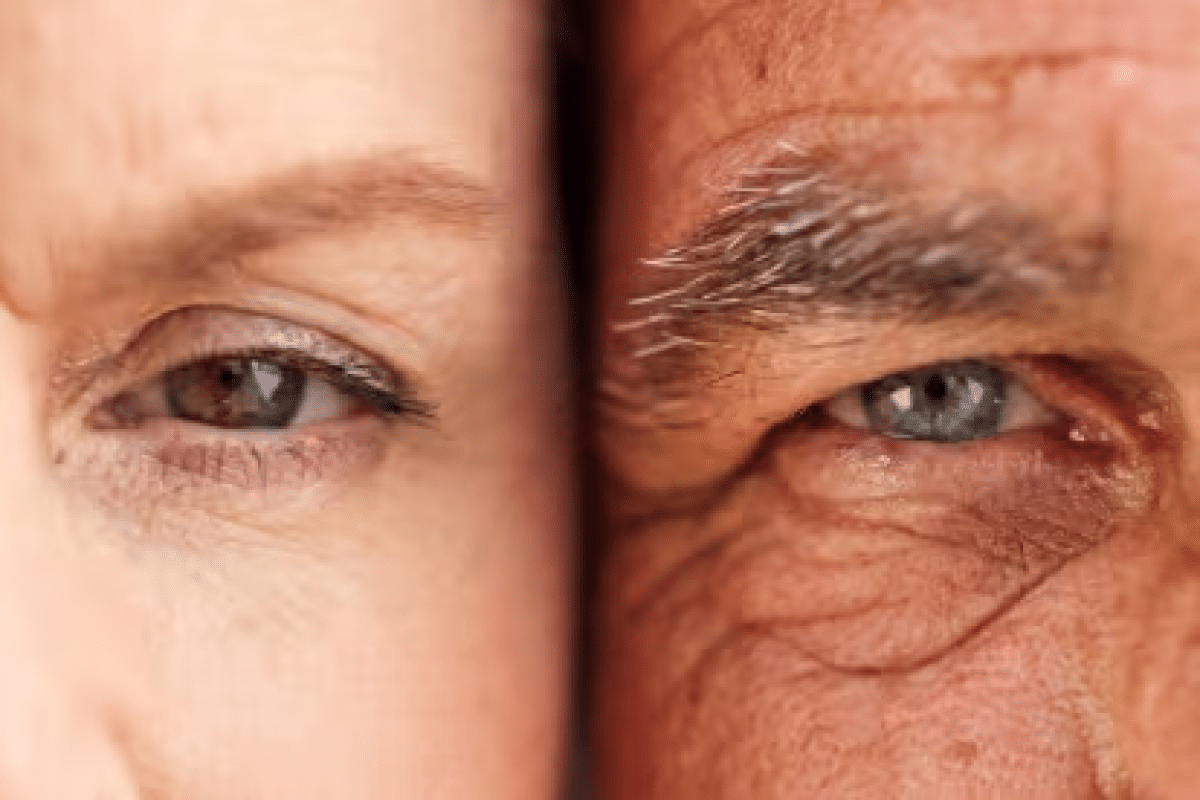
Knowing your true health age can change your life. Unlike your chronological age, your biological age shows how well your body works. It’s affected by genetics, lifestyle, and the environment.Use a biological age test calculator. This essential guide explains how to calculate your real health age for free online.
Now, we have a science-backed tool to measure your biological age online for free. This tool is a new way to look at health and how long you might live.
By finding out your biological age, you learn a lot about your body. You can then take steps to live healthier and longer. At Liv Hospital, we believe in this new way of health care. We think it’s key to understand your body’s health in a personal way.
Key Takeaways
- Biological age is a more accurate indicator of health than chronological age.
- Lifestyle and genetics play a significant role in determining biological age.
- A free online calculator can help you determine your biological age.
- Understanding your biological age can help you take proactive steps to improve your health.
- Liv Hospital supports personalized biological assessments for better healthcare.
Understanding Biological Age vs. Chronological Age

It’s important to know the difference between biological and chronological age for better health. Chronological age is just how many years we’ve lived. Biological age shows how well our bodies work compared to our age.
What Biological Age Really Measures
Biological age is a deeper look at health, including heart health, metabolism, and immune system. It shows how lifestyle and environment affect our body’s functions. For example, two 40-year-olds can have different biological ages based on their health.
Recent studies have shown that lifestyle habits can influence up to 80% of our biological aging process. This means we can change our biological age by choosing what we eat, how we exercise, and how we manage stress.
Why Your Biological Age Matters More Than Calendar Years
Knowing your biological age can motivate you to live healthier. It shows your health better than just your age. For instance, someone who’s 50 might be biologically 40 if they’re healthy, or 60 if they’re not.
“The real measure of our age is not in years, but in the vitality of our bodies and the sharpness of our minds.”
The 80% Rule: How Lifestyle Influences Aging
The 80% rule says most of our aging comes from lifestyle choices. This includes diet, exercise, sleep, and stress. By improving these areas, we can slow down aging. For example, exercise and a good diet can boost heart health, while enough sleep and managing stress can strengthen our immune system and mind.
By understanding and working on our biological age, we can age better. Using a real age calculator can help us see where we stand and guide us to make better choices.
The Science Behind Biological Age Measurement

Understanding biological age measurement is key to knowing our health. It looks at how our body and genes work to find our health age. This is different from our actual age.
Key Biomarkers Used in Age Calculations
Biological age is figured out by looking at several biomarkers. These include:
- Telomere length: Telomeres protect our chromosomes, and their length shows how old our cells are.
- DNA methylation patterns: Changes in DNA methylation show aging and age-related diseases.
- Inflammatory markers: Chronic inflammation is a sign of aging. Measuring these markers helps understand biological age.
- Hormone levels: Hormones change with age. Certain hormone levels can show our biological age.
DNA Methylation and Epigenetic Clocks
Now, we use epigenetic markers and DNA methylation to guess biological age. Epigenetic clocks, like the Horvath clock, look at DNA methylation to guess our biological age. They measure gene methylation to tell us our physiological age.
DNA methylation is key in epigenetics. It changes gene expression without changing the DNA. The Horvath clock is a well-tested epigenetic clock. It accurately predicts biological age in different tissues.
Clinical Research Validating Biological Age Testing
Many studies have shown that biological age testing works. Research shows that biological age is a good predictor of death and age-related diseases. For example, people with a higher biological age than their actual age are more likely to get age-related conditions.
A study in a top scientific journal found that epigenetic clocks can accurately predict chronological age. They also linked to mortality risk. This research highlights the value of biological age measurement in healthcare and prevention.
Health Factors That Influence Your Biological Age
Your biological age is shaped by many things. This includes your physical health, lifestyle, and how you handle stress. Knowing how to manage these can help you age better.
Physical Health Indicators
Things like blood pressure, cholesterol, and blood sugar are key. High blood pressure can harm your heart. High cholesterol can clog your arteries. And, bad blood sugar can lead to diabetes.
- Blood Pressure: Keeping it low is important. High blood pressure can cause heart disease and stroke.
- Cholesterol Levels: It’s good to keep cholesterol levels down. This helps prevent artery blockages.
- Blood Glucose: It’s important to control blood sugar. This helps avoid diabetes and its problems.
Lifestyle Factors
What you do every day affects your biological age. Eating right, exercising, and sleeping well are all important.
“A healthy lifestyle is the key to maintaining a youthful biological age. Regular exercise, a balanced diet, and adequate sleep are foundational elements.”
- Diet: Eating lots of fruits, veggies, and whole grains can help you stay young.
- Exercise: Staying active improves heart health and lowers disease risk.
- Sleep Quality: Good sleep habits are key to staying healthy.
Stress Management and Mental Health Impact
Stress and mental health also play big roles. Too much stress can cause anxiety, depression, and heart disease.
Here are some ways to manage stress:
- Meditation and Mindfulness: These practices can reduce stress and boost mental health.
- Social Support: Having a strong support network helps fight stress.
- Professional Help: Getting help from mental health experts is important for your mental well-being.
By focusing on these areas, you can take steps to stay younger and live better.
How Biological Age Test Calculators Work
Advanced biological age test calculators use artificial intelligence and machine learning. They look at health markers to figure out your biological age. These tools check data from many sources like physical health, lifestyle, and genes.
Data Collection Methods and Algorithms
These calculators use different ways to get data, like questionnaires and physical checks. The algorithms are complex, with steps like normalizing data and applying models.
Their accuracy depends on the quality and amount of data. Also, the algorithms used are key. Models like PhenoAge and epigenetic clocks use their own methods to guess your biological age.
Artificial Intelligence in Age Assessment
Artificial intelligence (AI) is vital for these calculators. AI algorithms can look through lots of data, find patterns, and predict health status.
AI calculators can get better over time. They learn from new data and adapt to trends.
Accuracy and Limitations of Different Models
Biological age test calculators are promising, but their accuracy varies. It’s important to know their limits and understand the results.
|
Model |
Data Requirements |
Accuracy |
|---|---|---|
|
PhenoAge |
Clinical biomarkers |
High |
|
Epigenetic Clocks |
DNA methylation data |
Very High |
|
Questionnaire-Based |
Lifestyle and health survey |
Moderate |
Knowing how these calculators work helps us see their value. They could change how we assess health and tailor treatments.
Best Free Biological Age Calculators Online
Now, you can easily find out your biological age online for free. There are many tools out there that fit different needs. They help us understand our health and aging better, guiding us to live healthier.
Questionnaire-Based Real Age Calculators
These calculators ask about your lifestyle and health history. They don’t need any medical tests. They cover topics like diet, exercise, and family health.
Key features of questionnaire-based calculators include:
- Ease of use
- No requirement for medical tests
- Immediate results
- Personalized recommendations based on input data
Biomarker-Based Free Tools
Biomarker tools give a more accurate age by checking health markers. They look at blood pressure, cholesterol, and glucose levels. Some are free but need lab test results.
Advantages of biomarker-based tools:
- More accurate than questionnaire-based tools
- Provide detailed health insights
- Can track changes over time with repeated measurements
Mobile Apps for Tracking Your Biological Age
Mobile apps are great for tracking biological age. They let you check your health anytime, anywhere. They mix questionnaire and biomarker features for a full health view.
Features of mobile apps for biological age tracking:
- Integration with wearable devices and health trackers
- Personalized health recommendations
- Long-term tracking of health metrics
- User-friendly interfaces for easy data input and review
Using these free online tools, you can learn more about your health. This knowledge helps you make better choices for a healthier life.
Step-by-Step Guide to Using Online Biological Age Calculators
To get the most out of online biological age calculators, it’s essential to know how to use them effectively. We will walk you through the process, ensuring you understand each step to achieve accurate results.
Preparing Your Health Information
Before using an online biological age calculator, it’s important to gather your health information. This includes your medical history, lifestyle habits, and physical characteristics. Accurate data is key to obtaining a reliable biological age assessment. Make sure to have the following information ready:
- Your medical history, including any chronic conditions
- Lifestyle habits such as smoking status, exercise frequency, and diet
- Physical characteristics like height, weight, and blood pressure
Inputting Your Data Accurately
Once you have your health information gathered, it’s time to input it into the calculator. Be honest and precise when entering your data, as this will directly impact the accuracy of your biological age assessment. Most calculators will ask for information such as:
- Personal details like age and gender
- Health metrics including cholesterol levels and glucose readings
- Lifestyle factors such as sleep quality and stress levels
Understanding the Results Dashboard
After inputting your data, the calculator will provide you with a results dashboard. This dashboard typically includes your biological age, comparisons with your chronological age, and sometimes even recommendations for improvement. Understanding these results is key for making informed decisions about your health. Take note of any areas where your biological age is significantly different from your chronological age.
“The key to benefiting from biological age calculators lies in understanding and acting upon the results they provide.” – Medical Expert, Aging Researcher
Comparing Different Calculator Results
It’s also beneficial to compare results from different biological age calculators. This can provide a more complete view of your biological age and highlight any discrepancies between different assessments. When comparing, consider the methodologies used by each calculator and how they might impact the results.
By following these steps and understanding the process, you can effectively use online biological age calculators to gain insights into your health and make positive changes.
Interpreting Your Biological Age Results
Understanding your biological age results can show you how to improve your health. After using a biological age calculator, it’s key to know what your results mean. This knowledge helps you make changes to better your health.
What a Younger Biological Age Indicates
A younger biological age is a good sign. It means you’re aging slower than most people. This is often because of healthy habits and good health care.
Regular exercise, a balanced diet, managing stress, and not smoking can contribute to this.
Addressing an Older Biological Age Score
If your biological age is older than your actual age, it’s a sign to improve your health. Poor diet, not enough exercise, smoking, and high stress can cause this. Making lifestyle changes can help lower your biological age.
Understanding Result Variations (Up to 5 Years)
Biological age tests can show slightly different results. These differences can be up to 5 years. It’s important to understand these variations to avoid worry or feeling too confident.
Tracking Changes in Your Biological Age Over Time
Watching how your biological age changes over time is valuable. By using a biological age calculator often, you can see how your lifestyle changes affect aging. This can motivate you to keep up healthy habits.
|
Biological Age Indicator |
Possible Meaning |
Recommended Actions |
|---|---|---|
|
Younger Biological Age |
Healthy aging, good lifestyle choices |
Continue healthy habits, regular check-ups |
|
Older Biological Age |
Areas for improvement in health and lifestyle |
Diet and exercise changes, stress management |
|
Significant Variation in Results |
Potential differences in test algorithms or data input |
Consult healthcare professional, use multiple tests for comparison |
By understanding and acting on your biological age results, you can improve your health. You might even reverse some aging effects.
How to Lower Your Biological Age Through Lifestyle Changes
Making lifestyle changes can lower your biological age and improve your health. Focus on evidence-based methods to boost your physical health. This can also reduce the risk of age-related diseases.
Evidence-Based Diet Modifications for Cellular Health
Your diet greatly affects your biological age. Eating foods high in antioxidants, like berries and leafy greens, protects your cells. Omega-3 fatty acids in fish and nuts also support heart health and reduce inflammation.
- Eat a balanced diet rich in fruits, vegetables, and whole grains.
- Include sources of omega-3 fatty acids in your meals.
- Limit your intake of processed foods and sugars.
Exercise Routines That Reverse Aging Markers
Regular exercise keeps your biological age healthy. Aerobic activities like walking and cycling improve heart health and increase longevity. Strength training builds muscle and boosts metabolism, helping you feel younger.
- Engage in at least 150 minutes of moderate-intensity aerobic exercise per week.
- Incorporate strength training exercises into your routine at least twice a week.
- Include flexibility and balance exercises to improve overall mobility.
Sleep Optimization Strategies
Good sleep is key to health and can lower your biological age. Keep a regular sleep schedule and create a restful sleep environment. Avoid caffeine and electronic devices before bed to improve sleep.
- Maintain a consistent sleep schedule.
- Create a sleep-conducive environment.
- Avoid stimulants before bedtime.
Stress Reduction Techniques with Measurable Impact
Chronic stress speeds up aging, making stress management important. Meditation, deep breathing, and yoga reduce stress and promote relaxation. Regular use of these techniques improves mental and physical health.
- Practice mindfulness meditation daily.
- Engage in deep breathing exercises.
- Participate in yoga or tai chi classes.
By making these lifestyle changes, you can lower your biological age and improve your life quality. Regularly check and adjust your lifestyle to keep your physiological age healthy.
Conclusion: Taking Control of Your Aging Process
Understanding and managing your biological age lets you control how you age. By using biological age calculators and making smart lifestyle choices, you can slow down or even reverse aging.
Controlling your aging means knowing your biological age and making choices to improve it. We can live healthier and more vibrant lives by adopting good habits and using biological age calculator insights.
By choosing wisely about what you eat, exercise, sleep, and manage stress, you can improve your biological age. This active approach helps you control your health and might even add years to your life.
Living a healthier life and keeping an eye on your biological age can make life more rewarding. As you keep moving forward, you’ll be better at handling aging and keeping your life quality high.
FAQ
What is biological age, and how does it differ from chronological age?
Biological age shows how well your body is working. It looks at health markers and lifestyle. Chronological age is just how many years you’ve lived.
How do biological age calculators work?
These calculators look at health markers and use special algorithms. They guess your biological age. This gives you insights into your health and how long you might live.
What biomarkers are used in biological age calculations?
Important biomarkers include DNA patterns, blood pressure, and cholesterol. They also look at glucose levels and lifestyle factors like diet and exercise.
How accurate are free online biological age calculators?
The accuracy of these calculators varies. Some are better than others. Epigenetic clocks are seen as the most accurate.
Can I use mobile apps to track my biological age?
Yes, many mobile apps can track your biological age. They make it easy to keep an eye on your health and make better choices.
What lifestyle changes can help lower my biological age?
Eating well, exercising regularly, and getting enough sleep are key. Reducing stress also helps keep your body healthy and younger.
How often should I calculate my biological age?
It’s smart to check your biological age often. This lets you see if your lifestyle changes are working and make new ones if needed.
Can biological age be reversed or improved?
Yes, you can improve your biological age. By living healthier and making smart choices, you can stay young and vibrant.
Are there any free online tools that can help me calculate my biological age?
Yes, there are many free tools online. They range from simple quizzes to detailed biomarker tests. They meet different needs and preferences.
What’s the best way to interpret my biological age results?
Understanding your results is key. Knowing what they mean and making smart choices can help you use your results well.
How can I find the best free biological age calculator for my needs?
Compare different calculators. Choose one that fits your health goals and preferences. This will help you find the right tool.
What’s the role of DNA methylation in biological age testing?
DNA methylation is very important in biological age tests. It’s part of what makes epigenetic clocks so accurate. These clocks give a reliable look at your body’s age.
Reference
National Center for Biotechnology Information. Evidence-Based Medical Guidance. Retrieved from https://pmc.ncbi.nlm.nih.gov/articles/PMC5436771/