
Seeing blood in mucus? Learn the urgent warning signs that demand a medical checkup and when it’s simply caused by dry sinuses.
Coughing up phlegm withblood can be scary. But knowing why it happens is key to figuring out what to do next. At Liv Hospital, we know that hemoptysis, or coughing up blood, can mean different things. It can be just a little streak or a lot, and it’s linked to many health issues.
Hemoptysis is a sign that you should see a doctor. It might be from something simple like bronchitis, but it’s important to know the difference. We’ll look at why you might cough up blood and when it’s okay and when you need a doctor.
Key Takeaways
- Hemoptysis is a symptom that can indicate various health conditions, ranging from minor to severe.
- Coughing up blood can be caused by infections, irritations, or more serious diseases.
- Understanding the cause of hemoptysis is key to knowing what medical action to take.
- Not all cases of coughing up blood are life-threatening right away, but you should get checked out.
- How much blood and other symptoms you have affect how quickly you need to see a doctor.
Understanding Blood in Phlegm (Hemoptysis)
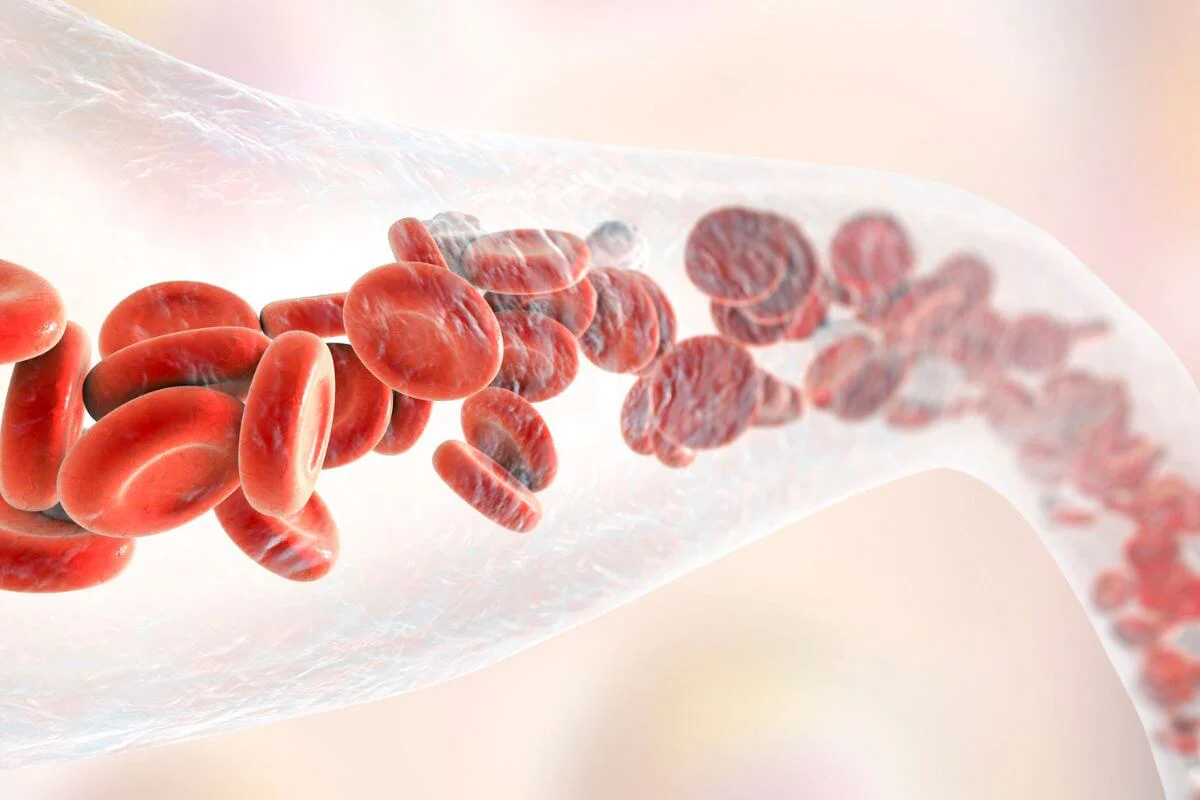
Seeing blood in your phlegm can be scary. This symptom, called hemoptysis, can have many causes. It means you’re coughing up blood or blood-tinged mucus from your lungs or airways.
What Is Hemoptysis?
Hemoptysis is a sign, not a disease itself. It shows there’s something wrong that needs to be found and treated. The amount of blood can range from tiny specks to a lot.
How Common Is Blood in Phlegm?
Blood in phlegm happens often and can be due to many reasons. The frequency depends on the cause. For example, infections like bronchitis or pneumonia can cause it. Sometimes, it might mean a serious issue like lung cancer or tuberculosis.
|
Causes of Hemoptysis |
Frequency |
Common Symptoms |
|---|---|---|
|
Infections (e.g., bronchitis, pneumonia) |
Common |
Cough, fever, chest pain |
|
Chronic conditions (e.g., bronchiectasis) |
Less common |
Chronic cough, recurrent infections |
|
Serious underlying conditions (e.g., lung cancer) |
Rare |
Weight loss, persistent cough, difficulty breathing |
Differentiating Between Blood Sources
It’s important to know where the bleeding is coming from. This helps doctors figure out what to do next. The blood’s look and when you cough it up can tell a lot.
Knowing where the bleeding is from is key to treating it right. If you’re coughing up blood, see a doctor. They can find out why and help you get better.
Common Causes of Blood in Mucus
Hemoptysis, or coughing up blood, can be caused by many things. This includes infections and chronic diseases. Knowing what causes it helps us figure out what to do next.
Infections as Primary Causes
Infections are a big reason for hemoptysis. Things like bronchitis and pneumonia can make airways inflamed. This can lead to blood in the mucus. It’s important to treat these infections quickly to avoid more problems.
Inflammatory Conditions
Chronic inflammatory conditions, like chronic bronchitis and bronchiectasis, can also cause hemoptysis. These conditions damage airways and cause inflammation. Managing them well is important to lower bleeding risk.
Structural Abnormalities
Structural problems in the lungs, like bronchiectasis or lung cysts, can cause bleeding. These issues can lead to chronic infections and inflammation. This increases the chance of hemoptysis.
Serious Underlying Conditions
Sometimes, blood in mucus means there’s a serious problem, like lung cancer or tuberculosis. “The presence of blood in mucus should never be ignored, as it can be a critical indicator of a severe health issue.” If you’re bleeding a lot or it keeps happening, you should see a doctor right away.
As we’ve seen, many things can cause hemoptysis. From infections to serious conditions, finding the cause is key to getting the right treatment.
Infection-Related Hemoptysis
Infections are a big reason for hemoptysis, which is coughing up blood or blood-stained mucus. Many infections can cause this symptom. These range from common colds to serious diseases.
Bronchitis and Blood in Phlegm
Bronchitis is an inflammation of the bronchial tubes. It’s a common cause of hemoptysis. Acute bronchitis often comes from viruses and can make you cough up blood-tinged mucus. Chronic bronchitis can cause more serious bleeding because of ongoing inflammation.
Pneumonia
Pneumonia is an infection that inflames the air sacs in the lungs. It can also cause hemoptysis. Blood in the sputum may mean the infection is severe or there are complications like lung abscesses.
Tuberculosis
Tuberculosis (TB) is a bacterial infection caused by Mycobacterium tuberculosis. It’s a big cause of hemoptysis. TB can destroy lung tissue, leading to coughing up blood. This is very serious and needs quick medical help.
Fungal Infections
Fungal infections, like aspergillosis, can also cause hemoptysis, mainly in people with weak immune systems. These infections can create fungal balls or aspergillomas in the lungs. These can erode into blood vessels and cause a lot of bleeding.
|
Infection |
Common Symptoms |
Risk of Hemoptysis |
|---|---|---|
|
Bronchitis |
Cough, mucus production, fever |
Moderate |
|
Pneumonia |
Fever, chills, cough, difficulty breathing |
High |
|
Tuberculosis |
Cough, weight loss, night sweats, fever |
High |
|
Fungal Infections |
Cough, fever, difficulty breathing, wheezing |
Variable |
Knowing why someone has hemoptysis is key to treating it right. Infections like bronchitis, pneumonia, tuberculosis, and fungal infections need different treatments. These can range from antibiotics to antifungal meds.
Non-Infectious Causes of Bloody Phlegm
Non-infectious factors like chronic conditions and serious diseases also cause bloody phlegm. It’s important to understand these causes for proper diagnosis and treatment.
Bronchiectasis
Bronchiectasis is a chronic condition where the airways widen due to damage. This leads to recurring lung infections and coughing up blood. It happens because of persistent inflammation or infection that damages the airway walls.
Symptoms and Complications: Patients with bronchiectasis may cough up blood, have a chronic cough, and produce purulent sputum. If not treated, it can cause respiratory failure.
Lung Cancer
Lung cancer can cause hemoptysis due to tumor growth into the airways. Hemoptysis is a concerning symptom that needs immediate medical evaluation, mainly in high-risk groups.
Risk Factors and Diagnosis: Risk factors include smoking, exposure to carcinogens, and family history. Diagnosis involves CT scans and biopsy.
Pulmonary Embolism
Pulmonary embolism is an acute condition where a blood clot travels to the lungs. It can cause hemoptysis among other symptoms. It’s a medical emergency that needs immediate attention.
Symptoms and Treatment: Symptoms include sudden dyspnea, chest pain, and potentially hemoptysis. Treatment involves anticoagulation therapy and, in severe cases, thrombolysis.
Cardiovascular Conditions
Certain cardiovascular conditions, such as heart failure, can lead to hemoptysis. This happens due to pulmonary congestion or associated conditions like pulmonary embolism.
|
Condition |
Primary Symptoms |
Diagnostic Approach |
|---|---|---|
|
Bronchiectasis |
Chronic cough, purulent sputum, hemoptysis |
CT scan, sputum analysis |
|
Lung Cancer |
Hemoptysis, weight loss, dyspnea |
CT scan, biopsy |
|
Pulmonary Embolism |
Sudden dyspnea, chest pain, hemoptysis |
CT angiography, D-dimer test |
|
Cardiovascular Conditions |
Dyspnea, orthopnea, hemoptysis |
Echocardiogram, ECG |
When Blood in Phlegm Is Less Concerning
Blood in phlegm can be scary, but it’s not always a big deal. There are times when it’s not serious. Knowing when it’s okay can help you relax.
Small Streaks After Cold or Flu
After a cold or flu, you might see blood in your phlegm. This is because the infection irritates your airways. Usually, this stops once you get better.
Keep an eye on your symptoms. If the bleeding doesn’t stop or you have other bad symptoms, see a doctor.
Morning Cough with Blood Traces
A morning cough with blood might be from dry air or mucus buildup. It’s more common in people who sleep in dry air or smoke.
Try using a humidifier and drinking more water to help.
Environmental Irritants
Dust, pollution, or chemicals can irritate your airways and cause bleeding. Wearing a mask and keeping your area well-ventilated can help.
Physical Exertion and Forceful Coughing
Hard work or a strong cough can cause minor bleeding. It’s usually not serious, but people with lung problems should be careful.
|
Situation |
Common Causes |
Actions to Take |
|---|---|---|
|
After Cold or Flu |
Inflammation and irritation |
Monitor symptoms, stay hydrated |
|
Morning Cough |
Dry air, mucus accumulation |
Use a humidifier, stay hydrated |
|
Environmental Irritants |
Dust, pollution, chemicals |
Wear a mask, ensure good ventilation |
|
Physical Exertion |
Strain on blood vessels |
Be cautious if you have respiratory conditions |
Knowing why you have blood in your phlegm and what to do can help. If you’re worried or it keeps happening, talk to a doctor.
Warning Signs: When to Worry About Blood in Phlegm
Seeing blood in your phlegm can be scary. It’s important to know when to worry and seek medical help. Sometimes, a little blood might not be a big deal. But other times, it could mean something serious is going on.
Amount of Blood
The amount of blood in your phlegm matters a lot. A small bit of blood or streaks might not be too bad. But if you cough up a lot of blood or it keeps coming, that’s a different story.
Big bleeding, or massive hemoptysis, is a serious emergency. If you cough up more than a few tablespoons of blood, you need to go to the emergency room right away.
Duration of Symptoms
The duration of symptoms is also key. A little blood for a short time might just be a minor bug or irritation. But if the bleeding keeps happening for days or weeks, you should get checked out.
Accompanying Symptoms
Accompanying symptoms can tell you a lot. For example, if you have a fever, chest pain, or trouble breathing, and you’re coughing up blood, it could be serious. This might mean you have something like pneumonia, tuberculosis, or even lung cancer.
- Fever and chills
- Chest pain or discomfort
- Shortness of breath
- Unexplained weight loss
Risk Factors That Increase Concern
Some risk factors make it more likely you have a serious problem. These include smoking, lung disease, pollution exposure, and a family history of lung or cancer issues.
If you have any of these risks and you’re coughing up blood, you should talk to a doctor. They can figure out what’s going on and help you get better.
When to Seek Medical Attention
Blood in phlegm can be scary. It’s key to know when you need to see a doctor right away. We’re here to help you figure out what to do.
Emergency Situations
In some cases, blood in phlegm means you need urgent help. If you cough up a lot of blood, have trouble breathing, or feel chest pain, get emergency care.
- Coughing up a large amount of blood (more than 1-2 tablespoons)
- Difficulty breathing or shortness of breath
- Chest pain or tightness
- Severe dizziness or fainting
- Confusion or loss of consciousness
Urgent Care Scenarios
If symptoms are concerning but not life-threatening, go to urgent care. This includes coughing up blood, having a high fever, or feeling your heart beat fast.
- Persistent coughing up blood
- Fever above 101.5°F (38.6°C)
- Increased heart rate or palpitations
- Recent travel or exposure to infectious diseases
Situations Requiring Routine Medical Evaluation
Some cases need a doctor’s check-up but aren’t emergencies. If you cough up blood sometimes, have breathing issues, or lose weight, see your doctor.
- Intermittent blood in phlegm without other severe symptoms
- A history of respiratory conditions or smoking
- Unintended weight loss or loss of appetite
Make an appointment with your doctor.
What to Tell Your Doctor
When you see a doctor, tell them everything. Talk about how much blood you cough up, any other symptoms, your health history, and what medicines you take.
- The amount and duration of blood in your phlegm
- Any accompanying symptoms
- Your medical history, including any previous respiratory conditions
- Any medications or supplements you’re currently taking
Diagnosis of Hemoptysis
When someone has hemoptysis, we start by looking at their medical history and doing a physical exam. This first step helps us figure out what might be causing the bleeding.
Medical History and Physical Examination
We ask a lot of questions to understand the patient’s health background. We want to know about their symptoms, smoking habits, and any past health issues. Then, we do a physical exam to check the lungs and heart for any signs of trouble.
Laboratory Tests
Labs are key in finding out why someone is coughing up blood. We might do:
- A complete blood count (CBC) to see if there’s an infection or inflammation
- Coagulation studies to check for bleeding problems
- Sputum analysis to find infections or cancer cells
Imaging Studies
Imaging helps us see inside the lungs and airways. We often start with a chest X-ray to spot problems like tumors or infections. For a closer look, we might use a CT scan of the chest. Sometimes, a CT angiogram is needed to check the blood vessels in the lungs.
Specialized Procedures
In some cases, we need to see the airways and lungs up close. Bronchoscopy lets us look inside the lungs for tumors, bleeding, or other issues. It also helps us take samples for more tests.
By using the info from the medical history, physical exam, labs, imaging, and procedures, we can find the cause of the bleeding. Then, we can plan the best treatment.
Treatment Approaches for Blood in Phlegm
Treating blood in phlegm starts with finding and fixing the main problem. Hemoptysis, or coughing up blood, can be mild or severe. The treatment plan changes based on the severity.
Treating the Underlying Cause
The first step is to find and treat the main cause of hemoptysis. This might involve antibiotics for infections or anti-inflammatory medications for inflammatory conditions. The goal is to treat the root cause.
For example, if it’s a respiratory infection, the right medicine is key. If it’s something more serious like lung cancer, treatments like surgery or chemotherapy might be needed.
Managing Mild Hemoptysis
For mild cases, simple steps can help. This includes keeping an eye on how much blood is coughed up and staying hydrated. Using humidifiers to soothe the airways is also helpful. It’s important to avoid things that can irritate the airways, like smoke and dust.
In some cases, doctors might suggest cough suppressants. This can help reduce coughing and ease the strain on the lungs.
Interventions for Severe Bleeding
Severe cases of hemoptysis need quick medical help. This might include bronchial artery embolization to stop the bleeding. Other procedures might also be needed to find and fix the source of the bleeding.
In very serious cases, the patient might need to stay in the hospital. This is to keep a close eye on them and provide emergency care if it’s needed. Depending on the situation, surgery might be considered.
Follow-up Care
After any episode of hemoptysis, follow-up care is essential. This means regular check-ups with healthcare providers to keep an eye on things and adjust treatments as needed.
Follow-up care also includes diagnostic tests to make sure the cause is fully treated. It helps to catch any new symptoms or if the problem comes back.
Conclusion
Understanding why you might cough up blood is key. We’ve looked at many reasons, from simple infections to serious health problems. This knowledge helps you know what to do next.
Don’t ignore coughing up blood. It might seem minor, like after a cold. But it could also mean a bigger issue that needs a doctor’s help.
We’ve learned that coughing up blood is a sign that needs attention. If you’re coughing up blood, see a doctor. This way, you can get the right treatment and stay healthy.
Knowing about blood in phlegm helps you take care of your health. Always talk to a doctor if you notice this symptom. They can help you figure out what’s going on and how to feel better.
FAQ
What is hemoptysis?
Hemoptysis is when you cough up blood or blood-stained mucus. It can be just a little blood or a lot.
Is coughing blood normal?
No, coughing up blood is not normal. It usually means there’s something wrong that needs a doctor’s help.
What are the common causes of blood in phlegm?
Blood in phlegm can come from infections like bronchitis or pneumonia. It can also be from inflammation, structural issues, or serious diseases like lung cancer.
Can a cold or flu cause blood in phlegm?
Yes, a cold or flu can make you cough up blood. This is because the infection irritates your respiratory tract.
When should I worry about blood in my phlegm?
You should worry if the bleeding is a lot, keeps happening, or if you have other symptoms like fever or chest pain.
What does it mean if I cough up pink mucus?
Pink mucus means there’s blood in your phlegm. This could be from infections or even heart problems.
How is hemoptysis diagnosed?
Doctors use a lot of tests to figure out why you’re coughing up blood. They’ll look at your history, do exams, run lab tests, and might use imaging or bronchoscopy.
What is the treatment for blood in phlegm?
Treatment depends on why you’re coughing up blood. For mild cases, rest and drinking water might help. For more serious cases, you might need treatments for the underlying cause.
Can environmental irritants cause blood in phlegm?
Yes, things like pollution or smoke can irritate your respiratory tract. This might make you cough up blood.
Is it normal to have blood in phlegm after physical exertion?
Sometimes, hard coughing during exercise can cause a little blood. But if it keeps happening or is a lot, you should see a doctor.
What should I tell my doctor about my hemoptysis?
Tell your doctor how much and how long you’ve been coughing up blood. Also, mention any other symptoms, your medical history, and any risks you might have.
References
World Health Organization. Evidence-Based Medical Guidance. Retrieved from https://www.who.int/news-room/fact-sheets/detail/tuberculosis