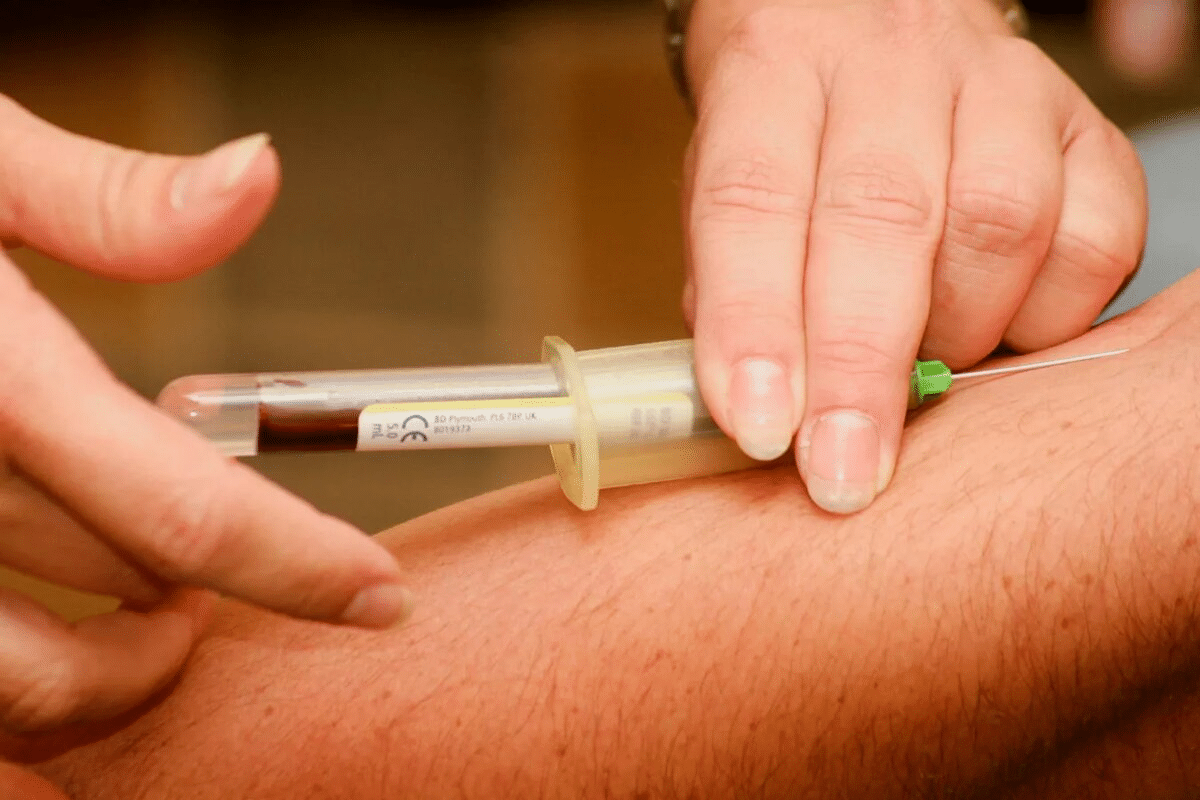
New medical technology has brought us groundbreaking blood tests for Alzheimer’s and dementia. These tests can spot these diseases early and accurately. This breakthrough means we can start treating them sooner, before they get worse. Is there a blood test for dementia? This essential guide explains what you need to know about new diagnostic tools.blood test for dementia
We’re seeing a big change in how we diagnose diseases. Now, we’re moving towards tests that are more precise and easier to do.
Before, doctors used a mix of clinical checks and detailed imaging to diagnose dementia. But now, blood-based biomarkers are changing the game. These new tests could make diagnosing diseases easier and more accurate for everyone.
Key Takeaways
- New blood tests can detect dementia with high accuracy.
- These tests offer a less invasive diagnostic option.
- Early diagnosis can lead to timely treatment and better patient outcomes.
- Recent FDA approvals have validated the effectiveness of these tests.
- Specialists and primary care doctors can now rely on these tests for more accurate diagnoses.
The Current State of Dementia Diagnosis
Understanding dementia diagnosis is key in fighting this condition. Dementia includes many cognitive disorders like memory loss and confusion. The most common form of dementia is Alzheimer’s disease, accounting for 60-80% of cases.
Types of Dementia and Their Prevalence
Dementia is not one disease but a syndrome with many causes. The main types are:
- Alzheimer’s disease
- Vascular dementia
- Lewy body dementia
- Frontotemporal dementia
Worldwide, about 55 million people have dementia. This number is expected to grow to 139 million by 2050. The prevalence of dementia increases with age, affecting about 1 in 6 people over the age of 80.
Traditional Diagnostic Methods and Their Limitations
Diagnosing dementia traditionally involves several steps. These include:
- Medical history and physical examination
- Cognitive and neuropsychological tests
- Brain imaging (MRI, CT scans)
- Lumbar puncture (spinal tap)
- PET scans
While these methods are helpful, they have big drawbacks. For example, PET scans and lumbar punctures are expensive and invasive. There is a pressing need for more accessible, less invasive, and cost-effective diagnostic tools.
“The development of blood-based biomarkers for dementia represents a significant advancement in diagnostics, promising earlier detection and intervention.”
The current state of dementia diagnosis shows we need new solutions. Blood tests for dementia, like those for Alzheimer’s, are promising. These tests could make diagnosis easier and less scary for patients.
Blood Test for Dementia: A Revolutionary Advancement
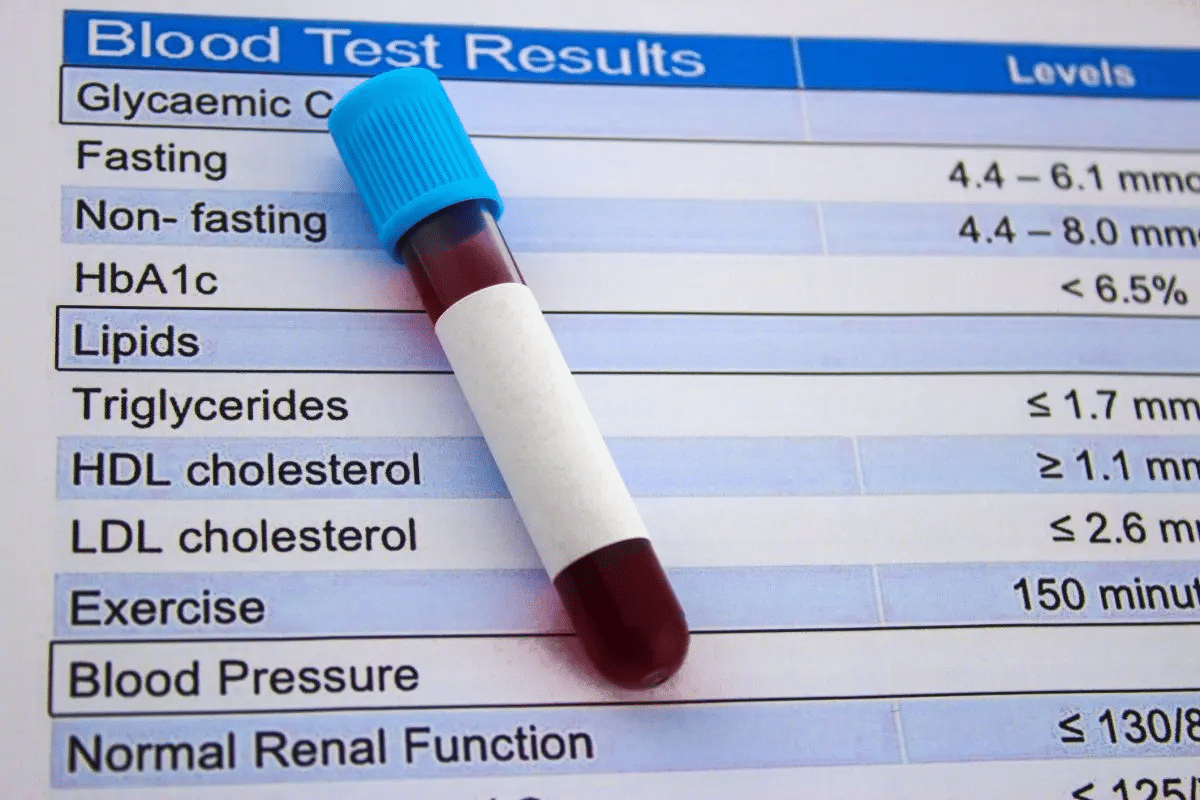
Dementia diagnosis is on the verge of a big change. Blood tests can now find key signs of the condition. For a long time, finding out if someone has dementia was hard and often involved many steps.
But, thanks to new research, blood tests are now making it easier and more accurate to diagnose dementia.
Historical Context of Dementia Diagnostics
Before, doctors used many ways to figure out if someone had dementia. They looked at how the person acted, did imaging tests, and sometimes took a sample of spinal fluid. These methods worked, but they had their downsides.
Looking at how someone acts can be tricky. Imaging tests cost a lot and aren’t always easy to get. And taking spinal fluid is not something you’d want to do often.
So, doctors and researchers wanted a better way to diagnose dementia. They wanted something that was easier and less scary for patients.
Breakthrough Research Leading to Blood-Based Biomarkers
Thanks to new research, we now know about special signs in the blood that show if someone might get dementia. Tests like Lumipulse can find amyloid beta in the blood. Another important sign is MTBR-tau243, which helps spot Alzheimer’s disease very well.
These discoveries came from a lot of hard work by scientists. They found and proved these signs, making it possible to use blood tests to find dementia risk early.
Now, we have blood tests for dementia that are easier and less scary. As scientists keep working, these tests will get even better. This could change how we find and treat dementia a lot.
How Dementia Blood Tests Work
It’s important to know how dementia blood tests work. They look for proteins and biomarkers in the blood linked to dementia. This is a less invasive way to diagnose compared to other methods.
The Science Behind Blood Biomarkers
Blood biomarkers are substances that show if a disease is present. For dementia, biomarkers like tau proteins and amyloid-beta are key. The tau protein test is special because it checks tau protein levels in the blood. This is linked to diseases like Alzheimer’s.
Studies have found that some biomarkers in the blood are linked to dementia. For example, high levels of tau proteins and neurofilament light (NfL) are signs of brain damage. By looking at these biomarkers, doctors can understand what’s happening in a patient’s brain.
Sample Collection and Analysis Process
Getting a blood sample for dementia diagnosis is simple. A healthcare professional takes the blood, and it’s sent to a lab for testing. The blood work for dementia checks for biomarkers like tau proteins and amyloid-beta.
|
Biomarker |
Significance |
Diagnostic Implication |
|---|---|---|
|
Tau Proteins |
Associated with neurodegeneration |
Elevated levels indicate Alzheimer’s disease |
|
Amyloid-Beta |
Linked to Alzheimer’s pathology |
Abnormal levels suggest amyloid plaque formation |
|
Neurofilament Light (NfL) |
Marker of neuronal damage |
High levels indicate neurodegeneration |
By analyzing these biomarkers, doctors can see if dementia is present and how it’s progressing. Using alzheimers blood markers helps them make better care plans for patients.
In summary, dementia blood tests are a promising tool for early detection and diagnosis. Understanding the science and process behind them helps us see their value in improving patient care.
Key Biomarkers Used in Dementia Testing
Diagnosing dementia has made a big leap with the discovery of key biomarkers in blood tests. These biomarkers could change how we diagnose and manage dementia. They help find the disease earlier and more accurately.
Biomarkers are molecules in blood, fluids, or tissues that show a disease or condition. For dementia, biomarkers can show the disease is present, even before symptoms start. We’ll look at the main biomarkers for dementia testing, their importance, and how they can be used.
Tau Proteins (Tau217 and MTBR-Tau243)
Tau proteins are linked to neurodegenerative diseases, like Alzheimer’s. The presence of Tau217 and MTBR-Tau243 in blood can mean Alzheimer’s is present. Studies show these proteins are closely tied to Alzheimer’s progression, making them key for diagnosis.
Neurofilament Light (NfL)
Neurofilament Light (NfL) is a protein released when neurons are damaged. High NfL levels are seen in Alzheimer’s and frontotemporal dementia. NfL is seen as a good biomarker for detecting neuron damage and tracking disease.
Glial Fibrillary Acidic Protein (GFAP)
Glial Fibrillary Acidic Protein (GFAP) is mainly in brain astrocytes. GFAP is a possible biomarker for Alzheimer’s, as its levels are often high in patients. It might also be linked to other neurodegenerative diseases.
Other Promising Biomarkers
Other than Tau217, MTBR-Tau243, NfL, and GFAP, research is looking at amyloid-beta peptides and other proteins. These could help diagnose dementia. More research will likely find more biomarkers, helping us better diagnose and manage dementia.
Using these biomarkers in blood tests is a big step forward in dementia diagnosis and management. They help find the disease early and accurately. This means doctors can offer better treatments and improve patient care.
|
Biomarker |
Association |
Potential Use |
|---|---|---|
|
Tau217 |
Alzheimer’s disease |
Diagnosis, monitoring disease progression |
|
MTBR-Tau243 |
Alzheimer’s disease |
Diagnosis, monitoring disease progression |
|
NfL |
Neurodegenerative diseases |
Detecting neuronal damage, monitoring disease progression |
|
GFAP |
Alzheimer’s disease, other neurodegenerative diseases |
Diagnosis, monitoring disease progression |
As we learn more about dementia and its biomarkers, we’ll see more progress in diagnosis and treatment. Blood tests for dementia are a big step forward. They offer hope for early intervention and better patient outcomes.
The PrecivityAD2 Blood Test Explained
Recent breakthroughs have led to the PrecivityAD2 test, a big step in diagnosing Alzheimer’s. This blood test can detect Alzheimer’s disease with high accuracy. It’s changing how we diagnose dementia.
Development and Clinical Validation
The PrecivityAD2 test came from a lot of research on blood biomarkers for Alzheimer’s. Studies have shown it works well in finding Alzheimer’s. This makes the test reliable for use in clinics.
Key aspects of the PrecivityAD2 test development include:
- Identifying specific biomarkers linked to Alzheimer’s disease
- Validation through detailed clinical studies
- Comparing it with other diagnostic methods to check its accuracy and reliability
90% Accuracy Rate for Alzheimer’s Detection
The PrecivityAD2 test has a 90% accuracy rate for detecting Alzheimer’s. This high accuracy is a big plus for doctors and patients. It helps in planning better treatments.
This accuracy rate is very important. It means doctors can start treatments early. This could slow down the disease’s progress.
Current Applications in Clinical Settings
The PrecivityAD2 test is now being used in clinics. It’s helping doctors diagnose Alzheimer’s in different patients. It’s most useful for those at risk of Alzheimer’s.
|
Clinical Application |
Description |
Benefit |
|---|---|---|
|
Early Detection |
Finding Alzheimer’s before symptoms show |
Allows for early treatment and might slow the disease |
|
Diagnostic Clarity |
Giving a clear diagnosis for patients with unclear symptoms |
Improves communication and trust between patients and doctors |
|
Treatment Planning |
Helping decide on treatments with accurate data |
Can lead to better treatment results and quality of life |
The PrecivityAD2 blood test is a big step in fighting Alzheimer’s. As more research comes in, we’ll see even more uses for this tool.
Accuracy and Reliability of Blood-Based Testing
Blood tests for dementia are getting better. They have shown to be accurate, with results ranging from 83% to 90%. This section will explore what makes these tests reliable and how they compare to other methods.
Understanding the 83-90% Accuracy Rates
Blood tests for dementia aim to spot Alzheimer’s disease and other types of dementia. Biomarkers like Tau proteins and Neurofilament Light (NfL) help in this task. They have shown high accuracy in diagnosing dementia.
A study on the PrecivityAD2 blood test found it to be 90% accurate in detecting Alzheimer’s. Such high accuracy is key for blood tests to be seen as reliable diagnostic tools.
Factors Affecting Test Reliability
Several things can affect how reliable blood tests for dementia are. These include:
- Sample Handling: How blood samples are collected, stored, and processed can greatly impact results.
- Biomarker Variability: Different biomarkers have different levels of sensitivity and specificity, affecting test accuracy.
- Patient Factors: Age, genetics, and other health conditions can also affect biomarker levels and test reliability.
Comparison with Brain Scans and Spinal Fluid Tests
Blood tests are meant to work alongside other diagnostic methods, not replace them. Here’s how they compare to brain scans and spinal fluid tests:
|
Diagnostic Method |
Accuracy Rate |
Invasiveness |
Cost |
|---|---|---|---|
|
Blood Tests |
83-90% |
Low |
Moderate |
|
Brain Scans (MRI/PET) |
85-95% |
Low to Moderate |
High |
|
Spinal Fluid Tests |
90-95% |
High |
High |
Blood tests offer a less invasive and more accessible way to diagnose dementia. They might not be as accurate as spinal fluid tests in all cases. The choice of test depends on the patient’s needs and the clinical situation.
Early Detection: Predicting Dementia Before Symptoms
Early detection of dementia is changing how we fight this disease. We can now spot dementia before it shows symptoms. This is a big win for patients and doctors.
The 10-Year Early Detection Window
New blood tests can find dementia up to 10 years early. This early catch is key for a few reasons. It lets us start treatment early, which can slow the disease. It also gives patients time to plan for their future.
Thanks to these tests, we can spot signs of dementia early. These signs are like flags that say the disease is coming, even before we see symptoms.
Implications for Preventative Measures
Early detection means we can take steps to prevent dementia. Doctors can suggest changes in lifestyle to lower the risk. This could mean eating right, exercising, or managing heart health.
- Implementing a healthy diet and regular exercise routine
- Managing cardiovascular risk factors
- Engaging in cognitive training and social activities
These steps can be customized to fit each person’s risk. They might help delay or even stop dementia from happening.
Impact on Treatment Planning and Outcomes
Early detection changes how we treat dementia. Doctors can create plans that fit each patient’s needs. This means better care and outcomes.
- Pharmacological interventions to manage symptoms
- Cognitive therapies to maintain cognitive function
- Support services for patients and their families
Starting treatment early can make a big difference. It can improve life quality for patients and their families.
In short, finding dementia early with blood tests is a big step forward. It lets us act fast to prevent and treat the disease. This leads to better lives for those affected.
Accessibility of Dementia Blood Tests in the United States
The availability of dementia blood tests in the U.S. is complex. It depends on where you live and your insurance. As we learn more about diagnosing dementia, knowing where to get these tests is key.
Availability of MTBR-Tau243 Blood Test in California
California leads in using new medical tech, like the MTBR-Tau243 blood test. This test is a big step in finding Alzheimer’s disease, a major dementia cause. Many big hospitals in California now offer this test, making it easier for patients to get it.
Regional Differences in Test Accessibility
Even though California is ahead in dementia tests, not all areas in the U.S. have the same access. Places with big research and hospitals usually have more test options. For example, Massachusetts and Pennsylvania have more tests available now.
- Big cities often have more test options.
- Rural areas struggle to get tests because of fewer hospitals.
- Health policies and insurance also affect test access.
Insurance Coverage and Out-of-Pocket Costs
Insurance for dementia tests varies a lot. Some plans cover it, but others don’t, or charge a lot. It’s important to check your insurance before getting tested.
“The cost of dementia blood tests can be a big problem for many. Healthcare providers should help patients understand their insurance and costs.” – Medical Expert, Neurologist
- See if your insurance covers dementia tests.
- Know the costs you’ll have to pay yourself.
- Talk to your doctor about financial help if you need it.
In summary, while dementia tests are getting better, getting them is hard. Knowing what affects access helps us make these tests more available to those who need them.
Benefits for Patients and Healthcare Providers
Blood tests for dementia are changing how we diagnose and treat this condition. They offer a more accurate and efficient way to diagnose. This is good news for both patients and healthcare providers.
Improving Diagnostic Confidence for Physicians
Blood tests for dementia, like those measuring MTBR-Tau243, are making doctors more confident in their diagnoses. They show clearly if someone has Alzheimer’s disease. This helps doctors make better care plans and manage patient expectations.
Reducing Time to Diagnosis
Blood tests for dementia are quick and easy. They can diagnose dementia faster than old methods like spinal fluid tests or brain scans. This means doctors can start treatment sooner, which can help patients more.
Enhanced Patient-Doctor Communication
Blood tests for dementia also improve how doctors talk to patients. With accurate and quick diagnoses, doctors can explain the condition better. This builds trust and makes sure patients are part of their care decisions.
Blood tests for dementia are changing neurological care for the better. They make diagnosis faster, more accurate, and improve doctor-patient talks. As these tests get better, we’ll see even more benefits for everyone involved.
When to Consider Getting Tested: Guidelines for Patients
As we age, knowing when to get tested for dementia is key. Dementia affects millions and early detection is vital. It can change how we manage and treat the disease.
Risk Factors That Warrant Testing
Some risk factors mean you might need to get tested for dementia. These include:
- Family history of dementia
- Age 65 or older
- Previous diagnosis of mild cognitive impairment
- Presence of genetic markers such as APOE4
- History of stroke or cardiovascular disease
If you have these risk factors, talk to your healthcare provider about your concerns.
|
Risk Factor |
Description |
Implication |
|---|---|---|
|
Family History |
Having a first-degree relative with dementia |
Increased risk, warrants monitoring |
|
Age |
Being 65 or older |
Risk increases with age |
|
Genetic Markers |
Presence of genes like APOE4 |
Higher risk, consider genetic counseling |
Discussing Testing with Your Healthcare Provider
Talking to your healthcare provider about dementia testing is important. Before you do, prepare by:
- Listing your risk factors and concerns
- Understanding the types of tests available
- Asking about the benefits and limitations of testing
Effective communication with your healthcare provider is key. It helps ensure you get the right care for you.
Understanding and Interpreting Your Results
After testing, it’s important to understand your results. You might find out:
- Normal cognitive function
- Mild cognitive impairment
- Dementia
Your healthcare provider will explain your results. They’ll talk about what to do next. This might include more tests, treatment options, or lifestyle changes.
By knowing when to get tested and what it means, you can take care of your brain health.
Ethical Considerations and Possible Worries
Blood tests for dementia raise many ethical questions. As we explore new ways to diagnose, we must think about the big picture. It’s key to handle these issues with care.
Privacy and Genetic Information
Privacy of genetic data is a big worry. Blood tests for dementia check genes, which makes us think about data safety. How do we keep this info safe?
There’s a chance genetic data could be misused. This could lead to unfair treatment by insurance or employers. We need strong privacy rules and data protection.
Psychological Impact of Early Diagnosis
Getting a dementia diagnosis early can affect people’s minds. Some might feel better knowing early, but others could feel sad or worried. It’s important to offer support.
People getting tested need help dealing with what might happen. They should get counseling to prepare for the news.
Informed Consent and Decision-Making
Getting a patient’s consent is key in medicine. For dementia tests, patients need to know what the test means. They should understand the risks and what the results could mean.
Doctors must help patients make choices that fit their lives. This means considering what matters most to them.
|
Ethical Consideration |
Key Issues |
Mitigation Strategies |
|---|---|---|
|
Privacy and Genetic Information |
Data protection, genetic discrimination |
Robust privacy measures, strict data protection policies |
|
Psychological Impact |
Anxiety, depression, hopelessness |
Adequate psychological support, counseling services |
|
Informed Consent |
Understanding test implications, diagnosis consequences |
Clear patient education, support for decision-making |
By tackling these ethical issues, we can make sure dementia blood tests are used wisely. This way, we can help people while keeping their well-being in mind.
Conclusion
Blood tests for dementia are a big step forward in neurology. They offer hope for catching the disease early and treating it sooner.
The PrecivityAD2 blood test is a great example. It can spot Alzheimer’s with 90% accuracy. It looks for biomarkers like Tau proteins and Neurofilament Light (NfL) to understand dementia better.
Blood tests for dementia are changing how we diagnose the disease. They make it easier and less scary. As research gets better, these tests will help patients even more.
With these tests, doctors and patients can look forward to better care. Early detection and treatment will become more common. This means a brighter future for those dealing with dementia.
FAQ
What is a blood test for dementia?
A blood test for dementia looks for signs of the disease in your blood. It checks for biomarkers like those found in Alzheimer’s disease.
How accurate are blood tests for dementia?
Blood tests for dementia are pretty accurate. They can spot Alzheimer’s disease and other types of dementia with an 83% to 90% success rate.
What biomarkers are used in dementia blood tests?
Tests use biomarkers like Tau proteins (Tau217 and MTBR-Tau243), Neurofilament Light (NfL), and Glial Fibrillary Acidic Protein (GFAP) to detect dementia.
Is the MTBR-Tau243 blood test available in California?
Yes, the MTBR-Tau243 blood test is available in California. It gives patients in the area a chance to get advanced dementia testing.
How do I know if I should get tested for dementia?
If you have a family history of dementia or are noticing cognitive decline, you might want to get tested. Your doctor can also recommend it.
What are the benefits of blood tests for dementia?
Blood tests for dementia have many benefits. They help doctors diagnose more confidently and quickly. They also improve communication between patients and doctors.
Are there any ethical concerns surrounding dementia blood tests?
Yes, there are ethical worries. These include privacy concerns about genetic info, the emotional impact of early diagnosis, and the need for informed consent.
Can blood tests predict dementia before symptoms appear?
Yes, some blood tests can predict dementia up to 10 years before symptoms show up. They look for specific biomarkers.
How do blood tests compare to other diagnostic methods like brain scans?
Blood tests are less invasive and more accessible than brain scans or spinal fluid tests. They are often as accurate or even more so.
Will my insurance cover the cost of a dementia blood test?
Insurance coverage for dementia blood tests varies. Some tests might be covered, while others could cost you out-of-pocket.
What should I discuss with my healthcare provider about dementia testing?
Talk to your doctor about your risk factors and whether testing is right for you. Discuss the types of tests available and what the results mean.
References
Government Health Resource. Evidence-Based Medical Guidance. Retrieved from https://nyulangone.org/news/study-advances-possible-blood-test-early-stage-alzheimers-disease
World Health Organization. Evidence-Based Medical Guidance. Retrieved from https://www.who.int/news-room/fact-sheets/detail/dementia