Experience positive body changes after CPAP treatment. Learn how improved sleep boosts metabolism and energy for amazing results. Millions of sleep apnea patients wonder if using a CPAP machine will help them lose weight. The answer is more complex than many think. While some patients see big body changes and weight loss after starting CPAP therapy, others might gain weight even with regular use.
It’s important to understand these complex body responses to set realistic goals for health improvement. We look at the latest scientific studies to see how CPAP therapy affects body composition. The research shows that CPAP has different effects on metabolism in different people.
Key Takeaways
- CPAP therapy can lead to improved alertness and reduced daytime sleepiness.
- Some patients experience significant weight reduction after starting CPAP therapy.
- CPAP therapy produces varied metabolic effects across different patient populations.
- Understanding the complex physiological responses is key for setting realistic expectations.
- CPAP therapy can result in better cognitive function.
The Connection Between Sleep Apnea and Weight
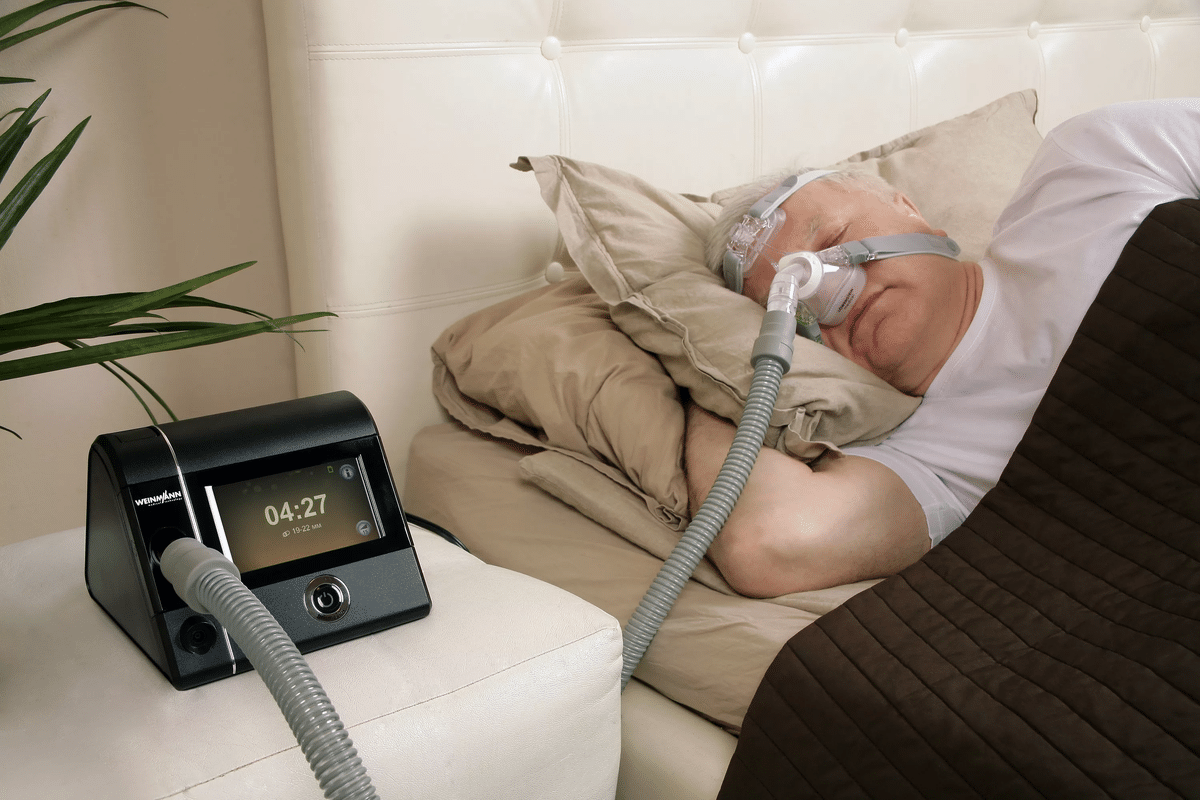
Sleep apnea and weight are closely linked. Obstructive sleep apnea (OSA) is a condition where breathing stops or becomes shallow during sleep. It is often seen in people with higher body weights.
Studies show that a 10% increase in body weight raises the risk of OSA sixfold. This highlights the need to understand how weight and sleep apnea are connected.
Metabolic Changes Due to Sleep Apnea
Sleep apnea can change how the body metabolizes food. This can lead to weight gain. The low oxygen levels in OSA disrupt normal body functions, including how it handles sugar and fats.
Research finds that sleep apnea can cause insulin resistance. This is a step towards type 2 diabetes. It makes it hard for the body to control blood sugar.
|
Metabolic Change |
Effect on Body |
|---|---|
|
Insulin Resistance |
Increased risk of type 2 diabetes |
|
Disrupted Lipid Metabolism |
Potential for weight gain and obesity |
|
Increased Inflammation |
Associated with various metabolic disorders |
The Cycle of Sleep Apnea and Weight Gain
The link between sleep apnea and weight is a cycle. OSA can lead to weight gain, and extra weight can make sleep apnea worse. Breaking this cycle is hard without the right help.
About 47% of obese OSA patients lose a lot of weight in nine months with CPAP therapy. This shows CPAP can help manage weight in sleep apnea patients.
Healthcare providers can now treat both sleep apnea and weight together. This approach can lead to better results for patients.
Understanding CPAP Therapy Basics

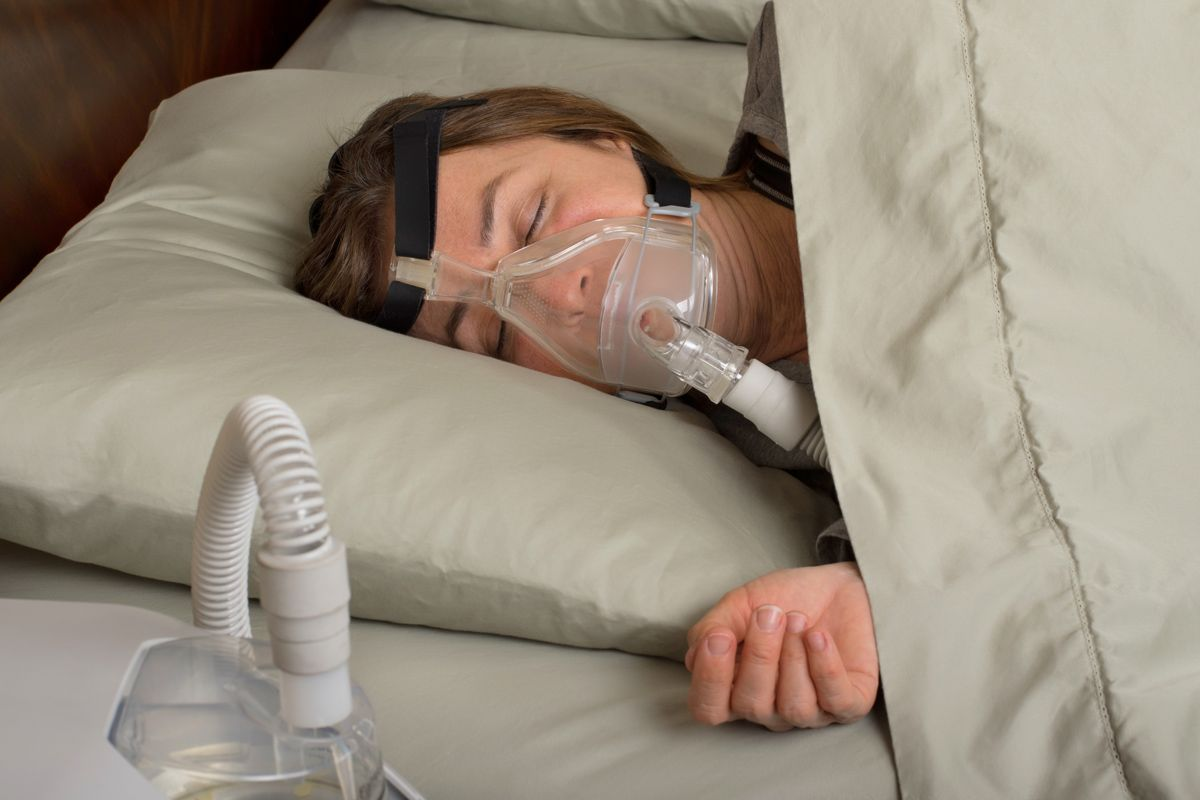
It’s important for patients to know the basics of CPAP therapy to get the most out of it. CPAP, or Continuous Positive Airway Pressure, is a common treatment for sleep apnea. This condition makes breathing stop and start during sleep.
CPAP machines send a steady stream of air through a mask. This keeps the airway open, stopping the pauses in breathing that sleep apnea causes.
How CPAP Machines Work
CPAP machines blow air through a tube into a mask on the patient’s mouth or nose. This keeps the airway open, preventing it from collapsing. The air flow is constant, allowing for uninterrupted sleep.
The pressure setting is based on a sleep study or trial. It’s tailored to the individual patient’s needs.
CPAP Benefits Timeline
The benefits of CPAP therapy start to show up at different times. At first, patients often sleep better and feel less tired during the day. As treatment goes on, they notice more benefits.
Here’s a general timeline of the benefits patients may see with CPAP therapy:
|
Timeframe |
Benefits |
|---|---|
|
First few days |
Improved sleep quality, reduced daytime sleepiness |
|
1-2 weeks |
Increased energy levels, better mood |
|
1-3 months |
Improved cognitive function, reduced sleep apnea symptoms |
|
Long-term |
Cardiovascular improvements, metabolic health changes |
By knowing how CPAP machines work and the timeline of their benefits, patients can see the positive impact on their health and well-being.
Body Changes After CPAP: What to Expect
Starting CPAP therapy is the first step towards better health and body changes. Patients often wonder what changes they will see in their bodies.
Physical Transformations
CPAP therapy can cause several physical changes. One big change is feeling less sleepy during the day and being more alert. Studies show that just one night of CPAP can improve attention the next day.
As therapy goes on, patients may feel more energetic and less tired. They might also see better heart health and metabolism.
Before and After CPAP: Visual Changes
Visual changes can also happen with CPAP therapy. Many patients look more rested and have better facial tone because of better sleep. Here are some common visual changes:
|
Change |
Description |
|---|---|
|
Reduced puffiness |
Better sleep reduces fluid retention |
|
Improved facial tone |
Increased oxygenation and better rest |
|
Brighter eyes |
Reduced fatigue and improved alertness |
These changes can make a big difference for many patients. They look more refreshed and healthy.
Exploring CPAP therapy’s effects is important. Remember, results can differ. But, with regular use and the right CPAP settings, many see positive changes in their bodies.
Can CPAP Help You Lose Weight?
Many studies have looked into if CPAP therapy helps with weight loss. They found some promising results. The link between CPAP and weight loss is complex, involving many changes in the body.
The Scientific Evidence
Research shows CPAP can lead to weight loss in some people. A study found that about 47% of obese sleep apnea patients lost a lot of weight in nine months. This weight loss is due to better sleep, more energy, and improved metabolism.
The science behind CPAP and weight loss is ongoing. Improved sleep quality is key, as it helps control hunger and boosts metabolism. CPAP also reduces daytime tiredness, making it easier to be active.
The 47% Success Rate: Analyzing the Research
The 47% success rate in weight loss among CPAP users is a big finding. Let’s dive into the details:
|
Patient Group |
Weight Loss Percentage |
Timeframe |
|---|---|---|
|
Obese OSA patients |
47% |
9 months |
|
Non-obese OSA patients |
23% |
12 months |
|
Overall CPAP users |
35% |
12 months |
This data shows CPAP works better for weight loss in obese sleep apnea patients. The different success rates for different groups show the importance of tailored treatments.
As we keep studying CPAP and weight loss, we see that results vary. Things like starting weight, health, and sticking to CPAP treatment affect how well it works for weight loss.
Why Some People Gain Weight on CPAP
CPAP therapy can cause weight gain in some users. It’s important to understand why this happens. Knowing this helps manage expectations and get the most from the therapy.
The APPLES Trial Findings
The APPLES trial gave us insights into CPAP’s effects on weight. It showed that CPAP users gained an average of 0.35 kilograms over six months. In contrast, those without CPAP lost 0.70 kilograms.
Several factors contribute to this weight gain. Improved sleep quality from CPAP can increase energy. This might lead to eating more and gaining weight.
Understanding the 0.35kg Weight Gain Phenomenon
The 0.35 kilograms weight gain might seem small, but it’s significant for many. Let’s look at why this happens during CPAP therapy.
|
Factor |
Description |
Impact on Weight |
|---|---|---|
|
Improved Sleep Quality |
CPAP therapy enhances sleep quality, leading to increased energy levels. |
Increased appetite and food intake |
|
Metabolic Changes |
CPAP can influence metabolic rate, potentially affecting weight. |
Variable, may lead to weight gain or loss |
|
Lifestyle Factors |
Diet and physical activity levels can influence weight changes during CPAP therapy. |
Significant impact on overall weight |
Understanding these factors helps CPAP users manage their weight. While CPAP might contribute to weight gain, it’s not the only factor. A healthy diet and exercise are key.
Will a CPAP help you lose weight? It depends on your health, lifestyle, and how you respond to the therapy. Combining CPAP with healthy habits can help you lose weight.
Maximizing Weight Loss with CPAP
For those using CPAP machines, losing weight well needs a full plan. CPAP helps with sleep apnea, but it also aids in weight loss when paired with other health steps.
Combining CPAP with Dietary Interventions
Studies show that using CPAP with diet changes can lead to big weight loss in obese sleep apnea patients. This method tackles both the sleep issue and weight gain causes.
Dietary changes are key to boosting CPAP’s weight loss benefits. Eating well and adopting healthy habits can better your metabolism and CPAP’s impact.
University of Arkansas Research Findings
The University of Arkansas for Medical Sciences has done important research. They found that obese sleep apnea patients can lose a lot of weight with this combined approach.
Their study shows the need for a holistic treatment plan for sleep apnea and obesity. Mixing CPAP with diet and lifestyle changes helps patients lose weight and get healthier.
To get the most out of CPAP for weight loss, patients should team up with their healthcare team. They’ll create a plan that fits the patient’s needs and health, making CPAP and other treatments work best together.
CPAP Results: Before and After Success Stories
Real-life examples show how CPAP helps manage sleep apnea. Many people have seen big improvements in their lives after using CPAP therapy.
Patient Testimonials and Transformations
Patients using CPAP therapy often see big changes in their health. They notice better daytime alertness and less sleepiness. These changes can be life-changing, helping them do more in their daily lives.
One patient felt much less tired and had more energy after using CPAP for months. This change let them start doing things they had to stop because of sleep apnea. Stories like this show the good effects of CPAP therapy for sleep apnea sufferers.
Common Factors Among Success Cases
Looking at success stories with CPAP, we find some key factors. Sticking to the CPAP machine use and keeping the equipment in good shape are important. Also, adding healthy habits like a good diet and exercise can make CPAP even better.
- Adherence to CPAP therapy regimen
- Regular maintenance of CPAP equipment
- Adoption of a healthy lifestyle
Knowing these factors helps doctors help patients get the best from CPAP therapy.
Beyond Weight: Additional Benefits of CPAP Therapy
CPAP therapy is more than just for weight loss. It’s about making a big change in health and life quality. While losing weight is a big part, CPAP also brings many other benefits that greatly improve well-being.
Cardiovascular Improvements
One key benefit of CPAP therapy is its good effect on heart health. Studies show that regular CPAP use can lower heart strain. This reduces the chance of heart problems.
CPAP can also lower inflammation, control blood pressure, and cut down on heart risks like heart attacks and strokes. This is very important for people with sleep apnea, as they are already at higher heart disease risk.
|
Cardiovascular Parameter |
Pre-CPAP |
Post-CPAP |
|---|---|---|
|
Systemic Blood Pressure |
145/90 mmHg |
125/80 mmHg |
|
C-reactive Protein (CRP) |
3.5 mg/L |
1.8 mg/L |
|
Cardiovascular Events Risk |
High |
Moderate |
Metabolic Health Changes
CPAP therapy also improves metabolic health. It helps with insulin sensitivity and glucose control, which are key for diabetes prevention.
By improving sleep and reducing sleep apnea, CPAP helps stabilize metabolic processes. This leads to better energy use and less metabolic stress, improving overall health.
CPAP therapy offers many benefits beyond just weight loss. It improves heart health and metabolic function. This makes a big difference in the lives of people with sleep apnea.
Conclusion: Setting Realistic Expectations for Your CPAP Journey
As we wrap up our look at CPAP therapy and weight loss, it’s key to remember that results vary. Research shows CPAP can greatly improve life quality. But, how it affects weight loss differs from person to person.
Thinking about if CPAP can help with weight loss? It’s important to be realistic. Some people see big weight loss, while others don’t. What you eat and your health can affect your results.
To get the most from CPAP therapy, including weight loss, work closely with your doctor. They can help you track your progress and change your treatment if needed. This way, you can understand how CPAP might help you lose weight and make smart choices about your care.
CPAP therapy is a great way to treat sleep apnea, and it might help with weight loss too. Knowing what to expect can help you start your CPAP journey with a clear mind. Remember, whether CPAP helps with weight loss depends on your own situation.
FAQ
Does CPAP therapy help with weight loss?
Research shows CPAP therapy can have different effects on people. Some studies suggest it might help with weight loss. But, the evidence isn’t strong enough to be sure.
How does CPAP therapy affect body composition?
CPAP therapy can change how your body looks. It might help you lose weight and feel more alert. But, everyone’s body reacts differently.
Can CPAP therapy help with sleep apnea-related weight gain?
Yes, CPAP therapy can help break the cycle of sleep apnea and weight gain. It improves sleep quality and reduces symptoms.
What are the benefits of CPAP therapy beyond weight loss?
CPAP therapy offers more than just weight loss. It can improve heart health, metabolic function, and overall life quality.
Why do some people gain weight on CPAP therapy?
Some people might gain weight on CPAP therapy. This could be due to changes in appetite or metabolism, as seen in the APPLES trial.
Can combining CPAP with dietary interventions enhance weight loss?
Yes, combining CPAP therapy with diet changes can lead to better weight loss. This is shown in University of Arkansas research.
What can I expect in terms of physical transformations after starting CPAP therapy?
Starting CPAP therapy can lead to better alertness and less daytime sleepiness. You might also see weight loss or other physical changes. But, results vary.
How long does it take to see the benefits of CPAP therapy?
The benefits of CPAP therapy, like weight loss and better alertness, can show up in weeks to months. But, it depends on the person.
Will a CPAP machine help me lose weight?
CPAP therapy can help with weight loss, but it’s not a sure thing. Results depend on diet, lifestyle, and health.
Can CPAP therapy improve my overall health and well-being?
Yes, CPAP therapy can greatly improve heart health, metabolic function, and life quality. It also helps with weight loss and other physical changes.
References
Government Health Resource. Evidence-Based Medical Guidance. Retrieved from
https://www.endocrine.org/news-and-advocacy/news-room/2019/endo-2019–cpap-machine-improves-weight-loss-in-dieting-adults-with-obesity-sleep-apnea