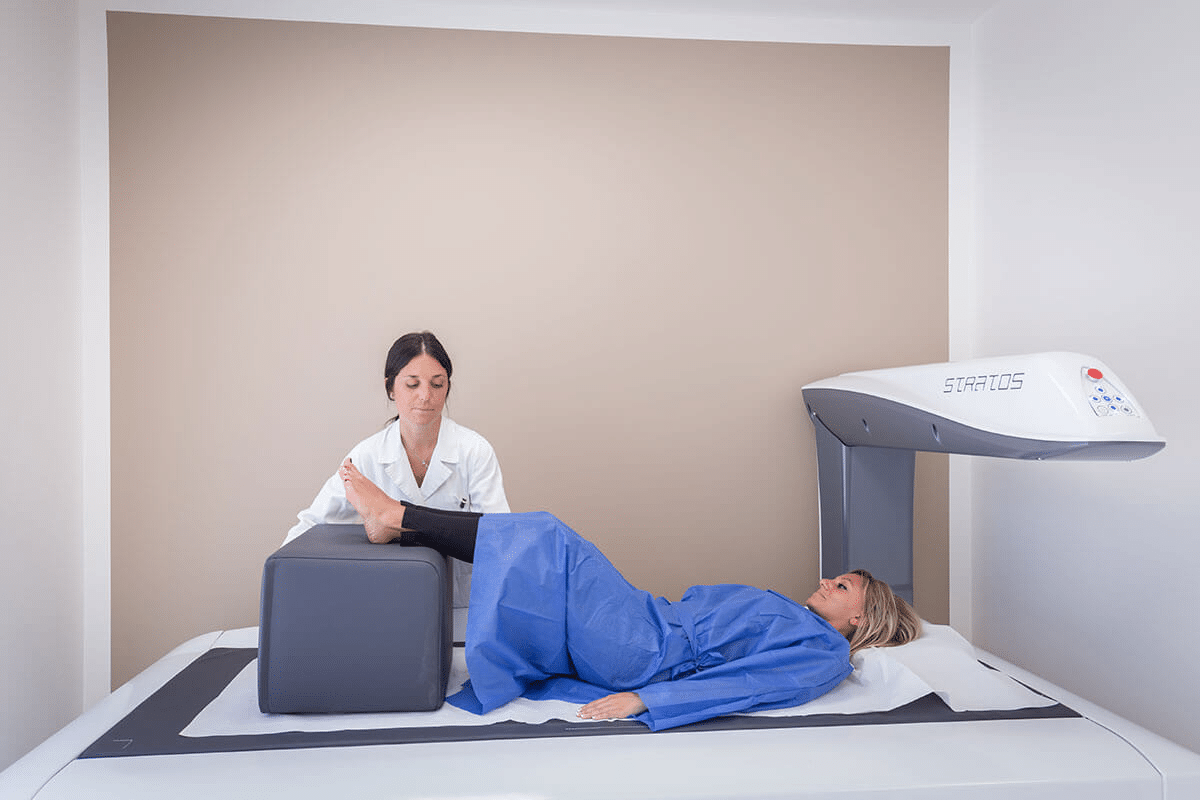
Looking for bone density testing near me? Find the best local clinics and learn how to prepare for this quick, safe, and vital health exam. Knowing about your bone health is key to avoiding fractures and keeping a good quality of life. Bone density testing, or DEXA scanning, is a fast and non-invasive way to check your bones.
If you’re in Brooklyn, Staten Island, Long Island, or looking for bone density testing services in New York City, you can easily find them. Our guide will help you get ready for your bone density test. This way, you’ll be all set for your scan day.
Key Takeaways
- Understand the importance of bone density testing for assessing skeletal health.
- Learn how to prepare for a bone density test to ensure a smooth testing experience.
- Discover the minimal preparation requirements for a DEXA scan.
- Find out how to locate bone density testing services in your area.
- Gain confidence in undergoing a bone density test with our complete guide.
What is Bone Density Testing?
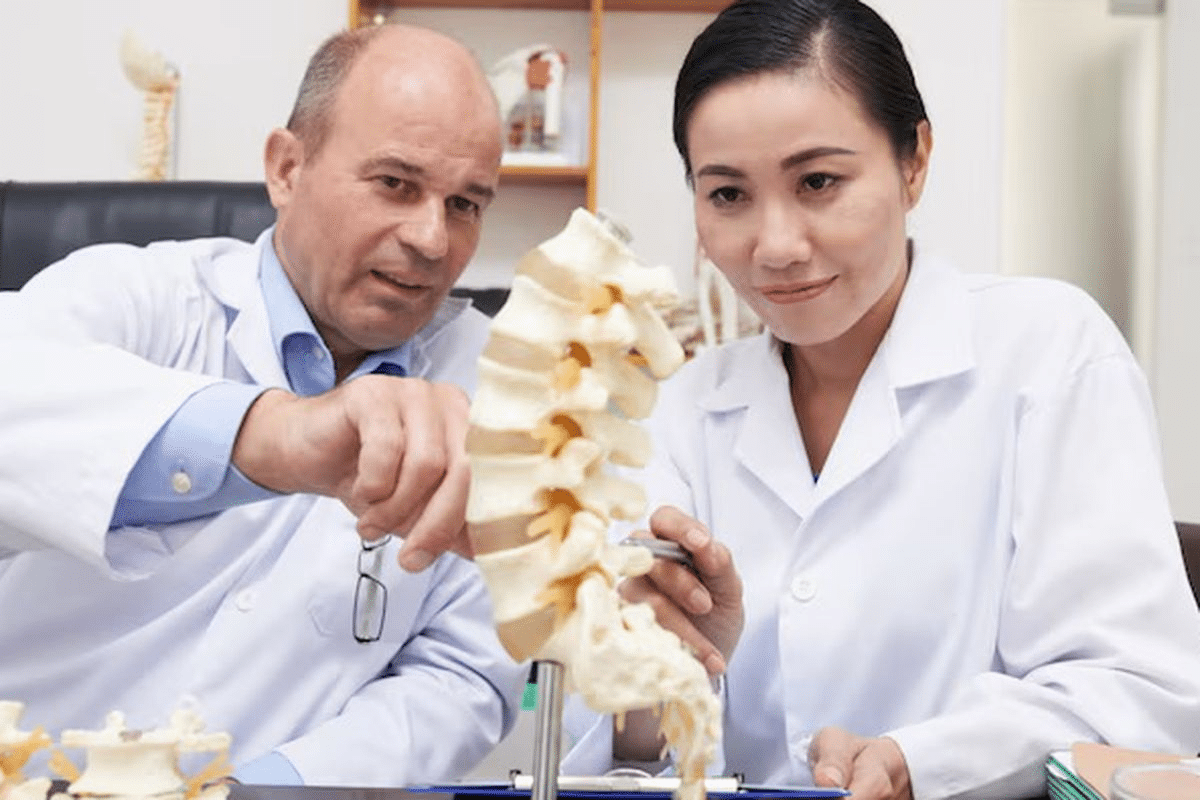
Bone density testing, also known as bone densitometry, is a key tool for checking bone health. It measures bone mineral density. This helps find out the risk of fractures.
This test looks at bone density in areas like the hip and spine. The most precise way to do this is with a dual-energy X-ray absorptiometry (DEXA) scan. DEXA scans use low-dose X-rays to see how dense bones are, giving a clear view of bone health.
The Science Behind DEXA/DXA Scanning
DEXA/DXA scanning works by how bones absorb X-rays. It uses two X-ray beams to measure bone density. This tech is key for spotting bone loss and osteoporosis early.
Dual-Energy X-ray Absorptiometry Technology
Dual-energy X-ray absorptiometry technology sends out two X-ray energies. The difference in how these are absorbed lets us calculate bone density. This method is great for finding osteoporosis and predicting fracture risk.
Bone Densitometry vs. Other Diagnostic Tests
Bone densitometry is top for its accuracy and low radiation. It’s better than other tests that might not measure bone density directly or use more radiation. DEXA scans are a safe and direct way to check bone mineral density, making them key for osteoporosis diagnosis and management.
Understanding DEXA/DXA scanning and its technology shows how vital bone densitometry is for bone health. Whether you’re at risk for osteoporosis or just want to check your bone health, a DEXA scan offers important insights.
Why Bone Density Tests Are Essential
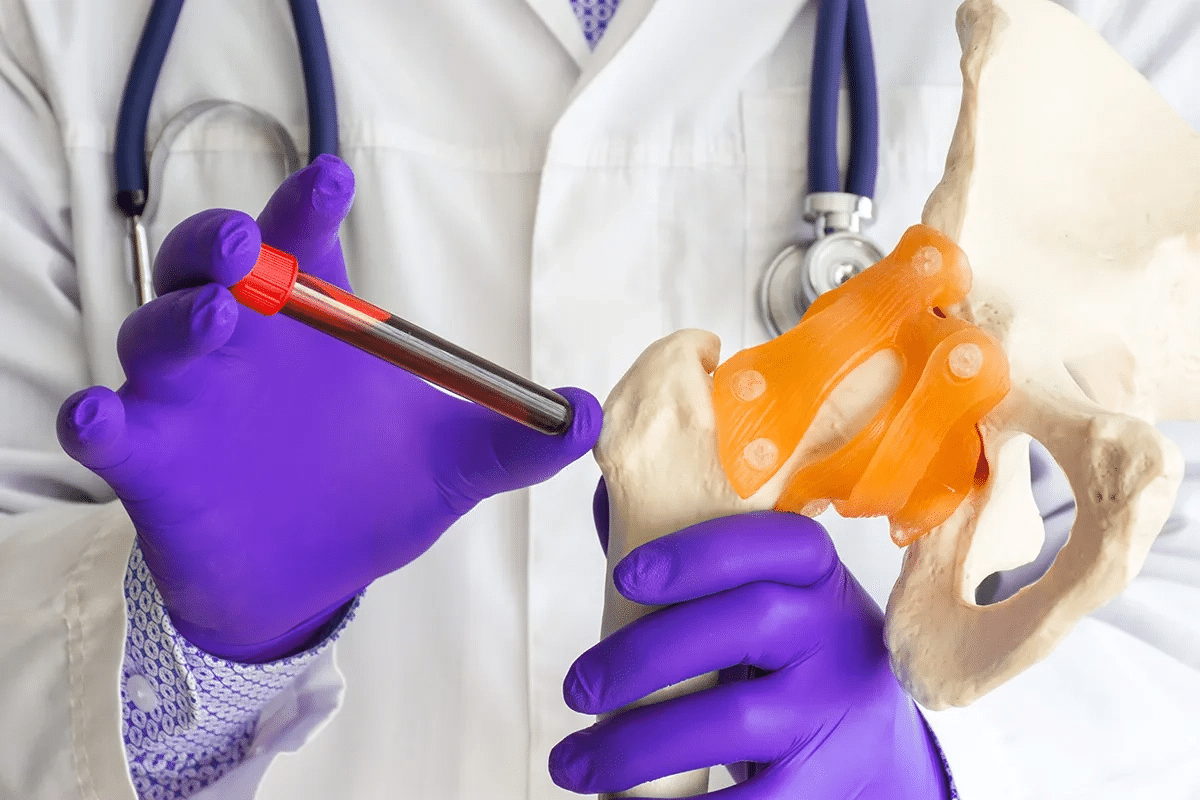
Bone density testing is a key tool for healthcare. It helps diagnose and manage bone issues. These tests are vital for keeping bones healthy, mainly for those at risk of osteoporosis and fractures.
Detecting Osteoporosis and Bone Loss
BMD tests diagnose bone loss and osteoporosis. They check bone density to spot low bone mass, a sign of osteoporosis. Early detection leads to early treatment, which can stop bone loss.
Osteoporosis is called a “silent disease” because it’s hard to notice until a fracture happens. BMD tests catch it early. This lets doctors create specific treatment plans.
Fracture Risk Assessment
Bone density tests mainly check fracture risk. They look at bone density to guess fracture chances. This helps doctors suggest ways to prevent fractures.
For older adults and those with fracture history, this is key. BMD tests give doctors info to advise on lifestyle changes and treatments to lower fracture risk.
Monitoring Treatment Effectiveness
BMD tests also check if treatments for osteoporosis are working. They track bone density changes. This lets doctors see if treatments are effective and adjust them if needed.
Regular checks ensure treatments are working. This is important for managing osteoporosis and preventing fractures.
Some key benefits of bone density tests include:
- Early detection of osteoporosis and bone loss
- Assessment of fracture risk
- Monitoring of treatment effectiveness
- Guidance for lifestyle changes and preventive measures
In conclusion, bone density tests are vital for bone health. They give important info for diagnosing and managing bone issues. They also help assess fracture risk and check if treatments are working.
Who Should Get a Bone Density Test
Deciding to get a bone density test depends on several things. These include your age, gender, and medical history. Knowing these factors helps figure out if you need a test.
Age and Gender Considerations
Age and gender are key in figuring out osteoporosis risk. The US Preventive Services Task Force suggests testing for women aged 65 and older. Women under 65 might need testing based on their risk. Men over 70 might also benefit, but the guidelines are not as clear.
Risk Factors for Bone Loss
Some factors increase the chance of bone loss. This makes a bone density test more important. These include:
- A family history of osteoporosis or fractures
- Being underweight or having a low body mass index (BMI)
- Smoking and excessive alcohol consumption
- A history of fractures or certain medical conditions that affect bone health
Spotting these risk factors early can help prevent problems.
Medical Conditions Requiring Testing
Some medical conditions can harm bone health. This means you might need a bone density test. These conditions include:
|
Medical Condition |
Impact on Bone Health |
|---|---|
|
Rheumatoid arthritis |
Inflammation can lead to bone loss |
|
Hyperthyroidism |
Excess thyroid hormone can accelerate bone loss |
|
Celiac disease |
Malabsorption of nutrients necessary for bone health |
Talking to your healthcare provider about your medical history is key. It helps decide if you need a bone density test.
Types of Bone Density Testing Equipment
Bone density testing isn’t the same for every part of the body. Different tools are used for different areas. The right tool depends on what needs to be checked and where.
Central DEXA Devices for Hip and Spine
Central DEXA devices are top-notch for checking bone density in the hip and spine. These areas are key for bone health checks because they’re prone to fractures. These devices give very accurate readings, which is vital for spotting osteoporosis and tracking treatment.
Key features of central DEXA devices include:
- High precision in measuring bone density
- Ability to assess bone health in critical areas like the hip and spine
- Use in diagnosing osteoporosis and monitoring treatment
Peripheral Devices for Extremities
Peripheral DEXA devices, by contrast, check bone density in the arms, legs, and hands. They’re not as precise as central DEXA for osteoporosis diagnosis. Yet, they’re great for first checks and for looking at fracture risks in other bones.
Peripheral devices offer several advantages:
- Portability and ease of use
- Quick results for initial screenings
- Less expensive than central DEXA devices
Differences in Accuracy and Applications
Central and peripheral DEXA devices have different accuracy levels. Central DEXA is more precise for osteoporosis diagnosis and tracking. Peripheral devices are good for initial screenings but not as precise.
Healthcare providers pick between central and peripheral DEXA based on patient risk, medical history, and testing needs. Knowing the accuracy and use differences helps ensure the right test for each patient.
Finding Bone Density Testing Near Me
If you’re looking for ‘bone density testing near me,’ you’re taking a big step towards knowing your bone health. Finding a reliable and easy-to-get-to testing place is key for your health plan.
Hospital-Based Testing Centers
Hospitals have bone density testing as part of their services. These centers use top-notch DEXA scanning for accurate results. Going to a hospital means you get help from doctors right away to understand your results.
Benefits of Hospital-Based Testing:
- Get help from doctors right away
- Use of the latest DEXA scanning tech
- Full care from start to finish
Specialized Imaging Facilities
Specialized imaging places focus on top-notch imaging, like bone density tests. They have the best equipment and skilled techs for precise tests.
Why Choose Specialized Imaging Facilities?
- Experts in imaging
- Latest tech for exact results
- Personal care every step of the way
Regional Options in NYC, Brooklyn, Staten Island, and Long Island
In New York City and nearby, you have many places for bone density tests. Whether you’re in Manhattan, Brooklyn, Staten Island, or Long Island, you’ll find a place that fits your needs.
Regional Highlights:
- NYC: Many hospital and imaging options
- Brooklyn: Easy access to DEXA scans in hospitals and centers
- Staten Island: Local spots for bone density tests
- Long Island: Choices from hospitals to private places
Looking at these options, you can find a bone density testing place that’s close and right for you.
Preparing 1-2 Weeks Before Your Test
Getting ready for a bone density test is key. It starts well before your test date. Proper preparation can make your test results more accurate.
As your test date approaches, there are steps you can take. These steps will help you get ready.
Medication Adjustments and Considerations
First, talk to your healthcare provider about your medications. Some can change your test results. For example, stop taking calcium supplements 24 hours before the test.
Your provider might also tell you to stop other medications. This is to ensure your test results are correct.
Make a list of your medications and their dosages. This will help you discuss any concerns with your provider. It’s a proactive way to prepare.
|
Medication Type |
Adjustment Recommendation |
|---|---|
|
Calcium Supplements |
Stop at least 24 hours before test |
|
Vitamin D Supplements |
Discuss with healthcare provider |
|
Medications containing Barium or Iodine |
Avoid for a few days before test if possible |
Waiting Period After Contrast Dye Procedures
If you’ve had a test with contrast dye, tell your provider. Contrast dye can mess with your bone density test. Wait 7-10 days after such tests before your bone density test.
“It’s vital for patients to tell their providers about recent tests. This ensures accurate bone density test results.” — Medical Expert, Radiologist
Discussing Your Medical History with Providers
Your medical history is important for your test results. Conditions like osteoarthritis can affect the results. Talk to your provider about your medical history.
Sharing your medical history helps your provider understand your bone health better. They can then give you personalized advice.
Preparing for your bone density test is a team effort. Make the right medication changes, wait the right amount of time after dye tests, and share your medical history. This ensures your test results are accurate. Accurate results help in diagnosing and treating your bone health effectively.
24-48 Hours Before Your Bone Bone Response
The 24-48 hours before your bone density test are key. They help ensure you’re ready. There are steps to take for accurate test results.
Calcium Supplement Restrictions
Avoid calcium supplements for at least 24 hours before your test. Calcium can skew test results. Stop any calcium supplements or medications a day before your test.
Key considerations regarding calcium supplements:
- Avoid calcium supplements for at least 24 hours before the test
- Inform your doctor about any calcium-containing medications
- Follow your doctor’s specific instructions regarding supplement cessation
Dietary Guidelines and Recommendations
Follow dietary guidelines 24-48 hours before your test. You can usually eat and drink as you normally do. Just remember a few things:
Recommended dietary practices:
- Maintain your regular diet unless instructed to do differently by your healthcare provider
- Avoid eating too much of foods high in calcium (but don’t stop eating calcium-rich foods unless told to)
- Drink lots of water to stay hydrated
Hydration and Other Preparations
Staying hydrated is important for your health. Drink plenty of water before your test. Also, wear comfy clothes and avoid metal items, as they can affect the test.
By following these tips, your bone density test will go smoothly. And your results will be as accurate as they can be. If you have questions or concerns, talk to your healthcare provider for advice.
Day of Your Bone Density Test: Complete Checklist
We’ve made a detailed checklist to help you feel ready for your bone density test. Being well-prepared makes the process easier and helps get accurate results.
What to Wear: Clothing Without Metal Components
Wear loose, comfortable clothing without metal parts on test day. This is important because metal can mess up the test results. Choose clothes that are easy to move in, as you’ll be lying down during the scan.
Items to Bring to Your Appointment
Bring these items to make check-in easy:
- A valid form of identification
- Your doctor’s referral or prescription for the bone density test
- Insurance cards or relevant medical coverage documents
- A list of any medications you’re currently taking
- Any previous bone density test results for comparison
Arrival Time and Check-in Procedures
Arrive at least 15 minutes before your appointment to fill out paperwork. Our friendly staff will help you with check-in. If you have questions, just ask.
Follow this checklist to be ready for your bone density test. It ensures a smooth experience. If you need more help or have questions, contact us anytime.
The Bone Density Testing Experience
Getting ready for your bone density test might make you curious about what it’s like. We get it; medical tests can be nerve-wracking. But, a bone density test is simple and doesn’t hurt.
Step-by-Step Testing Procedure
The bone density test, or DEXA scan, happens in a special room. Here’s what you’ll go through:
- You’ll lie on a padded table, usually on your back.
- The technologist will place your body to get accurate scans, focusing on your spine and hip.
- A big, arm-like device (the DEXA scanner) will move over the area, sending X-rays.
- The test is painless and takes between 10 to 20 minutes.
Doctors say, “The DEXA scan is a top tool for checking bone health. It gives us key info on bone density and fracture risk.”
Duration and Positioning Requirements
The test’s length can change based on the areas scanned. You’ll need to stay very quiet and not move during the scan. The technologist might ask you to hold your breath briefly to keep steady.
“The test’s accuracy depends on staying calm and following the technologist’s directions,” they stress the need to cooperate.
Comfort and Safety During the Scan
Your comfort and safety are our main concerns during the test. The test is non-invasive and uses very little X-ray radiation. It’s safe for most people. You can breathe freely and relax during the test.
|
Aspect |
Description |
|---|---|
|
Radiation Exposure |
Very low levels of X-ray radiation |
|
Test Duration |
Typically 10 to 20 minutes |
|
Pain Level |
Painless |
Knowing what to expect can make you feel more at ease. If you have any worries or questions, talk to your doctor or the testing technologist.
Conclusion: After Your Bone Density Test
After a bone density test, you’ll get your results and care instructions from your doctor. The test shows your bone health with T and Z scores. This helps your doctor plan your treatment.
It’s important to understand your bone density test results. Talk to your doctor about your T and Z scores. They can explain what they mean for your bone health.
Managing your bone health is key. Your doctor will tell you what to do next. This might include lifestyle changes or treatments. Following their advice helps keep your bones strong and prevents fractures.
Getting your test results is just the start. Work with your doctor to create a plan for your bone health. This will help you stay healthy and strong.
FAQ
What is a bone density test?
A bone density test, also known as a DEXA or DXA scan, is a non-invasive test. It measures the mineral density of bones, usually in the hips and spine. This helps assess the risk of osteoporosis and fractures.
How do I prepare for a bone density test?
To prepare, avoid calcium supplements for 24-48 hours before the test. Follow dietary guidelines and stay hydrated. Inform your healthcare provider about any medications and medical conditions.
What should I wear on the day of my bone density test?
Wear loose, comfortable clothing without metal components. This ensures accurate test results.
How long does a bone density test take?
A bone density test usually takes 10-30 minutes. This depends on the device used and the body areas scanned.
Are bone density tests painful?
No, bone density tests are non-invasive and painless. You’ll be positioned on a table, and the scanner will pass over the areas being tested.
Can I get a bone density test if I have a pacemaker or other metal implants?
Generally, yes. But tell your healthcare provider about any metal implants or pacemakers. They may affect the test results or need special precautions.
How often should I get a bone density test?
The test frequency depends on your risk factors, medical history, and treatment plan. Tests are usually recommended every 2-5 years. Your healthcare provider will advise on the best schedule for you.
Where can I get a bone density test near me?
You can find bone density testing centers at hospitals, specialized imaging facilities, or medical offices. Look for them in NYC, Brooklyn, Staten Island, and Long Island.
What are the differences between central DEXA devices and peripheral devices?
Central DEXA devices measure bone density in the hips and spine. Peripheral devices measure bone density in the extremities, like the heel or wrist. Central DEXA devices are more accurate, but peripheral devices are useful for initial screenings.
How do I interpret my bone density test results?
Your healthcare provider will interpret your test results. They will show your bone density score and any risks or recommendations for treatment or further testing.
Reference
National Center for Biotechnology Information. Preparing for a Bone Density Test: A Guide. Retrieved from https://www.ncbi.nlm.nih.gov/pmc/articles/PMC7501482/