Choose a bone food supplement that works. Discover the best natural options to nourish your skeleton and ensure long-term joint flexibility. Keeping your bones strong and joints healthy is key to feeling good. Did you know your bones are always being rebuilt? This process takes about 10 years to complete.
Eating the right foods is vital for this process. You need enough calcium and vitamin D for bone health. Adults should get 1,000-1,200 milligrams of calcium every day.
Liv Hospital offers nutrition tips backed by science. They focus on the top 10 bone building foods to boost bone density and joint health.
Key Takeaways
- Calcium and vitamin D are key for bone health.
- Adults need 1,000-1,200 milligrams of calcium daily.
- Nutrition is important for strong bones and joints.
- The top 10 bone building foods can fight osteoporosis.
- Good nutrition helps with bone density and joint health.
The Science of Skeletal Strength: Why Bone Nutrition Matters

The human skeletal system is always changing. It forms new bone and breaks down old bone. This process keeps our bones strong and healthy.
Understanding Bone Density and Joint Function
Bone density is how much minerals like calcium and phosphorus are in your bones. It shows how strong and healthy your bones are. Joint function lets your joints move freely and without pain. Both are important for moving around and feeling good.
Adequate bone density helps support your body and lets you move easily.
Risk Factors for Bone Loss and Joint Deterioration
Many things can cause bone loss and joint problems. These include aging, poor nutrition, lack of exercise, and certain medical conditions. Knowing these risks helps prevent or slow down these issues. For example, not getting enough calcium and vitamin D can weaken your bones.
|
Risk Factor |
Impact on Bone Health |
|---|---|
|
Aging |
Gradual bone loss due to decreased bone formation |
|
Poor Nutrition |
Inadequate intake of calcium and vitamin D |
|
Lack of Exercise |
Reduced bone density due to lack of mechanical stress |
Key Nutrients That Function as Natural Bone Food Supplements
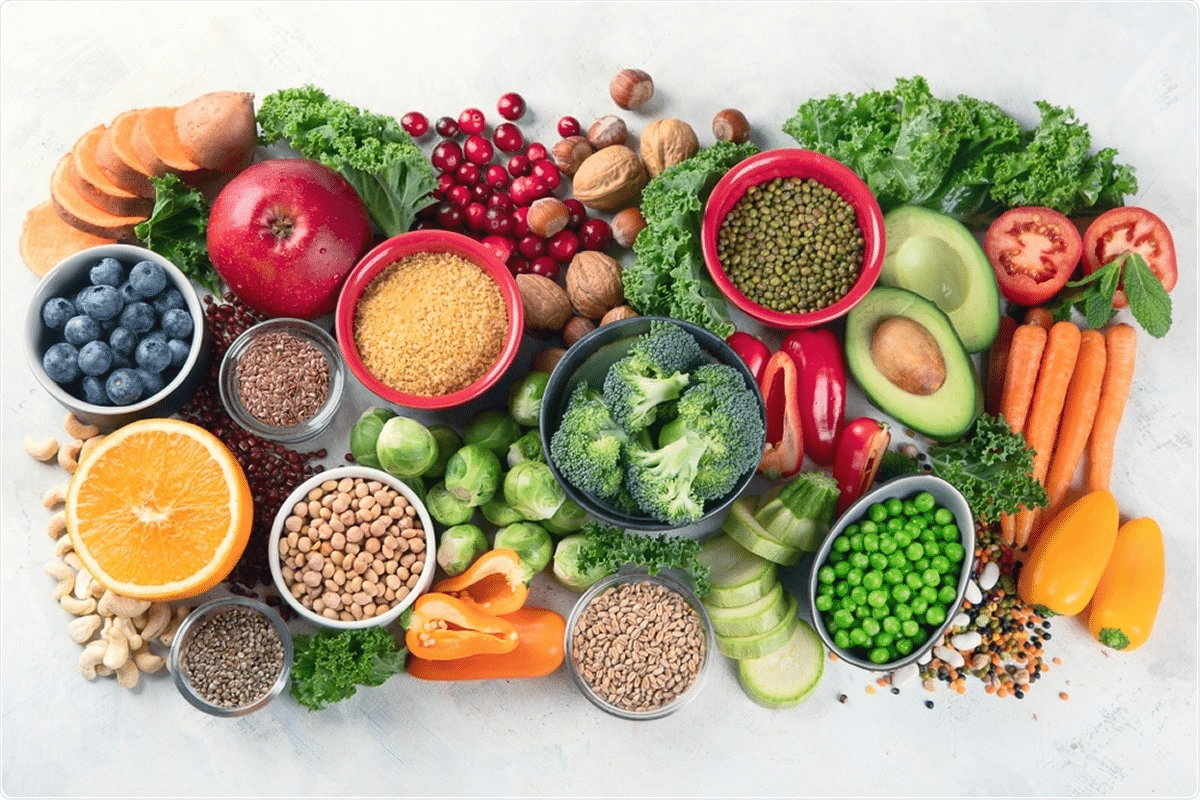
Certain nutrients are key for strong bones. A diet rich in these nutrients is vital. It helps keep bones and joints healthy.
Calcium and Vitamin D: The Dynamic Duo
Calcium gives bones their strength and structure. Vitamin D helps the body absorb calcium. Together, they keep bones dense and healthy.
Magnesium: The Overlooked Bone Builder
Magnesium is important for bone health. It helps with calcium use and bone growth. Lack of magnesium can weaken bones.
Vitamin K, Phosphorus, and Other Supporting Nutrients
Vitamin K and phosphorus are also key for bones. Vitamin K helps calcium go to bones and teeth. Phosphorus aids in bone growth. Nutrients like vitamin B12 and zinc also help keep bones strong.
|
Nutrient |
Role in Bone Health |
Food Sources |
|---|---|---|
|
Calcium |
Primary mineral for bone strength |
Dairy, leafy greens, fortified plant milks |
|
Vitamin D |
Enhances calcium absorption |
Fatty fish, fortified dairy, sunlight exposure |
|
Magnesium |
Regulates calcium metabolism |
Nuts, seeds, whole grains |
|
Vitamin K |
Directs calcium to bones |
Leafy greens, fermented foods |
|
Phosphorus |
Supports bone mineralization |
Meat, fish, eggs, dairy |
Dairy Products: The Gold Standard for Calcium
Calcium is key for strong bones, and dairy is a top source. It’s packed with calcium and easy for our bodies to use. Dairy also offers protein, vitamin D, and phosphorus, all important for bones.
Milk: Complete Nutrition for Bone Development
Milk is a complete food for bones. It has calcium, vitamin D, and protein. One cup of milk has about 300 mg of calcium, helping to keep bones strong.
Yogurt: Probiotic Benefits for Calcium Absorption
Yogurt is also rich in calcium, with about 300-400 mg in a cup. It also has probiotics, which help with gut health and calcium use. Yogurt’s probiotics can boost your immune system too.
Cheese: Concentrated Calcium Sources
Cheese is a dense calcium source, with cheddar and parmesan being the richest. For example, one ounce of cheddar cheese has about 200 mg of calcium. Its calcium is very usable for bones.
|
Dairy Product |
Calcium Content per Serving |
|---|---|
|
Milk (1 cup) |
300 mg |
|
Yogurt (1 cup) |
300-400 mg |
|
Cheddar Cheese (1 oz) |
200 mg |
In summary, dairy is great for bone health because of its calcium and other nutrients. Adding milk, yogurt, and cheese to your diet can help keep your bones strong.
Fatty Fish: Vitamin D and Omega-3s for Bone-Joint Synergy
Fatty fish are full of vitamin D and omega-3s, key for strong bones and joints. Eating fatty fish can boost your skeletal health and overall well-being.
Salmon: The Complete Package for Skeletal Health
Salmon is a great source of vitamin D and omega-3s, perfect for bones. Its omega-3s fight inflammation, easing joint pain. Eating salmon regularly can make your bones stronger.
Salmon also has protein, selenium, and B vitamins. These nutrients help your health in many ways. Opt for wild-caught salmon for more nutrients.
Sardines and Mackerel: Calcium-Rich Whole Fish Options
Sardines and mackerel are small, oily fish with lots of vitamin D and omega-3s. They also have a lot of calcium when eaten with their bones. Sardines are a top pick because they’re often eaten whole, including the bones.
Mackerel is also rich in omega-3s and vitamin D. It’s usually eaten without bones but is very nutritious. Both sardines and mackerel are great in many dishes, from salads to main courses.
Leafy Greens: Plant-Powered Calcium Sources
Leafy greens are full of calcium and other nutrients that are great for bones. They are also easy to use in cooking and are very good for your bones.
Kale, collard greens, and turnip greens are top picks for their calcium. They also have vitamin K, which helps bones by making osteocalcin work better.
Kale: The Nutrient-Dense Bone Builder
Kale is a superstar among leafy greens because of its amazing nutrients. It has a lot of calcium, with one cup cooked giving you a big part of what you need every day. Plus, it’s full of vitamins and minerals that help your health.
Collard Greens: Southern Tradition with Bone Benefits
Collard greens are a big deal in Southern cooking and are super good for you. They are full of calcium and vitamin K, which are great for bones. You can cook them in many ways, making them easy to add to your meals.
Turnip Greens: Calcium and Vitamin K Combination
Turnip greens are special because they have both calcium and vitamin K. They are also low in calories and high in fiber. Adding turnip greens to your food can be tasty and help your bones.
Fortified Plant Milks: Modern Bone Food Supplements
More people are looking for dairy-free options. Fortified plant milks are filling this need. They’re great for those with dietary restrictions and anyone wanting to try new foods.
These milks are packed with nutrients like calcium and vitamin D. They’re key for keeping bones strong. Thanks to fortification, they match dairy milk in nutritional value.
Soy Milk: Plant Protein with Added Calcium
Soy milk is known for its protein and flexibility in recipes. When fortified, it’s as good as dairy milk for calcium. It’s perfect for those avoiding dairy but wanting strong bones.
Key Benefits of Soy Milk:
- High protein content
- Rich in calcium when fortified
- Versatile in cooking and baking
Almond and Oat Milks: Fortified Alternatives
Almond and oat milks are also great for bones. Almond milk is low in calories. Oat milk is creamy, perfect for those with nut allergies. Both are fortified with calcium and vitamin D, making them good dairy substitutes.
|
Fortified Milk |
Calcium Content (per cup) |
Vitamin D Content (per cup) |
|---|---|---|
|
Soy Milk |
300 mg |
100 IU |
|
Almond Milk |
450 mg |
150 IU |
|
Oat Milk |
350 mg |
120 IU |
In summary, fortified plant milks like soy, almond, and oat milks are tasty and full of nutrients. They’re great for bone health. Adding them to your diet ensures you get the calcium and vitamin D you need.
Tofu and Tempeh: Versatile Protein for Bone Strength
Tofu and tempeh are great plant-based proteins for your bones. They come from soybeans and are used in many dishes.
Tofu, or bean curd, is made from soy milk. It’s pressed into blocks of different firmness. Calcium-set tofu is special because it’s made with calcium, boosting its calcium content.
Calcium-Set Tofu: Processing That Enhances Bone Benefits
Making calcium-set tofu uses calcium sulfate or chloride. This increases its protein and calcium, making it great for bones. A 3-ounce serving has a lot of calcium, helping meet daily needs.
|
Nutrient |
Amount per 3 oz serving |
% Daily Value |
|---|---|---|
|
Calcium |
250 mg |
25% |
|
Protein |
20 grams |
40% |
Tempeh: Fermented Soy with Improved Mineral Absorption
Tempeh comes from fermented soybeans in Indonesia. It’s made with a starter that includes good bacteria and mold. This makes minerals easier to absorb and adds probiotics for better digestion.
Fermented soy products like tempeh are more nutritious than unfermented ones. The fermentation process makes minerals more available to the body.
Nuts and Seeds: Compact Packages of Bone Nutrition
Nuts and seeds are small but mighty for bone health. They are packed with calcium, magnesium, and other minerals. These nutrients are key for strong bones and joints.
Nuts and seeds offer a concentrated dose of nutrients. They are full of minerals, healthy fats, and proteins. This makes them a great choice for a diet that supports bone health.
Almonds: Calcium and Magnesium Powerhouses
Almonds stand out for their calcium and magnesium content. A small handful can meet a big part of your daily mineral needs. Calcium is vital for bone density, and magnesium helps with bone formation.
Chia Seeds: Tiny Nutritional Giants
Chia seeds are a nutritional powerhouse for bone health. They are loaded with calcium, magnesium, and phosphorus. Chia seeds are easy to add to meals, from cereals to salads.
Sesame Seeds: Calcium-Rich Flavor Enhancers
Sesame seeds are a great source of calcium and add flavor to dishes. Sprinkle them on salads, use in baking, or make tahini for hummus. Sesame seeds help with bone health and taste great.
Adding nuts and seeds to your diet can boost bone health. They are a convenient and nutritious way to support strong bones and joints.
Fruits That Protect Bone and Joint Tissue
Many think bone health comes from dairy, but fruits are key too. Eating a variety of fruits can give your bones and joints the nutrients they need.
Prunes, oranges, and berries are great choices. They have vitamins and minerals that help keep bones strong and joints flexible.
Prunes: Proven Bone Density Supporters
Prunes, or dried plums, are good for your bones. They have boron, a mineral that keeps bones dense. Eating prunes can lower the risk of osteoporosis.
Oranges: Vitamin C for Collagen Formation
Oranges are full of vitamin C, important for making collagen. Collagen is a protein that helps bones, skin, and connective tissue stay healthy. Vitamin C helps keep these tissues in good shape.
Berries: Antioxidants for Joint Protection
Berries like strawberries, blueberries, and raspberries are packed with antioxidants. These help fight inflammation and protect joints. Eating berries regularly can help keep your joints healthy.
|
Fruit |
Nutrient |
Benefit |
|---|---|---|
|
Prunes |
Boron |
Supports bone density |
|
Oranges |
Vitamin C |
Aids collagen formation |
|
Berries |
Antioxidants |
Protects joints |
Eating these fruits can be tasty and good for your bones and joints. Try them as snacks, add them to meals, or blend them into smoothies.
Strategic Eating: Combining Foods for Maximum Bone Benefits
Improving bone health through diet is more than just eating the right foods. It’s about strategic eating. By mixing foods wisely, people can get the most benefits for their bones and overall health.
Daily Nutritional Targets for Optimal Bone Health
To keep bones healthy, it’s important to hit daily nutritional goals. This means getting enough calcium, vitamin D, and other key nutrients. The right amounts vary based on age and gender. But for adults, the goal is usually:
- 1,000-1,200 mg of calcium
- 600-800 IU of vitamin D
- A diet full of nutrients like magnesium and vitamin K that support bones
Meal Planning with the Top 10 Bone-Building Foods
Good meal planning helps add the top 10 bone-building foods to your diet. These include dairy, fatty fish, leafy greens, and more. A meal plan might look like this:
- Breakfast: Fortified oatmeal with almond milk and sliced almonds
- Lunch: Grilled salmon with kale salad and a citrus vinaigrette
- Dinner: Stir-fry with tofu, broccoli, and sesame seeds
- Snacks: Yogurt with berries and a sprinkle of chia seeds
By adding these foods to your meals and snacks, you can meet your nutritional needs for strong bones.
Conclusion: Building a Lifetime of Skeletal Strength Through Nutrition
Committing to a balanced diet with calcium and vitamin D is key for strong bones. Adding the top 10 bone-building foods to your meals can boost skeletal strength. This helps lower the risk of bone diseases.
Nutrition is vital for strong bones and joints all your life. Eating a variety of nutrient-rich foods helps build strong bones. This leads to lasting health benefits.
Choosing whole foods and a balanced diet helps keep bones strong. This approach supports not just bone health but overall well-being too.
FAQ
What are the best foods for building strong bones?
Foods high in calcium, vitamin D, and other nutrients are great. Think dairy, fatty fish, leafy greens, and fortified plant milks. Tofu, tempeh, nuts, and seeds are also good.
How does calcium contribute to bone health?
Calcium is key for strong bones. It helps build and keep bones dense, supporting their structure and teeth.
What is the role of vitamin D in bone health?
Vitamin D helps the body use calcium. This boosts bone density and supports immune health too.
Are there any non-dairy sources of calcium?
Yes, there are many non-dairy options. Try fortified plant milks, kale, collard greens, tofu, tempeh, almonds, and sesame seeds.
How can I ensure I’m getting enough magnesium for bone health?
Eat foods high in magnesium like dark leafy greens, nuts, and seeds. They help keep bones strong.
What are some foods that support joint health?
Fatty fish like salmon, sardines, and mackerel are full of omega-3s. Berries and other fruits have antioxidants that protect joints.
Can certain foods help prevent osteoporosis?
Eating foods rich in calcium, vitamin D, and other nutrients helps. A healthy lifestyle also plays a big role in preventing osteoporosis.
How can I incorporate bone-building foods into my daily diet?
Begin by setting nutritional goals and planning meals with bone-building foods. Mixing foods can also boost bone health.
Are there any specific foods that can help with bone healing?
Yes, foods high in calcium like dairy and fortified plant milks aid in bone healing. Vitamin K in leafy greens also helps.
Can a balanced diet really make a difference in bone health?
Absolutely, a balanced diet with various bone-building foods greatly supports bone health and density. It’s key for a lifetime of strong bones.