
Top bone health supplements for women analyzed. Discover the best powerful formulas to protect against osteoporosis and ensure longevity. Keeping your bones strong is key, more so for women at risk of osteoporosis and osteopenia. Calcium and vitamin D are key nutrients for bone health.
Adults need 1,000-1,200 mg of calcium and 600-800 IU of vitamin D each day. Knowing how to mix these nutrients right is important for their best effect.
Liv Hospital gives advice based on science to boost your bone health strategy. They focus on long-term health and preventing fractures.
Key Takeaways
- Calcium and vitamin D are essential for maintaining strong bones.
- The recommended daily intake is 1,000-1,200 mg of calcium and 600-800 IU of vitamin D.
- Proper combination of these nutrients is key for their effectiveness.
- Liv Hospital offers expert guidance on bone health strategies.
- A well-planned approach can help prevent fractures and promote long-term wellness.
The Critical Connection Between Calcium, Vitamin D, and Bone Health
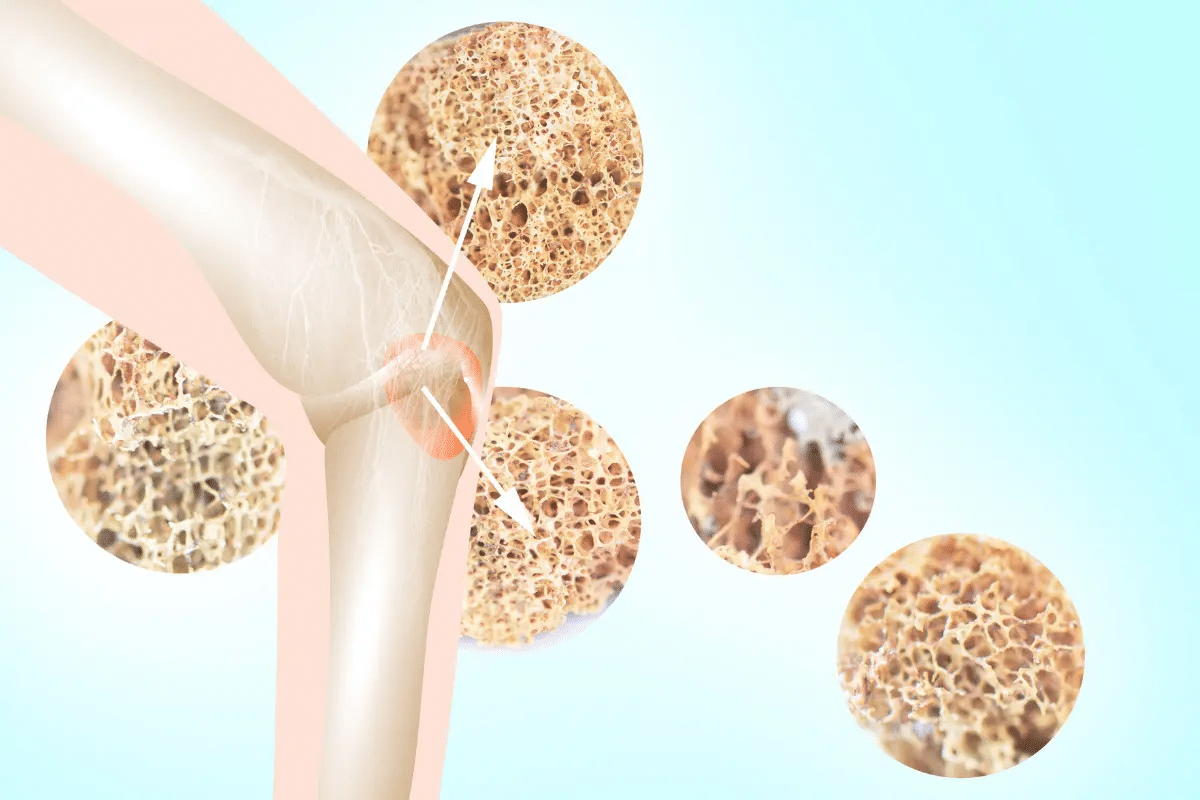
Calcium and vitamin D are key nutrients for strong bones. They work together to keep bones healthy and prevent bone problems.
The Role of Calcium in Maintaining Bone Density
Calcium is vital for bone strength. It helps bones stay dense and strong. Without enough calcium, bones can weaken and break more easily.
Key functions of calcium include:
- Supporting bone structure and density
- Facilitating muscle contraction and nerve function
- Regulating heartbeat and maintaining blood clotting
How Vitamin D Facilitates Calcium Absorption
Vitamin D helps the body absorb calcium. Without enough vitamin D, calcium can’t do its job. Vitamin D keeps calcium levels right, helping bones stay healthy.
The importance of vitamin D in calcium absorption cannot be overstated. It boosts calcium absorption, making it key for bone health.
The Synergistic Relationship Between These Nutrients
Calcium and vitamin D work better together. Taking them together boosts bone health more than taking one alone.
Knowing how to take calcium and vitamin D together is important. They support bone density and reduce fracture risk when taken together.
Alarming Statistics: Nutrient Deficiency and Bone Health
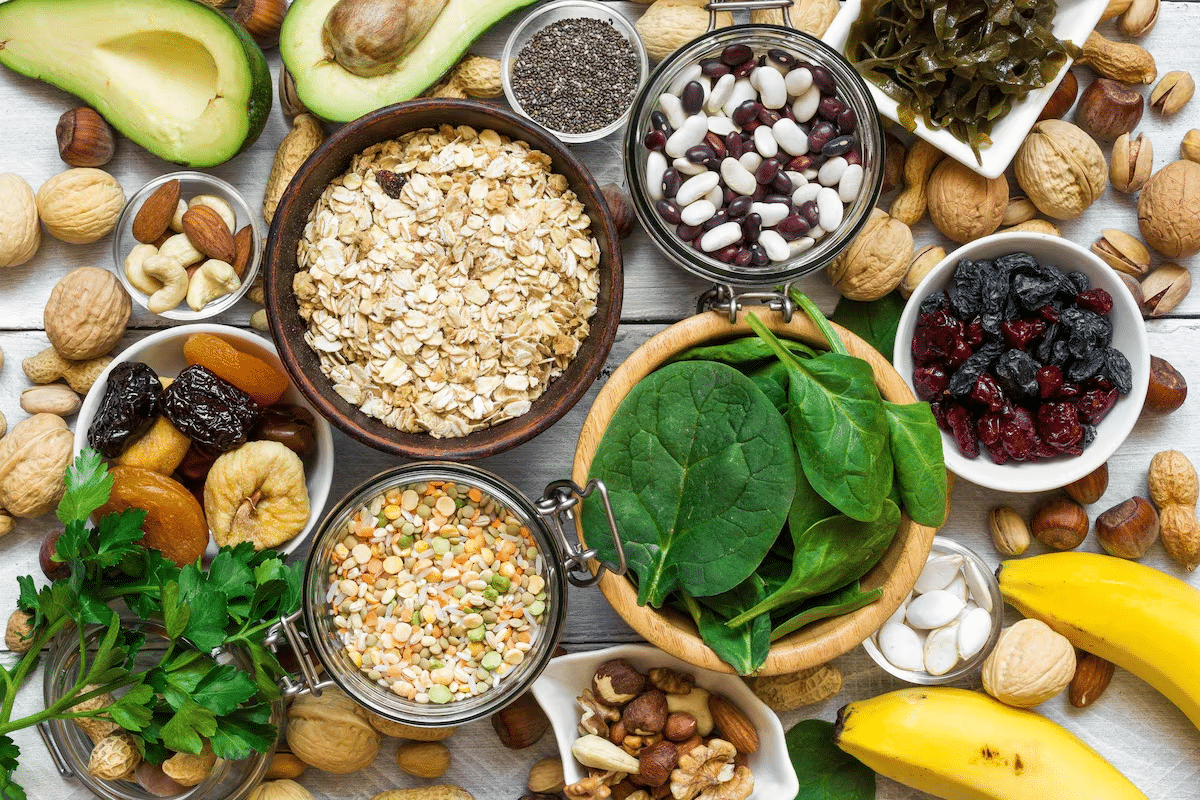
Women’s bone health is at risk due to calcium and vitamin D deficiencies. About 90 percent of women don’t get enough calcium. More than 50 percent of women with bone loss don’t have enough vitamin D. These numbers highlight the urgent need for action to protect bones.
Prevalence of Calcium Deficiency in Women
Calcium deficiency is common among women, affecting their bones. Many women don’t get enough calcium, raising the risk of osteoporosis and fractures. It’s key to get enough calcium to keep bones strong and prevent bone diseases.
Vitamin D Insufficiency Rates in Those Treated for Bone Loss
Vitamin D is important for bone health, but many women with bone loss don’t have enough. This can make treatments less effective. Doctors often suggest vitamin D supplements to help.
Correlation Between Deficiencies and Fracture Risk
There’s a clear link between calcium and vitamin D deficiencies and fracture risk. Women with low levels of these nutrients are more likely to break bones. Knowing this helps in finding ways to prevent and treat bone diseases. Osteoporosis supplements recommended by doctors often include calcium and vitamin D.
To tackle these issues, following calcium and vitamin D recommendations for osteopenia and osteoporosis is vital. This might mean changing your diet, taking supplements, or both. The best osteoporosis supplement usually has calcium and vitamin D, customized for each person’s needs.
Understanding Osteoporosis and Osteopenia
It’s important to know the difference between osteoporosis and osteopenia to prevent and manage them well. Both have lower bone density, which raises the risk of fractures. But, they show different stages of bone health decline.
Defining These Bone Conditions
Osteopenia is a sign that bone health is starting to go down. It has lower than normal bone density. Osteoporosis is when bones are so weak they can break easily.
Knowing the difference helps decide how to act. Osteopenia needs early steps, while osteoporosis might need stronger treatments to stop fractures.
Risk Factors and Progression
Many things can lead to osteoporosis and osteopenia, like age, gender, and family history. Lifestyle, like diet and exercise, also matters. Women, after menopause, are at higher risk because of lower estrogen levels.
Going from osteopenia to osteoporosis can be slowed down. This is thanks to things like taking calcium and vitamin D. These help keep bones strong and stop them from getting weaker.
The Role of Supplementation in Prevention and Management
Calcium and vitamin D supplements are key in fighting osteopenia and osteoporosis. Calcium keeps bones dense, and vitamin D helps the body use calcium better.
Studies show that enough calcium and vitamin D can lower fracture risk. So, knowing how these supplements work is key to good bone health.
Recommended Daily Intake of Calcium and Vitamin D
The amount of calcium and vitamin D we need changes with age and health. It’s key to know these amounts to keep our bones strong.
Age-Specific Calcium Requirements
Our calcium needs shift as we get older. Adults between 19 and 50 should get 1,000 mg of calcium each day. Women over 51 and men over 71 need 1,200 mg to support their bones and health.
Vitamin D Dosage Guidelines
Vitamin D needs also depend on age. People up to 70 need 600 IU of vitamin D daily. Those 71 and older should aim for 800 IU. If you have osteoporosis or osteopenia, your doctor might suggest more based on blood tests.
Special Considerations for Postmenopausal Women
Women after menopause face a higher risk of osteoporosis. They often need more calcium and vitamin D. A good starting point is 1,200 mg of calcium and 800 IU of vitamin D daily. But, your exact needs might differ based on your health and any conditions you have.
It’s vital for postmenopausal women to talk to their doctor. They can help figure out the best supplements for your health.
Optimal Bone Health Supplements for Women: Forms and Formulations
Calcium and vitamin D supplements come in many forms. Each has its own benefits for women’s bone health. The type of calcium, the form of vitamin D, and whether they are taken together or separately can affect their effectiveness.
Calcium Supplement Types: Carbonate, Citrate, and Others
Calcium supplements are available in several forms. Calcium carbonate and calcium citrate are among the most common. Calcium carbonate is often the most affordable and is well-absorbed when taken with food. Calcium citrate is better absorbed by those with low stomach acid or taking acid-reducing medications.
- Calcium Carbonate: High elemental calcium content, cost-effective.
- Calcium Citrate: Better absorption in low stomach acid conditions.
- Calcium Gluconate/Lactate: Other forms with varying absorption rates.
Vitamin D2 vs. D3: Which Is More Effective?
Vitamin D is key for calcium absorption. It comes in two main forms: D2 and D3. Studies show that Vitamin D3 is more effective at raising and maintaining vitamin D levels in the body. This is because D3 is more easily absorbed and used by the body.
“Vitamin D3 supplementation has been shown to be more effective than D2 in maintaining adequate vitamin D levels.”
Combined Supplements vs. Separate Formulations
Whether to take calcium and vitamin D supplements together or separately depends on individual needs. Combined supplements can make it easier to take both nutrients together, which may improve calcium absorption. Yet, some people might need separate supplements due to different dosage needs or sensitivities.
When deciding between combined and separate supplements, consider the following:
- Convenience of a single supplement.
- Specific dosage requirements for calcium and vitamin D.
- Potential interactions or side effects.
The best approach depends on individual health needs. It’s important to consult with a healthcare provider to determine the right choice.
Timing Strategies: When to Take Your Supplements
Knowing the best time to take calcium and vitamin D supplements is key for strong bones. How well your body absorbs these nutrients can change based on when you take them. So, it’s important to pick the right time for the best results.
Optimal Timing for Calcium Supplementation
Calcium supplements come in different types, and how well they’re absorbed can vary. Calcium carbonate works best when taken with meals because the stomach’s acid helps it get absorbed. But, calcium citrate can be taken with or without food, making it easier for those with sensitive stomachs.
Best Practices for Vitamin D Administration
Vitamin D is absorbed best when taken with fatty foods because it’s a fat-soluble vitamin. Taking vitamin D with a meal that has healthy fats can help it get absorbed better. Plus, taking it with calcium can make it easier to stick to your supplement routine.
Splitting Doses Throughout the Day
Breaking up your daily calcium and vitamin D into smaller doses can keep their levels steady all day. This might be good for people who have had deficiencies or are at risk of losing bone density. But, always talk to a healthcare provider to find the right schedule for you.
By carefully planning when to take calcium and vitamin D supplements, you can make your supplement routine more effective. This can help support better bone health.
Food vs. Supplements: Creating a Comprehensive Approach
To keep bones strong, a mix of diet and supplements is key. Eating foods rich in calcium and vitamin D is vital. These nutrients help keep bones dense.
Dietary Sources of Calcium
Calcium from food is important for strong bones. Dairy products like milk, cheese, and yogurt are great sources. Also, leafy greens such as kale, broccoli, and spinach are full of calcium. Plus, fortified plant-based milks and cereals are good too. Adding these to your meals can help you get enough calcium.
Natural Sources of Vitamin D
Vitamin D is also key for bone health, helping calcium absorption. Fatty fish like salmon, mackerel, and sardines are good sources. Egg yolks are another natural source. Many fortified cereals and orange juice are also rich in vitamin D. Sunlight helps make vitamin D in the skin, but it depends on your skin, age, and where you live.
Balancing Diet and Supplementation
While food is important, supplements can fill gaps. Finding the right balance is essential to avoid too much. Talking to a healthcare provider can help find the right mix for you. A diet rich in nutrients and supplements can keep bones healthy and lower bone disorder risks.
Potential Interactions and Side Effects
It’s important to know about the possible interactions and side effects of calcium and vitamin D supplements. These nutrients are vital for strong bones. But, taking too much can cause problems.
Medication Interactions with Calcium and Vitamin D
Calcium and vitamin D supplements can affect how well some medicines work. For example, calcium might not let bisphosphonates work right. Bisphosphonates are used to treat osteoporosis. Vitamin D can also mess with diuretics, raising the chance of too much calcium in the blood.
Common Medication Interactions:
- Antibiotics: Calcium can reduce the absorption of certain antibiotics.
- Bisphosphonates: Calcium supplements can interfere with the absorption of these osteoporosis medications.
- Thyroid Medications: Calcium can affect the absorption of thyroid medications if taken too closely together.
Common Side Effects and How to Minimize Them
Most people can take calcium and vitamin D supplements without issues. But, some might get upset stomach or constipation.
Minimizing Side Effects:
|
Side Effect |
Minimization Strategy |
|---|---|
|
Constipation |
Increase fluid intake and consider a different form of calcium, such as calcium citrate. |
|
Nausea |
Take supplements with meals to reduce gastrointestinal upset. |
|
Kidney Stones |
Monitor calcium intake and consult with a healthcare provider. |
Signs of Excessive Supplementation
Too much calcium and vitamin D can be harmful. It can cause high calcium levels and kidney damage. Watch for signs like nausea, vomiting, and stomach pain. If you see these, get medical help right away.
Knowing about the interactions and side effects helps you use calcium and vitamin D supplements safely. This way, you can protect your health while getting the benefits.
Monitoring Your Levels: Testing and Assessment
Knowing your vitamin D levels and bone density is key to good bone health. Regular tests help spot any issues early. This way, you can make a plan to keep your bones strong.
Vitamin D Blood Tests and Optimal Ranges
Vitamin D blood tests check your 25-hydroxyvitamin D levels. This is the best way to know if you have enough vitamin D. Levels between 30 to 60 nanograms per milliliter are considered optimal. If your levels are below 20 ng/mL, you’re deficient. Levels between 20-29 ng/mL mean you’re not getting enough.
Getting tested is important to find out your vitamin D level. Then, talk to a healthcare provider to understand your results and what steps to take next.
|
Vitamin D Level (ng/mL) |
Status |
Recommended Action |
|---|---|---|
|
Below 20 |
Deficient |
Supplementation and lifestyle changes |
|
20-29 |
Insufficient |
Monitor and adjust supplementation |
|
30-60 |
Optimal |
Maintain current regimen |
|
Above 60 |
Potential toxicity |
Consult healthcare provider |
Bone Density Testing Recommendations
Bone density tests, or DXA scans, are vital for checking bone health. They measure bone mineral density to spot osteoporosis and predict fracture risk. How often you need a test depends on your risk factors and health.
- Postmenopausal women and men over 70 should get regular tests.
- Those with a history of fractures or certain health issues might need tests more often.
When to Consult Healthcare Providers
Talking to healthcare providers is essential for managing bone health. They can give advice based on your test results and health history. If you’re thinking about supplements or have bone health concerns, seeing a healthcare provider is a good first step.
- Discuss your vitamin D and calcium needs with your healthcare provider.
- Share your test results and understand what they mean for your health.
- Work together to create a plan for better bone health.
Lifestyle Factors That Impact Calcium and Vitamin D Efficacy
Strong bones need more than just calcium and vitamin D supplements. A holistic approach is key. This includes regular exercise, a balanced diet, and enough sunlight.
Weight-Bearing Exercise and Bone Health
Weight-bearing exercise is essential for bone health. Activities like walking, running, and weight training boost bone growth. They strengthen the bones, which is great for women to prevent osteoporosis and fractures.
Sunlight Exposure and Vitamin D Synthesis
Sunlight is key for vitamin D synthesis. When skin is in sunlight, it makes vitamin D. This vitamin is vital for calcium absorption. While supplements help, sunlight is also important for keeping vitamin D levels right.
Dietary Factors That Affect Absorption
What you eat affects how well your body absorbs calcium and vitamin D. For example, a diet rich in fat helps vitamin D absorption. But, eating too much of foods high in oxalates (like spinach) can block calcium absorption. Eating a balanced diet is important to get the most from supplements.
Adding these lifestyle habits to your daily life can make calcium and vitamin D supplements work better. This helps keep your bones strong for the long term.
Special Considerations for Different Life Stages
As we grow older, our bodies need more calcium and vitamin D. This is true during pregnancy, menopause, and as we age. Our needs for these nutrients change a lot.
Supplementation During Pregnancy and Breastfeeding
When pregnant or breastfeeding, women’s bodies change a lot. They need more calcium for the baby’s bones. Vitamin D helps the body absorb this calcium better.
Recommended Daily Intake:
|
Life Stage |
Calcium (mg/day) |
Vitamin D (IU/day) |
|---|---|---|
|
Pregnancy |
1,000 |
600 |
|
Breastfeeding |
1,000 |
600 |
Menopause and Increased Nutrient Needs
Menopause brings big changes, like a drop in bone density. This is because of hormonal changes, like less estrogen. It’s important to keep bones strong with enough calcium and vitamin D.
Increased Nutrient Needs During Menopause:
- Calcium helps maintain bone density.
- Vitamin D ensures effective calcium absorption.
Aging and Changing Absorption Patterns
As we get older, our bodies absorb nutrients less well. This includes calcium and vitamin D. Older adults might need more of these to keep their bones strong.
Considerations for Older Adults:
- Check vitamin D levels, as older skin makes less of it from sunlight.
- Choose calcium supplements that are easy to digest, like calcium citrate.
Knowing how our needs for calcium and vitamin D change with age helps us take care of our bones better.
Conclusion: Creating Your Personalized Bone Health Plan
Creating a personalized bone health plan means looking at your nutrient needs, lifestyle, and health. It’s about understanding how calcium, vitamin D, and bone health are connected. This way, you can take steps to keep your bones strong.
A good plan includes the right mix of calcium and vitamin D supplements, diet changes, and lifestyle adjustments. For example, eating foods rich in calcium and vitamin D can make supplements work better.
When picking a supplement, choose one that has both calcium and vitamin D for osteoporosis. It’s key to talk to a healthcare provider. They can help find the right amount and type for you.
By focusing on bone health in a complete way, you can lower the risk of osteoporosis and fractures. This keeps your bones strong for life. A personalized plan lets you control your bone health, leading to a healthier future.
FAQ
Is it okay to take vitamin D and calcium together?
Yes, it’s okay to take vitamin D and calcium together. Vitamin D helps your body absorb calcium better. This is important for keeping your bones strong.
How much vitamin D and calcium should I take for osteoporosis?
The amount you need depends on your age. Adults usually need 1,000-1,200 mg of calcium and 600-800 IU of vitamin D. For osteoporosis, your doctor might suggest more. Always talk to a healthcare provider for advice.
What are the best over-the-counter supplements for osteoporosis?
For osteoporosis, calcium and vitamin D supplements are best. Look for calcium citrate or carbonate and vitamin D3. They are easily absorbed by your body.
Should I take calcium and vitamin D together or separately?
Taking calcium and vitamin D together is usually best. Vitamin D helps your body use calcium better. But, your doctor might suggest different timing or amounts based on your needs.
Can I take calcium with vitamin D?
Yes, taking calcium with vitamin D is common. Vitamin D makes calcium more effective for your bones.
What are the recommended calcium and vitamin D supplements for osteopenia?
For osteopenia, calcium and vitamin D supplements are often suggested. The type of calcium and vitamin D you choose depends on how well your body absorbs them.
How do I know if I need to take calcium with vitamin D?
If you’re at risk for osteoporosis or osteopenia, or if your diet lacks calcium and vitamin D, you might need supplements. Talk to a healthcare provider to find out what’s right for you.
Are there any potentially harmful interactions or side effects with calcium and vitamin D supplements?
Yes, calcium and vitamin D supplements can interact with some medications and cause side effects like stomach problems. Always follow the recommended doses and talk to your doctor, even if you have other health conditions or take other medications.
How can I monitor my vitamin D levels and bone density?
You can check your vitamin D levels with blood tests and bone density with DXA scans. Regular visits to your healthcare provider can help decide how often you need these tests.
What lifestyle factors impact the efficacy of calcium and vitamin D?
Your lifestyle affects how well calcium and vitamin D work. Activities like weight-bearing exercises, getting enough sunlight, and eating a balanced diet can help your bones stay healthy.
Reference
National Center for Biotechnology Information. Calcium and Vitamin D for Bone Strength in Women. Retrieved from https://pubmed.ncbi.nlm.nih.gov/9278463/