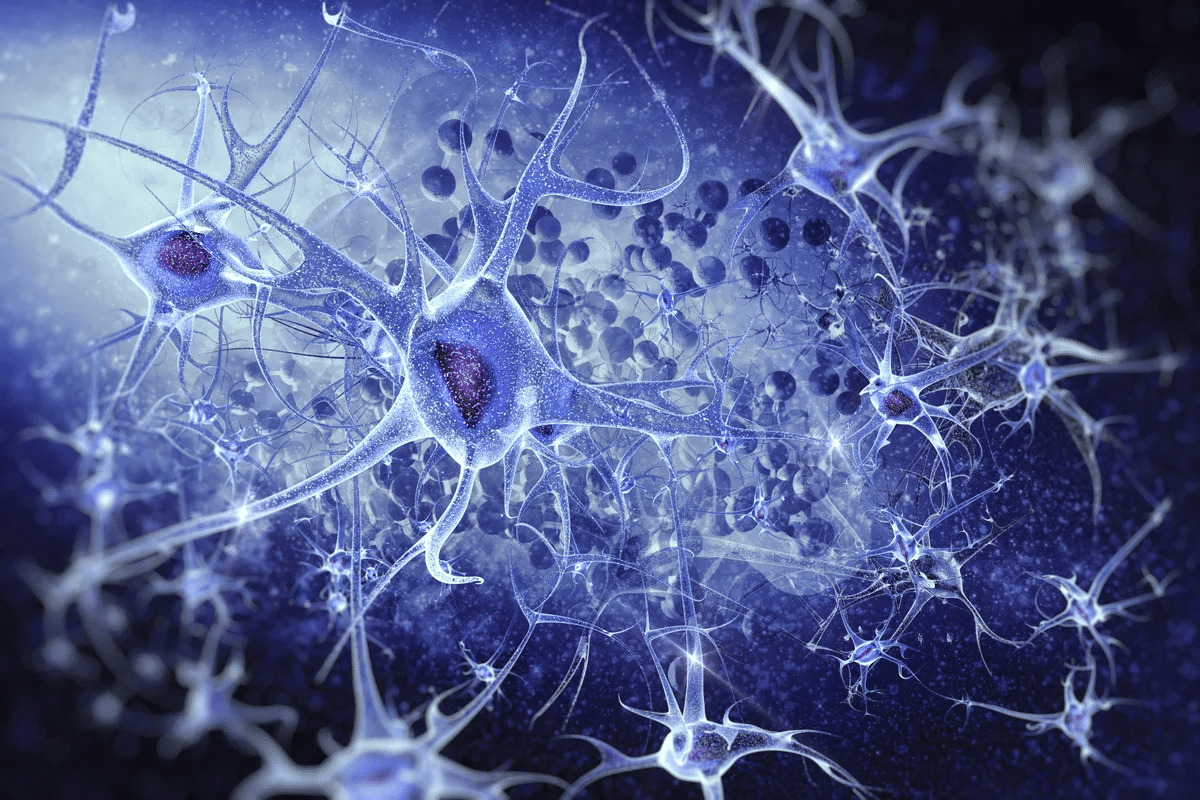
The human brain cells make up about 86 billion neurons and 85 billion glial cells. They form a complex network that lets us think, remember, and learn.
Neurons and glial cells are the brain’s main types. They work together to make our nervous system amazing. Knowing about these cells helps us understand brain health better.
At Liv Hospital, they use advanced science to study these tiny cells. They see how important they are for our brain’s health.
Key Takeaways
- The human brain contains approximately 86 billion neurons and 85 billion glial cells.
- Brain cells are fundamental units that comprise brain tissue and form the basis of the nervous system’s capabilities.
- Neurons and glial cells are the two main types of brain cells.
- Understanding brain cells is key to grasping neurological health.
- Liv Hospital’s neuroscience programs focus on the health of these cellular communities.
Understanding the Fundamental Units of the Nervous System
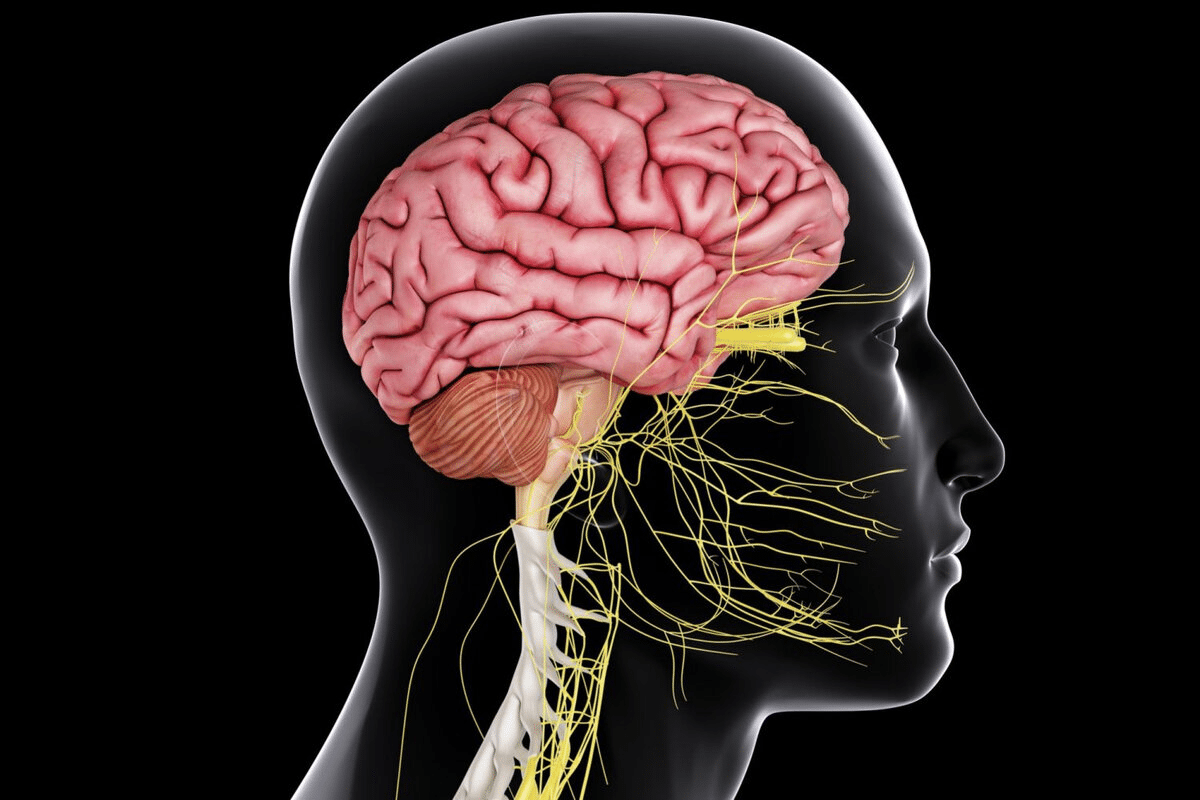
At the heart of the nervous system are special cells. These cells, called neurons and glial cells, help us think, move, and feel. Together, they make the brain’s complex functions possible.
Definition and Basic Characteristics
The human brain has about 86 billion neurons and 85 billion glial cells. This makes their numbers almost equal in most areas. Neurons send information through electrical and chemical signals. Glial cells support neurons by keeping their environment clean and providing them with what they need to survive.
Neurons have parts like dendrites, a cell body, and an axon. These parts help them receive, process, and send information.
The Evolutionary Significance of Neural Tissue
The growth of neural tissue has been key in the evolution of complex life. The arrival of neurons and glial cells led to the development of complex nervous systems. This allowed organisms to adapt and respond to their surroundings.
The importance of neural tissue is clear in the variety of nervous systems found in different species. From simple nerve nets in cnidarians to the complex brains of mammals, neural tissue has been essential for complex behaviors and thinking.
Brain Cells: Neurons and Glial Cells Explained
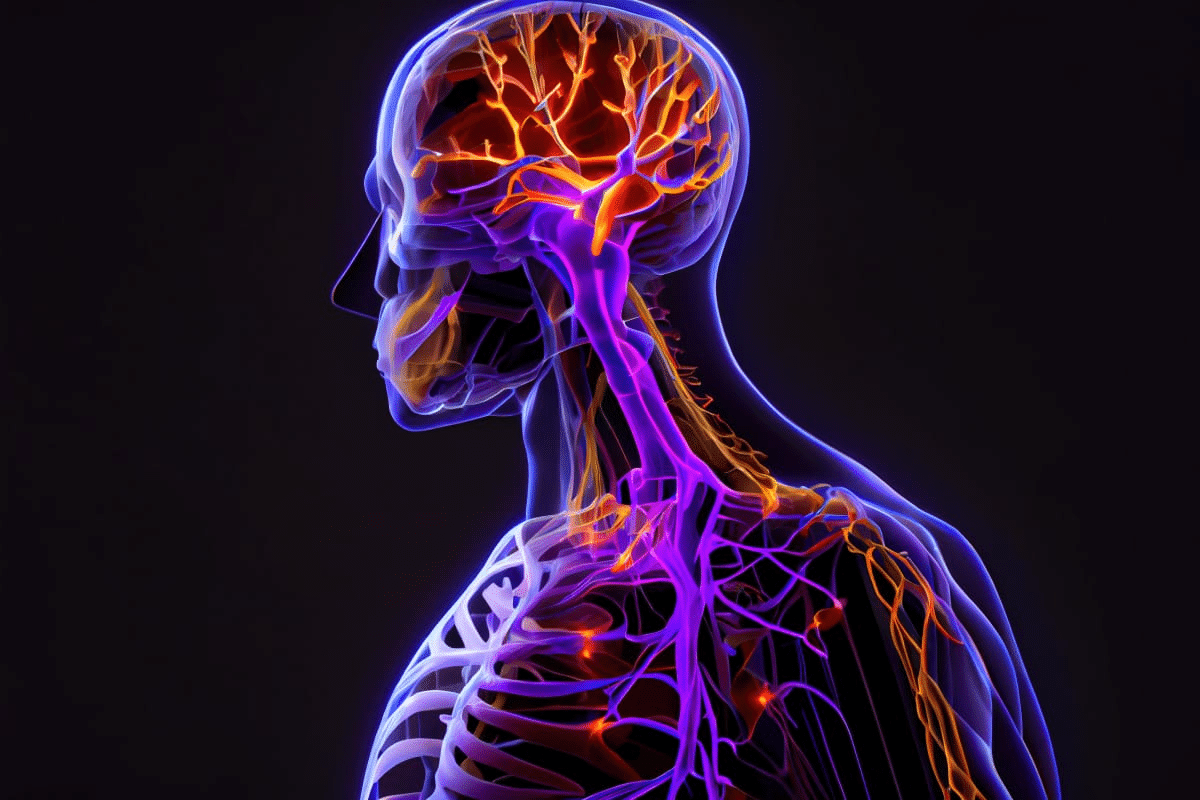
The human brain is made up of different types of cells, mainly neurons and glial cells. These cells work together to help us think and learn. Knowing how they work is key to understanding the brain.
Overview of Cellular Diversity in the Brain
The brain has a wide variety of neurons and glial cells. Neurons send signals through the brain. Glial cells help by giving nutrients and support to neurons. This mix is what makes the brain so complex.
The Neuron-Glia Ratio in the Human Brain
The number of neurons to glial cells changes in different parts of the brain. Studies have found that glial cells often outnumber neurons. This number can change based on the brain area and its job.
Regional Variations in Cell Distribution
How cells are spread out in the brain is important. Each area has its own mix of cells, which affects how it works. For example, areas that handle complex tasks have different ratios than those that don’t.
|
Brain Region |
Neuron-Glia Ratio |
Functionality |
|---|---|---|
|
Cerebral Cortex |
1:1 to 1:4 |
Higher-order processing |
|
Cerebellum |
1:3 to 1:5 |
Motor coordination |
|
Hippocampus |
1:2 |
Memory formation |
Learning about these differences helps us understand how the brain works. It shows how each part contributes to our overall brain function.
The Structure and Function of Neurons
Neurons are special cells that help us communicate. Their structure is key to their role in our nervous system. They are the basic units of the brain and nervous system, handling information.
Neurons have a complex design to work well. They have three main parts: the cell body, axon, and dendrites. The cell body has the nucleus and makes proteins. The dendrites get signals from other neurons. The axon sends signals to other neurons, muscles, or glands.
Anatomical Components
The parts of neurons are vital for their job. The dendrites are like branches that get signals. The axon is a long, thin part that sends signals. The cell body, or soma, is the heart of the neuron, with the nucleus.
Neuroscientist David Eagleman says, “The brain is complex, and knowing neurons is key to understanding it.” (
“The brain is a system that allows us to perceive, think, and act, and neurons are the fundamental components of this system.”
)
Types of Neurons Based on Structure and Function
Neurons are different based on their structure and job. Sensory neurons send information from our senses to the brain. Motor neurons send signals to muscles or glands, causing movement. Interneurons are common and help process information in the brain.
|
Neuron Type |
Function |
Location |
|---|---|---|
|
Sensory Neurons |
Transmit sensory information |
Peripheral nervous system |
|
Motor Neurons |
Control muscles and glands |
Central and peripheral nervous system |
|
Interneurons |
Process and integrate information |
Central nervous system |
The Neuron’s Microenvironment
The area around neurons is important for their work and survival. Glial cells, like astrocytes and oligodendrocytes, support and protect neurons. They help keep the chemical environment right, supply nutrients, and remove waste.
In summary, neurons’ structure and function are closely linked. This lets them do their jobs in the nervous system. Understanding neurons helps us grasp the brain and nervous system’s complexities.
Neural Signaling: How Brain Cells Communicate
Brain cells, or neurons, talk to each other through a complex system called neural signaling. This system uses both electrical and chemical signals. It helps the brain process information and control our body’s functions.
Electrical Signaling in Neurons
Neurons send electrical signals, called action potentials, along their length. These signals are key for passing information within the neuron. The electrical charge across the neuron’s membrane changes quickly due to ion movement.
The generation of action potentials depends on the neuron’s resting and threshold potentials. When a neuron gets enough stimulation, voltage-gated ion channels open. This lets positively charged ions flow in, starting the action signal.
Chemical Transmission at Synapses
When an electrical signal reaches the end of a neuron, it triggers the release of neurotransmitters into the synapse. These chemical messengers then bind to specific receptors on the next neuron, sending the signal. This chemical process is vital for neuron-to-neuron communication.
The steps of chemical transmission include:
- Synthesis and packaging of neurotransmitters
- Release of neurotransmitters into the synapse
- Binding of neurotransmitters to receptors on the postsynaptic neuron
- Termination of the signal through reuptake or degradation
The Role of Neurotransmitters and Receptors
Neurotransmitters are key in sending signals between neurons, while receptors receive these signals. The specific interaction between neurotransmitters and receptors ensures the right signals are sent.
The variety of neurotransmitters and receptors supports many neural functions. From controlling movement to managing mood, these molecules are vital. Knowing their roles helps us understand neural signaling and its impact on health and disease.
Glial Cells: The Unsung Heroes of Brain Function
Glial cells are key to the brain’s function, supporting neurons in their work. These cells are often ignored but are essential for the nervous system’s health and function.
Types of Glial Cells and Their Functions
There are many types of glial cells, each with its own job. Astrocytes help control the chemical environment around neurons, giving them nutrients and taking away waste. Oligodendrocytes cover neurons with a protective layer, helping signals move quickly. Microglia act as the brain’s immune system, fighting off infections and injuries.
Glial cells come in many forms, showing their varied roles in supporting neurons and keeping the nervous system strong.
Glial-Neuronal Interactions
Glial cells work closely with neurons, affecting their activity and survival. For example, astrocytes release chemicals that can change how neurons work. They also help neurons by giving them energy and taking away too much neurotransmitter.
Recent Discoveries About Glial Cells
New research has shown glial cells are more than just helpers. They play an active role in brain function and in fighting diseases. This discovery opens up new ways to treat brain disorders, focusing on glial cells as a key target.
Brain Cell Development and Neuroplasticity
The process of brain cell development is complex. It involves creating new brain cells and changing neural circuits. This is key to understanding how our brains adapt and change over time.
Neurogenesis: The Birth of Brain Cells
Neurogenesis is when new brain cells, or neurons, are born. This doesn’t just happen before birth; it also happens in some parts of the brain as we age. Adult neurogenesis is a big area of study. It’s linked to learning, memory, and recovery from brain injuries.
The hippocampus, important for memory, is where new brain cells are born in adults. Things like exercise, diet, and mental stimulation can affect how fast new brain cells are made. This shows how the brain can change based on what’s happening around it.
How Brain Cells Form Connections
Brain cells forming connections is vital for brain development. As neurons grow, they make axons and dendrites. These eventually connect at synapses, where neurons talk to each other. This process is influenced by genes and what’s happening around us, helping the brain get better at what it does.
Neuroplasticity Throughout Life
Neuroplasticity is the brain’s ability to change and adapt over time. It’s not just about making new connections. It’s also about changing the way existing connections work. This is key for learning, memory, and getting better after brain injuries.
Understanding how brain cells develop and change helps us see how amazing our brains are. It shows us how we can improve our thinking and help with brain disorders.
Maintaining Healthy Brain Cells
Keeping our brain cells healthy is key for good thinking and feeling well. Our brain cells, or neurons, help us think, learn, and remember. To keep them working well, we need to live a lifestyle that supports brain health.
Nutrition and Brain Cell Function
Eating a balanced diet is important for brain cells. Foods like berries and leafy greens protect our brain cells from damage. Omega-3 fatty acids in fish and nuts also help keep brain cells strong.
|
Nutrient |
Food Sources |
Benefit to Brain Cells |
|---|---|---|
|
Omega-3 Fatty Acids |
Salmon, Walnuts |
Supports cell membrane integrity |
|
Antioxidants |
Blueberries, Spinach |
Protects against oxidative stress |
|
Vitamin D |
Fatty Fish, Fortified Dairy |
Regulates neuronal function |
Physical Exercise and Cognitive Activities
Exercise is good for the brain. It improves blood flow, helps grow new neurons, and lowers the risk of brain decline. Activities like reading and puzzles also keep the brain healthy by challenging it and promoting flexibility.
Types of Exercises and Cognitive Activities:
- Aerobic exercises like running and cycling
- Mindfulness and meditation practices
- Engaging in lifelong learning through courses or hobbies
Sleep and Brain Cell Regeneration
Sleep is vital for brain health. It helps our brain cells regenerate and repair. During sleep, the brain gets rid of toxins, including those linked to Alzheimer’s disease. So, getting enough sleep is important for keeping brain cells healthy.
In summary, to keep brain cells healthy, we need a balanced diet, regular exercise, engaging activities, and enough sleep. By doing these things every day, we can help our brain stay healthy and may lower the risk of brain diseases.
Brain Cells in Disease and Disorder
The brain’s complex network of cells can be affected by many diseases and disorders. These issues can harm how we think and act. Brain cells, or neurons, are key to our brain and nervous system. When they don’t work right or are lost, we can face serious health problems.
Neurodegenerative Diseases and Cellular Mechanisms
Diseases like Alzheimer’s and Parkinson’s cause brain cells to die over time. This loss affects our thinking and movement. Scientists are working hard to understand how these diseases work at a cellular level. They’ve found that problems with proteins play a big role.
“The study of neurodegenerative diseases has revealed complex cellular mechanisms that contribute to the progression of these conditions.”
Traumatic Brain Injury and Cellular Response
Traumatic brain injury (TBI) can hurt brain cells right away. Then, the brain tries to fix itself, but this can make things worse. The first injury sets off a chain of events that can cause more damage. Finding ways to help the brain after TBI is a big goal for researchers.
Mental Health Disorders at the Cellular Level
Mental health issues, like depression and anxiety, can change how brain cells work and look. Studies have found that these changes can lead to these conditions. More research is needed to find new ways to treat these problems.
Conclusion: The Remarkable Complexity of Brain Cells
The human brain is incredibly complex. It has billions of brain cells working together. These cells are key to our thinking and movement.
Each type of brain cell has its own role. Neurons and glial cells work together to keep the brain running smoothly. This teamwork is what makes the brain so amazing.
Studying brain cells helps us understand the brain better. We learn how nutrition, exercise, and disease affect it. This knowledge is vital for finding new treatments for brain disorders.
FAQ
What is the function of a brain cell?
Brain cells, or neurons and glial cells, are key to our nervous system. They help transmit and process information. They also keep the nervous system healthy and support various brain functions.
What are the cells in the brain called?
In the brain, we have neurons and glial cells. Neurons send information, while glial cells support and maintain the system.
How many brain cells are in a human brain?
A human brain has about 86 billion neurons. It also has a huge number of glial cells.
What does a brain cell look like?
Brain cells, or neurons, have unique shapes. They include a cell body, dendrites, and an axon. Each part varies in size and shape based on its function.
What is the role of glial cells in the brain?
Glial cells support the brain in many ways. They supply neurons with oxygen and nutrients. They also remove waste and help keep the blood-brain barrier intact.
How do brain cells communicate with each other?
Brain cells talk to each other through neural signaling. This involves electrical and chemical signals. Neurons release neurotransmitters that bind to receptors on other neurons, helping information flow.
What is neuroplasticity, and how does it relate to brain cells?
Neuroplasticity is the brain’s ability to change and adapt. It involves changes in how brain cells connect. This lets the brain recover from damage or injury.
How can I maintain healthy brain cells?
To keep brain cells healthy, eat well, exercise, and stay mentally active. Also, get enough sleep.
What is the impact of neurodegenerative diseases on brain cells?
Diseases like Alzheimer’s and Parkinson’s harm brain cells. This leads to problems with thinking and movement.
Are brain cells able to regenerate?
While adult brains can’t make new cells easily, some areas like the hippocampus can. They can grow new neurons throughout life.
Reference
https://www.ncbi.nlm.nih.gov/books/NBK234157