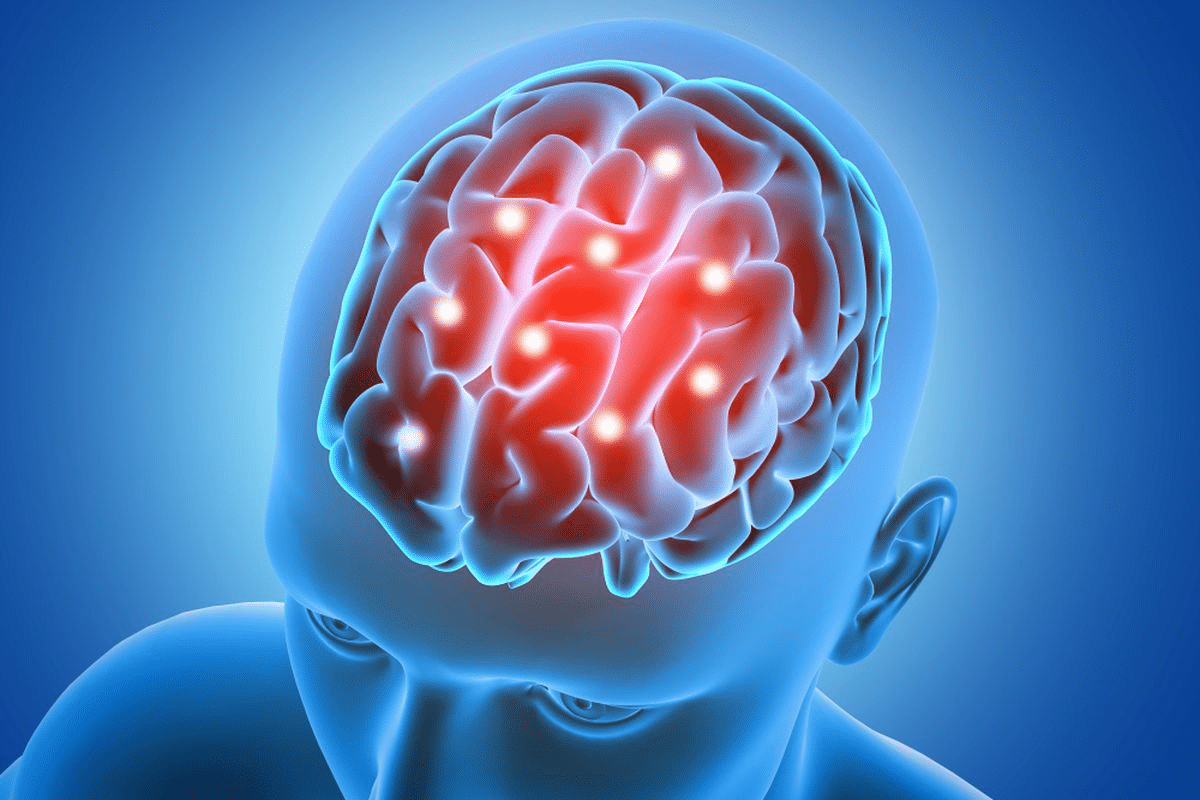
Neurological conditions are a big global health problem. They affect over 3.4 billion people worldwide. It’s important to know the signs of brain issues because many can be treated early.
Conditions like stroke, migraine, Alzheimer’s, Parkinson’s, and epilepsy show in different ways. You might notice memory loss, trouble focusing, or headaches. Other signs include balance problems, vision changes, and speech issues.
Also, numbness, mood swings, sleep problems, and thinking issues are warning signs. Knowing these symptoms can help you get help early.
Understanding these signs can prevent long-term problems. We’ll look at 12 symptoms that need quick attention. This will help you know when to see a doctor.
Key Takeaways
- Early detection is key for managing neurological conditions.
- Common symptoms include memory problems and trouble focusing.
- Vision changes, speech issues, and numbness are important signs.
- Personality changes, mood swings, and sleep issues can signal brain disease.
- Cognitive decline is a critical symptom that should not be ignored.
The Global Impact of Brain Diseases

Brain diseases are a big problem worldwide. They are now the main cause of illness and disability globally. This shows we need to act fast to tackle these conditions.
Statistics and Prevalence
Millions of people are affected by brain diseases all over the world. Conditions like stroke, migraine, Alzheimer’s, Parkinson’s, and epilepsy are common. These diseases not only harm the person who has them but also affect their families and the healthcare system.
Recent data shows how widespread these conditions are:
|
Condition |
Prevalence (millions) |
Global Impact |
|---|---|---|
|
Stroke |
100+ |
Leading cause of disability |
|
Migraine |
40+ |
Affects quality of life |
|
Alzheimer’s and other dementias |
50+ |
Significant cognitive decline |
|
Parkinson’s disease |
8+ |
Motor function impairment |
|
Epilepsy |
50+ |
Seizures and related complications |
Most Common Neurological Conditions
The most common neurological conditions have different symptoms but all need early treatment. Health experts say, “Early treatment can greatly improve outcomes for patients.”
“The burden of neurological disorders is substantial, and their impact on global health cannot be overstated. Addressing these conditions requires a multifaceted approach that includes prevention, diagnosis, and treatment.”
It’s important to understand the global impact of brain diseases to create better healthcare plans. By knowing how widespread and impactful these conditions are, we can work to lessen their effects and improve lives.
Understanding Brain Issues Symptoms and Their Significance

It’s important to know the symptoms of brain issues to spot neurological problems early. Spotting these signs can greatly help patients and make their lives better.
We need to be aware of the symptoms of brain diseases to catch them early. Signs like memory loss, trouble focusing, and headaches might mean there’s a brain problem.
The Importance of Early Detection
Finding brain disorder symptoms early is key. Many brain issues can be treated or prevented if caught on time. This early action can lead to better treatment results.
Timely diagnosis opens up many treatment options. These options might not be available if the condition gets worse. This approach can greatly improve patient care and results.
How Symptoms Relate to Different Brain Conditions
Each brain condition shows different symptoms. For example, memory loss and confusion might mean Alzheimer’s. Severe headaches and vision problems could point to migraines or a stroke.
- Memory problems and confusion: Possible signs of neurodegenerative diseases.
- Severe headaches and vision disturbances: Could be signs of migraines or stroke.
- Balance and coordination issues: May relate to conditions affecting the cerebellum or inner ear.
Knowing these brain disorder symptoms and what they mean is essential. It helps us give the right care and support. By linking symptoms to specific conditions, we can tailor our care to each patient’s needs.
Cognitive Warning Signs: Memory Problems and Confusion
Cognitive warning signs often show up as memory issues and confusion. These signs can be small at first but are important to catch early.
As we get older, some memory loss is normal. But big memory problems and confusion might mean there’s a brain health issue. Alzheimer’s disease is a big example where memory loss is a key symptom. “Finding Alzheimer’s early can really help manage the disease,” says Medical Expert, a neurologist who focuses on brain disorders.
Short-term and Long-term Memory Difficulties
Memory troubles can show up in short-term and long-term memory. Short-term memory issues might mean forgetting recent things or talks. Long-term memory problems could mean forgetting big life events or knowing familiar faces.
For example, someone with short-term memory trouble might keep asking for the same info, forgetting they’ve already been told. Long-term memory issues might mean forgetting important dates or past events.
Cognitive Decline and Processing Issues
Cognitive decline isn’t just about memory. It also affects how we process information, make judgments, and solve problems. As it gets worse, it can make everyday tasks hard.
Processing problems might show up as trouble following instructions, abstract thinking, or making decisions. These changes can upset both the person and their family.
“Cognitive decline is not just about memory; it’s about the ability to process information, make decisions, and navigate daily life,” notes Medical Expert, a specialist in neurology.
Understanding these warning signs is the first step to getting medical help and support. By spotting early signs of cognitive decline, people can take steps to protect their brain health.
Concentration and Focus Difficulties
Many brain diseases make it hard to focus. These issues can really change someone’s life. Not being able to concentrate is often a sign of a bigger problem.
Attention Span Changes
People with brain diseases often struggle to stay focused. They might find it hard to keep up with tasks or talk to others. This can make them feel bad about themselves.
How much someone can focus changes a lot. Some brain diseases make it hard to stay on one thing. Others make it hard to ignore distractions.
Impact on Daily Functioning
Not being able to focus affects daily life a lot. Even simple things can be hard. It can make people feel stuck and frustrated.
These problems can mess up work, friendships, and hobbies. If you’re having trouble focusing, see a doctor. They can find out why and help you.
Helping people with focus issues can make a big difference. It might mean medicine, special training, or changing how you live. The goal is to help you feel better and live better.
Headaches and Pain: When to Be Concerned
Headaches can be a sign of serious health issues. Many people are unsure if their headaches are normal or a warning sign. It’s important to know the different types of headaches and what they mean for your brain health.
Types of Headaches Associated with Brain Diseases
Some headaches are linked to brain diseases. For example, thunderclap headaches are very intense and can be a sign of a serious condition. Migraines can also have symptoms that might look like other brain problems.
Headaches can also be a sign of meningitis, an infection that affects the brain and spinal cord. Knowing the type and how severe a headache is can help figure out if it’s related to a brain disease.
- Sudden and severe headaches: Often described as “the worst headache” ever experienced.
- Headaches with fever, confusion, or stiff neck: These could be indicative of meningitis or encephalitis.
- Headaches accompanied by neurological symptoms: Such as weakness, numbness, or difficulty speaking.
Distinguishing Between Common Headaches and Warning Signs
Not all headaches are serious. Common headaches like tension headaches or migraines are usually not a cause for worry. But, some signs can tell if a headache is more serious.
For example, if your headache pattern changes suddenly or you have other symptoms like confusion or fever, you should see a doctor. As the
“The key to managing brain health is early detection and understanding the nuances of symptoms like headaches.”
This shows how important it is to watch for changes in your headaches.
To better understand the differences, consider the following table:
|
Characteristics |
Common Headaches |
Warning Signs |
|---|---|---|
|
Onset |
Gradual |
Sudden |
|
Severity |
Variable, often mild to moderate |
Severe, often described as “the worst ever” |
|
Associated Symptoms |
None or typical migraine symptoms (e.g., aura) |
Fever, confusion, stiff neck, neurological deficits |
Physical Symptoms: Balance, Coordination, and Movement Issues
We often overlook physical symptoms like balance and coordination problems. These can be key signs of brain health issues. They can change a person’s life and might point to serious brain conditions.
Balance and Coordination Problems
Balance and coordination issues are common signs of brain diseases. Difficulty in maintaining balance can lead to falls. Coordination problems can make everyday tasks hard, like walking or dressing. These signs often point to problems with the cerebellum or its connections.
- Frequent stumbling or tripping
- Difficulty walking on uneven surfaces
- Feeling unsteady when standing or walking
Unexplained Weakness or Numbness
Unexplained weakness or numbness in parts of the body is alarming. These feelings can be signs of many neurological conditions. For example, damage to the brain from stroke or multiple sclerosis can cause these symptoms.
|
Symptom |
Possible Indication |
|---|---|
|
Weakness in limbs |
Potential stroke or multiple sclerosis |
|
Numbness in extremities |
Possible peripheral neuropathy or central nervous system disorder |
If you suddenly feel weak or numb, see a doctor right away. Quick action can make a big difference in conditions like stroke.
Sensory Changes: Vision and Speech Difficulties
Vision and speech changes are big sensory shifts linked to brain diseases. These changes can affect how well someone lives and works.
Vision Disturbances and Their Implications
Vision problems can include blurry vision, double vision, or losing sight on the sides. These signs might point to serious issues like stroke, multiple sclerosis, or tumors. For example, losing vision in one eye could mean a stroke or optic neuritis.
It’s key to know what vision changes mean for early treatment. Regular eye checks can spot brain health issues.
|
Vision Disturbance |
Possible Cause |
Action Required |
|---|---|---|
|
Blurred Vision |
Stroke, Multiple Sclerosis |
Immediate Medical Attention |
|
Double Vision |
Brain Tumor, Aneurysm |
Urgent Medical Evaluation |
|
Peripheral Vision Loss |
Glaucoma, Stroke |
Prompt Medical Check-up |
Speech and Language Problems as Warning Signs
Speech and language troubles can hint at brain health issues. Signs include slurred speech, trouble finding words, or not understanding language. These could mean stroke, Alzheimer’s, or other brain diseases.
Spotting speech and language issues early can help a lot with treatment. If these problems keep happening or get worse, get medical help right away.
- Slurred speech or stuttering
- Difficulty in understanding or producing speech
- Changes in tone or pitch
Knowing about these sensory changes and what they mean can help protect brain health.
Behavioral and Emotional Red Flags
It’s important to know the signs of brain health issues. Changes in behavior and emotions can be early signs of serious brain diseases.
Behavioral and emotional changes can show if there’s a problem with the brain. These changes can affect how someone acts and feels every day.
Personality and Mood Changes
Changes in personality and mood are key signs. These can include:
- Irritability and mood swings: Feeling irritable or having mood swings can mean there’s a brain health issue.
- Apathy and withdrawal: Losing interest in things or pulling away from people can be a sign of a problem.
- Depression and anxiety: Feeling sad all the time or being very anxious can be related to brain health.
At first, these changes might seem small. But they can get worse over time. It’s important to watch for these signs and get help if they don’t go away.
Sleep Disturbances Linked to Brain Health
Sleep problems can also be a sign of brain health issues. Sleep can be affected in different ways, including:
- Insomnia: Trouble falling or staying asleep can be a sign of a neurological condition.
- Hypersomnia: Sleeping too much or for too long can also be a sign of brain health problems.
- Sleep behavior disorders: Disorders like REM sleep behavior disorder can be early signs of diseases like Parkinson’s.
It’s important to notice these sleep problems and how they might relate to brain health. This can help with early diagnosis and treatment.
Knowing these signs can help keep your brain healthy. If you or someone you know is showing these symptoms, it’s important to see a doctor.
When to Seek Medical Help for Brain Symptoms
Knowing when to get medical help is key for brain health. Brain diseases show up in many ways. It’s important to know when to act fast.
Emergency Warning Signs
Some symptoms need immediate care. Look out for sudden severe headaches, confusion, weakness, or trouble speaking. If you see these, get help fast.
Other signs include vision problems like double vision or losing sight. Also, speech issues like slurred words or trouble understanding. These can mean serious problems that need quick medical check-ups.
Diagnostic Approaches
When you get medical help, a detailed check-up starts. This might include MRI or CT scans to see the brain. These scans help find any problems.
Doctors also do neurological exams to check brain and body functions. These tests help find the cause and guide treatment.
Advanced Diagnostic Techniques
For some cases, advanced tests like functional MRI or electroencephalography (EEG) are used. These tools give deep insights into the brain. They help make a detailed treatment plan.
Treatment Options
Treatment for brain diseases depends on the diagnosis. Some might need medication to manage symptoms. Others might need surgery to fix structural issues or remove tumors.
A good treatment plan often includes many areas. This includes physical therapy, speech therapy, and cognitive rehabilitation. These help improve brain health and quality of life.
By knowing when to seek medical help and the treatments available, you can protect your brain health. Acting quickly can make a big difference.
Conclusion: Protecting Your Brain Health
Keeping your brain healthy is key to feeling your best. Knowing the 12 common brain disease symptoms is a big step. It helps keep your brain working well.
Spotting symptoms early and getting the right care can make a big difference. Paying attention to how your brain and body feel helps protect your health. This way, we can all take care of our brains better.
We urge everyone to get medical help when needed. Making brain health a part of your health routine is important. Together, we can lessen the effects of brain diseases and aim for a healthier tomorrow.
FAQ
What are the common symptoms of brain diseases?
Symptoms include memory loss, confusion, and trouble concentrating. You might also have headaches, balance issues, and vision problems. Mood changes and sleep issues are also common.
How do brain diseases affect global health?
Diseases like stroke and Alzheimer’s impact millions worldwide. They are a big concern for global health.
What is the significance of early detection in brain diseases?
Finding diseases early is key. It helps doctors treat them better and improve life quality.
What are the cognitive warning signs of brain diseases?
Signs include memory loss and cognitive decline. These can show serious health issues.
How do concentration and focus difficulties relate to brain diseases?
Trouble focusing can mean neurological problems. It affects daily life.
When should headaches be a cause for concern?
Severe or frequent headaches are a worry. They can signal brain diseases if they come with other symptoms.
What physical symptoms can indicate brain diseases?
Look out for balance issues, weakness, and movement problems. These can point to serious brain conditions.
How do sensory changes relate to brain health?
Vision and speech issues are health warnings. They need quick medical checks.
What behavioral and emotional changes can be red flags for brain diseases?
Mood and personality changes, along with sleep issues, are warning signs. They can be linked to brain conditions.
When should I seek medical help for brain symptoms?
Get help fast for severe headaches, confusion, or weakness. Also, seek help for big changes in thinking, feeling, or physical abilities.
What diagnostic approaches are used to identify brain diseases?
Doctors use tests like imaging and neurological exams. They also do cognitive tests to find the cause of symptoms.
What treatment options are available for brain diseases?
Treatments vary by disease. They include medicines, surgery, lifestyle changes, and therapy. These aim to manage symptoms and improve life quality.
How can I protect my brain health?
Know the symptoms of brain diseases. Live a healthy lifestyle, manage chronic conditions, and get medical help when needed.
Reference
National Center for Biotechnology Information. Evidence-Based Medical Guidance. Retrieved from https://pmc.ncbi.nlm.nih.gov/articles/PMC6459001/



 Departments
 Related Videos
 Our Doctors
 News
News