
Learn 5 vital bronchitis CXR findings. Identify the key X-ray signs that help doctors diagnose the infection and severity accurately.
It’s important for doctors to know the key chest X-ray (CXR) signs of bronchitis. CXR findings in acute bronchitis are often not clear and can look normal.
But, finding small signs like thickened bronchial walls and interstitial markings can help a lot. At Liv Hospital, we focus on using CXR to tell bronchitis apart from other lung problems.
Key Takeaways
- Understanding CXR findings is essential for diagnosing and managing bronchitis.
- CXR findings in acute bronchitis are often nonspecific.
- Identifying subtle signs like bronchial wall thickening is important.
- Differentiating bronchitis from other conditions is vital for treatment.
- CXR plays a significant role in diagnostic accuracy.
Understanding Bronchitis and the Role of Chest X-rays

To manage bronchitis well, knowing the condition and chest X-rays’ role is key. Bronchitis is a common lung issue that causes cough and mucus. Chest X-rays help see how bad the inflammation is and if there are complications.
What is Bronchitis?
Bronchitis makes the airways that lead to the lungs inflamed. It can be short-term or long-term. Short-term bronchitis often comes after a cold or flu. Long-term bronchitis is a part of COPD and lasts a long time.
Symptoms include coughing up mucus, wheezing, and feeling short of breath. While many cases get better on their own, some can lead to serious problems like pneumonia, mainly if you have other health issues.
When Are Chest X-rays Indicated?
Chest X-rays aren’t always needed for simple bronchitis. But, they are needed in some cases. For example, if you have fever, fast heart rate, or breathing too fast.
They can spot lung problems like pneumonia. They also help find other issues that might look like bronchitis, like pneumothorax or lung tumors.
|
Clinical Scenario |
Role of Chest X-ray |
|---|---|
|
Uncomplicated acute bronchitis |
Not routinely indicated |
|
Suspected pneumonia or complications |
Helps identify lung consolidation or other complications |
|
Abnormal vital signs |
Assesses for underlying conditions |
Normal vs. Abnormal: Baseline Chest X-ray Interpretation
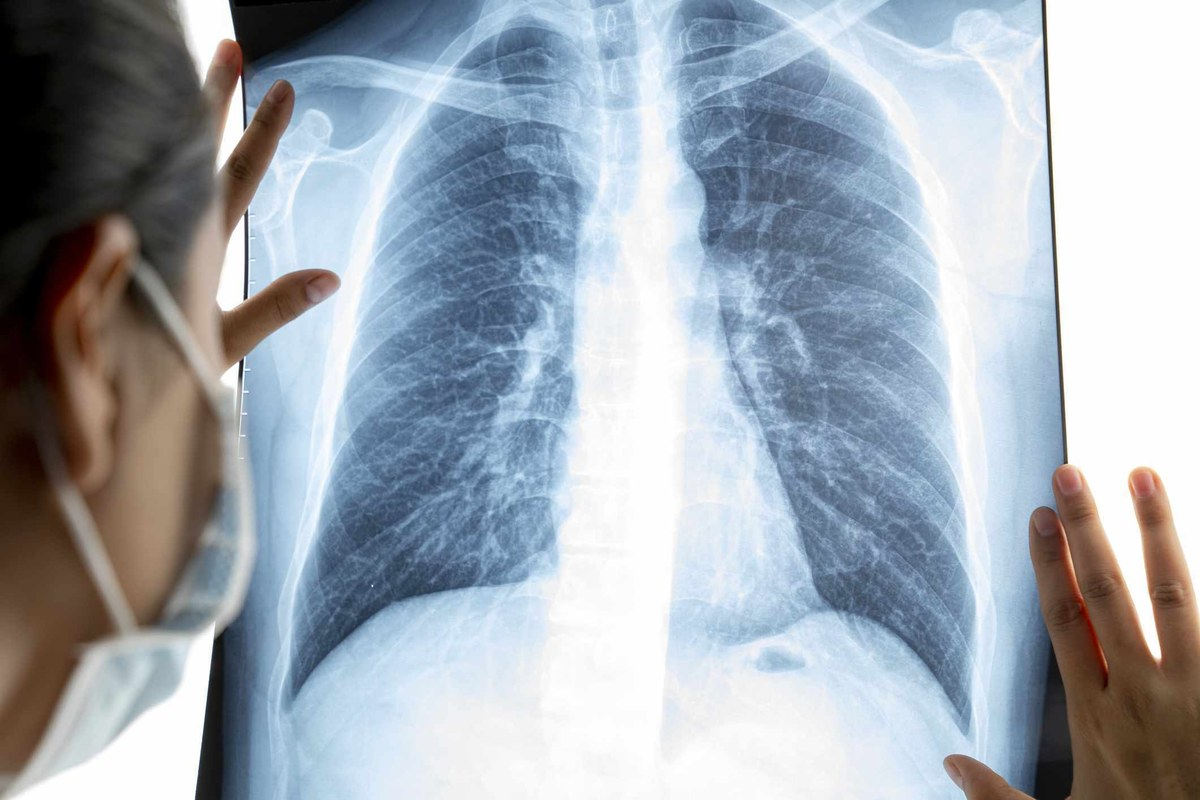
Learning about chest X-ray interpretation is key for spotting respiratory issues like bronchitis. Knowing what’s normal and abnormal helps doctors find signs of bronchitis or other lung problems.
Normal Chest X-ray Appearance
A normal chest X-ray shows the lungs, heart, and nearby areas clearly. The lungs should look symmetrical and uniformly aerated, with no signs of consolidation or masses. The heart should be the right size, and the costophrenic angles should be sharp.
Knowing what a normal chest X-ray looks like is important for spotting any issues.
Recognizing Pathological Changes
When checking a chest X-ray for bronchitis, we look for signs that are not normal. Bronchial wall thickening and increased interstitial markings are common in bronchitis. These signs show inflammation and infection in the bronchial tubes.
Spotting these changes is essential for diagnosing bronchitis and telling it apart from other lung issues.
In summary, knowing the normal and abnormal chest X-ray looks is critical for diagnosing and treating bronchitis. By recognizing typical normal chest X-ray features and spotting abnormal changes, doctors can make better care decisions for their patients.
Bronchitis CXR: Overview of Radiographic Patterns
When we look at bronchitis through chest X-rays (CXR), it’s key to know the typical patterns. Many with bronchitis might have a normal X-ray. But, some patterns can show that they have the condition.
We’ll talk about how often CXRs look normal in bronchitis patients. We’ll also look at the common patterns that show up.
Frequency of Normal Appearance
Most often, CXRs for acute bronchitis show nothing out of the ordinary. Many studies show that a lot of patients with acute bronchitis have X-rays that look almost normal. This shows how important it is to use clinical judgment when diagnosing bronchitis.
Common Radiographic Patterns
Even though many CXRs look normal, some patterns are linked to bronchitis. These include:
- Bronchial wall thickening
- Increased interstitial markings
- Hyperinflated lungs
- Blurring of hilar vascular boundaries
These signs aren’t only seen in bronchitis. But, in the right clinical setting, they can help confirm the diagnosis.
|
Radiographic Pattern |
Description |
Clinical Significance |
|---|---|---|
|
Bronchial Wall Thickening |
Visible as increased density around bronchi |
Indicates inflammation of the bronchial walls |
|
Increased Interstitial Markings |
Represents peribronchial inflammation |
Suggests involvement of the lung interstitium |
|
Hyperinflated Lungs |
Characterized by flattened diaphragm and increased lung volumes |
May indicate air trapping due to bronchial obstruction |
Knowing these patterns is key to understanding CXRs in suspected bronchitis cases. While the X-ray isn’t a surefire way to diagnose bronchitis, it’s vital for ruling out other conditions and gauging the disease’s severity.
Key Bronchitis CXR Finding #1: Bronchial Wall Thickening
Bronchial wall thickening is a key sign of bronchitis on a chest X-ray. It shows the inflammation in the bronchial walls. This is important because it helps doctors see the changes caused by bronchitis.
Radiographic Appearance
On a chest X-ray, bronchial wall thickening looks like the walls are thicker. They appear as thickening of the bronchial walls. This makes them stand out more than usual.
Medical Expert, a well-known radiologist, says, “Seeing bronchial wall thickening on a CXR is a good sign of bronchial inflammation. This is a key feature of bronchitis.”
“The presence of bronchial wall thickening on a CXR is a valuable indicator of bronchial inflammation, which is a hallmark of bronchitis.”Medical Expert
Clinical Significance
Bronchial wall thickening is important because it shows inflammation in the bronchi. It’s not specific to one condition. It can be seen in both acute and chronic bronchitis.
- Indicates bronchial inflammation
- Associated with chronic cough and sputum production
- Can be seen in both acute and chronic bronchitis
Differential Diagnosis
While bronchial wall thickening is common in bronchitis, it’s not unique to it. Other conditions to consider include:
- Asthma
- Chronic obstructive pulmonary disease (COPD)
- Cystic fibrosis
It’s important to match the X-ray findings with the patient’s symptoms and history. As we look at more CXR findings in bronchitis, bronchial wall thickening is a key part of diagnosing this condition.
Key Bronchitis CXR Finding #2: Increased Interstitial Markings
Increased interstitial markings on a chest X-ray are key signs of bronchitis. They show peribronchial inflammation. This happens when the bronchi and surrounding tissues get inflamed.
Identifying Peribronchial Inflammation
On chest X-rays, peribronchial inflammation shows as increased interstitial markings. These markings look like linear or reticular patterns around the bronchi. The inflammation makes the bronchial walls thicker and more visible.
Distinguishing Features
The signs of increased interstitial markings include peribronchial distribution and tram-track signs or cuffing around the bronchi. These signs show that the bronchial walls are thickening.
Severity Assessment
The severity of peribronchial inflammation can be checked by looking at the extent and intensity of the markings. A more widespread and dense pattern means more severe inflammation.
|
Feature |
Description |
Clinical Significance |
|---|---|---|
|
Increased Interstitial Markings |
Linear or reticular patterns around bronchi |
Indicates peribronchial inflammation |
|
Tram-track Signs |
Parallel lines representing thickened bronchial walls |
Signifies bronchial wall thickening |
|
Cuffing |
Increased opacity around bronchi |
Reflects peribronchial inflammation |
In conclusion, increased interstitial markings are a key finding in bronchitis, showing peribronchial inflammation. By spotting and checking these markings, doctors can understand the disease better and plan the right treatment.
Key Bronchitis CXR Finding #3: Hyperinflated Lungs
Hyperinflated lungs are a key finding in bronchitis patients. This happens when airways get blocked, trapping air in the lungs. We’ll look at the signs of hyperinflation, why it happens in bronchitis, and the differences between acute and chronic cases.
Radiographic Signs of Hyperinflation
Hyperinflation means the lungs take up more space. On a chest X-ray, you can spot it by several signs. These include:
- Flattening of the diaphragm
- Increased retrosternal airspace
- Widening of the intercostal spaces
- A more horizontal orientation of the ribs
Mechanism in Bronchitis
In bronchitis, hyperinflation happens because airways get blocked. This blockage traps air, making the lungs overinflate. This effect is more common in chronic obstructive pulmonary disease (COPD), where bronchitis is a part.
Acute vs. Chronic Presentation
The look of hyperinflated lungs can vary between acute and chronic bronchitis. In acute bronchitis, the lungs might not be as overinflated and could get better. But in chronic bronchitis, the lungs stay overinflated for a long time because of ongoing blockage.
Key Bronchitis CXR Finding #4: Blurring of Hilar Vascular Boundaries
The fourth key CXR finding in bronchitis is the blurring of hilar vascular boundaries. This is a subtle yet significant sign of perihilar inflammation. It’s important for understanding how much bronchitis affects a patient.
Normal Hilar Anatomy
The hilar regions of the lungs are where the bronchi, blood vessels, and nerves enter and exit. Normally, the vascular structures in this area are clearly defined on a chest X-ray. Understanding normal hilar anatomy is key to spotting abnormalities. The hilar vascular boundaries are usually sharp and well-defined, making it easier to notice any changes.
Pathophysiology of Hilar Changes
In bronchitis, perihilar inflammation can cause the blurring of hilar vascular boundaries. This happens because of the spread of inflammatory cells and fluid around the hilar vessels. The pathophysiology involves the inflammation moving from the bronchi to the surrounding tissues, affecting the hilar region. As a result, the vascular margins become less clear.
Clinical Correlation
Blurring of hilar vascular boundaries on CXR shows the severity of bronchitis and perihilar inflammation. Clinicians should look at this finding when checking patients with suspected bronchitis. It helps in assessing disease severity and guiding treatment. Correlating CXR findings with clinical symptoms and other diagnostic results is vital for patient care.
By recognizing and understanding the blurring of hilar vascular boundaries, healthcare providers can better diagnose and manage bronchitis. This improves patient outcomes.
Key Bronchitis CXR Finding #5: Absence of Consolidation
The fifth key CXR finding in bronchitis is the absence of consolidation. This is a key clue for diagnosis. It helps tell bronchitis apart from other lung problems, like pneumonia. Let’s dive into why this is important.
Differentiating from Pneumonia
Not seeing consolidation on a CXR is key to telling bronchitis from pneumonia. Consolidation means lung tissue filled with inflammatory cells, common in pneumonia. But in bronchitis, the inflammation mainly stays in the bronchial tubes, not the alveoli.
Comparison of CXR Findings
|
CXR Finding |
Bronchitis |
Pneumonia |
|---|---|---|
|
Consolidation |
Absent |
Present |
|
Bronchial Wall Thickening |
Often Present |
May be Present |
|
Interstitial Markings |
Increased |
Variable |
Importance in Diagnosis
The lack of consolidation is key in diagnosing bronchitis. It helps confirm the diagnosis and rule out pneumonia. Along with symptoms like cough and sputum, it guides doctors to the right treatment.
When to Suspect Complications
While bronchitis usually doesn’t have consolidation, seeing it might mean complications like secondary pneumonia. Doctors should watch for any signs of getting worse or new symptoms. This could mean they need to look into it more.
Clinical Application: Using CXR Findings in Bronchitis Management
Understanding CXR findings is key for healthcare providers to manage bronchitis well. These findings help match radiographic patterns with patient symptoms. This guides treatment and decides if more imaging is needed.
Correlation with Patient Symptoms
Linking CXR findings with patient symptoms is vital for managing bronchitis. For example, patients with thickened bronchial walls on CXR might have cough and wheezing. Table 1 shows common CXR findings and their symptoms.
|
CXR Finding |
Clinical Symptoms |
|---|---|
|
Bronchial Wall Thickening |
Cough, Wheezing |
|
Increased Interstitial Markings |
Dyspnea, Cough |
|
Hyperinflated Lungs |
Shortness of Breath, Wheezing |
Follow-up Imaging Recommendations
For patients with uncomplicated acute bronchitis, follow-up CXR is not usually needed. But if symptoms get worse or don’t go away, more imaging might be required. A repeat CXR is advised if symptoms don’t get better in 6 weeks.
Limitations and Alternative Imaging Modalities
CXR is a useful tool but has its limits. It might not catch mild bronchitis or tell it apart from other lung issues. For complex cases, high-resolution computed tomography (HRCT) can offer more detailed insights.
“HRCT is very helpful in seeing how far bronchiectasis has spread and other complications of chronic bronchitis.” – Radiology Expert
Conclusion: Effective Utilization of Chest X-rays in Bronchitis Diagnosis
Chest X-rays are key in diagnosing and managing bronchitis. We’ve talked about the main CXR findings and their importance in patient care. Understanding these patterns is vital for better patient care.
Using chest X-rays well helps doctors give better care to bronchitis patients. They can spot signs like bronchial wall thickening and over-inflated lungs. This helps them make smart decisions for patient care.
Chest X-rays have many roles in diagnosing bronchitis. They help spot the condition and rule out serious issues like pneumonia. Seeing no consolidation on a chest X-ray is a big clue in diagnosing bronchitis.
By using chest X-ray findings in care, we can improve patient results and make diagnosis easier. This shows how important chest X-rays are in diagnosing bronchitis.
FAQ
What are the typical chest X-ray findings in bronchitis?
Common chest X-ray findings in bronchitis include thickened bronchial walls and more interstitial markings. You might also see hyperinflated lungs and blurred vascular boundaries. It’s important to note that there’s no consolidation, which helps tell it apart from pneumonia.
How does bronchitis appear on a chest X-ray?
Bronchitis can show up in different ways on a chest X-ray. You might see thickened bronchial walls, more interstitial markings, and lungs that are overinflated. But, many people with bronchitis might have a normal X-ray.
What is the role of chest X-rays in diagnosing bronchitis?
Chest X-rays are key in checking how severe the inflammation is and ruling out pneumonia. They help doctors diagnose and treat bronchitis well.
Can a chest X-ray show the difference between acute and chronic bronchitis?
Yes, chest X-rays can show differences between acute and chronic bronchitis. Chronic bronchitis often shows more changes like overinflated lungs and more interstitial markings.
How do you differentiate bronchitis from pneumonia on a chest X-ray?
The main difference is that bronchitis doesn’t show consolidation, unlike pneumonia. Pneumonia usually has consolidation on an X-ray, but bronchitis does not.
What are the limitations of using chest X-rays in diagnosing bronchitis?
Chest X-rays can’t catch mild cases or early stages of bronchitis. Sometimes, doctors use CT scans to get more detailed information.
When are follow-up chest X-rays recommended for bronchitis patients?
Doctors recommend follow-up X-rays if symptoms don’t get better or if complications are suspected. How often depends on the patient’s condition and what the doctor thinks is best.
How do CXR findings correlate with patient symptoms in bronchitis?
CXR findings should match up with patient symptoms for a full understanding. For example, cough and mucus can relate to thickened bronchial walls and more interstitial markings.
What is the significance of bronchial wall thickening in bronchitis?
Thickened bronchial walls are common in bronchitis, showing inflammation in the bronchial tubes. It’s a key finding that links to symptoms like cough and mucus production.
How do you assess the severity of bronchitis using chest X-rays?
To gauge bronchitis severity, look at the extent of findings like overinflated lungs, more interstitial markings, and thickened bronchial walls. Remember, it’s also important to consider the patient’s symptoms.
References
National Center for Biotechnology Information. Bronchitis CXR Findings: Key X-Ray Signs for Doctors. Retrieved from https://www.ncbi.nlm.nih.gov/books/NBK448067/