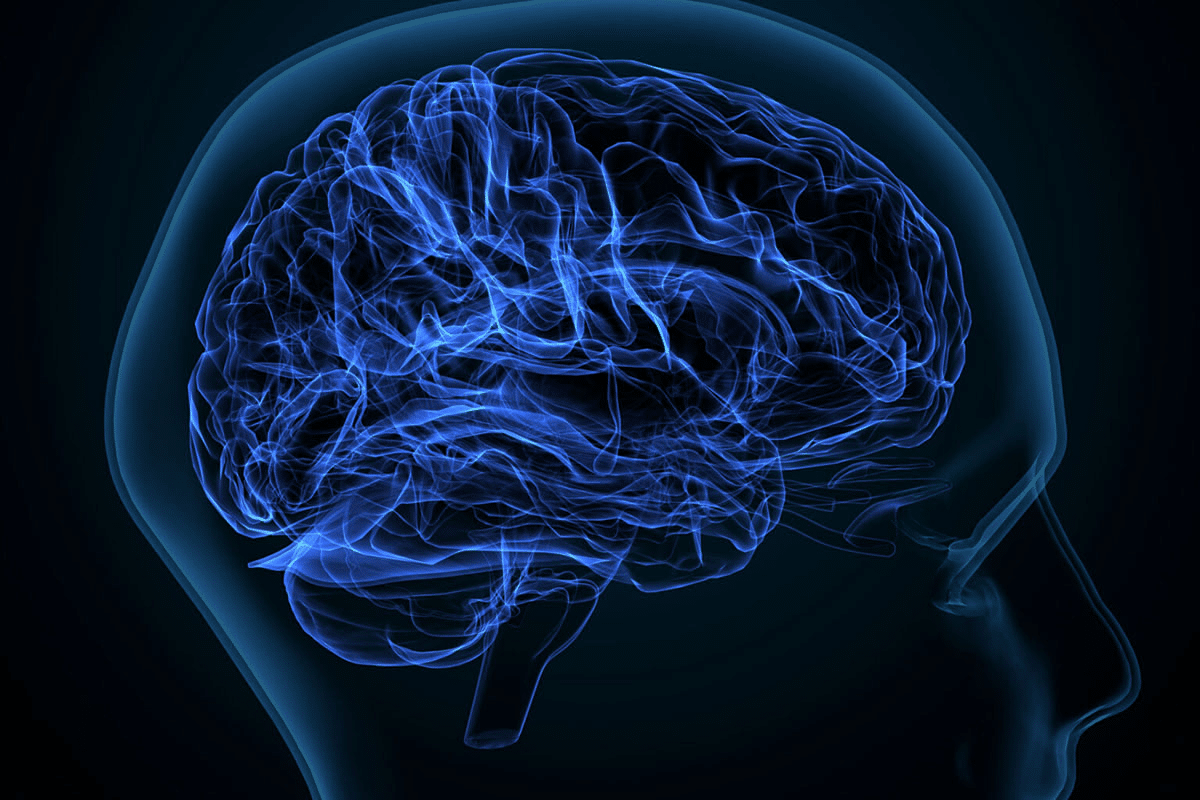
Cerebral Amyloid Angiopathy (CAA) is a brain disorder. It happens when amyloid-beta peptides build up in brain blood vessels. This can harm brain health and raise the chance of stroke, mostly in older people caa medical abbreviation.
The buildup of amyloid-beta in brain blood vessels can cause vascular dysfunction and cognitive decline. Knowing about CAA is key for early detection and care. It often goes unnoticed until symptoms get severe.
Key Takeaways
- Cerebral Amyloid Angiopathy is a condition affecting brain blood vessels.
- It is characterized by amyloid-beta peptide deposits.
- CAA can lead to cognitive decline and increased stroke risk.
- Early detection is critical for managing the condition.
- Comprehensive care is essential for individuals diagnosed with CAA.
Understanding Cerebral Amyloid Angiopathy (CAA)

To understand CAA, we need to look at its definition, how it works, and its history. Cerebral Amyloid Angiopathy is a brain disorder. It happens when amyloid-beta peptides build up in the brain’s blood vessel walls.
Definition and Basic Pathology
CAA is when amyloid-beta peptide deposits gather in brain blood vessels. This makes the vessels weak. It can cause cerebral hemorrhages and microbleeds, harming the brain.
The main issue with CAA is the buildup of amyloid. This weakens the blood vessel walls.
Historical Context and Discovery
CAA was first found in the early 20th century. Research has shown how amyloidosis in the brain affects our health. Knowing its history helps us understand CAA better today.
Studying CAA has helped us understand its effects on the brain. This knowledge helps doctors diagnose and treat it.
The CAA Medical Abbreviation: What It Stands For – 200 words

Medical professionals often see the CAA abbreviation. It means Cerebral Amyloid Angiopathy. This condition happens when amyloid proteins build up in brain blood vessels. It causes many neurological symptoms.
Medical Terminology Explained
The term “Cerebral Amyloid Angiopathy” breaks down into parts. “Cerebral” means the brain, “amyloid” is about the abnormal protein, and “angiopathy” is about blood vessel disease. So, CAA is a brain blood vessel disease caused by amyloid.
Related Abbreviations and Terms
Other terms linked to CAA include AD for Alzheimer’s Disease. It’s often seen with CAA. Also, MRI for Magnetic Resonance Imaging is used to spot CAA. Knowing these terms helps doctors diagnose and treat CAA well. Symptoms can be memory loss and bleeding in the brain.
Pathophysiology of Cerebral Amyloid Angiopathy – 300 words
To understand CAA, we must look at amyloid-beta peptide deposits and their impact on brain blood vessels. CAA happens when amyloid-beta peptides build up in brain blood vessel walls. This causes blood vessels to not work right.
Amyloid-Beta Peptide Deposits
Amyloid-beta peptide deposits are key in CAA, found in cerebral blood vessels. These deposits come from amyloid precursor protein (APP) fragments. They harm blood vessels, making them weak.
Blood Vessel Deterioration Process
When amyloid-beta peptides build up in blood vessels, they start to break down. This leads to inflammation, oxidative stress, and damage to vessel walls. It makes blood vessels fragile. People with CAA are more likely to have brain hemorrhages and other vascular problems.
Amyloid Deposits in Brain: Formation and Accumulation – 250 words
It’s important to know how amyloid deposits form and build up in the brain. This helps us understand how CAA affects the brain. Amyloid deposits are a key feature of cerebral amyloid angiopathy, a condition that harms the brain’s blood vessels.
Molecular Mechanisms
The creation of amyloid deposits involves complex steps. Amyloid-beta peptides are central to this process. These peptides come from the amyloid precursor protein (APP) through cutting. The clumping of amyloid-beta peptides into fibrils is a major step in making amyloid deposits.
Misfolding of proteins and their clumping are key in brain amyloidosis. The process involves many biochemical steps. These steps lead to amyloid fibrils forming in the brain’s blood vessels.
Progression of Amyloid Buildup
The buildup of amyloid in the brain happens slowly. Over time, it can seriously damage blood vessels. As amyloid builds up, it weakens blood vessel walls. This increases the risk of brain hemorrhages and microbleeds.
|
Stage |
Description |
Pathological Features |
|---|---|---|
|
Initial |
Amyloid-beta peptide deposition begins |
Mild vascular amyloid deposition |
|
Intermediate |
Amyloid deposits accumulate |
Moderate vascular damage |
|
Advanced |
Significant amyloid buildup |
Severe vascular deterioration |
The buildup of amyloid deposits in the brain is a key sign of cerebral amyloid angiopathy. Knowing how amyloid forms and builds up is vital. It helps us find better ways to diagnose and treat CAA.
Types and Classifications of CAA – 250 words
It’s important to know the types of CAA for diagnosis and treatment. CAA is divided by its cause, how it affects the body, and how severe it is.
Sporadic vs. Hereditary Forms
CAA can be either sporadic or hereditary. The sporadic type is common in older adults. The hereditary type is linked to genetic mutations and can start earlier in life.
Severity Grading Systems
CAA’s severity is measured in different ways. One way is to look at how much amyloid is in brain vessels.
|
Severity Grade |
Description |
|---|---|
|
Mild |
Limited amyloid deposits |
|
Moderate |
Moderate amyloid deposits with some vessel damage |
|
Severe |
Extensive amyloid deposits with significant vessel damage |
Understanding CAA’s types and severity is key. It helps doctors know how it affects the brain. It also guides them in finding the best treatments.
Risk Factors for Developing Brain Amyloidosis – 250 words
Brain amyloidosis can be caused by age, genetics, and the environment. Knowing these factors helps in early detection and treatment of cerebral amyloid angiopathy (CAA).
Age-Related Factors
Age is a big risk for brain amyloidosis. Amyloid builds up in the brain over time, mostly in older adults. Studies show CAA gets more common with age, affecting many seniors.
As people get older, the chance of seeing amyloidosis brain symptoms goes up. This makes age a key factor in diagnosing and treating the condition.
Genetic Predispositions
Genetics also play a big part in brain amyloidosis. Mutations in genes like APP, PSEN1, and PSEN2 raise the risk of cerebral amyloid angiopathy. People with a family history of CAA or Alzheimer’s are more likely to get amyloid deposits.
Environmental Influences
Environmental factors, like lifestyle and toxins, can also increase the risk. Diet, exercise, and mental stimulation can affect the risk of brain CAA. Exposure to toxins and head injuries also raises the risk of amyloid buildup.
Understanding these risk factors helps doctors create better prevention and treatment plans for brain amyloidosis.
Clinical Manifestations and Symptoms – 300 words
It’s important to know the signs of CAA to catch it early. CAA happens when amyloid-beta builds up in brain blood vessel walls. This leads to different symptoms in the brain.
Cerebral Hemorrhages and Microbleeds
One big sign of CAA is bleeding in the brain. This can be small or very serious. These bleeds often happen in certain brain areas.
Small bleeds, called microbleeds, show up on MRI scans. They mean a person might bleed more in the future.
Cognitive Impairments
CAA also affects how well you think. People might have trouble remembering things or paying attention. These problems can get worse over time.
This could even lead to dementia.
Transient Neurological Symptoms
Some people with CAA have short-term brain problems. These are called “amyloid spells.” They might feel weak or have vision issues for a short time.
These spells are thought to be caused by amyloid-beta buildup.
|
Clinical Manifestation |
Description |
Impact on Patient |
|---|---|---|
|
Cerebral Hemorrhages |
Lobar hemorrhages ranging from microbleeds to large hemorrhages |
Can be life-threatening; indicates poor prognosis |
|
Cognitive Impairments |
Difficulties with memory, attention, and executive function |
Progressive decline potentially leading to dementia |
|
Transient Neurological Symptoms |
Episodes of transient focal neurological deficits |
Can be recurrent; impact quality of life |
CAA shows how complex brain diseases can be. It’s important to manage both the bleeding and thinking problems well.
Diagnosis of Cerebral Amyloid Angiopathy – 300 words
Getting a correct diagnosis of Cerebral Amyloid Angiopathy (CAA) is key for good care. Doctors use a mix of clinical checks and high-tech brain scans to spot CAA.
Neuroimaging Techniques
Brain scans are a big help in finding CAA. Magnetic Resonance Imaging (MRI) shows where amyloid builds up in the brain. It can spot signs like tiny bleeds and other marks.
Boston Criteria for CAA Diagnosis
The Boston criteria help doctors figure out if someone has CAA. They look at brain scans and other signs to guess if it’s CAA. This helps doctors tell CAA apart from other brain problems.
Differential Diagnosis
It’s important to rule out other brain issues when thinking about CAA. Diseases like Alzheimer’s and vascular dementia can look similar. A detailed check helps make sure the right diagnosis is made.
Diagnosing CAA needs a team effort. Doctors use brain scans, the Boston criteria, and careful checks to find the right treatment. This way, they can help patients get better.
Relationship Between CAA and Other Neurological Conditions – 300 words
It’s important to understand how Cerebral Amyloid Angiopathy (CAA) relates to other brain diseases. CAA often goes hand in hand with neurodegenerative diseases. This makes treating patients more complex.
CAA and Alzheimer’s Disease
CAA and Alzheimer’s disease often appear together. Both involve amyloid-beta peptides. Research shows that people with Alzheimer’s also have CAA. This can make their brain problems worse and increase the risk of bleeding.
CAA and Vascular Dementia
CAA is also linked to vascular dementia. It can harm blood vessels in the brain. This damage can cause tiny bleeds and worsen thinking skills.
CAA and Stroke
CAA raises the risk of stroke, mainly the kind that causes bleeding. The amyloid in CAA weakens blood vessels. This makes them more likely to burst and cause a stroke.
Understanding how CAA interacts with these brain diseases is key. It helps doctors find better ways to treat patients with CAA.
- The shared pathophysiology between CAA and Alzheimer’s disease.
- The impact of CAA on vascular dementia through vascular cognitive impairment.
- The increased risk of stroke associated with CAA.
Treatment and Prevention Strategies – 300 words
Managing Cerebral Amyloid Angiopathy (CAA) needs a mix of medical care, surgery, and prevention. It’s key to lower the chance of brain bleeds and memory loss linked to CAA.
Current Medical Interventions
Doctors use medicines to control blood pressure and symptoms in CAA patients. High blood pressure is a big risk for brain bleeds. They also use blood thinners carefully, as they can cause more bleeding. Scientists are working on new treatments to lessen amyloid in the brain.
Surgical Options
Surgery might be needed for big brain bleeds. It involves removing the blood clot to ease brain pressure. But, surgery is not always possible because of the bleed’s location and the patient’s health.
Preventive Measures and Risk Reduction
Preventing CAA is just as important as treating it. Keeping blood pressure in check, managing diabetes, and avoiding blood thinners unless needed are key. Eating well, exercising, and not smoking are also important. Watching for signs of brain problems and bleeds is vital for quick action.
|
Strategy |
Description |
Benefits |
|---|---|---|
|
Medical Interventions |
Use of medications to control blood pressure and manage symptoms |
Reduces risk of cerebral hemorrhage |
|
Surgical Options |
Evacuation of hematoma in case of significant cerebral hemorrhage |
Relieves pressure on the brain |
|
Preventive Measures |
Lifestyle modifications and management of risk factors |
Reduces overall risk of CAA complications |
Prognosis and Quality of Life with CAA – 250 words
Living with Cerebral Amyloid Angiopathy (CAA) means understanding its long-term effects on daily life. The disease’s impact can vary a lot. This depends on how severe the amyloid deposits are, the person’s overall health, and if they have other brain conditions.
Long-term Outlook
The future for CAA patients is not set in stone. Some may live with the disease for a long time, keeping a good quality of life. Others might see their condition worsen quickly, due to bleeding in the brain or other issues. The outlook depends on age, genetics, and how well treatment works.
Impact on Daily Functioning
CAA can really affect how we live our daily lives. This is true if there are brain bleeds or if thinking skills get worse. People might struggle with:
- Memory loss and trouble focusing
- Physical problems from strokes or bleeds
- Higher risk of falls and injuries
To keep independence and quality of life, we need to find ways to adapt and get support.
Support Systems and Resources
Managing CAA well means more than just medical care. It also needs strong support systems. There are many resources available:
- Neurologists for ongoing care
- Rehab services for physical and brain issues
- Support groups for patients and caregivers
Using these resources can really help improve life for those with CAA.
Conclusion: The Future of CAA Research and Treatment – 250 words
Research into cerebral amyloid angiopathy (CAA) is key for new treatments. The CAA medical abbreviation is used in studies about this brain disorder. It’s caused by amyloidosis in the brain.
As we learn more about CAA, new treatments become possible. Scientists are looking into ways to target amyloid-beta and improve blood vessels. This could lead to better care for those affected.
The future of CAA research looks bright. It could lead to better lives for those with CAA. By understanding CAA better, we can find more effective ways to manage and treat it.
FAQ
What is Cerebral Amyloid Angiopathy (CAA)?
Cerebral Amyloid Angiopathy (CAA) is a brain condition. It happens when amyloid-beta peptides build up in blood vessel walls. This can damage the vessels and lead to bleeding or memory loss.
What are the symptoms of CAA?
Symptoms of CAA include brain bleeding, memory problems, and temporary neurological issues. These can be weakness, numbness, or trouble speaking.
How is CAA diagnosed?
Doctors use MRI or CT scans to diagnose CAA. They also look at the Boston criteria. This involves checking for certain signs, like brain bleeding or tiny blood spots.
What is the relationship between CAA and Alzheimer’s disease?
CAA and Alzheimer’s disease both involve amyloid-beta peptides in the brain. But they affect the brain differently. CAA is often linked to Alzheimer’s.
Can CAA be treated or prevented?
There’s no cure for CAA. But doctors can manage symptoms and reduce bleeding risks. They also treat related conditions like high blood pressure or Alzheimer’s.
What are the risk factors for developing CAA?
Risk factors for CAA include age, genetics, and environmental factors. These include high blood pressure or head injuries.
How does CAA affect quality of life?
CAA can greatly affect daily life and thinking skills. The impact varies based on how severe it is and how well it’s managed.
What is the prognosis for individuals with CAA?
The outlook for CAA depends on its severity and other health issues. Generally, CAA increases the risk of memory loss and death.
Are there any ongoing research or potentially new treatments for CAA?
Yes, research is ongoing. It aims to understand CAA better, find new tests, and explore treatments. This includes immunotherapies or drugs that target amyloid.
What is the CAA medical abbreviation?
CAA stands for Cerebral Amyloid Angiopathy.
How does CAA relate to stroke?
CAA increases the risk of stroke, mainly the bleeding type. Damaged blood vessels are more likely to burst.
Can CAA be hereditary?
Yes, some CAA types can run in families. They’re linked to specific genetic mutations that affect amyloid-beta production or clearance.
Reference
National Center for Biotechnology Information. Evidence-Based Medical Guidance. Retrieved from https://pubmed.ncbi.nlm.nih.gov/29382110/