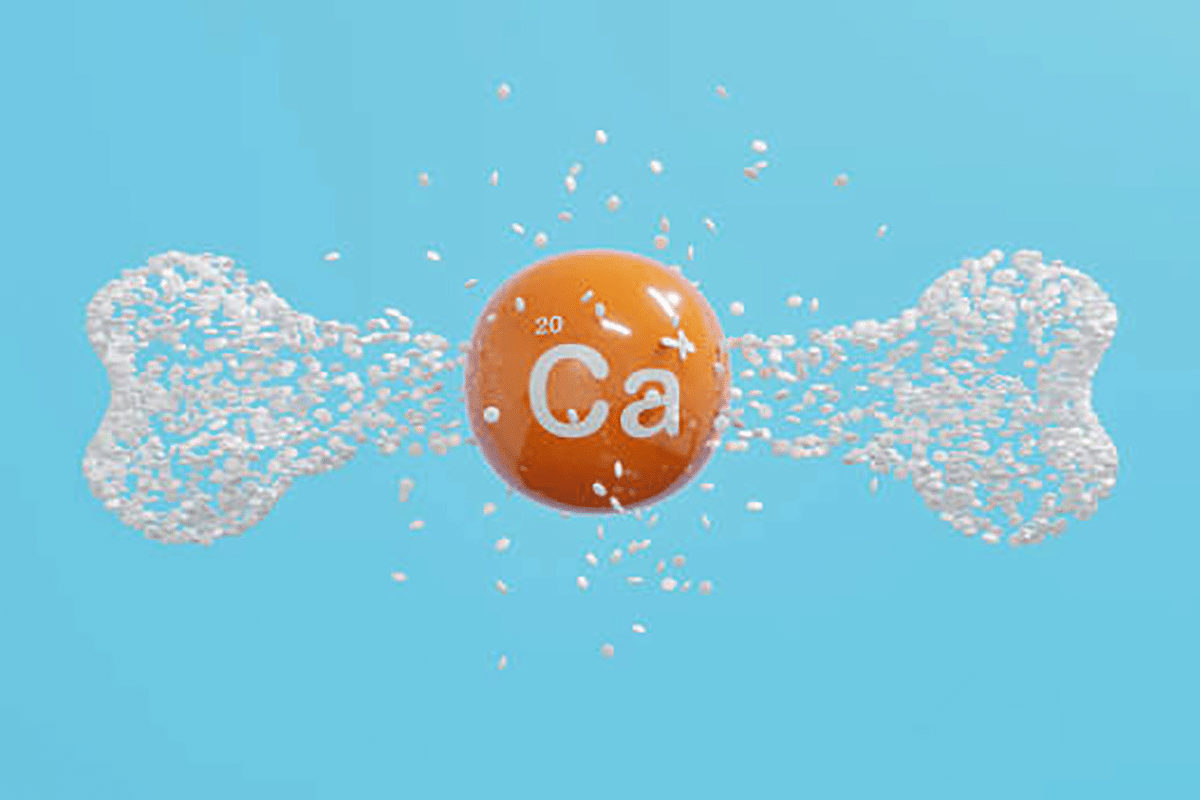
Many people need calcium supplementation for strong bones. Calcium citrate is a top pick because it’s easily absorbed. Some folks might not need vitamin D or have enough from the sun and food.
Yes, you can find calcium citrate without vitamin D. Brands like Celebrate Vitamins, Solaray, and Cooper Complete make these products. You can buy them online or at pharmacies.
Key Takeaways
- Calcium citrate supplements without vitamin D are available from multiple manufacturers.
- You can purchase these supplements through various retail outlets, including online platforms and pharmacies.
- Managing vitamin D levels separately is possible with standalone calcium citrate products.
- Reputable brands like Celebrate Vitamins, Solaray, and Cooper Complete offer calcium citrate without vitamin D.
- Calcium citrate is a popular choice for bone health due to its superior absorption characteristics.
What Is Calcium Citrate and How Is It Made?

Calcium citrate is a type of calcium that’s bound to citric acid. This makes it a special and easily absorbed form of calcium. It’s often used in supplements to support bone health.
The Chemical Composition of Calcium Citrate
Calcium citrate is made from citric acid and calcium through a chemical reaction. Its formula is Ca3(C6H5O7)2. This shows it’s made of calcium and citrate ions.
This mix makes calcium citrate very bioavailable. It’s great for keeping bones strong.
Manufacturing Process and Derivation
To make calcium citrate, calcium and citric acid are mixed in a controlled setting. This ensures the product is pure and of high quality. The making of calcium citrate involves chemical reactions between citric acid and calcium.
The production process is closely watched to meet quality standards.
Purity Standards and Quality Control
Manufacturers follow strict purity standards for calcium citrate. The purity is key for its effectiveness and safety. Quality checks include testing for impurities and checking the chemical makeup.
- Testing for purity and potency
- Verifying chemical composition
- Ensuring compliance with regulatory standards
Calcium Citrate No Vitamin D: Product Availability

There’s a wide range of calcium citrate products available without vitamin D. Many brands offer these supplements, meeting the needs of different consumers.
Popular Brands Offer Standalone Calcium Citrate
Well-known brands like Celebrate Vitamins, Solaray, and Cooper Complete make high-quality calcium citrate supplements. These brands focus on quality and purity in their products.
Celebrate Vitamins has a calcium citrate supplement without vitamin D. It’s perfect for those who need separate vitamin D. Solaray also offers a calcium citrate product that supports bone health without vitamin D.
Typical Formulations and Strengths
Calcium citrate supplements without vitamin D come in different strengths and forms. They range from 200 mg to 650 mg per serving. You can find them in tablets, capsules, or even chewable forms.
Key Formulations:
- 200 mg tablets
- 315 mg capsules
- 650 mg chewable tablets
Price Comparison Across Manufacturers
Prices for these supplements vary based on strength, formulation, and brand. Here’s a comparison of prices for popular brands.
|
Brand |
Product Strength |
Price per Unit |
Number of Servings |
|---|---|---|---|
|
Celebrate Vitamins |
315 mg |
$0.50 |
120 |
|
Solaray |
200 mg |
$0.40 |
100 |
|
Cooper Complete |
650 mg |
$1.00 |
60 |
Prices differ based on brand and product. It’s important to compare prices and consider quality and reputation when choosing.
Calcium Citrate vs. Calcium Carbonate: Key Differences
When looking at calcium supplements, it’s important to know the difference between calcium citrate and calcium carbonate. Each has its own benefits for different needs and health conditions.
Absorption Rates and Bioavailability
Calcium citrate and calcium carbonate differ in how well they are absorbed by the body. Calcium citrate is better absorbed, which is great for people with low stomach acid. It doesn’t need acidic conditions to be absorbed.
Studies show that calcium citrate is better absorbed than calcium carbonate, even for those with low stomach acid. This makes calcium citrate a good choice for more people.
|
Characteristics |
Calcium Citrate |
Calcium Carbonate |
|---|---|---|
|
Absorption Rate |
Higher bioavailability, even with low stomach acid |
Needs stomach acid for best absorption |
|
Food Dependency |
Can be taken without food |
Best with food for better absorption |
|
Gastrointestinal Tolerance |
Generally better tolerated |
May cause stomach issues in some |
Stomach Acid Requirements for Absorption
Calcium carbonate needs stomach acid to be absorbed well. This can be a problem for those with low stomach acid. Calcium citrate doesn’t need stomach acid, making it better for more people.
“Calcium citrate is more soluble and better absorbed than calcium carbonate, even when fasting or in those with achlorhydria.”
Food Dependency for Optimal Absorption
Calcium citrate and calcium carbonate also differ in their need for food to be absorbed well. Calcium carbonate needs food for better absorption. Calcium citrate can be taken without food, making it more flexible.
A study found that calcium citrate absorption isn’t affected by food. This makes it easy for people with different eating schedules.
Health Benefits of Pure Calcium Citrate Supplementation
Calcium citrate is a form of calcium that is easily absorbed by the body. It helps with bone health, dental health, muscle function, and heart health.
Bone Density and Osteoporosis Prevention
Calcium citrate helps keep bones strong and prevents osteoporosis. It’s key for building and keeping bones healthy. This is important for older adults to avoid fractures and osteoporosis.
Dental Health Enhancement
Calcium citrate also boosts dental health. It helps teeth grow and stay healthy. This is vital for preventing tooth decay and other dental problems.
Muscle Function and Nerve Signaling
Calcium citrate is also good for muscle function and nerve signaling. It helps muscles work right and nerves send signals. This is important for how muscles move and nerves communicate.
Cardiovascular System Support
Calcium citrate also helps the cardiovascular system. It keeps the heart beating right and blood pressure in check. This is key for heart health.
The health benefits of calcium citrate are:
- Supports bone density and prevents osteoporosis
- Enhances dental health
- Facilitates proper muscle function and nerve signaling
- Supports cardiovascular health
Why Choose Calcium Supplements Without Vitamin D
Some people choose calcium supplements without vitamin D for health reasons. Nutritional needs differ from person to person. The choice to take calcium without vitamin D depends on one’s health and needs.
Avoiding Excessive Vitamin D Intake
Some may need to limit vitamin D intake due to health issues or too much vitamin D. Calcium supplements without vitamin D help these individuals meet their calcium needs safely. This is key for those with vitamin D sensitivity.
Flexibility in Nutritional Planning
Choosing calcium supplements without vitamin D offers flexibility in nutrition planning. It lets people adjust their supplements based on their diet and health goals. For example, someone getting enough vitamin D from food or sun can add calcium as needed.
Medical Conditions Requiring Separate Supplementation
Some medical conditions need calcium and vitamin D supplements separately. For instance, people with kidney disease may need to watch their vitamin D levels but also need calcium for bones. Having calcium supplements without vitamin D helps these individuals manage their health.
|
Condition |
Calcium Need |
Vitamin D Consideration |
|---|---|---|
|
Osteoporosis |
High |
Monitor levels |
|
Kidney Disease |
Variable |
May need restriction |
|
Vitamin D Toxicity |
Normal |
Avoid excessive intake |
By providing calcium supplements without vitamin D, we meet a variety of health needs. This ensures people can make smart choices about their supplements.
Where to Buy Calcium Citrate Without Vitamin D
Looking for calcium citrate without vitamin D? You have many places to shop. You can buy online or visit a store for a personal touch. Calcium citrate supplements are easy to find.
Pharmacy and Drugstore Options
Pharmacies and drugstores have many calcium citrate options. CVS, Walgreens, and Rite Aid are good places to start. Their staff can help you pick the best one.
Major Pharmacy Chains:
- CVS Pharmacy
- Walgreens
- Rite Aid
Online Retailers and Direct-to-Consumer Brands
Shopping online is convenient. Sites like Amazon, Walmart, and Vitacost have lots of info and reviews. Some brands sell directly to you on their websites.
Benefits of Online Shopping:
- Convenience
- Wide selection
- Customer reviews
Health Food Stores and Specialty Nutrition Shops
Health food stores and specialty shops are also great places to buy. They offer a variety of products and expert advice.
“Health food stores provide a personalized shopping experience and a curated selection of nutritional supplements.” – Nutrition Expert
Price Comparison Across Different Outlets
Prices for calcium citrate vary by store. Here’s a quick look:
|
Retailer |
Price Range |
|---|---|
|
CVS Pharmacy |
$10-$25 |
|
Amazon |
$8-$20 |
|
Vitacost |
$12-$30 |
|
Health Food Stores |
$15-$35 |
Potential Side Effects and Precautions
Calcium citrate supplements have benefits but can also have side effects. Most people find them okay, but some might experience issues, mainly if they don’t follow the instructions.
Knowing about these possible problems helps make calcium citrate supplements safer and more effective.
Digestive Issues Including Calcium Citrate Constipation
One common side effect is digestive problems, like constipation. Calcium citrate constipation happens because calcium slows down how fast you can go to the bathroom.
To help with this, try:
- Drinking more water
- Eating more fiber
- Staying active
Talking to a doctor can give you specific tips on dealing with constipation from calcium citrate.
Medication Interactions to Be Aware Of
Calcium citrate can also affect how well other medicines work. This is because it can change how these medicines are absorbed or how well they work. Some examples include:
|
Medication Type |
Potential Interaction |
|---|---|
|
Antibiotics (e.g., tetracyclines, fluoroquinolones) |
Reduced antibiotic absorption |
|
Thyroid medications |
Interference with thyroid hormone replacement |
|
Bisphosphonates (used for osteoporosis) |
Decreased bisphosphonate absorption |
Always check with your doctor about any possible problems with calcium citrate and your current medicines.
“Patients should be counseled on the proper timing of calcium supplements in relation to other medications to minimize interactions.”
Signs of Calcium Excess or Hypercalcemia
Too much calcium citrate can cause high calcium levels in the blood, known as hypercalcemia. Signs of this include:
- Nausea and vomiting
- Abdominal pain
- Fatigue
- Confusion
If you notice any of these symptoms, stop taking calcium citrate and see a doctor right away.
By understanding these possible side effects and taking the right steps, you can safely use calcium citrate supplements as part of your health routine.
Optimal Dosage and Administration Guidelines
Getting the most from calcium citrate depends on the right dosage and how you take it. Knowing the best amount and how to use it is key to its health benefits.
Recommended Daily Calcium Intake by Age and Gender
The amount of calcium you need changes with age and gender. Here’s a general guide:
|
Age Group |
Gender |
Recommended Daily Calcium Intake (mg) |
|---|---|---|
|
19-50 years |
Male & Female |
1,000 |
|
51-70 years |
Male |
1,000 |
|
51-70 years |
Female |
1,200 |
|
71 years and older |
Male & Female |
1,200 |
Always talk to a healthcare provider to find out your specific calcium needs.
Best Practices for Timing and Administration
For better absorption, take calcium citrate in smaller doses throughout the day. Splitting doses helps keep calcium levels steady.
Here are some tips for taking calcium citrate:
- Take it with or without food, as it’s absorbed well either way.
- Avoid taking it with iron-rich foods or iron supplements, as calcium can block iron absorption.
- Take calcium throughout the day to keep calcium levels consistent.
Splitting Doses for Maximum Absorption
Splitting your daily calcium into two or three doses boosts absorption. This way, your body can use calcium more efficiently.
For example, if you need 1,200 mg a day, try 400 mg three times a day with meals.
By following these tips and getting advice from a healthcare professional, you can get the most from calcium citrate. This helps avoid any unwanted side effects.
The Calcium and Vitamin D Relationship
The connection between calcium and vitamin D is key to keeping our bones strong. Calcium is vital for bone health, but vitamin D helps our bodies absorb it better.
How Vitamin D Facilitates Calcium Absorption
Vitamin D is important for strong bones because it helps our bodies take in more calcium. It makes our gut better at absorbing calcium. This shows how important vitamin D is for using calcium well.
Key ways vitamin D helps with calcium absorption include:
- Boosting the presence of calcium transport proteins
- Making calcium absorption in the gut more efficient
- Helping control calcium levels in the blood
When to Take Vitamin D Supplements Without Calcium
Some people might need vitamin D supplements without calcium. This could be due to a deficiency or certain health issues. It’s also possible if certain medications are involved.
Always talk to a doctor before starting any supplements.
Balancing Independent Supplementation
It’s important to balance calcium and vitamin D supplements. Too much of either can cause problems. So, it’s key to keep an eye on your intake and adjust as needed.
To balance your supplements:
- Get advice from a healthcare professional on what you need.
- Check your calcium and vitamin D levels regularly.
- Change your supplements based on your health and lab results.
Special Populations Who Benefit from Separate Supplementation
Calcium and vitamin D are often taken together. But, some people need them separately. This is because certain groups have special needs for these nutrients. We will look at these groups and why separate supplements are good for them.
Individuals with Vitamin D Toxicity Concerns
Some people might get too much vitamin D, leading to a condition called hypervitaminosis D. This happens when vitamin D levels get too high, causing too much calcium in the blood. Those with conditions like sarcoidosis or certain kidney diseases are at higher risk. For them, taking calcium citrate without vitamin D can help keep bones healthy while avoiding toxicity.
People with Calcium-Sensitive Conditions
Some medical conditions make people more sensitive to calcium. For example, those with kidney stone disease or a history of kidney stones should be careful with calcium. Separate supplements help them manage their calcium intake. Also, people with hyperparathyroidism might benefit from controlled calcium supplements.
Those Following Specific Medical Protocols
Some patients on certain treatments or diets need separate calcium and vitamin D supplements. For instance, those on anticonvulsants or steroids might need to adjust their intake. A doctor might suggest separate supplements to keep nutrient levels right and avoid bad interactions.
The table below shows who might need separate calcium and vitamin D supplements:
|
Population |
Reason for Separate Supplementation |
Benefit |
|---|---|---|
|
Individuals with Vitamin D Toxicity Concerns |
Risk of hypervitaminosis D |
Maintains bone health while minimizing toxicity risk |
|
People with Calcium-Sensitive Conditions |
Conditions like kidney stone disease or hyperparathyroidism |
Allows for careful management of calcium levels |
|
Those Following Specific Medical Protocols |
Medications or treatments that interact with calcium or vitamin D |
Ensures optimal nutrient levels while minimizing interactions |
In conclusion, separate calcium and vitamin D supplements are good for certain groups. Healthcare providers can tailor recommendations based on these unique needs. This helps support the health and well-being of these special populations.
How to Select High-Quality Calcium Citrate Supplements
To find a top-notch calcium citrate supplement, check the product’s credentials and how it’s made. Look for third-party testing, clear ingredient lists, and consider allergens. These factors are key.
Third-Party Testing and Quality Certifications
Third-party testing is vital for quality and purity. Seek out products tested by NSF International or ConsumerLab.com. These groups ensure the supplement’s quality and purity.
Key certifications to look for include:
- NSF International Certification
- ConsumerLab.com Verification
- GMP (Good Manufacturing Practice) Certification
Ingredient Transparency and Label Reading
Transparency in ingredients is essential. Always read the label to avoid fillers and additives. A quality supplement should list all ingredients clearly.
When reading the label, consider the following:
- The amount of elemental calcium per serving
- The presence of any allergens or sensitivities
- The type of calcium citrate used (e.g., calcium citrate malate)
Fillers, Additives, and Allergen Considerations
Be cautious of fillers and additives, as they can cause issues. Opt for supplements with fewer ingredients. Also, look for hypoallergenic or allergen-friendly options.
“The cleaner the label, the better. Avoid products with unnecessary fillers, artificial colors, or flavors.” – Expert in Dietary Supplements
Tablet Size and Coating for Easier Consumption
The size and coating of the tablet matter for ease of use. Choose supplements with smaller tablets or easy-to-swallow coatings. Some offer vegetarian or vegan capsules too.
Considerations for tablet size and coating include:
- Ease of swallowing
- Presence of a coating to reduce stomach upset
- Vegetarian or vegan options
Conclusion
Calcium citrate supplements without vitamin D are easy to find. They help a lot with bone health and overall well-being. We’ve looked at where you can buy these supplements and why they’re important.
Choosing the right calcium citrate supplement is key. Look for products that are pure and don’t have extra additives. This helps support your bones and overall health, even if you need to take calcium and vitamin D separately.
Knowing how to use calcium citrate supplements without vitamin D is important. It helps you make smart choices for your bone health. Always talk to a healthcare professional to find the best supplement plan for you. This ensures you get the best care for your bones and overall health.
FAQ
What is calcium citrate made from?
Calcium citrate comes from citric acid and calcium carbonate or calcium hydroxide. A chemical reaction creates it.
Can you buy calcium citrate without vitamin D?
Yes, many brands sell calcium citrate without vitamin D. This is good for those who just need calcium.
Is calcium citrate better absorbed than calcium carbonate?
Yes, calcium citrate is better absorbed than calcium carbonate. This is true for people with low stomach acid or on acid-reducing meds.
What are the benefits of taking calcium citrate supplements?
Calcium citrate helps keep bones strong and prevents osteoporosis. It also improves dental health and supports muscles and nerves. Plus, it’s good for the heart.
Why would someone choose a calcium supplement without vitamin D?
Some choose supplements without vitamin D to avoid too much vitamin D. It’s also for flexibility in diet planning or medical reasons.
Can you take vitamin D without calcium?
Yes, you can take vitamin D without calcium. It’s recommended for those needing vitamin D but not extra calcium.
What are the signs of calcium excess or hypercalcemia?
Too much calcium can cause nausea, vomiting, and constipation. You might also feel tired, have stomach pain, or even confusion and heart rhythm problems.
How should calcium citrate supplements be taken for maximum absorption?
Take calcium citrate in divided doses, with or without food. Always follow the dosage instructions from the maker or doctor.
What is the recommended daily intake of calcium by age and gender?
Calcium needs change with age and gender. Adults usually need 1,000 to 1,200 mg a day. Needs vary based on health and menopause status.
Are there any interactions between calcium citrate and medications?
Yes, calcium citrate can affect some medicines like antibiotics and thyroid meds. Always talk to a doctor before starting supplements.
How do I choose a high-quality calcium citrate supplement?
Look for supplements that have third-party testing and clear labels. Choose products from trusted companies that follow good manufacturing practices (GMPs).
What is the difference between calcium citrate and calcium carbonate?
Calcium citrate is better absorbed, even with low stomach acid. Calcium carbonate needs stomach acid for best absorption.
Reference
National Center for Biotechnology Information. Evidence-Based Medical Guidance. Retrieved from https://www.ncbi.nlm.nih.gov/pmc/articles/PMC2669834/



 Departments
 Related Videos
 Our Doctors
 News
News