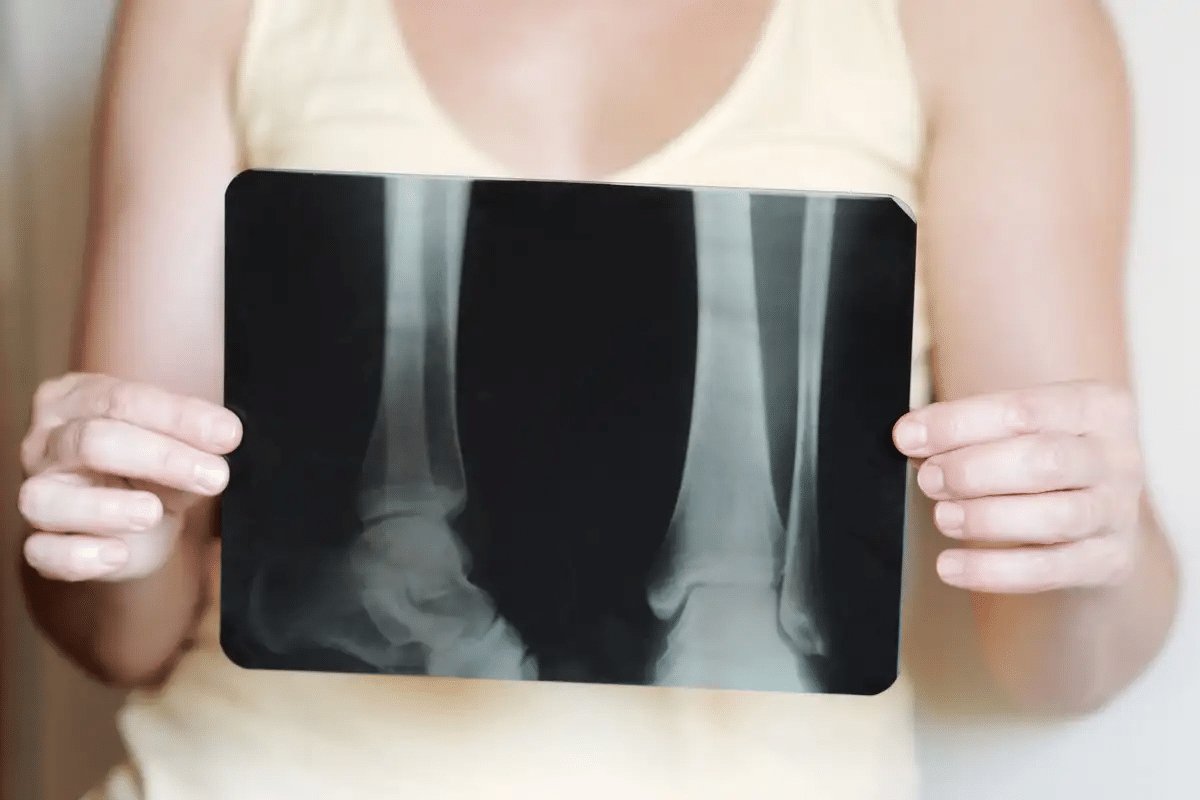
Can a bone density scan show cancer? Uncover the real facts about bone densitometry and its role in diagnosing serious skeletal conditions. Many patients ask if a bone density scan can find cancer. The answer is clear: these scans are not made to spot tumors.
A DEXA scan, or dual-energy X-ray absorptiometry, mainly checks bone mineral density. It helps figure out the risk of osteoporosis and fractures. At Liv Hospital, we make sure to give the right info about tests. This way, patients get the best and most accurate tests.
Bone density testing is key for checking bone health. But, it doesn’t have the tech needed to find cancer. We’ll look into what DEXA scans can and can’t do for cancer detection. We’ll also talk about the big difference between bone density scans and methods for finding cancer.
Key Takeaways
- Bone density scans are not designed to detect cancer.
- DEXA scans measure bone mineral density to assess osteoporosis risk.
- Liv Hospital provides accurate information about diagnostic tools.
- Bone density testing is essential for assessing bone health.
- Advanced imaging capabilities are needed to diagnose cancer.
Understanding Bone Density Scans
Bone density scans are key in healthcare. They help check how healthy your bones are. These scans are also known as DEXA (Dual-Energy X-ray Absorptiometry) scans.
What is a DEXA/DXA Scan?
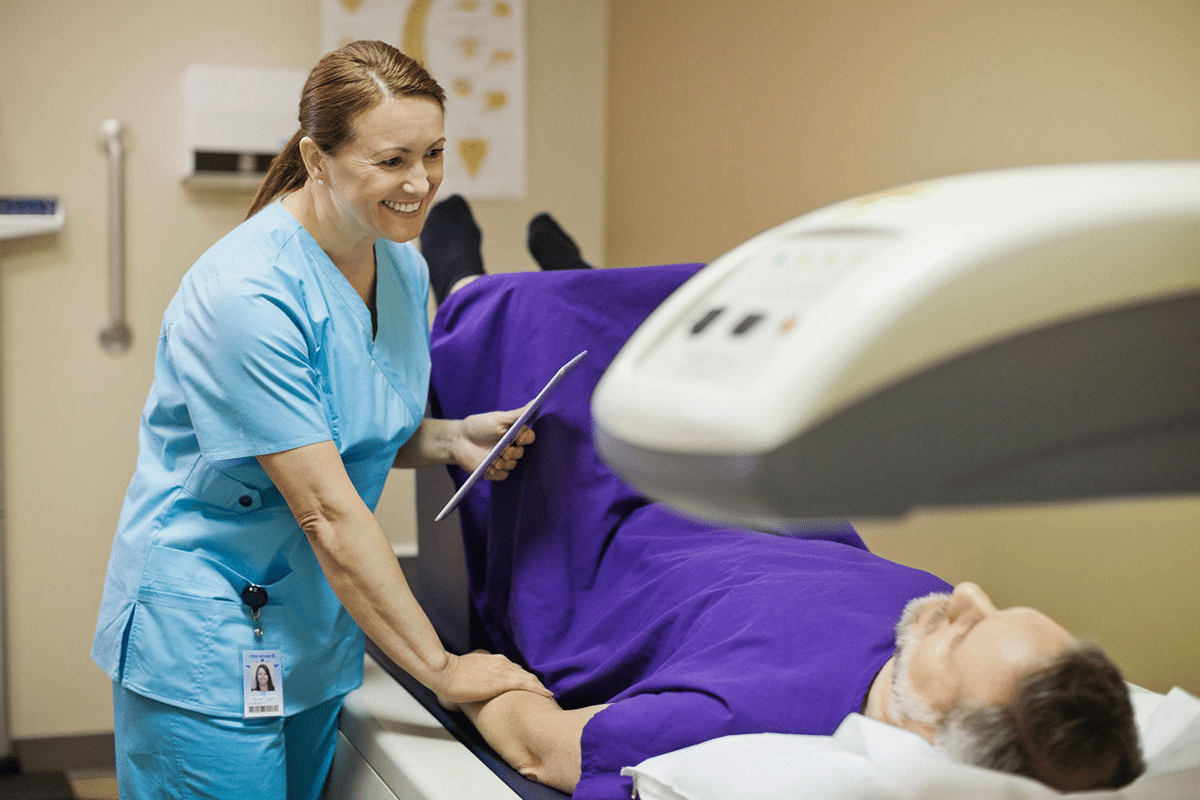
A DEXA scan is a non-invasive test. It uses low doses of X-rays to see your bones. The radiation is like what you get from daily life for about 3 hours.
This test is mainly for checking bone mineral density (BMD). It helps find osteoporosis and see if you might break a bone.
How Bone Density Scans Work
Bone density scans measure your bone density with X-rays. They compare your bones to a healthy young adult’s. This gives a score, called a T-score, that shows your bone health.
The scan is quick, taking less than 10 minutes. It’s painless. You lie on a table while a scanner moves over your body, focusing on areas like the spine or hip.
Common Reasons for Prescribing Bone Density Tests
These tests are often given to those at risk of osteoporosis. This includes postmenopausal women, older adults, and those with a family history of osteoporosis. They are also given to people on long-term steroids and those with conditions like rheumatoid arthritis.
|
Reason for Prescription |
Description |
|---|---|
|
Postmenopausal Women |
Hormonal changes can lead to bone loss. |
|
Older Adults |
Aging is associated with decreased bone density. |
|
Family History |
Genetic predisposition to osteoporosis. |
|
Long-term Steroid Use |
Steroids can affect bone density. |
Understanding bone density scans helps us see their importance in keeping bones healthy. They are not for finding cancer but are key in managing osteoporosis.
The Primary Purpose of Bone Density Scanning
Bone density scans are key in healthcare. They help check how healthy our bones are.
These scans measure bone mineral density (BMD). BMD shows how strong our bones are. It also helps spot risks.
Measuring Bone Mineral Density
DEXA scans measure BMD. They compare it to a young adult’s BMD. This gives a T-score.
The T-score shows if bones are healthy or not. A score between -1 and -2.5 means bones are weak.
This score is important. It helps doctors see if someone might get osteoporosis or break bones.
Assessing Osteoporosis Risk
Osteoporosis makes bones weak. It’s more likely to break. Doctors look at BMD, medical history, and other factors to see the risk.
Knowing the risk early helps a lot. It means we can start treatments early. This can make a big difference in how well someone does.
Evaluating Fracture Risk
Scans also check how likely someone is to break a bone. Doctors look at BMD and other things to guess this.
This helps doctors and patients make better choices. It helps lower the chance of breaking bones and other problems.
Can a Bone Density Scan Show Cancer?
Bone density scans are great for checking bone health but not for finding cancer. They are mainly used to see if you have osteoporosis. They can’t find cancer because they’re made to look at bone density and body fat.
Limitations of DEXA Technology for Cancer Detection
DEXA scans can’t find cancer because they’re made to measure bone and body fat. The International Society for Clinical Densitometry says DEXA scans can’t replace tests like biopsies for cancer. They can’t see tumors or cancer cells well.
Medical Expert’t tell apart different bone problems. This shows why they’re best for checking bone density and osteoporosis risk.
Why Bone Density Scans Aren’t Designed for Tumor Visualization
Bone density scans are made to measure bone density, not find tumors. They use X-rays to see bone and soft tissue but can’t spot cancer changes. So, using only DEXA scans for cancer could miss some cases.
- DEXA scans can’t find small tumors or early cancer.
- They can’t tell if a bone problem is cancer or not.
- The main goal of DEXA scans is to check bone health, not cancer.
Research on DEXA Scan Capabilities and Cancer
Studies have looked into if DEXA scans can find cancer signs, but they’re not reliable. A study in the Journal of Bone and Mineral Research found DEXA scans might show odd density patterns. But these patterns don’t always mean cancer and need more checking.
“DEXA scans are not a replacement for dedicated cancer imaging modalities like PET or CT scans,” according to Medical Expert, a researcher in the field of bone health and cancer imaging.
In short, bone density scans are good for bone health but not for finding cancer. Patients and doctors should know this. They should use DEXA scans with other tests as needed.
Incidental Findings in Bone Density Scans
Bone density scans are mainly for checking osteoporosis risk. But, they sometimes find unexpected things that need more looking into. These surprises can be important, spotting problems that might have been missed.
Unusual Density Patterns That May Raise Concerns
Bone density scans measure bone health. Sometimes, they show unusual density patterns not linked to osteoporosis. These patterns might point to other bone issues or problems that need a closer look.
Medical Expert, a radiologist, says, “Incidental findings on bone density scans can be a challenge, but they also present an opportunity to detect issues early on.”
“The key is to strike a balance between investigating these findings further and avoiding unnecessary additional testing.”
When Further Investigation Is Warranted
Not every incidental finding needs more action. But, some red flags might mean more tests or checks are needed. For example, if a scan shows a possible vertebral fracture or unusual bone density, doctors might do more imaging to look into it.
Some scans, like Vertebral Fracture Assessment (VFA), check for vertebral compression fractures. If VFA finds a fracture or unusual change, more investigation is likely to find the cause and right treatment.
Case Studies of Incidental Discoveries
There are many stories where bone density scans found big health problems by accident. A study in the Journal of Bone and Mineral Research talked about DEXA scans finding unexpected vertebral fractures. This led to finding and treating the real cause.
These stories show how important it is to check bone density scan results carefully. This way, doctors can spot problems early, helping patients get better sooner.
Types of Bone Cancer and Their Detection Methods
Bone cancer is not just one disease; it’s many types that need different ways to find them. Knowing these differences helps doctors diagnose and treat them right.
Primary Bone Cancers
Primary bone cancers start in the bone itself. The most common are osteosarcoma, chondrosarcoma, and Ewing’s sarcoma. Finding these cancers accurately is key to treating them well.
Osteosarcoma is a very aggressive tumor that makes bone matrix. It needs strong treatments like surgery and chemo. Chondrosarcoma comes from cartilage cells and can be less aggressive. Ewing’s sarcoma is rare and fast-growing, found in bones or soft tissue.
Metastatic Bone Cancers
Metastatic bone cancers spread from other cancers to the bones. They often come from breast, prostate, or lung cancers. Finding these cancers needs special imaging to spot both the main cancer and its spread.
|
Cancer Type |
Common Primary Sites |
Typical Imaging Techniques |
|---|---|---|
|
Osteosarcoma |
Bones (e.g., femur, tibia) |
X-ray, MRI, CT |
|
Chondrosarcoma |
Pelvis, femur, humerus |
X-ray, MRI, CT |
|
Ewing’s Sarcoma |
Bones, soft tissue |
MRI, CT, PET |
|
Metastatic Bone Cancer |
Breast, prostate, lung |
Bone scan, PET, MRI |
Why These Cancers Require Specialized Imaging
Both primary and metastatic bone cancers need special imaging to find and understand them. MRI, CT scans, and PET scans give detailed views of the cancer. This helps doctors plan the best treatment.
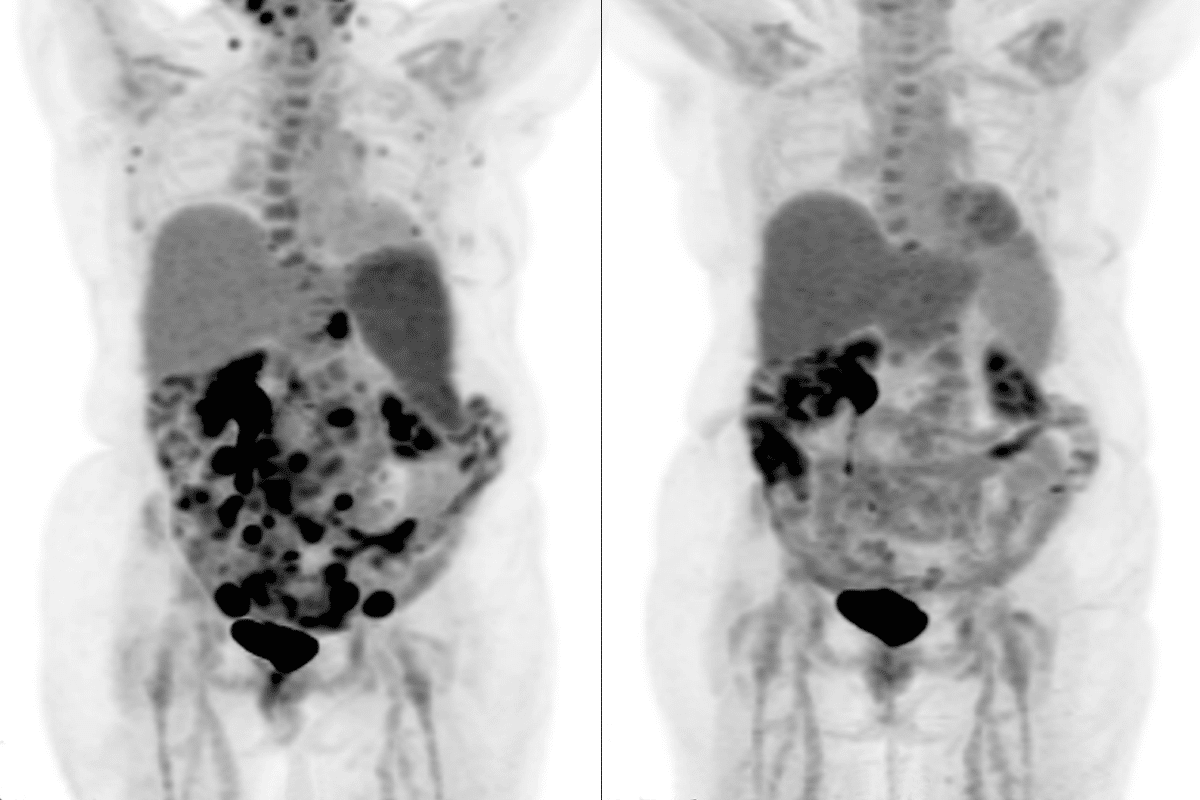
MRI is great for seeing soft tissue and bone marrow. CT scans show bone details and help check bone damage. PET scans show where cancer is active, helping doctors target treatments.
Knowing how each imaging method works is key to treating bone cancer well. We use these advanced tools to give our patients the right diagnosis and treatment plan.
Imaging Technologies Specific for Cancer Detection
Many imaging methods are key in finding cancer. They give doctors detailed views of the body’s inside. This helps them spot cancer more accurately.
X-rays and Their Role in Initial Bone Assessment
X-rays are often the first choice for checking bones. They help find bone fractures and some abnormalities. Though not as good for soft tissues, X-rays can spot big bone issues or tumors.
We start with X-rays because they’re fast, easy to get, and show bone structure well.
CT Scans for Detailed Bone Imaging
CT scans are a big step up from X-rays. They give detailed 3D images of the body’s inside. This is key for finding bone cancer.
They’re great for seeing how much bone is involved and finding small tumors that X-rays miss.
MRI for Soft Tissue and Bone Marrow Evaluation
MRI is top-notch for soft tissues and bone marrow. It shows body structures clearly without harmful radiation. MRI is key for seeing how big tumors are in bones and soft tissues.
It’s vital for planning cancer treatment and checking how well it’s working.
PET Scans for Metabolic Activity
PET scans show where the body’s most active. Cancer cells use more energy than normal cells. This makes PET scans great for finding cancer and seeing how it spreads.
They also help check if cancer treatments are working.
In summary, many imaging tools are vital for finding cancer. Knowing what each can do helps doctors pick the best ones for diagnosis and treatment.
The Diagnostic Journey: From Bone Density Concerns to Cancer Screening
If a bone density scan shows abnormal results, doctors might suggest more tests. This is usually when the scan shows unusual patterns or densities. These could mean anything from osteoporosis to serious conditions like cancer.
When Doctors Recommend Additional Testing
Doctors might recommend more tests if the scan shows areas of concern. This could be unusual lesions or big changes in bone density. Additional testing can include a range of diagnostic tools to get a clearer picture of the patient’s condition.
Deciding on more tests is a big decision. It’s based on the patient’s medical history, current symptoms, and the initial scan results. The goal is to find and fix any issues quickly.
The Diagnostic Pathway for Suspected Bone Abnormalities
The path to diagnosing bone abnormalities involves several tests. These tests aim to fully understand the patient’s condition. This may include:
- Plain X-rays to check the bone structure and spot any obvious issues.
- CT scans for detailed images of the bone and surrounding tissue.
- MRIs to look at the soft tissue and bone marrow.
- PET scans to see how active the bone is metabolically.
Each test gives important information. Together, they help doctors figure out what’s causing the bone density concerns.
Patient Experience and Timeline Expectations
The diagnostic journey can be stressful and uncertain for patients. Knowing what to expect can help ease some of that worry. The whole process from the first scan to the diagnosis can take weeks to months. It’s key for patients to keep in touch with their healthcare providers during this time.
“The key to navigating the diagnostic journey is open and honest communication between patients and their healthcare team.”
Medical Expert
By working together, patients and healthcare providers can make the diagnostic process smoother. This leads to an accurate diagnosis and the right treatment plan.
Common Misconceptions About Bone Density Scans and Cancer
Many patients think bone density scans can find cancer. But, these scans, like DEXA scans, have limits. They are key for checking bone health but not for finding cancer. We want to clear up what bone density scans can and can’t do.
Debunking Myths About DEXA Scan Capabilities
DEXA scans are great for checking bone density and body shape. But, they can’t find cancer. One common myth is that a DEXA scan can identify tumors or cancerous growths in the bone. This is not true. They can show unusual bone density, but can’t tell what’s causing it.
It’s important to know DEXA scans only show a part of bone health. They help find osteoporosis but can’t spot cancer.
Understanding the Difference Between Density Changes and Tumors
Bone density changes can happen for many reasons, like osteoporosis or cancer. But, density changes alone don’t mean there’s a tumor. DEXA scans can spot density changes, but can’t say what’s causing them.
A drop in bone density might mean osteoporosis or a fracture. An increase could be many things, like bone metastasis. To know why bone density is off, more tests like CT, MRI, or PET scans are needed.
Why Low Bone Density Doesn’t Necessarily Indicate Cancer
Low bone density is a big worry, mainly for older people. It’s true some cancers can lower bone density. But, low bone density doesn’t always mean cancer. Osteoporosis and cancer are different and need different tests to diagnose.
A DEXA scan showing low bone density doesn’t mean cancer. If there’s worry about bone health or cancer, doctors will suggest more tests.
We hope to clear up what bone density scans can do. While they’re great for checking bones, they’re just one tool. They help in many health issues, including cancer.
Conclusion
We’ve looked into how bone density scans help check bone health. They have limits when it comes to finding cancer. DEXA scans are great for measuring bone density and spotting osteoporosis risk. But they’re not made to find cancer.
It’s key to know DEXA scans can’t replace cancer screening. Always follow your doctor’s advice and national health guidelines for cancer tests. For finding cancer, MRI, CT, and PET scans are used instead.
Knowing how to use these tests helps keep us healthy. So, can a bone density scan show cancer? No, but it’s very useful for checking bone health.
FAQ
Will a bone density test show bone cancer?
No, a bone density test is not designed to detect bone cancer. It measures bone mineral density to assess osteoporosis risk and fracture risk.
Can a bone density scan detect cancer?
No, bone density scans are not capable of detecting cancer. They are used to measure bone mineral density and assess bone health.
Does a DEXA scan show bone cancer?
No, DEXA scans are not designed to show bone cancer. They are used to measure bone mineral density and assess osteoporosis risk.
Can a DEXA scan show cancer?
No, DEXA scans are not capable of showing cancer. They are limited to measuring bone mineral density.
What is the primary purpose of a bone density scan?
The primary purpose of a bone density scan is to measure bone mineral density, assess osteoporosis risk, and evaluate fracture risk.
Can a bone density test detect cancer?
No, bone density tests are not designed to detect cancer. Other imaging technologies like MRI, CT, and PET scans are used for cancer detection.
Why can’t DEXA scans detect cancer?
DEXA scans are not designed to detect cancer because they use low-dose X-rays to measure bone mineral density, not to visualize tumors or cancerous tissues.
What imaging technologies are used for cancer detection?
Imaging technologies like X-rays, CT scans, MRI, and PET scans are used for cancer detection, each with its unique strengths and suited for different aspects of cancer diagnosis.
Can incidental findings in bone density scans indicate cancer?
While rare, incidental findings in bone density scans may raise concerns and lead to further investigation. But DEXA scans are not a reliable method for detecting cancer.
What happens if a bone density scan shows unusual density patterns?
If a bone density scan shows unusual density patterns, further investigation may be warranted to determine the cause. This may involve additional imaging tests or diagnostic procedures.
Are bone density scans used to diagnose bone cancer?
No, bone density scans are not used to diagnose bone cancer. Specialized imaging techniques like MRI, CT, and PET scans are used to detect and diagnose bone cancer.
Can low bone density indicate cancer?
No, low bone density does not necessarily indicate cancer. It is a risk factor for osteoporosis and fractures, but other diagnostic tests are needed to detect cancer.
References
National Center for Biotechnology Information. Evidence-Based Medical Guidance. Retrieved from https://www.ncbi.nlm.nih.gov/pmc/articles/PMC5626919/
Government Health Resource. Bone Density Scans: Ineffective for Cancer Detection. Retrieved from https://www.nice.org.uk/guidance/cg146