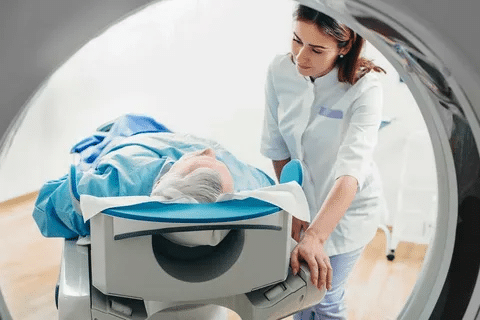
Can a bone density test detect cancer? Read the best medical insights on what DEXA scans reveal about your skeletal health and potential risks. Many patients wonder if a routine bone density test can spot cancer. They often ask about DEXA scans’ ability to find tumors. While bone density testing is great for checking bone health, it mainly helps diagnose osteoporosis.
DEXA scans use low-dose X-rays to measure bone mineral density and strength. They help figure out the risk of fractures. But, these tests aren’t made to detect cancer or find tumors.
Knowing what bone density testing can and can’t do helps patients choose the right tests.
Key Takeaways
- Bone density tests are used to assess bone health and diagnose osteoporosis.
- DEXA scans measure bone mineral density and strength.
- Bone density tests are not designed to detect cancer.
- DEXA scans cannot directly identify tumors or malignancies.
- Understanding the limitations of bone density testing is key for making smart choices.
What is a Bone Density Test?
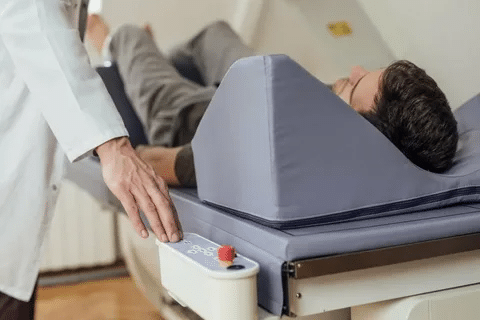
A bone density test is a key tool for checking bone health. It measures the density of bones, usually in the hip and spine. This helps diagnose conditions like osteoporosis.
Definition and Primary Purpose
A bone density test, also known as a DEXA scan or DXA scan, uses X-rays to check bone mineral content. Its main goal is to spot osteoporosis and predict fracture risks.
Types of Bone Density Tests
There are several bone density tests, but the DEXA scan is the most common. Other tests include:
- Central DXA: Checks bone density in the hip and spine.
- Peripheral DXA: Examines bone density in the heel, forearm, or finger.
- Quantitative Computed Tomography (QCT): Looks at spine bone density.
The DEXA scan is favored for its high accuracy and low radiation. Here’s a look at radiation from different sources:
|
Source |
Radiation Exposure (mrem) |
|---|---|
|
DEXA Scan |
1-5 |
|
Chest X-ray |
10 |
|
Flight from LA to NY |
2-5 |
Bone density tests are vital for diagnosing osteoporosis and predicting fracture risks. Knowing about the different tests helps individuals prepare for their bone health checks.
How Bone Density Tests Work
Bone density tests are key to understanding bone health. They use DEXA scans to check for osteoporosis. This technology is vital for diagnosing bone-related issues.
DEXA Scan Technology and Procedure
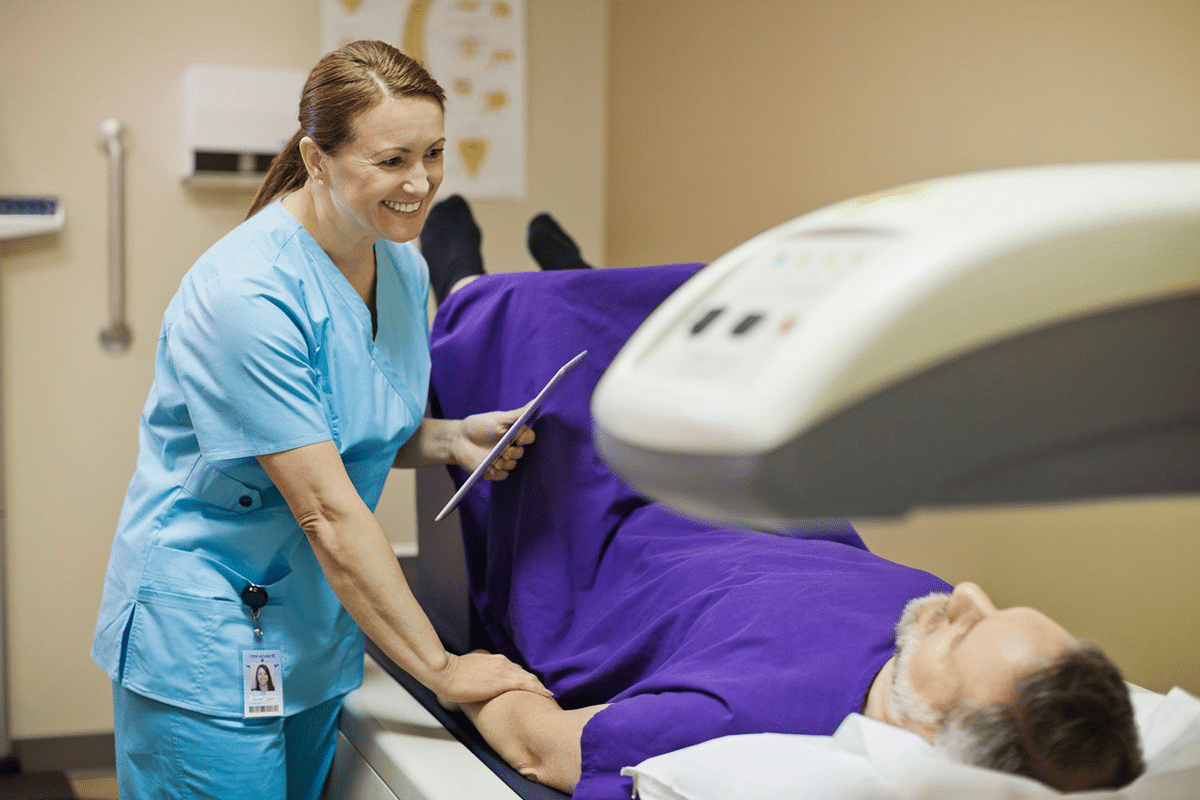
A DEXA scan uses low-dose X-rays to measure bone density. It sends two X-ray beams through the body, usually at the spine, hip, or forearm. This method is accurate because it compares how the beams are absorbed.
The test is quick and doesn’t hurt. Patients lie on a table while the X-rays are taken. The results help doctors check bone health and predict fracture risks.
Measurements and Data Collection
The scan’s data helps calculate bone mineral density (BMD). It’s compared to a healthy young adult’s BMD. This comparison is called a T-score, which is key for diagnosing osteoporosis.
The precision of DEXA scans is why they’re so important for osteoporosis management. They help doctors make better care plans for patients.
Also, the low dose of radiation in DEXA scans makes them safe. This is good for patients who need to be tested many times.
Normal Uses of Bone Density Testing
We use bone density testing to check for osteoporosis and to see who might break bones. These tests are key in keeping bones healthy. They help us find people at risk and help them before it’s too late.
Osteoporosis Screening and Diagnosis
Osteoporosis makes bones weak, leading to more breaks. Women over 65 should get tested, and those between 50 and 64 with risk factors should too. Bone density testing is the best way to find osteoporosis, by checking bone mineral density (BMD).
Fracture Risk Assessment
Bone density tests also help figure out who might break bones. They look at BMD to see the risk. Doctors then plan how to lower that risk, with changes in lifestyle, medicine, or more.
These tests help us spot who might get osteoporosis or break bones. This lets us act early to keep bones strong. It makes life better for our patients and cuts down on breaks and problems.
Understanding Test Results
It’s important to understand your bone density test results. These results show how your bones compare to a healthy young adult or someone of your age, sex, and size.
T-scores and Z-scores Explained
Your test results will show two scores: the T-score and the Z-score. The T-score compares your bone density to a healthy young adult of the same sex. It shows how much your bone density is different from the average of a young adult.
The T-score is key for diagnosing osteoporosis. Here’s how it’s categorized:
- A T-score of -1.0 or above is normal.
- A T-score between -1.0 and -2.5 means you have low bone mass (osteopenia).
- A T-score of -2.5 or lower means you have osteoporosis.
The Z-score compares your bone density to others of the same age, sex, and size. A Z-score of -2.0 or lower means your bone density is lower than expected for your age. This could be due to health conditions.
Interpreting Your Results
Understanding your bone density test results means knowing both the T-score and Z-score. The T-score is mainly used for osteoporosis diagnosis. But the Z-score offers more insights, like if you’re younger or have health issues.
Your healthcare provider will look at your test results and other factors. They’ll consider your medical history, lifestyle, and risk for osteoporosis. This helps them give a full picture of your bone health.
Knowing your bone density test results helps you take care of your bones. You can eat right, exercise, and talk to your doctor about medication if needed.
Can a Bone Density Test Detect Cancer?
Bone density tests are great for checking bone health. But, they’re not good at finding cancer. They mainly look at bone mineral density (BMD) to see if you might get osteoporosis or fractures.
DEXA scans are used to check bone health. They measure BMD in places like the hip and spine. But, they’re not made to find cancer.
Limitations of DEXA Scans for Cancer Detection
DEXA scans can’t find cancer because of their low resolution. They can’t spot the small changes in bone density that tumors cause.
They also look at a big area, not small spots. So, they can’t reliably find cancer.
Why Bone Density Tests Cannot Directly Identify Tumors
Bone density tests can’t find tumors because they’re not made for that. They’re all about measuring BMD, not finding cancer signs.
Also, tumors might not change BMD enough for DEXA scans to see. So, using these tests alone for cancer detection can be wrong or late.
In short, bone density tests are good for bone health but not for cancer. If you think you might have cancer, talk to a doctor about the right tests.
When Bone Density Tests Might Raise Cancer Concerns
DEXA scans are not used to diagnose cancer. But, they might show findings linked to cancer. We’ll look at when bone density tests could suggest cancer, like unusual patterns or unexpected results.
Unusual Patterns and Unexpected Findings
Bone density tests mainly check bone health. But, they can sometimes show odd bone loss patterns or unexpected results. For example, a DEXA scan might show an odd bone density spread or unexpected bone lesions. These signs are not sure signs of cancer, but they might lead doctors to suggest more tests.
Some DEXA exams also check the spine for fractures. This is called Vertebral Fracture Assessment (VFA). If VFA finds a fracture or unusual change, doctors might order more tests to check it out.
Incidental Findings That Prompt Further Investigation
Incidental findings on bone density tests can sometimes point to conditions other than osteoporosis. These findings are not a cancer diagnosis. They just mean more tests might be needed to find out what’s causing the changes.
If a bone density test shows odd patterns or findings, doctors will usually suggest more tests. These could be MRI or CT scans, or other tests to check bone health and rule out cancer or other issues.
We stress that bone density tests are just one tool for checking health. If a test suggests cancer, it’s key to get the recommended tests to figure out what’s going on.
Types of Cancer That Can Affect Bone Density
Cancer can greatly affect bone density. Knowing which cancers do this is key to managing them well. Some cancers can directly or indirectly harm bone health, changing bone density.
Primary Bone Cancers
Primary bone cancers start in the bones. They are less common than other cancers but can really hurt bone density.
- Osteosarcoma: A common primary bone cancer, often found in long bones.
- Chondrosarcoma: Comes from cartilage cells and can be in many bones, like the pelvis and legs.
- Ewing’s Sarcoma: A rare and aggressive bone cancer that can happen in any bone.
Metastatic Cancers That Spread to Bone
Metastatic cancers are more common than primary bone cancers. They happen when cancer cells from other parts of the body reach the bones. These cancers can greatly change bone density and health.
|
Cancer Type |
Common Sites of Metastasis |
Effect on Bone Density |
|---|---|---|
|
Breast Cancer |
Spine, Ribs, Pelvis |
Often causes osteolytic lesions, reducing bone density. |
|
Prostate Cancer |
Pelvis, Spine, Femur |
Typically causes osteoblastic lesions, increasing bone density. |
|
Lung Cancer |
Spine, Ribs, Femur |
Can cause both osteolytic and osteoblastic lesions, affecting bone density variably. |
If your doctor is worried about bone lesions or cancer spreading, they might use imaging tests. These include plain X-ray, CT or MRI, PET/CT, or a nuclear medicine bone scan. Knowing which cancers can affect bone density is vital for understanding the complex link between cancer and bone health.
Proper Diagnostic Tests for Bone Cancer
Several tests are key in finding bone cancer. They help doctors know if you have it and how far it has spread. This info is vital for making a good treatment plan.
Advanced Imaging Tests
Advanced imaging tests are very important for finding bone cancer. The best scan for spotting bone cancer early is an MRI scan. It uses magnets and radio waves to show detailed 3D images of your body. MRI scans can show where, how big, and how far the tumor is.
Other tests used to find bone cancer include:
- CT scans: Give detailed pictures of the body, showing tumors and how they affect nearby tissues.
- X-rays: Used first to see bone problems, but they don’t show as much detail as MRI or CT scans.
- PET scans: Check how active tumors are and can find cancer in other parts of the body.
Biopsy and Other Definitive Tests
Even with imaging tests, a biopsy is usually needed for a sure diagnosis of bone cancer. A biopsy takes a tissue sample from the tumor. It’s then checked for cancer cells. There are different biopsies, like needle or surgical, based on the tumor’s location.
Other tests that help confirm the diagnosis include:
- Histopathological examination: A pathologist looks at the biopsy to find out the cancer type and grade.
- Molecular tests: Check the tumor’s genetic or molecular makeup to help choose treatments.
Together, these tests give a full picture of the bone cancer. This lets doctors create a treatment plan that fits the patient’s needs.
Bone Density Tests for Cancer Patients
Bone density tests are important for cancer patients. They help track bone health during treatment. Some cancer treatments can harm bone density, so it’s key to keep an eye on it.
Monitoring Bone Health During Cancer Treatment
Cancer treatments, like chemotherapy and hormone therapy, can hurt bone health. Regular bone density tests are vital. They help doctors watch how treatments affect bones.
Some treatments can cause bone loss or osteoporosis. This raises the chance of fractures. By checking bone density, doctors can spot problems early. They can then take steps to prevent bone loss.
Cancer Treatments and Bone Density Management
Different cancer treatments affect bones in different ways. For example, treatments that lower hormone levels can cause bone loss. Understanding these effects is key to managing bone health.
Doctors might suggest changes in diet and exercise to help bones. In some cases, they might prescribe medicine to prevent bone loss. Regular bone density tests help guide these strategies.
Adding bone density monitoring to cancer care is beneficial. It helps patients manage their cancer and bone health better. This approach ensures patients get the care they need for both conditions.
When to Seek Further Testing
If you’re feeling certain symptoms or have risk factors, you might need more tests. It can feel overwhelming, but knowing what to do is key to your health.
Warning Signs That Require Additional Screening
Some signs mean you might need more tests than just a bone density scan. These include:
- Unexplained bone pain: If you have pain in your bones or joints without a clear reason.
- Recent fractures: Having a fracture from a small accident might show bone health problems.
- Family history: If your family has osteoporosis or fractures, you might be at higher risk.
- Medication-related risks: Some medicines, like steroids, can harm your bones.
Knowing these risks can help you and your doctor decide if more tests are needed. It’s always better to err on the side of caution when it comes to your health.
Discussing Concerns With Your Doctor
If you’re worried about your bones or have noticed any warning signs, talk to your doctor. Here’s how to have a good conversation:
- Be prepared: Write down your symptoms, medical history, and any questions you have.
- Ask about risk factors: Talk about your family history, lifestyle, and any medicines that might affect your bones.
- Discuss testing options: Find out if more tests like advanced imaging or biopsies are needed.
By being proactive and talking to your doctor, you can make sure you’re taking the right steps for your bone health. We suggest being open and honest about your health to get the best diagnosis and treatment plan.
Conclusion
We’ve looked into how bone density tests help check bone health and their limits in finding cancer. In short, tests like DEXA scans are great for tracking bone density and body shape. But they’re not made for finding cancer.
It’s key to know what bone density tests are for. They’re essential for spotting osteoporosis and figuring out fracture risks. They give us important info on bone health, but they can’t replace cancer detection tests.
For finding cancer, we need special tests like advanced imaging and biopsies. It’s vital to use the right tools for the right job. If you’re worried about bone health or cancer, talk to your doctor. They can guide you on what to do next.
To wrap it up, bone density tests are vital for bone health but can’t replace cancer screening. Knowing what DEXA scans and other tests can do helps us take care of our health. This way, we can make smart choices about our health care.
FAQ
Will a bone density test show bone cancer?
A bone density test is not made to find bone cancer. It gives important info on bone health but can’t diagnose cancer.
Can a DEXA scan detect cancer?
No, a DEXA scan is not good for finding cancer. It mainly checks bone density and helps diagnose osteoporosis.
Does a bone density scan show cancer?
Usually, a bone density scan doesn’t show cancer. But, it might find unusual patterns that need more checking.
Can a bone density test detect bone cancer?
No, a bone density test can’t find bone cancer. You need specific tests like MRI or CT scans and biopsy for a correct diagnosis.
What types of cancer can affect bone density?
Primary bone cancers and cancers that spread to bone can change bone density. Knowing about these cancers helps understand how cancer and bone health are linked.
Are bone density tests useful for cancer patients?
Yes, bone density tests are helpful for cancer patients. They help keep an eye on bone health during treatment and manage bone density.
When should I seek further testing if I have concerns about bone cancer?
If you notice warning signs or have risk factors, talk to your doctor. They can decide if you need more tests.
Can a DEXA scan show bone cancer?
No, a DEXA scan isn’t made to find bone cancer. It might find odd things, but it’s not reliable for cancer detection.
What are the proper diagnostic tests for bone cancer?
For accurate bone cancer diagnosis, use advanced imaging like MRI and CT scans. Also, biopsy and other tests are needed.
Will a bone density scan show cancer?
Generally, a bone density scan won’t show cancer. It’s important to use the right tests for cancer detection.
Can a bone density test show cancer?
No, a bone density test can’t show cancer. It’s made to check bone health, not find cancer.
References
National Center for Biotechnology Information. Evidence-Based Medical Guidance. Retrieved from https://www.ncbi.nlm.nih.gov/pmc/articles/PMC7527676/
National Center for Biotechnology Information. Evidence-Based Medical Guidance. Retrieved from https://pubmed.ncbi.nlm.nih.gov/23296435/