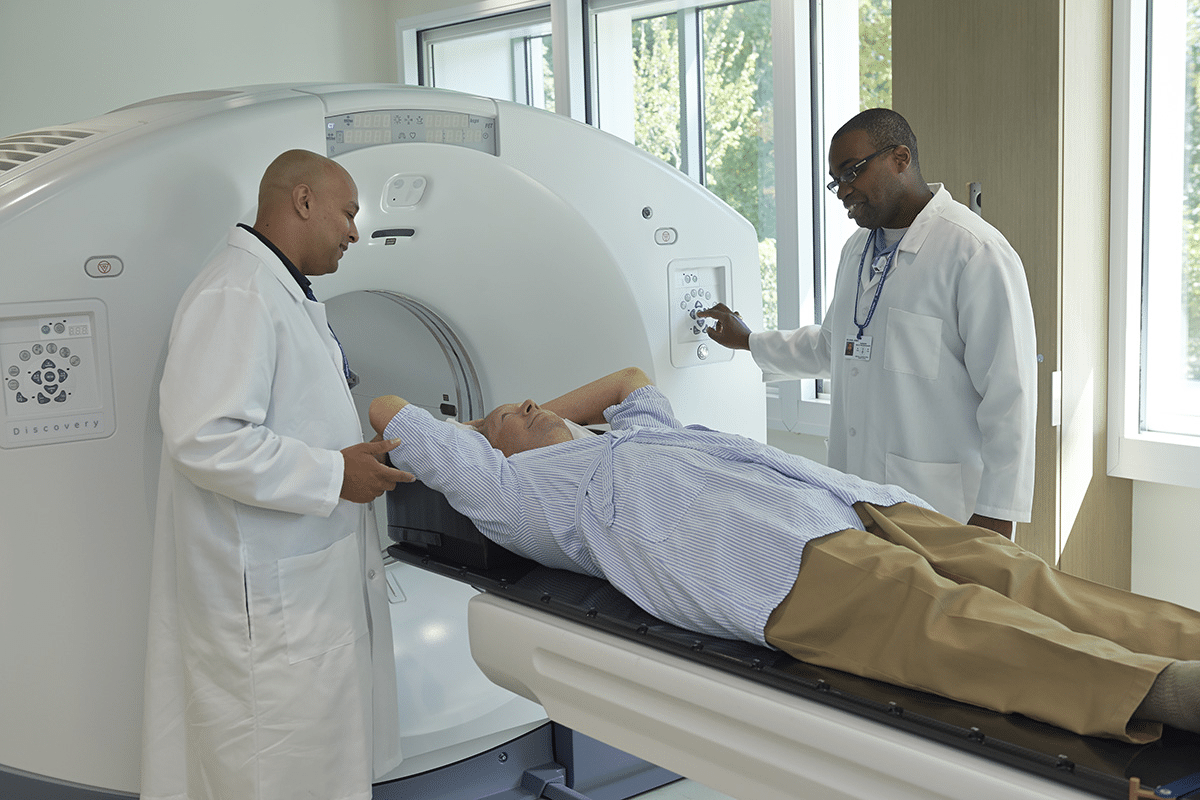
Can a DEXA scan detect bone cancer directly? Learn the best medical insights on how doctors evaluate scan results for potential abnormalities. Many people are curious if a DEXA scan can find bone cancer. At Liv Hospital, we know how important it is to understand the difference between bone density tests and cancer scans. This helps you make better health choices.
DEXA scans are mainly used to check bone density and see if you might get osteoporosis. They use low-dose X-rays to look at bone health. But, they are not meant for finding cancer. It’s key to know what DEXA scans can and can’t do.
We’re here to help you understand your diagnosis and care. At Liv Hospital, we focus on your health and happiness.
Key Takeaways
- DEXA scans measure bone mineral density and assess osteoporosis risk.
- They are not designed to detect cancer.
- Low-dose X-rays are used to evaluate bone health.
- Understanding the limitations of DEXA scans is important for making good health choices.
- Liv Hospital offers complete diagnosis and care with a focus on you.
Understanding DEXA Scans: Purpose and Technology
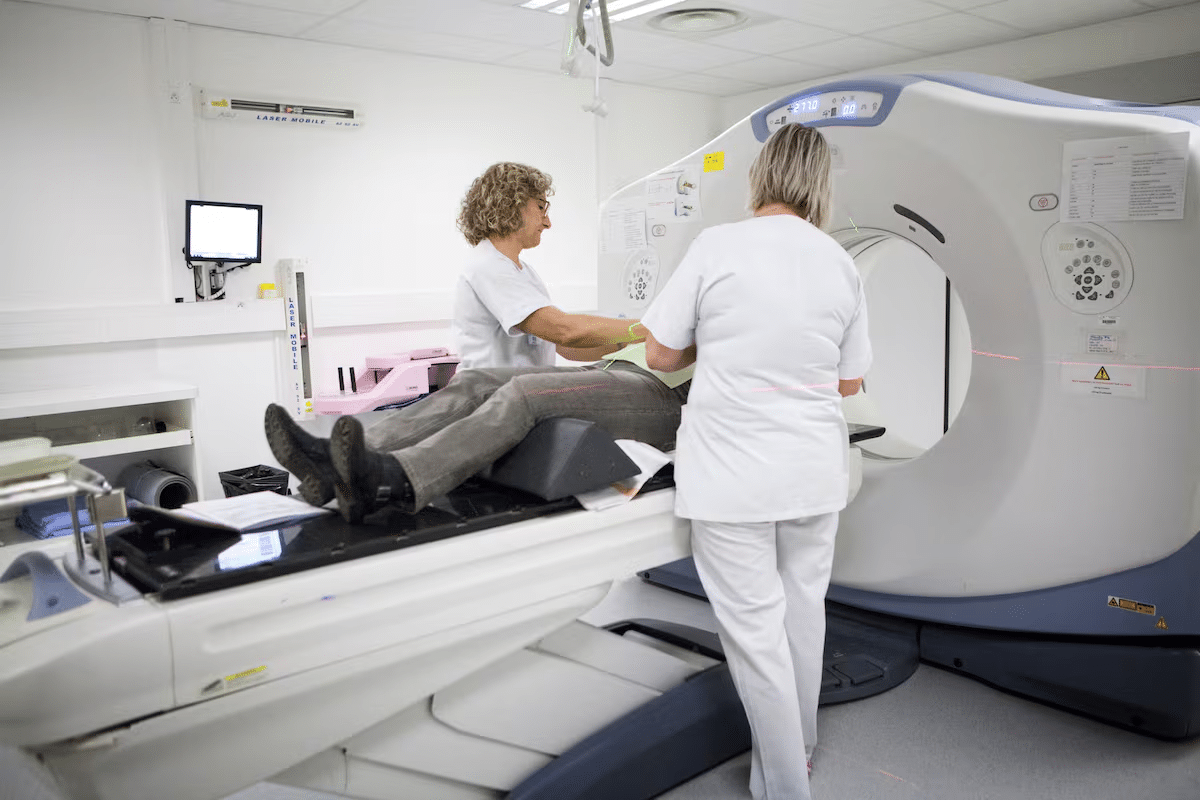
DEXA scans are key in healthcare. They measure bone health using Dual-Energy X-ray Absorptiometry. This technology is vital for diagnosing bone health issues.
What is a DEXA Scan?
A DEXA scan is a non-invasive test. It checks bone mineral density (BMD) with low-dose X-rays. This helps find out your risk of osteoporosis and fractures.
DEXA scans are great for:
- Checking bone density in hips and spine.
- Tracking bone density changes over time.
- Seeing if osteoporosis treatments work.
How DEXA Scan Technology Works
DEXA scans use two X-ray beams with different energies. These beams are absorbed differently by bone and soft tissue. This lets the scan calculate bone density.
The scan takes a few minutes. You lie on a table while a device scans your body. A healthcare professional then analyzes the results.
“The DEXA scan’s ability to measure bone density with high precision makes it an invaluable tool in the management of osteoporosis.” — Medical Expert, Osteoporosis Specialist
The Dual-Energy X-ray Process Explained
The dual-energy X-ray process is DEXA scans’ core technology. It uses two X-ray beams to tell bone from soft tissue. This makes measuring bone density accurate.
|
X-ray Energy Level |
Absorption Characteristics |
Use in DEXA Scans |
|---|---|---|
|
Low Energy |
High absorption by bone |
Used to measure bone density |
|
High Energy |
Lower absorption by bone |
Used in conjunction with low energy to differentiate bone and soft tissue |
DEXA scans are great for checking bone density and osteoporosis risk. But, they can’t find bone cancer. Their technology isn’t good for spotting tumors or cancerous tissues.
In summary, DEXA scans are important for bone health, mainly for osteoporosis. Knowing how DEXA scans work helps us see their value in healthcare. But, they can’t find bone cancer.
The Primary Purpose of DEXA Scans: Bone Density Measurement
[Add image here]
DEXA scans mainly check bone mineral density, which shows how likely you are to get osteoporosis. They are a key tool for checking bone health, mainly for those at risk of osteoporosis.
Assessing Osteoporosis Risk
DEXA scans help find osteoporosis and predict fracture risk, mostly in women over 65. They measure bone density to see if someone might get osteoporosis or fractures.
Monitoring Bone Health Over Time
DEXA scans let doctors track bone density changes over time. This is important for managing osteoporosis and changing treatment plans when needed.
Evaluating Treatment Effectiveness
DEXA scans also check if osteoporosis treatments work. By comparing bone density before and after treatment, doctors can see if the treatment is effective.
|
Purpose |
Description |
Benefit |
|---|---|---|
|
Assessing Osteoporosis Risk |
Measuring bone mineral density to determine osteoporosis risk |
Early detection and prevention of fractures |
|
Monitoring Bone Health |
Tracking changes in bone density over time |
Adjusting treatment plans for optimal management |
|
Evaluating Treatment Effectiveness |
Comparing bone density before and after treatment |
Assessing treatment efficacy and making informed decisions |
Can a DEXA Scan Detect Bone Cancer? The Limitations
DEXA scans are great for checking bone density but not for finding bone cancer. They help spot osteoporosis by measuring bone mineral density. But they can’t find cancer in bones.
Resolution and Imaging Constraints
DEXA scans can’t spot bone cancer well because of their low resolution. They can’t see small tumors or cancer spread in bones. The images they make aren’t clear enough to show bone cancer changes.
Because of this, DEXA scans can’t find bone cancer early or small spots in bones. Finding cancer early is key, and DEXA scans can’t do that.
Lack of Tissue Contrast for Tumor Visualization
DEXA scans also can’t show tumors well because they lack tissue contrast. They use X-rays to measure bone density, but this doesn’t help see different tissues like tumors. This makes it hard to tell cancerous from non-cancerous bone spots.
Without good contrast, DEXA scans can’t tell cancer from other bone issues. This shows we need other tests that can show more detail.
Why DEXA Scans Aren’t Designed for Cancer Detection
DEXA scans are made for checking bone health, not finding cancer. They’re key for diagnosing osteoporosis and tracking treatment effects. But for finding cancer, other tests like CT scans, MRI, and PET-CT are better. They can show more about bones and soft tissues.
- DEXA scans lack the necessary resolution to detect small tumors.
- They do not provide sufficient tissue contrast to visualize cancerous lesions.
- Their primary design is for bone density measurement, not cancer detection.
In short, DEXA scans are good for bone health but not for finding bone cancer. Knowing this helps doctors and patients choose the right tests.
Bone Cancer: Types and Diagnostic Challenges
Bone cancer is tricky to diagnose because of its many types. Knowing the different kinds is key to finding the right treatment.
Primary Bone Cancers vs. Metastatic Bone Disease
Bone cancer can start in the bone (primary) or spread from other cancers (metastatic). Primary cancers like osteosarcoma and Ewing’s sarcoma are rare. Metastatic bone disease, often from breast or lung cancers, is more common.
Knowing if it’s primary or metastatic is important. Primary cancers are treated with surgery, chemo, and radiation. Metastatic cancers need a different plan to manage symptoms and slow growth.
Common Sites and Presentations of Bone Cancer
Bone cancer can happen in any bone but some types favor certain areas. Osteosarcoma often hits the long bones near the knee. Chondrosarcoma might show up in the pelvis or shoulder.
Symptoms vary widely. They can be pain and swelling or more general like weight loss. Sometimes, bone cancer is found by accident during scans for other reasons.
Warning Signs That Require Further Investigation
DEXA scans can’t find bone cancer but might show odd bone density. Look out for pain that gets worse at night or with movement. Also, unexplained fractures, swelling, or systemic symptoms like fever are red flags.
If you notice these signs, more tests like CT or MRI might be needed. A full check-up, including medical history and physical exam, is also vital. It helps figure out who needs more tests.
Incidental Findings: When DEXA Scans Raise Red Flags
DEXA scans are not made for finding cancer. But, they can sometimes show unusual bone density patterns. These findings can worry both patients and doctors.
Unusual Bone Density Patterns That May Indicate Problems
When a DEXA scan shows unusual bone density, it might mean there’s a health issue. For example, it could show:
- Areas of low bone density, which could mean osteoporosis or other bone problems.
- Abnormal bone texture or irregularities, which might suggest bone cancer or other conditions.
Medical Expert, a bone health expert, says, “DEXA scans are not a substitute for tests like MRI or CT scans. But, they can sometimes give clues that need more checking.”
“The key is to understand that incidental findings on a DEXA scan are not a diagnosis, but a sign that more tests might be needed.” Medical Expert
Limitations of Incidental Findings
It’s important to know that DEXA scan findings have limits. They are not final diagnoses and can cause worry if not explained right.
|
Limitation |
Description |
|---|---|
|
Lack of specificity |
DEXA scans can’t give detailed images of soft tissues or specific bone parts. |
|
Limited resolution |
The detail of DEXA scans is not enough to spot small lesions or early bone cancers. |
|
False positives |
Findings can sometimes be false, leading to extra tests that aren’t needed. |
When to Seek Additional Testing After a DEXA Scan
If a DEXA scan shows something unusual, your doctor might suggest more tests. This could be:
- More imaging tests like MRI, CT, or PET scans for detailed info.
- A bone biopsy if cancer or other specific conditions are suspected.
It’s very important to talk to your doctor about any findings and what to do next.
In summary, while DEXA scans mainly check bone density, they can sometimes find things that need more looking into. Knowing about these findings and their limits helps both patients and doctors make the right choices about more tests and care.
Superior Imaging Modalities for Bone Cancer Detection
Healthcare providers use advanced imaging to find bone cancer accurately. DEXA scans help with bone density, but other methods are better for finding and checking cancer.
CT Scans: Benefits and Capabilities
CT scans are great for spotting bone cancer. They show detailed images of the body. This helps see small bone problems and how much bone is damaged.
Key benefits of CT scans include:
- High-resolution imaging of bone structures
- Ability to detect small lesions and cortical bone destruction
- Useful for guiding biopsies and assessing treatment response
MRI: The Gold Standard for Soft Tissue and Bone Marrow Assessment
MRI is top for checking soft tissue and bone marrow in bone cancer. It shows tumors well and how they affect nearby areas.
MRI’s advantages include:
- Excellent soft tissue contrast
- Ability to assess bone marrow involvement
- Useful for evaluating the extent of tumor spread
PET-CT: Combining Functional and Anatomical Imaging
PET-CT mixes PET’s function info with CT’s body details. It’s great for seeing bone cancer’s spread and how treatments work.
|
Modality |
Strengths |
Weaknesses |
|---|---|---|
|
CT |
High-resolution bone imaging, guides biopsies |
Limited soft tissue contrast |
|
MRI |
Excellent soft tissue contrast, assesses bone marrow |
May not detect calcified lesions |
|
PET-CT |
Combines functional and anatomical information |
Involves radiation exposure, higher cost |
Nuclear Medicine Bone Scans
Nuclear medicine bone scans spot bone activity, hinting at cancer. They’re good for finding cancer in bones but not as precise as others.
Knowing each imaging method’s strengths helps doctors pick the best for bone cancer patients.
The Diagnostic Pathway for Suspected Bone Cancer
Diagnosing bone cancer is a detailed process. It involves checking the patient’s symptoms and using advanced imaging. A thorough diagnostic pathway is key for accurate diagnosis and treatment planning.
Initial Symptoms and Clinical Evaluation
The first step is a detailed clinical evaluation. Healthcare providers look at the patient’s medical history and symptoms. Symptoms like bone pain, swelling, or unexplained fractures are common signs.
They also check for systemic symptoms like weight loss, fatigue, or fever. A physical exam is done to find any abnormalities. This helps decide what tests to do next.
Appropriate Imaging Selection Process
Imaging studies are vital for diagnosing bone cancer. DEXA scans are not used for cancer detection. Instead, we use other methods.
We start with X-rays to check for bone lesions. For a closer look, we might use:
- CT scans to see bone anatomy and detect damage.
- MRI to evaluate soft tissues and tumor extent.
- PET-CT to find active tumor sites.
The Role of Biopsy in Definitive Diagnosis
Imaging gives important clues, but a biopsy is needed for a definitive diagnosis. A biopsy takes a sample of the tumor for examination.
The biopsy method varies based on the tumor’s location. We might use fine-needle aspiration, core needle biopsy, or surgical biopsy. The sample is then checked under a microscope to confirm cancer.
|
Diagnostic Step |
Purpose |
Key Findings |
|---|---|---|
|
Clinical Evaluation |
Assess symptoms and medical history |
Identify possible bone cancer symptoms |
|
Imaging Studies |
Visualize bone lesions and assess extent |
Detect bone destruction, soft tissue involvement |
|
Biopsy |
Confirm diagnosis through tissue examination |
Presence and type of cancer cells |
Understanding the diagnostic process for bone cancer helps healthcare providers make better decisions. While DEXA scans have their limits, they’re useful for bone health monitoring. Other imaging and biopsy are key for diagnosing and treating bone cancer.
DEXA Scans in Cancer Care: Monitoring Bone Health
DEXA scans are key in cancer care for checking bone health. They don’t diagnose cancer but help see how treatments affect bones.
Detecting Cancer Treatment-Related Bone Loss
Cancer treatments can cause bone loss. DEXA scans spot this early. This early detection helps prevent fractures and keeps patients’ quality of life high.
Some cancer treatments speed up bone loss, causing osteoporosis. DEXA scans track bone density changes. This lets doctors adjust treatment plans to protect bones.
Monitoring Patients on Hormone Therapy
Hormone therapy treats cancers like breast and prostate. But it can lower bone density. DEXA scans keep an eye on bone health in these patients.
Regular DEXA scans help manage hormone therapy risks. They let doctors tweak treatment plans to reduce bone loss while fighting cancer.
Assessing Fracture Risk in Cancer Patients
Cancer patients face higher fracture risks from the disease and its treatment. DEXA scans measure bone density, a key factor in fracture risk.
|
Risk Factor |
Description |
DEXA Scan Role |
|---|---|---|
|
Cancer Treatment |
Chemotherapy, radiation, and hormone therapy can affect bone density. |
Monitors bone density changes over time. |
|
Hormone Therapy |
Can lead to bone loss in cancer patients. |
Assesses bone density to adjust treatment plans. |
|
Fracture Risk |
Increased risk due to cancer and its treatment. |
Evaluates bone density to predict fracture risk. |
Healthcare providers use DEXA scans to predict fracture risk. This proactive approach improves patient outcomes.
Discussing Bone Health Health Health Health Health Health Health Health Health Health Health Health Health Health Health Health Health Health Health Health Health Health Health Health Health Health Health Health Health Health Health Health Health Health Health Health Health and Support Services With Your Healthcare Provider
Talking to your healthcare provider about your DEXA scan results is key. Your DEXA scan shows your bone density, which helps figure out your risk for osteoporosis and fractures.
It’s important to have a detailed talk with your healthcare provider about your DEXA scan. This conversation helps you understand your bone health and what steps to take to improve it.
Questions to Ask About Your DEXA Scan Results
Asking the right questions about your DEXA scan results can clarify your bone health status. Some important questions include:
- What is my bone density score, and how does it compare to the average?
- What are my risks for osteoporosis and fractures based on my DEXA scan results?
- What lifestyle changes or treatments do you recommend to improve my bone health?
Understanding your DEXA scan results empowers you to manage your bone health better.
When to Request Additional Imaging
In some cases, your healthcare provider might suggest more imaging tests for your bone health. This could be because of unusual DEXA scan results or other risk factors. Some situations where more imaging might be needed include:
|
Scenario |
Possible Additional Imaging |
|---|---|
|
Unusual bone density patterns |
CT scan or MRI |
|
Suspected bone cancer or metastasis |
PET-CT or Bone Scan |
|
Monitoring treatment effectiveness |
Repeat DEXA scan or other imaging modalities |
Talking to your healthcare provider about your specific situation can help decide if more imaging is needed.
Coordinating Care Between Specialists
If you have complex bone health issues or are at risk for certain conditions, your healthcare provider might suggest seeing specialists. It’s important to coordinate care with different healthcare professionals for the best management of your bone health.
Key specialists to consider:
- Endocrinologist for hormonal imbalances affecting bone health
- Oncologist if there’s a risk of bone cancer or metastasis
- Rheumatologist for inflammatory conditions impacting bones
Working with your healthcare team ensures you get the right care for your bone health needs.
Conclusion: The Role of DEXA Scans in Overall Bone Health
DEXA scans are key in checking if you might get osteoporosis and keeping an eye on your bones. They don’t find bone cancer, but knowing what they can and can’t do is important for taking care of your bones.
So, can a DEXA scan find bone cancer? No, it can’t. They’re not a way to check for cancer. But, they are good for seeing how strong your bones are and if you might break them easily.
In short, DEXA scans are very important for your bone health. They help doctors see how dense your bones are, which helps them treat osteoporosis. If you’re worried about your bones or cancer, talk to your doctor about what tests you need.
Knowing how DEXA scans work and what they can’t do helps you take better care of your bones. This is good for your bone health and overall health.
FAQ
Does a DEXA scan show bone cancer?
No, DEXA scans are not for finding bone cancer. They mainly check bone density and help figure out osteoporosis risk.
Can a bone density test detect cancer?
No, bone density tests like DEXA scans can’t find cancer. They might show odd bone density changes, but these aren’t proof of cancer.
Will a DEXA scan show cancer?
DEXA scans aren’t for cancer screening. They might show some oddities, but they can’t spot tumors well.
Can a DEXA scan detect bone cancer?
No, DEXA scans can’t find bone cancer. Their tech is not good enough for cancer diagnosis.
What does bone cancer look like on a bone scan?
Bone cancer might look like spots of high or low activity on a bone scan. But, bone scans are different from DEXA scans and better for finding cancer.
Can a bone density scan detect cancer?
No, bone density scans, like DEXA scans, aren’t for finding cancer. They check bone health and osteoporosis risk.
What are the limitations of DEXA scans in detecting bone cancer?
DEXA scans can’t show tumors well because they lack contrast and have low resolution. They’re not good for finding cancer.
When should I seek additional testing after a DEXA scan?
If your DEXA scan shows odd bone density patterns or other weird stuff, talk to your doctor. They’ll decide if more tests are needed.
What imaging modalities are superior for bone cancer detection?
CT scans, MRI, PET-CT, and nuclear medicine bone scans are better for finding bone cancer. They have better detail and contrast.
How do DEXA scans contribute to cancer care?
DEXA scans help in cancer care by checking bone health. They also spot bone loss from cancer treatment and help figure out fracture risk in cancer patients.
Reference
https://pmc.ncbi.nlm.nih.gov/articles/PMC10798926