

Millions of people face asthma-like symptoms due to allergies. It’s key to understand the link between allergies and asthma for the right treatment. Can allergies cause asthma like symptoms? Yes. Learn when wheezing and coughing mean you should worry and see a doctor fast.
Studies show that about 75 percent of adults between 20-40 with asthma have allergies. Up to 90 percent of kids with allergies also get asthma. The Medical organization says many with allergies also have asthma. This is because the same things that cause hay fever can also lead to asthma symptoms.
At Liv Hospital, we offer caring, evidence-based care. We help patients manage allergic asthma early to avoid serious problems.
Key Takeaways
- Allergic asthma is a big health issue affecting millions globally.
- About 75% of adults aged 20-40 with asthma have at least one allergy.
- Up to 90% of children with allergies also develop asthma.
- Getting the right diagnosis and treatment is key for managing allergic asthma.
- Liv Hospital provides full care for patients with allergic asthma.
The Relationship Between Allergies and Respiratory Health
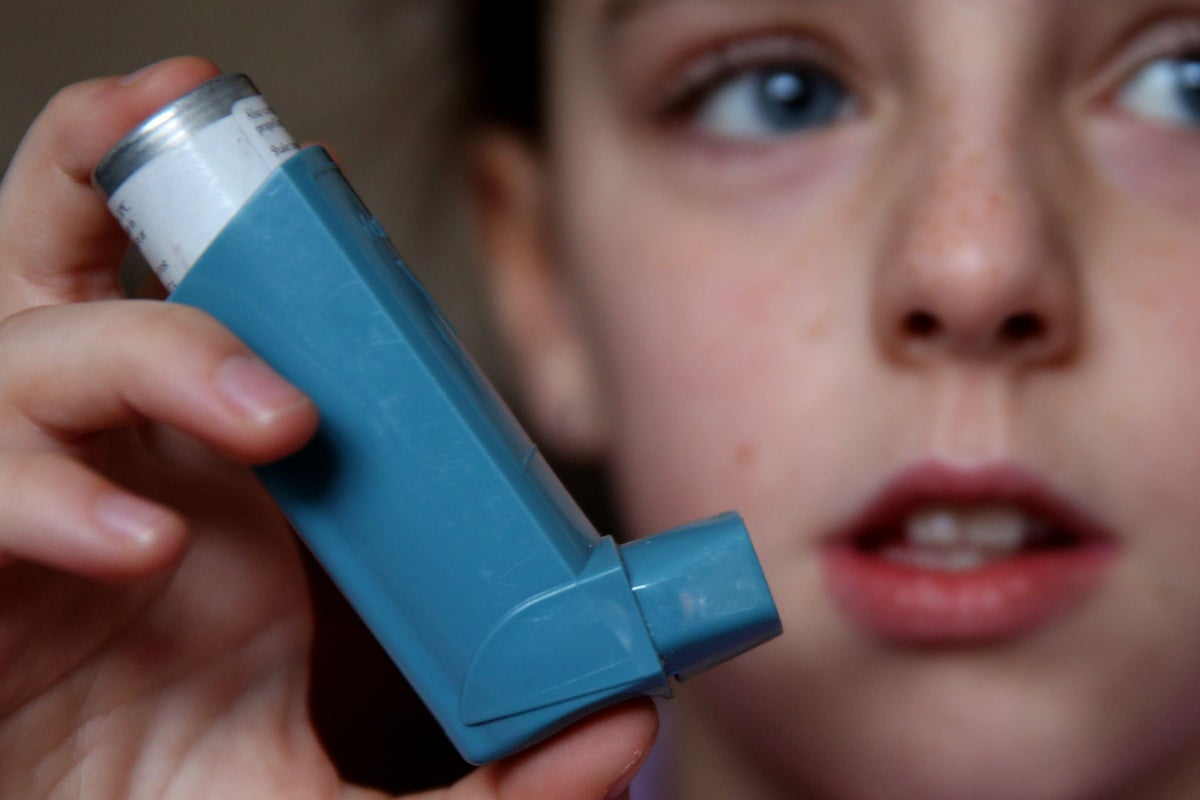
When we breathe in allergens, our immune system can react in a big way. It sees harmless stuff as threats. This can mess with our breathing.
How the Immune System Responds to Allergens
The American Academy of Allergy, Asthma, and Immunology says an allergic reaction happens when our immune system gets it wrong. It sees something harmless as a danger. This makes our body release chemicals that cause symptoms.
Key steps in the immune response include:
- Recognition of allergens by the immune system
- Production of IgE antibodies in response to perceived threats
- Release of histamine and other chemical mediators
- Inflammation and constriction of airways
The Allergic Cascade in the Airways
The allergic cascade in our airways leads to inflammation and symptoms of allergic asthma. When we breathe in allergens like dust mites or pollen, our immune system overreacts. This causes our airways to swell, leading to wheezing, coughing, and trouble breathing.
Understanding this process is key to managing allergic asthma. Knowing what triggers our reactions helps us avoid them. This can prevent asthma attacks.
Common allergens that trigger respiratory reactions include:
- Pollen from trees, grasses, and weeds
- Dust mites and their waste products
- Mold spores
- Pet dander
Can Allergies Cause Asthma Like Symptoms?

Allergies can cause asthma-like symptoms in some people. The reasons are complex. We will look into how allergies affect breathing and why some get asthma symptoms.
The Science Behind Allergy-Induced Respiratory Reactions
When an allergen gets into the body, the immune system fights back. It releases chemicals like histamine. This leads to swelling and tight airways.
This fight can make breathing hard, like in asthma. Symptoms include wheezing, coughing, and feeling short of breath.
The Asthma and Allergy Foundation of America says allergic asthma happens when allergens cause asthma symptoms. Pollen, dust mites, mold, pet dander, and cockroach droppings are common culprits. Knowing and managing these allergens is key to better breathing.
|
Allergen |
Common Sources |
Symptoms Triggered |
|---|---|---|
|
Pollen |
Trees, grasses, and weeds |
Sneezing, congestion, wheezing |
|
Dust Mites |
Dust, bedding, upholstered furniture |
Coughing, wheezing, skin irritation |
|
Mold Spores |
Damp environments, bathrooms, basements |
Coughing, wheezing, nasal congestion |
Why Some People Develop Asthma Symptoms from Allergies
Not everyone with allergies gets asthma symptoms. But for those who do, it can be serious. Genetics, environment, and how severe the allergy is play a role.
Knowing how allergies and asthma are linked is important. By finding out what allergens bother you and avoiding them, you can lessen severe breathing problems.
Key Takeaways:
- Allergies can trigger asthma-like symptoms in susceptible individuals.
- Common allergens include pollen, dust mites, and mold spores.
- Understanding and managing allergen exposure is vital for good breathing.
Allergic Asthma vs. Regular Allergies
Allergic asthma is a condition where allergies cause asthma symptoms. It’s different from regular allergies. Regular allergies might make you uncomfortable, but allergic asthma can lead to serious breathing problems. Knowing the difference is key to managing and treating it.
Key Differences in Symptoms and Mechanisms
Regular allergies show up as sneezing, itching, and skin rashes. But allergic asthma affects the lungs, causing wheezing, coughing, and trouble breathing.
Chemical mediators like histamine are released, tightening and swelling the airways. This makes breathing hard. Greater Austin Allergy says allergic asthma is when allergens cause asthma symptoms. It’s important to understand this link for good management.
Is Asthma an Allergic Reaction? Understanding the Connection
Asthma can start with an allergic reaction, but not all asthma is caused by allergies. Allergic asthma happens when an allergen causes an allergic reaction and asthma symptoms. Knowing this helps manage asthma better.
Key factors to consider:
- The role of allergens in triggering asthma symptoms
- The immune system’s response to perceived threats
- The release of chemical mediators and their impact on the airways
Understanding these points helps manage asthma and lower the risk of attacks from allergies.
Common Triggers of Allergic Asthma Attacks
We look at common triggers for allergic asthma attacks. We focus on indoor and outdoor allergens. Knowing these triggers helps manage and prevent symptoms.
Indoor Allergens: Dust Mites, Pet Dander, and Mold
Indoor allergens are a big problem for people with allergic asthma. Dust mites, tiny creatures in dust, are a common cause. Their waste and body parts can make people allergic.
Pet dander, tiny skin flakes from animals, is another strong allergen. Regular grooming and vacuuming can help but might not get rid of it all. Mold is also a big indoor allergen, growing in damp places. Keeping humidity low and ensuring good air flow helps stop mold.
Outdoor Allergens: Pollen, Air Pollution, and Weather Changes
Outdoor allergens are also big triggers for allergic asthma attacks. Pollen from trees, grasses, and weeds is a big problem, peaking in spring and fall. Air pollution, like dust and ozone, can make asthma worse. Also, weather changes, like temperature and humidity shifts, can trigger attacks.
Knowing about pollen counts and air quality helps people with allergic asthma plan better.
Common allergens that cause allergic asthma include dust mites, pollen, mold, pet dander, and cockroach droppings. The Medical organization says these allergens can cause asthma symptoms. Avoiding these triggers is key to managing allergic asthma.
Recognizing Allergic Asthma Signs and Symptoms
It’s key to know the signs and symptoms of allergic asthma for good management. This condition can cause many respiratory issues that affect daily life if not handled right.
Coughing and Wheezing from Allergies
Coughing and wheezing are common signs of allergic asthma. These happen when airways get inflamed and narrow because of allergens. Wheezing, a high-pitched whistling sound while breathing out, is a key sign of airway blockage.
Chest Tightness and Shortness of Breath
Chest tightness and shortness of breath are big symptoms of allergic asthma. These happen when airways get narrow and inflamed, making breathing hard. Chest tightness feels like a band around the chest, and shortness of breath can happen even with simple tasks.
How Symptoms Progress During an Episode
Symptoms of allergic asthma can get worse fast during an episode. At first, you might just feel a slight cough or mild wheeze. But as it gets worse, you could have severe wheezing, hard breathing, and tight chest.
It’s vital to spot these symptoms early to avoid serious asthma attacks. Alexandria Emergency Hospital says symptoms can also include a stuffy nose, itchy and runny eyes, sneezing, or a rash. Knowing these signs helps in diagnosing and treating allergic asthma.
The Severity Spectrum of Allergic Reactions
It’s important to know the different levels of allergic reactions. This helps in managing symptoms and avoiding serious problems. Allergic asthma can range from mild to severe. Knowing where your symptoms fall is key to getting the right care.
Mild Allergic Asthma Symptoms
Mild allergic asthma symptoms are usually easy to handle. They don’t usually get in the way of daily life. Symptoms might include:
- Occasional coughing or wheezing
- Mild shortness of breath during exercise or exposure to allergens
- Chest tightness that resolves with rest or medication
People with mild symptoms can often manage them. They can avoid allergens and use as-needed medications.
Moderate Symptoms That Disrupt Daily Activities
Moderate allergic asthma symptoms are more serious. They can really affect your daily life. Symptoms might include:
- More frequent wheezing and coughing
- Shortness of breath that occurs with normal daily activities
- Chest tightness that is uncomfortable and persistent
To manage moderate symptoms, you might need to take more steps. This includes using long-term control medications and making lifestyle changes to avoid triggers.
Severe Allergic Asthma: When Breathing Becomes Difficult
Severe allergic asthma is very serious. It can make breathing very hard. The Asthma and Allergy Foundation of America says it’s dangerous and needs quick medical help. Symptoms include:
- Frequent and intense wheezing and coughing
- Severe shortness of breath, even at rest
- Chest tightness that is persistent and uncomfortable
People with severe symptoms are at high risk of allergic asthma attacks. These can be deadly. It’s very important for them to work with their doctors to manage their condition.
In summary, knowing the severity of allergic reactions is key. It helps in managing symptoms and avoiding serious problems. By recognizing symptoms at each level, you can take steps to control your condition and live better.
When Should You Worry? Warning Signs Requiring Medical Attention
Knowing the signs of a severe allergic asthma attack is key. It can mean the difference between getting help quickly and facing serious issues. Allergic asthma can sometimes be life-threatening if not managed right.
Untreated severe allergic asthma attacks can lead to serious problems. Alexandria Emergency Hospital says some symptoms need immediate medical care. We’ll list these critical signs to help you know when to seek help.
Red Flags During an Allergic Asthma Attack
During an allergic asthma attack, some symptoms mean you need to get medical help right away. These include:
- Severe shortness of breath that makes it hard to speak or walk.
- Bluish lips or fingernails, showing you’re not getting enough oxygen.
- Rapid breathing or trouble breathing.
- Chest retractions, where the chest pulls in with each breath.
If you or someone you know has these symptoms, get emergency care fast.
Emergency Symptoms That Require Immediate Care
There are other emergency symptoms that need immediate medical attention. These include:
|
Symptom |
Description |
|---|---|
|
Severe wheezing or coughing |
Wheezing or coughing that is persistent and severe. |
|
Chest pain or tightness |
Feeling of tightness or pain in the chest that doesn’t improve with medication. |
|
Confusion or altered mental state |
Feeling confused, dizzy, or having an altered mental state due to lack of oxygen. |
Knowing these warning signs and acting fast can greatly improve outcomes for allergic asthma attacks. If you’re not sure about your symptoms, it’s best to get medical help.
Children and Allergic Asthma: Special Considerations
Allergic asthma in children is a big challenge. It’s important to know how allergies and asthma are linked. This helps in managing the condition better.
Why Children with Allergies Often Develop Asthma
Studies show that up to 90% of kids with allergies also get asthma. The American Academy of Allergy, Asthma, and Immunology says kids with allergy history are more likely to get asthma. This is because of both genetics and the environment.
There are several reasons for this link:
- Genetic Factors: Kids with allergy or asthma history in their family are more likely to get allergic asthma.
- Environmental Triggers: Allergens like dust mites, pet dander, and pollen can cause asthma in kids.
- Immune System Development: How the immune system reacts to allergens is key in asthma development in kids.
Recognizing Symptoms in Children Who Can’t Describe Them
It’s hard to spot asthma symptoms in kids, even more so in younger ones. Parents and caregivers need to watch for these signs:
- Coughing and Wheezing: These are common asthma symptoms in kids.
- Shortness of Breath: Kids might breathe fast or have trouble breathing.
- Chest Tightness: Older kids might say their chest feels tight or uncomfortable.
Spotting these symptoms early is key to managing allergic asthma in kids.
Understanding the challenges of allergic asthma in kids helps us care for them better. Being alert to symptoms is essential for their health.
Diagnosing Allergy-Induced Asthma
Getting a correct diagnosis for allergy-induced asthma is key to managing it well. Doctors use a mix of your medical history, a physical check-up, and specific tests. These tests help find out if you have asthma and what allergies might be causing it.
Medical Tests to Confirm Allergic Asthma
There are several tests to confirm allergic asthma. These include:
- Allergy Testing: Skin prick tests or blood tests to find out what allergens you might have.
- Lung Function Tests: Spirometry to see how well your lungs are working.
- Methacholine Challenge: A test to check how your airways react.
- Peak Flow Monitoring: Tracking how fast you can breathe out.
The Medical organization says these tests are key for diagnosing allergic asthma and creating a good treatment plan.
Working with Allergists and Pulmonologists
It’s important to work with specialists like allergists and pulmonologists for a correct diagnosis and effective management of allergic asthma. They can:
- Do detailed checks to find out what allergens you have and how your lungs are doing.
- Make a treatment plan just for you, including medicines and lifestyle changes.
- Keep an eye on how you’re doing and adjust your treatment as needed.
Healthcare experts say working together is the best way to care for people with allergic asthma.
“A thorough diagnosis is the foundation of managing allergic asthma well.” — American Lung Association
By using medical tests and getting help from specialists, people with allergic asthma can manage their symptoms better. This leads to a better quality of life.
Treatment Approaches for Managing Allergic Asthma
Allergic asthma treatment involves several strategies. These include medication, avoiding allergens, and immunotherapy. A good plan must tackle symptoms and the root causes.
Medications That Control Symptoms and Prevent Attacks
Medicines are key in managing allergic asthma. We use different drugs to control symptoms and stop attacks. These include:
- Inhaled Corticosteroids: These are top anti-inflammatory drugs for asthma. They reduce inflammation and make airways less sensitive.
- Bronchodilators: These relax airway muscles, making breathing easier.
- Combination Inhalers: Mixing corticosteroids and bronchodilators in one inhaler can work better for some.
The Greater Austin Allergy notes, “Medications are vital in managing allergic asthma. They offer relief and prevent symptoms.”
Allergen Avoidance and Environmental Control
Avoiding allergens is key in managing allergic asthma. We suggest several ways to reduce exposure to common allergens:
- Reduce Exposure to Dust Mites: Use allergen-proof bedding and wash clothes in hot water.
- Avoid Pet Dander: Keep pets out of bedrooms and use HEPA filters.
- Control Mold: Reduce humidity and fix leaks to prevent mold growth.
Immunotherapy: Can Allergic Asthma Be Cured?
Immunotherapy, or allergy shots, is a long-term treatment. It aims to make the body less reactive to specific allergens. It can’t cure allergic asthma but can lessen symptoms and improve life quality. We recommend it for those with severe allergic asthma who don’t respond to usual treatments.
In summary, managing allergic asthma needs a plan that includes medicines, avoiding allergens, and possibly immunotherapy. By knowing these options, patients can work with healthcare providers to find an effective strategy.
Living Well with Allergic Asthma
With the right treatment and lifestyle changes, people with allergic asthma can live better. “Asthma is a chronic condition that needs ongoing care,” says the Asthma and Allergy Foundation of America. “But with the right approach, people can live active and fulfilling lives.”
Creating an Effective Asthma Action Plan
An asthma action plan is key for managing allergic asthma. It shows how to prevent symptoms, handle attacks, and when to get medical help. It’s important to work with a healthcare provider to make a plan that fits you.
Key components of an asthma action plan include:
- Identifying personal asthma triggers
- Listing medications and dosages
- Outlining steps to take during an asthma attack
- Establishing criteria for seeking emergency care
Lifestyle Modifications for Better Symptom Control
Making lifestyle changes can help control symptoms of allergic asthma. This includes avoiding allergens, keeping a healthy weight, and staying active.
Avoiding allergens is very important. For example, using allergen-proof bedding, removing carpeting, and keeping pets out of bedrooms can help. This reduces exposure to dust mites and pet dander.
Emotional Well-being and Quality of Life
Living with allergic asthma can affect your emotions, causing anxiety and stress. It’s important to take care of your emotional health to stay well.
“Managing asthma is not just about controlling symptoms; it’s about improving quality of life,” says a leading asthma specialist. “By taking a holistic approach to care, individuals can reduce the emotional burden of asthma and lead more fulfilling lives.”
By combining medical treatment, lifestyle changes, and emotional support, people with allergic asthma can control symptoms better. This improves their overall quality of life.
Conclusion
Understanding allergic asthma is key to managing it well. Knowing what triggers your symptoms is the first step. This knowledge helps you find ways to reduce them.
There are many ways to treat allergic asthma. This includes taking medicine, changing your lifestyle, and staying away from allergens. We’ve looked at these options in this article. A plan tailored to you is very important.
To manage allergic asthma, you need to know a lot about it. This includes what causes your symptoms and how to treat them. By using the tips and treatments we’ve discussed, you can live better with allergic asthma. Health organizations back up these methods, giving you solid advice to follow.
FAQ
What is allergic asthma?
Allergic asthma is a type of asthma caused by allergies. It makes the airways swell and narrow. This leads to symptoms like coughing, wheezing, and shortness of breath.
Can allergies cause asthma-like symptoms?
Yes, allergies can cause symptoms that feel like asthma. When someone with allergies breathes in an allergen, their body reacts. This can cause breathing problems that feel like asthma.
What are the common triggers of allergic asthma attacks?
Common triggers include dust mites, pet dander, and mold indoors. Outdoor allergens like pollen, air pollution, and weather changes also trigger attacks.
How do you recognize allergic asthma signs and symptoms?
Look for coughing, wheezing, chest tightness, and shortness of breath. These symptoms can get worse during an allergic asthma episode.
Is allergic asthma dangerous?
Yes, allergic asthma can be dangerous if not managed. Severe attacks can cause serious breathing problems that need immediate medical help.
Can children with allergies develop asthma?
Yes, children with allergies are more likely to get asthma. It’s important to watch for symptoms in kids who can’t tell you how they feel.
How is allergy-induced asthma diagnosed?
Doctors use medical tests to confirm allergic asthma. They often work with specialists like allergists and pulmonologists to find the right treatment.
What treatment approaches are available for managing allergic asthma?
Treatment includes medicines to control symptoms and ways to avoid allergens. Immunotherapy can also help for long-term relief, improving life quality.
Can allergic asthma be cured?
There’s no cure, but treatments like immunotherapy can help. They make you less sensitive to allergens, reducing attack severity and frequency.
How can one live well with allergic asthma?
Living well means having an asthma action plan and making lifestyle changes. It also helps to keep your emotional well-being strong for a better life.
What are the warning signs that require medical attention during an allergic asthma attack?
Look out for severe symptoms like intense wheezing, trouble breathing, and chest tightness. These need immediate medical care to avoid serious problems.
What is the difference between allergic asthma and regular allergies?
Allergic asthma has symptoms directly linked to allergies, affecting the airways. Regular allergies can cause a wide range of symptoms, not just in the airways.
How does the immune system respond to allergens in allergic asthma?
In allergic asthma, the immune system overreacts to allergens in the air. This causes inflammation and constriction of the airways, leading to asthma symptoms.
References
Government Health Resource. Allergies and Asthma: Understanding the Symptom Overlap. Retrieved from https://ginasthma.org/wp-content/uploads/2023/04/GINA-Main-Report-2023-V2-WMS.pdf



 Departments
 Related Videos
 Our Doctors
 News
News