

Ever felt like you can’t catch your breath when worried or stressed? Shortness of breath is a scary symptom of anxiety. Anxiety makes our body go into fight-or-flight mode. This leads to quick, shallow breaths and hyperventilation.
Studies show anxiety and trouble breathing often happen together. It’s key to know why to manage it well. By understanding how anxiety causes shortness of breath, we can tackle this symptom and feel better.
Key Takeaways
- Anxiety can trigger shortness of breath by activating the body’s fight-or-flight response.
- Rapid, shallow breathing patterns and hyperventilation are common symptoms of anxiety-related breathing difficulties.
- Understanding the connection between anxiety and shortness of breath is key for managing it.
- Relaxation techniques, like deep breathing exercises, can help with anxiety-induced shortness of breath.
- Getting professional help is vital for dealing with underlying anxiety issues.
The Physiological Link Between Anxiety and Breathing Difficulties
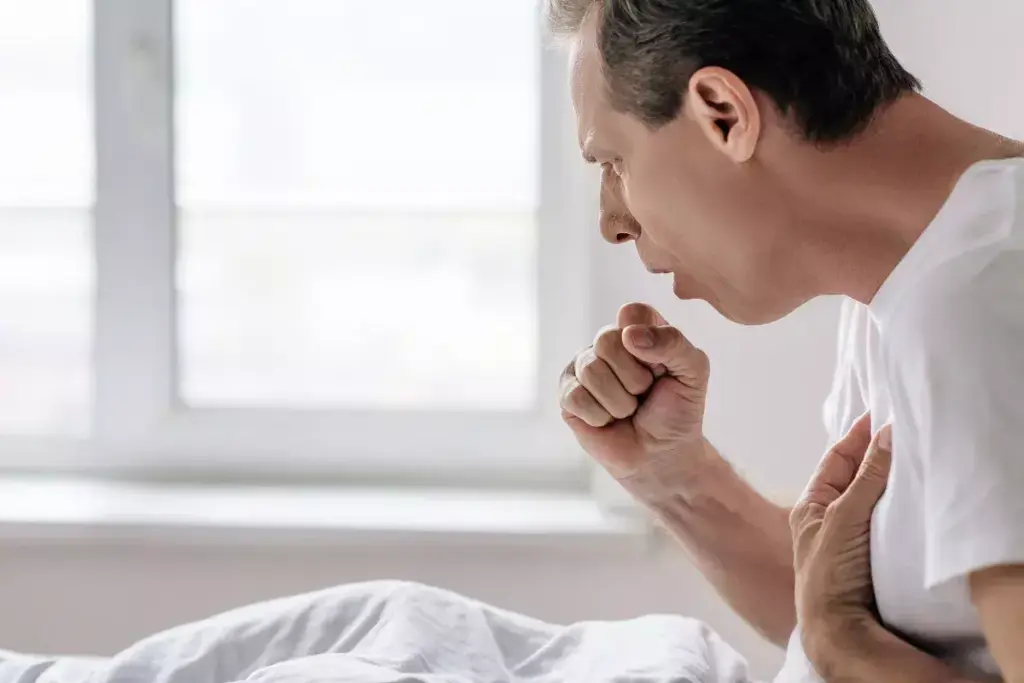
Anxiety and breathing problems are connected through our body’s stress response. When we feel anxious, our body goes into “fight-or-flight” mode. This mode changes our body in ways that can make breathing hard.
How the Fight-or-Flight Response Affects Your Breathing
Anxiety makes our breathing rate go up, leading to quick, shallow breaths. This is called hyperventilation. It lowers carbon dioxide in our blood, causing dizziness and lightheadedness. Stress hormones like adrenaline and cortisol also make our airways narrow, making breathing even tougher.
Key Effects on Breathing:
- Increased breathing rate
- Shallow breathing patterns
- Hyperventilation
- Airway constriction
Physical Symptoms That Accompany Anxiety-Induced Breathlessness
Anxiety also brings other physical symptoms that can be scary. These include a fast heartbeat, tense muscles, and shaking. Knowing about these symptoms helps us deal with anxiety-related breathing problems.
The following table summarizes the common physical symptoms associated with anxiety-induced breathlessness:
| Symptom | Description |
| Rapid Heartbeat | An increased heart rate due to the release of stress hormones |
| Muscle Tension | Tightening of muscles, particular in the neck and chest area |
| Tremors | Involuntary shaking or trembling, often due to heightened nervous system activity |
Knowing these symptoms helps us handle anxiety-related breathing issues better. By understanding how anxiety affects our breathing, we can find ways to manage these symptoms.
Does Anxiety Cause Breathlessness? The Scientific Evidence

Anxiety and breathlessness are linked through many body processes. We’ll look at the science behind this connection. This will help us understand why breathing problems often go with anxiety.
Research Statistics on Anxiety and Respiratory Symptoms
Millions worldwide face breathing issues linked to anxiety. Panic and generalized anxiety disorders often show up with shortness of breath. About 60 to 70 percent of people with anxiety disorders have trouble breathing.
A study on Healthline shows a clear link between anxiety and shortness of breath. It stresses the importance of treating both symptoms fully.
Here are some key statistics on anxiety and breathing problems:
| Condition | Prevalence of Breathing Difficulties |
| Panic Disorder | 60-90% |
| Generalized Anxiety Disorder | 50-70% |
| Anxiety Disorders (Overall) | 60-70% |
The Mechanisms Behind Stress-Related Breathing Problems
Stress and shortness of breath are connected in several ways. Anxiety triggers our “fight-or-flight” response, releasing stress hormones. These hormones make us breathe faster, leading to hyperventilation and symptoms like dizziness.
Anxiety also causes muscle tension, which can make breathing harder. Knowing how anxiety affects breathing helps us find ways to manage it better.
Understanding the science behind anxiety and breathlessness is key. It helps us see how these two are connected. This knowledge guides us in creating better treatments for anxiety-related breathing issues.
Managing Anxiety-Related Shortness of Breath
People who feel short of breath due to anxiety can find relief. Techniques like diaphragmatic breathing, progressive muscle relaxation, and cognitive-behavioral therapy (CBT) help. Regular exercise and good sleep are also key in reducing breathlessness.
At Liv Hospital, we focus on helping those with anxiety-related breathing issues. By using these methods daily, people can manage their symptoms better. This improves their quality of life. These techniques help with stress and anxiety-related breathing problems.
Knowing that anxiety can cause breathing issues is the first step to managing it. We stress the need for professional help. With the right support, people can manage their symptoms effectively.
FAQ
Does anxiety cause shortness of breath?
Yes, anxiety can trigger rapid or shallow breathing, leading to shortness of breath.
What is the physiological link between anxiety and breathing difficulties?
Anxiety activates the sympathetic nervous system, increasing heart rate and respiration, which can cause breathlessness.
Can stress cause shortness of breath?
Yes, acute or chronic stress can lead to rapid, shallow breathing and a sensation of breathlessness.
How can I manage anxiety-related shortness of breath?
Use deep breathing, relaxation techniques, grounding exercises, and seek therapy or medical guidance if needed.
Is shortness of breath a symptom of anxiety?
Yes, it is a common physical symptom of anxiety and panic attacks.
Can anxiety cause breathing issues?
Yes, anxiety can lead to hyperventilation, chest tightness, and shortness of breath.
What are some techniques to help alleviate anxiety-induced breathlessness?
Practice diaphragmatic breathing, paced breathing, mindfulness, and muscle relaxation exercises.
Can anxiety make you out of breath?
Yes, intense anxiety or panic can make you feel suddenly out of breath or unable to catch your breath.
How common are breathing difficulties among individuals with anxiety disorders?
Very common; many people with anxiety or panic disorders experience frequent episodes of breathlessness.
References:
National Center for Biotechnology Information. Evidence-Based Medical Insight. Retrieved from https://pmc.ncbi.nlm.nih.gov/articles/PMC3805119/[3