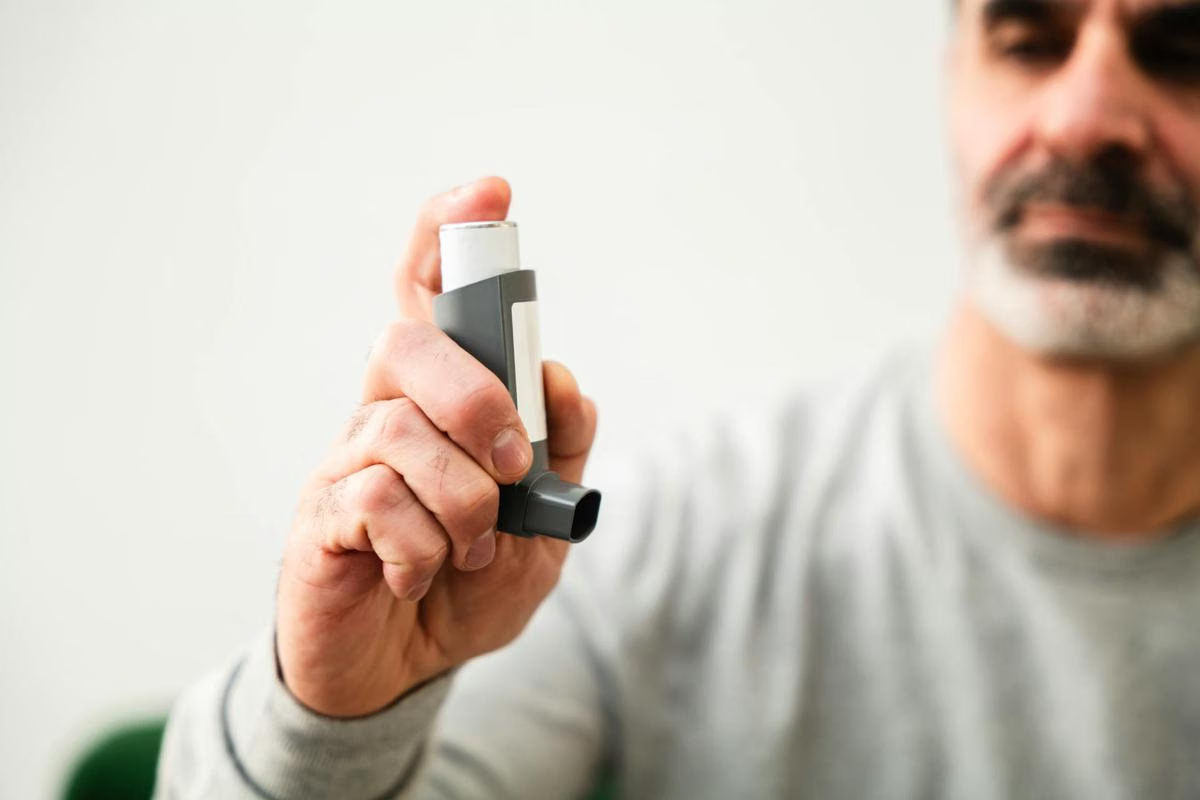
Asthma attacks can be life-threatening if not managed properly. It’s important to understand how serious they are and know how to react.can asthma kill youCan You Catch a Sinus Infection?
Asthma makes airways swell, narrow, and fill with mucus. This makes it hard to breathe. Symptoms include chest tightness, cough, and wheezing. While attacks are rare, thousands die from asthma each year.
At Liv Hospital, we deliver patient-centered, trustworthy emergency care for asthma attacks. Knowing how to stop an asthma attack and recognizing warning signs can save lives.
Key Takeaways
- Understanding asthma attack severity and proper management is key.
- Recognizing warning signs can prevent fatal outcomes.
- Effective asthma attack relief involves knowing the right steps.
- Liv Hospital provides complete emergency care for asthma attacks.
- Proper management can greatly reduce asthma-related deaths.
Understanding Asthma Attacks and Their Severity

Asthma attacks change the airways a lot, making it hard to breathe. The airways are the paths air takes in and out of the lungs. For people with asthma, these paths are more sensitive and get inflamed easily.
What Happens in Your Airways During an Attack
When an asthma attack happens, the airway muscles tighten. The airway lining also swells and gets inflamed. This makes the airways narrow, blocking air from getting to the lungs.
The changes in the airways during an asthma attack include:
- Inflammation: The airway lining swells up.
- Bronchoconstriction: The muscles around the airways get tighter, making them narrower.
- Mucus Production: The airways make too much mucus, which blocks the airways.
These changes make it hard to breathe. In bad cases, the airways can get so narrow that it’s hard to breathe at all. This can lead to serious breathing problems if not treated right away.
“Asthma is a chronic disease that affects people of all ages, and understanding its triggers and symptoms is key for managing it well.”
Common Triggers of Asthma Attacks
Asthma attacks can be caused by many things, like allergens, irritants, and environmental factors. Some common triggers include:
|
Trigger |
Description |
|---|---|
|
Allergies |
Pet dander, pollen, dust mites |
|
Smoke |
Tobacco smoke, wildfire smoke |
|
Cold Weather |
Cold air can trigger asthma symptoms |
|
Exercise |
Physical exertion, mostly in cold or dry conditions |
|
Strong Smells |
Perfumes, cleaning products, certain foods |
|
Stress |
Emotional stress can trigger asthma symptoms |
Knowing what triggers asthma attacks is important for preventing them. By avoiding personal triggers, people with asthma can lessen how often and how severe their attacks are.
Can Asthma Kill You? Understanding the Risks

It’s key to know the risks of asthma to manage it well. Asthma is a long-term condition that affects many people. It can be deadly if not treated seriously.
Asthma attacks can be life-threatening. In the United States, about 3,517 people die from asthma each year. This means around 10 people die every day from asthma. These numbers show how important it is to manage asthma well.
Statistics on Asthma-Related Deaths in the United States
Asthma-related deaths are a big worry in the United States. The Centers for Disease Control and Prevention (CDC) says asthma deaths have gone down. But, there are many deaths from asthma. The CDC calls asthma a serious health issue that affects people of all ages.
“Asthma is a major public health problem, and it is essential to understand the factors that contribute to asthma-related deaths to develop effective strategies for prevention.” Global Initiative for Asthma
Risk Factors for Fatal Asthma Attacks
Some things make fatal asthma attacks more likely. Being female, older, or from certain racial or ethnic groups are risk factors. For example, African Americans have higher asthma death rates. Knowing these risks helps doctors plan better care for high-risk patients.
- Female gender
- Advanced age
- Certain racial or ethnic backgrounds
- History of severe asthma attacks
Why Most Asthma Deaths Are Preventable
Most asthma deaths can be stopped with good management and treatment. The Global Initiative for Asthma gives guidelines to prevent deaths. Using the right medicines, avoiding triggers, and having an asthma plan are key.
By understanding the risks and taking proactive steps, people with asthma can live full lives. It’s important for patients to work with their doctors to make a personal asthma plan.
Recognizing the Signs of an Asthma Attack
It’s key to spot asthma attack signs early to act fast and avoid things getting worse. Asthma symptoms differ for everyone. Yet, there are common signs that show an attack is coming or happening.
Early Warning Signs to Watch For
Early signs of an asthma attack might be small, but knowing them can help a lot. Look out for:
- Coughing, getting worse at night or with activity
- Wheezing, a high-pitched sound when breathing out
- Chest tightness or feeling uncomfortable
- Shortness of breath or feeling like you can’t breathe
These signs mean your asthma isn’t under control and you might be having an attack.
Symptoms of a Severe Asthma Attack
A severe asthma attack is very serious and can be deadly. It needs quick medical help. Look out for:
- Severe wheezing or coughing that doesn’t get better with medicine
- Extreme shortness of breath, making it hard to talk or walk
- Blue lips or fingers (cyanosis), showing a lack of oxygen
- Confusion or exhaustion, signs of serious breathing trouble
If you or someone else has these symptoms, get emergency medical help right away.
Knowing these signs helps people with asthma and those around them act quickly. This can stop an attack from getting worse.
Immediate Steps to Take During an Asthma Attack
Knowing how to handle an asthma attack is key to managing it well. It helps avoid serious problems. Stay calm and stick to your asthma action plan when an attack happens.
Using Your Quick-Relief Rescue Inhaler
The first thing to do in an asthma attack is to use your quick-relief inhaler. Always follow the directions from your doctor or the inhaler’s label. Here’s what to do:
- Remove the cap from the inhaler
- Shake the inhaler well before use
- Breathe out slowly and completely
- Put the mouthpiece between your lips and inhale slowly
- Press the canister to release the medication
- Keep breathing in slowly and deeply
- Hold your breath for 10 seconds or as long as you can
- Breathe out slowly
If your symptoms don’t get better or get worse after using your inhaler, get medical help right away.
Finding the Right Position and Breathing Techniques
Getting into the right position and breathing right can help with asthma symptoms. Sitting upright is best because it helps your lungs expand and makes breathing easier. Also, leaning forward a bit can open up your airways.
Deep, slow breathing can also help calm you down and lessen symptoms. Inhale for a count of four, hold for a count of four, and exhale for a count of four. This can slow down your breathing and lower stress.
Staying Calm and Focused
It’s important to stay calm during an asthma attack. Getting upset can make symptoms worse by speeding up your heart and breathing. Try to stay as calm as you can and focus on your breathing. If you’re with someone having an attack, be reassuring and help them stay calm.
By taking these steps, you can manage an asthma attack well and avoid serious problems. Always follow your asthma action plan and get medical help if symptoms don’t improve or get worse.
Proper Use of Asthma Medications During an Attack
When you have an asthma attack, it’s key to use your medication right. This helps ease symptoms and keeps things from getting worse. The Global Initiative for Asthma stresses the need for correct inhaler and spacer use.
Correct Inhaler Technique
Using your inhaler correctly is vital for getting the medicine to your lungs. Here’s how to do it:
- Take off the cap and shake the inhaler before you use it.
- Breathe out slowly and fully, away from the inhaler.
- Put the mouthpiece between your teeth, close your lips, and breathe in slowly and deeply.
- Press the inhaler to release the medicine while you keep breathing in.
- Hold your breath for 10 seconds to let the medicine settle in your lungs.
Proper inhaler technique is key for the best results. For severe attacks, using a spacer with your inhaler can really help.
Benefits of Using a Spacer
A spacer is a device that goes with your inhaler. It holds the medicine in a tube between the inhaler and your mouth. This lets you breathe in more slowly and naturally, helping the medicine get to your lungs better.
Spacers offer several benefits:
- They reduce the amount of medicine that goes to your mouth and throat, cutting down on side effects.
- They help you breathe in more slowly and naturally, which is great during an asthma attack when breathing can be hard.
- They make sure more of the medicine gets to your lungs, where it’s needed most.
By using a spacer with the right inhaler technique, you can make your asthma medication work better during an attack.
When to Seek Emergency Medical Help
Knowing when an asthma attack is serious can save lives. Asthma attacks can get worse fast. It’s key to know when to get emergency care.
Warning Signs That Require Immediate Medical Attention
If you have these symptoms, get emergency help right away:
- Severe asthma symptoms that don’t get better with a quick-relief inhaler
- Hard time breathing or feeling short of breath when you’re not active
- Chest tightness or pain that spreads to your arm, neck, or jaw
- Severe wheezing or coughing, or if it’s with other bad symptoms
- Blue or gray lips or fingernails, meaning you’re not getting enough oxygen
- Feeling confused, dizzy, or fainting
The National Heart, Lung, and Blood Institute says if your symptoms don’t get better after 10 minutes and an ambulance hasn’t come, use your asthma inhaler again. Take up to the same maximum dose.
What to Tell Emergency Responders
When help arrives, tell them everything about your situation:
- How bad your symptoms are and how long you’ve had them
- Any medicines you’ve taken, including how much and when
- Any triggers or allergies you know about
- Your health history, including past severe attacks or hospital stays
Talking clearly and simply to emergency responders helps them help you better.
Helping Someone Else During an Asthma Attack
When someone has an asthma attack, it’s important to stay calm and act fast. Their airways get smaller, making it hard to breathe. As a helper, you play a key role in assisting them until medical help arrives.
Steps to Assist Someone Having an Asthma Attack
To help someone having an asthma attack, follow these steps:
- Stay calm and reassure the person that you are there to help.
- Help them sit upright and stay calm, as this can help improve their breathing.
- If they have a quick-relief rescue inhaler, help them use it correctly. Typically, this involves shaking the inhaler, removing the cap, and having the person breathe out before inhaling the medication.
- Call emergency services if the person’s symptoms are severe, if they are not responding to their medication, or if this is their first asthma attack.
Asthma and Lung UK says it’s key to stay with the person and watch their condition. If their symptoms get worse or don’t get better with treatment, get them medical help right away.
What Not to Do When Someone is Having an Asthma Attack
It’s also important to know what not to do when someone is having an asthma attack:
- Do not lie the person flat, as this can worsen their breathing difficulties.
- Avoid crowding around them; give them space to breathe.
- Do not attempt to give them anything to drink or eat during the attack.
- Refrain from using your own medications or giving them any medication not prescribed for them.
Asthma and Lung UK says staying calm and following these guidelines can help a lot. If you’re not sure what to do, it’s best to get medical help.
Preventing Future Asthma Attacks
To stop future asthma attacks, we need to take several steps. We must create an asthma action plan, find out what triggers our asthma, and see our doctor regularly. These actions help lower the number and severity of asthma episodes.
Creating an Asthma Action Plan
An asthma action plan is a detailed guide for managing asthma. It tells us when to use medication, how to watch our symptoms, and when to call for emergency help. Creating this plan with a healthcare provider is key to managing asthma well.
Identifying and Avoiding Personal Triggers
Knowing what causes asthma attacks is important. Common causes include allergens, infections, and environmental factors. Knowing our personal triggers helps us avoid them, which lowers the chance of an asthma attack.
- Check the air quality before going outside.
- Use allergen-proof bedding to fight dust mites.
- Stay away from tobacco smoke and strong smells.
Maintaining Regular Medical Check-ups
Seeing our healthcare provider regularly is vital for asthma management. These visits help us check how well our asthma is controlled, adjust our treatment if needed, and learn new ways to manage it. Regular medical check-ups help keep asthma under control and prevent severe attacks.
By following these steps, people with asthma can live full lives with fewer asthma symptoms. Good asthma management is essential for preventing attacks and improving our quality of life.
Conclusion
Understanding asthma and its signs is key to managing it well. Knowing how to act during an attack is also important. This helps prevent serious problems.
Managing asthma means using the right medicine, keeping an eye on symptoms, and staying away from things that can trigger attacks. It’s vital to have an asthma action plan. This plan helps you avoid personal triggers and ensures you get regular check-ups.
To stop asthma attacks, you need to be proactive. Use your asthma medicine correctly and watch for signs that mean you need to see a doctor right away. Taking these steps can greatly lower the chance of serious attacks and improve your life quality.
It’s important to tailor your asthma treatment to fit your needs. Regular check-ups help adjust your treatment plan as needed. This keeps your asthma under control.
We urge people with asthma to team up with their doctors to make a detailed asthma care plan. This way, you can manage your asthma, avoid attacks, and live an active life. Good asthma care and treatment can greatly improve your health.
FAQ
What to do if someone is having an asthma attack?
If someone is having an asthma attack, help them sit upright. Stay calm and use their quick-relief rescue inhaler. Encourage slow, deep breaths. Seek emergency medical help if symptoms worsen or do not improve.
How to stop an asthma attack?
To stop an asthma attack, use a quick-relief rescue inhaler as prescribed. Sit upright and practice slow, deep breathing. Staying calm and avoiding triggers can also help alleviate symptoms.
What are the common triggers of asthma attacks?
Common triggers include allergens like pollen, dust mites, and pet dander. Irritants such as smoke, strong odors, and air pollution also trigger attacks. Respiratory infections and physical exertion can trigger asthma attacks too.
How to use an inhaler correctly during an asthma attack?
To use an inhaler correctly, remove the cap and shake the inhaler. Breathe out slowly. Place the mouthpiece between your lips, inhale slowly, and press the canister to release the medication. Continue inhaling slowly, then hold your breath for a few seconds before exhaling.
What are the warning signs that require immediate medical attention during an asthma attack?
Warning signs include severe difficulty breathing, chest tightness or pain, and blue-tinged lips or fingers. Also, confusion or altered mental state, and failure to respond to rescue medication require immediate medical attention.
How to help someone having an asthma attack if they don’t have an inhaler?
If someone is having an asthma attack and doesn’t have an inhaler, call emergency services immediately. Help them sit upright, remain calm, and encourage slow, deep breathing. If possible, try to remove any triggers or irritants from their environment.
What is an asthma action plan, and why is it important?
An asthma action plan outlines steps to manage asthma, including medication and triggers to avoid. It is essential for preventing and controlling asthma symptoms. It also helps respond effectively during an asthma attack.
How to prevent future asthma attacks?
To prevent future asthma attacks, identify and avoid personal triggers. Adhere to your asthma action plan and maintain regular medical check-ups. Using medications as prescribed and making lifestyle adjustments can also help manage asthma effectively.
What to tell emergency responders during an asthma attack?
When calling emergency responders, provide information about the person’s asthma. Include the severity of the attack, any medications used, and any known allergies or medical conditions. Also, report any changes in symptoms or condition.
Can asthma be fatal, and how to minimize the risk?
Yes, asthma can be fatal if not managed properly. Adhere to your asthma action plan, use medications as prescribed, and seek medical help when needed. Regular check-ups and avoiding triggers can also help prevent fatal outcomes.
What are the symptoms of a severe asthma attack?
Symptoms of a severe asthma attack include extreme difficulty breathing, wheezing or coughing that doesn’t improve with medication, and chest tightness or pain. Severe attacks may also cause blue-tinged lips or fingers, confusion, altered mental state, or loss of consciousness.
References
World Health Organization. Evidence-Based Medical Guidance. Retrieved from
https://www.who.int/news-room/fact-sheets/detail/asthma