Can benadryl help with itching? Yes. Use this vital guide to understand when to choose pills versus creams for allergy symptoms.
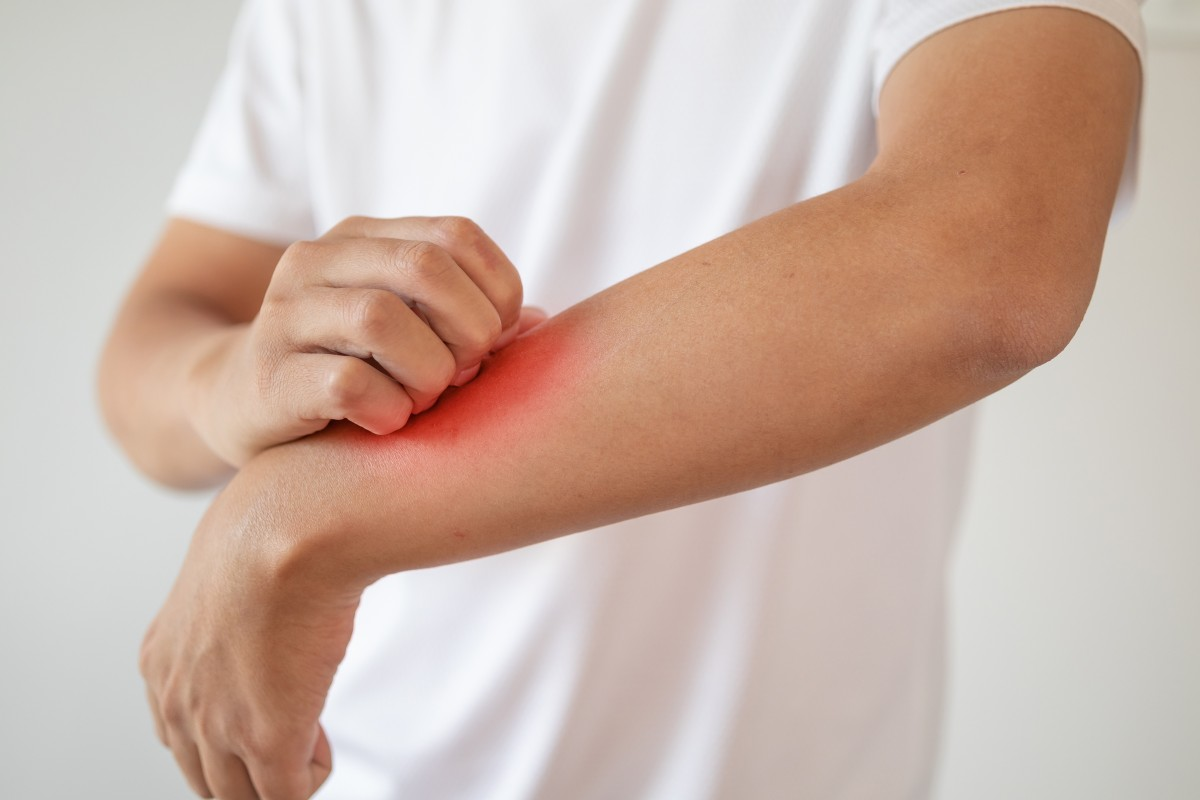
Itching skin can be really frustrating and hard to deal with. It often comes from things like insect bites, sunburns, allergies, or minor skin problems. For many, finding relief from itching is a big priority. Benadryl, which has diphenhydramine, is often used to help with itchy skin caused by allergies.
We know how much itchy skin can affect your life. At Liv Hospital, we use our medical knowledge and new ideas to help you. Benadryl’s main ingredient, diphenhydramine, helps by lowering histamine in your body. This relieves itchy feelings.
Key Takeaways
- Benadryl is used to treat itchy skin caused by various conditions.
- The active ingredient, diphenhydramine, reduces histamine in the body.
- Relief from itching can improve your overall comfort and quality of life.
- It’s essential to follow the recommended dosage for safe usage.
- Consult a healthcare professional for persistent or severe itching.
Understanding Skin Itching and Its Causes
It’s important to know why our skin itches. Itchy skin, or pruritus, can be caused by many things. We’ll look at what usually makes skin itch and how histamine is involved.
Common Triggers for Itchy Skin
Many things can make our skin itch. This includes allergies, dry skin, and health issues. Here are some common reasons:
- Products or fabrics that irritate the skin
- Seasonal allergies
- Dry skin
- Insect bites or stings
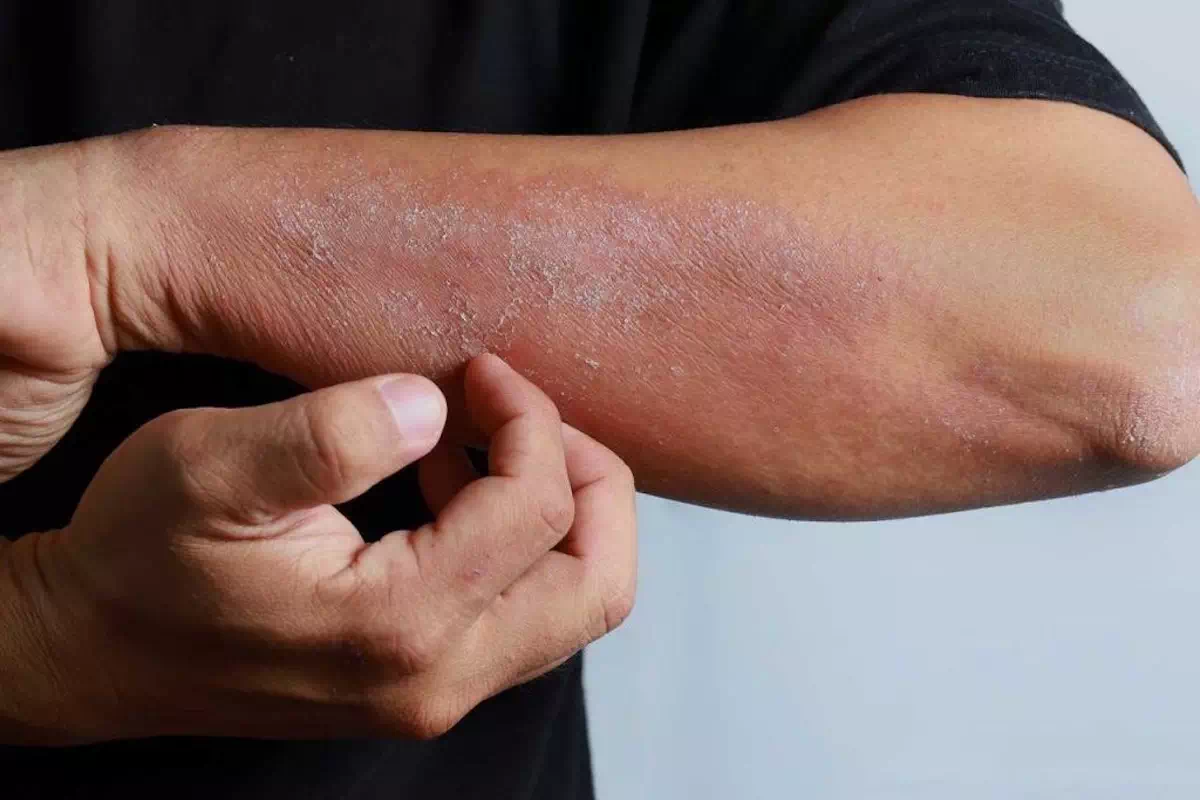
- Skin conditions like eczema or psoriasis
|
Trigger |
Description |
Common Symptoms |
|---|---|---|
|
Dry Skin |
Lack of moisture in the skin |
Itching, dryness, flakiness |
|
Allergic Reactions |
Reaction to allergens like pollen or certain metals |
Itching, redness, hives |
|
Insect Bites/Stings |
Reaction to insect bites or stings |
Itching, swelling, redness |
The Role of Histamine in Skin Itching
Histamine is key in making our skin itch. When it’s released, it makes blood vessels wider. This brings more blood to the area, causing itching, redness, and swelling.
Histamine and Itching: Histamine connects with nerve endings, sending itch signals to the brain. Knowing this helps us find ways to stop the itch.
By understanding why our skin itches and the role of histamine, we can find the right treatments. Next, we’ll see how Benadryl can help with itchy skin.
What is Benadryl?
Benadryl is a well-known antihistamine that helps with itchy skin. It has diphenhydramine, a key ingredient. This ingredient blocks histamine, which causes allergic reactions.
Active Ingredient: Diphenhydramine
Diphenhydramine is the main ingredient in Benadryl. It fights histamine, reducing itching, redness, and swelling. This makes Benadryl great for itchy skin from allergies.
History and Development
Benadryl started in the mid-20th century as an antihistamine. It has grown into a trusted brand. Now, it offers many forms for itchy skin relief.
Available Forms and Strengths
Benadryl comes in various forms and strengths. You can find it as tablets, liquids, creams, and gels. Each type is made for different needs, helping you find the right one for your itchy skin.
|
Form |
Strength |
Usage |
|---|---|---|
|
Oral Tablets |
25mg, 50mg |
For systemic relief from itching and allergic reactions |
|
Liquid |
12.5mg/5ml |
Ideal for children or those who have difficulty swallowing tablets |
|
Topical Cream/Gel |
1%, 2% |
Direct application to itchy skin areas for localized relief |
Knowing the different forms and strengths of Benadryl helps you choose the best for your itchy skin.
Can Benadryl Help with Itching? The Science Explained
Benadryl is known for its antihistamine properties. It’s often used to treat itching caused by skin irritations. This makes it a popular choice for many people.
Mechanism of Action Against Itching
Benadryl’s main ingredient, diphenhydramine, is key to its effectiveness. It blocks histamine receptors in the body. This action reduces itching caused by allergic reactions.
Allergic reactions release histamine, a chemical that causes itching. Benadryl blocks these receptors. This stops histamine from causing itching, providing relief.
Histamine Receptor Blocking
Blocking histamine receptors is how Benadryl fights itching. Histamine is involved in allergic reactions, causing itching and swelling. Benadryl’s diphenhydramine blocks histamine’s action, reducing itching.
Research and Clinical Evidence
Research shows Benadryl works well for itching from insect bites, sunburns, and poison ivy. Clinical studies back its use for these issues. It’s seen as a quick fix for itchy skin.
Studies confirm Benadryl’s antihistamine properties are good for allergic itching. Knowing how Benadryl works helps us see its value for itchy skin.
Types of Skin Conditions Benadryl Can Help With
Benadryl is not just for allergies. It’s also great for itchy skin from many causes, like insect bites or sunburn. It’s a go-to for relief, but it helps with more than just a few issues.
Allergic Reactions and Hives
Benadryl is great for itchy skin, hives, and rashes from allergies. Allergic reactions happen when our immune system reacts to something new. This reaction releases histamine, making blood vessels expand. Benadryl blocks these receptors, easing the itching and discomfort.
If you have hives from an allergy, Benadryl can help with itching and make hives smaller. But, it’s also key to find and avoid the allergen causing the reaction.
Insect Bites and Stings
Insect bites and stings often cause itchy skin. Benadryl can help with this. It works for bites from mosquitoes, ants, and more, reducing itching and swelling.
For minor bites, try Benadryl topical cream or spray. For more serious bites or many bites, oral Benadryl might be better.
Poison Ivy, Oak, and Sumac
Poison ivy, oak, and sumac are known for their intense itching and rashes. Benadryl can ease this itching, making it a good treatment.
For mild to moderate exposure, use topical Benadryl on the affected area. For severe cases, oral Benadryl might be needed for full relief.
Sunburn and Heat Rash
Sunburn and heat rash can be very itchy and uncomfortable. Benadryl can help with these conditions, too.
For sunburn, Benadryl can ease itching and discomfort. But, remember to use sunscreen and wear protective clothes to avoid more damage. For heat rash, Benadryl can help with itching and irritation, helping your skin heal.
When Benadryl Is Not Recommended for Itching
Benadryl helps with many itchy skin problems. But, it’s not right for everyone or every situation. It works well for sudden allergic reactions. Yet, other treatments are better for some cases.
Chronic Skin Conditions
People with long-term skin issues like eczema or atopic dermatitis shouldn’t rely on Benadryl. These conditions need more than just one treatment.
|
Condition |
Primary Treatment |
Role of Benadryl |
|---|---|---|
|
Eczema |
Topical corticosteroids, moisturizers |
May be used for acute flare-ups |
|
Atopic Dermatitis |
Topical corticosteroids, immunomodulators |
Can help with itching during flare-ups |
Underlying Medical Issues
Some health problems make Benadryl not safe or even bad for itchy skin. For instance, people with liver or kidney disease should be careful with Benadryl. They might need to take less or avoid it.
When to Seek Alternative Treatments
If Benadryl doesn’t work for your itchy skin, see a doctor. They can find the real cause and suggest better treatments. You might need prescription drugs or creams that target the itching directly.
In short, Benadryl is good for itchy skin in many cases. But, knowing its limits and when to look for other options is key. This way, you can handle your itchy skin better and feel better overall.
Different Formulations of Benadryl for Itchy Skin
Benadryl comes in many forms to help with itchy skin. It’s available in various types to meet different needs and preferences.
Oral Tablets and Liquids
Benadryl tablets and liquids are used to treat itching from allergies. They contain diphenhydramine, an antihistamine. This works by blocking histamine receptors, which helps reduce itching.
“Antihistamines like diphenhydramine are a cornerstone in the treatment of allergic reactions, providing quick relief from symptoms such as itching and hives,” as noted in medical literature.
Topical Creams and Gels
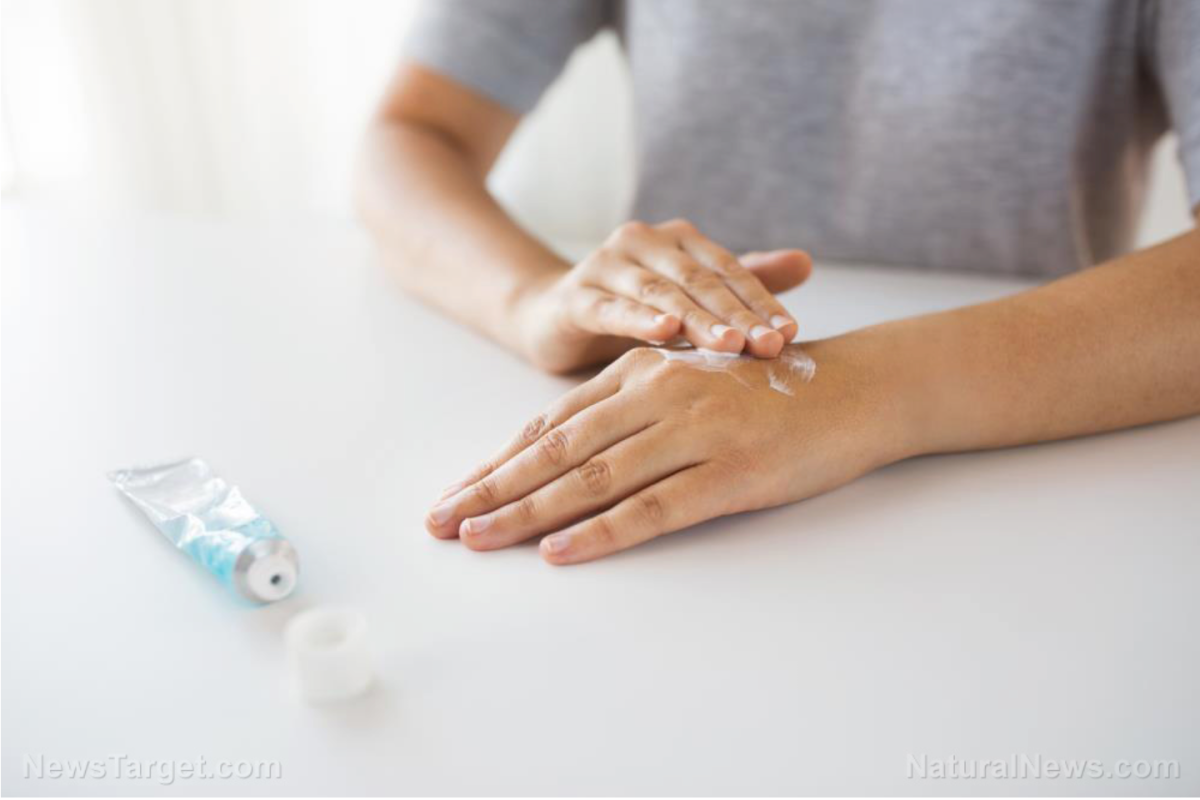
Benadryl also comes in creams and gels for direct skin application. These are great for insect bites, minor irritations, and skin allergies. They offer targeted relief.
Topical creams and gels are good because they have fewer side effects than oral antihistamines. This makes them a popular choice for some.
Spray Formulations
Benadryl sprays are useful for hard-to-reach areas or large skin surfaces. They provide even coverage and are easy to apply.
Choosing the Right Formulation for Your Needs
Choosing the right Benadryl depends on your itchy skin condition and personal preferences. Oral forms are good for widespread itching, while creams or gels are better for small areas.
- Consider the extent of the itchy area: Larger areas might benefit from oral formulations or sprays.
- Assess the severity of itching: Severe cases might require oral antihistamines for systemic relief.
- Personal preference: Some may prefer topical applications to avoid systemic side effects.
Knowing the different Benadryl forms and their benefits helps you choose the best treatment for itchy skin.
How to Use Benadryl for Itching Skin
To use Benadryl for itchy skin right, knowing how to apply and dose it is key. Benadryl helps with itching from many causes. But, it works best when used correctly.
Proper Dosage Guidelines
The right dose of Benadryl changes based on the type and your age and weight. Adults usually take 25-50 mg every 4-6 hours as needed. But, don’t take more than 300 mg in 24 hours. Always check the product’s instructions or talk to a doctor for the best advice.
Dosage for Different Age Groups:
|
Age Group |
Recommended Dose |
Frequency |
|---|---|---|
|
Adults |
25-50 mg |
Every 4-6 hours |
|
Children (6-11 years) |
12.5-25 mg |
Every 4-6 hours |
|
Children (3-5 years) |
6.25-12.5 mg |
Every 4-6 hours |
Application Methods for Topical Formulations
For creams or sprays, apply a thin layer to the itchy area. Rub it in until it’s fully absorbed. Don’t use topical Benadryl on big areas or sensitive skin without a doctor’s say-so.
Timing and Frequency
How often to take Benadryl depends on the type and how bad the itch is. Oral Benadryl can be taken every 4-6 hours. Topical forms are used 3-4 times a day. Don’t take it too often to avoid side effects.
Duration of Treatment
Keep Benadryl use short to get relief fast. If itching lasts more than a few days or gets worse, see a doctor. Long-term use can cause problems or side effects.
By following these tips, you can use Benadryl to ease itching skin safely. Always talk to a doctor if you’re unsure or if symptoms don’t go away.
Potential Side Effects and Safety Concerns
Benadryl can cause side effects when used for itchy skin. It’s safe when used right, but it can lead to different reactions. These can range from mild to serious.
Common Side Effects
Benadryl often makes people feel drowsy, dizzy, and dry-mouthed. Some might feel too excited, nervous, or have trouble sleeping. These effects are usually mild and don’t last long, but they can affect daily life.
Common Side Effects of Benadryl:
- Drowsiness
- Dizziness
- Dry mouth
- Excitability
- Nervousness
- Trouble sleeping
Risk Factors and Contraindications
Some people should be careful or avoid Benadryl. This includes those with certain health issues or taking specific medicines. For example, people with glaucoma, urinary issues, or heart problems should talk to their doctor first.
|
Condition |
Risk Level |
Recommendation |
|---|---|---|
|
Glaucoma |
High |
Consult a healthcare provider |
|
Urinary Retention |
High |
Consult a healthcare provider |
|
Heart Conditions |
Moderate |
Consult a healthcare provider |
Interactions with Other Medications
Benadryl can react with other drugs, causing bad effects. Always tell your doctor about all medicines you’re taking. This includes prescription drugs, over-the-counter items, and supplements.
“It’s always best to consult with a healthcare professional before starting any new medication, specially if you’re already taking other drugs.”
Safety in Special Populations
Benadryl’s safety can vary in different groups, like kids, older adults, and pregnant or breastfeeding women. Kids might feel too excited, while older people could get drowsy or confused.
Knowing about these side effects and safety issues helps use Benadryl safely for itchy skin. Always follow the right dosage and talk to a doctor if you have any worries.
Comparing Benadryl to Other Itch Relief Options
If you’re dealing with itchy skin, you have several treatment options to consider, including Benadryl. It’s important to know how different products compare in terms of effectiveness and suitability for your specific condition.
Other Antihistamines
Benadryl is not the only antihistamine for itch relief. Options like Zyrtec (cetirizine) and Claritin (loratadine) also work by blocking histamine receptors. They have different active ingredients and side effects.
Zyrtec is known for its fast action and is often used for allergic reactions. Claritin is preferred for its non-drowsy formula. The choice between these antihistamines depends on your specific needs and how your body reacts to different medications.
Corticosteroid Creams
Corticosteroid creams are effective for itchy skin, like eczema or dermatitis. They reduce inflammation, which can help with itching. Unlike antihistamines, corticosteroids are applied directly to the affected area, providing targeted relief.
Examples include hydrocortisone cream, available over-the-counter, and stronger prescription creams like triamcinolone. The right choice depends on the severity and location of the itchy skin.
Calamine and Other OTC Products
Calamine lotion is a popular over-the-counter (OTC) product for itch relief. It’s often used for conditions like poison ivy, chickenpox, and minor insect bites. It works by cooling the skin and reducing itching and inflammation.
Other OTC products for itch relief include oatmeal baths, menthol creams, and capsaicin creams. Each product has its unique mechanism of action. Some people find them more effective than antihistamines for certain types of itchy skin.
Prescription Alternatives
For severe or chronic itchy skin conditions, prescription medications may be necessary. These can include stronger corticosteroids, immunomodulators, or specific anti-itch medications like gabapentin or pregabalin.
Prescription alternatives are often considered when OTC products are ineffective. They are also used when the itchy skin is due to a more complex condition that requires medical supervision.
To help you better understand the differences between these itch relief options, we’ve compiled a comparison table:
|
Treatment Option |
Mechanism of Action |
Common Uses |
Availability |
|---|---|---|---|
|
Benadryl (Diphenhydramine) |
Antihistamine, blocks histamine receptors |
Allergic reactions, itchy skin |
OTC |
|
Zyrtec (Cetirizine) |
Antihistamine, blocks histamine receptors |
Allergic reactions, itchy skin |
OTC |
|
Claritin (Loratadine) |
Antihistamine, blocks histamine receptors |
Allergic reactions, itchy skin |
OTC |
|
Corticosteroid Creams |
Reduces inflammation |
Eczema, dermatitis, allergic reactions |
OTC/Rx |
|
Calamine Lotion |
Cooling, reduces itching and inflammation |
Poison ivy, chickenpox, insect bites |
OTC |
|
Prescription Alternatives |
Varies (stronger corticosteroids, immunomodulators, etc.) |
Severe or chronic itchy skin conditions |
Rx |
By comparing these options, you can make a more informed decision about which treatment is best for your itchy skin condition. Always consult with a healthcare professional before starting any new medication, as they can help determine the cause of your itchy skin and recommend the most suitable treatment.
Conclusion
Benadryl is a good choice for itchy skin caused by many things. It works well against itching from allergies, bug bites, and skin irritations. But, it’s important to know its limits and possible side effects.
Thinking about using Benadryl for itchy skin? You should think about its good points and bad points. For some, it really helps. But, others might need something else, like if they have long-term skin problems. Always talk to a doctor to find the best treatment for you.
Knowing how Benadryl helps with itchy skin can help you make better choices. Does Benadryl help with itching skin? Yes, for many people. But, it’s not for everyone. Use Benadryl for itchy skin carefully and only when it’s right.
FAQ
Does Benadryl help with itching skin?
Yes, Benadryl can help with itching skin. It works well for allergic reactions, insect bites, and sunburn. This is because it has antihistamine properties.
Can Benadryl be used for chronic itchy skin conditions?
Benadryl might not be the best for long-term itchy skin issues. It’s best to talk to a doctor for other treatments that fit your needs.
What are the different formulations of Benadryl available for itchy skin?
Benadryl comes in many forms. You can find it as tablets, liquids, creams, gels, and sprays. This variety meets different needs and preferences.
How do I choose the right Benadryl formulation for my itchy skin?
Choosing the right Benadryl depends on your condition and what you prefer. Oral forms are for overall relief, while topical forms target specific areas.
What is the proper dosage of Benadryl for itching skin?
The right dose of Benadryl varies. It depends on the form and your health. Always follow what a doctor or the product’s instructions say.
Can Benadryl be used in combination with other medications for itchy skin?
Always check with a doctor before mixing Benadryl with other meds. This is to avoid bad reactions and side effects.
Is Benadryl safe for everyone, including special populations like children and pregnant women?
Benadryl is safe for some, but not all. It’s important to talk to a doctor to see if it’s safe and right for you.
What are the common side effects of using Benadryl for itchy skin?
Benadryl can cause drowsiness, dry mouth, and dizziness. If you experience severe side effects, see a doctor.
Are there alternative treatments available for itchy skin if Benadryl is not suitable?
Yes, there are other options. You can try other antihistamines, corticosteroid creams, calamine, or prescription meds. A doctor can help you choose.
Can Benadryl provide long-term relief for itchy skin?
Benadryl is for short-term relief. For long-term itchy skin, see a doctor to find the cause and get a treatment plan.
How does Benadryl compare to other itch relief options?
Benadryl is one of many itch relief options. Its effectiveness depends on your condition and personal needs. Other treatments like corticosteroid creams or calamine might work better for some.
Reference
National Center for Biotechnology Information. Evidence-Based Medical Guidance. Retrieved from https://www.ncbi.nlm.nih.gov/books/NBK558997/