

As we move past the COVID-19 pandemic, many people wonder about its effects on their lungs. They ask if COVID-19 can cause bronchitis. At Liv Hospital, we aim to answer these questions with care and truth.
COVID-19 can make breathing very hard. Sometimes, it can even cause other infections like bronchitis, mainly in those who are more at risk. The virus harms the lungs by attaching to specific receptors, which can make bronchitis worse.
It’s important to know how COVID-19 and bronchitis are connected. This knowledge helps both patients and doctors take better care of lung health. It allows us to offer more focused treatment for those affected.
Key Takeaways
- COVID-19 can cause severe respiratory symptoms that may lead to complications.
- Vulnerable populations are at a higher risk of developing secondary infections.
- The virus damages the pulmonary system, potentially worsening conditions like bronchitis.
- Understanding the COVID-19 and bronchitis connection is key for managing lung health.
- Liv Hospital is dedicated to providing patient-centered care based on the latest medical research.
The Connection Between COVID-19 and Respiratory Damage

It’s key to know how COVID-19 harms the lungs to treat patients well. The SARS-CoV-2 virus mainly hits the respiratory system. This can cause symptoms from mild to very serious.
How COVID-19 Attacks the Lungs
COVID-19 harms the lungs by infecting airway cells. This leads to inflammation and serious breathing problems. The air sacs in the lungs can fill with fluid, making it hard for oxygen to get to the blood.
Patients might cough, wheeze, or have trouble breathing. In bad cases, this can lead to acute respiratory distress syndrome (ARDS). This is a serious condition that needs quick medical help.
The virus’s lung damage isn’t just in the early stages. Some people keep having breathing issues even after they seem to get better. This is called long COVID. For more on this, check out HealthPartners’ blog on cough and lung problems after.
Common Respiratory Symptoms of COVID-19
COVID-19’s breathing symptoms can differ from person to person. Common signs include:
- A persistent cough, which may be dry or produce mucus
- Wheezing or a feeling of tightness in the chest
- Shortness of breath or difficulty breathing
- Chest pain or discomfort that worsens with deep breathing or coughing
These symptoms can be like those of bronchitis. It’s hard to tell them apart just by symptoms. Doctors need to do detailed tests to figure out what’s causing a patient’s symptoms.
Knowing how COVID-19 affects the lungs and the common symptoms helps doctors give better care. This knowledge also helps in finding ways to lessen COVID-19’s long-term lung damage.
Understanding Bronchitis After COVID Recovery
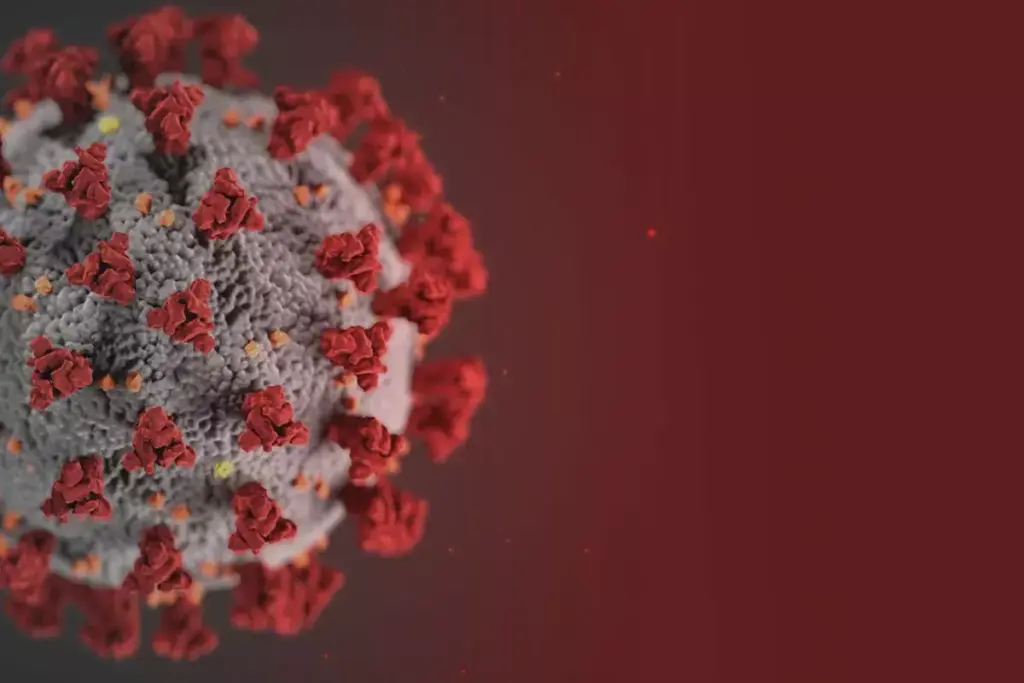
Recovering from COVID-19 is just the beginning for some. They then face the challenge of overcoming post-COVID bronchial inflammation. Understanding post-COVID bronchitis is key. It’s important to know how it develops and the signs it shows.
Mechanisms of Post-COVID Bronchial Inflammation
Getting bronchitis after COVID-19 recovery involves many factors. Studies show that the initial infection can cause lasting inflammation in the bronchial tubes. This inflammation can worsen due to the body’s immune response, possibly leading to bronchitis.
For more on how COVID-19 affects the lungs and might lead to bronchitis, check out
The exact causes are being studied. But, it’s thought that the virus might damage the airway lining. This makes them more open to infections or inflammation.
Signs Your COVID Has Developed Into Bronchitis
Spotting the signs of post-COVID bronchitis is vital for getting help quickly. Common symptoms include a lasting cough, often with mucus, and wheezing. Some people might also feel short of breath or have chest pain.
- A persistent cough that lasts beyond the initial COVID-19 recovery phase
- Increased mucus production
- Wheezing or a whistling sound while breathing
- Shortness of breath or difficulty breathing
If you’re showing these symptoms after COVID-19, see a doctor. They can check you out and start treatment.
Risk Factors and Coexisting Conditions
As we explore COVID-19, it’s key to look at how conditions like bronchitis affect the disease. Knowing this helps doctors better care for patients with many health issues.
Pre-existing Bronchitis and COVID-19 Vulnerability
People with bronchitis are at higher risk for severe COVID-19. Pre-existing bronchitis weakens the lungs, making it hard to fight off COVID-19. This is because the respiratory system is already compromised, and COVID-19 can make it worse.
Having bronchitis can make COVID-19 symptoms worse, like coughing, wheezing, and shortness of breath. Doctors need to watch out for this when treating patients with bronchitis.
Can You Have COVID-19 and Bronchitis Simultaneously?
Yes, it’s possible to have both COVID-19 and bronchitis at the same time. When they happen together, they can cause more serious breathing problems. Managing both conditions together is important to avoid serious issues.
Patients with both may have worse symptoms, like severe coughing, trouble breathing, and more mucus. It’s important for doctors to keep a close eye on these patients and create a treatment plan for both conditions.
Understanding how COVID-19 and bronchitis work together is key to good care. By knowing about coexisting conditions, doctors can better manage patient care and reduce the risk of serious problems.
Conclusion: When to Seek Medical Care and Recovery Outlook
COVID-19 can cause respiratory issues like bronchitis. If you have symptoms like wheezing, watch them closely. Seek medical help if they get worse.
Managing symptoms is key in treating post-COVID bronchitis. Your doctor might suggest treatments for wheezing and other breathing problems.
If you have trouble breathing, chest pain, or severe wheezing, get help right away. For milder symptoms, make an appointment with your doctor to check on your progress.
How long it takes to recover from post-COVID bronchitis depends on your symptoms and health. With the right treatment, most people get better. It’s important to follow up with your doctor to ensure a full recovery and avoid complications.
FAQ:
Can COVID-19 lead to bronchitis?
Yes, COVID-19 can cause inflammation of the airways, leading to acute bronchitis or worsening pre-existing bronchitis.
What are the common respiratory symptoms of COVID-19 that may overlap with bronchitis?
Cough, shortness of breath, chest tightness, fatigue, and sputum production can be seen in both COVID-19 and bronchitis.
How does COVID-19 damage the lungs, and what are the implications for bronchitis?
SARS-CoV-2 can cause direct viral injury, inflammation, and immune-mediated damage, which may predispose patients to airway inflammation and post-COVID bronchitis.
Can you have COVID-19 and bronchitis at the same time?
Yes, it is possible to have COVID-19 infection simultaneously with acute bronchitis, particularly if the infection triggers airway inflammation.
What are the signs and symptoms that indicate the development of bronchitis post-COVID-19 infection?
Persistent cough, mucus production, wheezing, shortness of breath, and chest discomfort beyond the acute COVID-19 phase may indicate post-COVID bronchitis.
Does COVID-19 cause bronchitis in everyone who contracts it?
No, not everyone develops bronchitis; risk is higher in individuals with pre-existing lung conditions, smokers, or severe COVID-19 illness.
What are the treatment options for post-COVID bronchitis?
Treatment is usually supportive, including bronchodilators, corticosteroids (if severe), hydration, rest, pulmonary rehabilitation, and monitoring for secondary infections.
Can COVID-19 cause wheezing, and is it related to bronchitis?
Yes, COVID-19 can cause wheezing due to airway inflammation, which may overlap with bronchitis symptoms or exacerbate pre-existing bronchial conditions.
How can I manage my respiratory health after recovering from COVID-19?
Management includes pulmonary rehabilitation, controlled breathing exercises, avoiding respiratory irritants (smoke, pollution), staying hydrated, and follow-up with a healthcare provider if symptoms persist.
REFERENCES: