



Breakups or divorces are often the most stressful times in life. They lead to a loss of interest in daily activities and constant sadness. Mood disorders can change how we interact with our loved ones.
Discover how separation depression and anxiety can impact relationships. Our guide offers insights and support for managing these challenges.
Symptoms like irritability and social withdrawal can make a painful distance between partners. Many people struggle with separation anxiety from significant other during these times. We aim to offer empathetic care to help you through these complex feelings.
At Liv Hospital, we have a comprehensive support system for international patients. Our team analyzes these patterns to offer professional help for your mental health. Recognizing these signs early can prevent long-term distress and aid in healing.
Key Takeaways
- Ending a romantic bond ranks as one of life’s most stressful experiences.
- Clinical symptoms like irritability often create distance in healthy relationships.
- Heartbreak can trigger severe anxiety and social withdrawal.
- Institutional support is vital for patients facing complex emotional challenges.
- Early professional intervention helps manage the risk of mood disorders.
How Depression Affects Romantic Relationships and Can Lead to Breakups
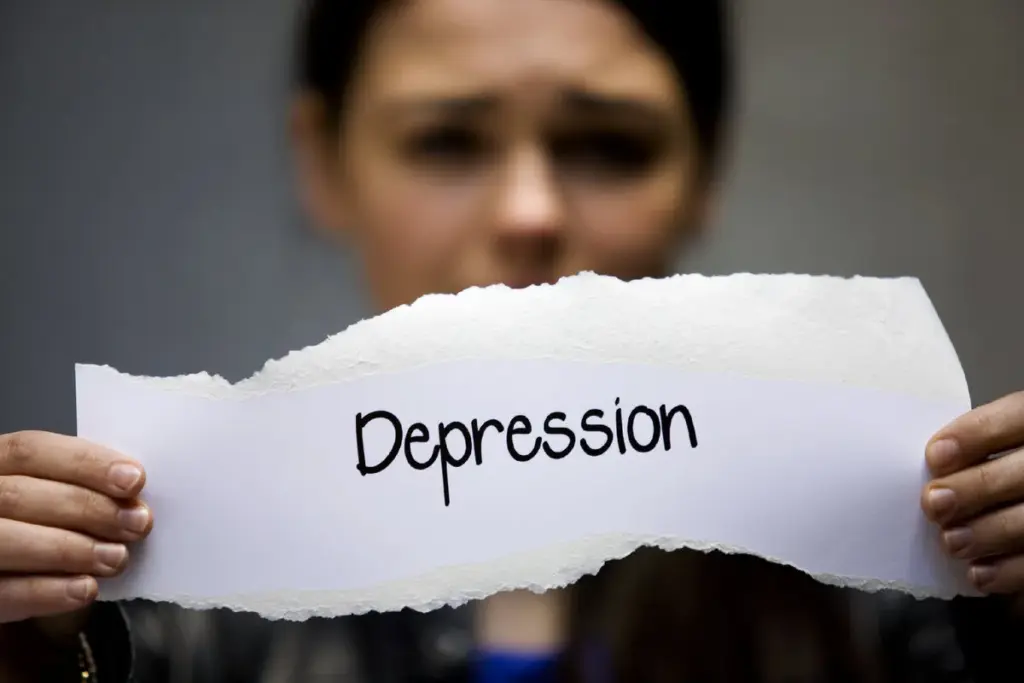
Depression can change how we talk to our partners and feel connected. It can also make our relationships less stable. We’ll look at how depression affects these important parts of a relationship and might cause breakups.
The Impact of Depression on Communication and Emotional Connection
Depression can make it hard to talk and feel close to our partners. When someone is depressed, they might find it tough to share their feelings or meet their partner’s emotional needs.
Depression can make people less open with their emotions. This can make their partners feel left out or unheard. It can lead to feeling disconnected and frustrated in the relationship.
Effective communication is vital for a good relationship. But depression can make it hard to express feelings or needs.
Behavioral Changes That Strain Partnerships
Depression can lead to changes in behavior that can strain a relationship. These changes might include pulling away from social activities, getting irritable, or losing interest in things you used to enjoy together.
For example, someone with depression might pull away from social activities, including those with their partner. This can make their partner feel abandoned or neglected.
When Depression Becomes the Breaking Point
In some cases, depression can be so hard to handle that it breaks a relationship. The stress of dealing with a partner’s depression, along with the emotional impact of the condition itself, can be too much for some relationships.
| Factors Contributing to Breakups | Impact on Relationships |
| Decreased Communication | Leads to feelings of isolation and disconnection |
| Behavioral Changes | Causes strain due to social withdrawal and irritability |
| Emotional Disconnection | Results in a lack of emotional intimacy and support |
Understanding Separation Depression: When Breakups Trigger or Worsen Depressive Episodes

Breaking up can lead to a mix of emotions, sometimes causing separation depression. Losing a partner means losing companionship, emotional support, and future plans. It’s important to feel the pain of these losses to heal.
Depression and separation have a complex relationship. Depression can hurt a relationship, leading to its end. On the other hand, losing a relationship can make depression worse.
The Bidirectional Relationship Between Depression and Separation
Depression can make it hard to keep relationships healthy. Symptoms like withdrawal and lack of interest can strain a partnership. Also, the pain of a breakup can trigger depression in some people.
The interplay between depression and separation is multifaceted:
- Depression can lead to behaviors that stress the relationship.
- The stress and emotional pain of a breakup can trigger or worsen depression.
Common Symptoms of Depression Following a Breakup
Knowing the signs of depression after a breakup is key. Look out for:
- Persistent sadness or emptiness
- Loss of interest in activities once enjoyed
- Changes in appetite or sleep patterns
- Fatigue or loss of energy
- Difficulty concentrating or making decisions
These symptoms can vary in intensity and duration. They depend on individual circumstances and support systems.
Risk Factors That Intensify Post-Separation Depression
Some factors can make depression after a breakup worse. These include:
| Risk Factor | Description |
| Previous History of Depression | Those with a history of depression are more likely to feel depressed after a breakup. |
| Lack of Social Support | A strong support network can help. Without it, symptoms can worsen. |
| Trauma or Abuse | Experiencing trauma or abuse in the relationship can make grieving harder and increase depression risk. |
Knowing these risk factors helps individuals and their support networks to be more proactive in seeking help when needed.
Separation Anxiety From a Significant Other: The Connection to Depression
Being apart from a loved one can make depression and anxiety worse. This is true for adults in romantic relationships. The emotional tie between partners is key to their mental health.
What Is Separation Anxiety in Adult Romantic Relationships?
Separation anxiety in adult relationships means feeling very scared or worried about being away from your partner. It can make you want to be always connected, fear being left, or feel sad when your partner is not there. This is more than just being attached; it’s a serious issue that affects daily life and well-being.
How Depression and Separation Anxiety Reinforce Each Other
Depression and separation anxiety can feed into each other. Depression can make you feel more isolated and scared of being left, making separation anxiety worse. On the other hand, the fear of being apart can make depression symptoms worse. This shows why treating both conditions together is important.
| Condition | Symptoms | Impact on Relationship |
| Separation Anxiety | Excessive fear of separation, constant need for reassurance | Can lead to clinginess or controlling behavior |
| Depression | Persistent sadness, loss of interest, changes in appetite or sleep | Can cause withdrawal, decreased intimacy, and communication issues |
| Combined Effect | Intensified symptoms of both conditions | Strains the relationship, potentially leading to a breakdown |
Recognizing When Professional Help Is Needed
If you or your partner are feeling overwhelmed, it’s time to seek help. Severe symptoms or problems in your relationship are signs you need professional assistance. Therapy, counseling, and sometimes medication can help.
Conclusion
Understanding the link between depression and separation is key for healthy relationships and mental health. This article has shown how depression can lead to breakups in romantic relationships. It also highlighted how separation can make depressive episodes worse.
Talking openly with your partner and getting professional help can help a lot. It’s important to know the difference between feeling out of love and depression. This knowledge is good for both the relationship and your mental health.
By recognizing the complex relationship between depression and separation, we can start healing. It’s important to address these issues. This creates a supportive environment that helps mental well-being and strengthens relationships.
FAQ
Can depression cause breakups in stable relationships?
Yes, untreated depression can strain communication, intimacy, and emotional connection, sometimes leading to breakups.
What exactly is separation depression and how does it manifest?
It is a mood disorder triggered by physical or emotional separation, causing sadness, anxiety, sleep changes, and loss of interest.
How can we identify separation anxiety from a significant other in adults?
Signs include excessive worry about being apart, constant checking, irritability, and difficulty functioning when separated.
Why do depression and separation often occur simultaneously?
Separation can trigger grief and stress, which may exacerbate underlying depression, creating a cycle of emotional distress.
What are the primary risk factors that intensify depression after a breakup?
Prior mental health issues, lack of social support, major life stressors, and attachment style increase vulnerability.
When is it necessary to seek professional clinical support for these issues?
Seek help if symptoms persist, worsen, interfere with daily life, or include thoughts of self-harm or hopelessness.
References
National Institutes of Health. Evidence-Based Medical Insight. Retrieved from https://www.nia.nih.gov/health/alzheimers-and-dementia/understanding-different-types-dementia[8


 Departments
 Related Videos
 Our Doctors
 News
News


