Can you die from COPD? Learn the critical facts about mortality and how life expectancy changes depending on the stage of your disease. Chronic Obstructive Pulmonary Disease (COPD) makes it hard to breathe. It includes emphysema and chronic bronchitis. Getting a COPD diagnosis can be scary, and worrying about dying is normal.
It’s important to know about the disease and its stages. This helps manage hopes and improve life quality.
COPD can be fatal if not managed well. Knowing how the disease progresses and life expectancy at different stages helps. At Liv Hospital, we know COPD is tough. We offer caring, evidence-based care for each patient’s needs.
Key Takeaways
- COPD is a progressive condition that affects breathing and can be fatal if not managed properly.
- Understanding COPD stages is key for managing hopes and improving life quality.
- Life expectancy varies a lot based on disease severity and stage.
- Early diagnosis and proper management can improve COPD patient outcomes.
- Compassionate, evidence-based care is vital for COPD’s unique challenges.
Understanding COPD as a Progressive Disease
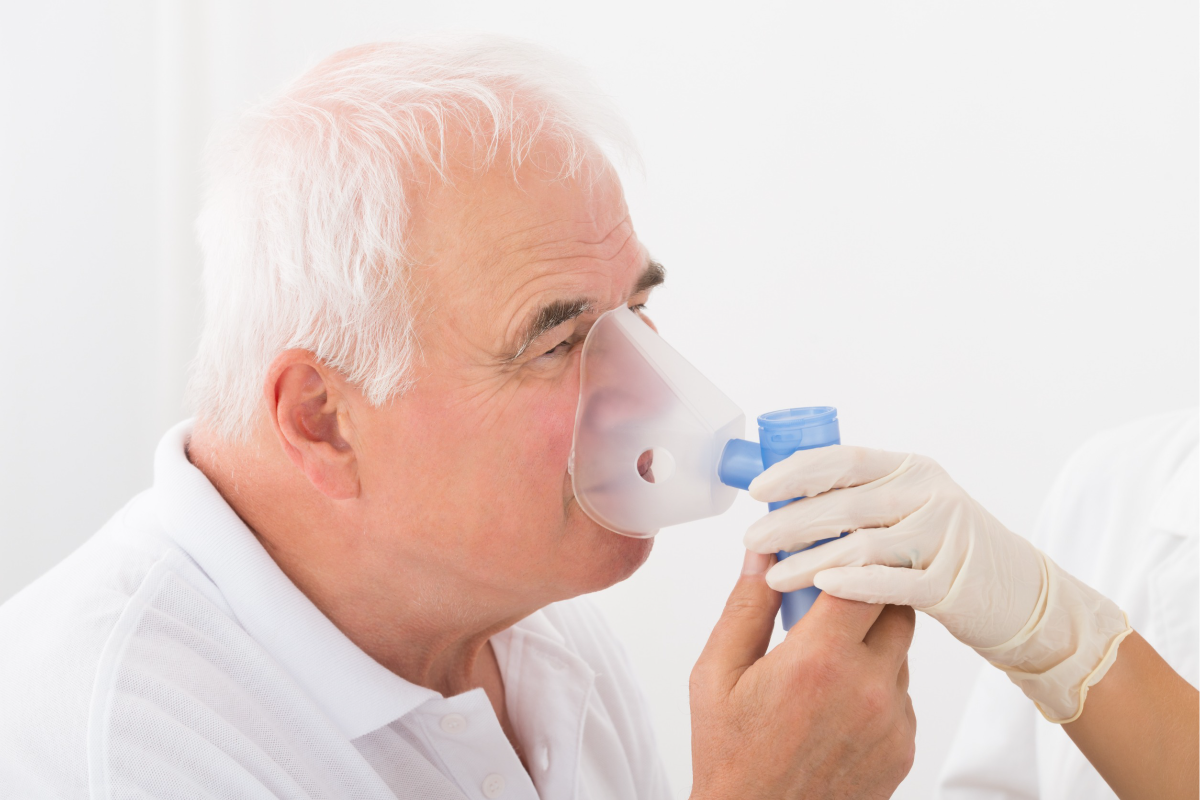
COPD is a disease that gets worse over time and affects how we breathe. It’s a complex condition that harms the lungs in many ways.
What is COPD?
COPD is a long-term lung disease that makes it hard to breathe. It’s mainly caused by smoking. But, other things like lung irritants and genetics can also play a role.
How COPD Affects the Lungs
COPD damages the lungs, making breathing harder. It destroys lung tissue and air sacs, causing lung function to decline. This damage can’t be reversed, but treatments can slow it down.
Common Causes of COPD
Smoking is the biggest risk for COPD. But, other things like secondhand smoke, air pollution, and certain chemicals can also cause it. Genetics, like alpha-1 antitrypsin deficiency, can also increase the risk.
|
Cause/Risk Factor |
Description |
Impact on COPD |
|---|---|---|
|
Smoking |
The act of inhaling smoke from burning tobacco |
Significantly increases the risk of developing COPD |
|
Secondhand Smoke |
Inhaling smoke from others’ smoking |
Increases the risk of COPD, even in non-smokers |
|
Air Pollution |
Exposure to pollutants in the air |
Can make COPD symptoms worse and contribute to its development |
Understanding COPD means knowing its causes, how it affects the lungs, and how it gets worse. By understanding these, we can manage the disease better and improve life for those with it.
Can You Die From COPD? The Hard Truth
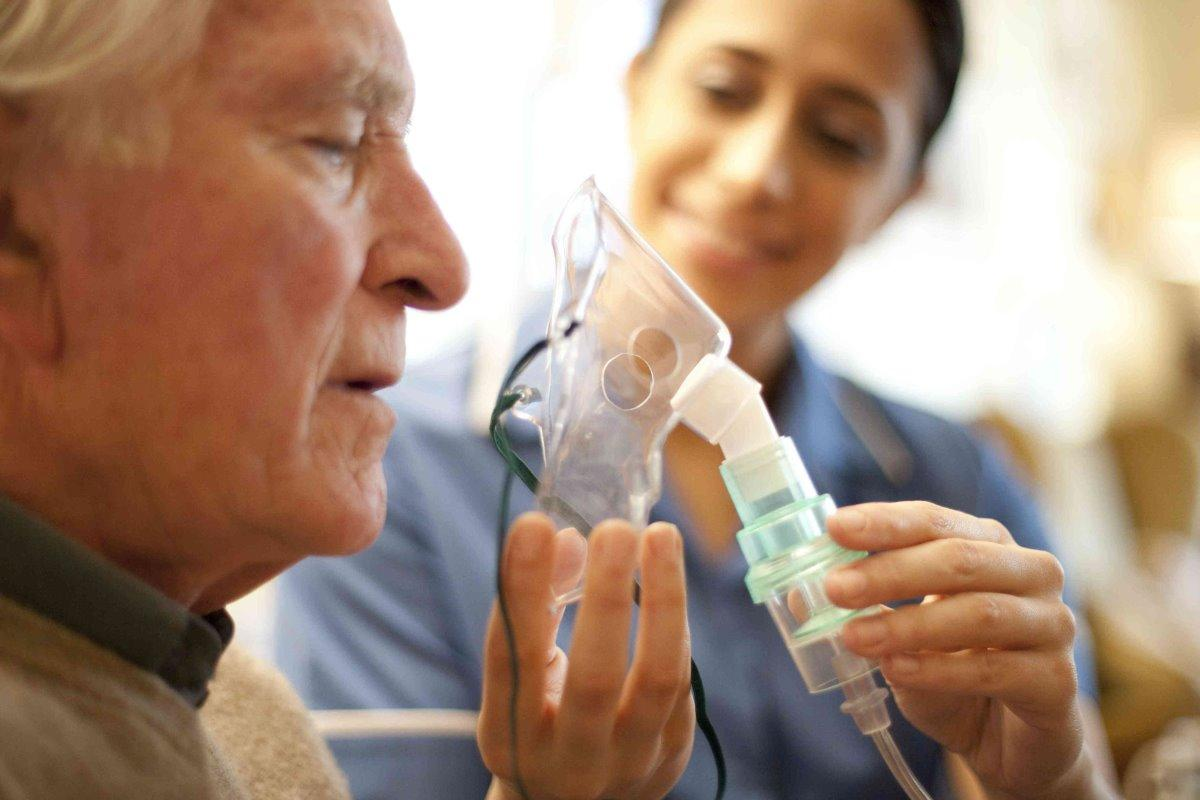
It’s important for patients and doctors to know about COPD’s dangers. COPD makes it hard to breathe and can get worse over time. How bad it is can vary, but it can be deadly.
COPD as a Leading Cause of Death
COPD is a big problem worldwide. In 2019, it was the third leading cause of death, with over 3.2 million deaths. It not only makes life harder but also shortens it.
The risk of dying from COPD is high. People with COPD are more likely to die than those without it. This risk is even higher for those with severe COPD.
Mortality Statistics for COPD Patients
How likely someone with COPD is to die depends on several things. These include how bad the disease is, if they smoke, and if they have other health problems. Here’s a look at how likely someone with COPD is to die based on the disease’s stage.
|
COPD Stage |
5-Year Mortality Rate |
Description |
|---|---|---|
|
Stage 1: Mild |
Low |
People with mild COPD have a low chance of dying in five years. But, the disease can get worse if not treated. |
|
Stage 2: Moderate |
Moderate |
As COPD gets more serious, the chance of dying in five years goes up. This is true, even more so for smokers. |
|
Stage 3: Severe |
High |
Those with severe COPD face a much higher risk of dying. Their life expectancy drops significantly. |
|
Stage 4: Very Severe |
Very High |
The most serious stage of COPD has the highest death rate. This shows how important it is to manage it aggressively. |
Factors That Influence COPD Mortality
Several things can affect how likely someone with COPD is to die. These include:
- Smoking Status: Smoking more can increase the risk of dying for those with COPD.
- Disease Severity: How bad the COPD is plays a big role in the risk of dying.
- Comorbidities: Having other health problems, like heart disease or diabetes, can raise the risk of dying.
- Age: Older people are more likely to die from COPD.
Knowing these factors is key to managing COPD well. By tackling these risks, doctors can help patients with COPD live longer and better.
The GOLD Classification System for COPD Staging
The GOLD system is a key way to stage COPD. It helps doctors create the right treatment plans. This system divides COPD into four stages based on how well air moves out of the lungs. It uses the Forced Expiratory Volume in one second (FEV1) as a main measure.
Knowing the GOLD stage is important for managing COPD. It helps doctors give treatments that fit each patient’s needs. This approach can lead to better health outcomes.
Mild COPD (Stage 1)
Stage 1 COPD has mild airflow problems. The FEV1/FVC ratio is less than 70%, but FEV1 is 80% or more than expected. At this level, people might not feel sick, but catching it early is key.
- Mild symptoms, often not noticeable
- FEV1 ≥ 80% predicted
- Early intervention can slow disease progression
Moderate COPD (Stage 2)
Stage 2 COPD has moderate airflow issues. FEV1 is between 50% and 79% of what’s expected. Symptoms start to affect daily life more.
Key characteristics include:
- Shortness of breath during physical activities
- Coughing with sputum production
- FEV1 between 50% and 79% predicted
Severe COPD (Stage 3)
Stage 3 COPD is severe, with big airflow problems. FEV1 is between 30% and 49% of what’s expected. Symptoms are worse, and flare-ups happen more often.
Notable aspects of Stage 3 include:
- Increased frequency of exacerbations
- Significant impact on quality of life
- FEV1 between 30% and 49% predicted
Very Severe COPD (Stage 4)
Stage 4 COPD is the worst, with very little airflow. FEV1 is less than 30% expected or less than 50% with breathing failure. Life quality drops a lot, and life expectancy is much shorter.
Critical features of Stage 4 include:
- Severe airflow limitation
- Frequent exacerbations and hospitalizations
- Significant reduction in life expectancy
Understanding COPD stages through the GOLD system is essential. It helps both patients and doctors make better choices. This leads to better care and a better life for those with COPD.
Life Expectancy with Stage 1 COPD
Stage 1 COPD is the first stage of chronic obstructive pulmonary disease. It has a good outlook, mainly for those who have never smoked. At this stage, lung function is only slightly affected. With the right care, people can live active lives.
It’s important to know what affects life expectancy at this stage. This knowledge helps manage the disease better.
Impact on Never Smokers
Never smokers with Stage 1 COPD usually have a better outlook than smokers. The disease progresses slower in non-smokers. This means their life expectancy is less affected by COPD.
Quitting smoking is the most significant step a smoker can take to improve their life expectancy. For never smokers, managing other risks and health issues is key.
- Lower risk of rapid disease progression
- Better response to treatments
- Higher quality of life
Impact on Current and Former Smokers
Smokers face a different outlook. Their lung function keeps declining, speeding up COPD’s progress. Former smokers can greatly improve their life expectancy by quitting.
The benefits of smoking cessation cannot be overstated. Quitting not only slows disease progress but also lowers the risk of serious problems.
- Smoking cessation programs can aid in quitting
- Nicotine replacement therapy can help manage withdrawal symptoms
- Regular follow-ups with healthcare providers are key
Post-Hospitalization Life Expectancy
Patients hospitalized for COPD face a different outlook. The severity of the episode and other health issues greatly affect life expectancy after hospitalization. Effective post-hospital care, including pulmonary rehabilitation, can improve survival rates and quality of life.
|
Factor |
Impact on Life Expectancy |
|---|---|
|
Smoking Status |
Significant impact; quitting improves prognosis |
|
Comorbidities |
Presence of other diseases can reduce life expectancy |
|
Exacerbation Frequency |
Frequent exacerbations can worsen prognosis |
Life Expectancy with Stage 2 COPD
People with Stage 2 COPD often ask about their life expectancy. At this stage, COPD limits airflow moderately. This can greatly affect their life quality and future.
Average Years of Life Lost
Research shows that Stage 2 COPD can shorten life. The exact years lost vary. Factors like smoking and overall health play a big role.
Stopping smoking is key at this stage. Smoking worsens COPD and cuts down life expectancy. We’ll look at how smoking affects life expectancy in the next sections.
Differences Between Smokers and Non-Smokers
Smoking greatly impacts COPD and life expectancy. Smokers with Stage 2 COPD face a tougher future than non-smokers. Quitting smoking can greatly improve life and health for COPD patients.
We suggest that Stage 2 COPD patients work with their doctors. They should create a treatment plan. This plan should include smoking cessation programs, sticking to medication, and making lifestyle changes.
Post-Hospitalization Prognosis
Patients hospitalized for COPD face a concerning future. Survival rates post-hospitalization depend on age, other health issues, and how severe the COPD attack was.
Knowing these factors helps doctors give better predictions. They can also tailor treatments to help patients live better. By managing COPD well and treating other health issues, patients with Stage 2 COPD can live longer and better.
Life Expectancy with Stage 3 COPD
Stage 3 COPD has severely damaged lung function, affecting life expectancy. At this stage, COPD is very severe. The decrease in life expectancy is more noticeable.
Significant Reduction in Life Expectancy
Stage 3 COPD shows a big drop in lung function. The Forced Expiratory Volume (FEV1) is between 30% and 49% of what’s expected. This severe lung damage leads to a big drop in life expectancy.
Studies show that Stage 3 COPD patients live shorter lives than those with earlier stages. Life expectancy varies based on smoking, health, and other conditions.
Impact of Continued Smoking
Smoking greatly reduces life expectancy in Stage 3 COPD patients. Quitting smoking is key. It can slow disease progression and improve survival chances.
Smokers with Stage 3 COPD face a higher risk of death than non-smokers or ex-smokers. The table below shows how smoking affects life expectancy in Stage 3 COPD patients.
|
Smoking Status |
Average Life Expectancy |
5-Year Survival Rate |
|---|---|---|
|
Continued Smokers |
3-5 years |
40% |
|
Former Smokers |
5-7 years |
60% |
|
Never Smokers |
7-10 years |
70% |
Long-term Survival Rates
Survival rates for Stage 3 COPD patients depend on treatment, lifestyle, and health conditions. Pulmonary rehab and sticking to medication can boost survival chances.
Knowing the disease’s outlook and managing it well can improve life quality. It may also extend life expectancy for Stage 3 COPD patients.
Life Expectancy with Stage 4 COPD
Stage 4 COPD is the most severe form of the disease. Patients often struggle with shortness of breath, even when resting. They may also need oxygen therapy. Knowing about life expectancy helps patients and caregivers plan care and treatment.
Most Severe Reduction in Life Expectancy
Stage 4 COPD greatly reduces life expectancy. Lung function is severely impaired. Life expectancy varies based on health, smoking, and other conditions.
Post-Hospitalization Survival
Hospital stays for Stage 4 COPD are serious. The risk of death after hospitalization is high. Age, smoking, and how severe the COPD is affect survival chances.
Quality of Life Considerations
Quality of life is as important as life expectancy for Stage 4 COPD patients. Palliative care helps manage symptoms and improve life. This includes pain relief, breathing therapy, and mental support.
|
Study |
Average Life Expectancy |
Factors Considered |
|---|---|---|
|
Study A |
2-3 years |
Smoking status, comorbidities |
|
Study B |
1-2 years |
Age, severity of exacerbations |
|
Study C |
3-5 years |
Overall health, pulmonary rehabilitation |
Factors That Influence COPD Prognosis Beyond Stage
Many factors beyond COPD stage affect a patient’s outlook. The GOLD system helps understand COPD severity. Yet, other elements greatly influence the prognosis.
Smoking Status and Cessation
Smoking status is key in COPD prognosis. Smoking speeds up disease progression. Quitting can slow lung function decline.
“Smoking cessation is the single most important step a smoker can take to reduce the risk of developing COPD and to slow its progression.”
American Lung Association
Research shows quitting smoking improves lung function and health for COPD patients. We suggest patients work with their doctors to quit smoking.
Age at Diagnosis
Diagnosis age impacts COPD prognosis. Early diagnosis often means a worse prognosis due to longer disease duration. A study in the International Journal of Chronic Obstructive Pulmonary Disease found younger diagnosis ages linked to higher mortality risk.
|
Age at Diagnosis |
Average Life Expectancy |
|---|---|
|
<50 years |
10-15 years |
|
50-60 years |
5-10 years |
|
>60 years |
2-5 years |
Comorbidities and Overall Health
Comorbidities like heart disease or diabetes affect COPD prognosis. Patients with many comorbidities face a worse prognosis. Managing these conditions is vital in treatment.
Frequency of Exacerbations
Frequent exacerbations worsen COPD prognosis. Such patients face higher risks of hospitalization and death. A European Respiratory Journal study found managing exacerbations improves outcomes.
Understanding these factors helps patients work with healthcare providers. Together, they can create a treatment plan that improves prognosis.
Life-Threatening Complications of COPD
It’s important to know about the serious problems COPD can cause. These issues can greatly affect how long someone lives and their quality of life.
Acute Exacerbations
Acute exacerbations of COPD mean symptoms get worse suddenly. This can be scary for patients and raises the risk of death. Prompt treatment is essential to handle these episodes well and avoid lasting harm.
Respiratory Failure
Respiratory failure is when the lungs can’t get enough oxygen or remove enough carbon dioxide. People with advanced COPD are at a higher risk. Mechanical ventilation might be needed to help with breathing in severe cases.
Pneumonia and Infections
Pneumonia and other infections are more serious in COPD patients because their lungs don’t work as well. Vaccinations, such as the flu and pneumococcal vaccines, are key in preventing these infections.
Cor Pulmonale (Right Heart Failure)
Cor pulmonale is when the right side of the heart fails because of high pressure in the lungs. This is a serious problem for those with advanced COPD. It needs careful management.
COPD patients face many serious complications. It’s vital to manage these risks well to improve outcomes. Medical experts say,
“The key to managing COPD lies in early diagnosis, appropriate treatment, and lifestyle modifications to mitigate the risk of complications.”
Improving Life Expectancy with COPD
To improve life expectancy with COPD, it’s important to understand the disease and use effective management strategies. COPD is a chronic and progressive disease. Yet, there are steps patients can take to enhance their quality of life and life expectancy.
Smoking Cessation Benefits
Smoking status is a key factor in COPD prognosis. Quitting smoking is essential for slowing disease progression and improving life expectancy. Studies show that quitting smoking can reduce lung function decline and lower the risk of COPD exacerbations.
A study in the New England Journal of Medicine found that quitting smoking at age 65 can increase life expectancy. For men, it’s about 1.4 to 2.3 years. For women, it’s 1.3 to 2.2 years.
“Smoking cessation is the most effective measure for reducing the risk of COPD progression and improving survival.”
Medication Adherence
Following the prescribed COPD medications is vital for managing symptoms and preventing exacerbations. Medications like bronchodilators and inhaled corticosteroids can improve lung function and quality of life.
- Bronchodilators help relax the muscles around the airways, making it easier to breathe.
- Inhaled corticosteroids reduce inflammation in the lungs.
Pulmonary Rehabilitation
Pulmonary rehabilitation is a program that includes exercise, education, and support. It helps patients manage COPD symptoms and improve their overall health.
|
Benefits of Pulmonary Rehabilitation |
Description |
|---|---|
|
Improved Exercise Tolerance |
Enhanced physical fitness and ability to perform daily activities. |
|
Symptom Reduction |
Decreased shortness of breath and other COPD symptoms. |
|
Better Quality of Life |
Improved overall well-being and mental health. |
Lifestyle Modifications
Along with medical treatments, certain lifestyle changes can significantly impact COPD management. These include maintaining a healthy diet, staying hydrated, and avoiding exposure to pollutants and irritants.
By adopting these strategies, COPD patients can improve their life expectancy and quality of life. It’s essential to work closely with healthcare providers to develop a personalized management plan.
Conclusion: Living with COPD
Understanding COPD is key for those living with it. We’ve looked at how it affects life expectancy, from mild to severe stages. We also talked about what affects how long someone might live with COPD.
Managing COPD well means getting medical help, changing your lifestyle, and keeping an eye on your health. By being proactive, people with COPD can live longer and better. Quitting smoking, taking medicine as directed, doing pulmonary rehab, and making healthy lifestyle choices are all important.
Knowing how long you might live with COPD after being diagnosed is important. Your age, whether you smoke, and other health issues all matter. Working with your doctor and making smart health choices can help you manage COPD better. This way, you can improve your health and quality of life while living with COPD.
FAQ
Can COPD be fatal?
Yes, COPD can be fatal. It is a leading cause of death worldwide. Its mortality rate is quite high.
What is the life expectancy of someone with COPD?
Life expectancy with COPD varies. It depends on the disease stage, smoking status, age, and other health conditions. It also depends on how often the disease gets worse.
How does COPD stage affect life expectancy?
COPD is divided into four stages. The GOLD classification system shows this. Life expectancy goes down as the stage gets worse, from mild to very severe.
What is the life expectancy for someone with Stage 1 COPD?
For Stage 1 COPD, the outlook is better. This is true, even for smokers. It’s best for those who have never smoked.
How long can you live with Stage 3 COPD?
Stage 3 COPD is severe. Life expectancy drops a lot. Smoking and other factors can affect how long you live.
What is the prognosis for someone with Stage 4 COPD?
Stage 4 COPD is the most severe. It greatly reduces life expectancy. After hospital stays, survival rates are a big worry. Quality of life is very important.
Can quitting smoking improve COPD prognosis?
Yes, quitting smoking is key to better COPD prognosis. It helps, no matter the stage.
How do comorbidities affect COPD prognosis?
Other health conditions can greatly affect COPD prognosis. They can make managing the disease harder and affect overall health.
What are the life-threatening complications of COPD?
COPD patients face serious risks. These include severe attacks, respiratory failure, pneumonia, and right heart failure.
Can lifestyle modifications improve life expectancy with COPD?
Yes, making lifestyle changes can help. These include pulmonary rehab, sticking to medication, and quitting smoking. They can improve life expectancy and quality of life.
What is the average age of COPD death?
The average age of death from COPD varies. It’s often linked to older age and how severe the disease is.
How does COPD impact overall health?
COPD is a progressive lung disease. It affects not just lung function but also overall health and quality of life.
References
National Center for Biotechnology Information. COPD: Life Expectancy by Stage. Retrieved from https://www.ncbi.nlm.nih.gov/pmc/articles/PMC9537656/