
Cardiac amyloidosis is a serious condition where abnormal proteins build up in the heart muscle. This makes the heart walls thick and can lead to severe problems. This condition often goes undiagnosed, affecting thousands of patients who may get a late diagnosis. When these proteins accumulate silently in the heart, they start a chain of debilitating symptoms.cardiac amyloid symptomsCardiomyopathy Symptoms: Key Signs
It’s important to understand how these symptoms develop for early detection and treatment. As the heart muscle thickens, it can cause arrhythmias and heart failure. This can greatly affect a patient’s quality of life.
Key Takeaways
- Cardiac amyloidosis is a condition where abnormal proteins accumulate in the heart muscle.
- This buildup causes the heart walls to thicken, potentially leading to serious complications.
- Early diagnosis and treatment are essential to manage symptoms and improve patient outcomes.
- Delayed diagnoses are common due to the similarity of symptoms with other age-related conditions.
- Understanding the symptoms and their development is key for timely medical intervention.
Understanding Cardiac Amyloidosis: A Silent Heart Disease
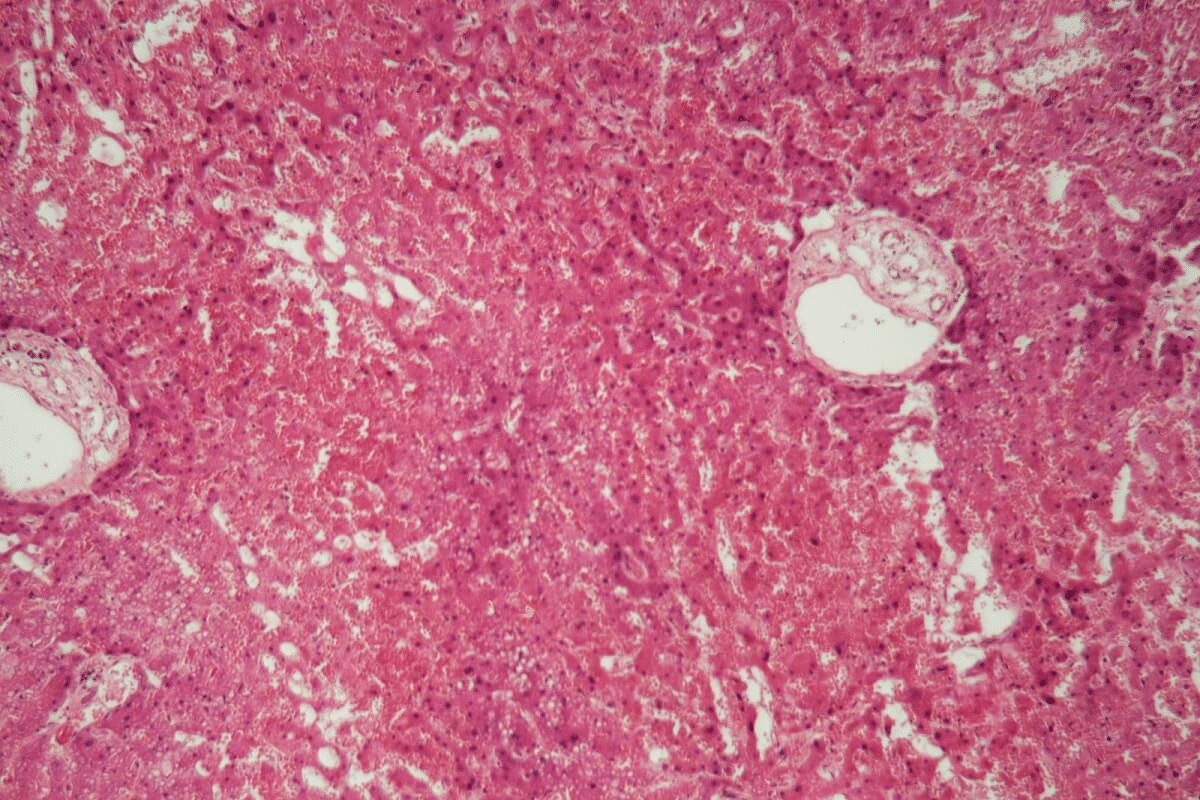
The heart is quietly affected by cardiac amyloidosis, a disease caused by amyloid protein buildup. This condition slowly makes it hard for the heart to work right. If caught early, it can be treated to avoid serious problems.
Definition and Prevalence
Cardiac amyloidosis happens when amyloid fibrils build up in the heart’s muscle layer. This buildup stops the heart from working well, causing a condition called restrictive cardiomyopathy. The disease is more common in certain groups, like those with multiple myeloma.
In people with multiple myeloma, about 10% have amyloid light-chain (AL) amyloidosis. Half to two-thirds of these patients see their heart affected by the disease.
The disease gets worse as more amyloid fibrils build up in the heart. This makes it harder for the heart to pump blood. If not treated, it can lead to heart failure.
|
Type of Amyloidosis |
Prevalence |
Cardiac Involvement |
|---|---|---|
|
AL Amyloidosis |
10% of multiple myeloma patients |
50-70% |
|
ATTR Amyloidosis |
Increasing with age, more common in men |
Common, varies by subtype |
Why Early Detection Matters
Finding cardiac amyloidosis early is key. It lets doctors start treatment sooner, which can slow the disease and help patients live better. Symptoms can be hard to spot because they’re similar to other heart issues.
But, new tests and imaging can help find the disease early. This is good news for patients.
Early treatment can greatly improve a patient’s life with cardiac amyloidosis. Knowing about the disease helps doctors take better care of their patients.
The Science Behind Amyloid Protein Buildup in the Heart
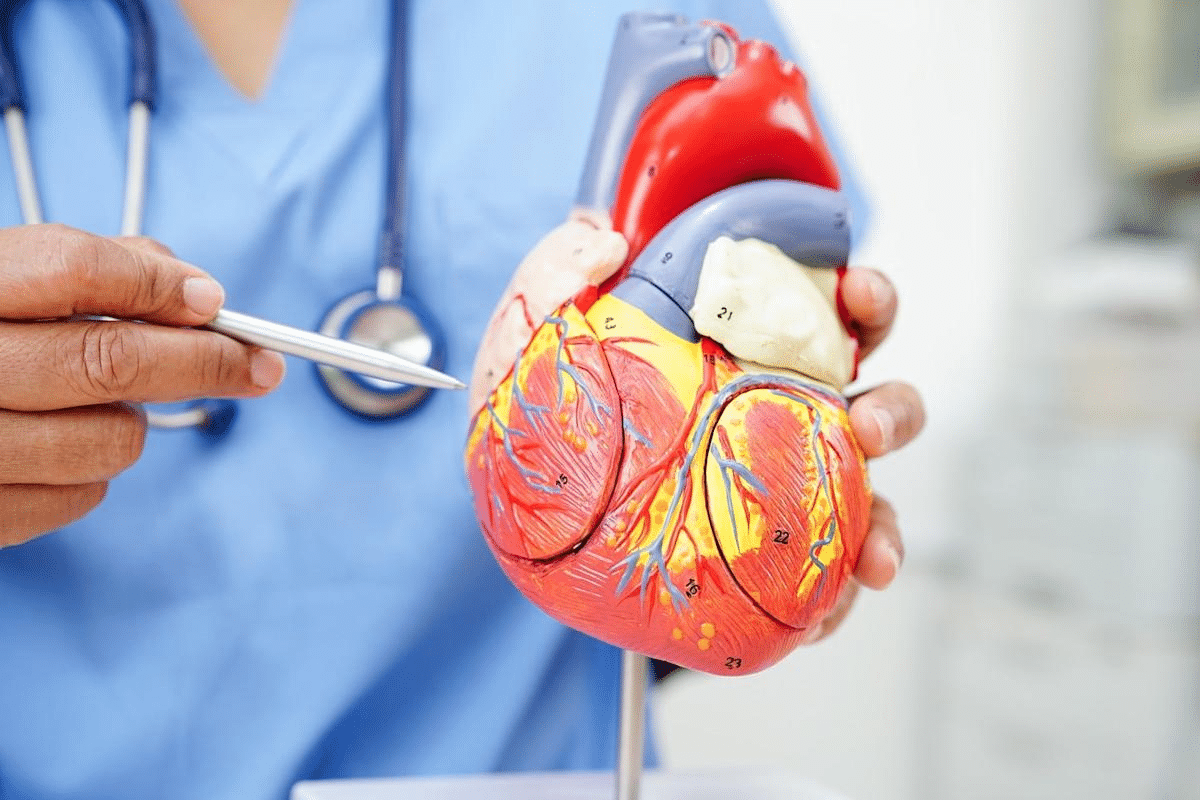
It’s important to understand how amyloid proteins build up in the heart. This buildup is what causes cardiac amyloidosis. It makes the heart walls stiff and affects how well the heart works.
Normal Protein Function vs. Amyloid Formation
Proteins in our bodies do many things, like supporting structures and helping with chemical reactions. But in amyloidosis, some proteins don’t fold right and clump together. This clumping happens in tissues like the heart.
This clumping makes the heart stiff and hard to relax. It’s called diastolic dysfunction. It can lead to problems with the heart’s ability to pump blood.
The buildup of these clumps also makes the heart work less well. At first, the heart has trouble relaxing between beats. Later, it also has trouble pumping blood. Symptoms include shortness of breath and feeling tired.
How Proteins Become Misfolded
Proteins can misfold for many reasons, like genetic changes or aging. In cardiac amyloidosis, two types of proteins are involved: light-chain (AL) and transthyretin (ATTR). Knowing how these proteins misfold helps us understand the disease better.
In hereditary ATTR amyloidosis, genetic changes cause abnormal transthyretin protein. This protein then misfolds and clumps in the heart. Aging can also cause transthyretin protein to misfold, leading to wild-type ATTR amyloidosis. Understanding these causes helps us find new treatments.
Primary Types of Proteins Involved in Cardiac Amyloidosis
When proteins, like light-chain proteins from bone marrow or transthyretin proteins from the liver, build up in the heart, it causes cardiac amyloidosis. This happens because of the buildup of misfolded amyloid fibrils. These fibrils are mainly from immunoglobulin light chains or transthyretin protein.
There are several types of proteins involved in cardiac amyloidosis. Each type has its own characteristics and effects on the disease.
Light-Chain (AL) Amyloidosis
Light-chain amyloidosis, or AL amyloidosis, happens when abnormal light-chain proteins from the bone marrow build up in organs, including the heart. This condition is linked to plasma cell disorders, like multiple myeloma.
The main features of AL amyloidosis are:
- Production of abnormal light-chain proteins by plasma cells in the bone marrow
- These proteins deposit in organs, causing them to malfunction
- It’s often linked to plasma cell disorders
Transthyretin (ATTR) Amyloidosis
Transthyretin amyloidosis, or ATTR amyloidosis, occurs when the liver’s transthyretin protein misfolds and builds up in the heart and other tissues. There are two types: hereditary and wild-type.
ATTR amyloidosis is marked by:
- Hereditary ATTR amyloidosis, caused by genetic mutations in the transthyretin gene
- Wild-type ATTR amyloidosis, which affects older men without a known genetic mutation
Other Rare Forms
Other rare amyloidosis types that can affect the heart include apolipoprotein AI and AII amyloidosis, and gelsolin amyloidosis. These are often linked to specific genetic mutations.
Knowing the different proteins involved in cardiac amyloidosis is key for diagnosis and treatment. Each type has its own path and clinical implications. This means each patient needs a personalized care plan.
Is Cardiac Amyloidosis Hereditary? Genetic Factors Explained
Exploring cardiac amyloidosis, we see genetics play a big role. It’s a condition where amyloid proteins build up in the heart. This leads to a stiff heart that can’t pump well. Transthyretin (TTR) amyloid is one of the most common types.
Hereditary ATTR Amyloidosis
Hereditary transthyretin amyloidosis (ATTRv) comes from a faulty TTR gene. It’s passed down in families, with just one copy of the mutated gene needed to cause it. Over 100 different TTR gene mutations have been found, each leading to different symptoms.
Key aspects of hereditary ATTR amyloidosis include:
- Genetic predisposition due to TTR gene mutations
- Variable age of onset depending on the mutation
- Potential for multi-organ involvement
Wild-Type ATTR Amyloidosis
Wild-type ATTR amyloidosis (ATTRwt) doesn’t come from a TTR gene mutation. It’s more common in older men and mainly affects the heart. While not inherited like hereditary ATTR, it shares some similar traits.
Knowing the difference between hereditary and wild-type ATTR amyloidosis is key. It helps doctors choose the right treatment and understand what to expect.
Genetic Testing Considerations
Genetic testing is very important for diagnosing hereditary ATTR amyloidosis. Family members of those with ATTRv amyloidosis should get tested. This helps find who else might be at risk.
|
Genetic Testing Considerations |
Hereditary ATTR Amyloidosis |
Wild-Type ATTR Amyloidosis |
|---|---|---|
|
TTR Gene Mutation |
Present |
Absent |
|
Family History |
Often positive |
Typically negative |
|
Age of Onset |
Variable, often earlier |
Typically older age |
Knowing about the genetic factors in cardiac amyloidosis helps patients and families. It helps them understand their risk and make better health choices.
The Progressive Development of Amyloid Heart Disease
Amyloid fibrils build up in the heart, damaging its structure and function. This starts with amyloid proteins depositing in heart tissue. Over time, this changes the heart’s architecture and how well it works.
Initial Protein Deposition in Heart Tissue
The first step in cardiac amyloidosis is the deposition of amyloid proteins in the heart. These abnormal proteins gather in the heart’s extracellular space. This disrupts heart cells, causing them to malfunction.
The heart’s walls become thicker and stiffer as amyloid proteins accumulate. This makes it harder for the heart to relax and fill with blood. This is key to its function.
Gradual Heart Wall Thickening
As more amyloid is deposited, the heart walls thicken. This thickening is due to amyloid fibrils spreading through the myocardium. The heart’s walls become stiff, making it hard to function properly. This leads to symptoms like shortness of breath and fatigue.
|
Stage |
Characteristics |
Symptoms |
|---|---|---|
|
Early |
Initial amyloid deposition |
Mild or no symptoms |
|
Intermediate |
Noticeable heart wall thickening |
Shortness of breath, fatigue |
|
Advanced |
Significant amyloid accumulation |
Severe heart failure symptoms |
Impact on Heart Function Over Time
The heart’s function worsens as amyloid proteins continue to build up. The heart becomes less efficient at pumping blood. This can lead to heart failure and other complications.
The disease affects both the heart’s ability to pump and relax. As it progresses, patients’ health often declines. Symptoms become more severe over time.
Common Cardiac Amyloid Symptoms and Warning Signs
It’s important to know the symptoms of cardiac amyloidosis early. This helps in managing the condition better. The symptoms can be similar to other heart issues, making it hard to diagnose.
Early Symptoms Often Overlooked
In the beginning, cardiac amyloidosis might show signs that are easy to miss. These signs can be:
- Fatigue
- Mild shortness of breath during exertion
- Swelling in the legs or ankles
- Palpitations or irregular heartbeats
These signs are not always clear and might not point to cardiac amyloidosis right away. This can cause delays in getting a diagnosis.
Advanced Symptom Presentation
As cardiac amyloidosis gets worse, symptoms get more serious. These can really affect a person’s life. Signs of advanced disease include:
- Severe shortness of breath, even at rest
- Significant swelling in the legs, ankles, and abdomen
- Exercise intolerance
- Lightheadedness or dizziness
- Chest pain or discomfort
At this point, the heart’s function can be severely impacted, leading to heart failure.
Red Flags That Shouldn’t Be Ignored
Some symptoms need immediate medical attention. If you or someone you know has any of these, get help right away:
- Severe difficulty breathing
- Chest pain or pressure
- Fainting or near-fainting episodes
- Rapid or irregular heartbeat
These signs can mean advanced cardiac amyloidosis or other serious heart problems.
|
Symptom Category |
Early Symptoms |
Advanced Symptoms |
|---|---|---|
|
Respiratory |
Mild shortness of breath during exertion |
Severe shortness of breath, even at rest |
|
Cardiac |
Palpitations or irregular heartbeats |
Rapid or irregular heartbeat |
|
Edema |
Swelling in the legs or ankles |
Significant swelling in the legs, ankles, and abdomen |
Knowing these symptoms and what they mean can help in getting an early diagnosis. This leads to better management of cardiac amyloidosis.
Respiratory and Fatigue-Related Symptoms
People with cardiac amyloidosis often feel short of breath and tired all the time. These issues make their lives much harder. The heart can’t work right because of amyloid proteins building up.
Shortness of Breath (Dyspnea)
Shortness of breath, or dyspnea, is a big problem for those with cardiac amyloidosis. It happens when the heart can’t pump enough blood, making it hard to breathe, even when you’re just moving around. Dyspnea on exertion is often the first sign.
As the disease gets worse, breathing problems can get even worse. This is because the heart can’t relax and fill with blood properly between beats. This is called diastolic dysfunction.
Exercise Intolerance
Exercise intolerance is another issue for those with cardiac amyloidosis. It means you can’t do physical activities without getting very tired or short of breath. The heart can’t pump more blood when you exercise, which is why this happens.
Persistent Fatigue
Persistent fatigue is a key symptom of cardiac amyloidosis. The heart’s poor pumping means less energy for the body. People often feel very tired or weak, even after resting well.
|
Symptom |
Description |
Impact on Patient |
|---|---|---|
|
Shortness of Breath (Dyspnea) |
Difficulty breathing, specially during exertion |
Reduces ability to perform daily activities |
|
Exercise Intolerance |
Inability to perform physical activities without undue fatigue |
Impacts overall quality of life and independence |
|
Persistent Fatigue |
Constant feeling of tiredness or weakness |
Affects mental and physical well-being |
It’s important to know about these symptoms to manage cardiac amyloidosis well. Spotting these signs early helps doctors find the right treatments. This can really help patients feel better.
Fluid Retention and Swelling in Cardiac Amyloidosis
Cardiac amyloidosis can cause fluid to build up, leading to swelling in different parts of the body. This fluid buildup is a key symptom that shows the disease is getting worse. It’s important to know how swelling affects patients and what it means for their health.
Peripheral Edema (Leg Swelling)
Fluid retention in cardiac amyloidosis often causes swelling in the legs. This happens because the heart can’t pump blood well, causing fluid to gather in the legs.
Symptoms of Peripheral Edema:
- Swollen feet and ankles
- Heaviness or discomfort in the legs
- Skin that appears tight or stretched
Abdominal Swelling (Ascites)
Fluid retention in cardiac amyloidosis also leads to ascites, or swelling in the abdomen. This happens when the heart can’t handle blood flow well, causing fluid to build up in the belly.
Characteristics of Ascites:
- Visible swelling of the abdomen
- Discomfort or pain in the abdominal area
- Difficulty breathing due to increased pressure on the diaphragm
Connection to Heart Failure
Both leg swelling and abdominal swelling are linked to heart failure. In cardiac amyloidosis, amyloid proteins disrupt the heart’s function, leading to heart failure and fluid buildup.
|
Symptom |
Description |
Association with Heart Failure |
|---|---|---|
|
Peripheral Edema |
Swelling in legs and feet |
Indicates fluid buildup due to heart’s reduced pumping ability |
|
Ascites |
Fluid accumulation in the abdomen |
Signifies advanced heart failure and increased venous pressure |
It’s key to understand the link between swelling, fluid retention, and heart failure in cardiac amyloidosis. Recognizing these symptoms early helps healthcare providers treat the disease better, improving patient outcomes.
Cardiovascular Manifestations and Complications
Cardiac amyloidosis can cause many heart problems. Amyloid proteins build up in the heart, making it hard to work right. This leads to different heart issues.
Arrhythmias and Palpitations
Arrhythmias and palpitations are common heart problems in cardiac amyloidosis. Amyloid buildup can mess with the heart’s electrical system. This causes irregular heartbeats. People might feel their heart beating in an odd way.
Arrhythmias in cardiac amyloidosis can be mild or severe. Atrial fibrillation is a common one. It’s important to manage these heart issues to avoid more problems.
Lightheadedness and Syncope
Lightheadedness and syncope are big heart problems in cardiac amyloidosis. These happen because the heart can’t keep blood pressure and flow right. Orthostatic hypotension, or sudden blood pressure drop when standing, can make you feel dizzy.
“Syncope in cardiac amyloidosis often indicates advanced disease and warrants immediate medical attention.”
Syncope is a serious symptom that means the heart problem is getting worse. We need to check patients who faint to find out why.
Chest Discomfort and Pressure
Chest discomfort or pressure is another symptom of cardiac amyloidosis. This can happen for many reasons, like the heart not pumping well or not getting enough blood. Angina-like symptoms can happen even without blocked arteries.
|
Cardiovascular Manifestation |
Description |
Clinical Significance |
|---|---|---|
|
Arrhythmias and Palpitations |
Irregular heartbeats due to amyloid disruption of the heart’s electrical system |
Can range from mild to severe; requires management to prevent further complications |
|
Lightheadedness and Syncope |
Reduced cardiac output leading to inadequate blood pressure and circulation |
Indicates advanced disease; warrants immediate medical attention |
|
Chest Discomfort and Pressure |
Reduced cardiac output and ischemia |
Can mimic angina; requires careful evaluation |
It’s key to know about these heart problems to manage cardiac amyloidosis well. By spotting these symptoms early, we can help patients better.
How Cardiac Amyloidosis Causes Affect Heart Structure
Cardiac amyloidosis is when amyloid proteins build up in the heart. This changes the heart’s structure and how it works.
Changes in Heart Wall Thickness
Amyloid fibrils make the heart walls thick and stiff. This is called hypertrophy. It can cause restrictive cardiomyopathy. This is when the heart muscle gets stiff, making it hard for the heart to fill with blood.
Restrictive Cardiomyopathy Development
As cardiac amyloidosis gets worse, the heart can’t work right. The stiff heart walls make it hard for the heart to relax and fill. This leads to symptoms like shortness of breath and feeling tired.
Imaging Findings in Amyloid Heart
Tests like echocardiography and cardiac MRI help find cardiac amyloidosis. They show:
- Increased ventricular wall thickness
- Bi-atrial enlargement
- Granular sparkling texture on echocardiography
- Late gadolinium enhancement on cardiac MRI
The Pathophysiology Behind Symptom Development
Understanding cardiac amyloidosis is key to seeing how it affects the heart. It shows how the disease makes the heart hard to expand and contract. This is why symptoms appear.
Diastolic Dysfunction Mechanisms
Diastolic dysfunction is a big problem in cardiac amyloidosis. Amyloid proteins build up in the heart, making it stiff. This stops the heart from relaxing and filling up properly.
As a result, the heart can’t handle the blood it needs. This leads to high blood pressure in the heart and symptoms like shortness of breath.
Reduced Cardiac Output
Amyloid proteins also hurt the heart’s ability to pump blood. This makes the heart less efficient over time. It can’t pump blood well, causing fatigue and trouble exercising.
Electrical Conduction Abnormalities
Cardiac amyloidosis messes with the heart’s electrical system too. Amyloid can block the heart’s electrical pathways. This causes irregular heartbeats and problems with how the heart beats.
These issues can lead to feelings of lightheadedness or even fainting. It’s important to watch these patients closely because of these problems.
In summary, cardiac amyloidosis causes symptoms by affecting the heart in many ways. It messes with how the heart relaxes, pumps blood, and beats. Knowing this helps doctors treat the disease better.
Conclusion: Recognizing Cardiac Amyloid Symptoms for Better Outcomes
It’s vital to spot cardiac amyloid symptoms early. This is because the condition builds up amyloid proteins in the heart. These proteins can lead to serious heart problems.
Acting fast can really help slow down the disease. Knowing about the proteins and genes involved helps doctors diagnose and treat it better.
Diagnosing cardiac amyloidosis needs a detailed approach. This includes imaging and genetic tests. It’s key to catch symptoms like shortness of breath and swelling early.
Spreading the word about cardiac amyloidosis can make a big difference. It helps patients get better care sooner. If you notice any symptoms, don’t hesitate to see a doctor.
FAQ
What is cardiac amyloidosis?
Cardiac amyloidosis is a condition where abnormal proteins, called amyloids, build up in the heart. This causes the heart muscle to thicken. It can lead to serious problems like arrhythmias and heart failure.
What are the primary types of proteins involved in cardiac amyloidosis?
The main proteins involved are light-chain (AL) amyloidosis and transthyretin (ATTR) amyloidosis. This includes both hereditary and wild-type forms.
Is cardiac amyloidosis hereditary?
Yes, some forms like hereditary ATTR amyloidosis are inherited. But others, like wild-type ATTR amyloidosis, are not.
What are the early symptoms of cardiac amyloidosis?
Early signs include shortness of breath, fatigue, and swelling in the legs. These symptoms are often overlooked or mistaken for other conditions.
How does cardiac amyloidosis affect the heart’s structure?
It changes the heart wall’s thickness and causes restrictive cardiomyopathy. It also leads to specific imaging findings due to amyloid buildup.
What is the significance of genetic testing in cardiac amyloidosis?
Genetic testing is key for identifying hereditary forms like hereditary ATTR amyloidosis. It helps understand the disease’s impact on family members.
How does cardiac amyloidosis cause symptoms?
Symptoms come from diastolic dysfunction, reduced cardiac output, and electrical conduction problems. These are caused by amyloid protein in the heart.
What are the cardiovascular manifestations of cardiac amyloidosis?
Symptoms include arrhythmias, lightheadedness, syncope, and chest discomfort. These are due to amyloid buildup’s effect on heart function.
Can cardiac amyloidosis be treated?
There’s no cure, but early detection and treatment can improve outcomes. They help manage symptoms and slow disease progression.
What is the importance of early detection in cardiac amyloidosis?
Early detection is vital for starting timely treatment. It improves patient outcomes and can slow disease progression.
How does amyloid heart disease progress over time?
It starts with protein deposition in heart tissue. Over time, it leads to heart wall thickening. This impacts heart function and can cause heart failure.
What is the connection between cardiac amyloidosis and heart failure?
Cardiac amyloidosis can cause heart failure. This is due to restrictive cardiomyopathy and reduced cardiac output from amyloid buildup.
References
National Center for Biotechnology Information. Cardiac Amyloidosis: Symptoms, Development, and Diagnostic Challenges. Retrieved from
https://www.ncbi.nlm.nih.gov/books/NBK580521/