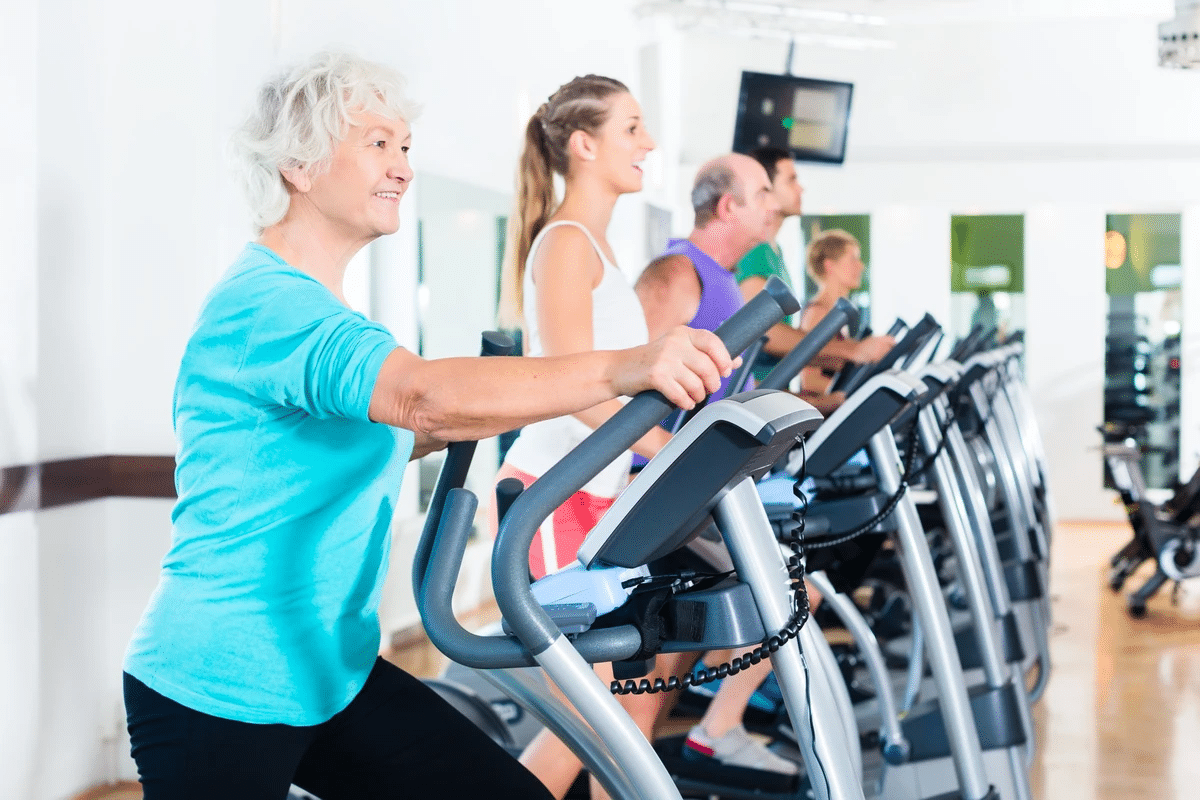
As we get older, keeping our heart healthy is more critical. Cardiovascular disease is a big killer for seniors. But, doing regular aerobic exercise can really help our heart and health. Try the 7 best cardio exercise for seniors! These amazing workouts are designed to safely boost your heart health and improve overall stamina.
At Liv Hospital, we know how vital it is to stay active with age. Studies show that aerobic exercise training boosts heart health in older folks. Doing cardio exercises is a top way to keep our heart strong and healthy, fighting off over 40 diseases.
In this article, we’ll look at the top cardio exercises for seniors to improve heart health and lower disease risk. We’ll give you a detailed guide to exercises that are great for older adults.
Key Takeaways
- Regular aerobic exercise improves cardiovascular performance in seniors.
- Cardiovascular disease is a leading cause of mortality among older adults.
- Aerobic exercise training can treat and prevent over 40 different diseases.
- Staying active is key to keeping heart health as we age.
- Liv Hospital offers advice on the best cardio exercises for seniors.
The Critical Importance of Cardiovascular Health for Seniors
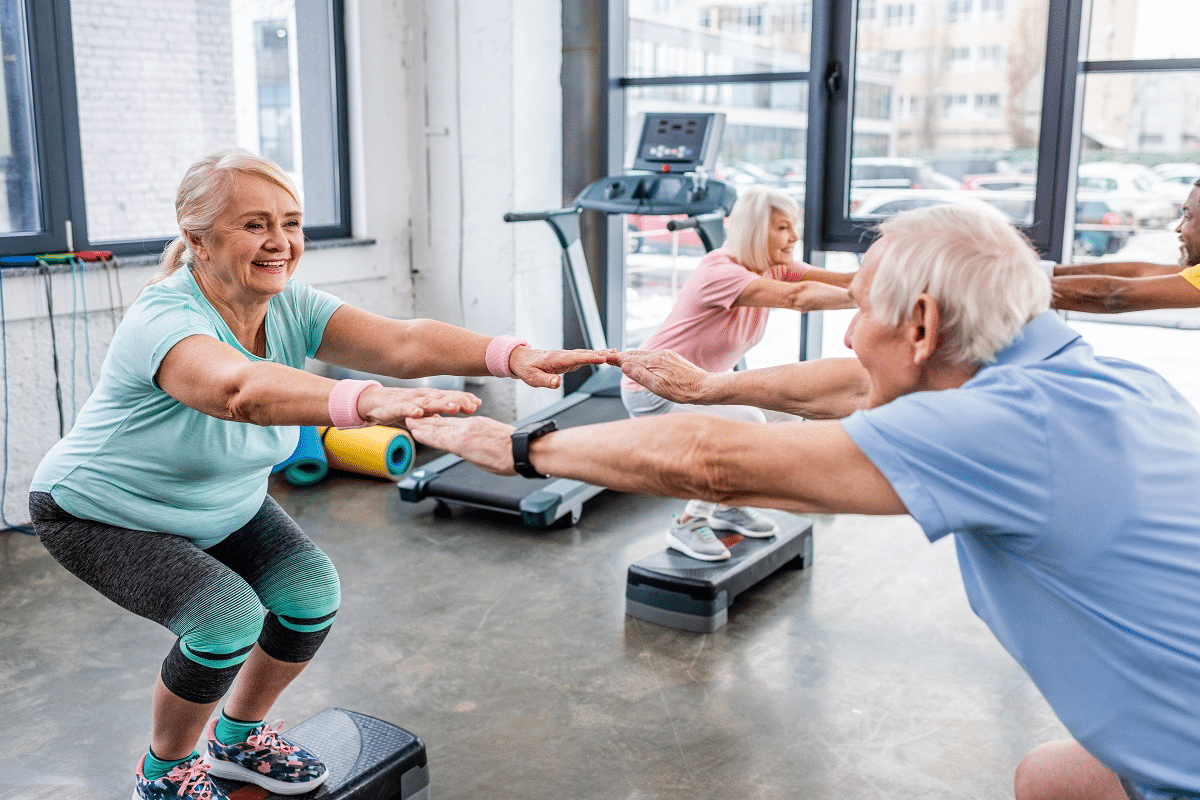
Cardiovascular health is key for seniors. As people get older, the risk of heart disease goes up. This makes heart disease a big problem for older adults.
Understanding the Risks
Heart disease includes many conditions like heart failure and stroke. High blood pressure, smoking, diabetes, and not moving enough are risk factors.
Regular exercise is a great way to lower heart disease risk. It makes the heart stronger and improves blood flow. It also helps with weight and boosts health and mood.
Statistics on Cardiovascular Health in Seniors
Research shows exercise can cut heart disease risk by up to 30%. Seniors who exercise often have better blood pressure and cholesterol levels. They also have a lower chance of getting type 2 diabetes.
Seniors can greatly improve their health by focusing on heart health and staying active. This leads to better overall health and happiness.
Benefits of Cardio Exercise for Seniors: Why It Matters
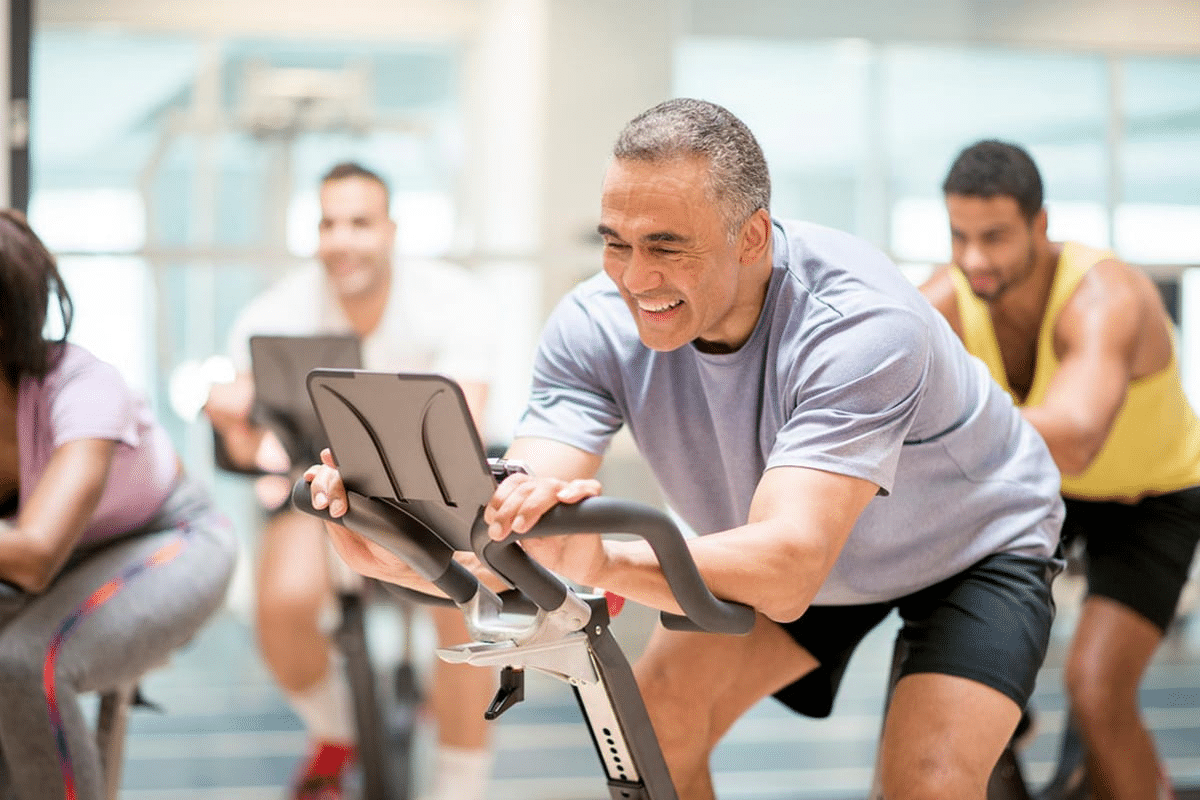
Regular cardio exercise is key for seniors. It boosts their health and happiness. It strengthens the heart and improves blood flow.
Strengthening Heart Muscles
Cardio exercise makes the heart stronger. It pumps blood better. This means oxygen and nutrients reach the body’s tissues more easily.
Managing Blood Pressure and Cholesterol Levels
It also helps control blood pressure and cholesterol. Regular exercise can lower blood pressure and improve cholesterol levels. This reduces the risk of heart disease and stroke.
Reducing the Risk of Chronic Diseases
Cardio exercise also lowers the risk of chronic diseases like diabetes. It improves insulin sensitivity. This reduces the chance of getting type 2 diabetes.
How Much Cardio Exercise Do Seniors Need?
Finding the right amount of cardio exercise is key for seniors. It helps them enjoy benefits without risks. The American Heart Association says seniors should do at least 150 minutes of moderate activity or 75 minutes of vigorous activity weekly.
American Heart Association Recommendations
The American Heart Association advises seniors to aim for 150 minutes of moderate activity. This can be brisk walking. Or, they should do 75 minutes of vigorous activity, like running, weekly. Breaking it down into 30 minutes a day, five days a week, is a good plan.
Balancing Intensity and Duration
It’s important to balance the intensity and length of workouts. Most seniors do well with moderate exercise. But, some might handle more vigorous activities. It’s good to mix both types of exercises in your routine.
Signs You’re Getting the Right Amount of Exercise
Wondering if you’re exercising enough? Here are some signs:
- You feel energized and refreshed after exercising.
- You find it easier to do daily tasks.
- You sleep better at night.
- You have fewer health problems.
1. Walking: The Perfect Low-Impact Cardio for Seniors
Walking is a simple and effective exercise that’s great for seniors. It’s low-impact, perfect for those with mobility issues. Regular walking strengthens the heart, improves circulation, and boosts cardiovascular health.
Benefits of Walking for Senior Cardiovascular Health
Walking is a top choice for cardiovascular exercise, fitting all fitness levels. It makes the heart stronger, pumping blood better. Walking also lowers blood pressure, improves circulation, and boosts heart health.
- Improves Heart Health: Regular walking strengthens the heart and improves circulation.
- Boosts Mood: Walking releases endorphins, which can help improve mood and reduce stress.
- Increases Energy: Regular walking can increase energy levels and reduce fatigue.
Creating an Effective Walking Routine
To get the most out of walking, create a consistent routine. Here are some tips to help you get started:
- Start with short walks and gradually increase your distance and pace.
- Schedule your walks at the same time each day to make it a habit.
- Consider finding a walking buddy or joining a walking group for motivation.
By adding walking to your daily routine, you can improve your heart health, mood, and overall well-being.
2. Swimming and Water Aerobics: Joint-Friendly Cardio Options
Swimming and water aerobics are great for seniors to boost heart health. They are low-impact, which is good for those with arthritis or mobility issues. This makes them perfect for seniors looking to stay active.
Why Water-Based Exercise Is Ideal for Seniors
Water-based exercises are perfect for seniors because they’re easy on the joints. The water’s buoyancy makes it comfortable to move around. Plus, it offers resistance to strengthen muscles without the hard impact of running or jumping.
Benefits of Water-Based Exercises:
- Reduced joint stress
- Increased muscle strength
- Improved cardiovascular health
- Enhanced flexibility
Different Types of Water Workouts
Seniors can try different water workouts based on their fitness level and likes. Here are a few:
|
Workout Type |
Description |
Benefits |
|---|---|---|
|
Swimming Laps |
Swimming continuous laps in a pool |
Improves cardiovascular health, increases endurance |
|
Water Aerobics Classes |
Group fitness classes conducted in water |
Social interaction, improved cardiovascular health |
|
Water Walking |
Walking in the water, often with water weights |
Low-impact cardio, strengthens legs |
Getting Started with Pool Exercises
Seniors should talk to their doctor before starting pool exercises, if they have health issues. Look for a pool with good temperature and safety. Many places offer water aerobics classes for seniors.
Start slow and gradually increase the intensity and time of your workouts. Working with a fitness expert can help with proper techniques and a personalized plan.
3. Stationary Cycling: Controlled Cardio with Minimal Impact
Indoor cycling is great for older adults wanting to boost their heart health. It’s done on a stationary bike, which is good for seniors because it’s easy on the joints. This is better than high-impact activities like running.
Benefits of Indoor Cycling for Older Adults
Stationary cycling is great because you can adjust it to fit your fitness level. Whether you’re just starting or more experienced, you can change the bike’s resistance. This makes it a good choice for seniors at any fitness level.
Key benefits include:
- Improved cardiovascular health
- Enhanced muscular endurance
- Low-impact, reducing joint stress
- Adjustable resistance for all fitness levels
Setting Up Your Bike for Optimal Safety
To get the most out of cycling and avoid injury, set up your bike right. Make sure the saddle height lets your leg almost fully extend at the bottom of the pedal stroke. The handlebars should be at a height that’s comfortable for you.
Proper bike setup is essential for a safe and effective workout. Adjusting your bike to fit your body prevents discomfort and injury. This lets you focus on your workout.
Sample Cycling Workouts for Different Fitness Levels
Workouts for cycling can be made for different fitness levels. Beginners should start with low-intensity cycling and gradually increase the resistance and time. More advanced people can try interval training, switching between high and low intensity.
A sample workout for seniors might include:
|
Fitness Level |
Workout Description |
Duration |
|---|---|---|
|
Beginner |
Low-intensity cycling with minimal resistance |
10-15 minutes |
|
Intermediate |
Moderate-intensity with varied resistance |
20-30 minutes |
|
Advanced |
High-intensity interval training |
30-45 minutes |
“Exercise is a celebration of what your body can do, not a punishment for what you ate.”
4. Chair Exercises: Accessible Cardio for All Mobility Levels
Chair exercises are great for seniors with mobility issues. They help improve heart health and can be done while seated. This makes them perfect for those who find it hard to stand or walk.
Benefits for Limited Mobility Seniors
Chair cardio exercises are great for seniors with limited mobility. They are low-impact and easy to do. They improve heart health, increase circulation, and boost fitness without straining the joints too much.
Many seniors face challenges when trying to exercise because of mobility issues. Chair exercises remove this barrier. They let seniors do cardio safely while seated.
Effective Chair Cardio Movements
There are several chair exercises that can boost cardiovascular health. Some examples include:
- Seated marching: Lift your legs one at a time as if marching.
- Chair leg raises: Slowly raise one leg off the floor, then lower it back down.
- Seated cycling: Mimic cycling motions with your legs while seated.
- Arm raises: Hold light weights or water bottles and raise your arms above your head.
These movements can be done at a brisk pace to elevate your heart rate and improve cardiovascular fitness.
Creating a Complete Chair Exercise Routine
To make a full chair exercise routine, mix cardio movements with strength training. Here’s a sample routine:
|
Exercise |
Duration/Repetitions |
Intensity |
|---|---|---|
|
Seated marching |
3 sets of 20 reps |
Moderate |
|
Chair leg raises |
3 sets of 15 reps per leg |
Low |
|
Seated cycling |
3 minutes continuous |
Moderate to High |
|
Arm raises with light weights |
3 sets of 12 reps |
Low to Moderate |
5. Elliptical Training: Full-Body Cardio with Reduced Strain
Elliptical training is great for seniors who want a good cardio workout without hurting their joints. It offers a smooth, low-impact motion that’s easy on the body. This makes it perfect for seniors looking to boost their heart health without risking injury.
Benefits for Senior Exercisers
Elliptical machines are a big plus for seniors. They give a low-impact, full-body workout that’s good for the heart, muscles, and endurance. This low-impact workout is great for seniors with joint problems or mobility issues.
Proper Form and Technique
To get the most out of elliptical training and avoid injury, it’s key to use proper form and technique. Stand up straight with your feet on the pedals and hold the handlebars lightly. Move your legs smoothly and avoid leaning forward or overreaching.
Progressive Workout Plans
To keep challenging yourself and getting fitter, try progressive workout plans. Start with short sessions (20-30 minutes) at a moderate pace. Then, increase the time and intensity as you get stronger.
Here’s a sample elliptical workout plan for seniors:
|
Week |
Duration (minutes) |
Intensity Level |
|---|---|---|
|
1-2 |
20 |
Low |
|
3-4 |
25 |
Moderate |
|
5-6 |
30 |
Moderate-High |
Elliptical machines are a great way to boost heart health while being gentle on the joints.
Elliptical training is a versatile and effective cardio option for seniors. It offers a low-impact, full-body workout that can be tailored to different fitness levels. By adding elliptical training to their routine, seniors can improve their heart health, endurance, and overall well-being.
6. Dancing: Enjoyable Social Cardio for Heart Health
Dancing is a great exercise for seniors. It combines heart health benefits with fun social interactions. It’s a way to stay active and keep social connections strong.
Cardiovascular Benefits of Different Dance Styles
Different dance styles offer different levels of intensity and heart health benefits. For example, ballroom dancing helps with balance and coordination. On the other hand, high-energy dance classes like Zumba give a tough cardio workout.
- Ballroom dancing: Improves balance, coordination, and cardiovascular health.
- Line dancing: Enhances cardiovascular fitness and social interaction.
- Zumba: Provides a high-energy cardio workout, improving heart health and burning calories.
Finding Senior-Friendly Dance Classes
Many places like community centers and dance studios have classes for seniors. Look for classes that match your fitness level and have instructors who know how to work with older adults. The class atmosphere is also important.
“Dancing is not just a physical activity; it’s a way to connect with others and enjoy life to the fullest.”— Local Dance Instructor
Creating a Home Dance Routine
Seniors can also dance at home. Pick music that you love and gets you moving. Start with easy steps and add more as you get better.
- Choose your favorite music.
- Start with simple dance movements.
- Gradually increase the intensity and complexity.
- Consider inviting friends or family to join you.
Dancing can make staying fit fun for seniors. It boosts heart health and overall well-being.
7. Tai Chi and Gentle Martial Arts: Mindful Cardio Exercise for Seniors
Tai Chi is an ancient martial art that has become a low-impact exercise for seniors. It uses slow, flowing movements and deep breathing. This helps promote overall well-being.
Benefits of Tai Chi
Tai Chi has many benefits for seniors. It improves heart health, enhances balance, and reduces stress. Regular practice can lead to better health and well-being.
|
Benefit |
Description |
|---|---|
|
Improved Cardiovascular Health |
Tai Chi helps lower blood pressure and improve heart health. |
|
Enhanced Balance |
Tai Chi improves balance and reduces the risk of falls. |
|
Reduced Stress |
Tai Chi promotes relaxation and reduces stress. |
Overcoming Common Barriers to Cardio Exercise for Seniors
As we get older, our bodies change in ways that make exercise harder. Many seniors face physical limits, chronic conditions, and lack of motivation. These things make it tough to stay active.
Addressing Physical Limitations and Chronic Conditions
Seniors often deal with physical limits and chronic conditions. It’s important to adjust exercises to fit these needs. For example, switching to low-impact activities can help.
Exercises that boost flexibility and balance are also good. They help seniors stay mobile and stable.
Finding Motivation and Building Consistency
Motivation is key to sticking with an exercise plan. Setting realistic goals and finding a workout buddy can help. Changing up your routine also keeps things interesting.
Creating a Supportive Environment
Having a supportive environment is vital for staying active. This can mean exercising with friends or joining a senior fitness class. Having someone to share the experience with makes it more enjoyable.
By tackling physical challenges, staying motivated, and having a supportive group, seniors can beat common exercise barriers. They can then enjoy a healthy, active life.
Conclusion: Embracing Cardio for a Healthier Senior Lifestyle
Regular cardio exercise is key for seniors to keep their heart healthy and feel good. Activities like walking, swimming, or dancing can lower disease risks and boost life quality. We suggest seniors talk to their doctor to create a fitness plan that’s right for them.
Adding to your day can greatly improve your health. There are many to pick from, so you can find something that fits your lifestyle. By focusing on cardio, you can manage your health better and live a more energetic life.
Frequently Asked Questions
What are the best cardio exercises for seniors?
Seniors can try walking, swimming, cycling, and dancing. These are low-impact and can be adjusted for different fitness levels.
How often should seniors do cardio exercises?
Seniors should aim for 150 minutes of moderate cardio a week. Or, 75 minutes of vigorous exercise. You can do these in shorter sessions.
Are there any cardio exercises that are safe for seniors with mobility issues?
Yes, chair exercises, water aerobics, and Tai Chi are good for seniors with mobility issues. They can be adjusted for different fitness levels.
How can seniors get started with cardio exercise?
Seniors should talk to their healthcare provider first. Then, pick a cardio exercise that fits their level and interests. Start with short sessions and gradually increase the time and intensity.
What are some tips for seniors to stay motivated to exercise?
Seniors can stay motivated by enjoying their exercise routine. Exercising with a friend or family member helps too. Tracking progress and rewarding yourself for milestones also works well.
Can seniors with chronic health conditions exercise?
Yes, seniors with chronic health conditions can exercise. But, they should talk to their healthcare provider first. The provider can help create a safe and effective exercise plan.
How can I incorporate cardio exercise into my daily routine?
Schedule cardio exercise in your daily planner. Find activities you enjoy. Also, add physical activity to your daily tasks, like taking the stairs.
Reference
Government Health Resource. Cardio Exercises to Improve Heart Health in Seniors. Retrieved from https://www.heart.org/en/healthy-living/fitness/fitness-basics/aha-recs-for-physical-activity-in-adults