
As people get older, keeping their heart health in top shape is key to living longer. Studies show that cardiovascular exercise is a top way to help aging stay healthy and add years to life. The CDC says seniors should do 150 to 300 minutes of moderate exercise each week. Needcardio for older adults? Learn 7 essential and amazing exercises to boost heart health, improve stamina, and keep you active after 60.
Doing cardio regularly can make a big difference in heart health and life quality for those over 60. This article will cover seven key cardio exercises. They are made to boost the heart and help you live longer.
Key Takeaways
- Regular cardio exercise improves heart health and longevity.
- Adults over 60 should engage in at least 150 minutes of moderate-intensity aerobic activity weekly.
- Seven essential cardio exercises can help strengthen the cardiovascular system.
- It’s never too late to start or improve cardio exercises.
- Cardio exercises are vital for healthy aging.
The Science Behind Cardiovascular Exercise and Aging
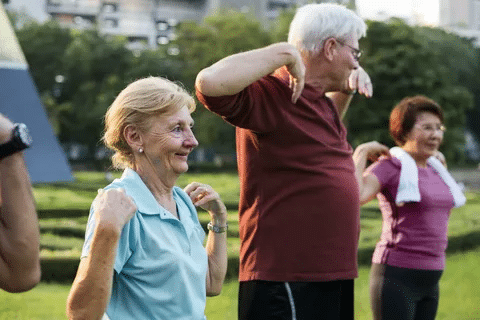
Research has shown how exercise affects aging. Medical Expert, an expert in aging and exercise, said,
“Exercise is a powerful tool that can help older adults maintain their independence, improve their quality of life, and even increase their lifespan.”
Studies have found that regular cardio exercise is key for aging well. It’s linked to longer lives, mainly for those over 70. This is because it keeps the heart healthy, lowering risks of heart disease and diabetes.
How Aerobic Activity Affects the Aging Process
Aerobic activity keeps the heart healthy by improving circulation and lowering blood pressure. It also helps maintain muscle and bone strength. This is important for staying mobile and preventing falls.
Also, aerobic exercise boosts brain health. It can lower the risk of dementia, helping older adults stay independent and enjoy life more.
Research on Fitness Levels and Longevity After 60
Many studies have looked at how fitness affects longevity after 60. They found that being fit reduces the risk of death and increases life span. For example, a study in the Journal of the American Medical Association showed that fitter older adults live longer than less fit ones.
This research shows why cardio exercise is vital for older adults. It improves health and increases the chances of living a longer, healthier life.
Understanding Exercise Guidelines for Adults Over 60
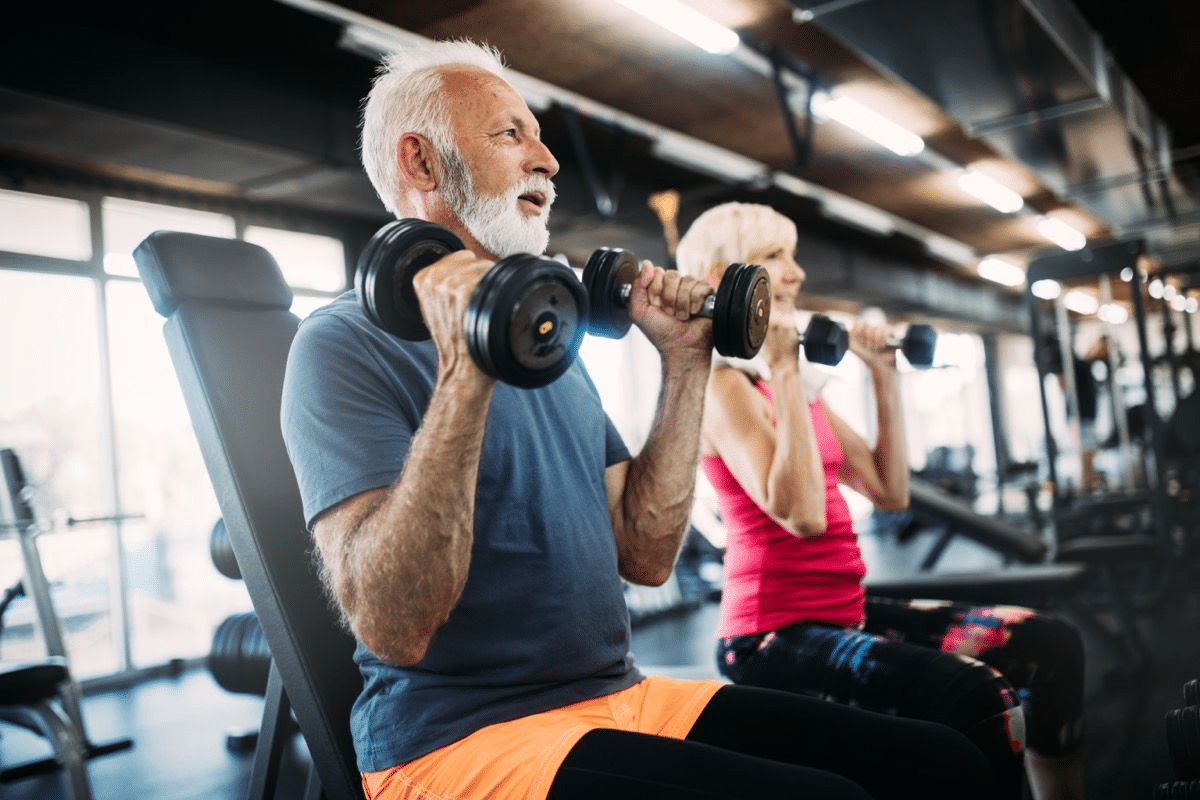
Adults over 60 can greatly benefit from exercise plans made just for them. As we age, our bodies change, affecting our health and abilities. It’s key to follow guidelines to make sure exercise is safe and helpful.
Recommended Weekly Activity Levels by Health Authorities
The U.S. Department of Health and Human Services suggests older adults do 150 to 300 minutes of moderate cardio each week. Or, they can do 75 to 150 minutes of vigorous cardio. You can mix both types of activity to meet these goals.
For example, trying to do 30 minutes of moderate exercise daily, five days a week, is doable. Activities like brisk walking, swimming, or cycling on flat ground are good choices.
|
Activity Level |
Duration per Week |
Intensity |
|---|---|---|
|
Moderate-intensity cardio |
150-300 minutes |
Moderate |
|
Vigorous-intensity cardio |
75-150 minutes |
Vigorous |
Target Heart Rates for Effective and Safe Workouts
Knowing your target heart rate is key for safe and effective workouts. For those 65 and older, the heart rate should be between 78 to 132 beats per minute during moderate exercise. This is based on your maximum heart rate, which is 220 minus your age.
To find your target heart rate zone: First, find your maximum heart rate by subtracting your age from 220. Then, find 50% to 70% of this rate for moderate exercise.
For example, a 65-year-old’s maximum heart rate is 155 beats per minute. Their target zone for moderate exercise is 77.5 to 108.5 beats per minute.
“Regular physical activity is one of the most important things you can do for your health.” –
Office of Disease Prevention and Health Promotion
When to Consult a Physician Before Starting Exercise
Before starting any new exercise, adults over 60 should talk to their doctor. This is true if they have health issues or concerns. Certain health problems, like heart disease or diabetes, need special care in exercise plans.
Seek medical advice if you have symptoms like chest pain, dizziness, or shortness of breath while exercising.
A doctor can give you advice tailored to your health. This ensures your exercise plan is safe and effective.
Health Benefits of Regular Cardio for Older Adults
Cardio exercises are key for older adults, boosting health and life quality. They help improve heart health, brain function, and lower disease risk.
Cardiovascular System and Blood Pressure Improvements
Cardio strengthens the heart and boosts blood flow. This can lower blood pressure and heart disease risk. Improved cardiovascular health means better oxygen and nutrient delivery to the body.
- Lower resting heart rate
- Increased cardiac output
- Better vasodilation
Cognitive Function and Dementia Prevention
Exercise benefits the brain in older adults. Regular cardio can reduce dementia and Alzheimer’s risk. It improves brain blood flow and supports brain flexibility.
- Enhanced executive function
- Improved memory
- Reduced risk of cognitive decline
Reducing Risk of Chronic Diseases
Cardio exercises lower chronic disease risk in older adults. This includes type 2 diabetes, certain cancers, and osteoporosis. Exercise helps manage weight, improves insulin use, and strengthens bones.
Adding cardio to daily routines can improve life quality and longevity for older adults. Always talk to a healthcare provider before starting new exercises, even with health conditions.
How to Start and Progress Safely in Your 60s and Beyond
Starting a cardio program in your 60s might seem tough. But, with a gentle start and slow growth, it’s doable. Make sure to challenge yourself without risking injury or exhaustion.
Beginning at Your Current Fitness Level
First, check your fitness level before starting any new program. Know your physical limits and health. A doctor’s advice is key, more so if you have health issues.
Start with low-intensity activities like short walks or light stretching. As you get better, increase the time and effort. Keeping a journal of your progress helps track your growth and spot areas for improvement.
Signs of Overexertion vs. Healthy Exertion
It’s important to know the difference between too much effort and the right challenge. Too much effort can harm you, while the right challenge shows you’re pushing yourself. Signs of too much include hard breathing, chest pain, dizziness, or muscle pain that doesn’t get better with rest.
Healthy exertion feels like a good challenge but doesn’t overwhelm you. You might feel tired, but it should get better with rest. Listen to your body and stop if you feel too tired or uncomfortable.
Always be careful when starting new exercises, even more so in your 60s. If you feel any signs of too much effort, stop and rest. It’s safer to start slow and be cautious.
Walking: The Foundation of Cardio for Older Adults
Walking is a key exercise for older adults. It’s a low-impact way to boost heart health. It’s easy to do and doesn’t need much gear or training.
Regular walking keeps you mobile. It also lowers the risk of chronic diseases. Plus, it makes you feel better overall.
Techniques for Various Fitness Levels
There are walking methods for all fitness levels in older adults. Beginners should start slow. As you get fitter, try brisk, hill, or interval walks for more challenge.
Brisk Walking: Walking fast is a good workout. It’s easy on the joints and boosts heart health.
Proper Footwear and Posture
Good shoes are key for safe walking. They should support your feet and be comfy. Also, keep your posture right to avoid injuries.
- Choose shoes with good arch support and cushioning.
- Ensure a comfortable fit to avoid blisters and discomfort.
- Keep the head up and eyes forward.
- Relax the shoulders and swing the arms naturally.
Progressing Your Walking Program Safely
To keep getting better, slowly increase your walks. You can walk more, often, or faster. Listen to your body to avoid too much.
Tips for Progression:
- Start with small, achievable increases in walking time or distance.
- Incorporate more intense walking days, such as brisk or hill walking.
- Include rest days as needed to allow recovery.
By following these tips, older adults can safely enjoy walking. It helps their heart health and fitness.
Water Aerobics: Joint-Friendly Cardiovascular Training
Water aerobics is great for seniors wanting to boost their heart health without harming their joints. It uses water’s buoyancy for a low-impact, yet effective workout.
Benefits of Water’s Buoyancy for Aging Joints
Water’s buoyancy eases the pressure on joints, making it perfect for older adults with arthritis or joint problems. Water supports up to 90% of the body’s weight, which is much less than land-based exercises.
- Reduces joint pain and inflammation
- Improves range of motion
- Enhances muscle strength without excessive strain
Effective Water Exercises for Heart Health
Water aerobics offers various exercises for all fitness levels. Examples include water walking, jogging, and aerobic movements that raise the heart rate gently.
- Water walking: Forward and backward
- Leg lifts and kicks
- Arm movements with or without water weights
Finding Classes and Facilities for Seniors
Many places like community centers, gyms, and retirement communities have water aerobics for seniors. Look for classes that fit your needs, considering the instructor, class size, and facility access.
Tips for finding the right class:
- Check local community centers and senior centers
- Look for classes that cater to seniors or beginners
- Consider the time of day and frequency of classes that fit your schedule
Stationary Cycling: Low-Impact Endurance Building
Stationary cycling is a great exercise for seniors. It’s easy to do and can be adjusted for different fitness levels. This low-impact activity helps improve heart health without hurting joints.
Optimal Bike Setup for Comfort and Safety
Setting up your bike right is key for a good workout. Make sure the saddle height lets your leg almost fully extend at the bottom of the pedal stroke. The handlebars should be at a height that keeps your posture good.
For more comfort and safety, think about using a recumbent bike. This is a good choice if you have back problems.
Key Bike Adjustments:
- Saddle height: Allows for almost full leg extension
- Handlebar height: Promotes good posture
- Resistance: Adjustable to suit your fitness level
Progressing from Beginner to Advanced Workouts
Start with short sessions (10-15 minutes) at a low resistance. As you get fitter, increase the time and intensity of your workouts. For a challenge, try interval training or hill climbs.
Sample Progression:
- Beginner: 10 minutes, low resistance, 3 times a week
- Intermediate: 20 minutes, moderate resistance, 4 times a week
- Advanced: 30 minutes, high resistance with intervals, 5 times a week
Recumbent vs. Upright Bikes: Choosing the Right Option
Recumbent bikes are great for back support and comfort. They’re good for seniors with back issues or those who like a relaxed cycling position. Upright bikes offer a traditional cycling feel and work the core muscles better.
|
Feature |
Recumbent Bikes |
Upright Bikes |
|---|---|---|
|
Back Support |
Excellent |
Minimal |
|
Core Engagement |
Less |
More |
|
Comfort for Back Issues |
High |
Variable |
Knowing the differences between recumbent and upright bikes helps seniors choose what’s best for them. It’s all about finding the right fit for your needs and preferences.
Chair Exercises: Accessible Cardio for Limited Mobility
Chair exercises are a great way for older adults to get some cardio in. They’re perfect for those who have trouble moving around. This is because they can be done while sitting down.
Upper Body Cardio Movements While Seated
Doing upper body exercises while sitting can get your heart rate up. Try arm circles by holding your arms out and moving them in small circles. Or, do seated marching by lifting your arms and legs as if you’re marching.
Lower Body Exercises to Elevate Heart Rate
Lower body exercises can also help you get a good cardio workout while sitting. Seated leg lifts involve lifting your legs straight up and then lowering them back down. Chair squats are another option, where you stand up and sit down without using your hands.
Creating a Complete Chair-Based Cardio Routine
To make a full chair-based cardio routine, mix upper and lower body exercises. Start with 10-15 minute sessions and increase the time as you get fitter. It’s good to change up your routine to keep things interesting and prevent getting bored.
For older adults, chair exercises can really help improve heart health. They’re great for those over 65 who want to stay active.
Dancing and Rhythmic Movement for Heart Health
Dancing is a fun way for older adults to exercise and socialize. It’s great for the heart and makes staying active enjoyable.
Particularly Beneficial Dance Styles for Adults Over 60
Some dance styles are better for older adults because they’re easy and fun. Waltz, tango, and line dancing are favorites. They help with balance, coordination, and heart health.
- Waltz: A classic ballroom dance that improves balance and posture.
- Tango: Enhances coordination and can be adapted to different mobility levels.
- Line Dancing: A fun, social dance that encourages cardiovascular exercise.
Social Benefits of Group Dance Activities
Dancing with others has many benefits. It helps reduce loneliness and boosts social interaction. Many places offer dance classes for seniors, making it easy to meet new people and stay active.
Getting Started with Dance at Any Age
Starting a dance routine is easy. Just pick a style you like and begin slowly. Many classes for seniors are low-impact and fit different fitness levels.
To begin, follow these steps:
- Consult with a healthcare provider to discuss any concerns or limitations.
- Find local dance classes or online resources tailored to seniors.
- Invest in comfortable clothing and appropriate footwear.
- Start slowly and gradually increase your participation as you become more comfortable.
Conclusion: Building a Sustainable Cardio Routine for Lifelong Health
Creating a lasting cardio routine is key for heart health as we get older. It’s important to mix things up and stay consistent. This keeps older adults excited and motivated to keep exercising.
Adding activities like walking, water aerobics, and dancing to your routine is a great idea. These exercises boost heart health and lower the risk of chronic diseases.
For those over 60, it’s vital to find fun activities that fit your fitness level. This makes it easier to stick with a workout plan. It’s all about keeping well and living longer.
Choosing activities you enjoy and slowly increasing the challenge helps. This way, older adults can create a routine that supports their health and keeps them independent for years to come.
FAQ
What are the best cardio exercises for adults over 60?
Adults over 60 can try walking, water aerobics, and stationary cycling. Chair exercises and dancing are also good. These activities are easy on the body and can be adjusted for different fitness levels.
How often should older adults engage in cardio exercises?
Older adults should do at least 150 minutes of moderate-intensity aerobic activity weekly. Or, they can aim for 75 minutes of vigorous activity. It’s best to spread this out over the week.
What is the recommended target heart rate for older adults during exercise?
The heart rate target for older adults depends on the exercise’s intensity. For moderate, it’s 50-70% of the maximum heart rate. For vigorous, it’s 70-85%. To find the maximum heart rate, subtract your age from 220.
Are there any health conditions that require consulting a doctor before starting a new exercise regimen?
Yes, if you have heart disease, high blood pressure, diabetes, or mobility issues, see a doctor first. It’s also wise to consult a doctor if you’re unsure about your health or fitness level.
How can older adults progress safely with cardio exercises?
Start at your current fitness level and gradually increase the intensity and duration. Listen to your body and stop if you feel too tired. Mixing up your exercises helps avoid plateaus and injuries.
What are the benefits of water aerobics for older adults?
Water aerobics is a low-impact, joint-friendly workout. It improves heart health, reduces joint stress, and boosts fitness. It’s great for those with arthritis or mobility problems.
Can chair exercises be an effective cardio workout for seniors?
Yes, chair exercises are great for seniors with limited mobility. They can do upper and lower body movements while seated. This raises the heart rate and improves heart health.
How can dancing benefit older adults?
Dancing is good for heart health, brain function, and social interaction. You can choose from many dance styles, like line dancing or waltz, to fit your fitness level and preferences.
What precautions should be taken when starting a stationary cycling program?
When starting cycling, make sure the bike is comfortable and safe. Start with low-intensity workouts and gradually increase. Choose between recumbent and upright bikes based on your needs and preferences.
How can older adults maintain a sustainable cardio routine?
To keep up with cardio, find activities you enjoy. Mix up your routine to stay interested. Schedule exercise in your daily planner. Being consistent and patient is key to success.
Reference:
National Center for Biotechnology Information. Cardio Exercises: Boosting Heart Health and Longevity After 60. Retrieved from https://www.ncbi.nlm.nih.gov/pmc/articles/PMC10068966/
World Health Organization. Evidence-Based Medical Guidance. Retrieved from https://www.who.int/publications/i/item/9789240015128